 BIT-CCTV
BIT-CCTV
BIT-CCTV
Immediate procurement options matching industrial-grade stabilization specifications for maritime, climate telemetry, and critical infrastructure installations across the Gilbert, Phoenix, and Line Islands.
Deploying electro-optical pan-tilt positioning systems and tracking devices in the Republic of Kiribati poses mechanical and metallurgical challenges unique to low-lying coral atolls. Stretching across 3.5 million square kilometers of the central Pacific Ocean, Kiribati’s infrastructure operates in a hyper-marine climate characterized by high relative humidity, intense UV exposure, and continuous exposure to airborne salt particles.
From the urbanized districts of South Tarawa to the remote outposts of the Line Islands, regional installations are constantly subjected to severe atmospheric corrosivity classified as C5-M (Marine/Offshore) under ISO 12944. Equipment failure is frequently caused by electrochemical galvanic corrosion of joints, degradation of non-UV-resistant polymers, and failure of mechanical gearboxes under extreme ambient salt-air conditions. Standard industrial surveillance equipment will deteriorate within months without marine-grade optimization.
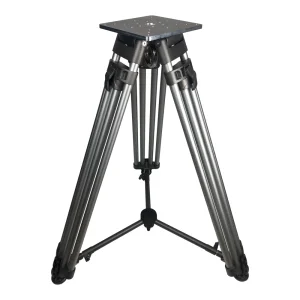
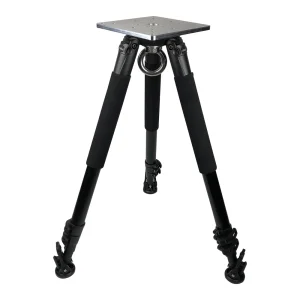
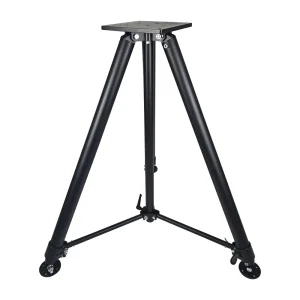
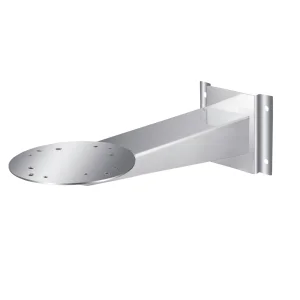
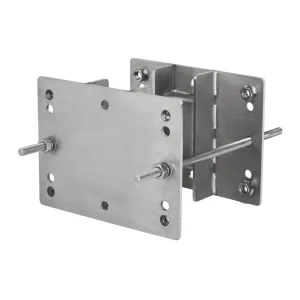
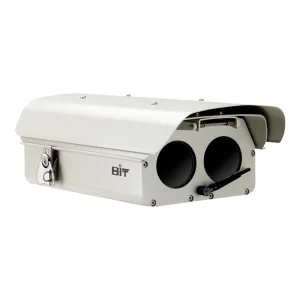
To support sustained uptime, all Pan-Tilt Unit (PTU) accessories—including wall mounts, pole adapters, base tripods, and protection cabinets—must be engineered with passivated materials (such as SUS316L stainless steel) and specialized powder finishes. Our structural components are designed to withstand structural vibration, high-velocity oceanic winds, and direct sea spray, securing critical instrumentation across Kiribati's remote monitoring sites.
Optimizing mechanical accessories for extreme coastal service requires careful material selection and engineering design. Standard mild steel and unanodized aluminum alloys are unsuitable for the Pacific climate. Our manufacturing processes focus on advanced anti-corrosive treatments and robust seal designs.
| Parameter | Standard Specification | Marine-Grade Coastal Specification (Kiribati Optimized) | Engineering Rationale |
|---|---|---|---|
| Material Base | Aluminum 6061 / SUS304 | Passivated SUS316L / Marine Al-Mg Alloy | Prevents localized pitting and crevice corrosion from salt spray. |
| Surface Treatment | Standard Powder Coating | Multi-layer Fluorocarbon/Electrophoretic Coating (120+ microns) | Meets ISO 12944 C5-M requirements; resists intense equatorial UV exposure. |
| Ingress Protection | IP65 / IP66 | IP67 / IP68 (Double Nitrile O-Ring Seals) | Prevents moisture ingress during heavy tropical downpours and high humidity. |
| Operating Temp | -20°C to +50°C | -40°C to +75°C (Integrated Climate Control) | Mitigates internal condensation and heat build-up under direct solar exposure. |
| Fasteners | Zinc-Plated Alloys | SUS316 A4-80 Grade Stainless Steel | Eliminates galvanic corrosion at stress-bearing fastening points. |
Modern coastal management requires integrated electro-optical sensor stations capable of reliable data collection. The PTUs and their mounting accessories act as the structural support for long-range thermal cameras, radar sensors, meteorological payloads, and satellite communication receivers.
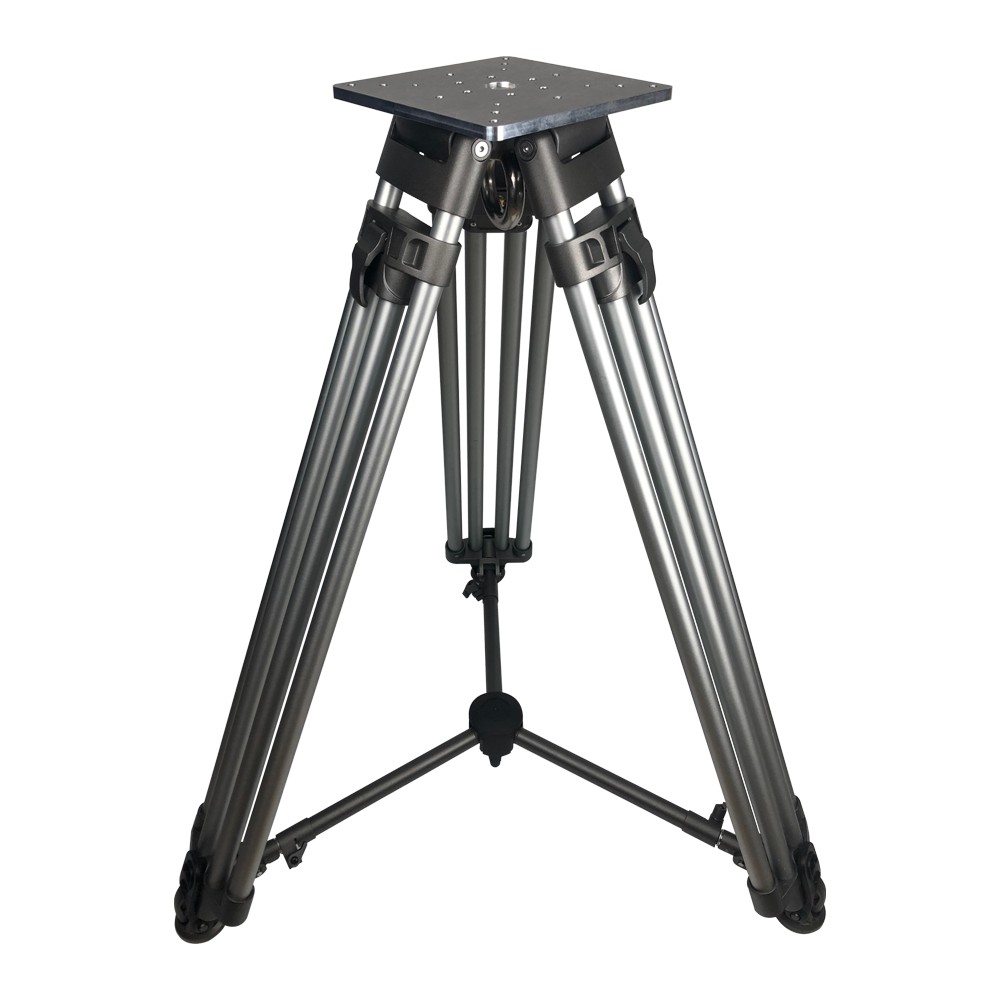
Supporting heavy X-band and S-band marine surveillance radars on high-wind atolls. The custom heavy-duty tripods are engineered to withstand rotational force and dynamic torque, maintaining alignment and calibration during storm surges.
Many remote outer islands in Kiribati lack grid power. Our low-power, high-efficiency PTUs are designed for 12V/24VDC solar power stations, optimizing power draw during continuous scanning sequences.
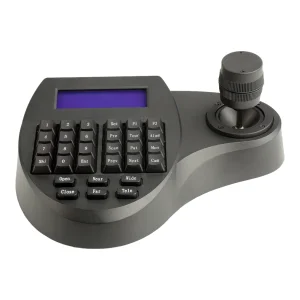
For maritime interception, port authority cameras use our high-speed PTUs with RS485 controllers. These units feature fast pan/tilt tracking speeds (up to 100°/s) to monitor high-speed watercraft approaching harbors.
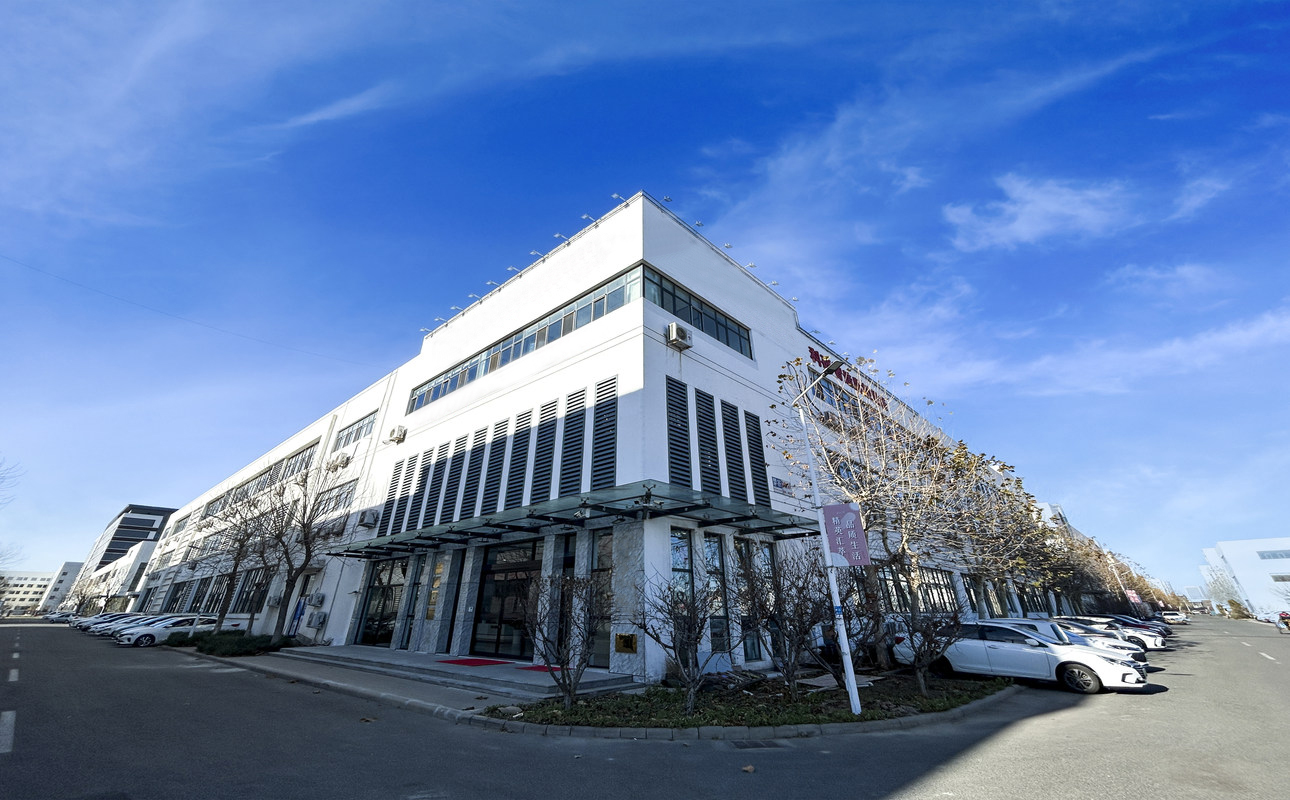
As a national high-tech enterprise based in China's industrial manufacturing corridor, Blue Icon (Tianjin) Technology Co. Ltd. (BIT-CCTV) has manufactured high-durability pan-tilt units and camera enclosures since 2005. Operating a 10,000 square meter facility, we have built a streamlined supply chain designed to deliver bespoke industrial hardware to remote markets globally.
Our production facilities utilize automated precision CNC centers and testing environments to ensure component reliability. From structural component casting to surface finishing, our processes undergo strict quality control to guarantee resistance against marine corrosion and physical stress.
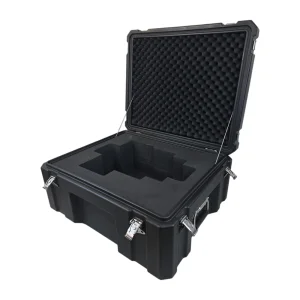
For remote ocean locations like Kiribati, we specialize in high-durability packaging (using heavy-duty rotomolded protection transit boxes) and consolidated shipping networks to ensure that complex mechanical assemblies arrive damage-free and ready for deployment.
Blue Icon Founded
Annual R&D Investment
Exporting Countries
Factory Footprint
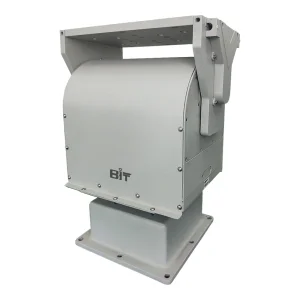
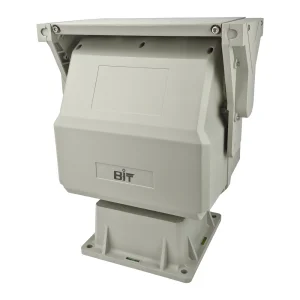
Industrial-grade positioning heads designed to support dual-vision camera payloads, thermal cameras, and searchlights in severe conditions.
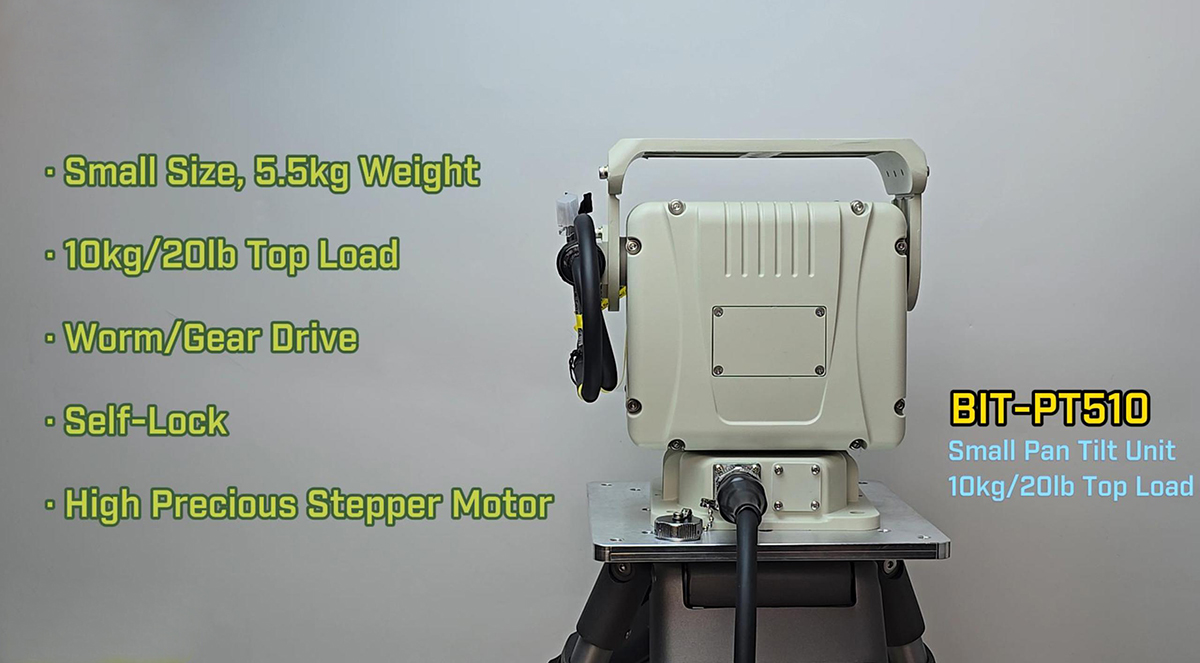
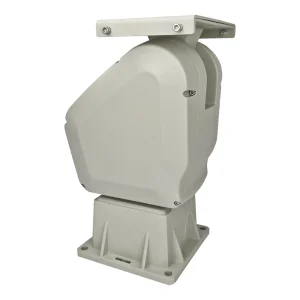
Payload limit: 10kg (22lb). Features a high-precision stepper motor and worm/gear drive. Supports 360° continuous pan rotation and ±60° tilt rotation. Designed for maritime borders, port control, and early-warning environmental tracking.
Specs Details →Weight: 3.5kg. Max payload capacity: 3.5kg (7.7lb). Suitable for mobile sensor arrays and space-constrained environments where minimal weight and compact size are required.
Specs Details →Pan rotation speed: up to 100°/second. Features dynamic positioning and tracking capabilities, a worm/gear tilt mechanism, 10kg payload capacity, and a -90° to +40° tilt range.
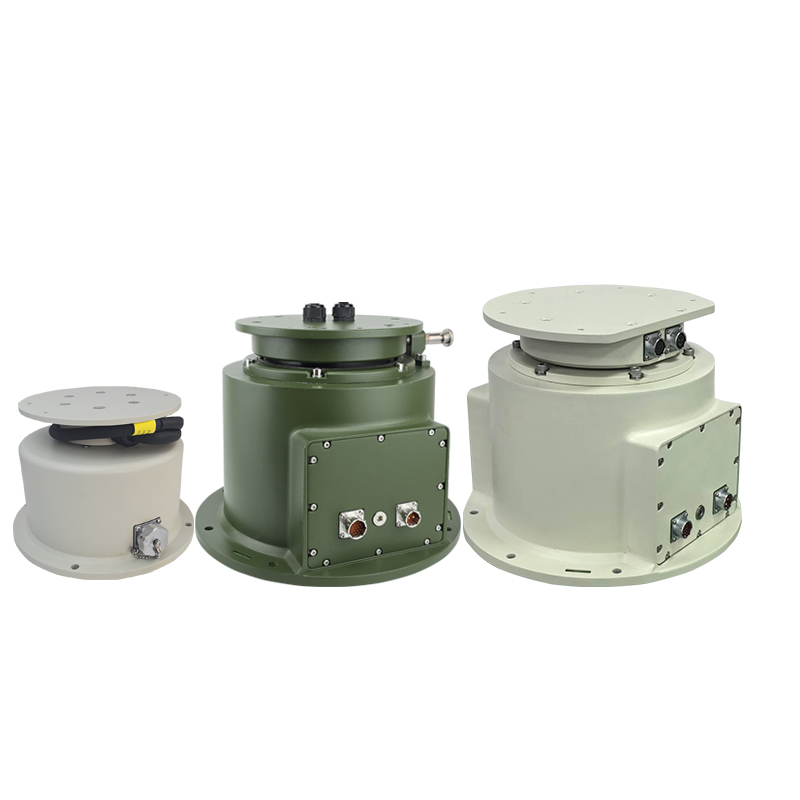
Specs Details →Payload limit: 50kg (110lb). A robust unit developed for harsh environments, widely used in long-range coastal and forestry observation applications where reliability is essential.
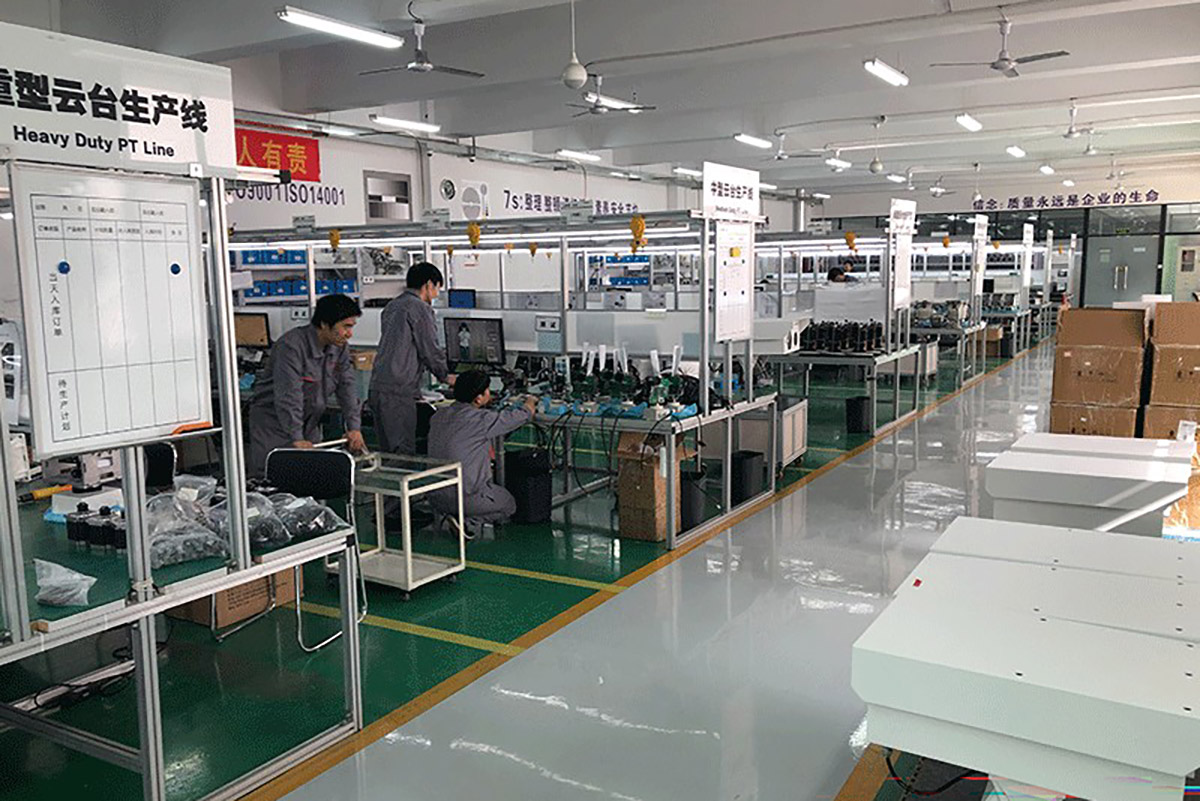
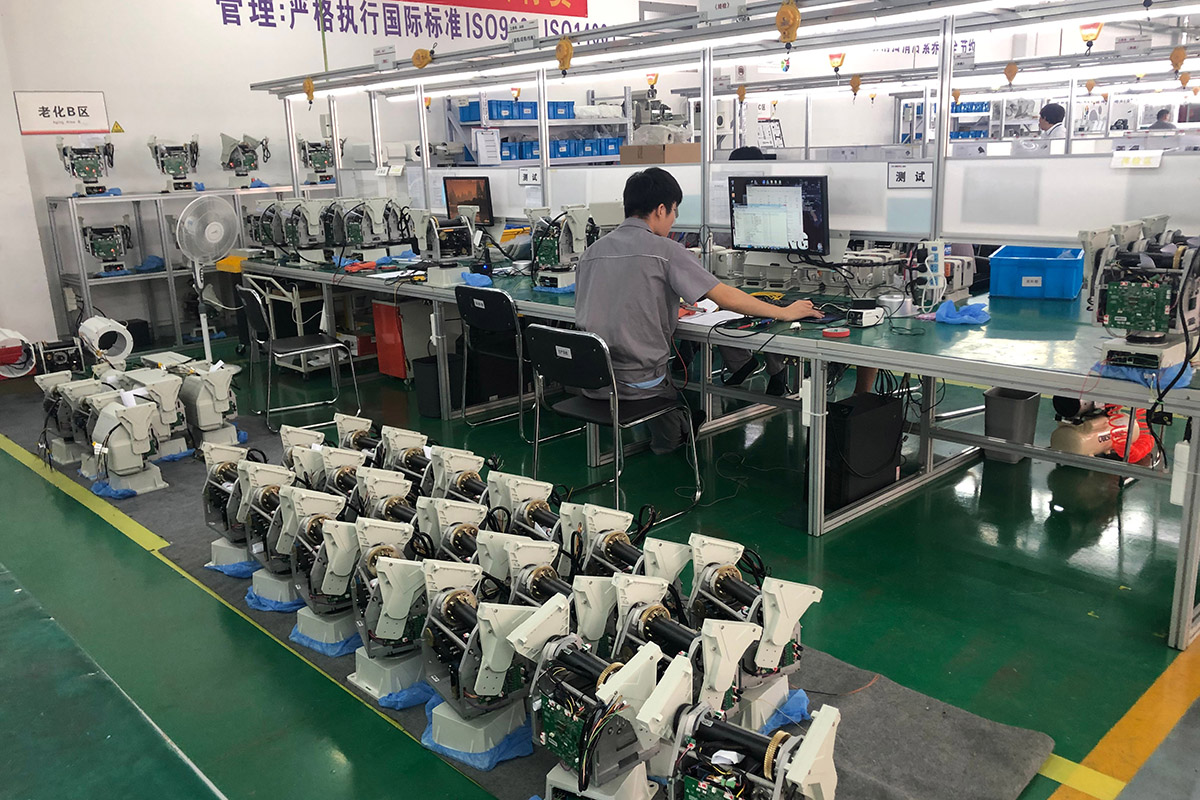
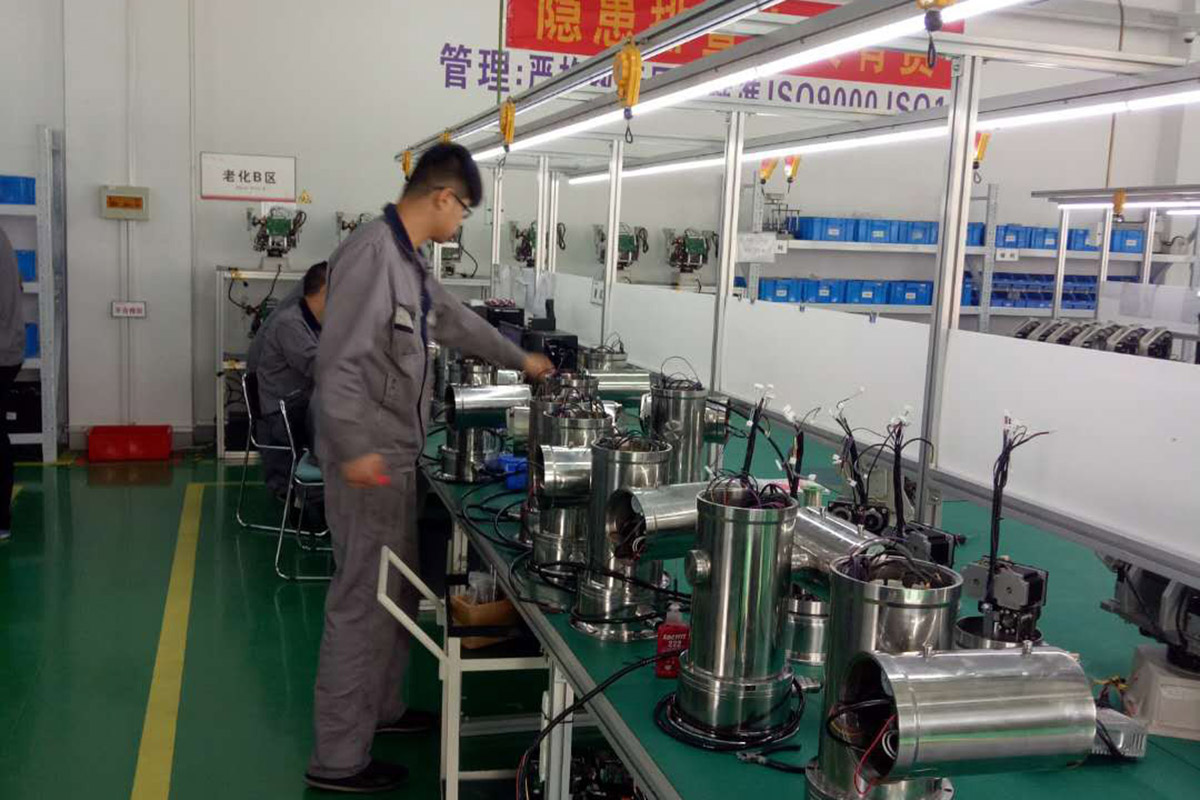
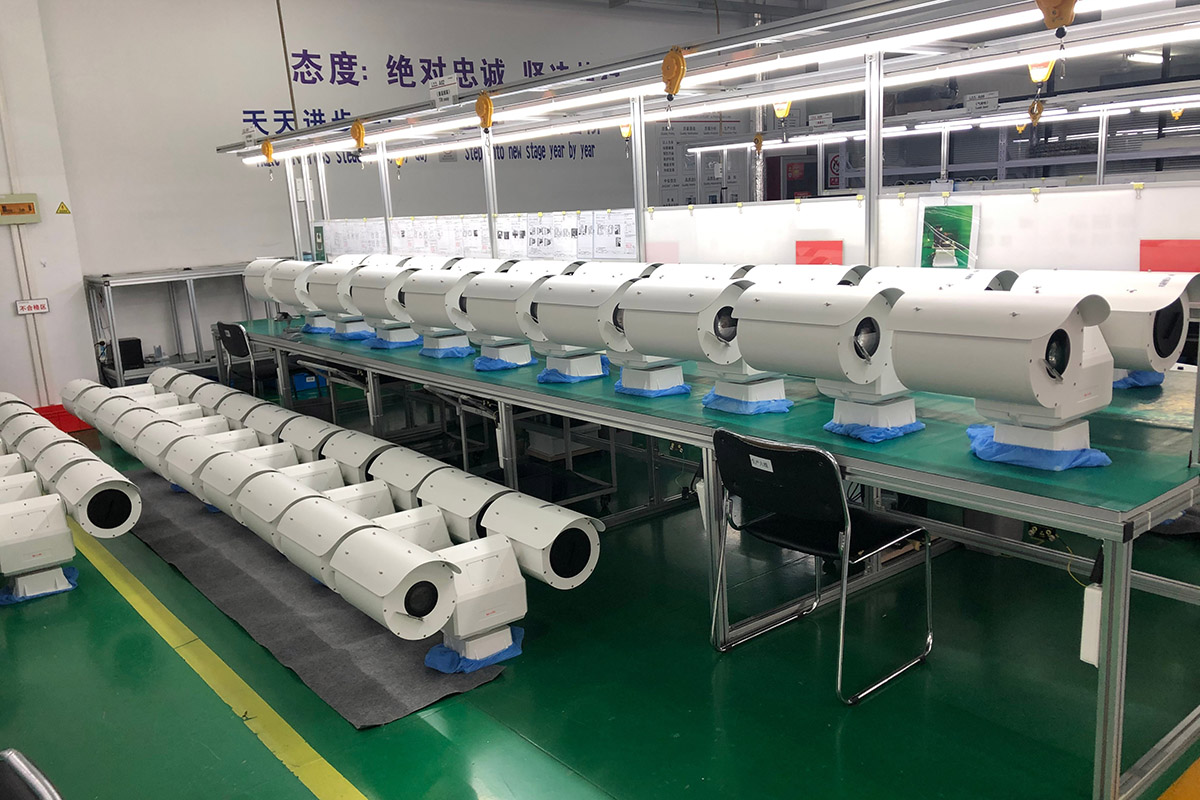
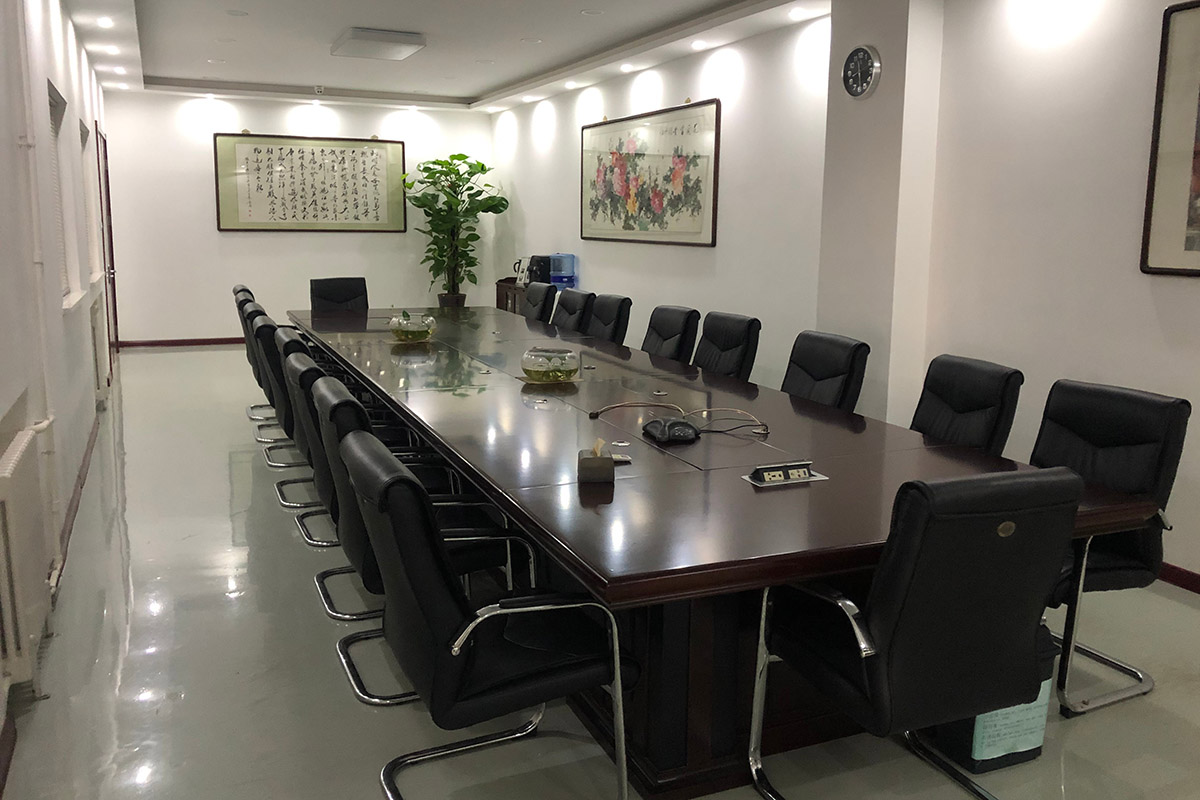
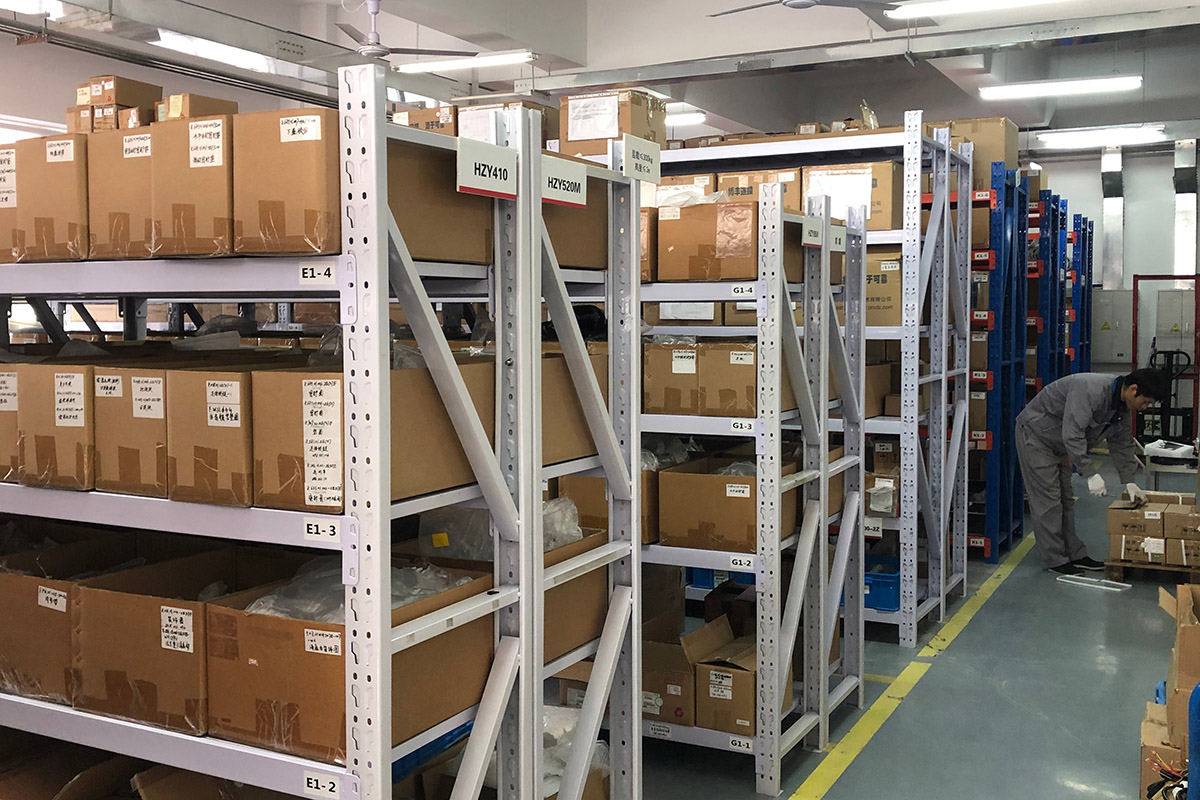
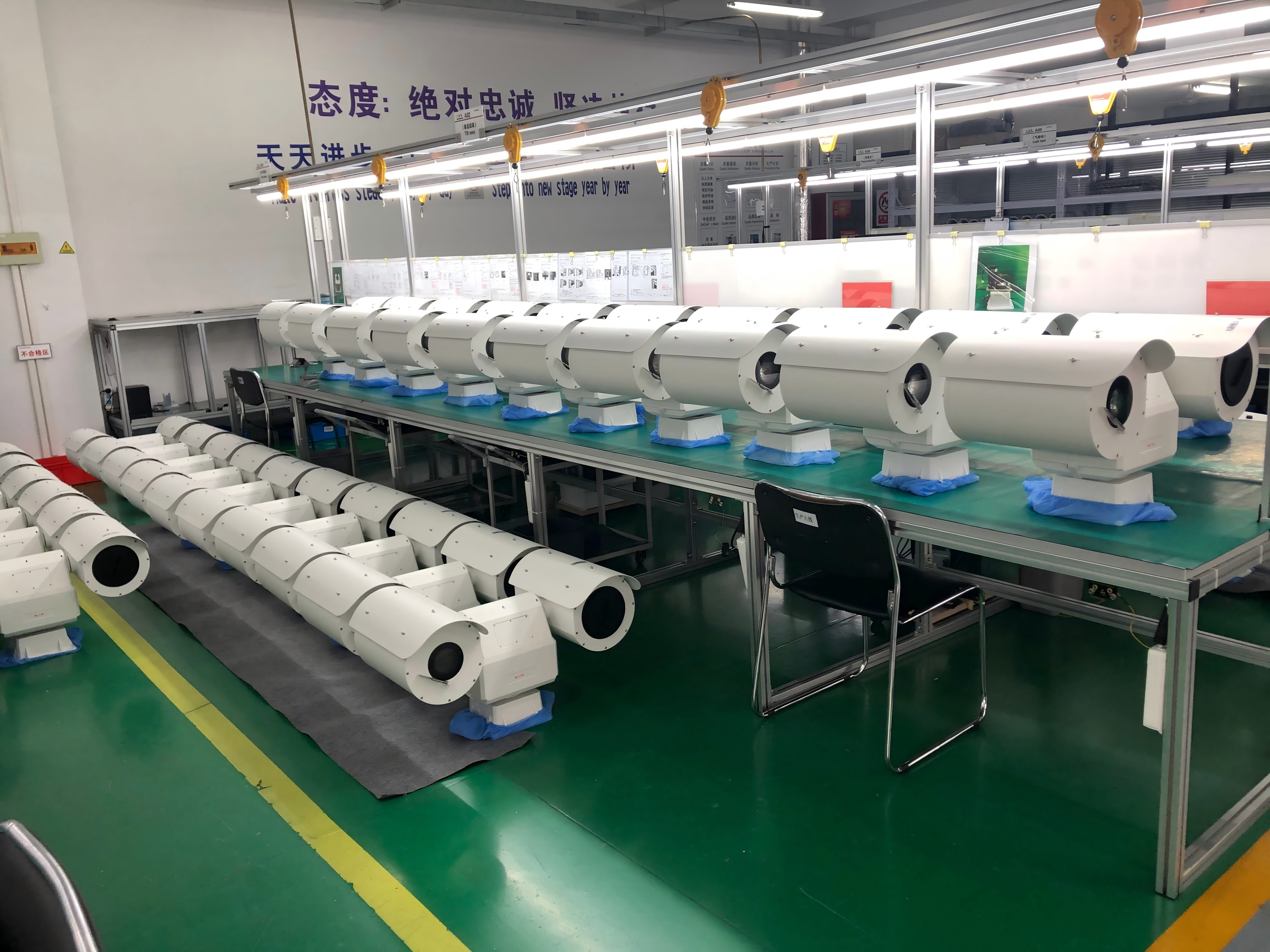
Specs Details →Explore our manufacturing, machining, assembly, and environmental stress chambers.
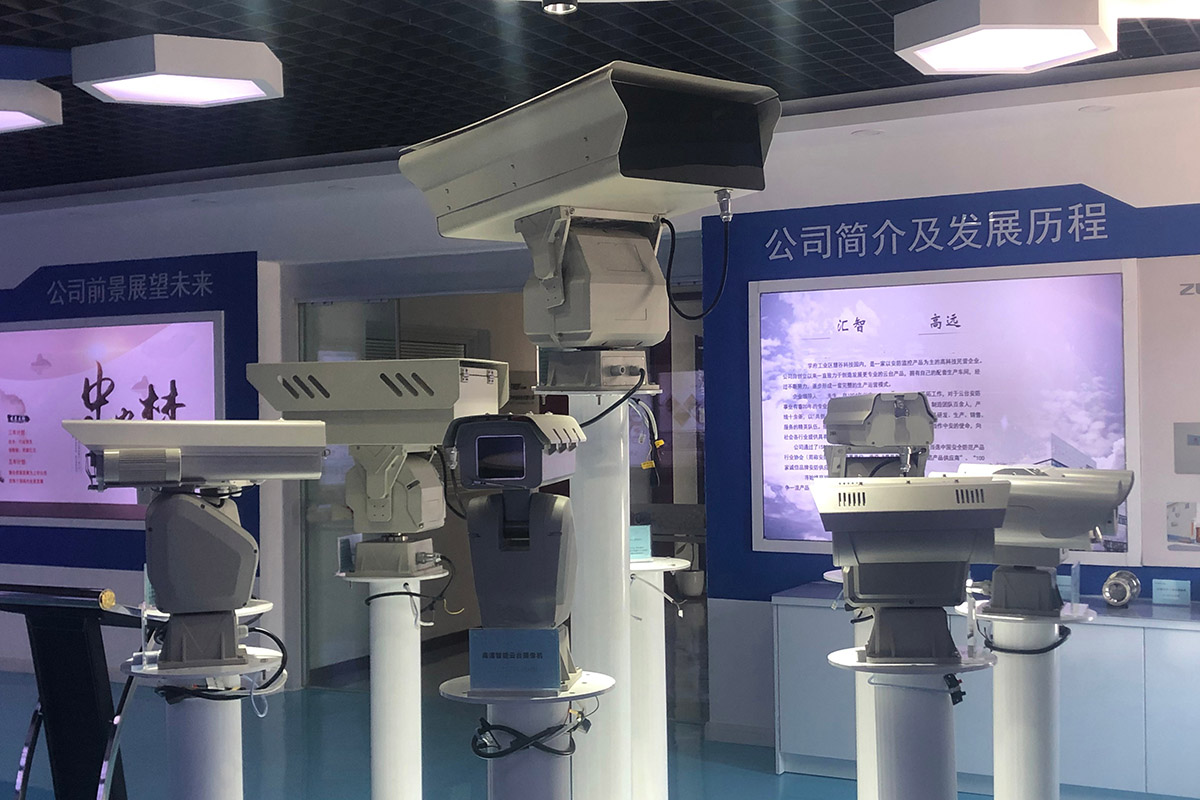
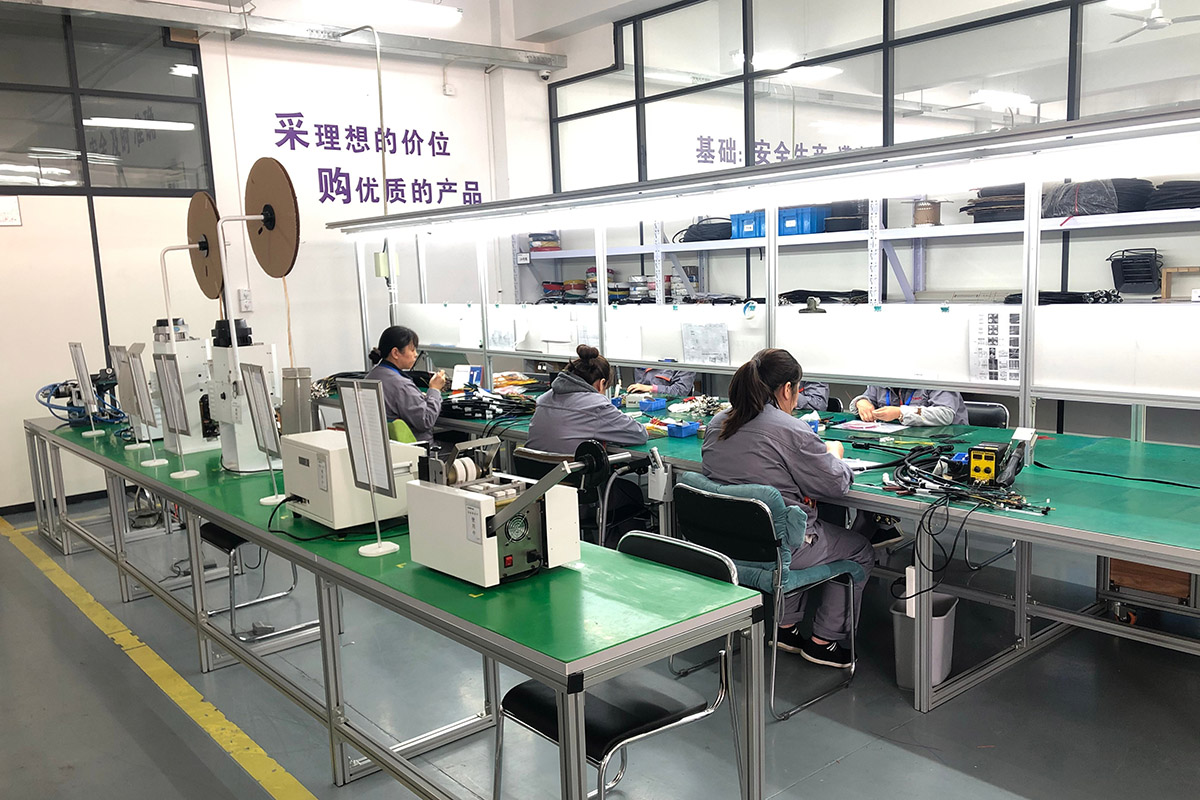
Guides and findings on choosing, mounting, and maintaining pan-tilt mechanisms in harsh marine and atoll environments.
As customized application scenarios expand, choosing a suitable supplier involves assessing dynamic load capabilities, structural weatherability, control protocols, and quality assurance.
Read Publication →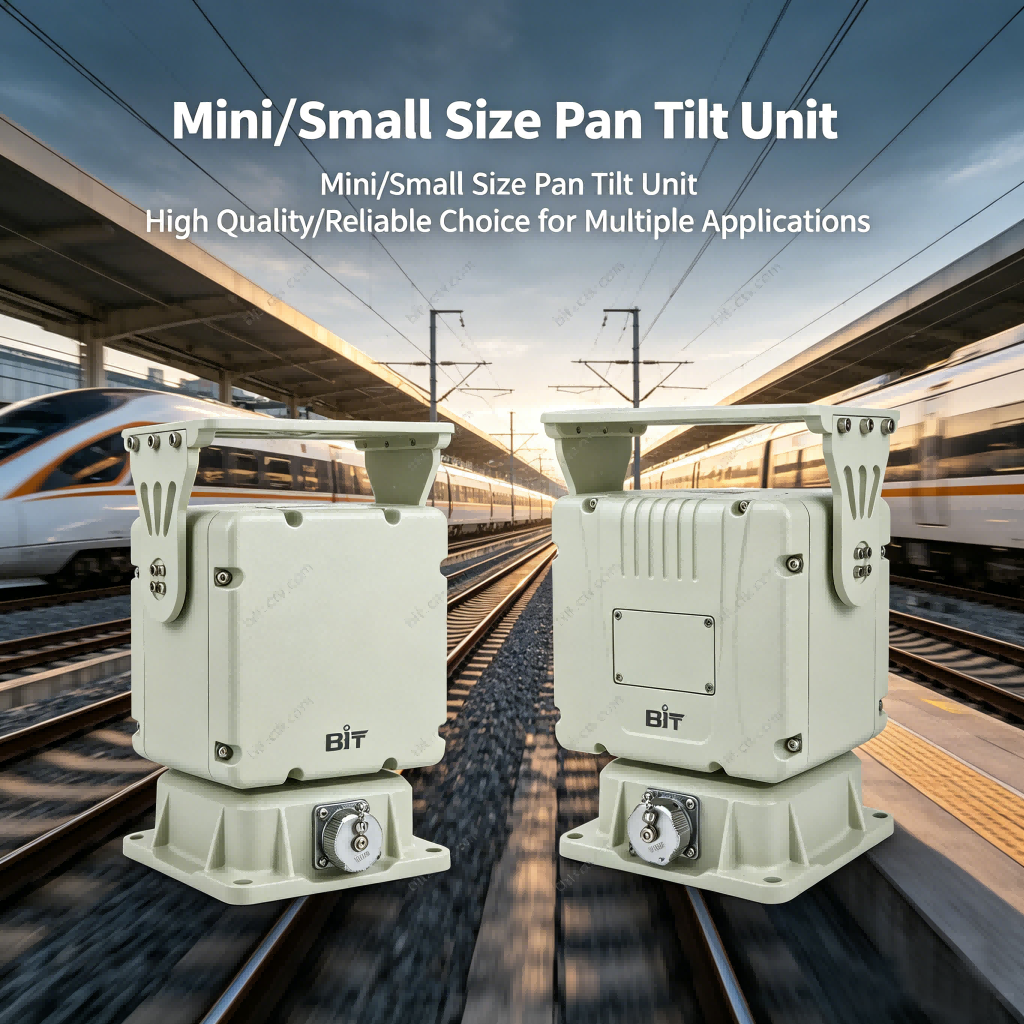
An engineering breakdown of compact pan-tilt heads. These designs combine worm-gear mechanisms with lightweight structural footprints, suitable for mobile and solar-powered surveillance installations.
Read Publication →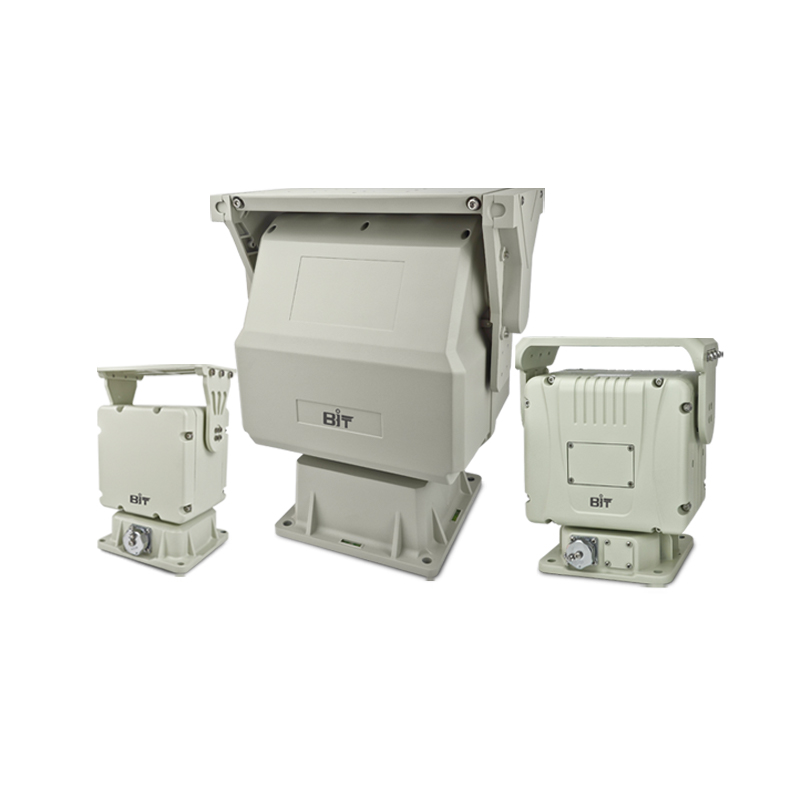
Learn how to categorize positioning units by payload capacity, environmental ratings, control protocols, and drive mechanisms to match your project requirements.
Read Publication →We invest 10% of our annual sales revenue into R&D. Our products hold over 50 patents and meet international quality control, environmental design, and safety requirements. Our manufacturing facilities are ISO9001:2015 certified, and all positioning heads and camera housings are thoroughly tested before dispatch.
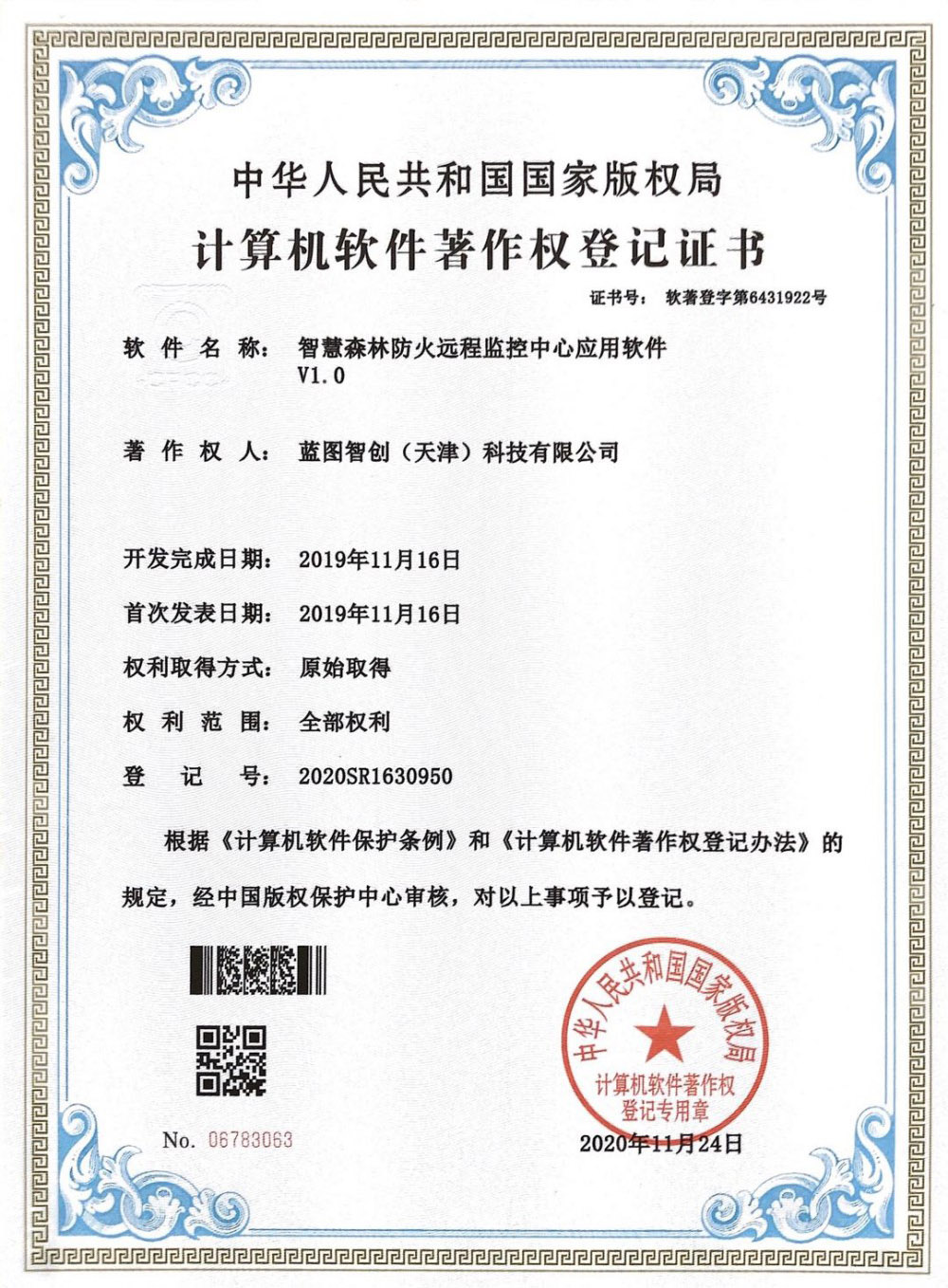
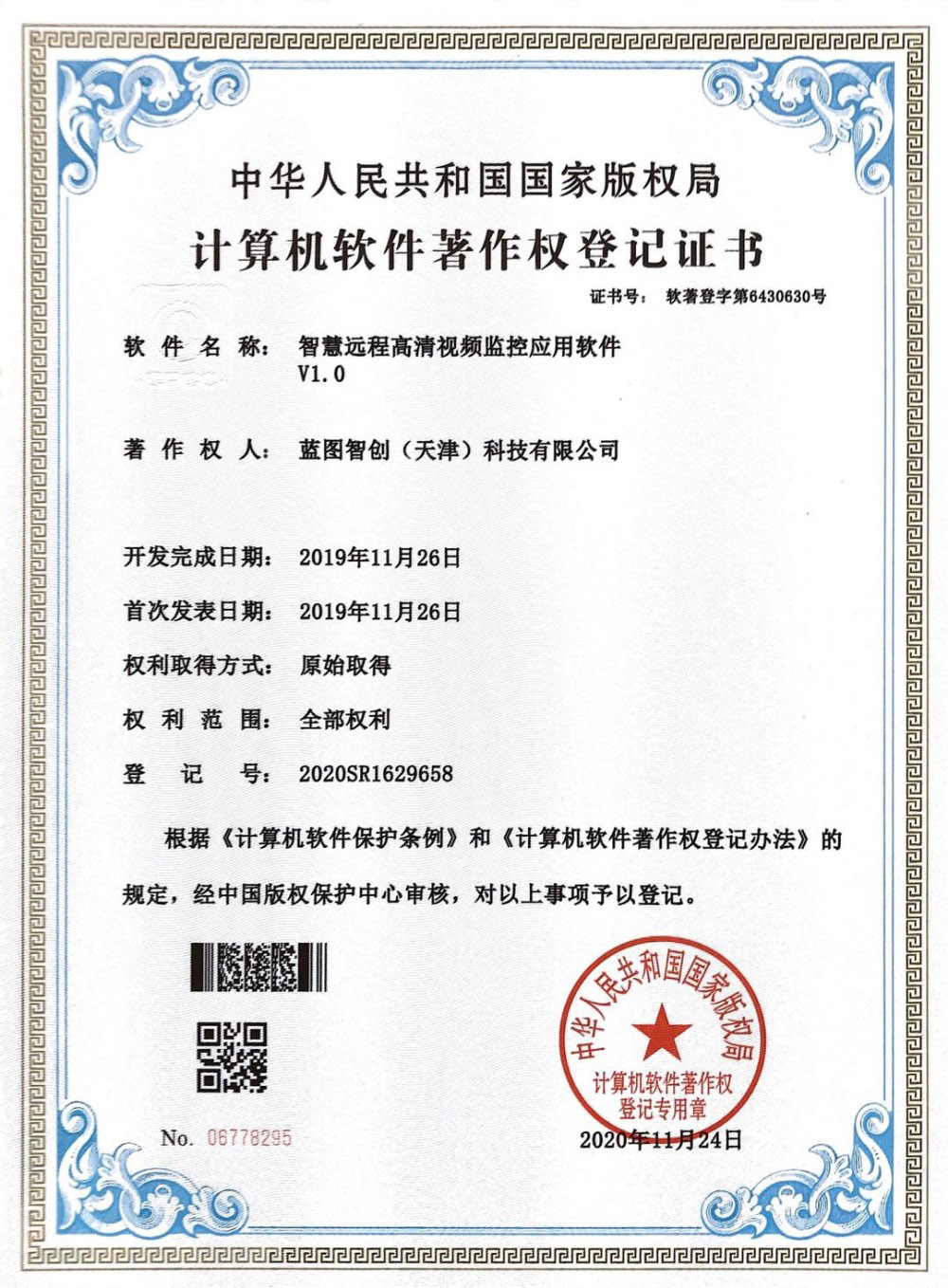
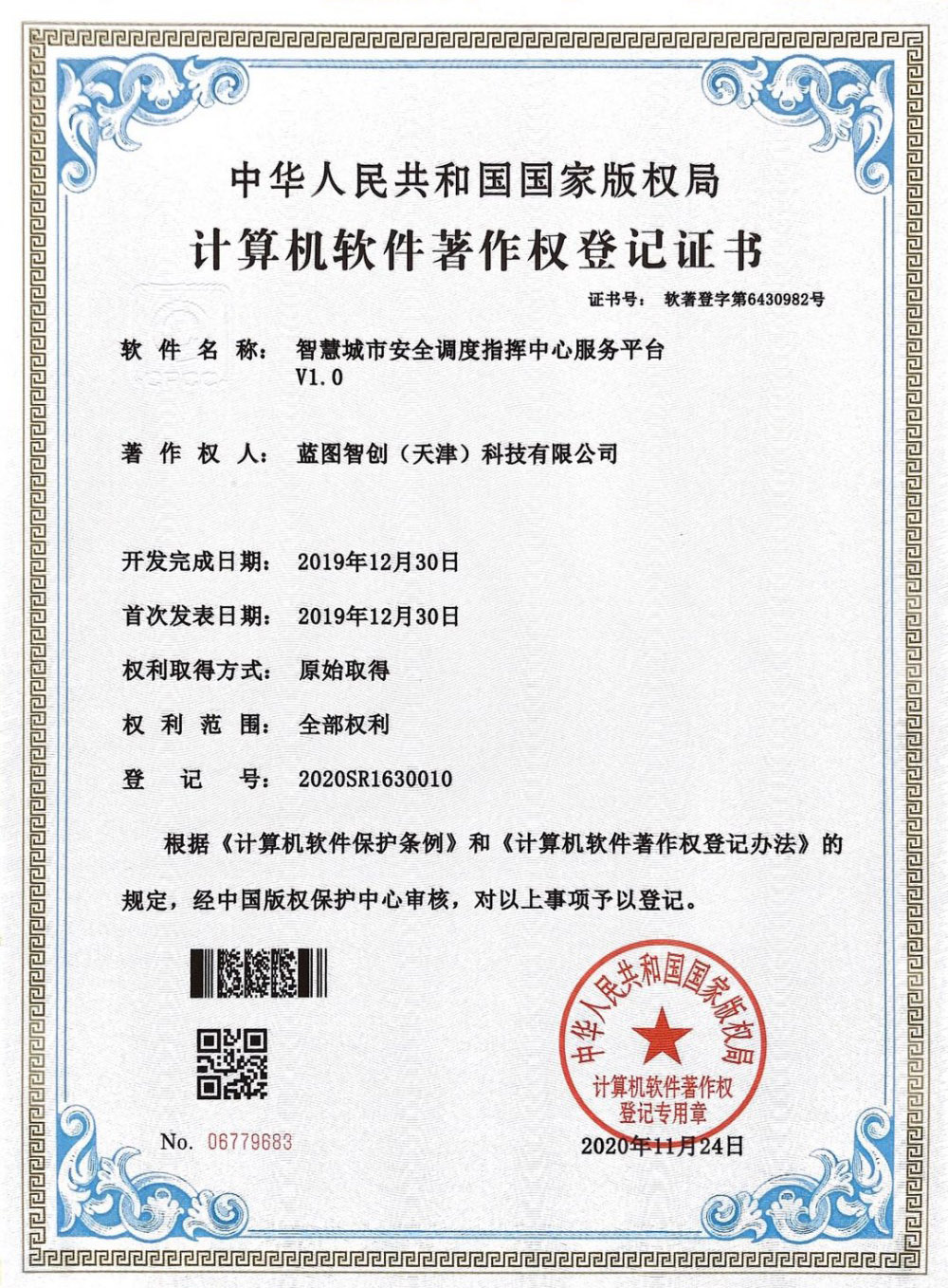
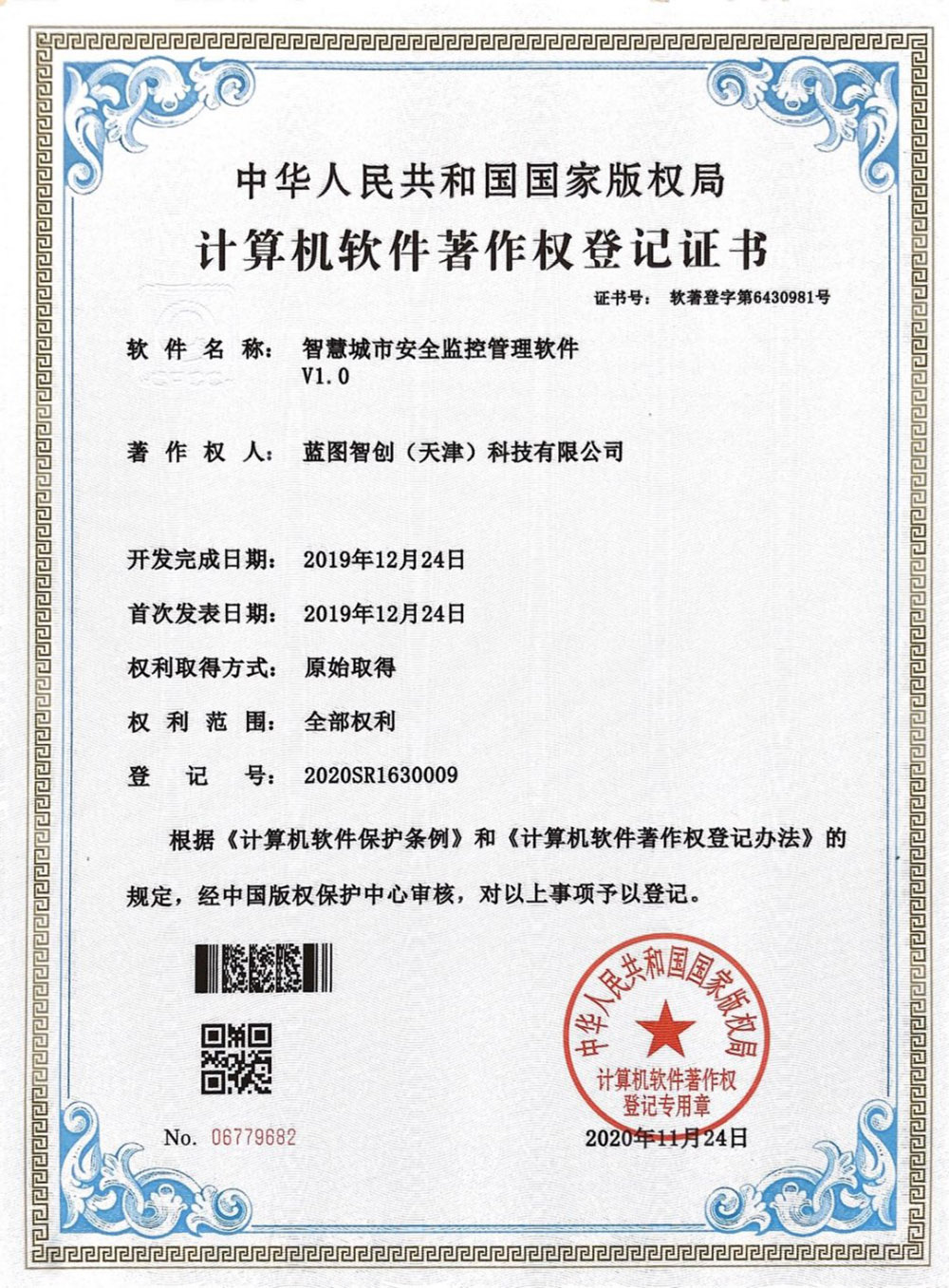
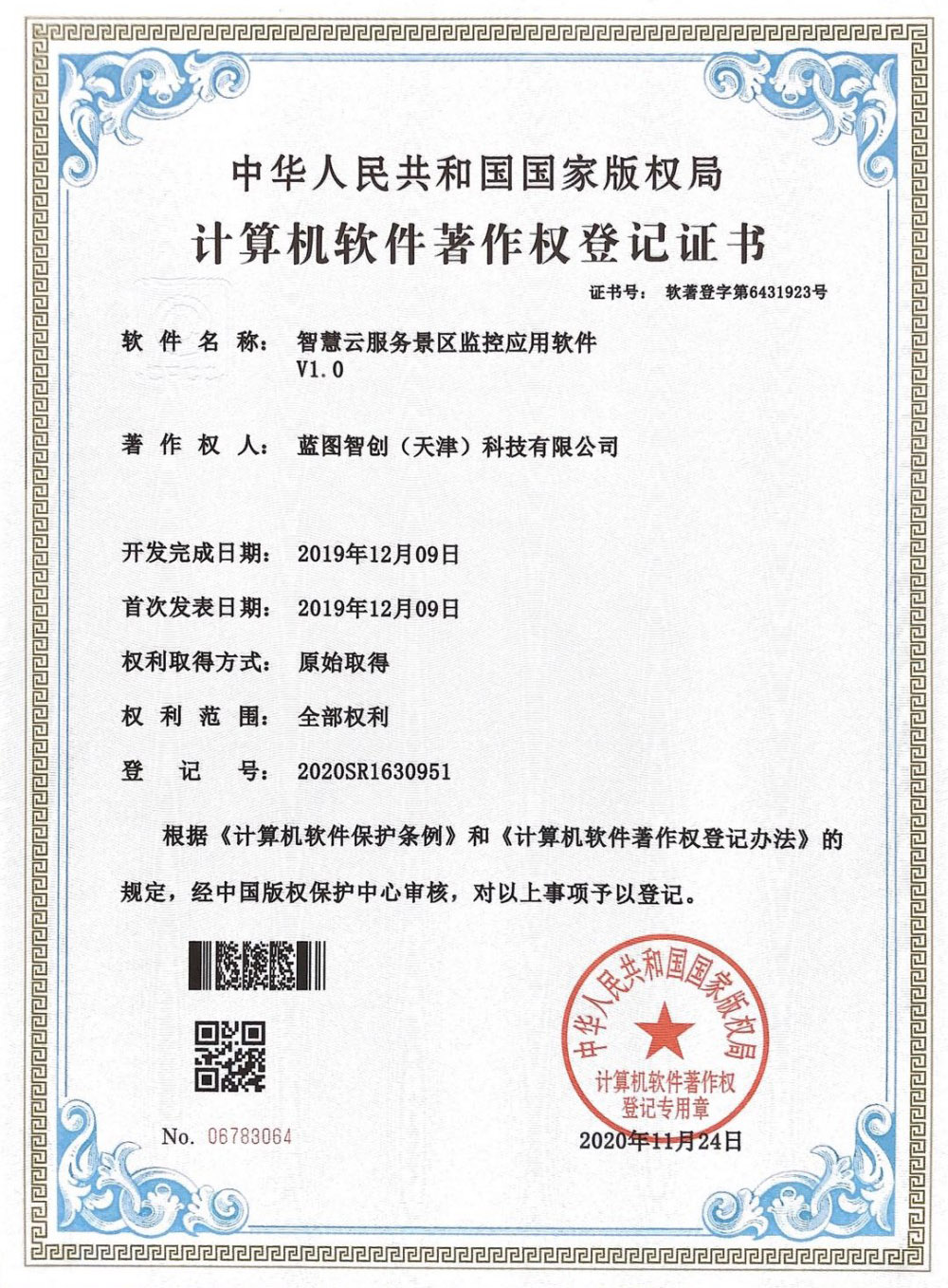
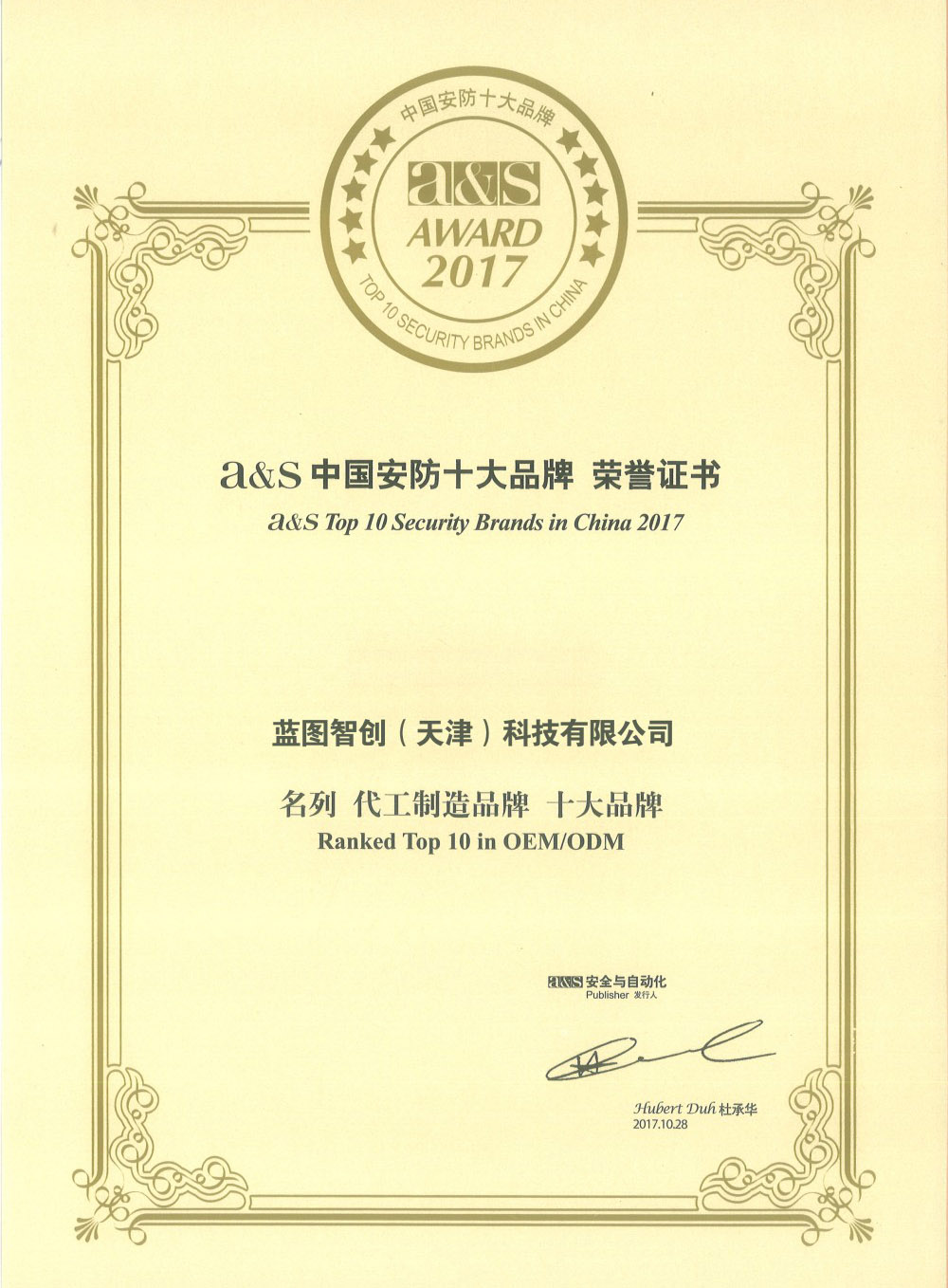
Our positioning systems are used in more than 50 countries, supporting national defense, maritime research, critical infrastructure protection, and wildlife monitoring projects. We work closely with global system integrators to deliver reliable technology solutions.



Marine-grade brackets, protective camera enclosures, and heavy-duty motorized positioning heads engineered for coastal installations.
Frequently asked questions regarding the installation, material limits, and maintenance of pan-tilt units in high-salinity island regions.