 BIT-CCTV
BIT-CCTV
BIT-CCTV
Expertly curated optical enclosures and high-load positioners designed to withstand severe heat, dust infiltration, and coastal winds near the Senegal River valley.
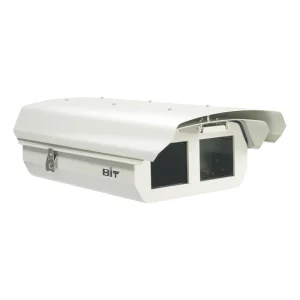
Analyzing local climate stressors, structural parameters, and technical challenges for security infrastructure in the Sahel region.
Kaédi, positioned strategically along the Senegal River in southern Mauritania, represents a complex cross-border trade, agricultural, and urban setting. The region experiences extreme Sahelian environmental pressures: ambient temperatures regularly exceeding 45°C during the pre-monsoon heat, prolonged dry spells, and violent sand-laden winds (the Harmattan). These factors place a heavy burden on electro-optical monitoring systems. Standard commercial-grade camera housings quickly decay, fog up, or succumb to fine particulate matter (PM2.5 and PM10). This sand acts as a highly abrasive medium, clouding optical windows and seizing mechanical gears.
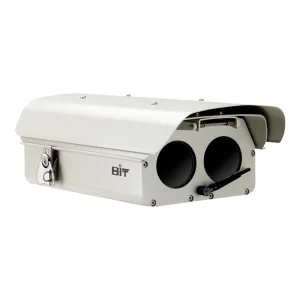
To address these conditions, advanced camera housings must implement dual-window structural enclosures with customized air-purging sunshields, integrated temperature compensation systems, and high-performance wipers. Dual-window enclosures allow the simultaneous operation of thermal sensors and long-range optical cameras. This is crucial for local logistics and agricultural monitoring, where visual surveillance alone fails during dusty nighttime conditions.
Globally, the security industry has transitioned from static cameras to active, intelligent positioning payloads. Modern installations rely heavily on Pan-Tilt Units (PTUs) that can support weights from 3kg up to 120kg. These systems carry multi-spectral payloads including laser rangefinders, long-range thermal cameras, and visible-spectrum zoom lenses. The global supply chain has prioritized modularity and remote diagnostic capabilities, such as RS485/RS422 control protocols. This standard allows operators to adjust camera settings, monitor motor torque, and trigger integrated wipers or heaters remotely from centralized operation rooms.
For regional hubs like Kaédi, utilizing these global industrial standards means securing local borders, transit corridors, and hydrological monitoring installations along the river. These efforts benefit from reliable direct-drive mechanisms and worm-gear assemblies designed to resist high wind forces without losing positional accuracy.
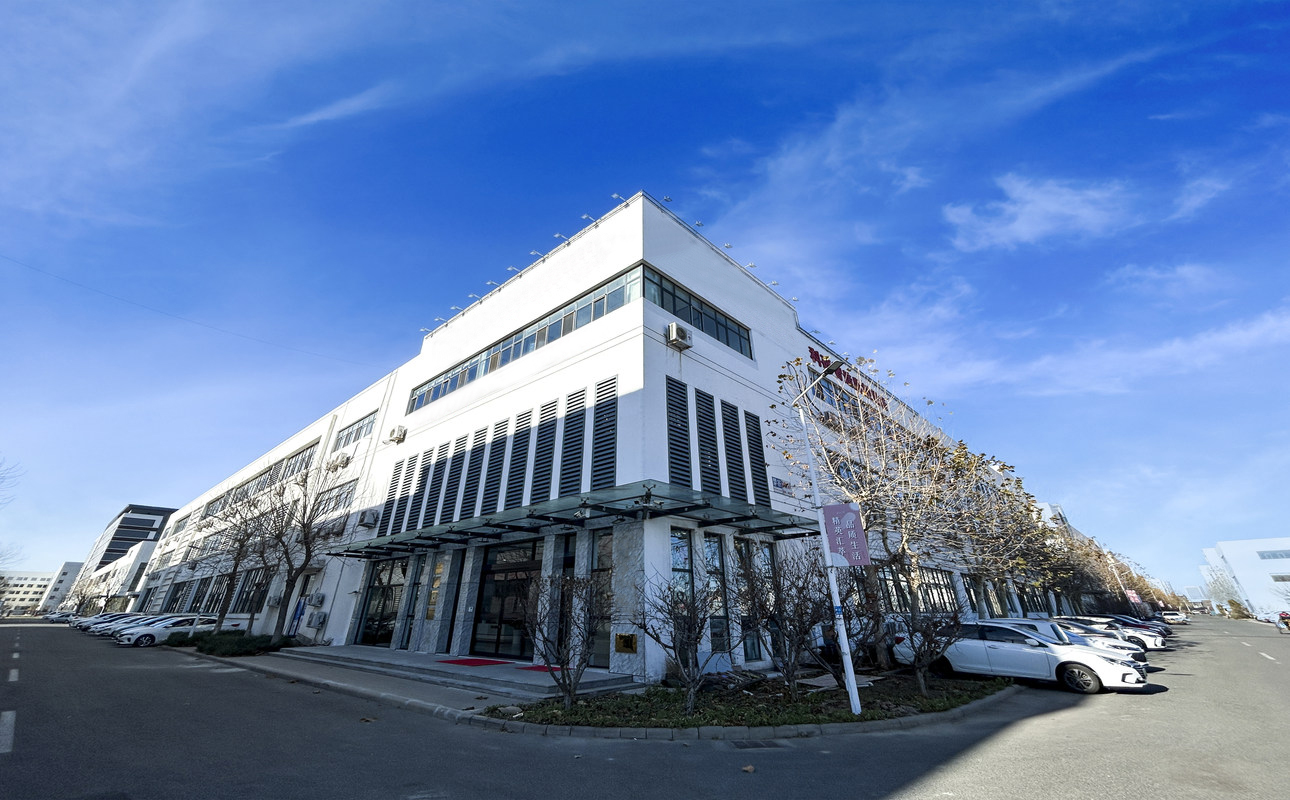
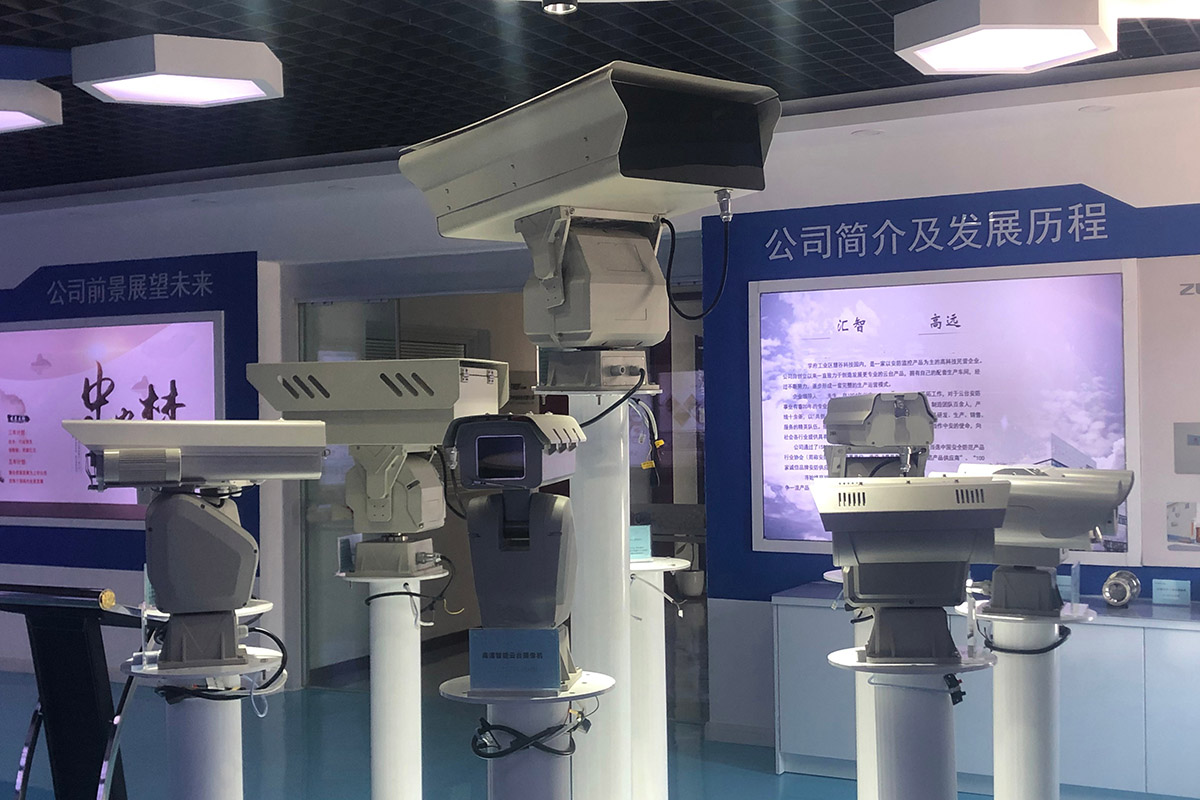
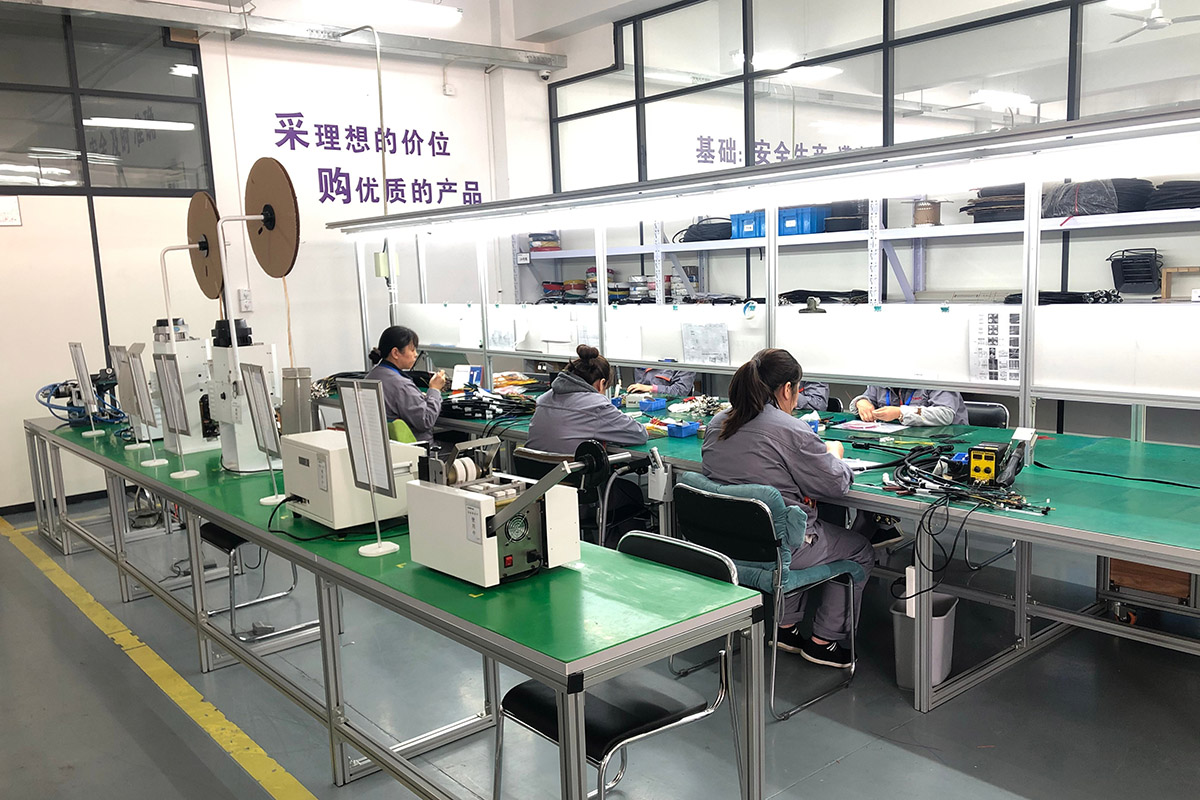
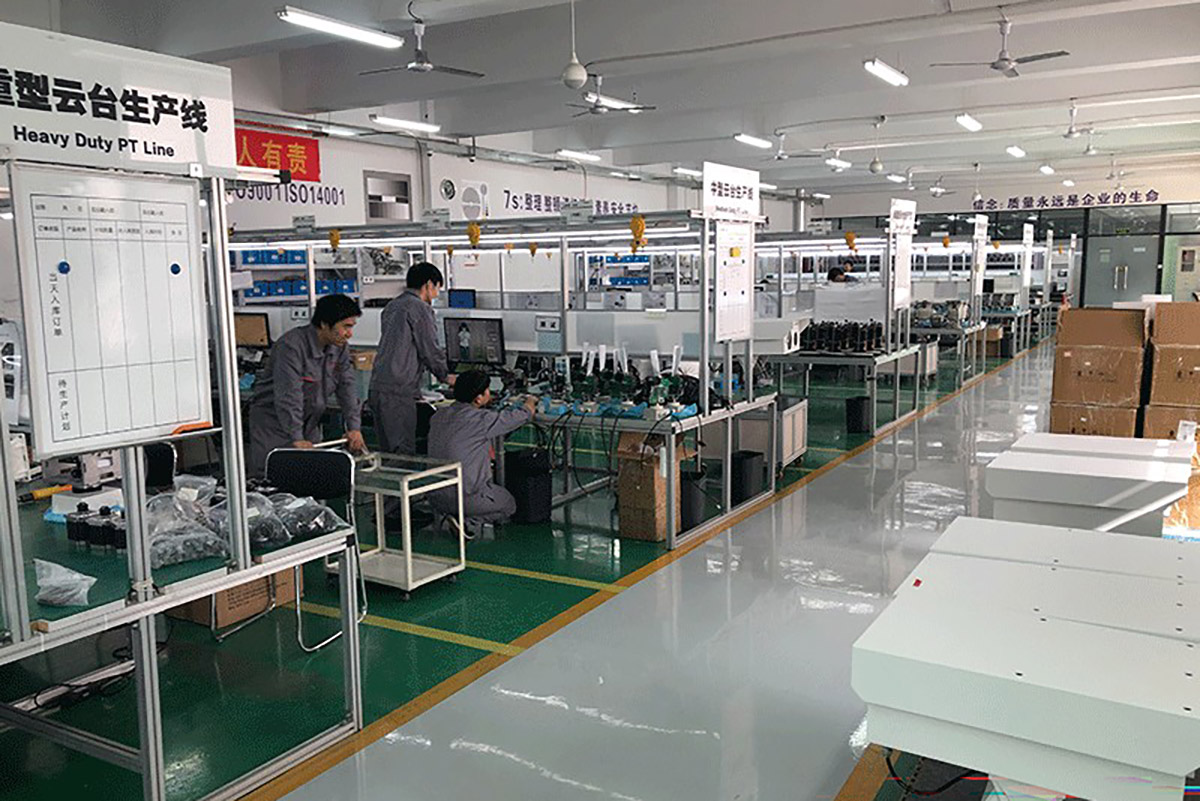
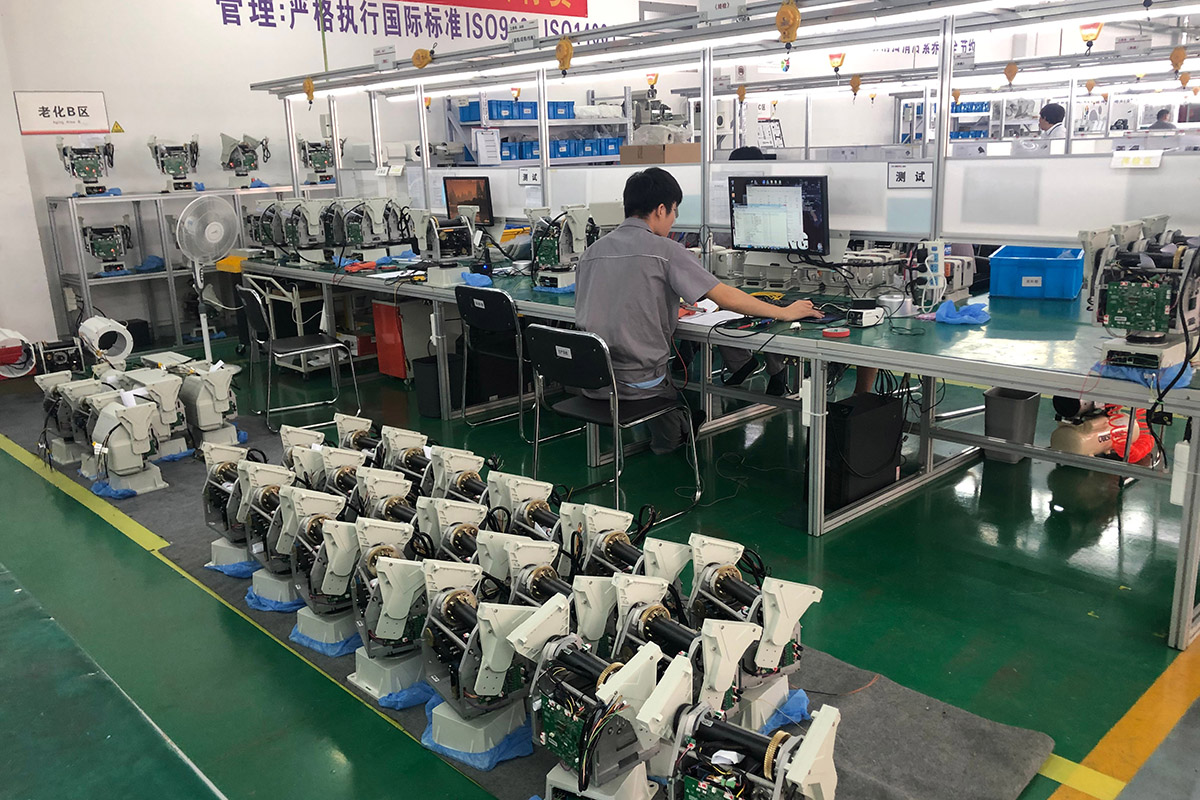
Established in 2005, Blue Icon (Tianjin) Technology Co. Ltd. is a national high-tech enterprise specializing in the design, engineering, manufacturing, and global distribution of heavy-duty CCTV surveillance equipment. Our extensive portfolio includes high-torque pan-tilt heads/positioners, long-range laser PTZ cameras, dual-vision infrared thermal imaging PTZ systems, ruggedized camera housing enclosures, and heavy-duty mounting accessories.
With a dedicated 10,000 square meter manufacturing facility and an unwavering commitment to innovation, we invest 10% of our annual sales revenue directly back into R&D. This allows us to hold over 50 national patents, delivering highly customized OEM and ODM solutions to clients in more than 50 countries across five continents.
How our targeted camera housings and precision pan-tilt platforms resolve real-world deployment challenges.
The border crossings near Kaédi demand continuous, round-the-clock monitoring. Combining heavy-duty 50kg to 120kg pan-tilt positioners with dual-vision thermal and optical camera housings allows security forces to monitor distant targets, even during intense dust storms. Integrated wipers and wash systems ensure the optical window remains clear without requiring manual field maintenance.
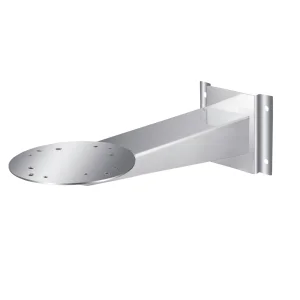
Water resource management along the Senegal River basin requires equipment that can withstand high humidity, river fog, and extreme outdoor heat. Utilizing IP67-rated 316L stainless steel brackets and protective housings prevents premature corrosion, ensuring consistent environmental and flood warning data flows back to municipal control hubs.
With the rapid growth of off-grid solar farms in rural Mauritania, securing extensive perimeters is essential. By deploying high-speed pan-tilt units equipped with thermal cameras, operators can automate scanning loops. These systems detect thermal signatures of intruders along perimeters, preventing theft and minimizing operational downtime.
Explore the engineering specifications of our field-proven worm-gear and direct-drive positioners, built to operate reliably in high-temperature, sand-prone environments.
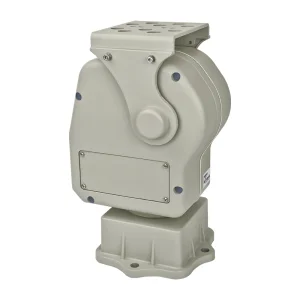
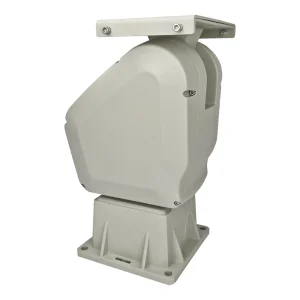
Designed as a compact positioner with a top load capacity of 10kg (22lb), the BIT-PT510 features a high-precision stepper motor paired with a durable worm-gear drive. Supporting 360° pan and ±60° tilt rotations at speeds up to 30°/s, this unit is ideal for deploying medium-sized camera housings, spot lights, or acoustic devices in urban security nets.
Weighing just 3.5kg (7.7lb), the BIT-PT503 is our most compact pan-tilt unit. Optimized for mobile, rapid-deployment, or weight-sensitive tactical set-ups, this miniature unit provides highly precise positioning for smaller sensors, ensuring reliable coverage where larger systems cannot fit.
Engineered for dynamic tracking applications, the BIT-PT410 rotates at speeds up to 100°/s. Using a heavy-duty worm-gear assembly in the tilt axis, it securely positions payloads up to 10kg (22lb) across a wide range of motion from -90° to +40°, making it highly effective for rapid border tracking.
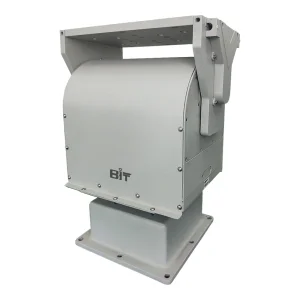
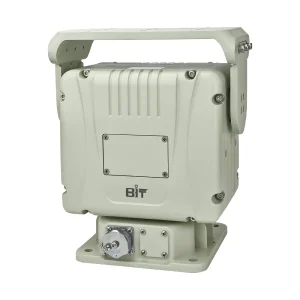
A staple in critical infrastructure security for over a decade, the classic BIT-PT850 supports payloads up to 50kg (110lb). Known for its robust build quality and low maintenance requirements, this heavy-duty unit is designed to operate reliably in harsh, high-temperature deserts and remote border outposts.
Our positioning solutions and camera housings are deployed worldwide, providing reliable perimeter defense across five continents.



Read about key engineering concepts and integration methodologies from our technical research department.
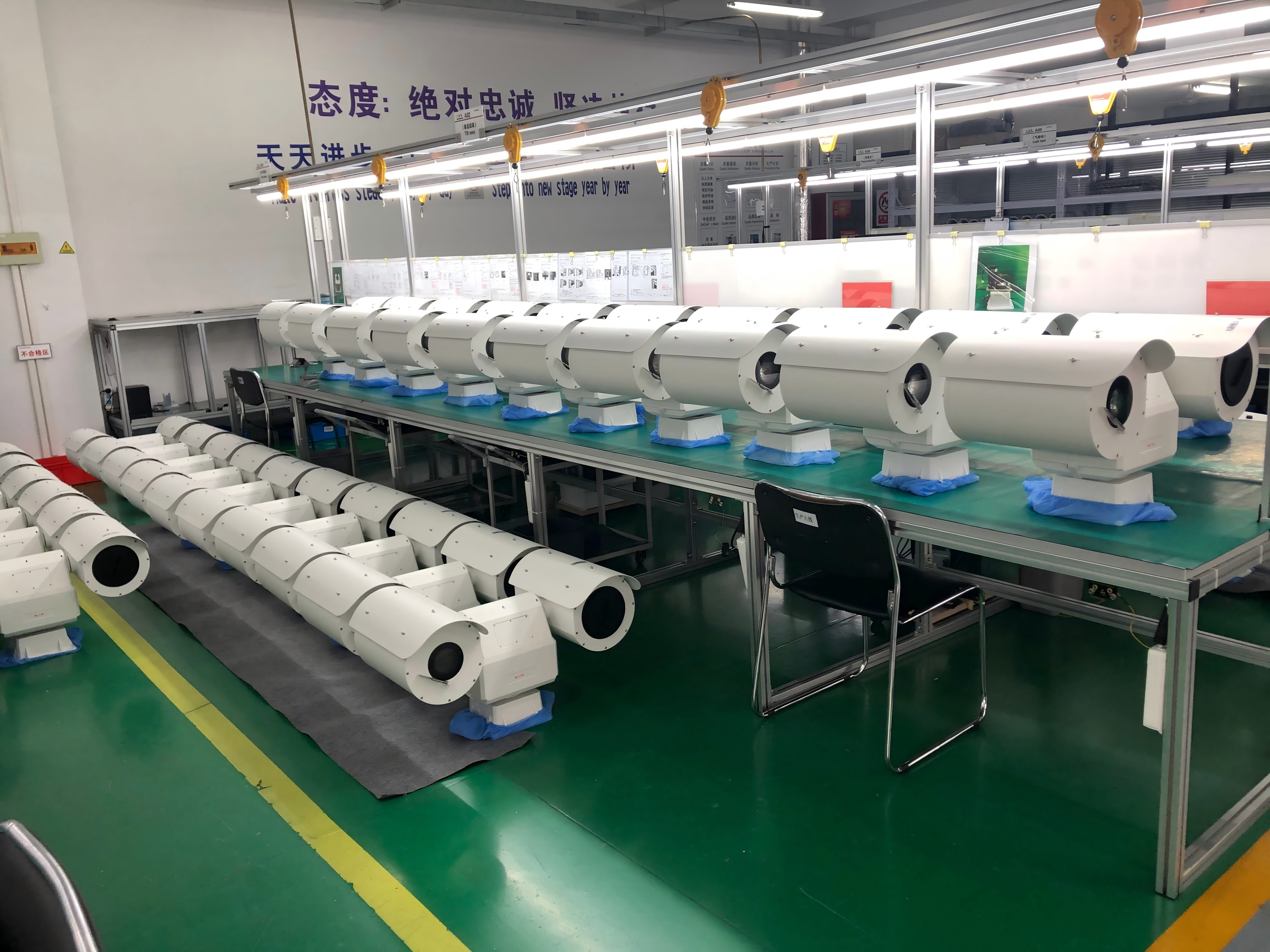
Faced with a growing need for active surveillance tracking, selecting the right positioning supplier requires assessing design engineering capabilities, environmental testing standards, and customization flexibilities.
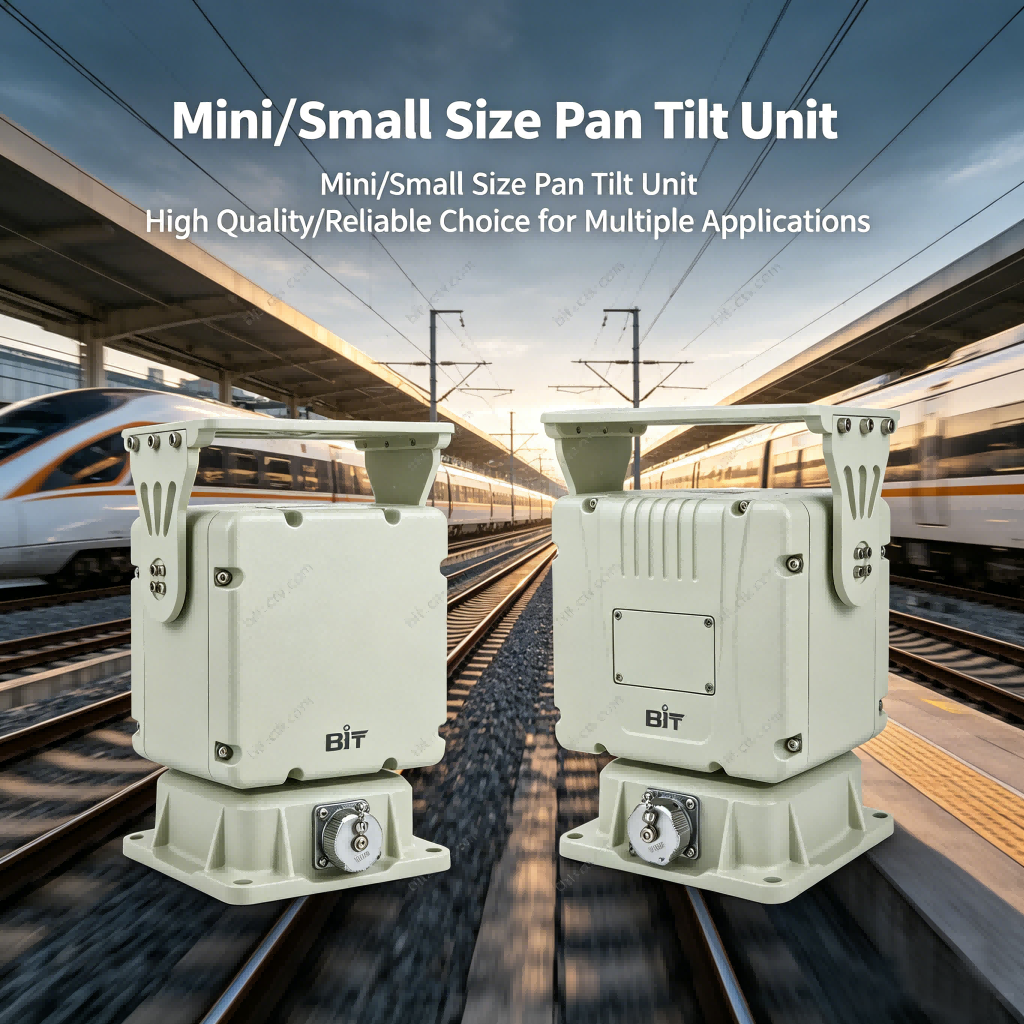
A detailed analysis of compact, low-power-consumption pan-tilt heads. Ideal for remote installations operating on limited solar or battery reserve budgets.
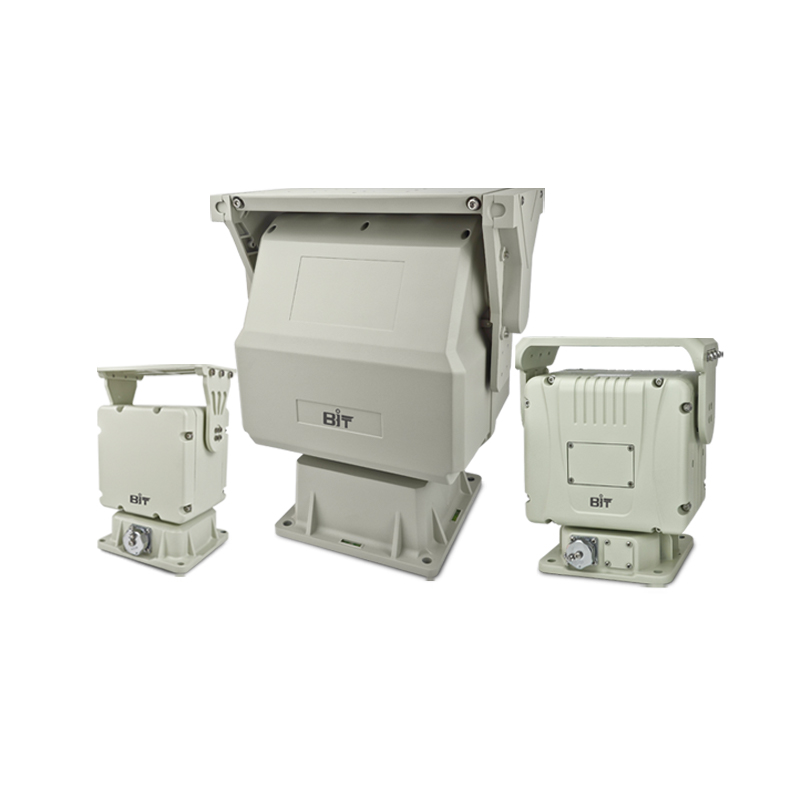
Understanding pan-tilt unit classification by payload capacity, motor drive systems (worm gear vs. direct drive), and operating environments helps optimize field performance.
Detailed technical answers to common integration questions regarding extreme environmental conditions, mechanical calculations, and hardware configurations.
In arid, desert regions, extreme daytime temperatures can wash out optical camera feeds, while sandstorms can severely limit visibility. A dual-window housing allows the integration of an optical camera alongside a thermal sensor within a single, temperature-regulated enclosure. This ensures continuous, reliable coverage.
Additionally, these systems are equipped with protective sunshields to block direct solar radiation, alongside internal cooling fans and heaters that maintain optimal operating temperatures for both sensors.
Selecting the right pan-tilt motor requires calculating both the static weight of the payload and the dynamic torque forces, including wind resistance. Overloading a pan-tilt unit can cause motor strain, reduce positioning accuracy, and lead to premature mechanical wear.
We provide positioners categorized by maximum payload capacity—including light-duty (up to 10kg), medium-duty (up to 30kg), and heavy-duty platforms (50kg to 120kg). This helps ensure stable operation under variable field conditions.
Fine sand and dust particles can settle on the optical window of a camera housing, degrading image quality and hindering automated analytics. Integrated, remote-controlled wiper units allow operators to clear dust and debris from the lens window without sending technicians into the field.
For optimal performance, these wipers can be configured with automated wash cycles that spray a clearing fluid before wiping, preventing sand particles from scratching the protective glass.
Our pan-tilt systems support standard industrial communication interfaces, including RS485 and RS422 protocols, using Pelco-D and Pelco-P command sets. This ensures compatibility with legacy control systems.
We also offer modern IP-based Ethernet control modules. These allow operators to manage camera positioning, adjust speed settings, and run diagnostic checks directly through network video management software (VMS).
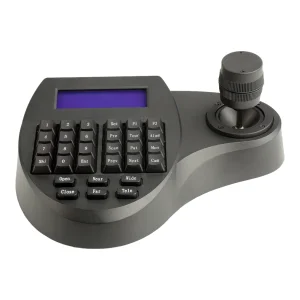
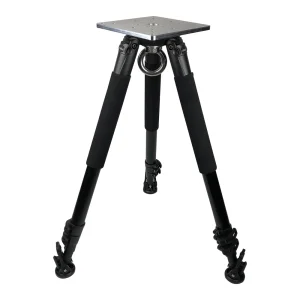
Browse our complete selection of professional positioning systems, durable housings, controller keyboards, and mounting hardware.