 BIT-CCTV
1. The Strategic Importance of OEM Telescopic Mast Poles in Modern Infrastructure
In the landscape of modern telecommunications, surveillance, and tactical operations, the ability to rapidly elevate sensory payloads is critical. A telescopic mast pole serves as the physical backbone for this capability. It acts as an adjustable-height tower that collapses into a highly portable envelope, making it indispensable for mobile applications. From border security systems and meteorological stations to emergency broadcast systems and military command vehicles, these structures provide elevation without the prohibitive costs, zoning issues, and permanent footprints associated with traditional fixed steel latticework towers.
The term OEM (Original Equipment Manufacturer) in the context of telescopic masts refers to customized engineering solutions tailored to specific operating criteria. Rather than relying on off-the-shelf catalog products, enterprise buyers require bespoke heights, specific collars, locking mechanisms, internal cable runs, and precise payload dynamics. Sourcing from specialized factories that possess integrated R&D departments ensures that the structural calculations (such as drag coefficient, wind loading profiles, and deflection margins) are mathematically aligned with the end application's exact payload weight and environmental thresholds.
2. Global Commercial & Industrial Trends Shaping Mast Pole Development
The global demand for telescopic masts is undergoing a significant transition driven by three key technological shifts:
- Lightweight Materials Revolution: Aluminum alloys (like 6061-T6 or 7075) have long been the industrial standard. However, the commercial sector is increasingly demanding carbon fiber and composite solutions. Carbon fiber offers an exceptional strength-to-weight ratio, which reduces the gross vehicle weight (GVW) of mobile command units and simplifies manual deployments by small crews.
- Intelligent Sensor Integration: Modern masts are no longer passive steel structures. They are actively integrated with smart sensors. Anemometers, gyro-stabilization units, and automated tilt-correcting mechanisms are now routinely embedded. This integration protects payloads (such as PTZ cameras, thermal imagers, and cellular transceivers) during heavy wind shear.
- Off-Grid and Remote Deployments: As green energy networks and remote environmental research stations expand globally, masts are designed to host solar arrays and small wind turbine attachments alongside primary telecommunication equipment, operating reliably for years in uninhabited, harsh climates.
3. Global B2B Procurement Demands: What Enterprise Buyers Search For
B2B procurement agents, engineering consultants, and governmental procurement departments look past marketing buzzwords to focus on quantitative metrics. Through structural intent mining, we identify the primary parameters that drive industrial purchasing decisions:
- Wind Load Rating and Deflection Limits: The absolute survival wind speed (e.g., up to 120 km/h or 160 km/h) and the operational deflection limits (maximum sway in degrees at full extension). These parameters dictate the stability of directional antennas and high-magnification thermal cameras.
- Payload Capacity and Top Load Balancing: Standard masts can support anywhere from 5kg to over 250kg. Sourcing professionals must verify that the structural center of gravity remains within safe boundaries across the entire range of telescopic segments.
- Extension and Retraction Mechanisms: Selection between pneumatic (air pressure driven, ideal for rapid deployments), mechanical (winch/wire rope or chain drive, ideal for long-term load-bearing setups), and hydraulic (high payload power, commonly used in heavy defense equipment).
- Pricelist Transparencies and Total Cost of Ownership (TCO): Sourcing agents seek itemized component pricing, replacement part availability, maintenance schedules, and shipping cost projections. Shipping costs are particularly important because long mast sections require specialized logistics.
4. China Factory 4.0: Supply Chain Resilience & Efficiency Advantages
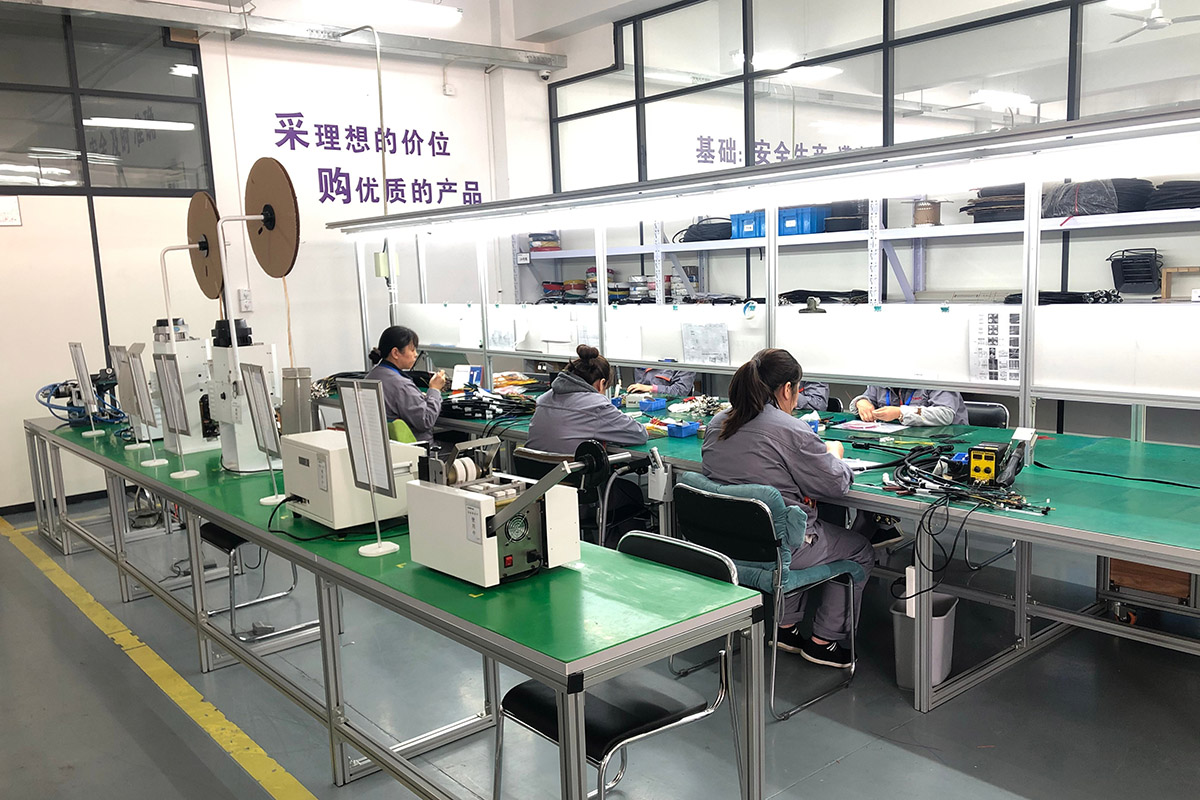
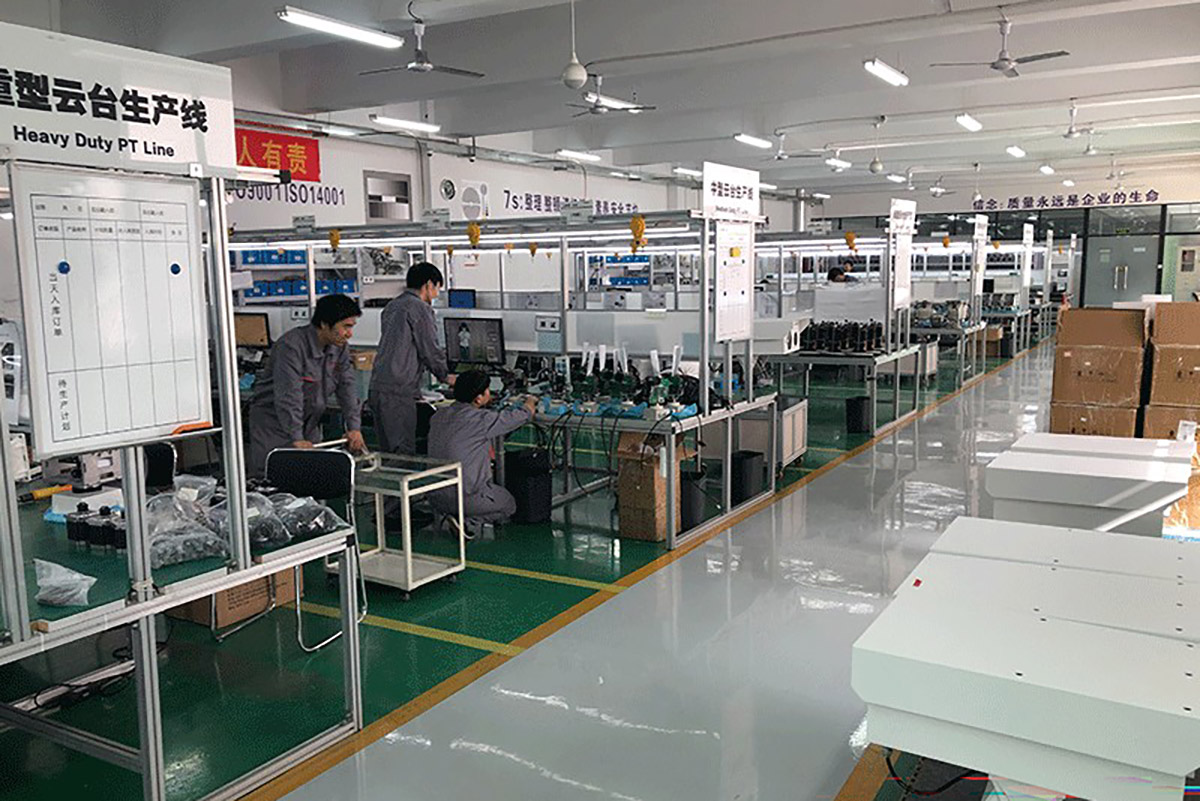
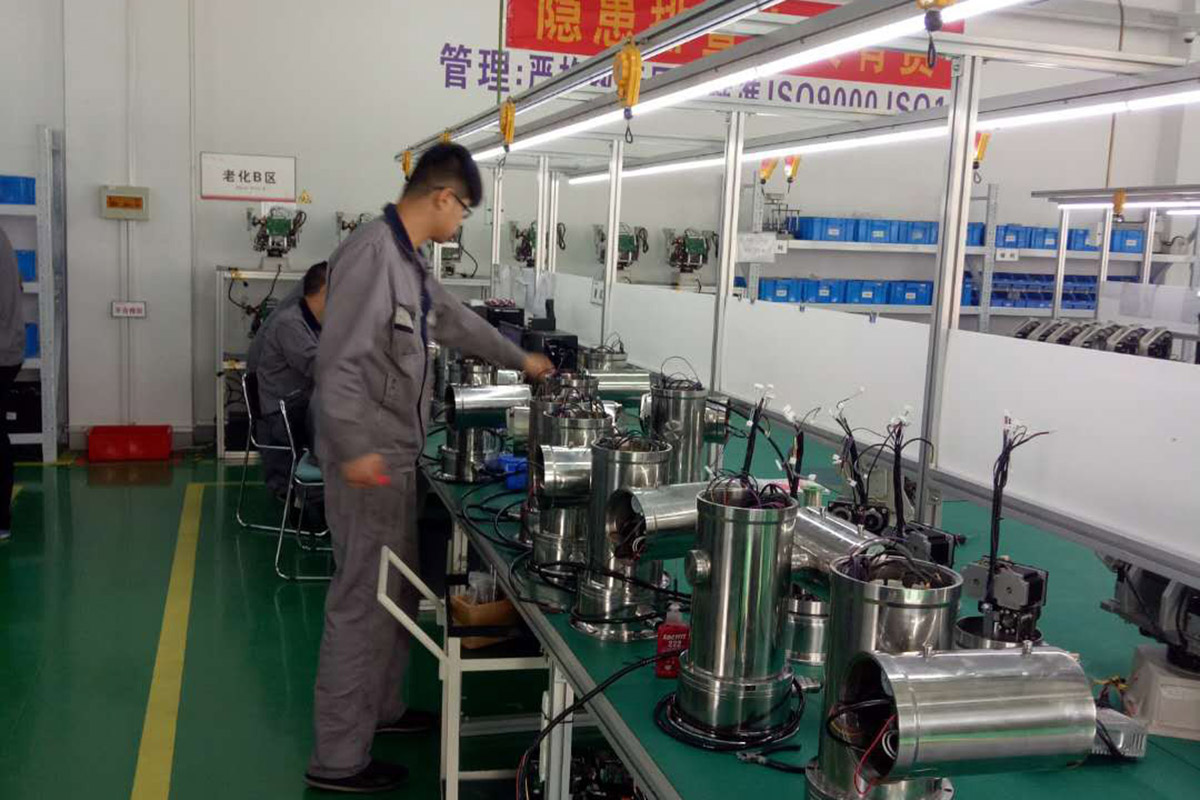
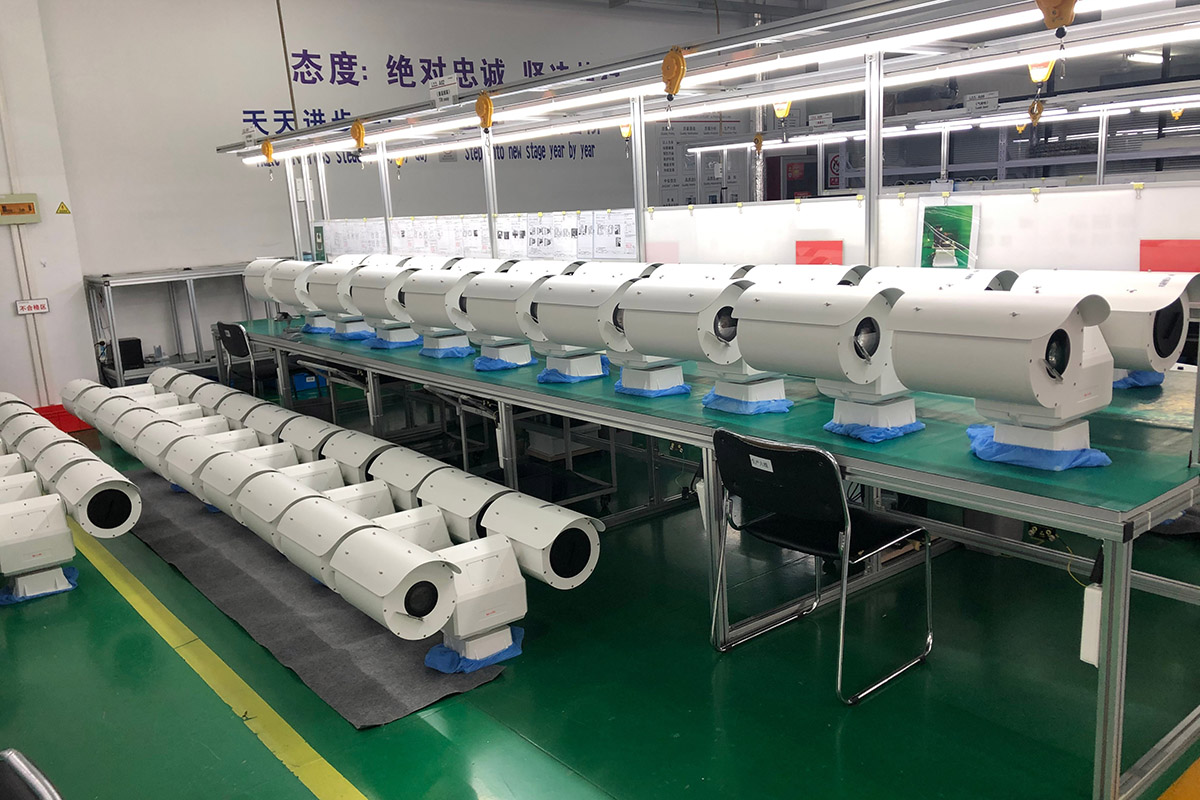
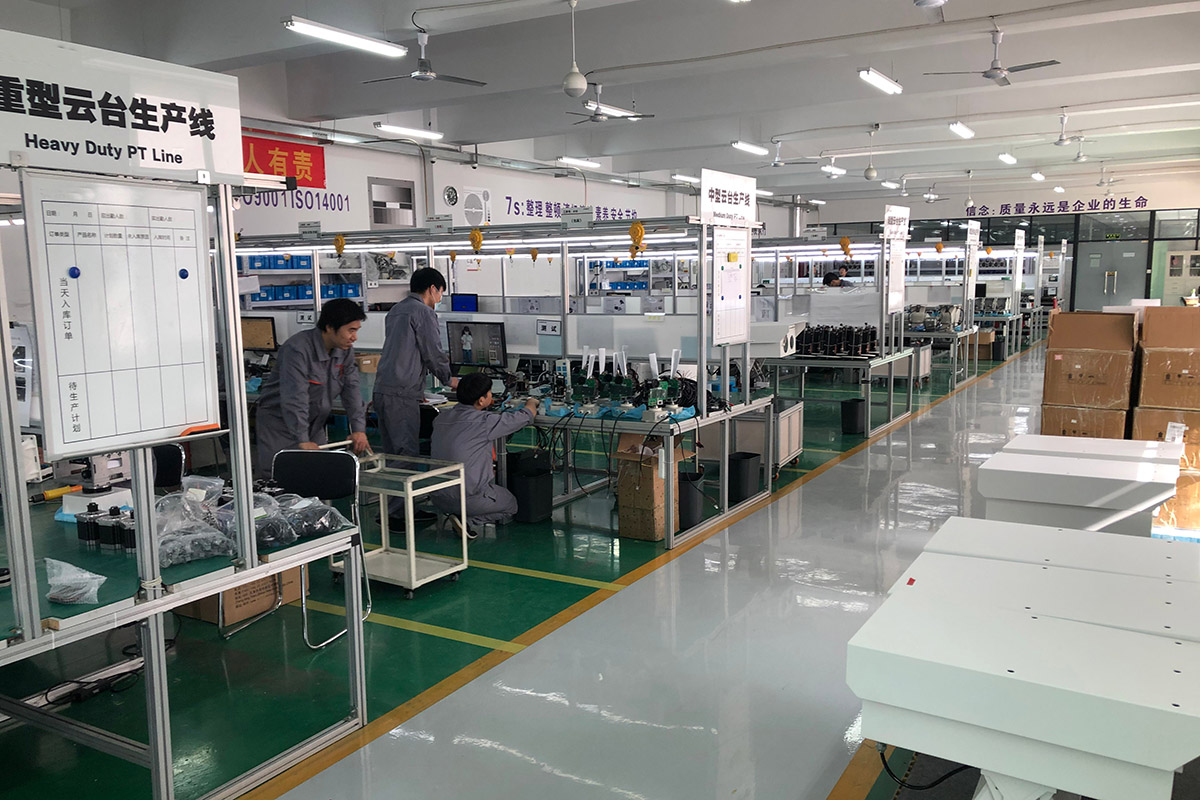
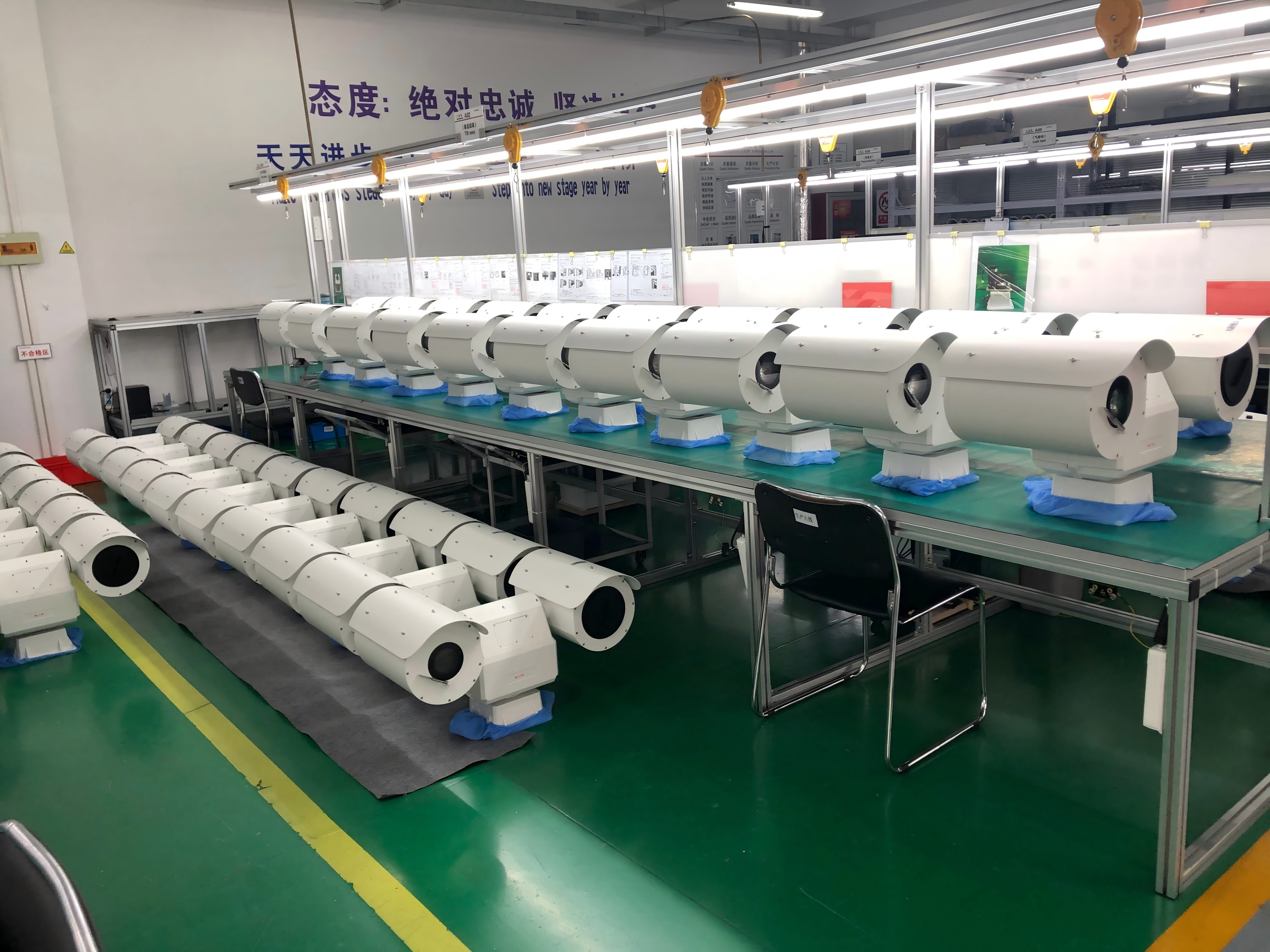
China's industrial sector has moved beyond simple cost efficiency. Today, it represents a standard of supply chain resilience and automated precision. Leading OEM telescopic mast pole factories in China (such as Blue Icon Technology) have integrated advanced CNC turning centers, robotic welding, and automated surface treatments (such as hard anodizing or powder coating).
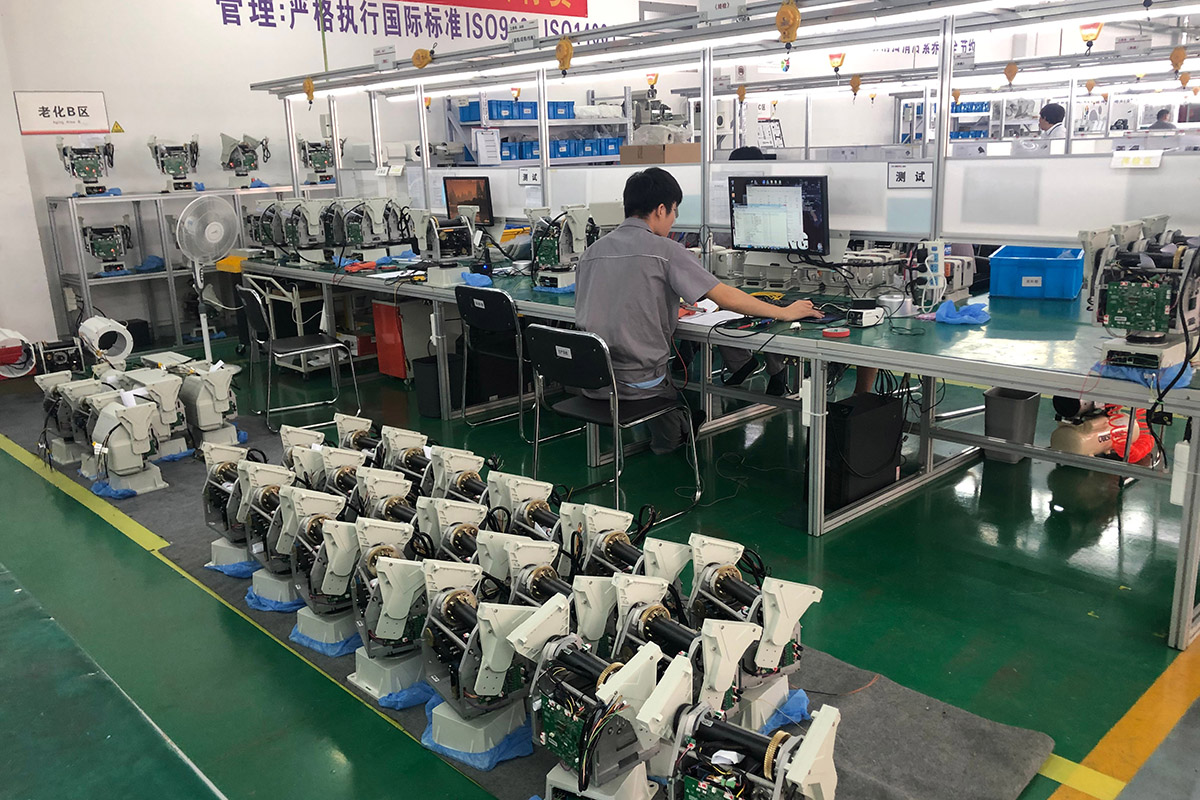
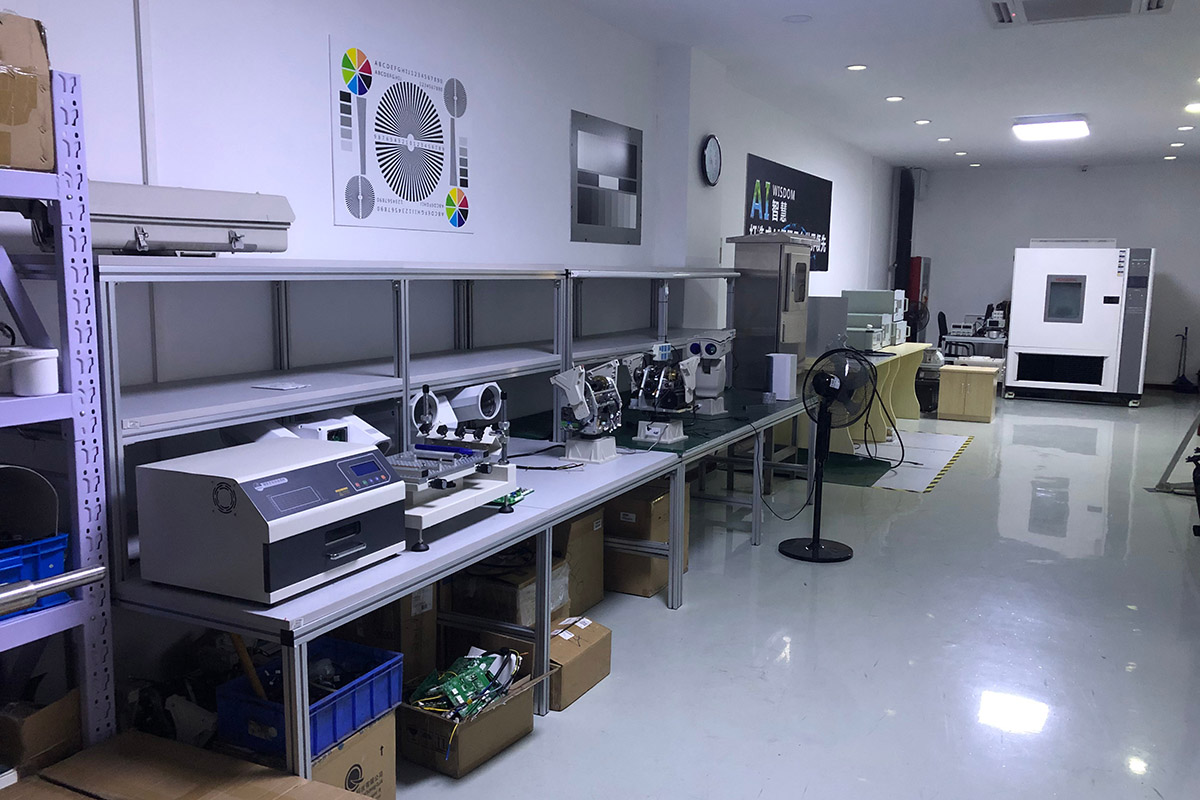
By keeping raw extrusion, precision machining, seal manufacturing, and load testing within a single ecosystem, these modern factories prevent the supply chain bottlenecks that disrupt western manufacturing. This level of vertical integration ensures that material certifications (e.g., mill test reports for aluminum batches) and quality checks (such as ultrasonic testing for structural weld integrity) are documented, ensuring compliance with global standards before the equipment leaves the warehouse.
5. OEM Telescopic Mast Pole Pricelist Dynamics & Cost Drivers
Understanding how a manufacturer prices an OEM telescopic mast is key to managing procurement budgets. The total cost of an OEM order depends on several key variables:
- Material Quality: Aerospace-grade 6061-T6 aluminum or carbon fiber composites carry a higher material cost than standard structural steel. Sourcing the correct material ensures longevity and resistance to corrosion, which lowers the total cost of ownership.
- Precision Tolerances & Seals: Masts that require internal air pressure retention (pneumatic) require precise tolerances during tube extrusion. High-quality polyurethane or Viton seals prevent leakage and maintain pressure over long periods of time, which increases manufacturing costs.
- Surface Treatments: Hard anodizing (MIL-A-8625 Type III) is necessary for marine and saline environments to protect against galvanic corrosion. This process, along with optional military-grade polyurethane coatings, affects the base price.
- Custom Integrations: Designing internal cabling (coaxial, ethernet, power lines) using coiled cord tracks inside the mast segments requires extra engineering hours and custom-machined collars, which impacts the final unit price.