 BIT-CCTV
BIT-CCTV
BIT-CCTV
Heavy-duty structures engineered to match military surveillance, high-load sensors, and high-frequency antenna alignments.
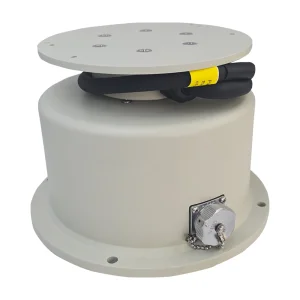
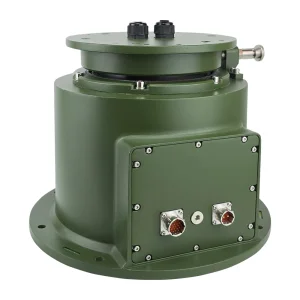
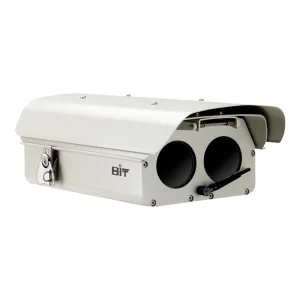
In modern mission-critical applications—spanning military surveillance, disaster management, border defense, and cellular network recovery—the demand for high-reliability elevating mechanics has never been higher. A telescopic antenna mast is not just a pole; it is a complex structural assembly optimized to bear significant payloads under extreme lateral shear forces caused by high winds.
At Blue Icon (Tianjin) Technology Co. Ltd. (BIT-CCTV), with our foundation dating back to 2005, we have systematically engineered pneumatic, mechanical, and motorized mast elevation solutions integrated directly with state-of-the-art pan-tilt heads. Our solutions prevent signal dropouts and optical distortion under peak load fluctuations.
Antenna masts are classified by their deployment force: manual crank, pneumatic air-pressure, or electromechanical spindle. Pneumatic masts are preferred for rapid deployment on mobile vehicles. By applying pressurized air through sequential chambers, sections lock into place. High-yield aluminum alloy tubes (such as 6005-T6 or 6061-T6) are utilized to balance the structural strength with minimum self-weight, critical for vehicular loads.
For high-frequency directional antennas and electro-optical thermal sensors, maintaining azimuth and elevation tracking is paramount. High winds exert lateral forces (drag), causing rotation and deflection. Our structural designs feature dual keyways along the mast tubes, securing each collar and preventing torsional movement down to less than ±0.5° rotation deviation under 100 km/h winds.
Deploying masts and heavy-duty positioning payloads globally requires cost-efficiency without compromising material standards. Located in Tianjin's industrial metallurgy hub, Blue Icon Technology leverages immediate access to structural aluminum alloys, advanced anodizing facilities, and CNC machine shops. This spatial concentration eliminates intermediate logistical steps, allowing us to maintain a rapid prototyping loop.
This localized supply chain allows us to customize wall thicknesses (ranging from 3mm to 6mm), custom structural interfaces, and deployment methods at a fraction of Western production costs. By handling casting, precision machining, hard anodization, and dynamic vibration testing within our own facility, we guarantee raw material compliance and consistent quality control.
Ensuring compliance, high-tolerance mechanical design, and survivability in extreme environments.
Each telescopic mast profile undergoes finite element analysis (FEA) to withstand high wind zones (up to wind force level 10-12). Integrated guy wire collars ensure zero drift for microwave links.
Military-spec hard-anodized coatings (MIL-A-8625 Type III) shield masts from sandstorms, acid rain, and marine salt fog. High-durability polyurethane seal rings prevent dust intrusion.
Designed to perfectly mount and power payload capacities from 3kg to 150kg, seamlessly aligning with our worm-gear drive and direct-drive positioners for unified command operations.
When engineering directors procure masts, specifying the height (from 3m to 25m) is only half the formula. The safety and survivability depend on calculating the combined effective projected area (EPA) of the mounted gear and mast structure under peak wind loads.
Our engineering team works with global buyers to run finite structural calculations. We evaluate the maximum load capacity alongside the overturning moment, checking safety coefficients under customized setups. This detailed process ensures structural stability on rugged vehicles, marine vessels, or static ground stations.
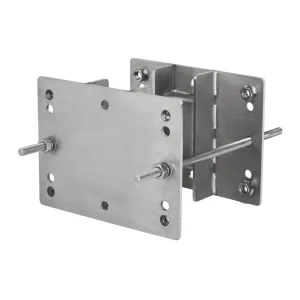
A. Border & Coastal Defense: In seaside areas, high humidity and salt damage rapid-deployment equipment. Our custom-designed stainless steel pole mount brackets and camera enclosures, paired with thermal imaging pan-tilt platforms, offer 24/7 panoramic tracking, resisting harsh maritime elements.
B. Mobile Emergency Communications: When natural disasters damage local base stations, cell towers on wheels (COWs) deploy heavy-duty pneumatic telescopic masts. These structures quickly hoist directional cellular transceivers to restore local networks.
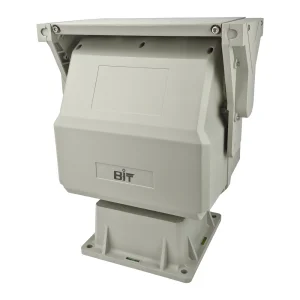
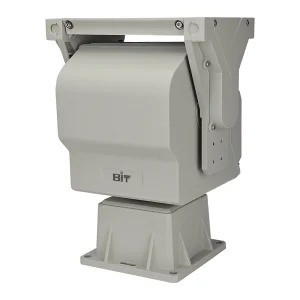
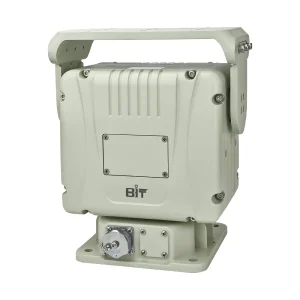
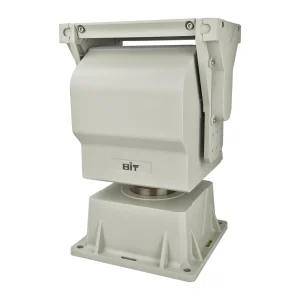
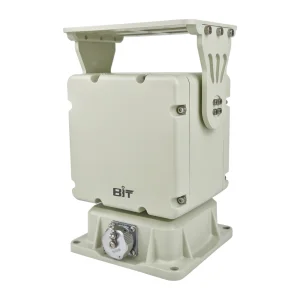
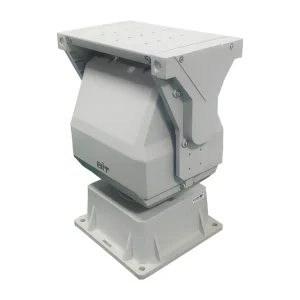
C. Forest Fire Monitoring: Mounted on high peaks, small and medium worm-gear drive pan-tilt units (such as the BIT-PT510 and BIT-PT503) operate on top of telescopic masts, scanning forest canopies to locate fires using thermal vision.
Witness our precision CNC machining, clean room testing, structural assembly, and robust QA facilities.
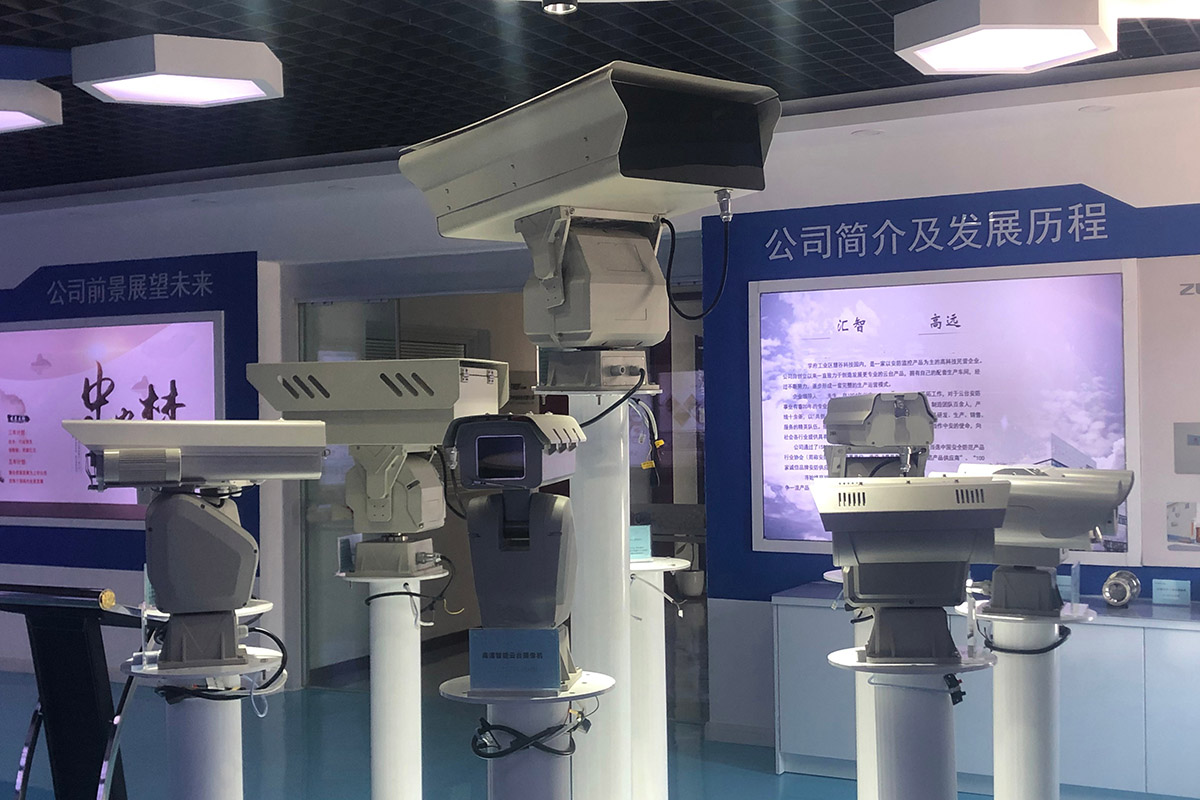
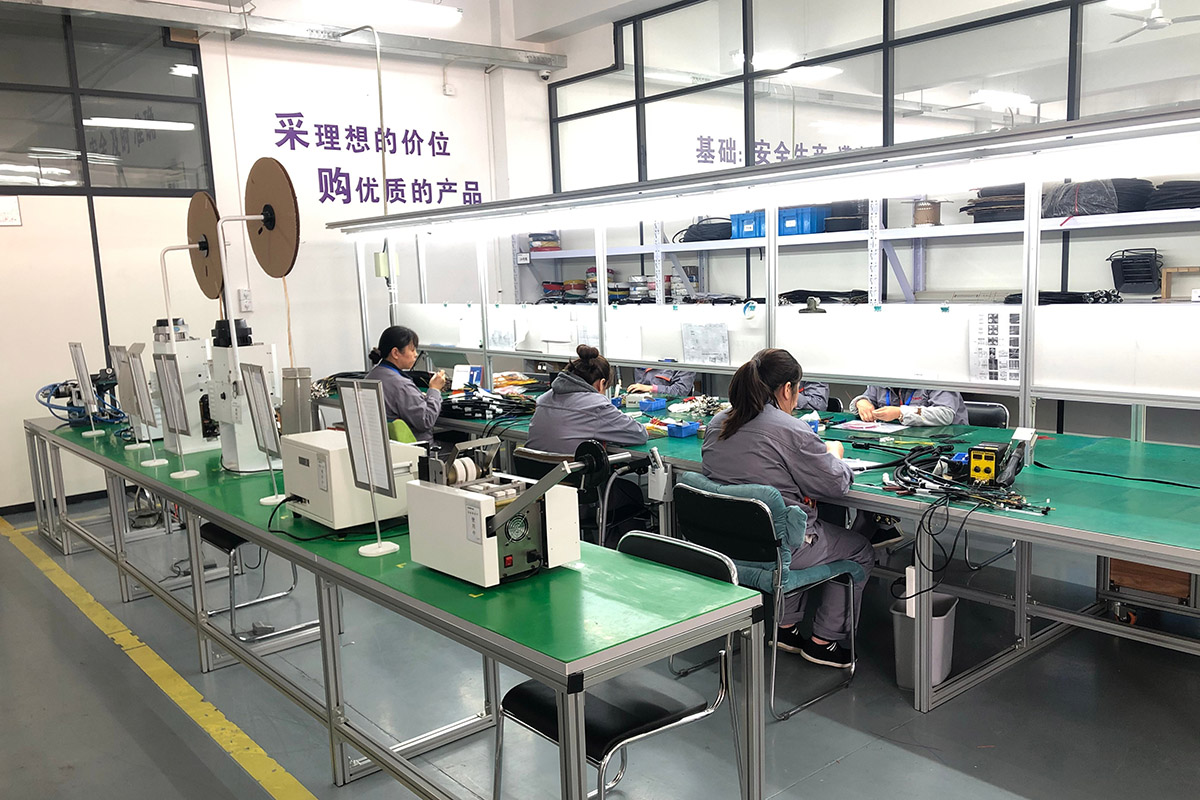
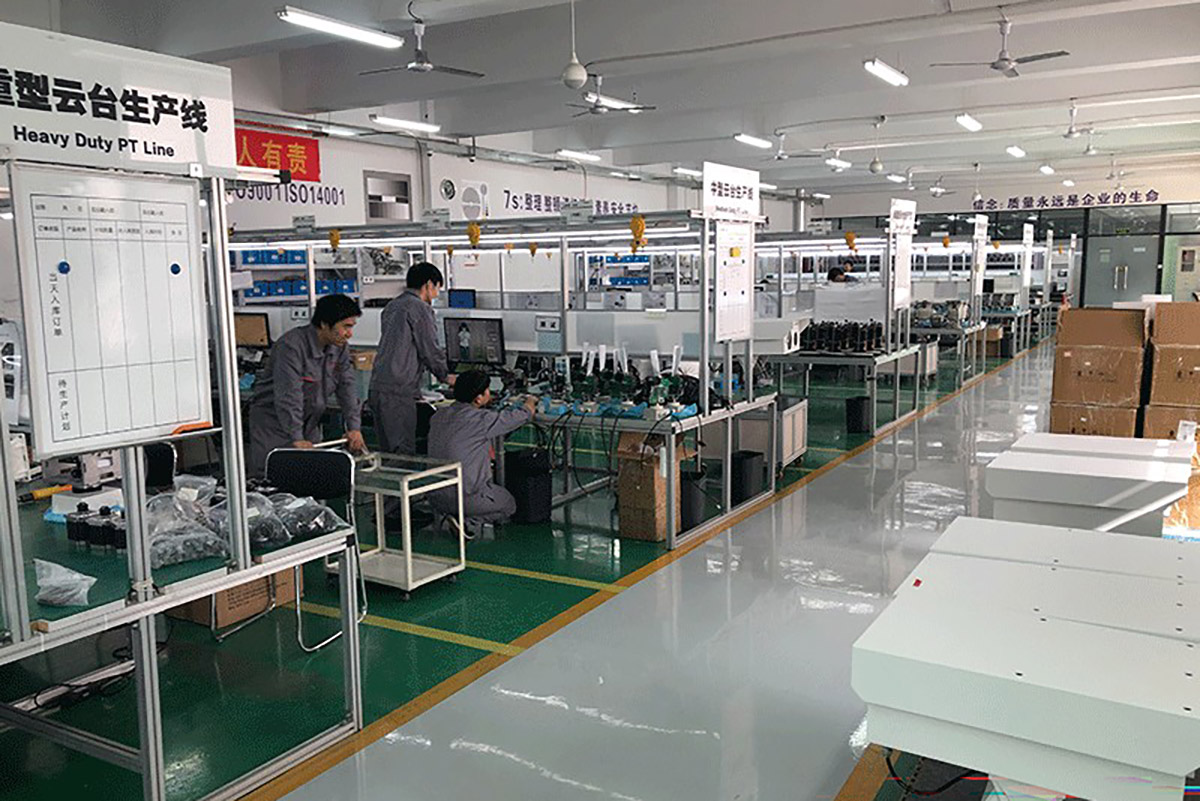
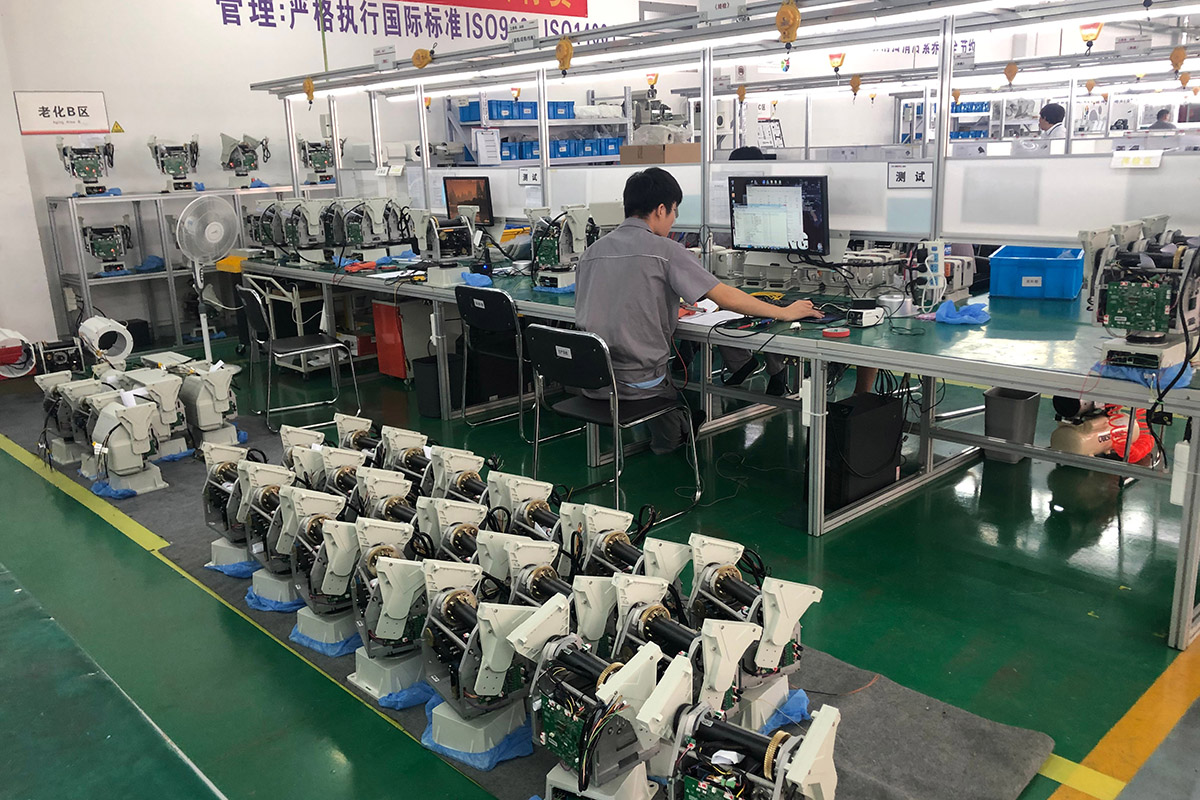
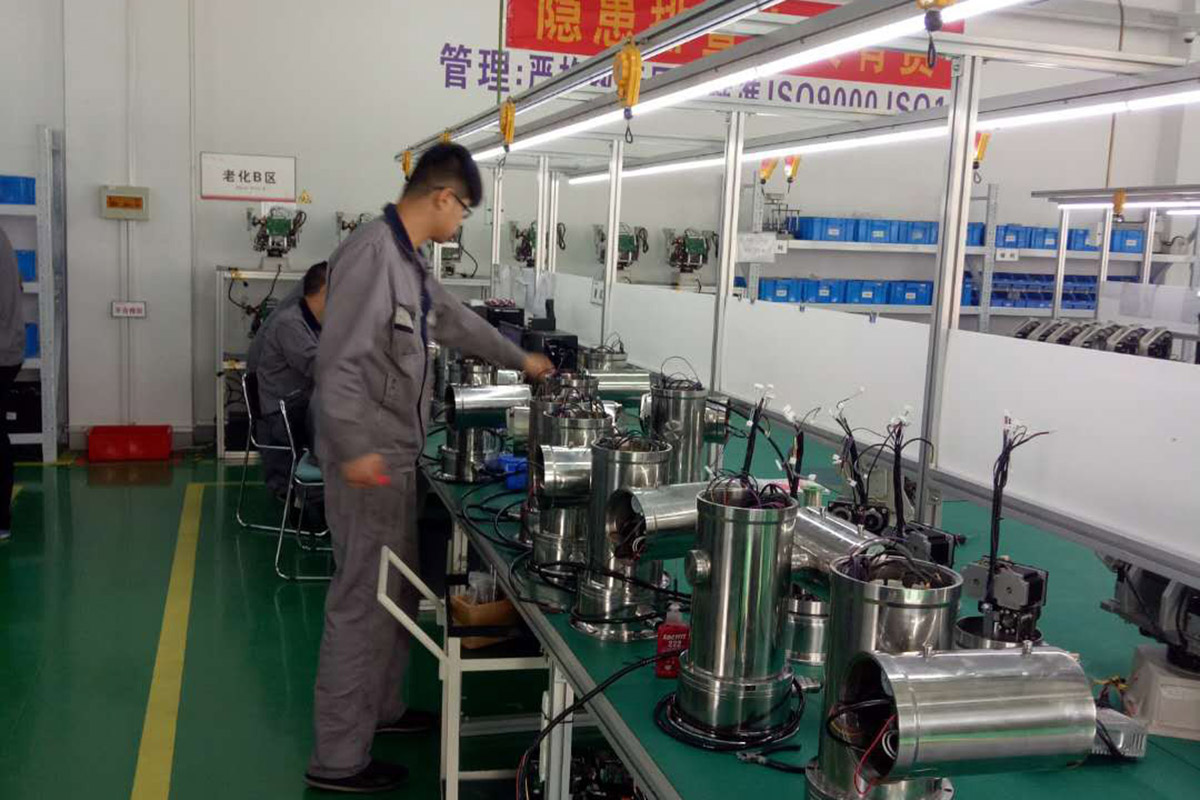
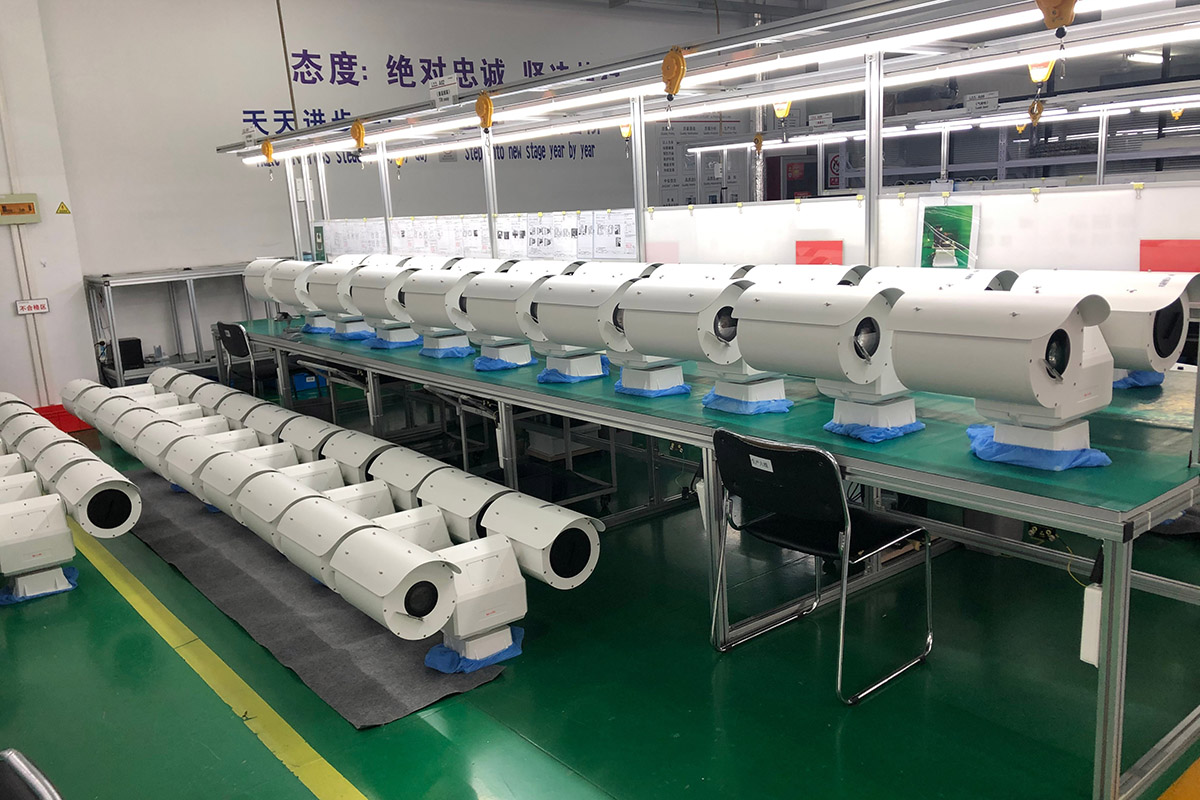

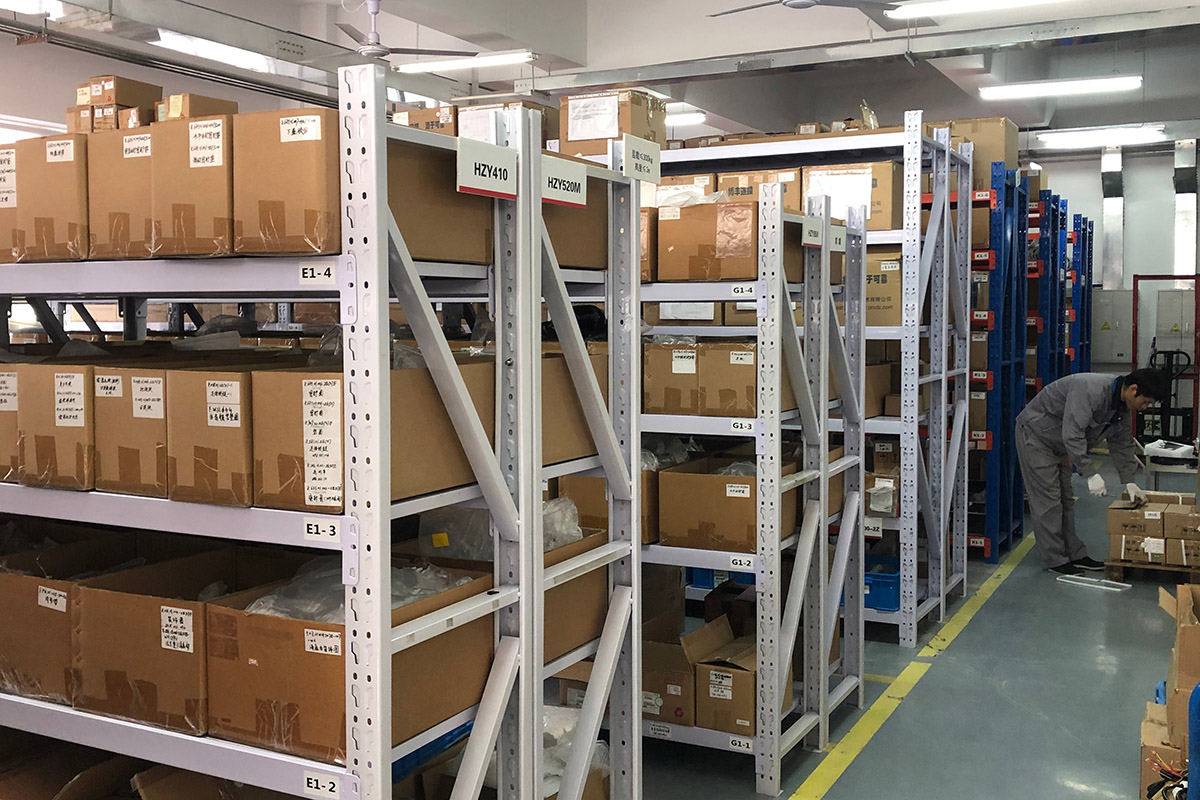
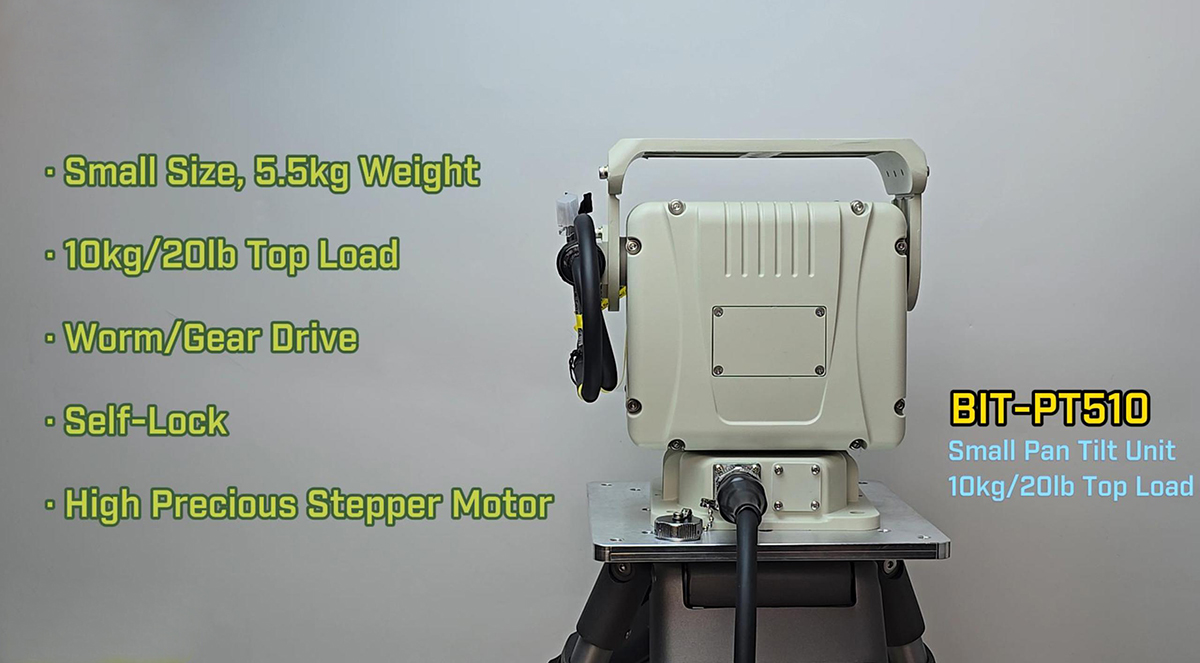
Experience how our mechanical and pneumatic telescoping systems sync with high-precision worm-gear pan-tilt heads. Our dynamic drive systems ensure fast, backlash-free positioning in defense and fire detection roles.
Designed for rapid deployment, these systems deliver structural stability and low failure rates under severe field conditions.
Backed by over 50 national patents and strict adherence to international quality management guidelines.
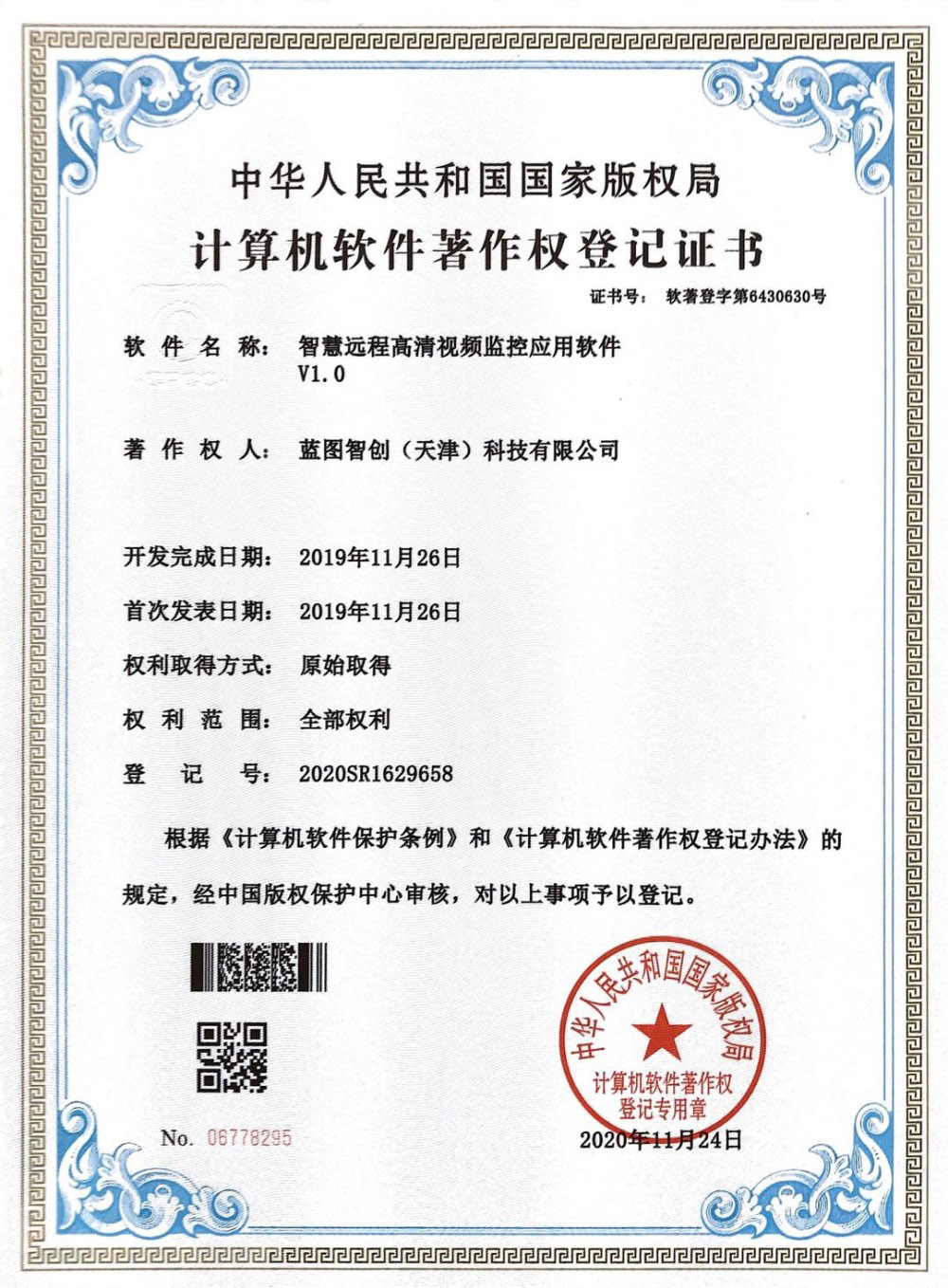
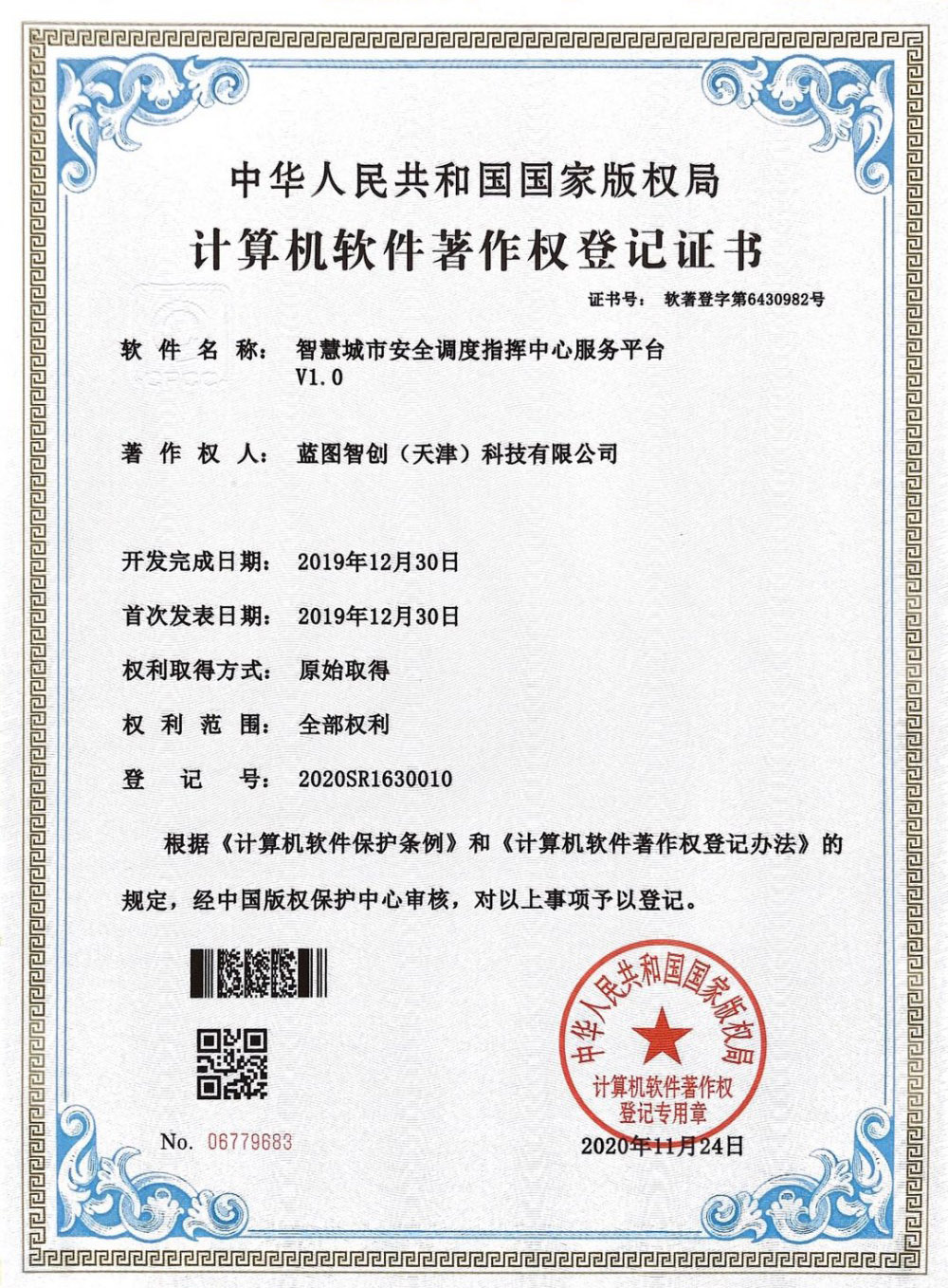
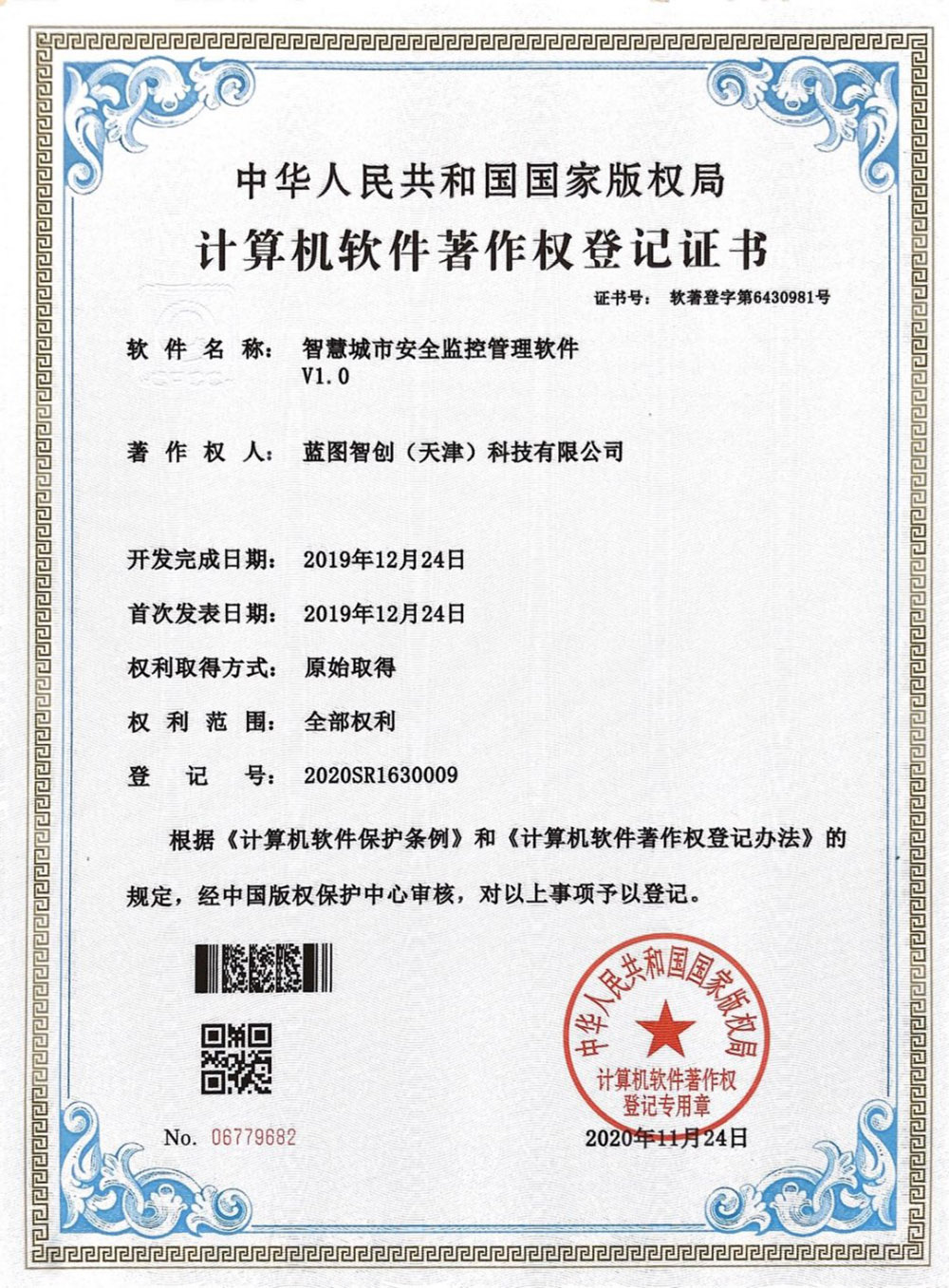
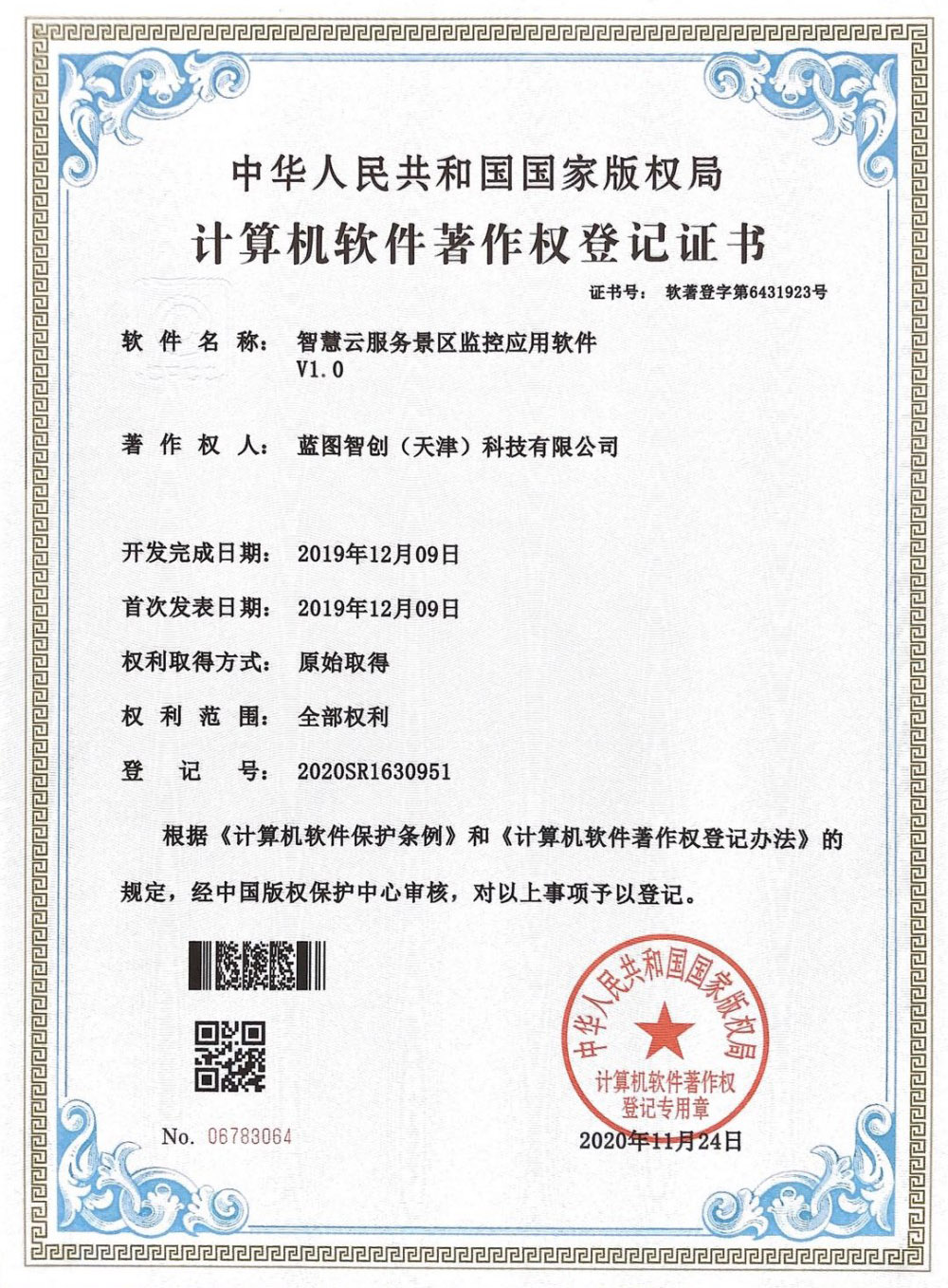
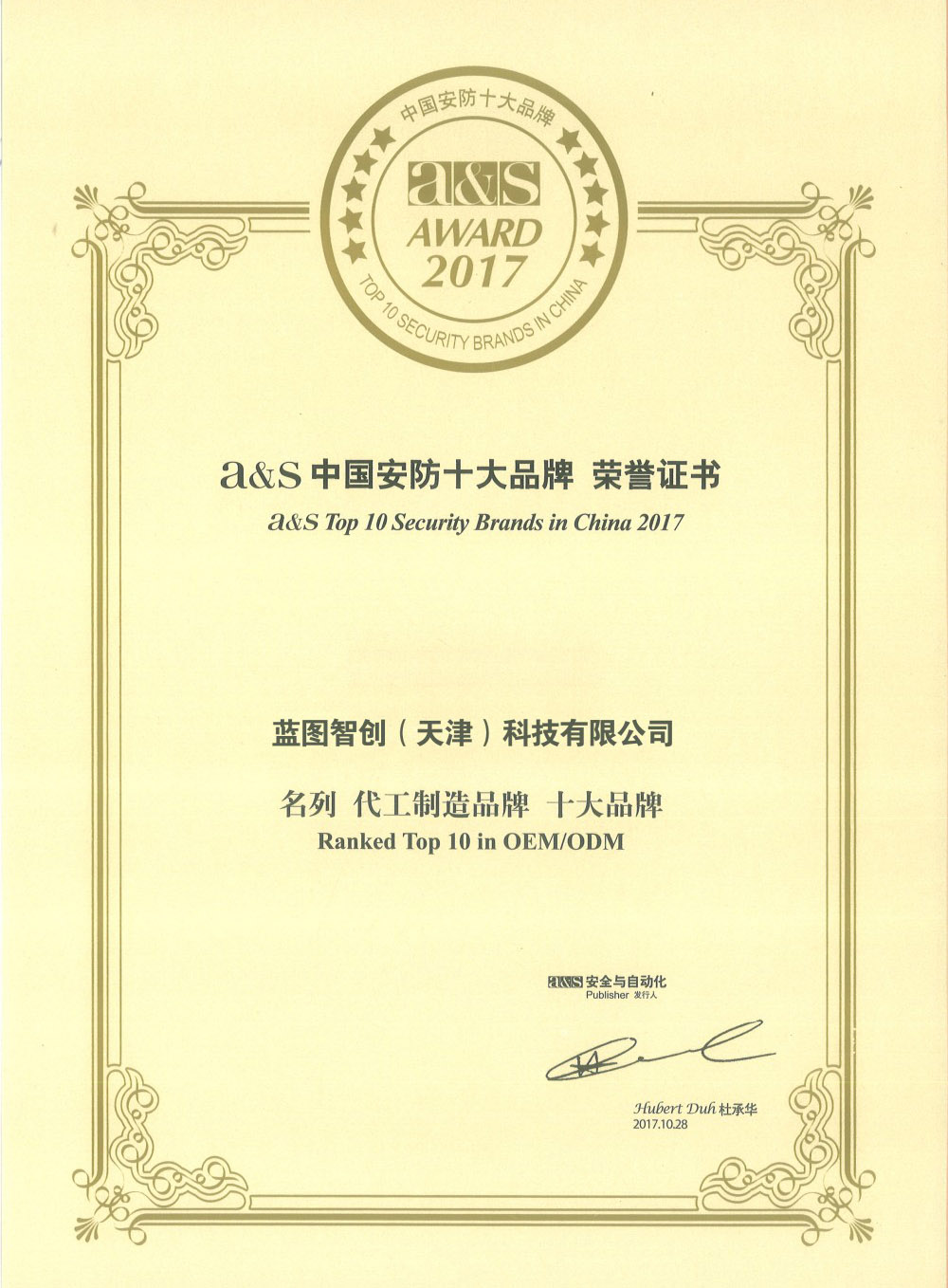
Providing custom engineering and deployment support across 50 countries on 5 continents.






Key information regarding load limits, wind calculations, customization, and logistical processes.
A: Pneumatic masts are ideal for rapid deployment on mobile vehicles. They use pressurized air to lift payloads quickly. Mechanical spindle or motorized masts are better for permanent or semi-permanent installations that need to support heavy loads over long periods without any air pressure adjustments.
A: Yes. We use hard-anodized marine-grade aluminum alloys and stainless steel mounts, making them suitable for coastal installations, maritime ports, and naval vessels.
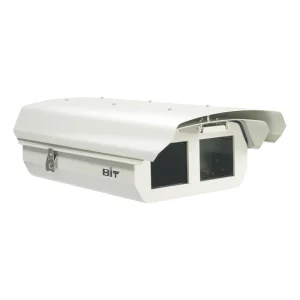
A: Yes, we offer comprehensive OEM and ODM services. We custom-engineer heights up to 25m and payload brackets that match specific thermal camera housings, radar units, or multi-antenna arrays.
A: Standard prototypes are completed within 2 to 3 weeks. Full production runs depend on the order volume, but typical lead times range between 30 and 45 days, supported by our local supply chain.
Read our recent analyses on pan-tilt mechanics and structural elevation technologies.
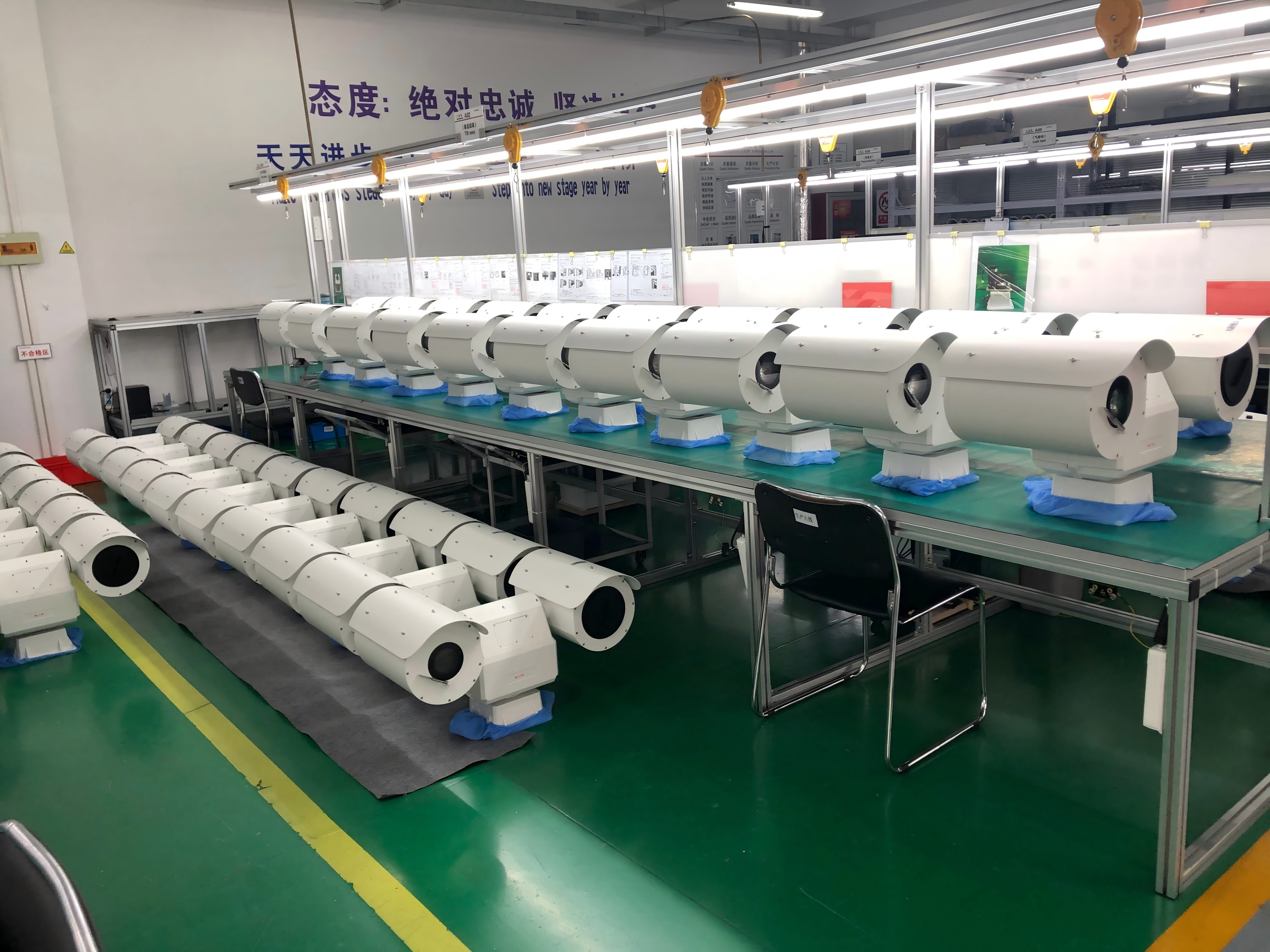
Evaluate load capacities, structural design, protection ratings, and backlash control for reliable field operation.
Read Whitepaper →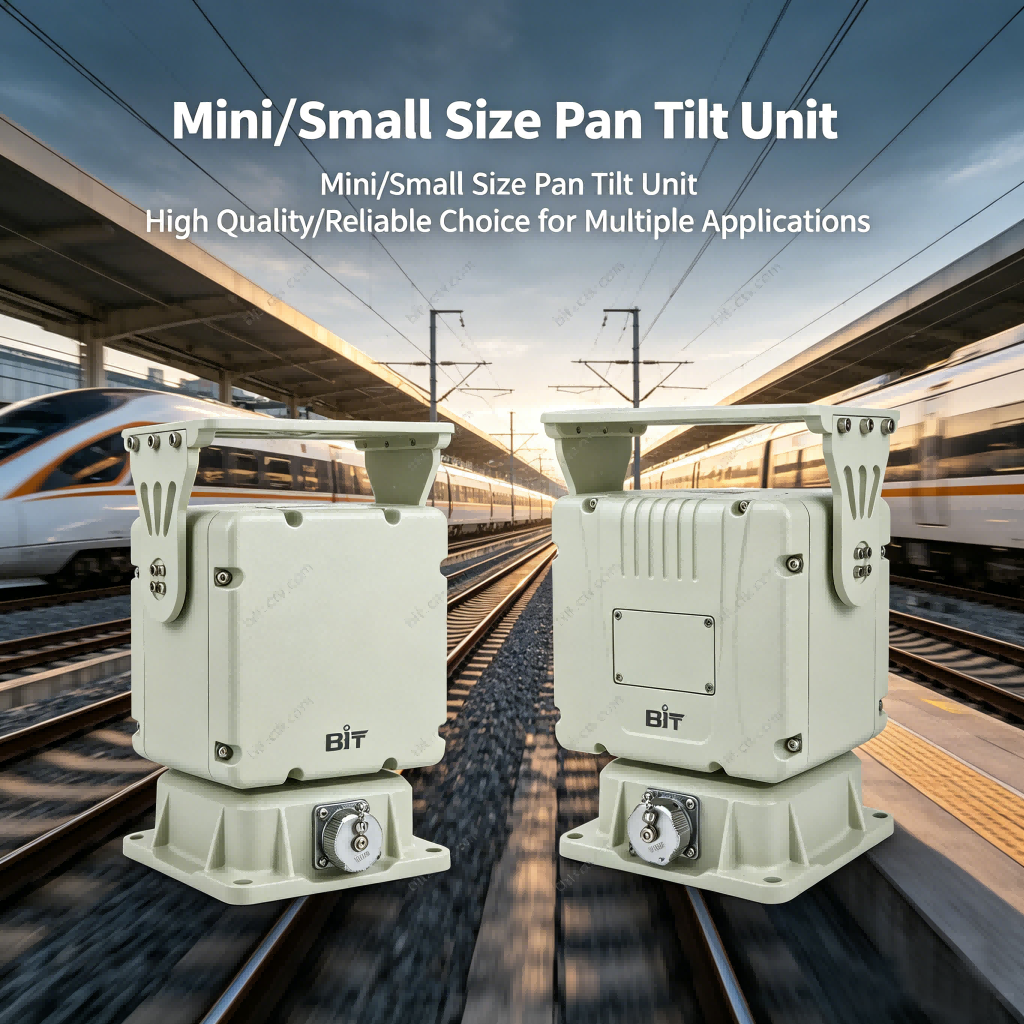
How models like the BIT-PT503 and BIT-PT510 deliver high positioning accuracy in compact, weight-sensitive setups.
Read Whitepaper →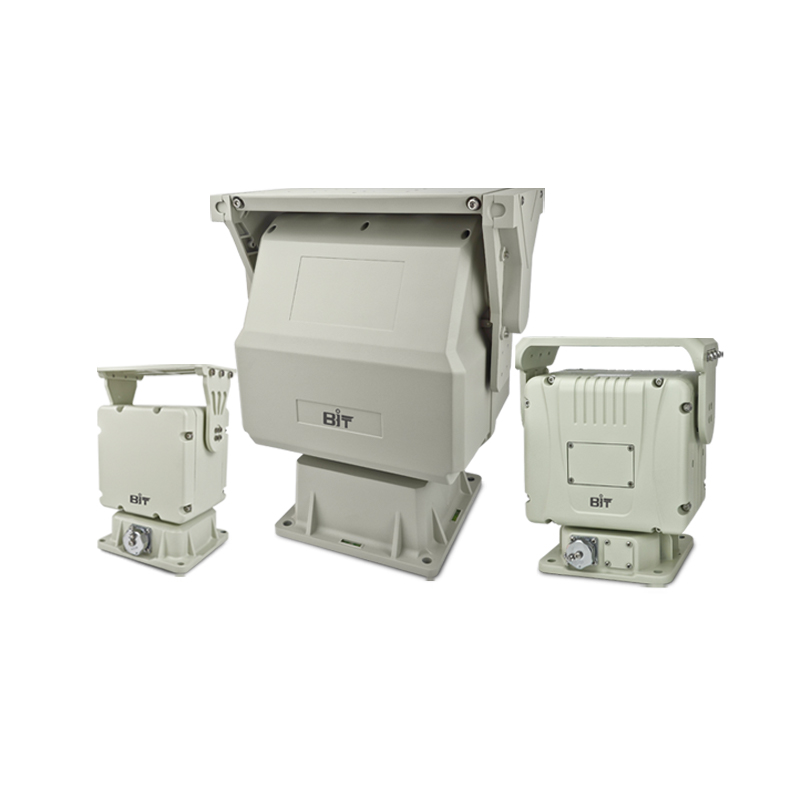
A complete guide to classifying pan-tilt units by payload, environments, gearing types, and motor configurations.
Read Whitepaper →Compatible with our telescopic masts for complete system integrations.