 BIT-CCTV
BIT-CCTV
BIT-CCTV
Select industrial configurations engineered for precision payload management, structural stability, and remote deployment.
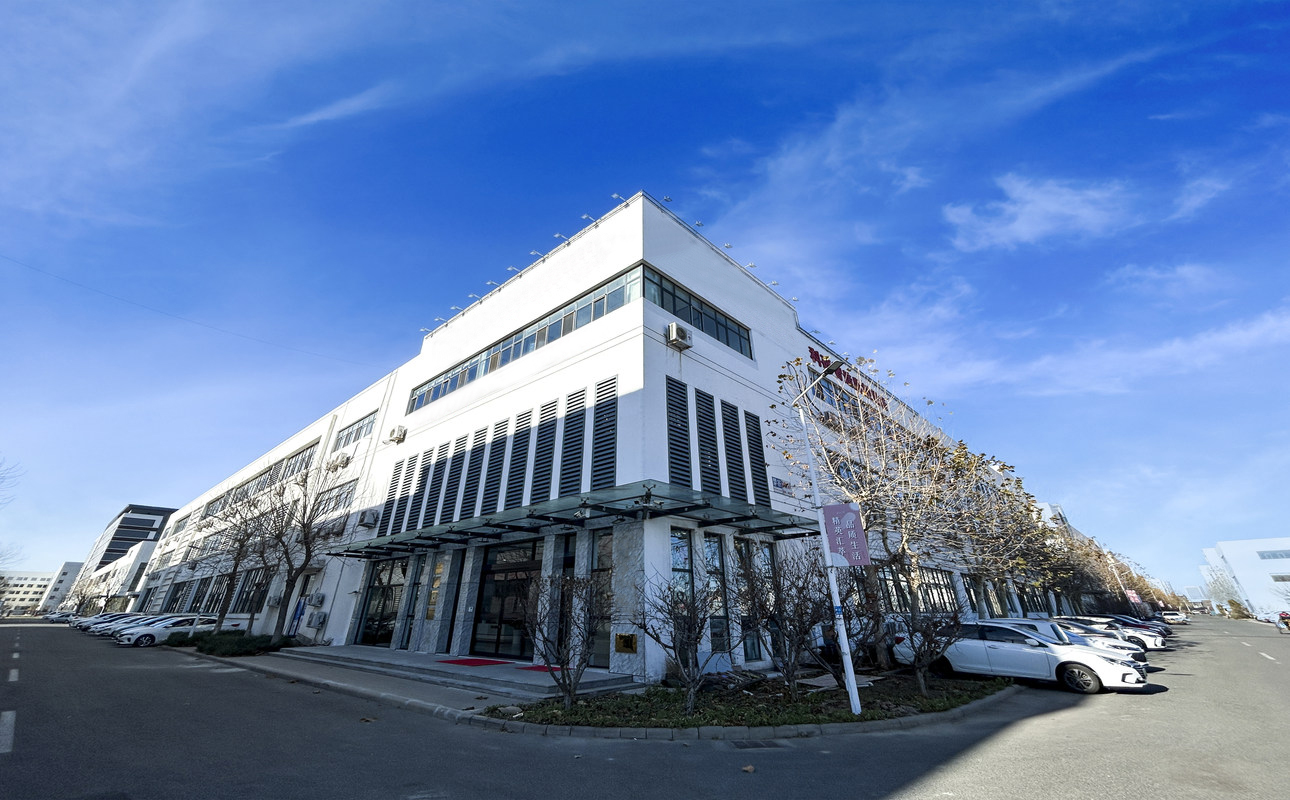
Established in 2005, Blue Icon (Tianjin) Technology Co. Ltd (BIT-CCTV) has evolved into a global leader in designing, engineering, and manufacturing heavy-duty pan-tilt heads, positioners, and telescoping mast systems. As a recognized national high-tech enterprise, we blend structural engineering with advanced electronic stabilization to deliver high-performance solutions deployed in extreme climates across five continents.
Our commitment to rigorous design parameters ensures that every telescopic mast and positioning unit satisfies the highest benchmarks of structural dynamics. By directing 10% of our annual sales revenue to dedicated R&D, we continuously pioneer innovations in pneumatic sealing, alloy strength, and anti-torsion precision, securing our role as the definitive industry benchmark.
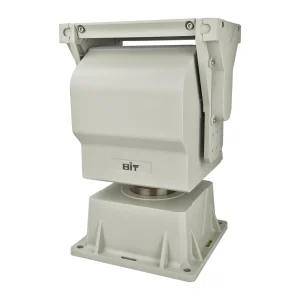
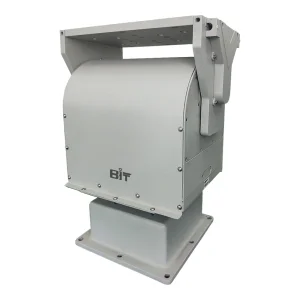
From lightweight mobile masts to heavy-duty positioners capable of coordinating massive electro-optical payloads.
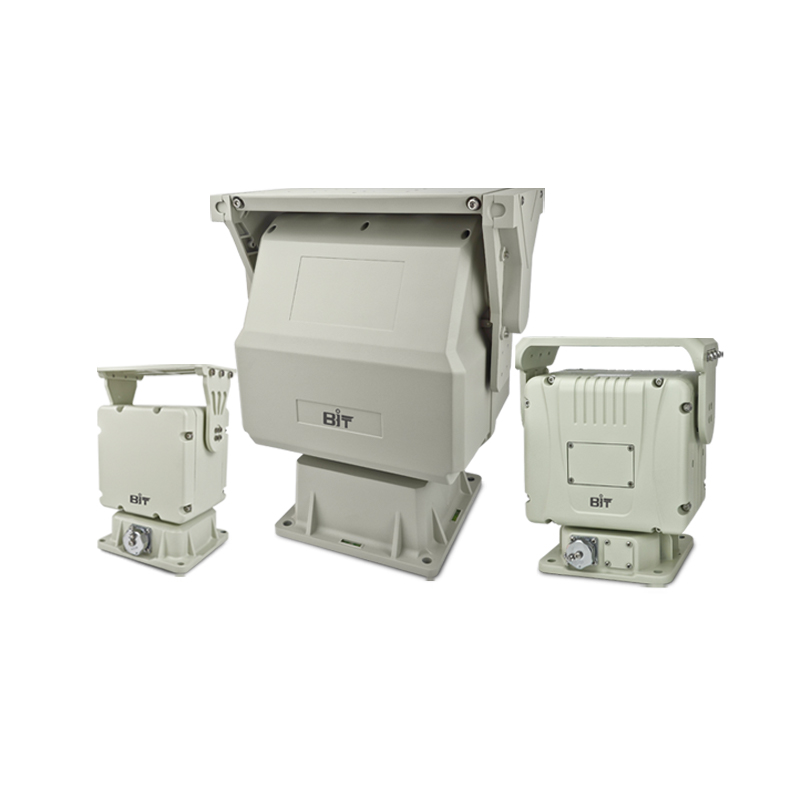
Payload capabilities ranging from 3kg up to 150kg+ featuring extreme tracking precision.
Explore Range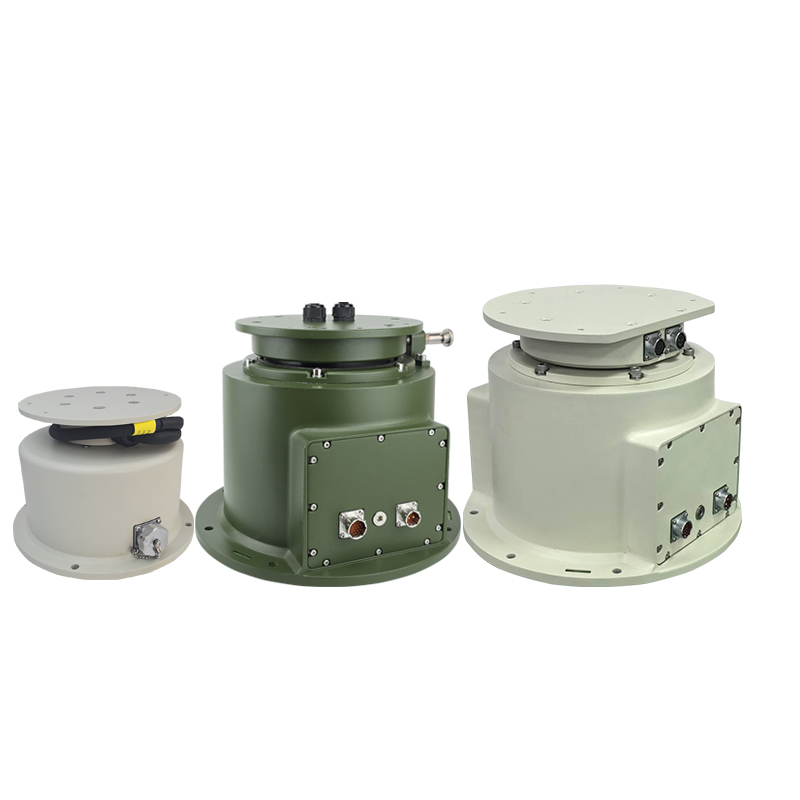
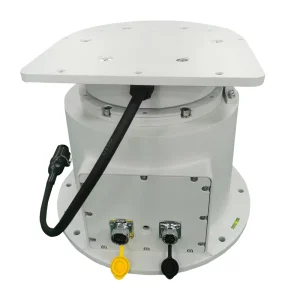
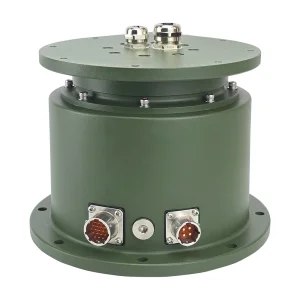
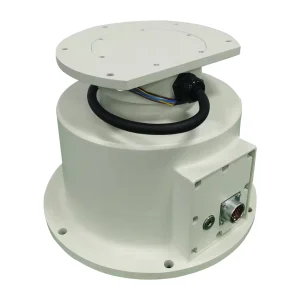
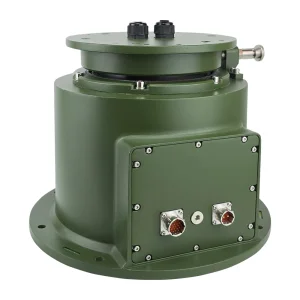
High-speed single-axis direct-drive rotators optimized for continuous radar and light detection scanning.
Explore Range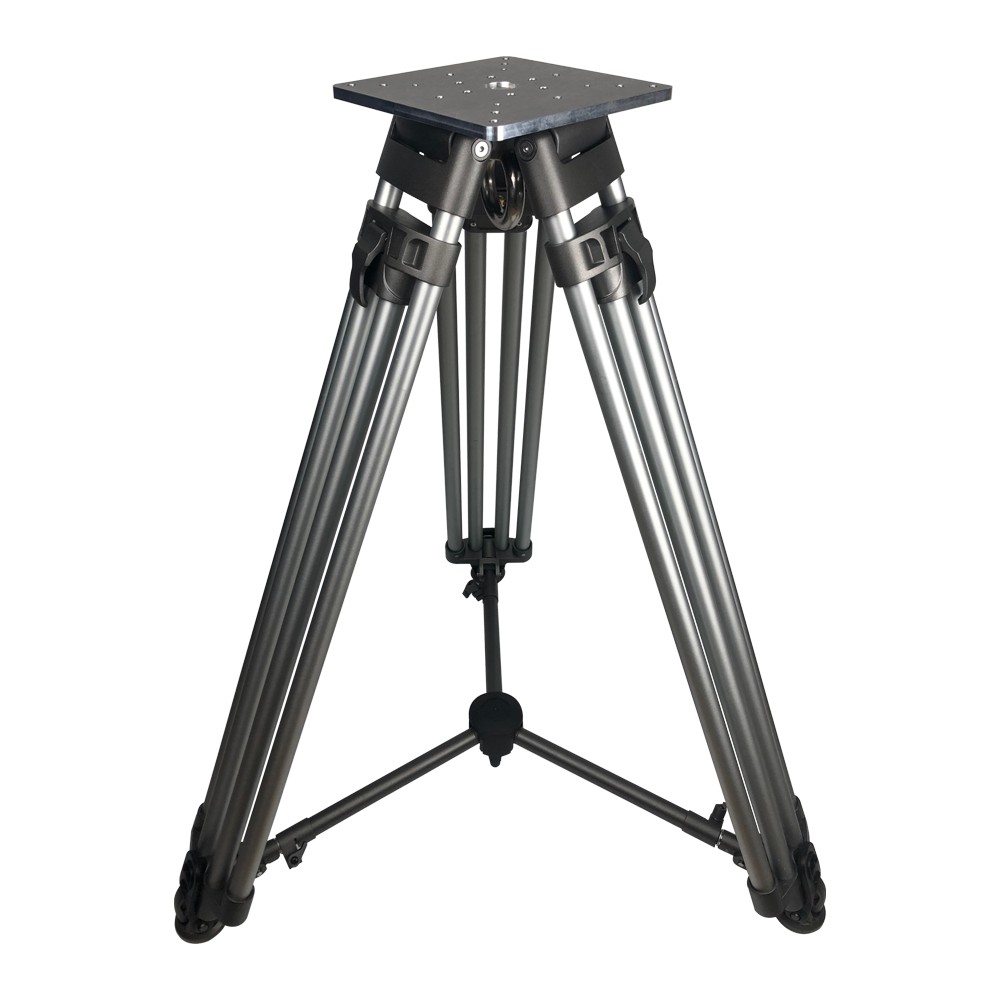
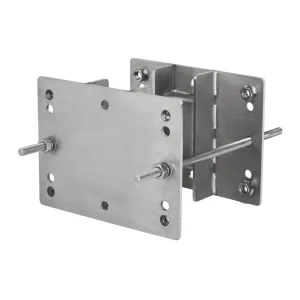
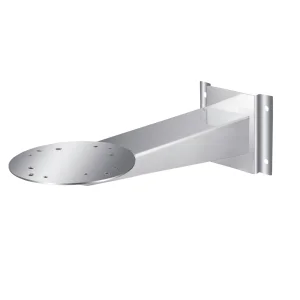
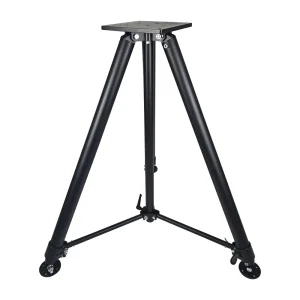
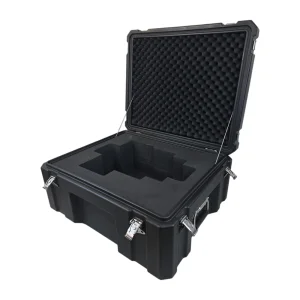
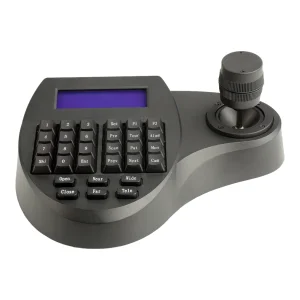
Keyboard controllers, heavy-duty brackets, protection cases, and diagnostic installation toolsets.
Explore Accessories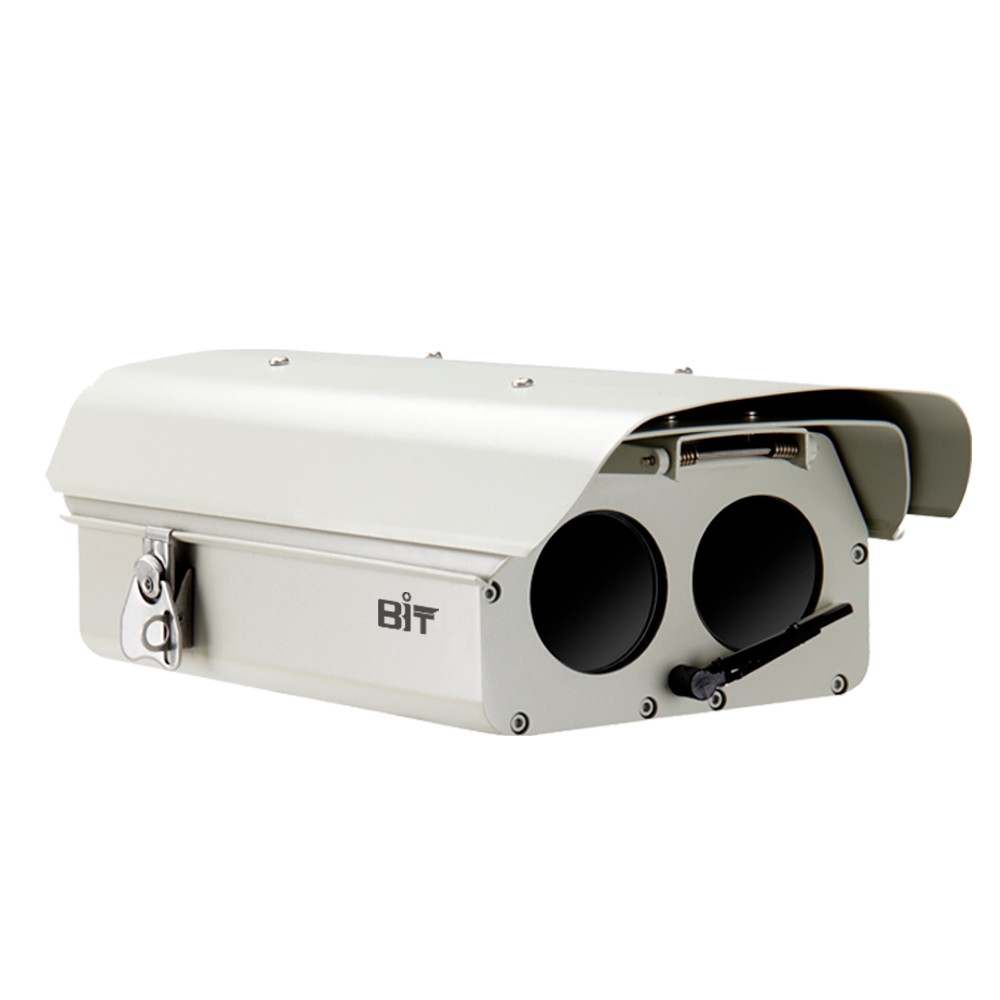
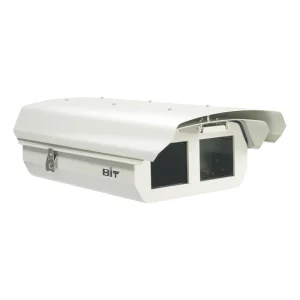
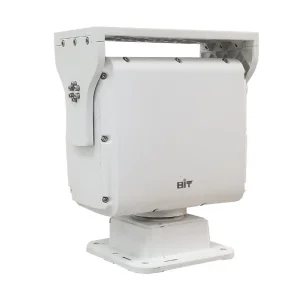
Corrosion-resistant dual window protective casings designed for high-resolution electro-optical integration.
Explore Enclosures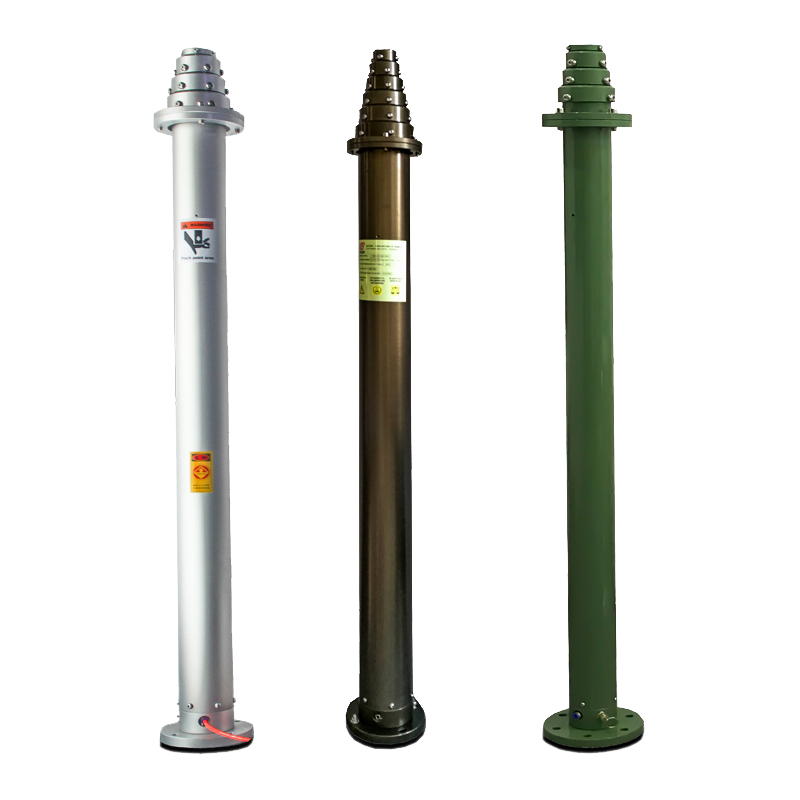
Precision-engineered structural masts offering pneumatic, mechanical, and manual deployment. Custom fabricated using military-grade aluminum and carbon fiber profiles. Optimized to support heavy radar, cellular transceivers, thermal cameras, and sensory arrays in environments prone to high wind gusts.
Download Mast Specifications BrochureAn authoritative analysis of structural fatigue, wind loading vectors, material science, and precision manufacturing.
In designing modern elevation solutions, material selection determines the structural payload-to-weight ratio, flexural rigidity, and environmental resilience. Global engineering projects demand platforms that resist deformation while maintaining lightweight profiles for mobile transport.
Military-Grade Aluminum Alloys (6061-T6 & 7075): Recognized for superior weldability, corrosion resistance, and structural strength, extruded 6061-T6 aluminum sections undergo intensive heat treatment. This increases yield strength to approximately 276 MPa (40,000 psi). Additionally, specialized hard-anodized surface finishes (MIL-A-8625 Type III) shield against oxidation in marine coastal installations where salinity levels degrade standard materials.
Advanced Carbon Fiber Composites: For specialized applications requiring rapid deployment and minimal physical effort, carbon fiber offers an unmatched strength-to-weight ratio. By arranging fiber matrices in multi-axial patterns, engineers optimize resistance against twisting forces. This prevents the rotation of sensitive directional antennas under high wind load. Additionally, carbon fiber exhibits almost zero thermal expansion, ensuring system stability despite drastic temperature shifts from desert cold to intense heat.
Telescopic structures are inherently susceptible to joint play and rotational deflection. The key to mitigating this lies in the collar locking mechanism and the design of the anti-torsion guideway. Key mechanisms include:
Evaluating wind drag is essential when mounting cameras, radar sensors, or antennas on a telescoping mast. The total wind force ($F$) acting on the assembly is calculated using the drag equation:
F = 0.5 × ρ × v² × C_d × A
Where $\rho$ represents air density, $v$ is wind velocity, $C_d$ is the drag coefficient of the payload and mast sections, and $A$ is the projected surface area. High-quality telescoping masts utilize round or aerodynamically optimized profiles to minimize the drag coefficient ($C_d$). By using advanced finite element analysis (FEA), BIT-CCTV engineers optimize wall thicknesses to ensure structural integrity at wind speeds exceeding 120 km/h, preventing critical failure at the base and joints.
Choose from manual hand-crank winch setups, motorized screw-driven assemblies, or pneumatic air systems based on available power and environment.
Equipped with dual-lip synthetic rubber wipers to block sand, moisture, and dust, protecting internal mechanisms from wear.
Hard anodization (thickness up to 50μm) ensures superior wear resistance, heat dissipation, and dielectric performance.
Custom internal coiled cables route signals and power directly through the center of the mast, eliminating external cord tangling.
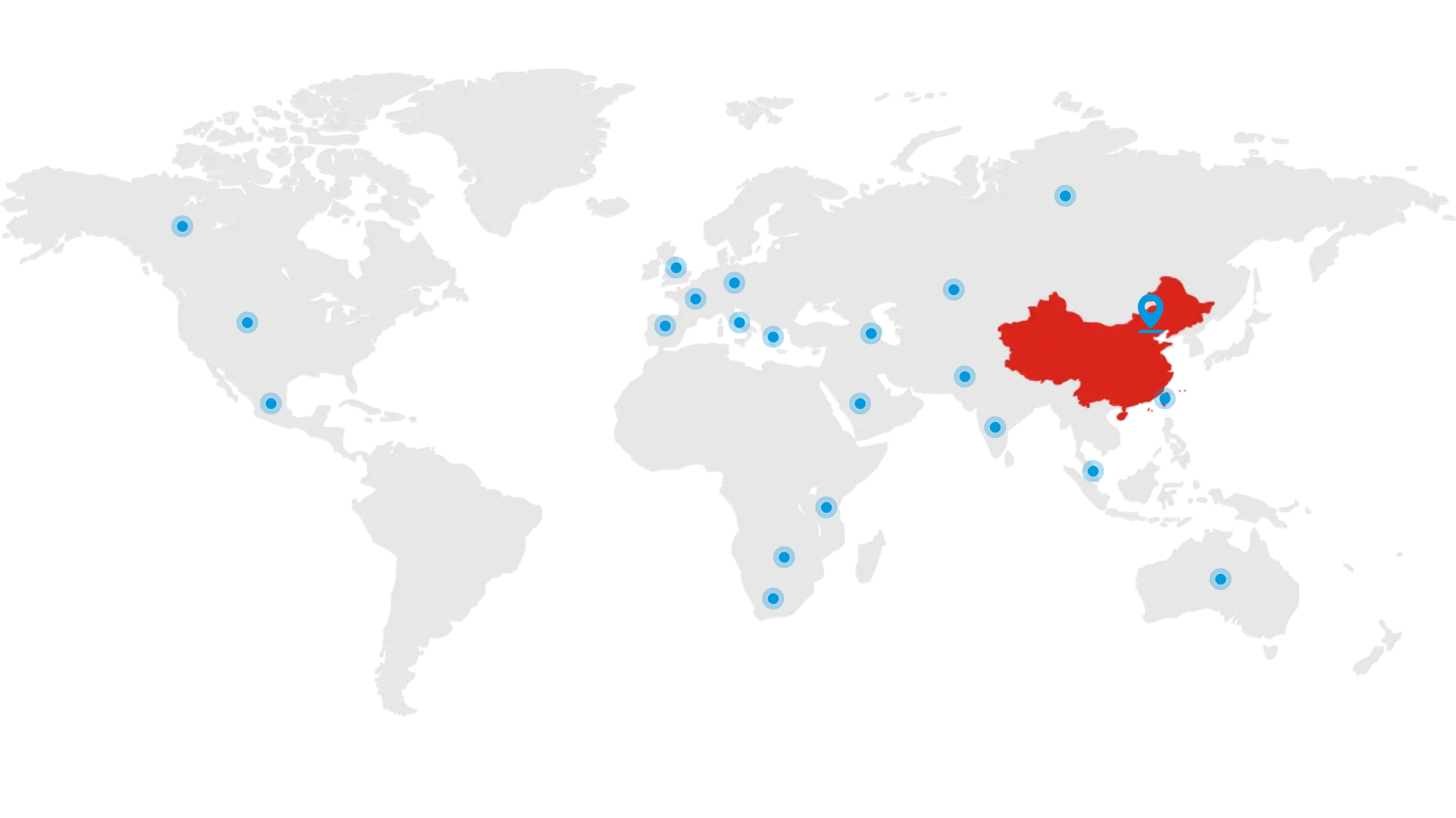
Producing reliable telescopic poles and pan-tilt units demands advanced raw material sourcing, high-precision machining, and efficient supply chain integration. Tianjin's status as a major industrial manufacturing base provides key structural advantages for global buyers:
Technical specifications for our integrated positioners and drive units, built for continuous tracking in challenging conditions.
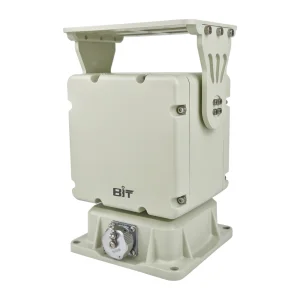
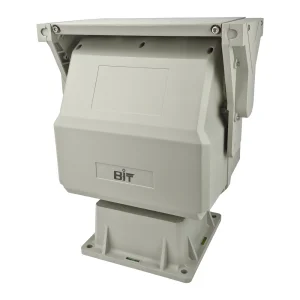
The BIT-PT510 is a compact, high-precision stepper motor-driven pan-tilt positioner designed to support payloads up to 10kg/22lb. Utilizing a durable worm gear drive, it delivers consistent holds without back-driving, even under external wind loads.
| Rotation Range | 360° Continuous Pan / ±60° Tilt |
|---|---|
| Max Velocity | 30° per second (variable) |
| Drive Mechanism | Stepper Motor & Worm Gear |
| Common Payloads | Mid-range cameras, optical sensors, acoustic hailers |
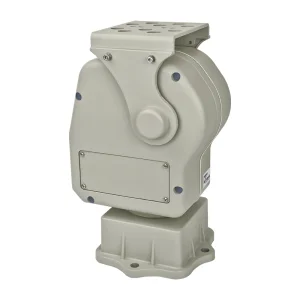
Weighing only 3.5kg, the BIT-PT503 is our lightest and most portable pan-tilt positioner. Engineered for mobile deployment and tactical vehicle applications where weight savings are critical.
| Dead Weight | 3.5kg / 7.7lb |
|---|---|
| Top Load Capacity | 3.5kg / 7.7lb |
| Structure | High-strength cast aluminum alloy |
| Ideal Match | Lightweight tactical telescoping carbon fiber poles |
Engineered for rapid target acquisition, UAV tracking, and fast-response border defense. This positioner achieves slew rates of up to 100 degrees per second while supporting a 10kg payload.
| Slew Velocity | 0.01° to 100°/s adjustable |
|---|---|
| Tilt Range | -90° to +40° range |
| Position Accuracy | ±0.05° tracking feedback loop |
| Deployment Area | Anti-drone radars, high-speed optical tracking |
The BIT-PT850 is a trusted, heavy-duty B2B surveillance standard. Widely deployed over the past decade, it offers reliable support for massive multi-sensor camera housings, long-range thermal imagers, and radar arrays.
| Maximum Payload | 50kg / 110lb |
|---|---|
| Material Frame | Heavy-duty cast alloy with marine coating |
| Protection Class | IP66, optional IP67 custom seal |
| Field Applications | Coastal border security, forest fire monitoring |
How telescoping mast poles and precision rotators combine to solve critical communication and monitoring challenges.
Long-range thermal cameras and radar systems require stable elevated platforms. Integrating high-strength telescopic mast poles with heavy-duty positioners like the BIT-PT850 ensures reliable surveillance in coastal environments, managing structural deflection from strong ocean winds.
For temporary events or disaster recovery, Cell-on-Wheels (COWs) deploy pneumatic or motorized telescoping masts to rapidly elevate directional antenna arrays. These systems establish reliable communication networks under varying terrain and weather conditions.
Early forest fire detection relies on high-altitude cameras for long-range thermal analysis. Extruded aluminum masts elevate dual-sensor optical rigs, while keyed locking collars prevent wind-induced mast rotation to maintain target tracking.
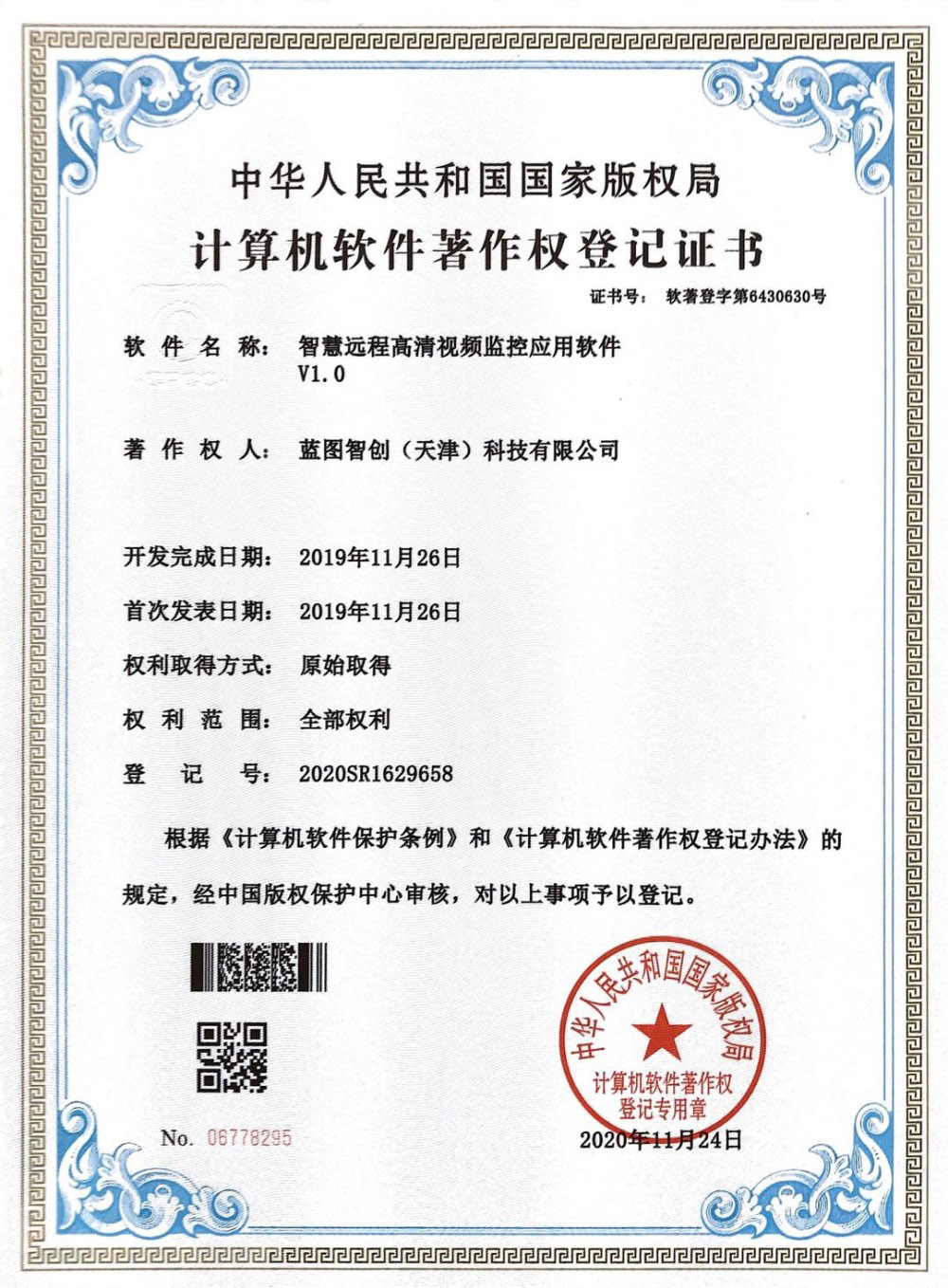
Backed by 50+ national patents and comprehensive material quality audits.
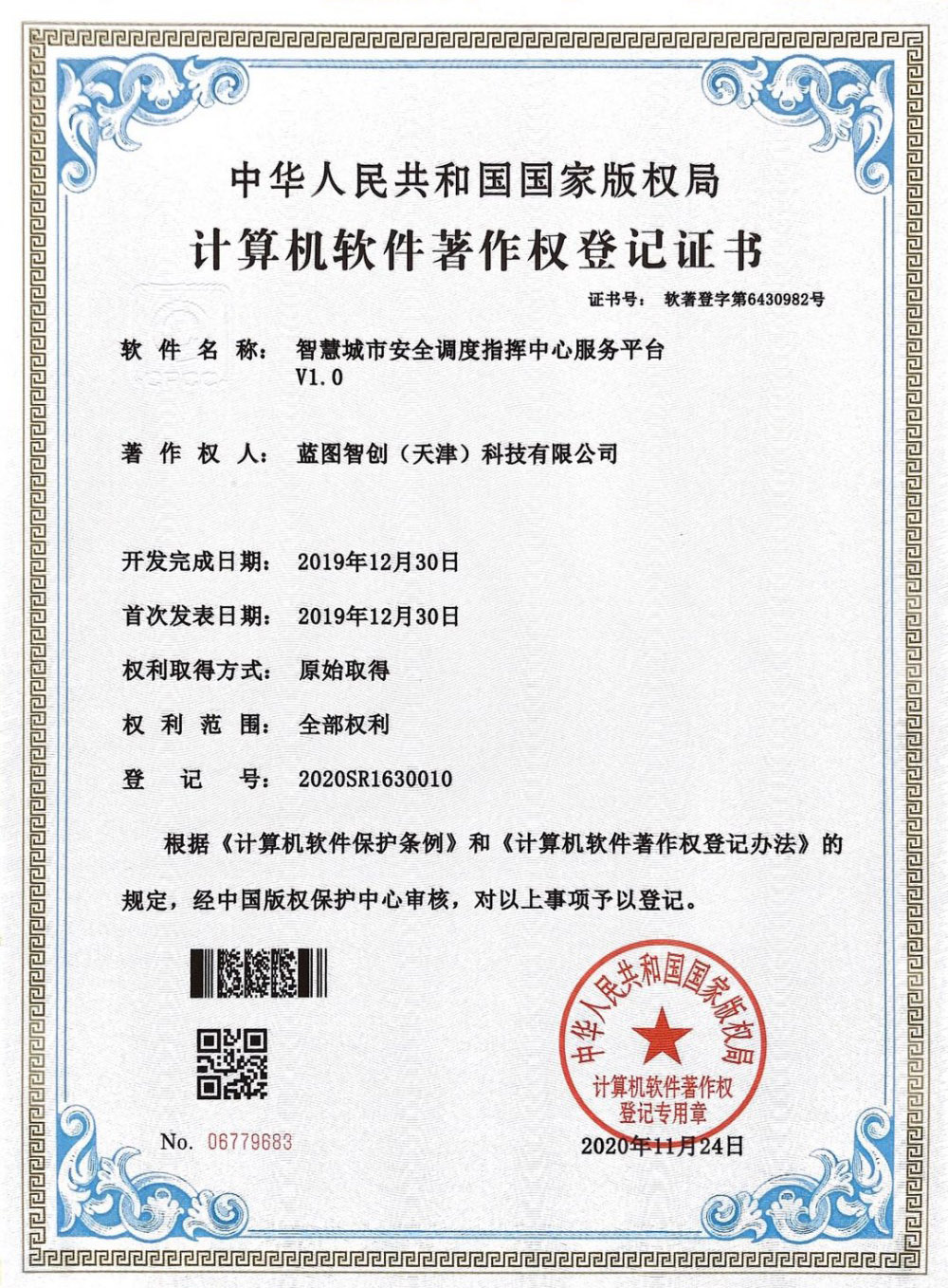
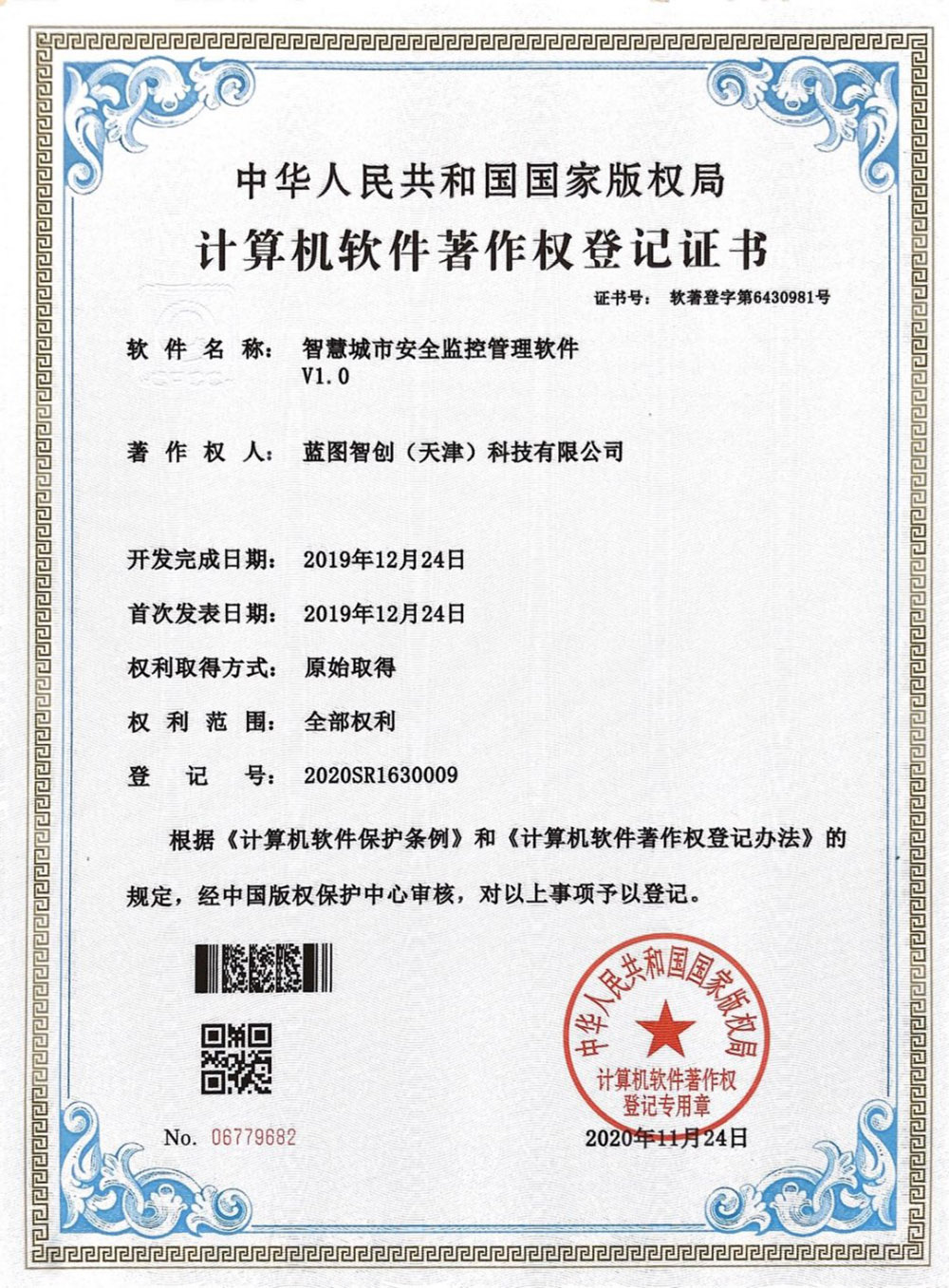
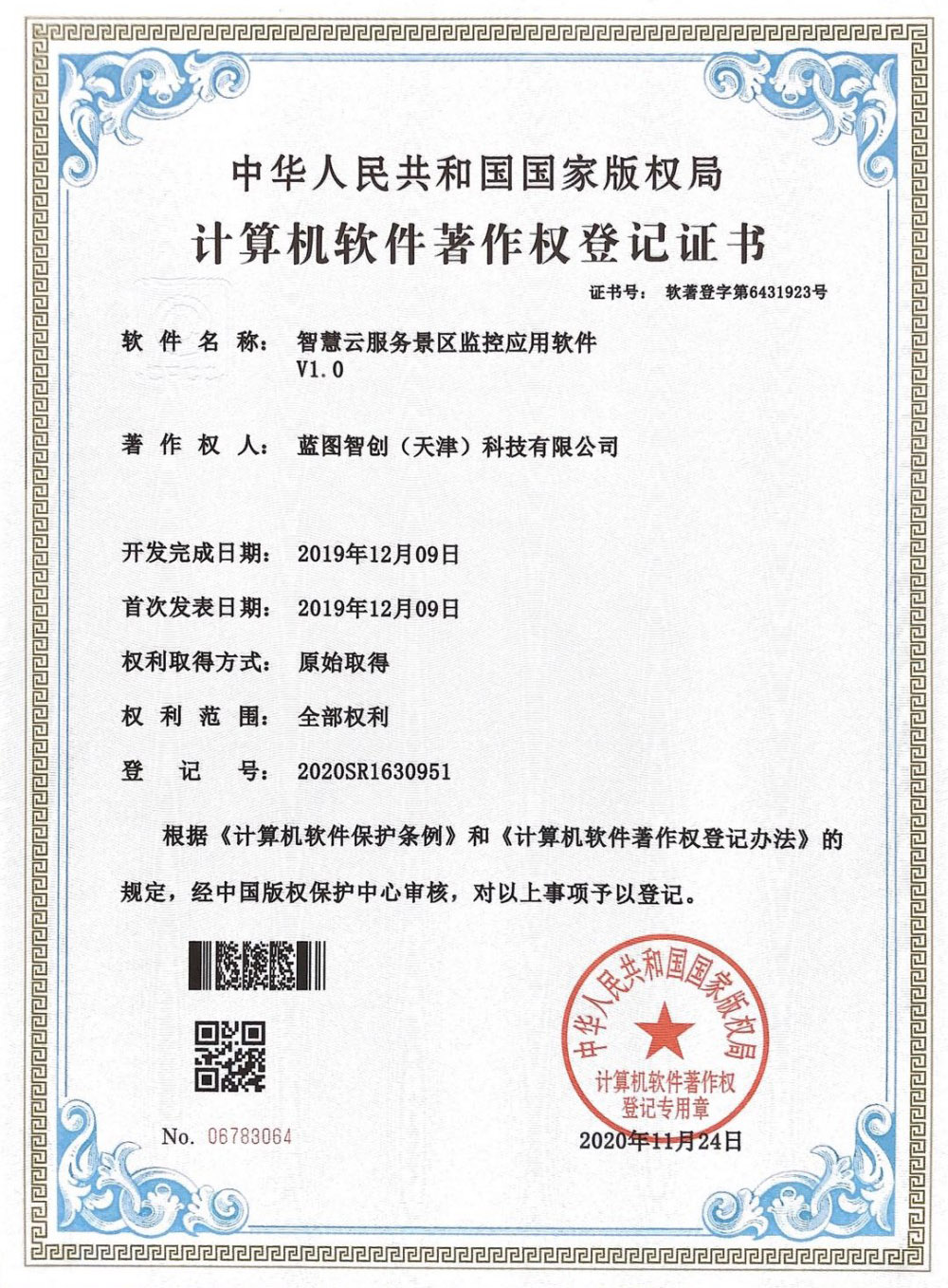
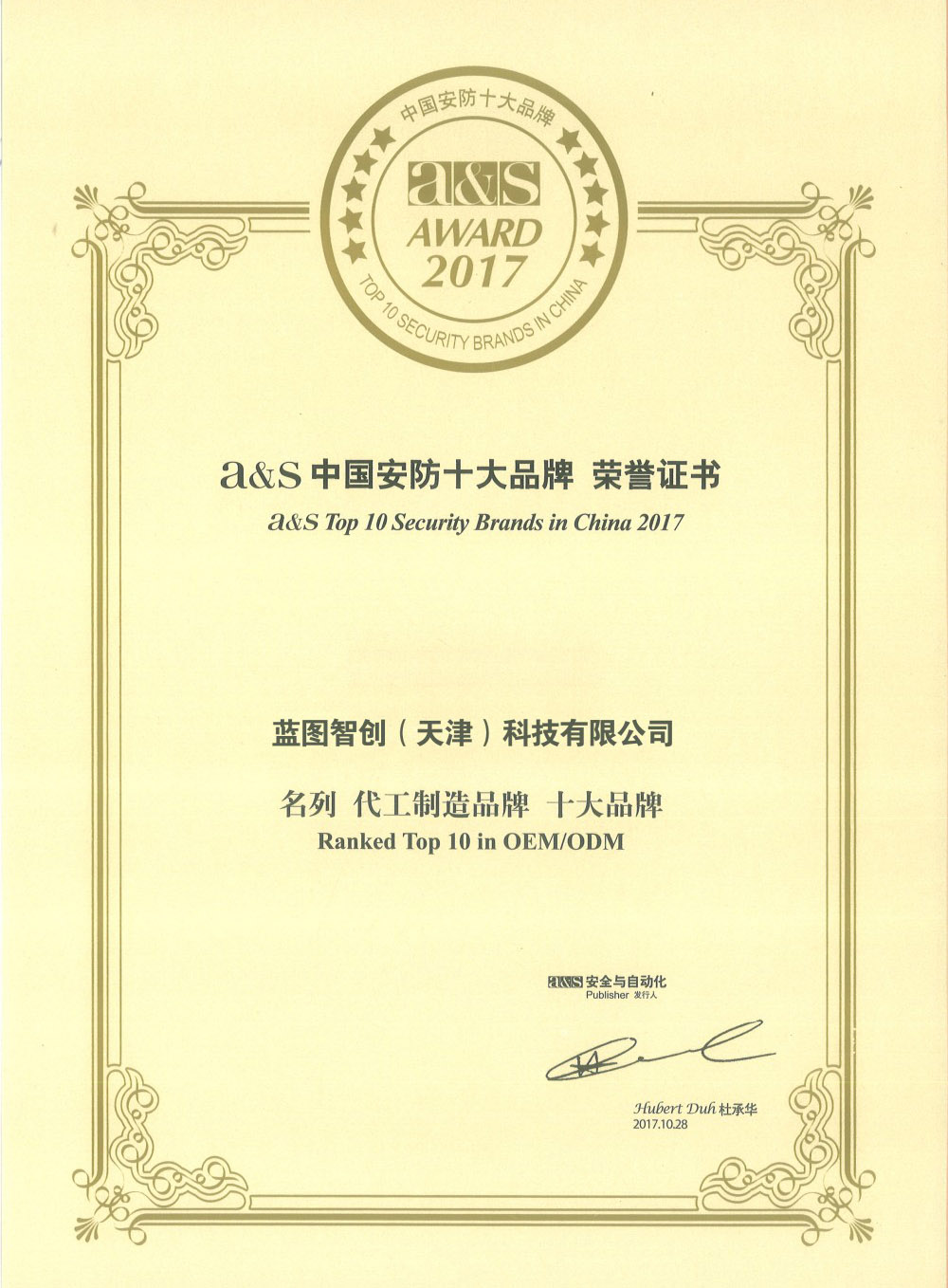






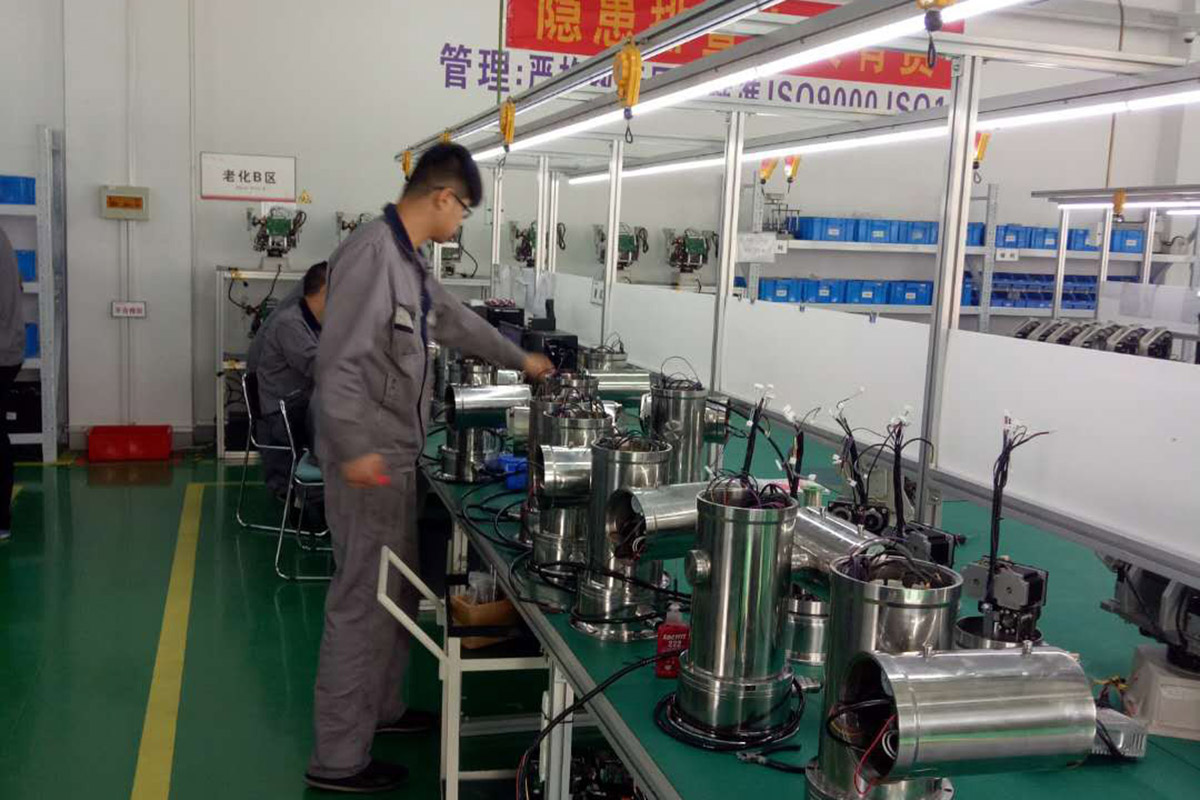
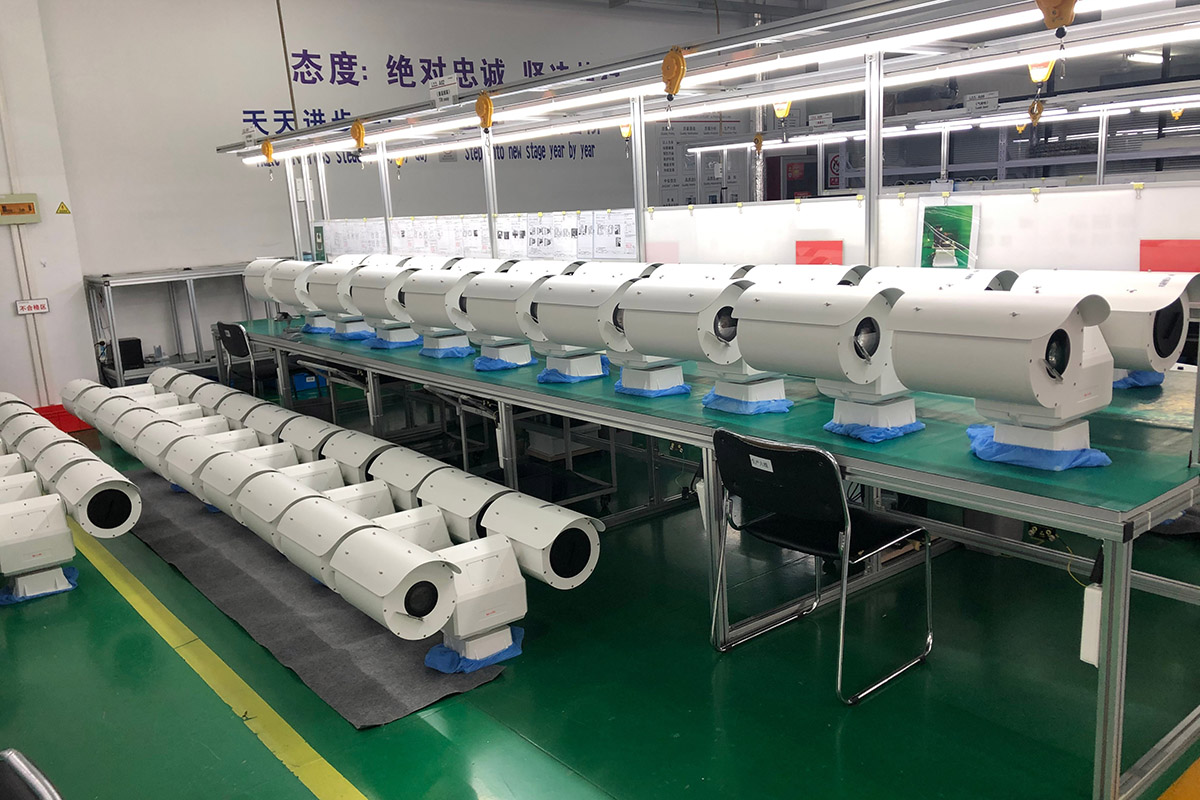
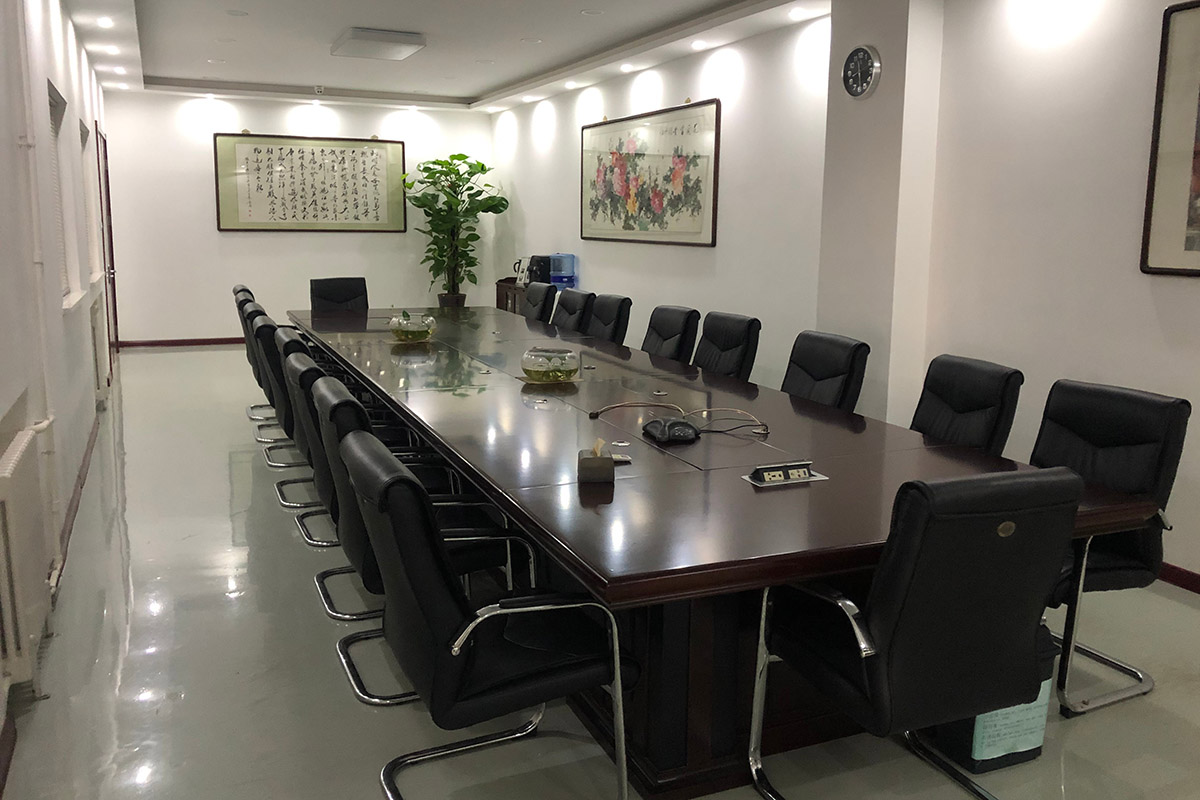
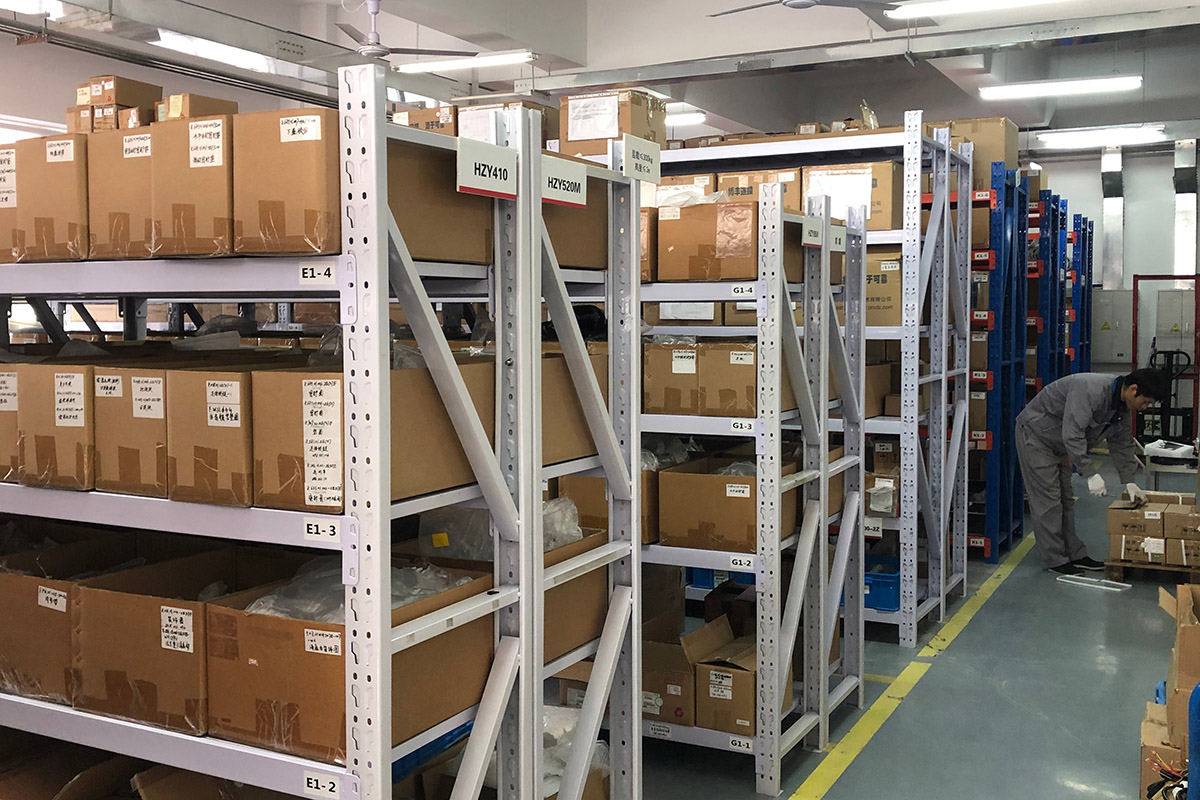
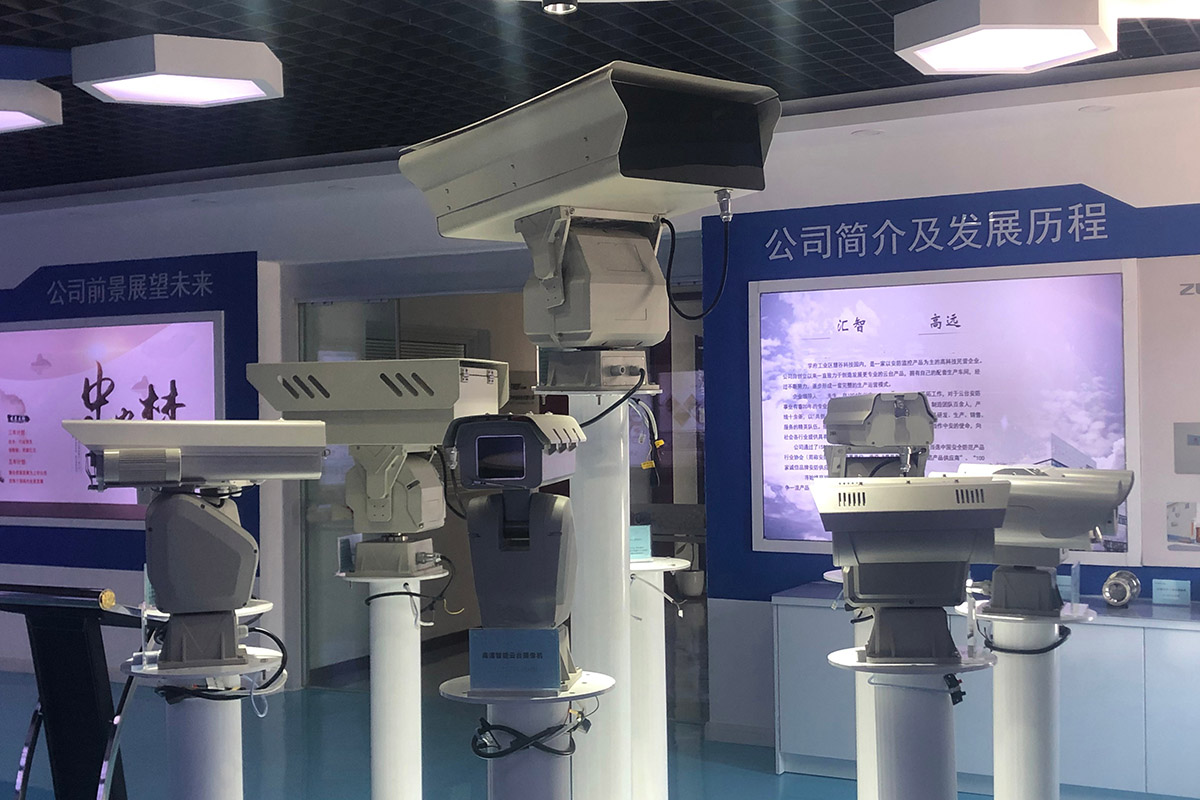
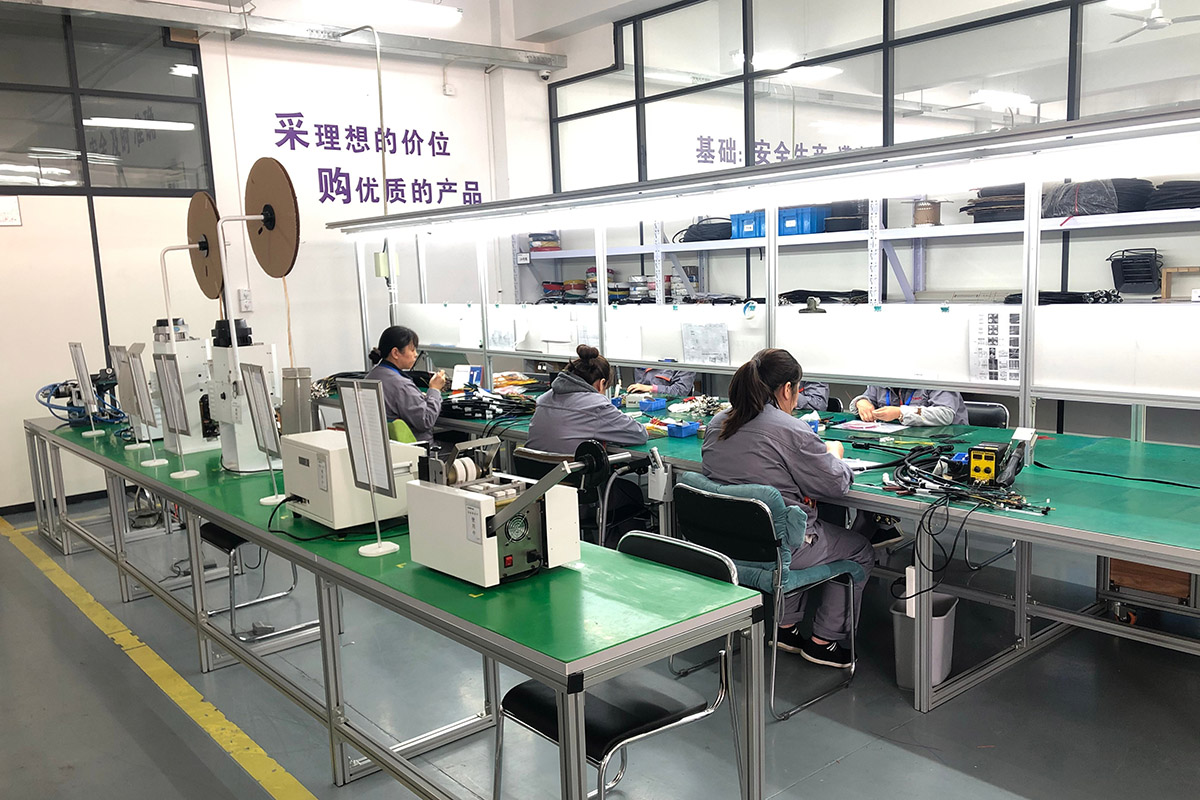
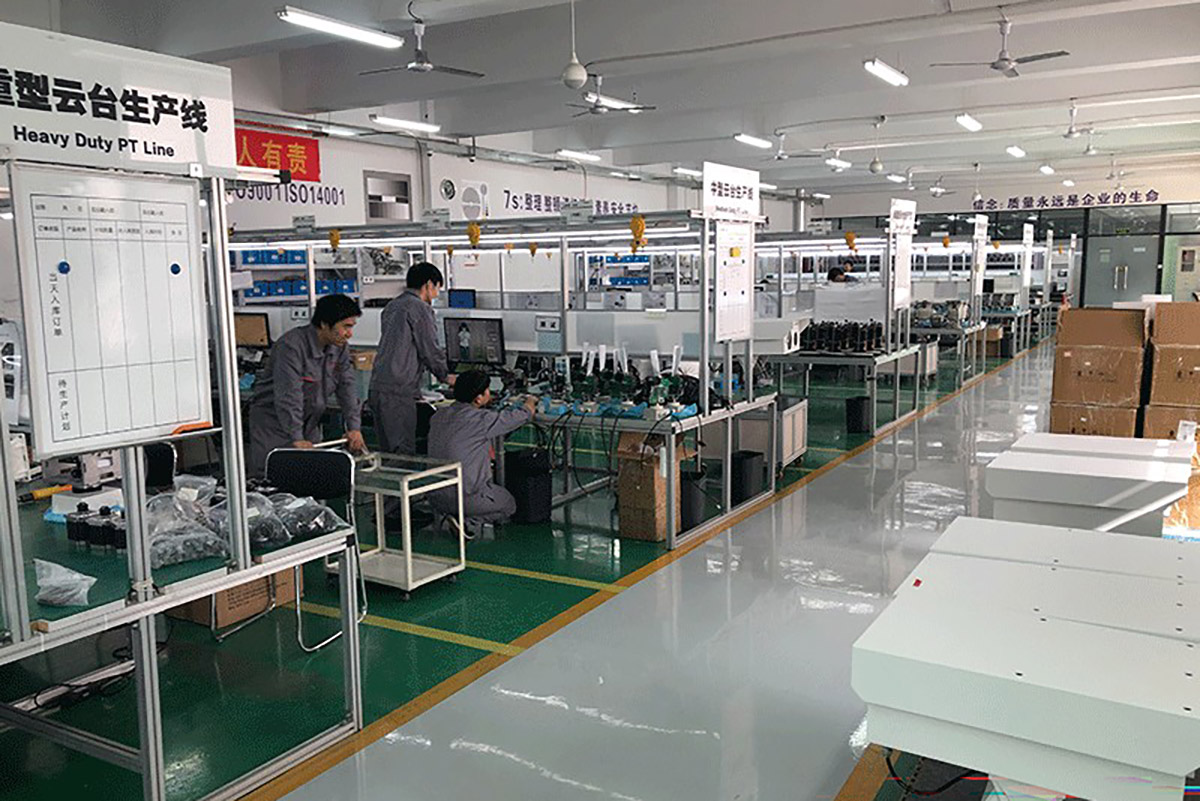
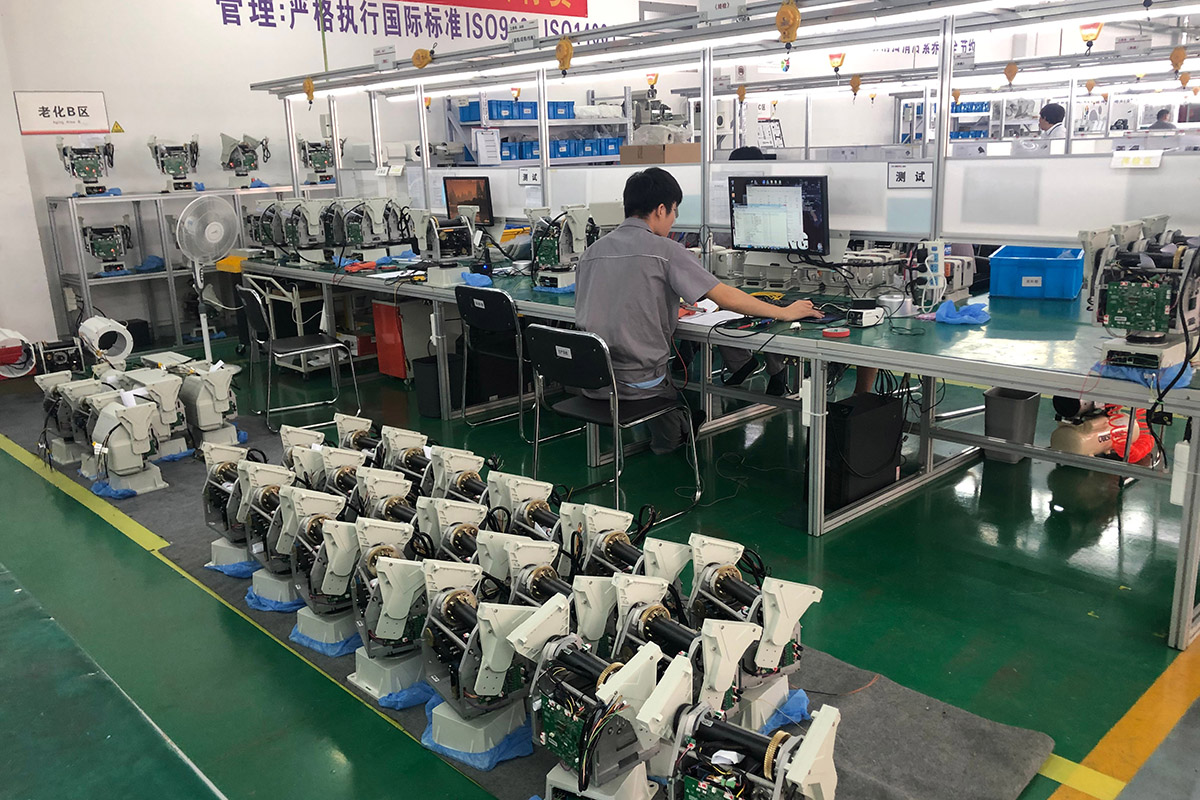
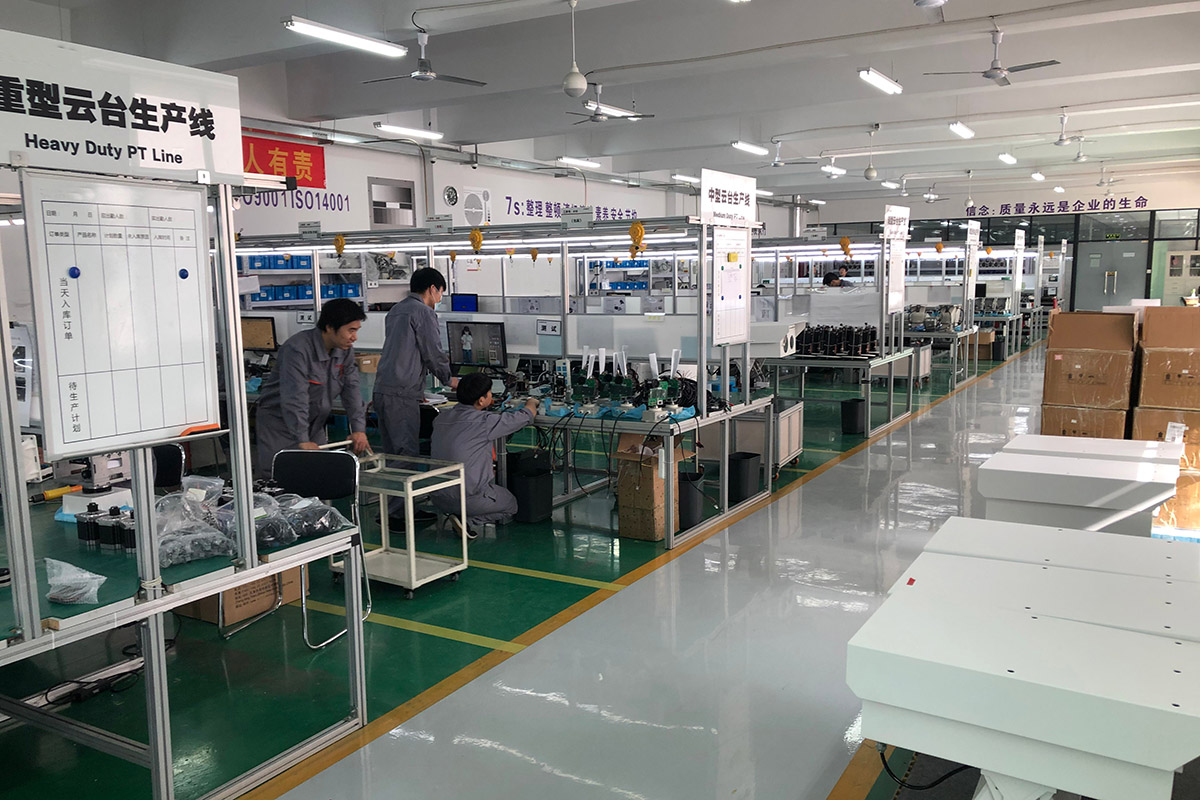
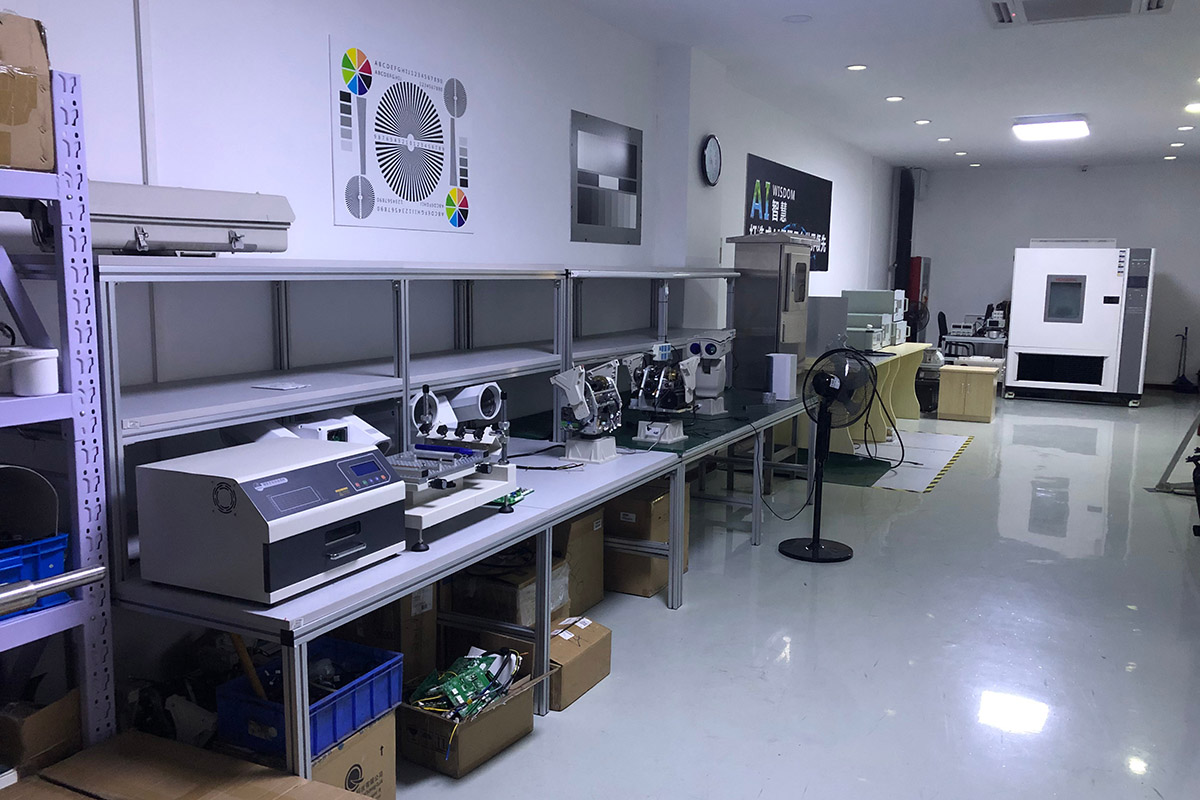
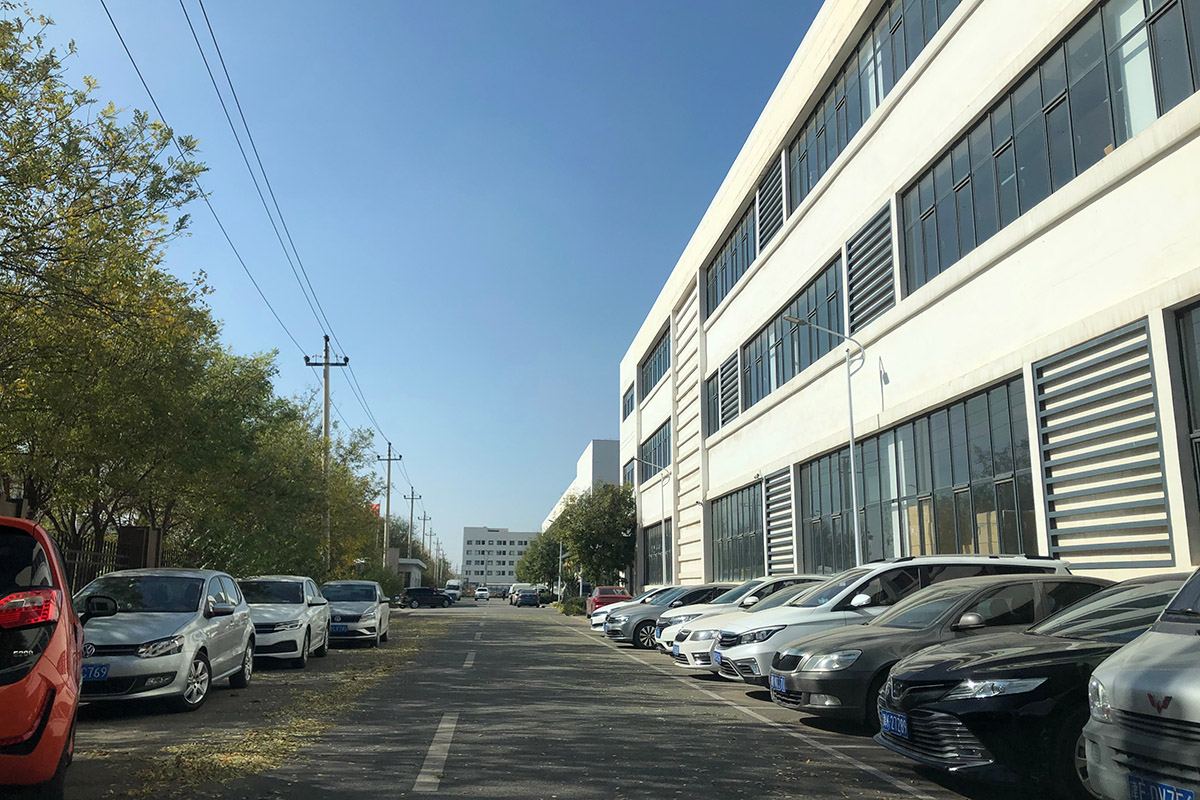
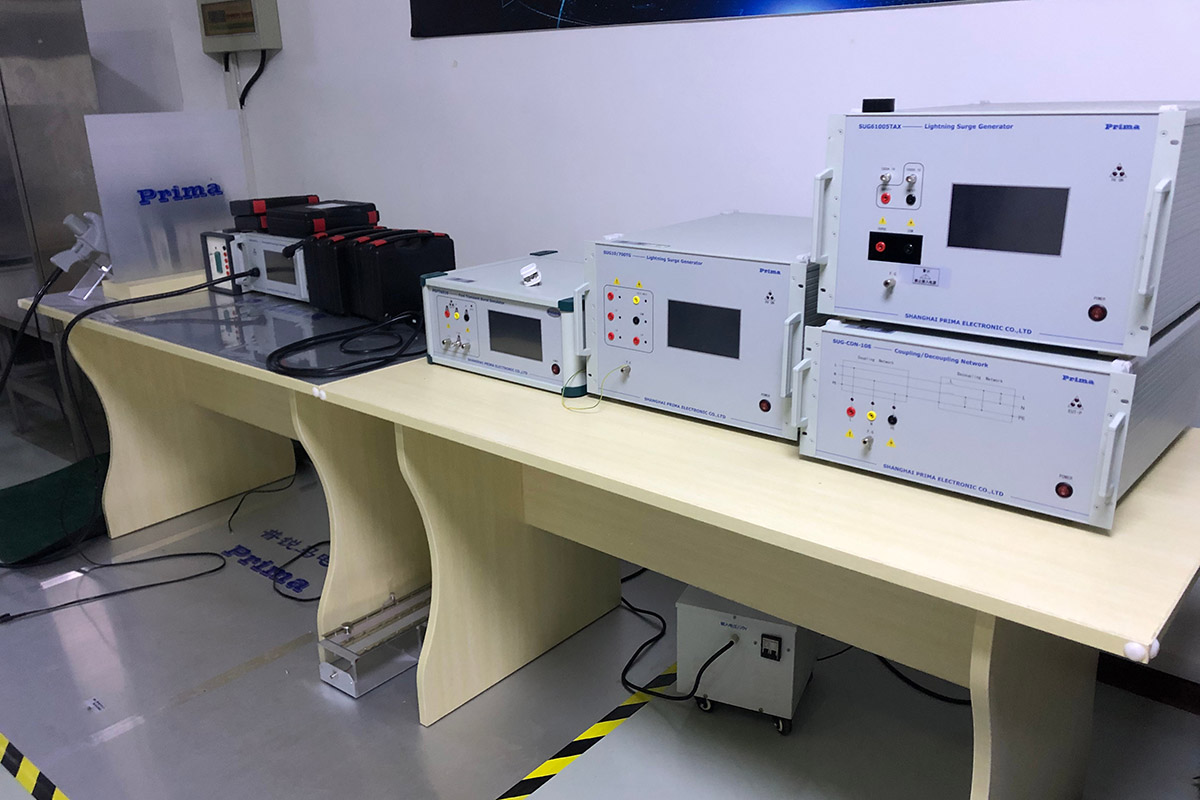
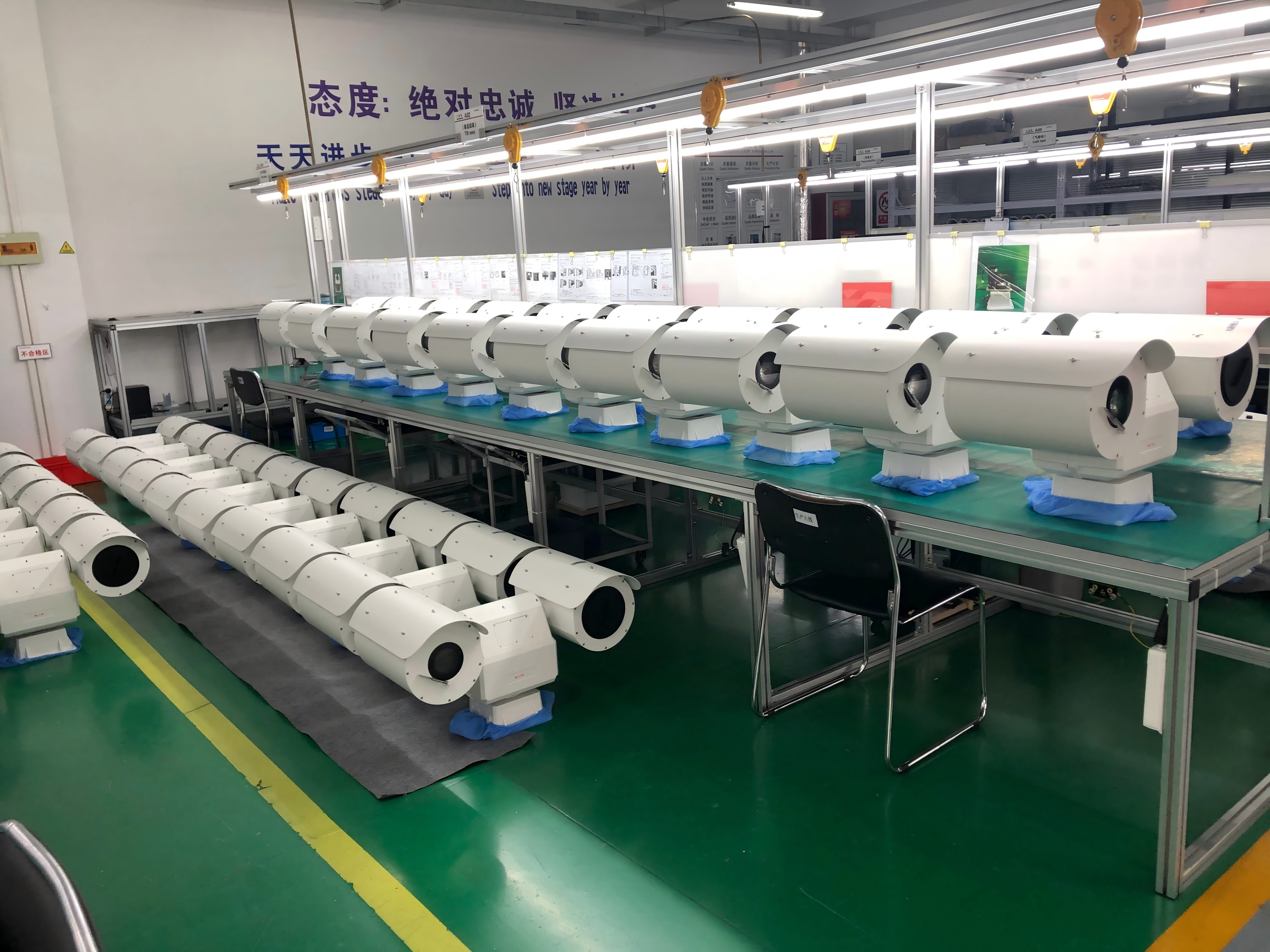
Take a look inside our 10,000m² facility, featuring assembly lines and testing labs for our telescopic masts and pan-tilt units.
Detailed answers to critical engineering, manufacturing, and configuration questions.
Selection is determined by three variables: target height, payload weight, and deployment location. Manual masts are cost-effective and portable, ideal for temporary systems up to 15 meters and 30kg payloads. Pneumatic masts deploy quickly using compressed air, making them perfect for tactical vehicles and emergency broadcasts. Motorized screw-drive masts offer the highest precision and safety, locking securely at any height without creeping, which is critical for heavy radar and communication arrays.
Wind causes two main issues: lateral deflection (sway) and torsional rotation (twist). Sway can disrupt line-of-sight microwave links, while twist alters the directional heading of cameras and antennas. To minimize these issues, we recommend using masts with keyed guide tracks, robust locking collars, and synthetic guy lines to stabilize the assembly in high winds.
Standard off-the-shelf masts rarely fit the precise mounting and electrical needs of complex installations. Customization is necessary to specify exact collapsed and extended heights, design custom brackets for specific payloads, and integrate internal wiring (such as power, coax, or fiber) to protect cables from weather and mechanical wear.
For aluminum masts, we apply a hard-anodized layer (MIL-A-8625 Type III) up to 50μm thick, which provides excellent protection against salt spray and wear. For steel and stainless steel mounting hardware, we use hot-dip galvanizing or specialized coatings to prevent corrosion and ensure long-term durability in high-salinity coastal areas.
Technical articles and guides from our engineering team on choosing, deploying, and maintaining telescopic systems.
As B2B tracking applications expand, custom mounting configurations are increasingly required. Learn the key factors to evaluate when choosing a positioning partner.
Read Article →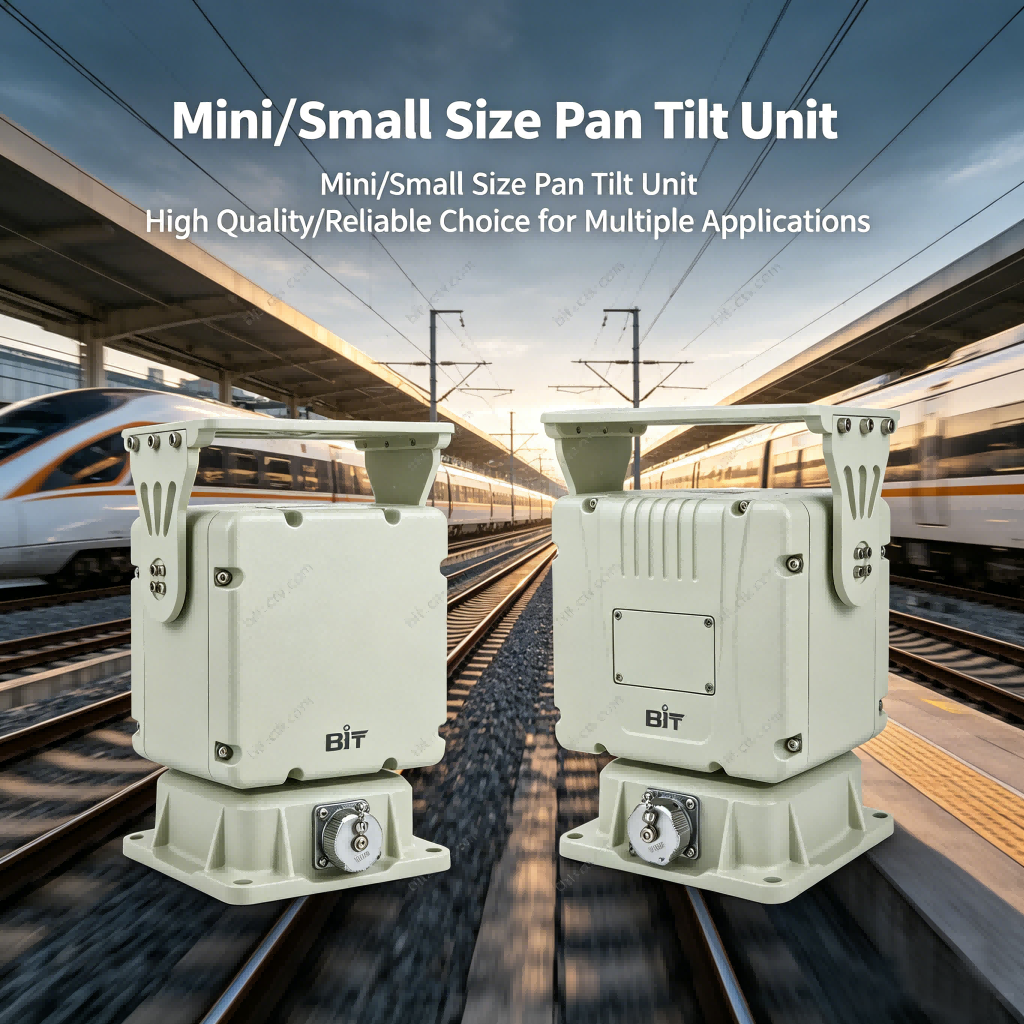
An engineering breakdown of our compact positioning systems, designed for lightweight mobile masts and portable tactical setups.
Read Article →
Learn how to classify pan-tilt units based on load capacity, environmental protection ratings, and drive mechanisms to select the right model for your deployment.
Read Article →Professional accessory systems and drive units built to support extreme payloads in demanding environments.