High-Quality Pneumatic Telescopic Mast Suppliers & Pricelist

Next-Generation Elevation Solutions for Critical Infrastructure, Emergency Response, and Tactical Communications

Industry Insight Whitepaper

The Evolution & Selection of Pneumatic Telescopic Masts

In the rapidly changing landscapes of telecommunications, defense, and high-altitude surveillance, the Pneumatic Telescopic Mast stands as a key technology for quick payload deployment. Powered by compressed air, these masts provide an optimal weight-to-payload ratio, making them a popular choice compared to hydraulic or purely mechanical alternatives. As global systems require faster response times, the engineering standards for telescopic structures have moved from basic manual setups to intelligent, telemetry-enabled deployment networks.

1. Global Development Trends in Pneumatic Telescopic Masts

Modern telescopic masts are no longer just passive structural poles. The integration of Industry 4.0 IoT technologies has turned them into smart systems. Key industry trends include:

  • Intelligent Pressure Regulation: Real-time pressure sensors that automatically correct changes caused by temperature fluctuations or slow minor leaks, ensuring the mast stays safely extended for long periods.
  • Advanced Lightweight Materials: While high-tensile 6063-T6 aluminum alloys remain the industry standard, hybrid structures incorporating carbon fiber materials are increasing in popularity, lowering overall weight while keeping high wind resistance.
  • Anti-Rotation Mechanisms: High-precision internal keyways and alignment systems ensure that sensitive directional payloads, like microwave links or thermal PTZ systems, remain aligned even in strong winds.
  • Internal Cabling (Intellicables): Custom routing of power, Ethernet, and RF cables inside the mast sections reduces cable wear, wind drag, and ice buildup.

2. Understanding the Technical Variables of the Pricelist

When procurement officers look for a "Pneumatic Telescopic Mast Pricelist," they often find that standard off-the-shelf pricing rarely covers the requirements of custom industrial designs. The cost of a pneumatic mast is determined by several core variables:

Category Specifications Payload Range Estimated Price Tier (USD)
Light Duty 3m - 6m Extended / 3-4 Sections 5kg - 15kg $1,500 - $3,500
Medium Duty 6m - 12m Extended / 5-6 Sections 15kg - 50kg $3,500 - $7,000
Heavy Duty 12m - 20m Extended / 6-8 Sections 50kg - 150kg $7,000 - $15,000+
Ultra-Heavy Duty / Custom 20m+ Extended / Large Diameter Sections 150kg - 300kg+ Request Custom Quote

Please Note: Extra features like mechanical locking collars (which allow the mast to stay extended without continuous air pressure), internal spiral cabling, motorized compressors, and custom anodized finishes will impact the final quotation.

3. China Industry 4.0: Supply Chain Resilience & Cost Efficiency

Our manufacturing base in China utilizes Industry 4.0 automation, combining automated CNC machining centers, robotic welding, and advanced anodizing processes. This integration ensures that our structural tolerances are kept within micrometers.

By sourcing raw materials directly from regional aluminum extrusion hubs and using advanced robotic assembly lines, we minimize manual errors and lower production costs. This allowing us to pass these savings on to our clients. Our supply chain is built to handle quick scalability, allowing us to produce custom batches of high-strength pneumatic masts and matching heavy-duty pan-tilt units in competitive timeframes.

4. Global Commercial, Defense & Industrial Applications

Pneumatic telescopic masts are used across a wide variety of key global sectors:

  • Mobile Telecom & Cells on Wheels (COWs): Quick-deploy mast systems elevate sector antennas and microwave dishes to re-establish communications during disasters or public events.
  • Border and Coastal Defense: Supporting long-range thermal cameras, radar sensors, and laser rangefinders. Our masts hold heavy payloads steadily at heights of up to 20 meters.
  • Emergency Response & Lighting: Fire departments and rescue teams use vehicle-mounted pneumatic masts to elevate high-intensity LED light bars to illuminate incident areas.
  • Meteorological & Environmental Research: Used to place wind sensors, air quality monitors, and solar radiation sensors high above ground interference.
2005
Blue Icon Technology Founded
1st
Pan Tilt Maker in China
10%
Annual R&D Investment
50+
Countries in Sales Network
10,000m²
Modern Manufacturing Area

Engineering Strengths

  • 18+ Years Industry Experience
  • Fully Customized OEM/ODM Masts
  • 3kg to 150kg Load Pan-Tilt Systems
  • Over 50 National Patents

Industrial Positioning & Extension Portfolios

Explore our main product categories, engineering solutions, and structural accessories designed for tough environments.
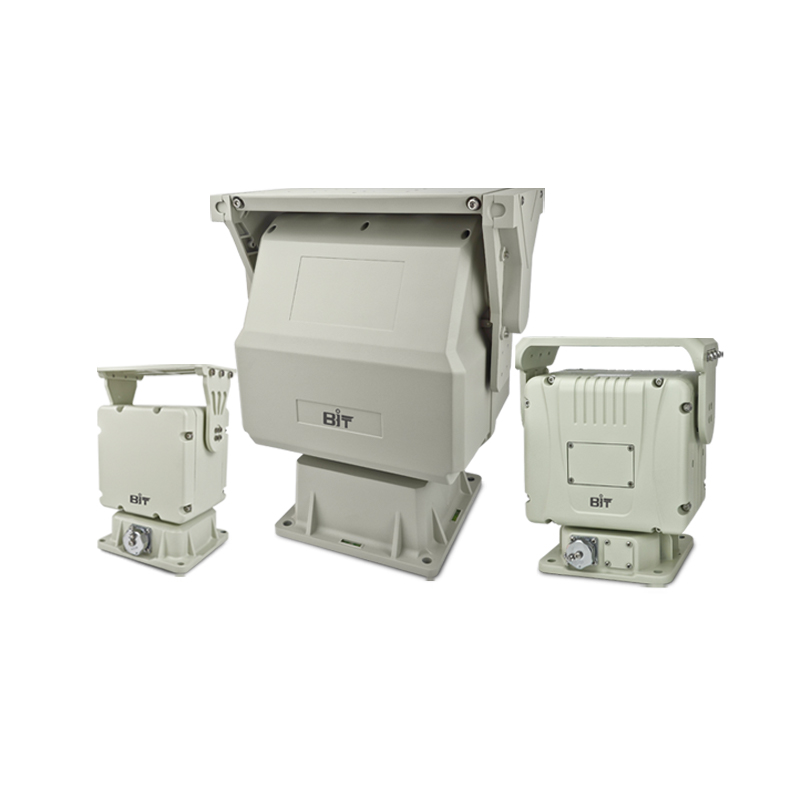
Pan Tilt Positioner

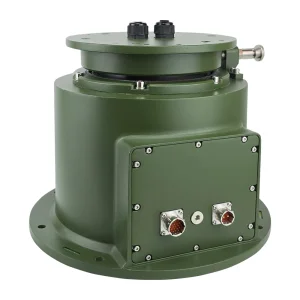
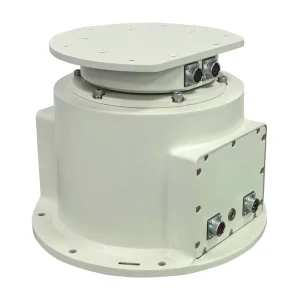
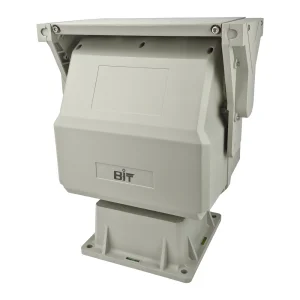
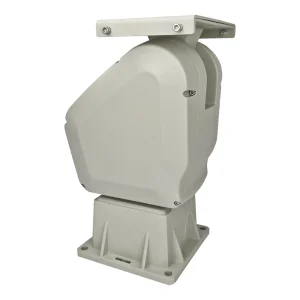
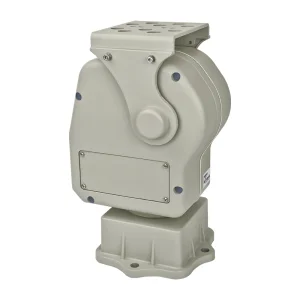
Heavy Duty Pan Tilt Positioner

Supporting payloads from light to heavy duty (3-150kg) with high precision.

Read More
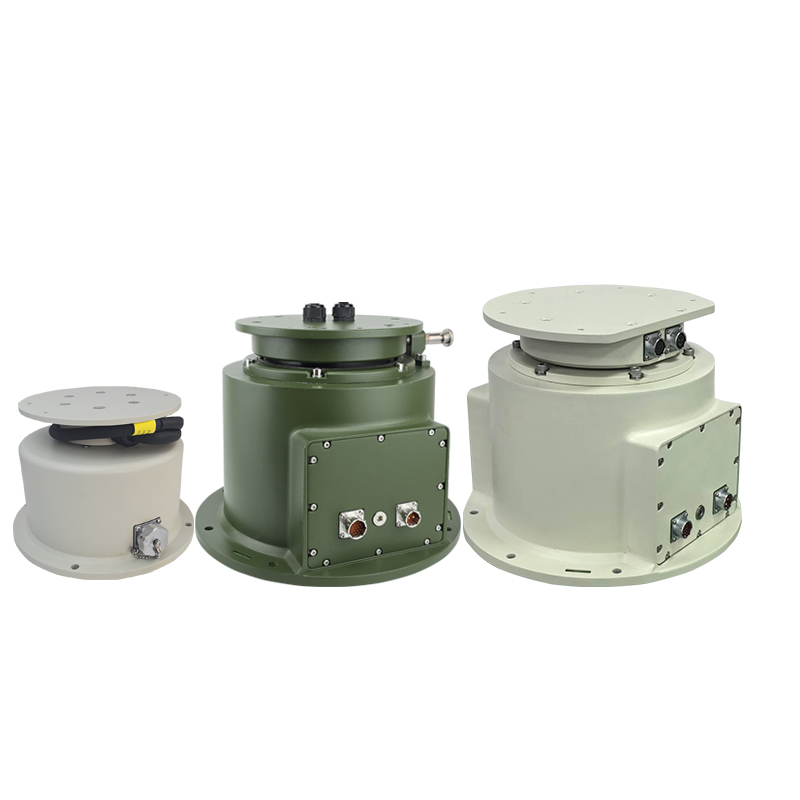
Pan Rotator & Positioner

Pan Rotator & Positioner Systems

High-speed and direct drive single-axis rotators designed for target tracking.

Read More
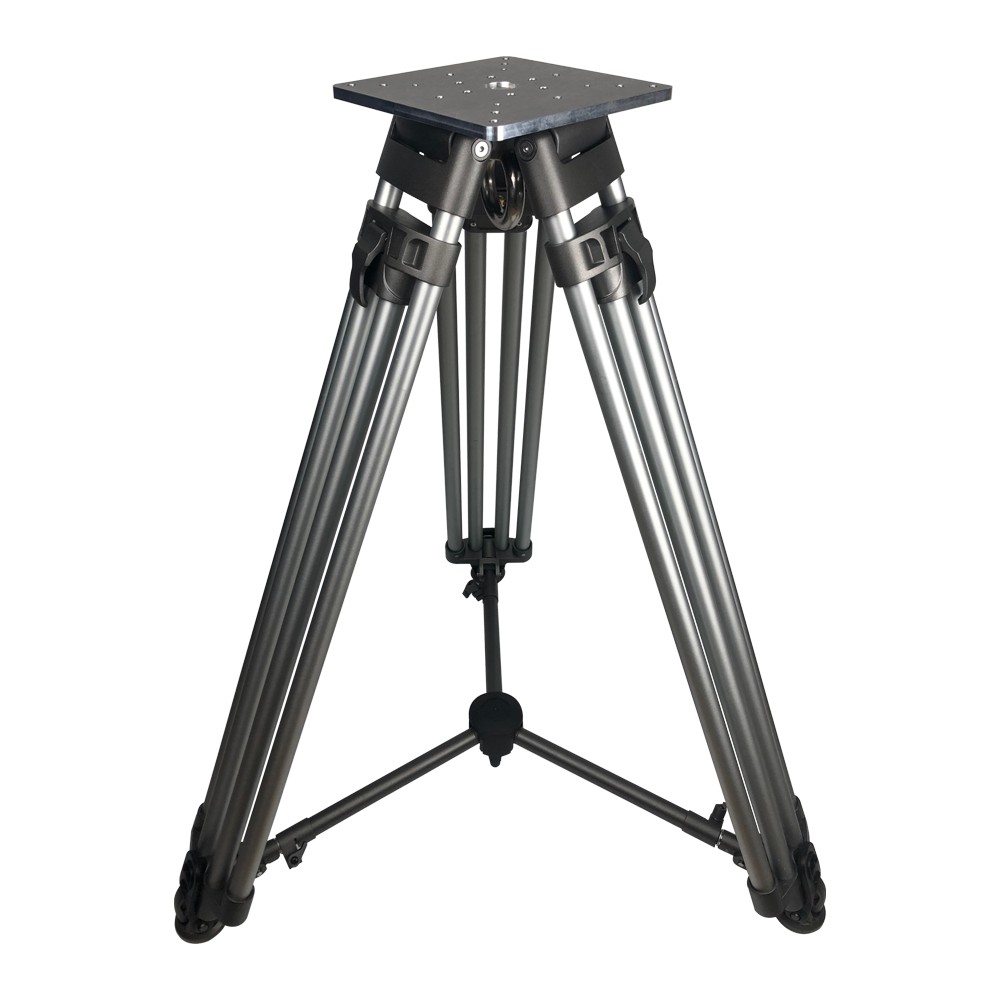
PTU Accessories

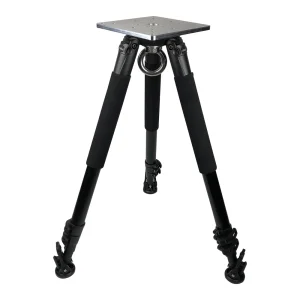
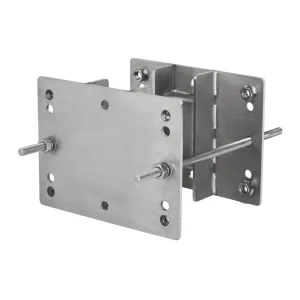
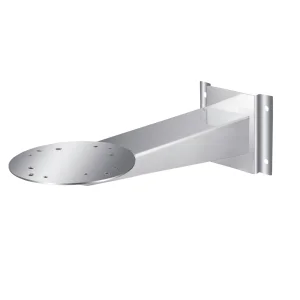
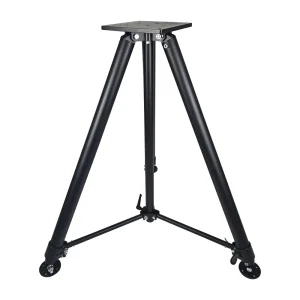
PTU Mounting Accessories

Heavy-duty tripods, wall mounts, and custom mounting brackets.

Read More
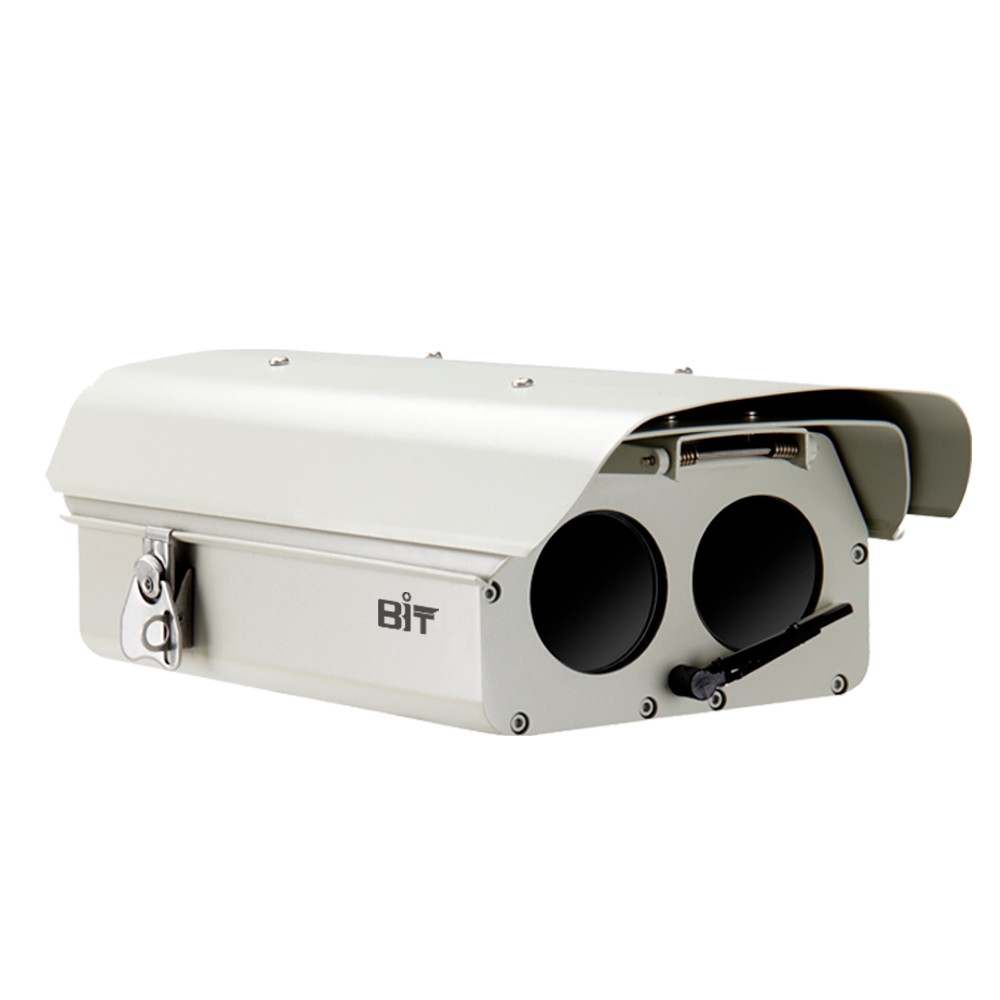
Camera Housing & Mounts

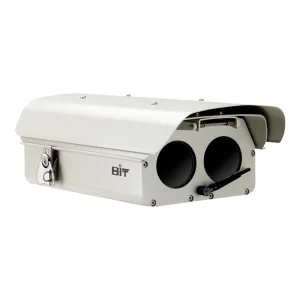
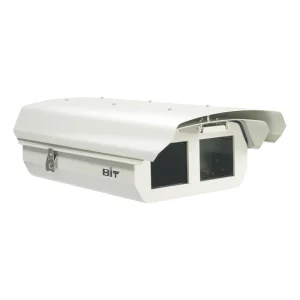
Camera Housings & Enclosures

IP66/IP67 rated dual-window camera housings with wiper systems.

Read More
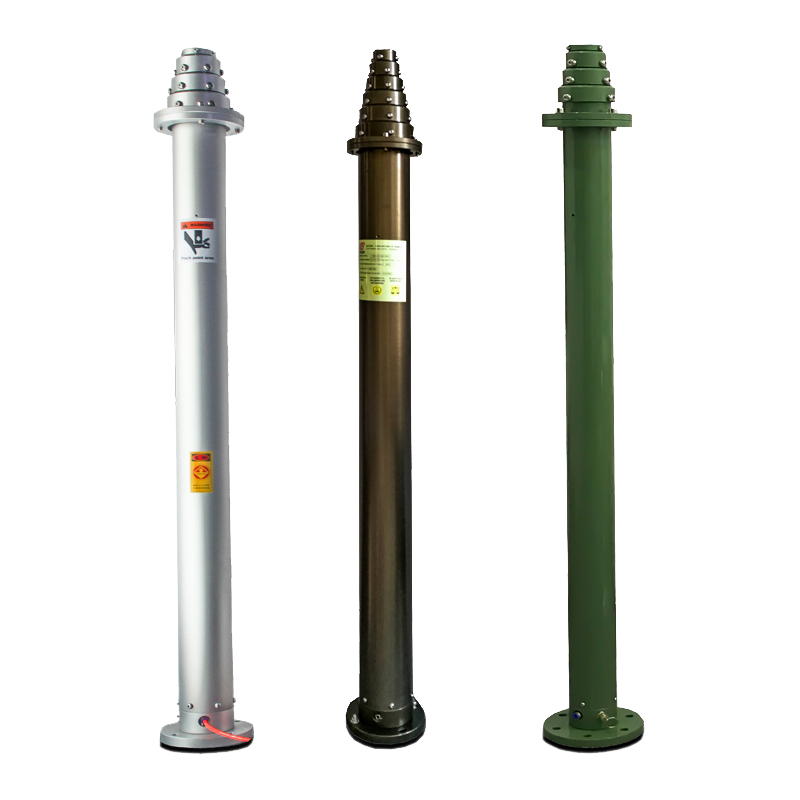
Telescopic Mast Pole

Pneumatic Telescopic Mast Poles

High-strength aluminum telescopic structures for mobile surveillance.

Read More

Innovative Engineering Presentation

Watch how our high-precision worm gear drive pan-tilt positioners coordinate with pneumatic masts for ultimate field stability.

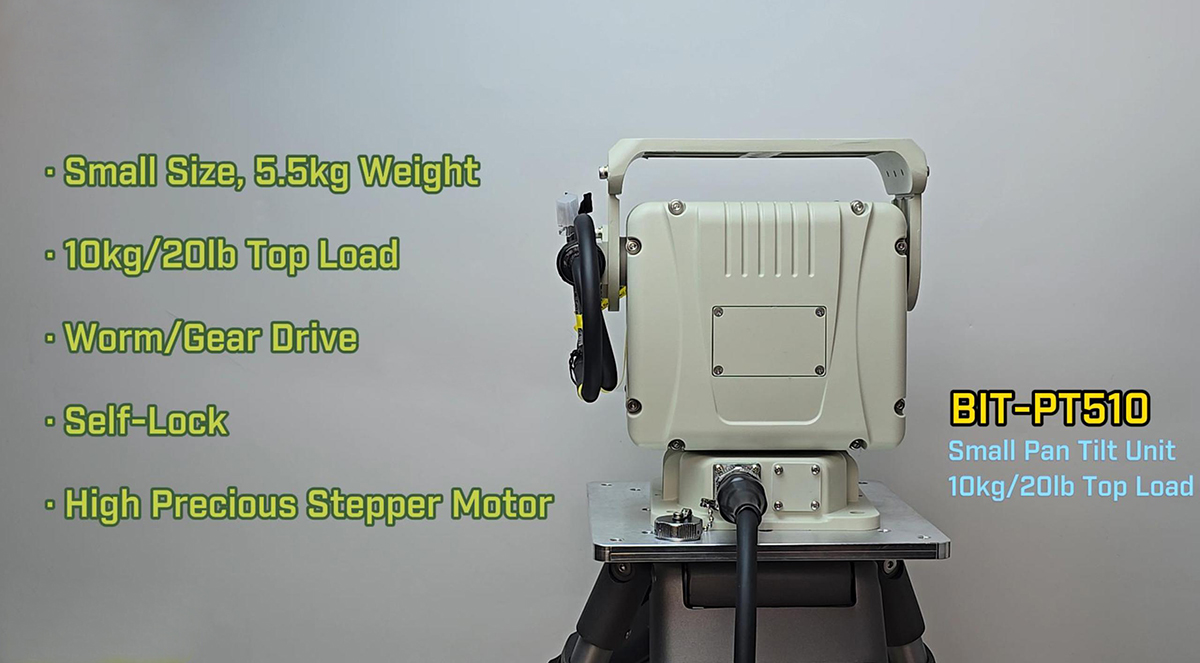
BIT-PT510 Worm Gear Drive Pan Tilt Positioner

BIT-PT510 10kg Load Small Size Worm Gear Positioner

High-precision stepper motor with worm/gear drive system.

BIT-PT503 Mini Pan Tilt (3.5kg Payload)

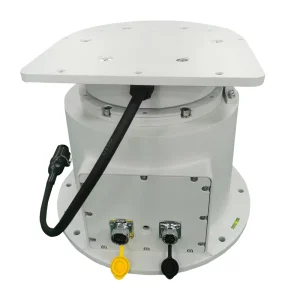
Weighing just 3.5kg, this compact worm-gear driver is optimized for mobile vehicle configurations and quick-deployment portable masts.

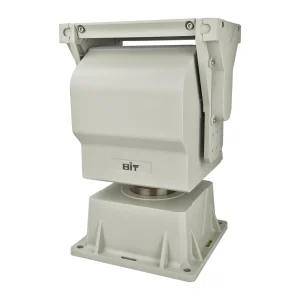
BIT-PT410 High Speed PTU (100°/Sec)

Features lightning-fast target acquisition and wide tilt rotation (-90° to +40°), ideal for automated tracking systems on command masts.

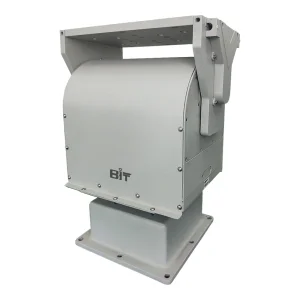
BIT-PT850 Heavy Duty Positioner (50kg Payload)

A field-proven industrial tracking unit, popular across marine, border security, and wildfire detection networks globally.

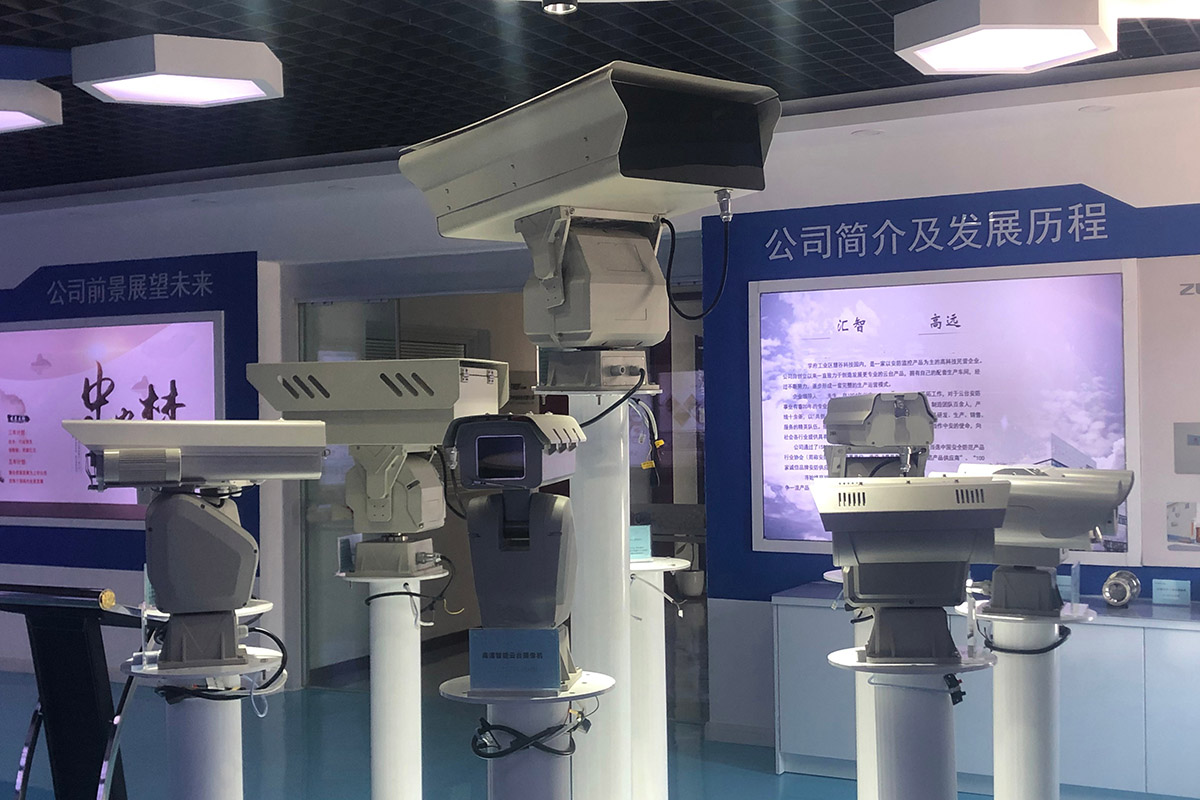
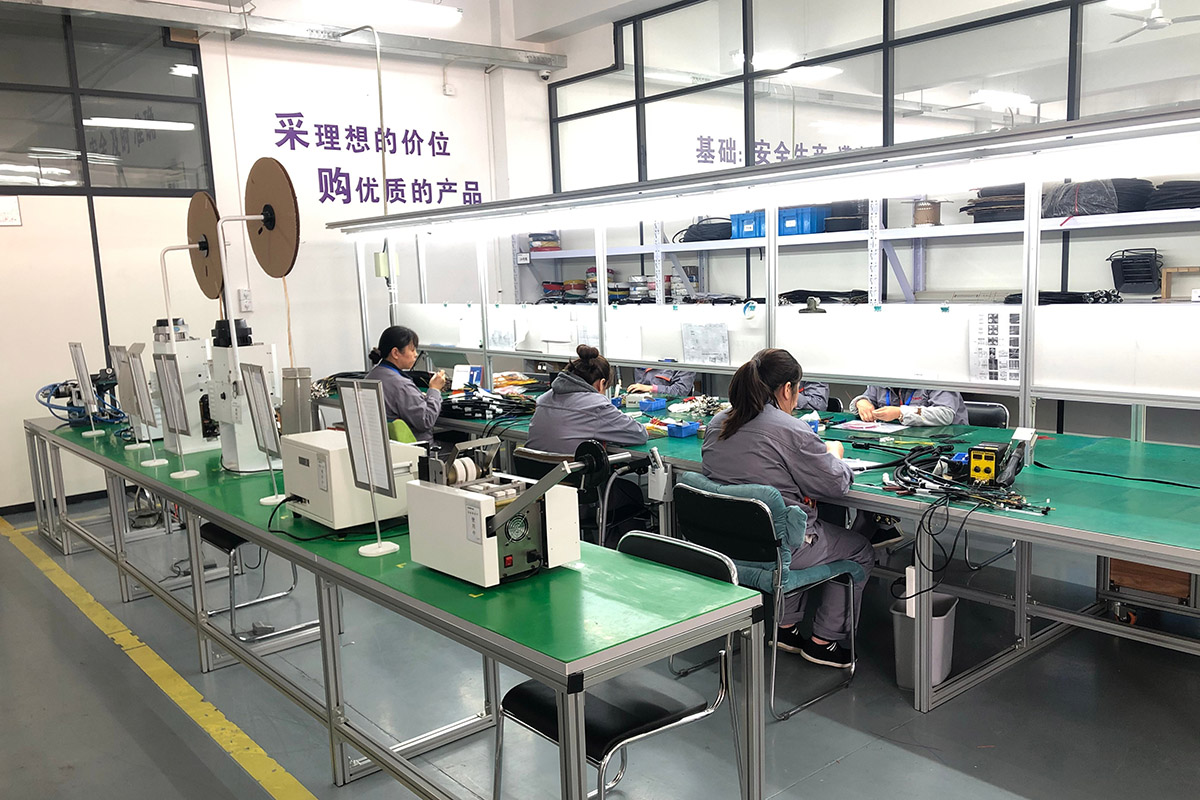
Factory Display & Dynamic Application Gallery

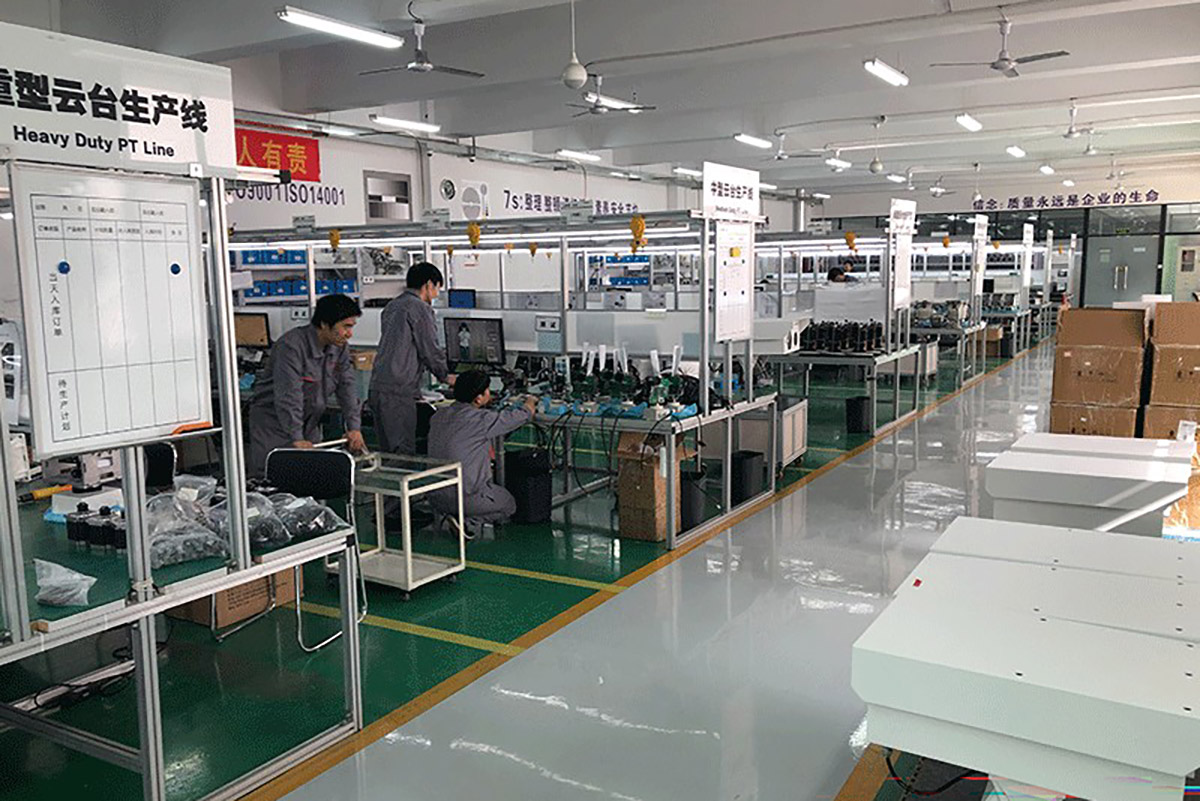
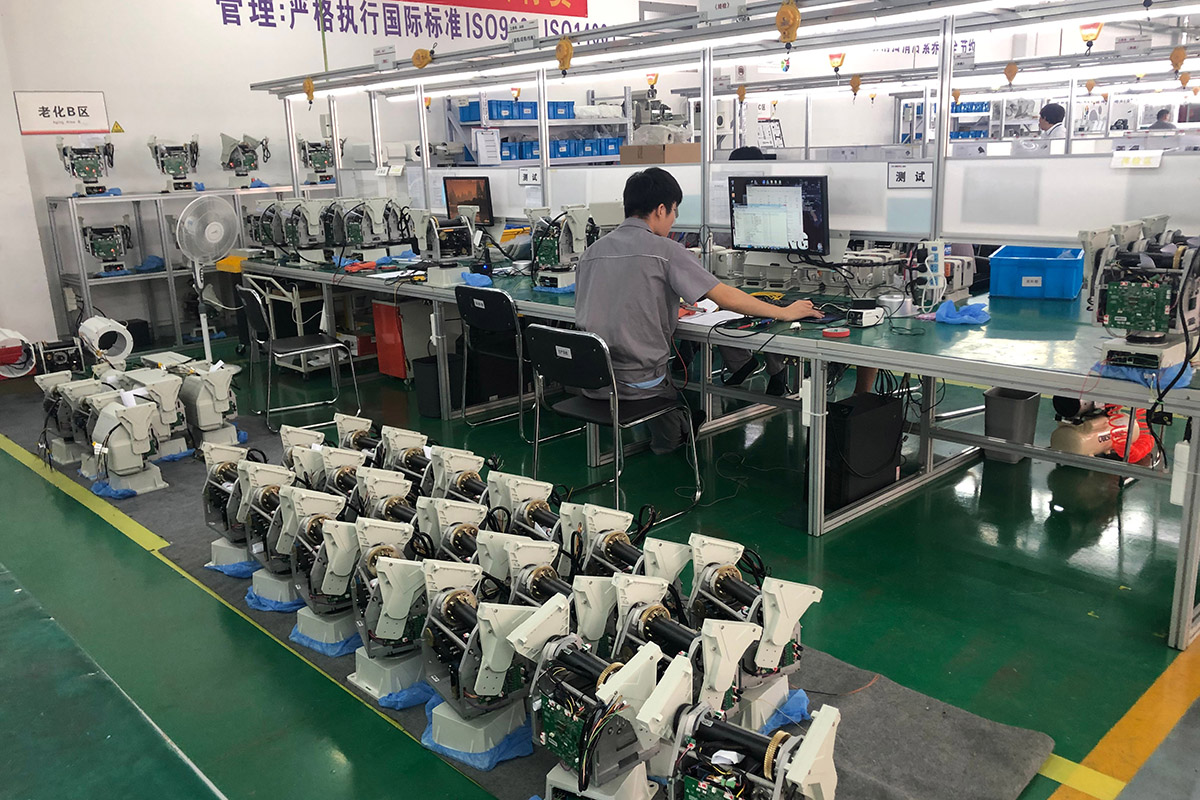
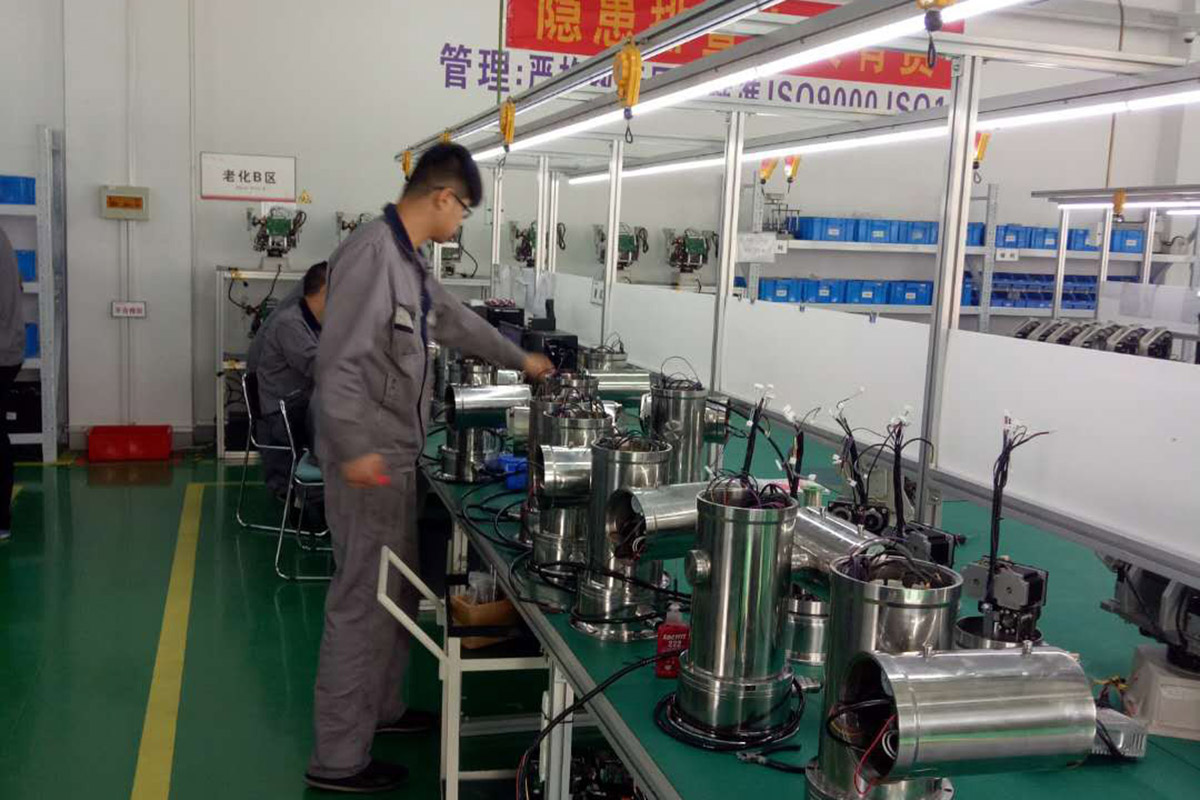
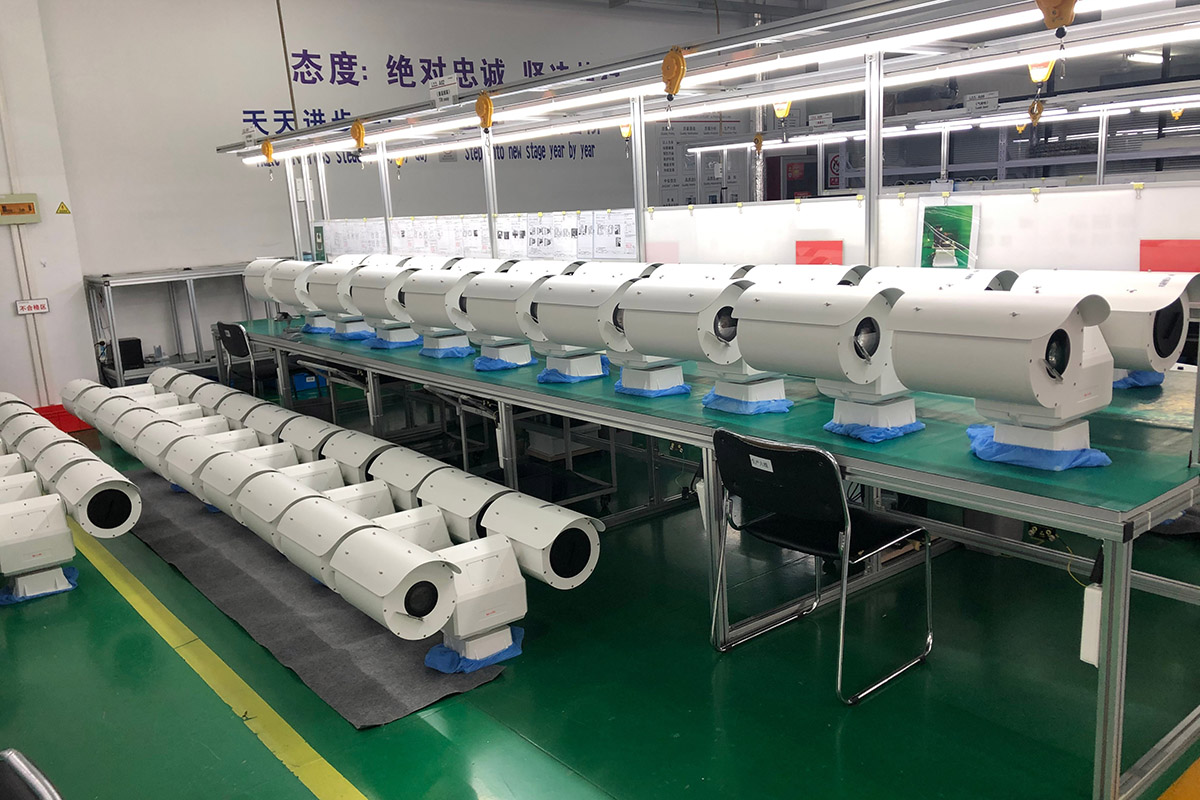
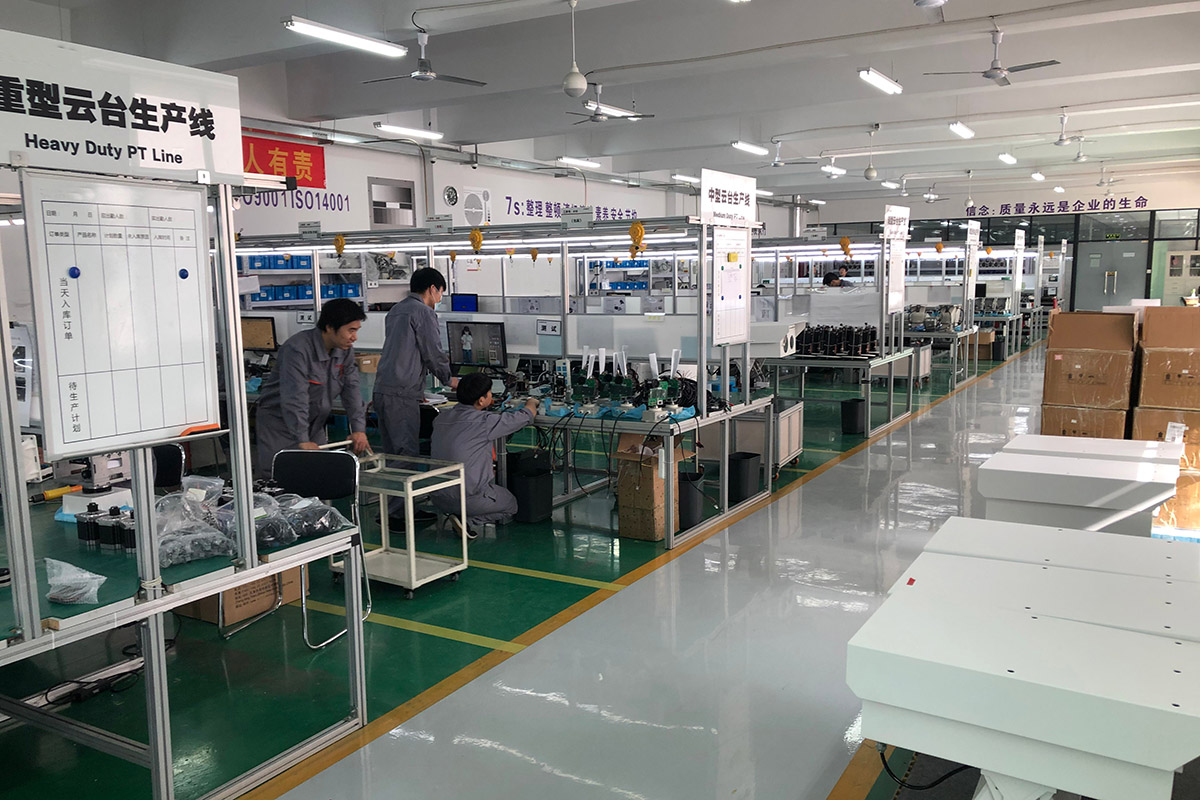
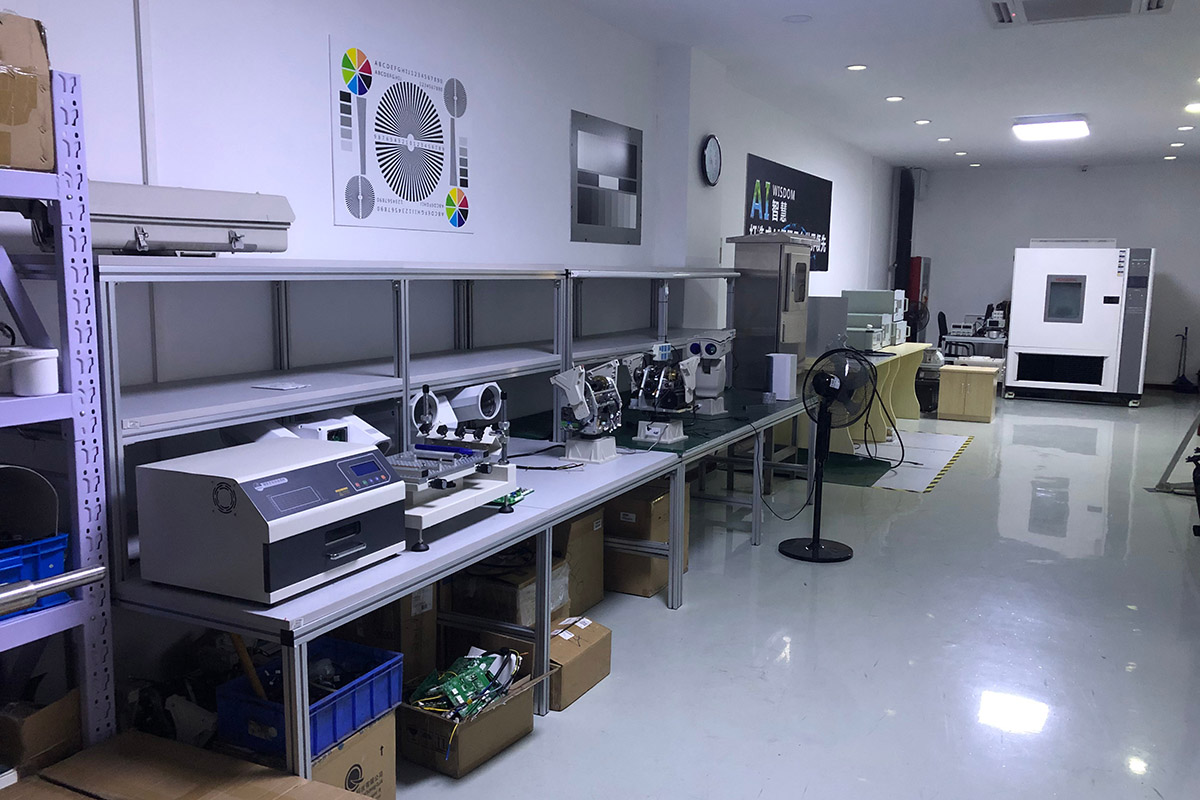
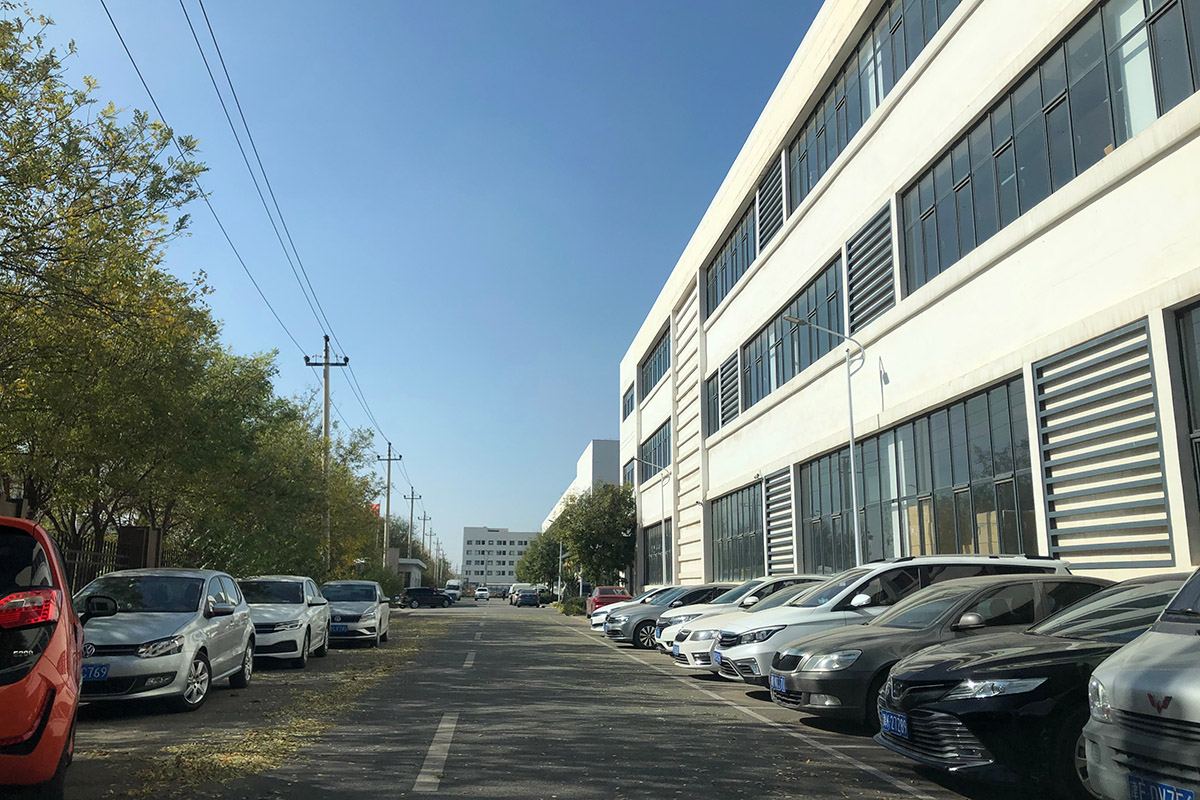
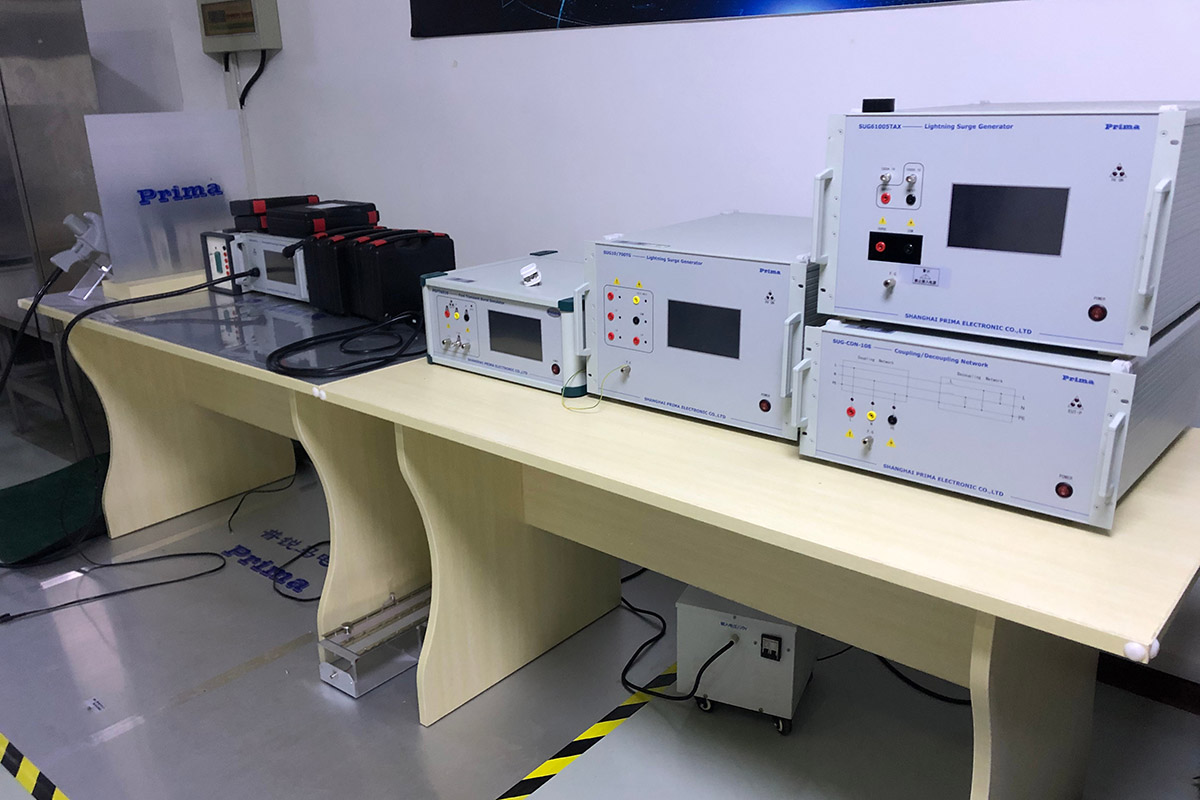
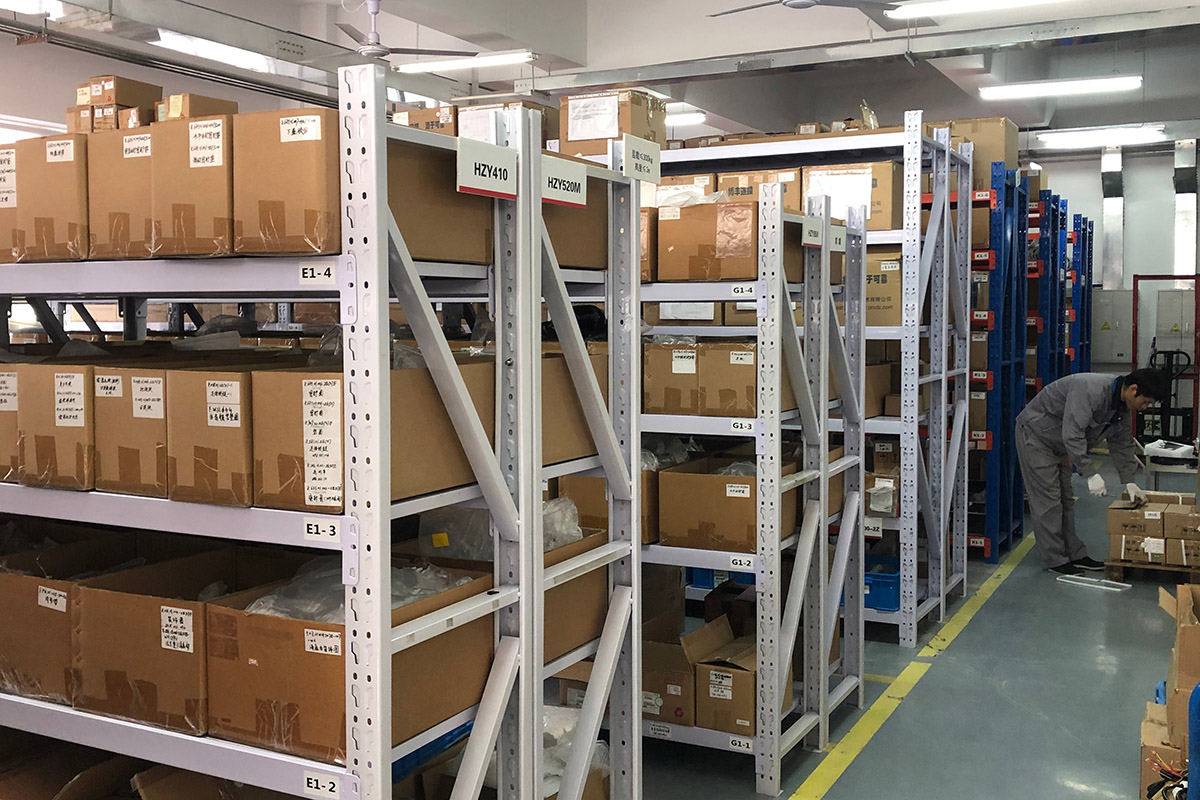
A look inside our 10,000m² manufacturing facility and real-world deployment sites across 50 countries.
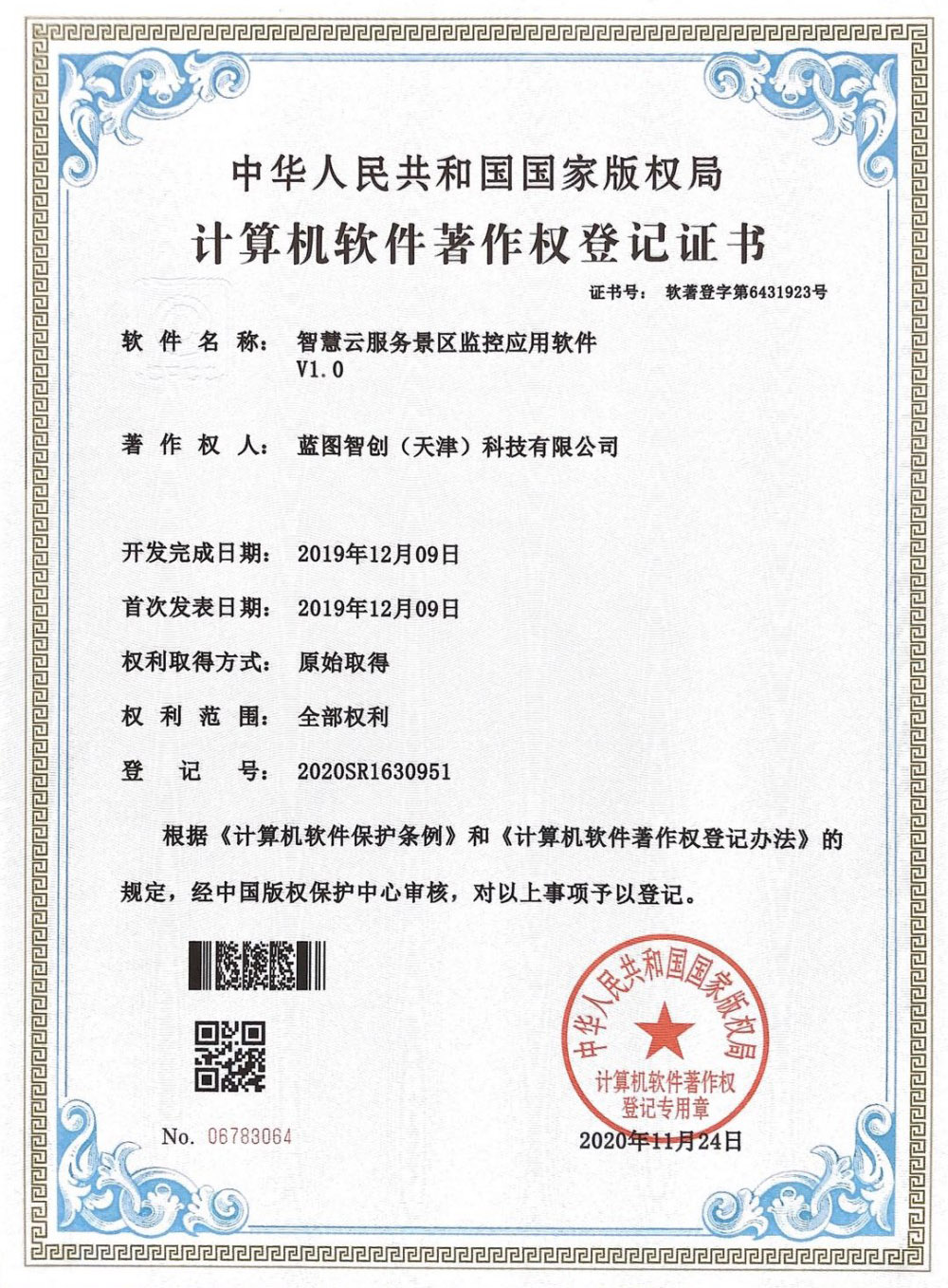
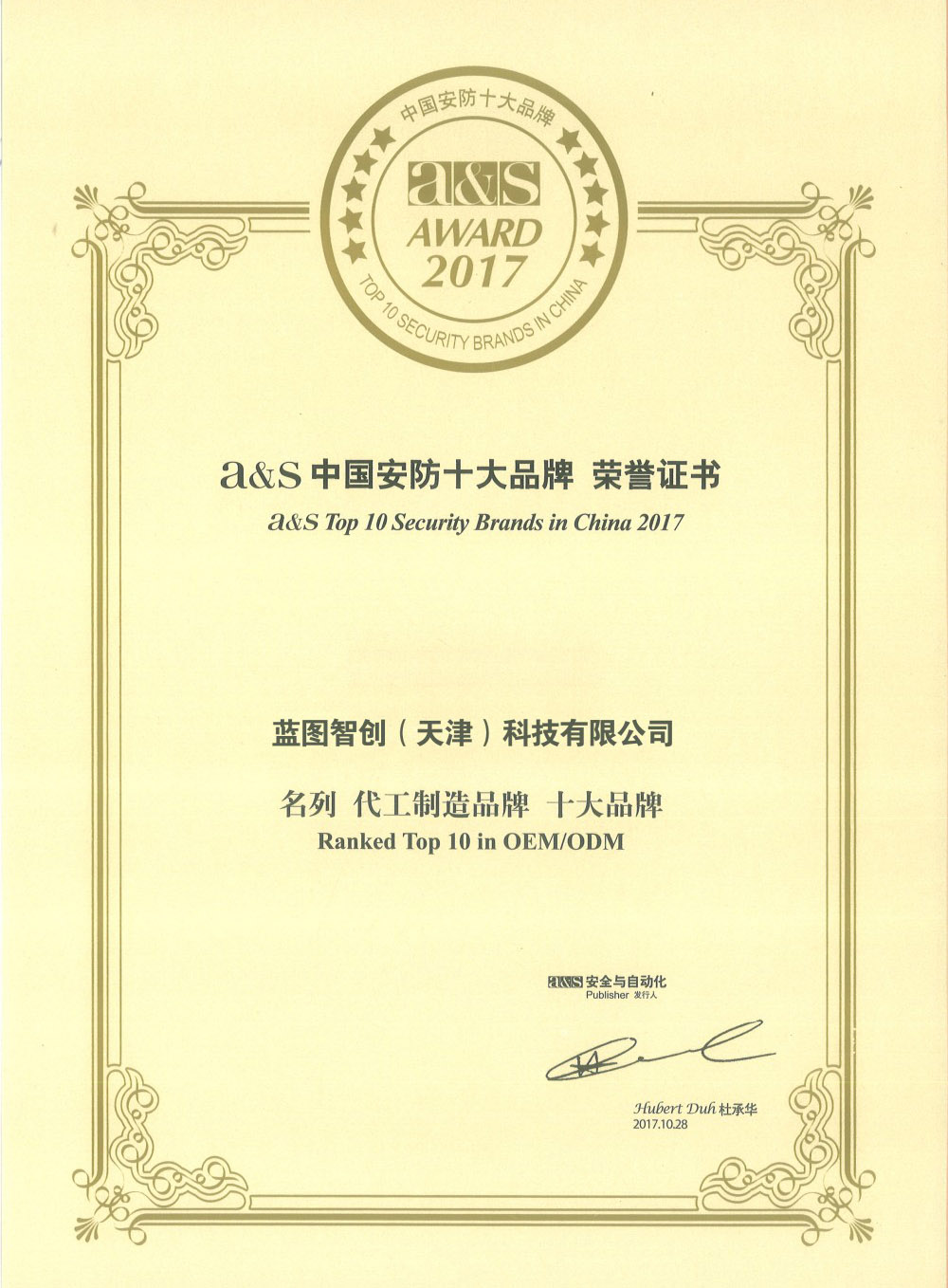
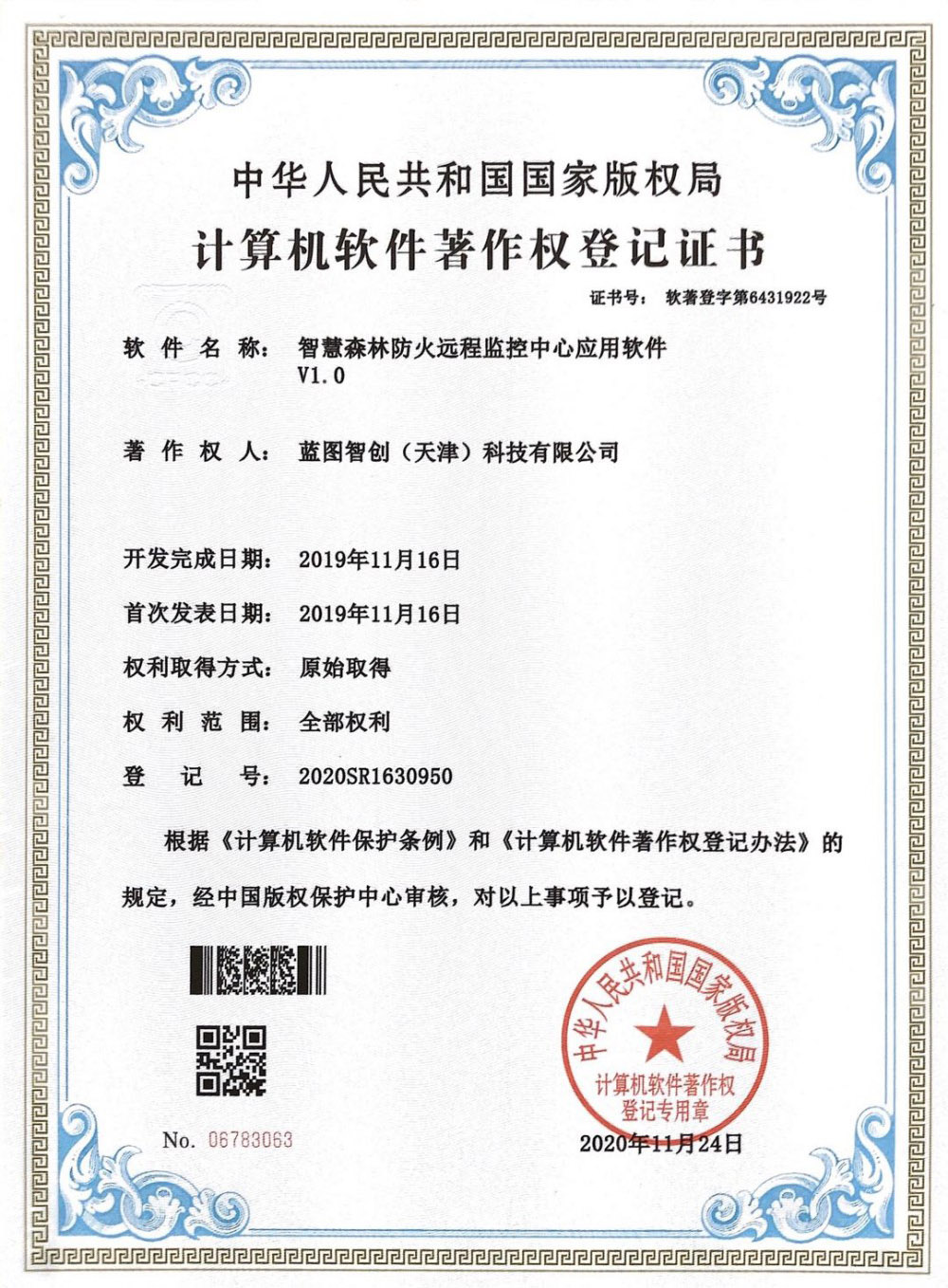
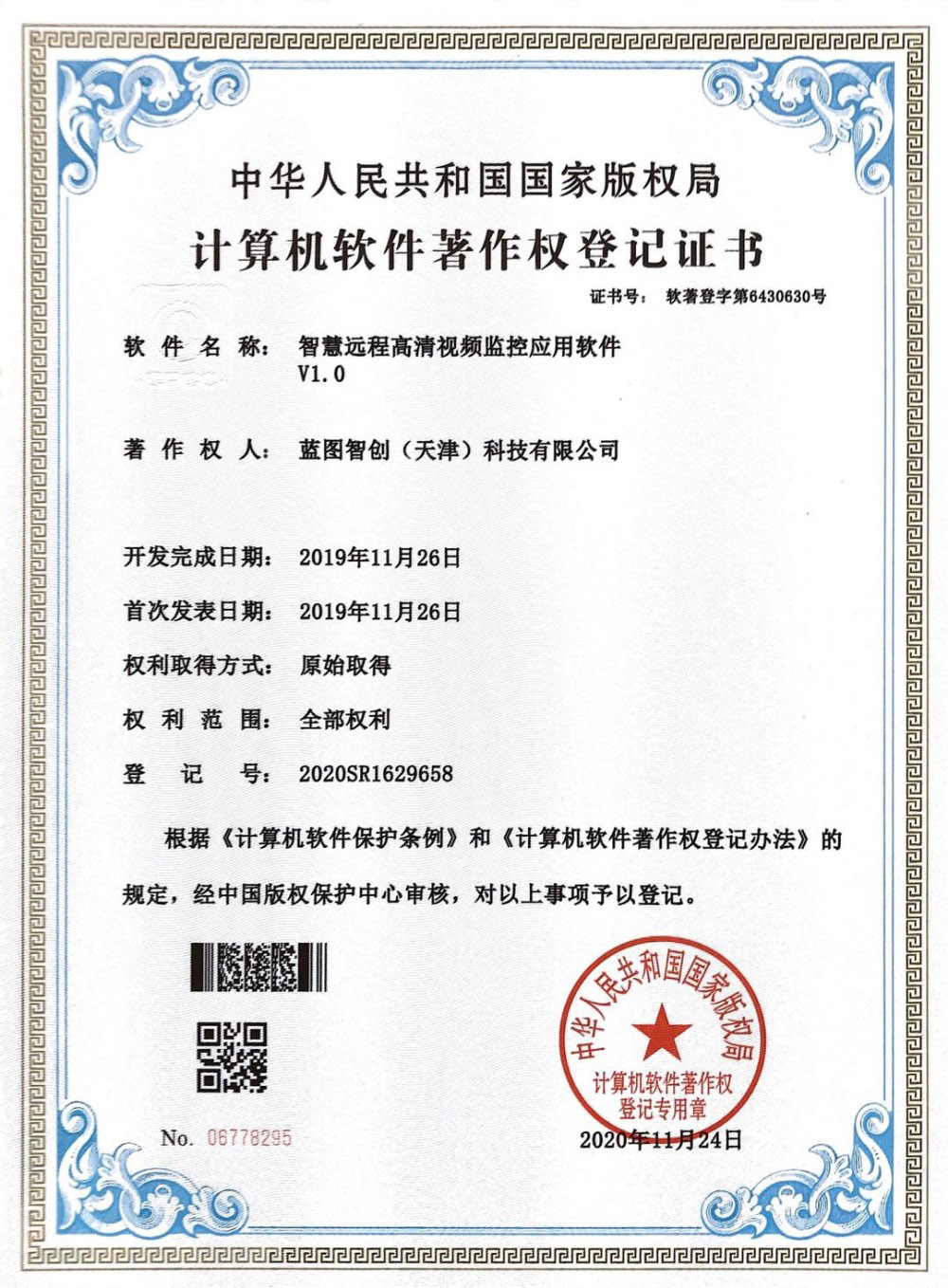
Quality Control Certifications

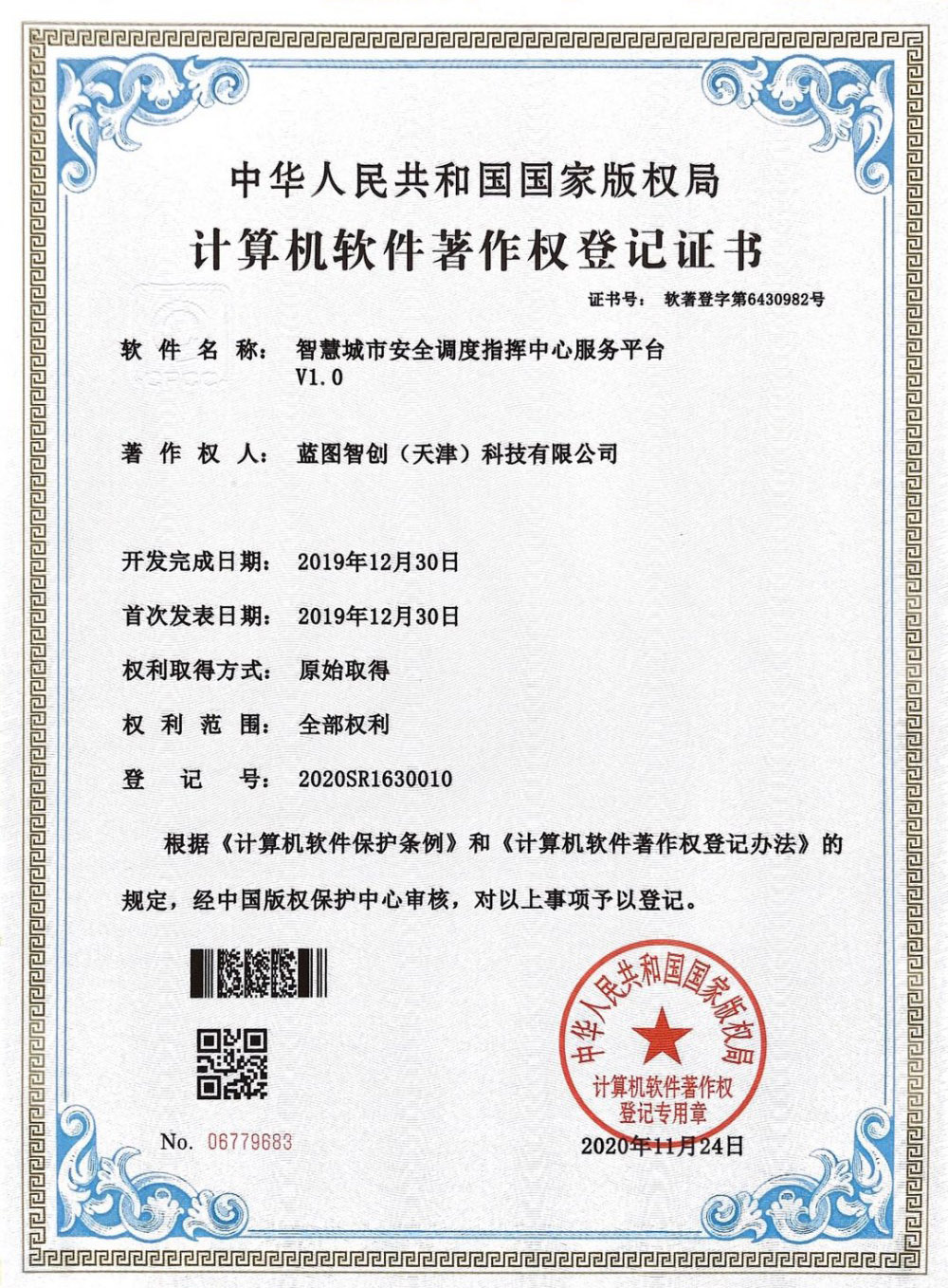
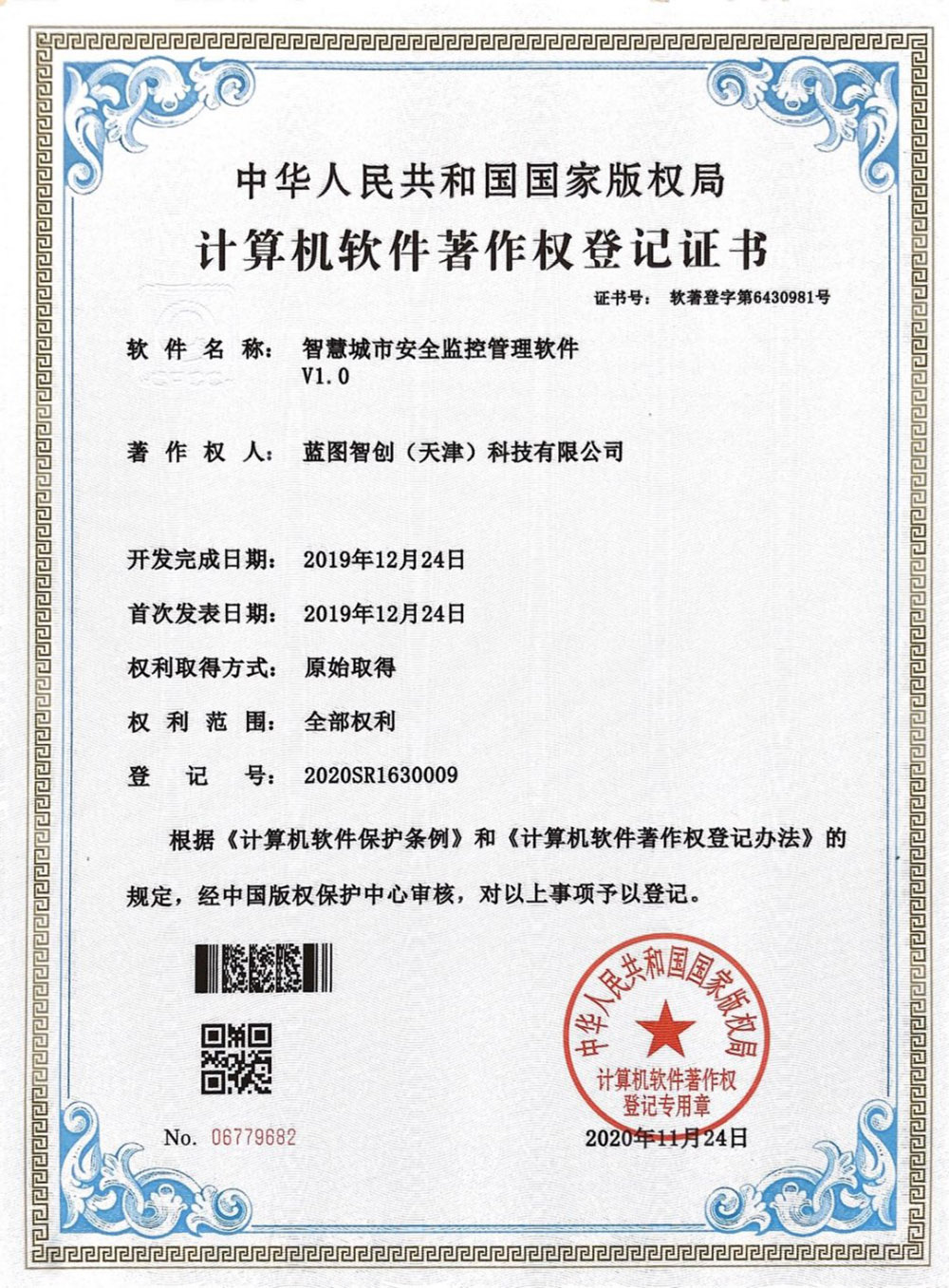
Our commitment to reliable quality is backed by 50 national patents and global standards validation.
Global Strategic Partners

Connecting supply chains and engineering support systems across five continents.
Strategic Global Partner Logo 1
Strategic Global Partner Logo 2
Strategic Global Partner Logo 3
Strategic Global Partner Logo 4
Strategic Global Partner Logo 5
Strategic Global Partner Logo 6
Strategic Global Partner Logo 7
Strategic Global Partner Logo 8
Strategic Global Partner Logo 9
Strategic Global Partner Logo 10

News & Industry Insights

Stay updated with engineering tips, supplier criteria, and technical breakdowns from our technical team.
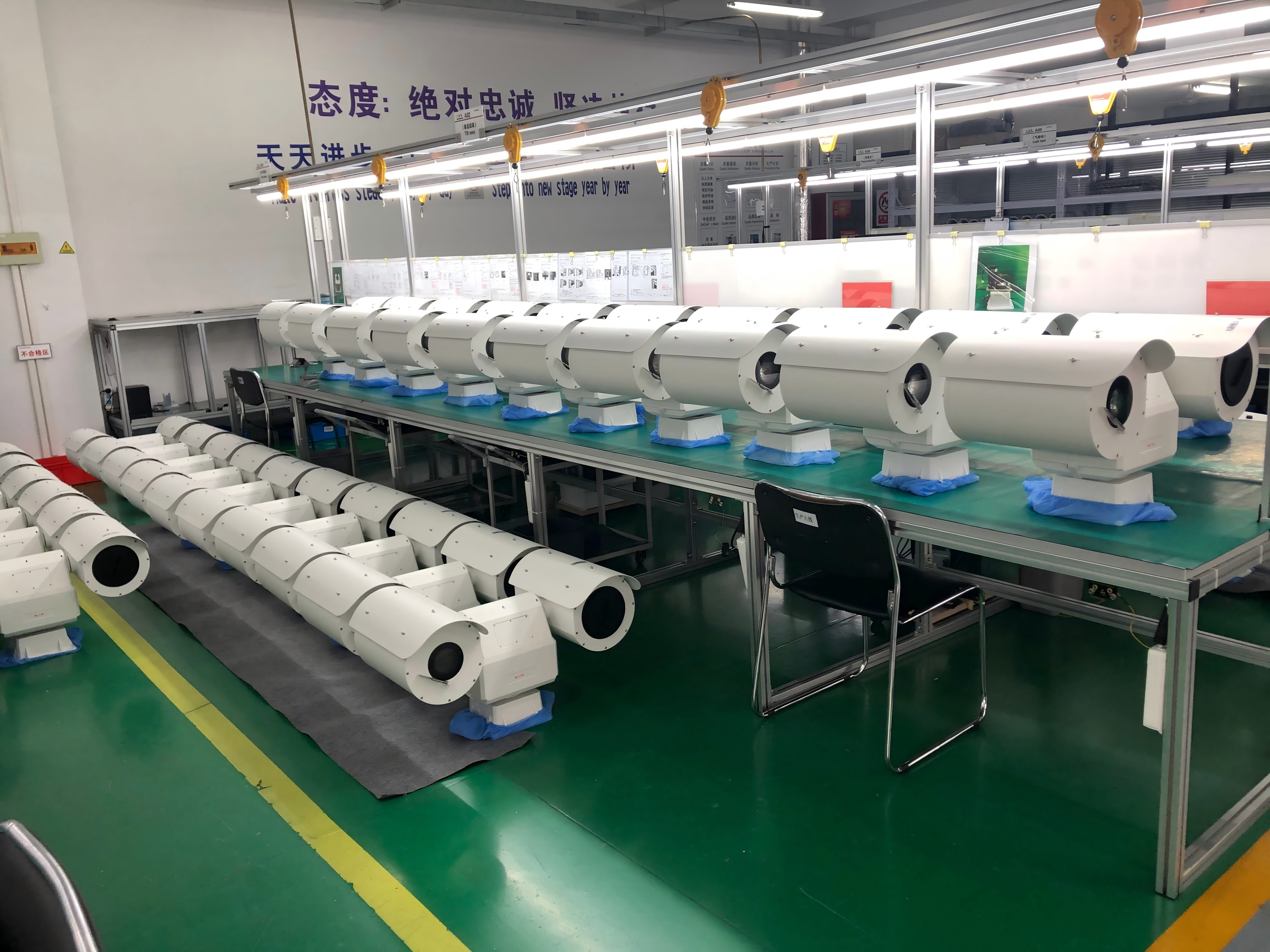
Heavy Duty Pan Tilt Unit Production Line
Engineering Guide

4 Key Factors to Choose a Pan Tilt Unit & Mast Supplier

As global applications for surveillance masts grow, understanding customization, load capacity, and environment ratings is essential...

Read More
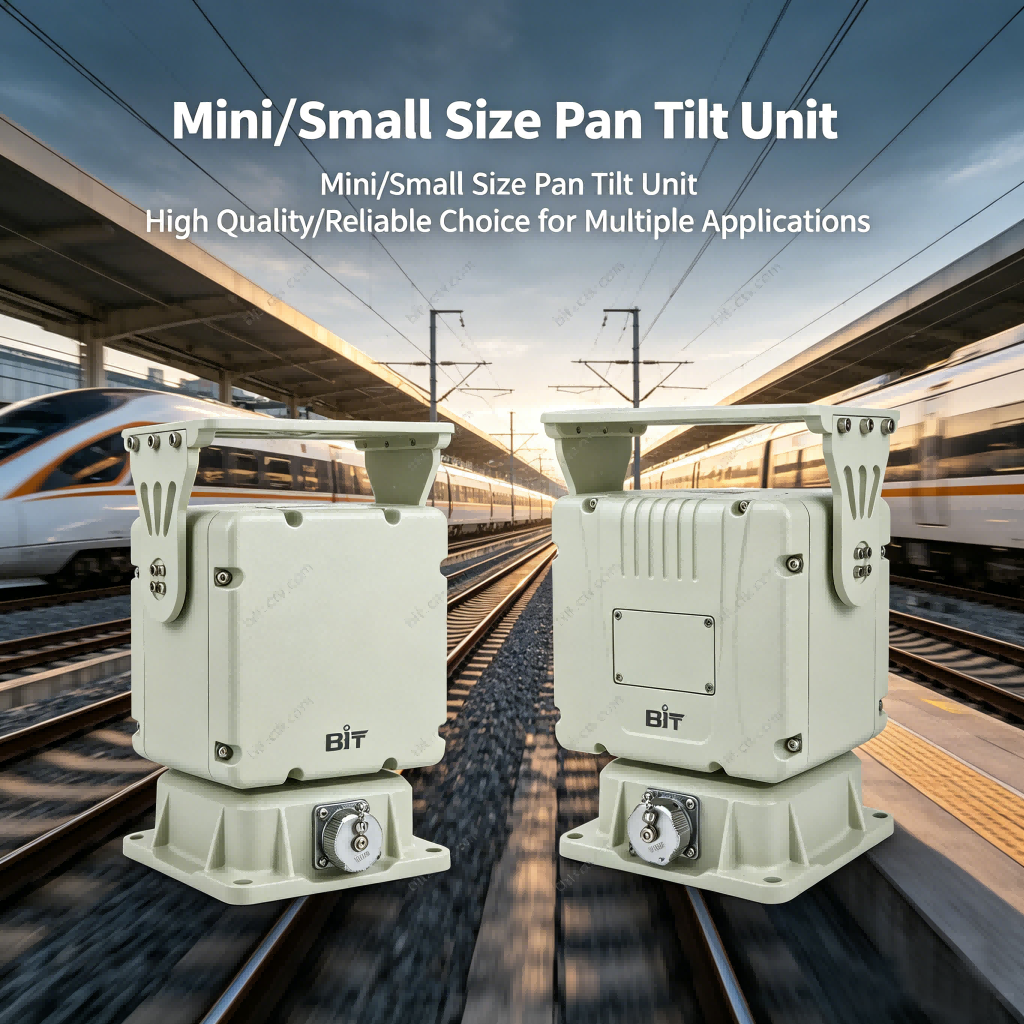
Compact Pan Tilt Units
Product Updates

Small Size Pan Tilt Units: BIT-PT503 & BIT-PT510 Specs

Weighing under 10kg, our new compact positioners provide lightweight tracking capabilities for remote deployment sites...

Read More
Pan Tilt Unit Classification
Industry Standards

How to Classify Pan Tilt Units & Mast Combinations

Discover how to classify PTUs and telescopic setups based on load ratings, environmental exposure, and mounting types...

Read More

Expert Procurement FAQ

Get answers to common engineering, procurement, and installation questions about pneumatic telescopic masts.

? What is the main difference between locking and non-locking pneumatic masts?
Locking pneumatic masts use mechanical lock collars to hold each section in place once extended. This allows the mast to stay raised indefinitely without keeping air pressure in the system. Non-locking masts rely on continuous air pressure to stay extended, making them suitable for shorter deployments where rapid retraction is needed.
? How do you calculate the maximum payload capacity for a specific mast height?
Payload capacity is determined by the mast's wall thickness, tube diameters, and the number of nested sections. For example, a medium-duty mast extended to 10 meters may support 30kg safely under moderate winds. We recommend consulting with our engineering team to calculate wind drag (drag coefficient) and bending moments for your specific setup.
? Can these pneumatic masts operate in extreme cold or sub-zero environments?
Yes. Our pneumatic masts are equipped with custom synthetic seals designed to withstand temperatures down to -40°C. We also use specialized low-temperature lubricants to prevent freezing, moisture buildup, and seal cracking in cold climates.
? What safety mechanisms are used to prevent sudden collapse?
We integrate safety valves that control the release of air, preventing the mast sections from dropping rapidly. Additionally, mechanical locking collars act as a physical stop to keep the mast extended in the event of air pressure loss.
? Is it possible to customize the internal wiring for specific telemetry systems?
Yes. We design and build internal cable assemblies (including power, coaxial, fiber optics, and Cat6 Ethernet) to keep wires safe from weather and wind wear.
? How does a pneumatic telescopic mast compare to a winch-driven mechanical mast?
Pneumatic masts offer faster, smoother automated deployment with fewer moving parts than mechanical winch masts, which helps reduce maintenance needs. Mechanical masts, however, are typically chosen for extremely heavy payloads (150kg+) that must remain extended for months without pneumatic monitoring.