 BIT-CCTV
BIT-CCTV
BIT-CCTV
High-reliability structural mounts, brackets, and heavy-duty pan tilt units configured for seamless telescoping integration.
In modern industrial and military infrastructures, the demand for rapid, stable, and vertical payload elevation is paramount. Pneumatic antenna masts represent the pinnacle of engineering for this exact purpose, utilizing compressed air to slide structural, interlocking telescopic cylindrical segments into position. Unlike traditional mechanical or manually-cranked winches, pneumatic systems deliver a highly controllable rate of ascension, a reduction in mechanical wear components, and significant weight savings.
At Blue Icon (Tianjin) Technology Co. Ltd., our engineering principles dictate that structural rigidity and environmental isolation are non-negotiable. Our masts utilize high-strength, structural-grade heat-treated anodized aluminum alloy, featuring integrated keyways that prevent axial rotation under severe aerodynamic stress. This precise design ensures that sensitive payloads, such as laser-ranging telemetric sensors, heavy pan-tilt units, and dual-spectrum thermal cameras, maintain high pointing accuracy.
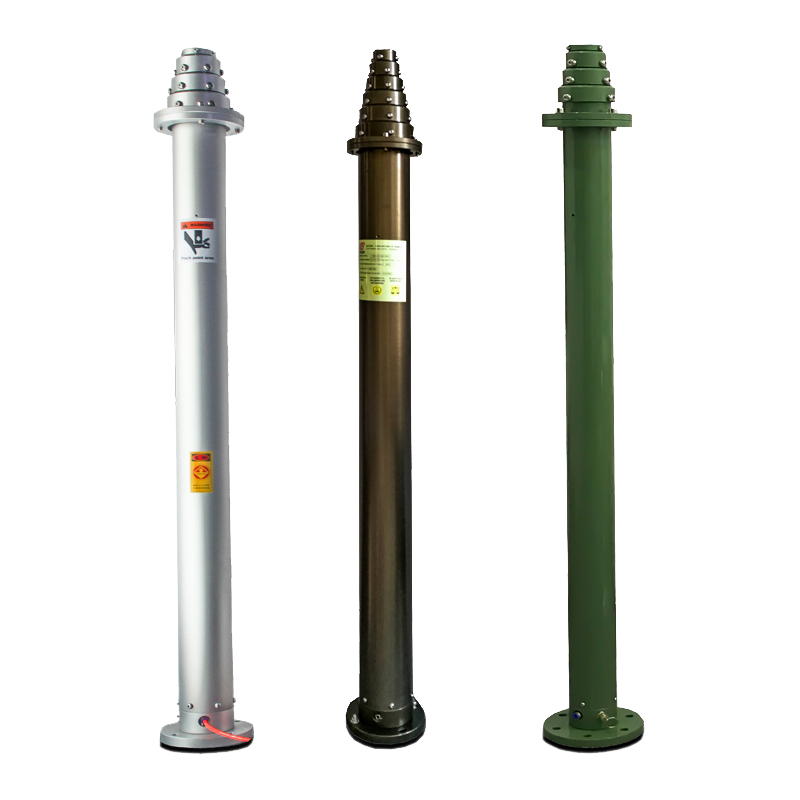
How multi-industry verticals specify pneumatic telescoping masts for structural reliability, environmental protection, and long-term deployment.
Tactical communication nodes demand masts that deploy in under two minutes, with strict compliance to MIL-STD-810G vibration, shock, and extreme thermal ranges. Security procurement focuses heavily on anodized surfaces that prevent infrared detection and resist saltwater corrosion in littoral environments.
COWs (Cells on Wheels) utilize pneumatic elevation systems to quickly deploy temporary 5G and LTE transceivers during natural disasters. Procurement demands include integrated internal cabling channels, protecting transmission lines from environmental hazards and physical strain.
Industrial integration units require towers to host multi-sensor payloads (thermal, radar, and acoustic) at heights ranging from 6 to 30 meters. Stability criteria demand structural deflection tolerances of less than 0.5 degrees at full wind load configurations (exceeding 120 km/h).
Combining heavy-duty mechanical positioners, robust weatherproof enclosures, and telescoping platforms for unified defense & civilian monitoring.
Deploying standalone sensors in the field often introduces vulnerabilities in cabling, structural integrity, and orientation stability. Our comprehensive macro solution brings together telescopic pneumatic mast poles and advanced pan-tilt positioning units (PTUs), creating an integrated system designed for continuous duty cycles in severe climates.
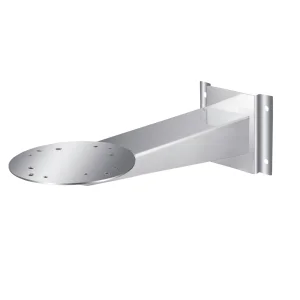
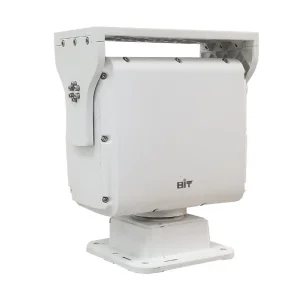
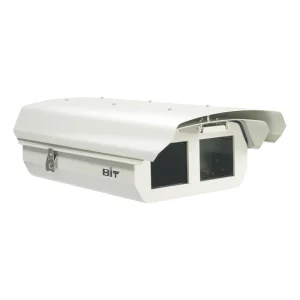
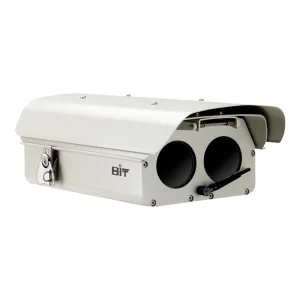
Each system segment, from the stainless steel wall-mount brackets to the dual-window camera housings (such as the 15-inch BIT-HS4215 and 18-inch BIT-HS4218), is optimized for aerodynamic efficiency and weight balance. This holistic design reduces the overturning moment on the pneumatic mast, extending the operational lifespan of the internal pressure seals and lock-collars.
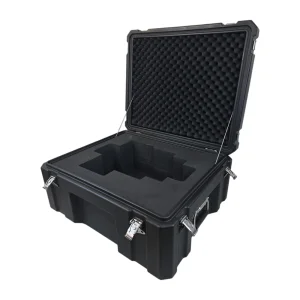
Furthermore, by utilizing specialized rotomolding protection boxes for our pan-tilt heads during mobile transport, field engineers can confidently transport high-precision sensors over rough terrain without risking mechanical misalignment.
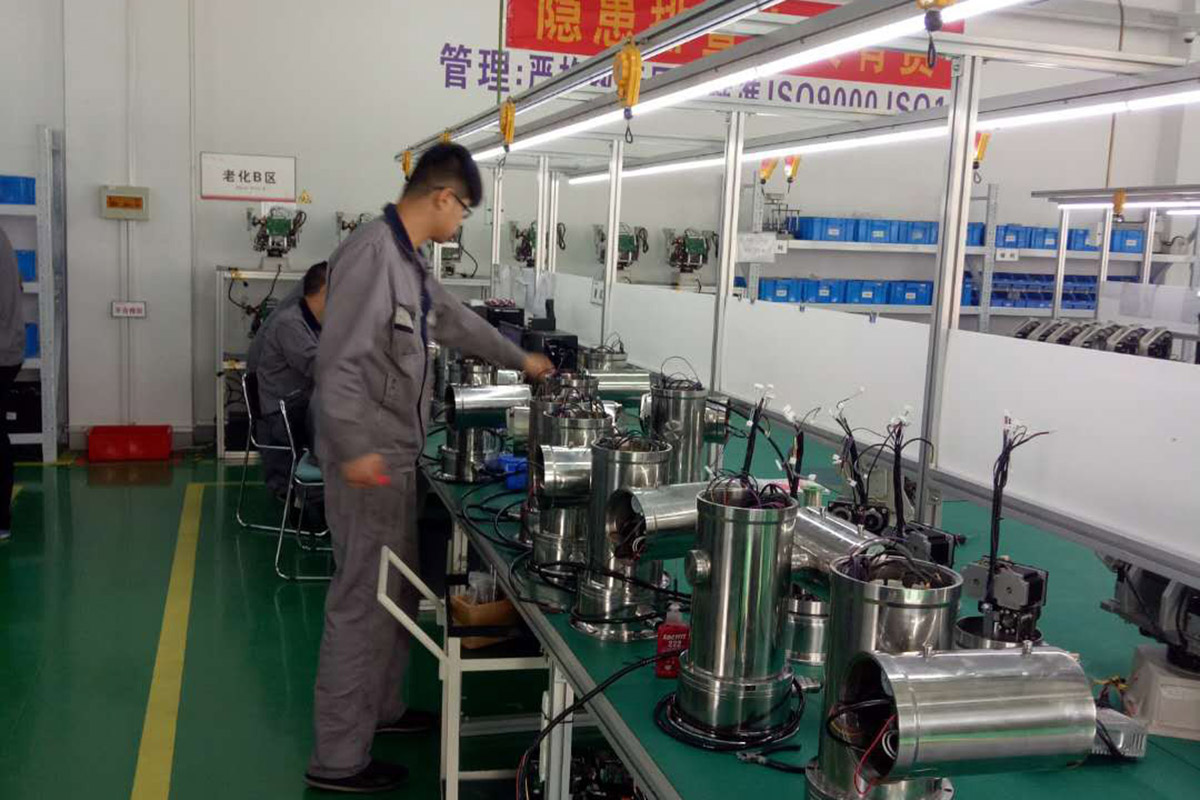
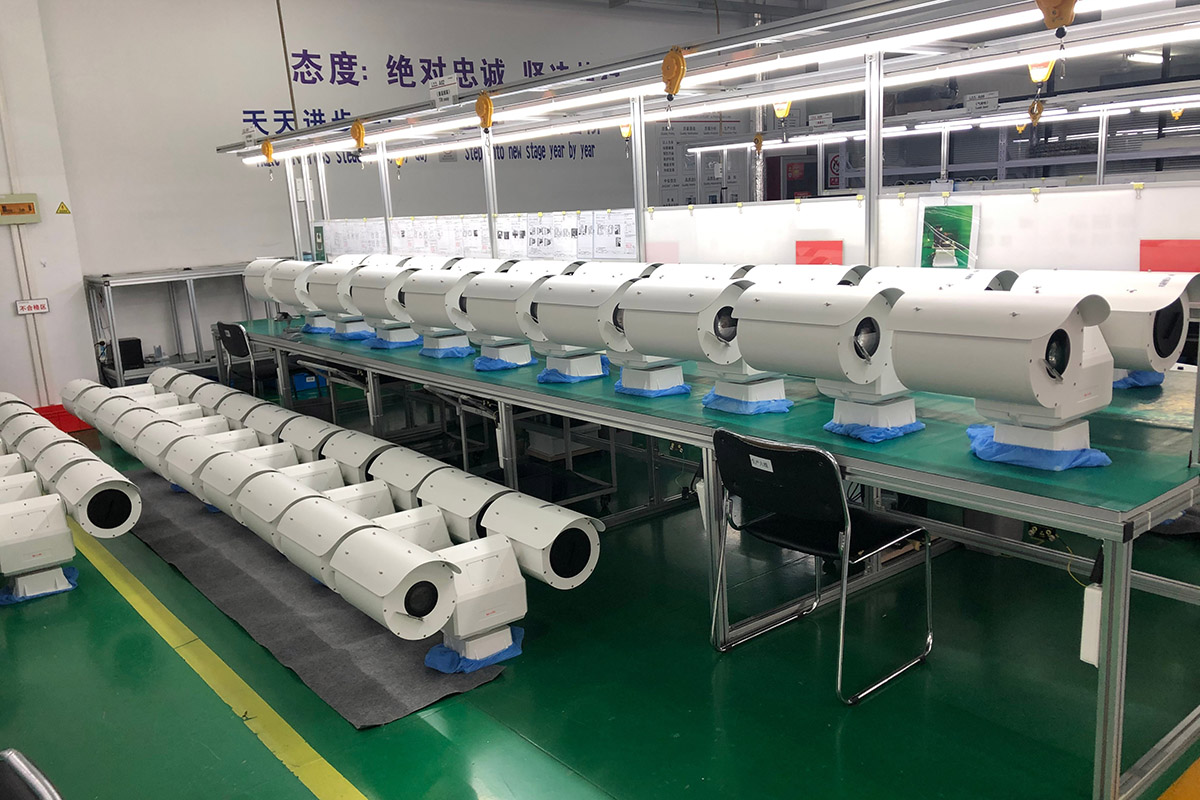

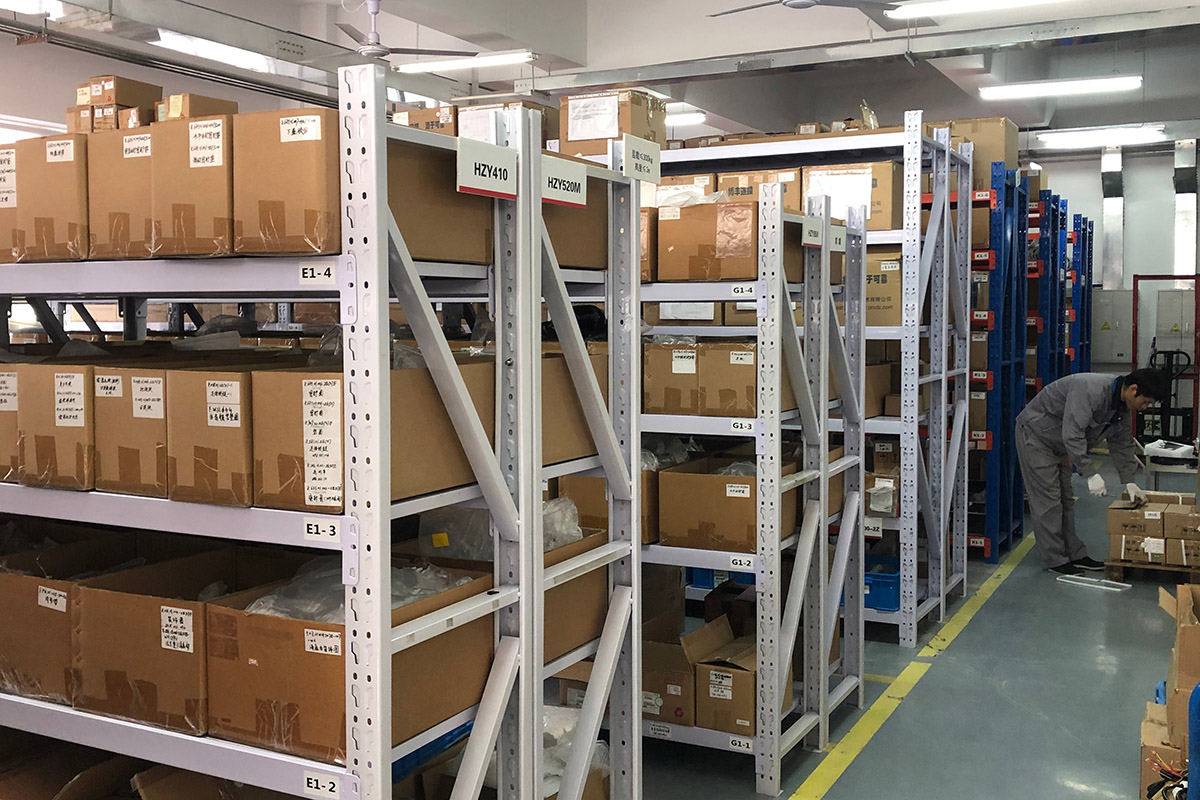
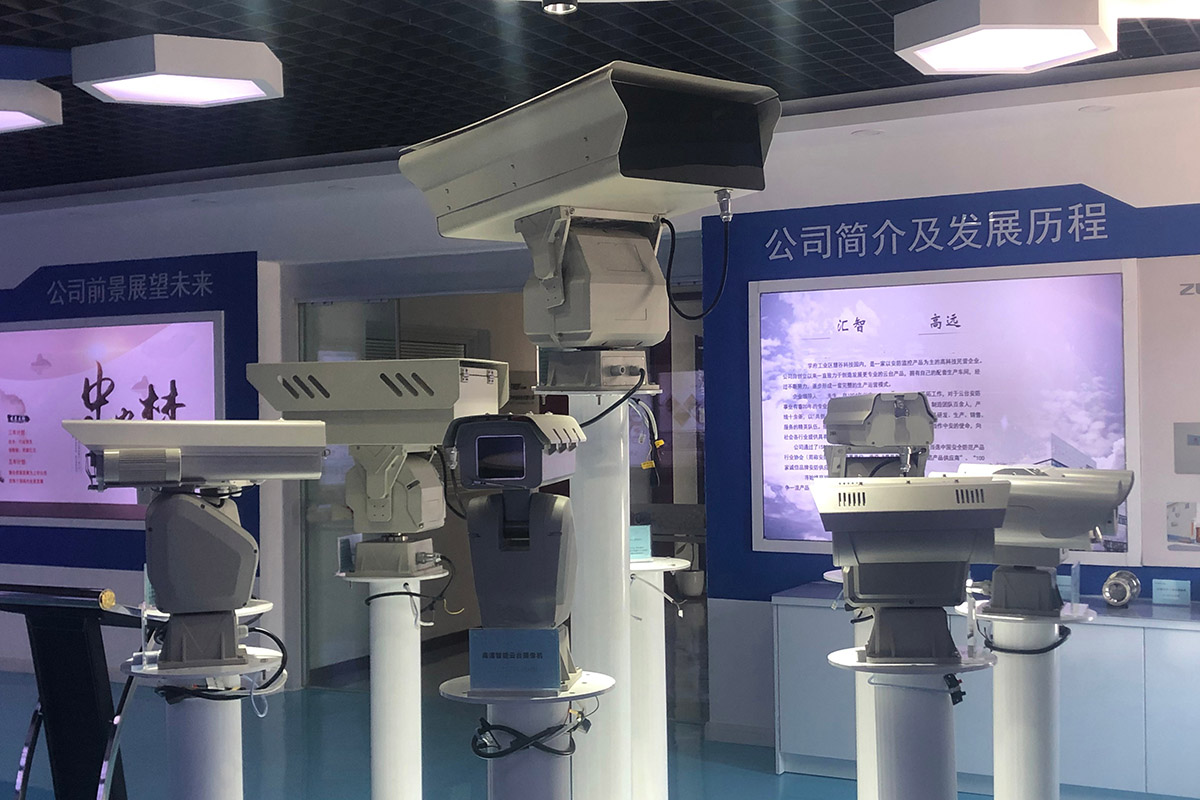
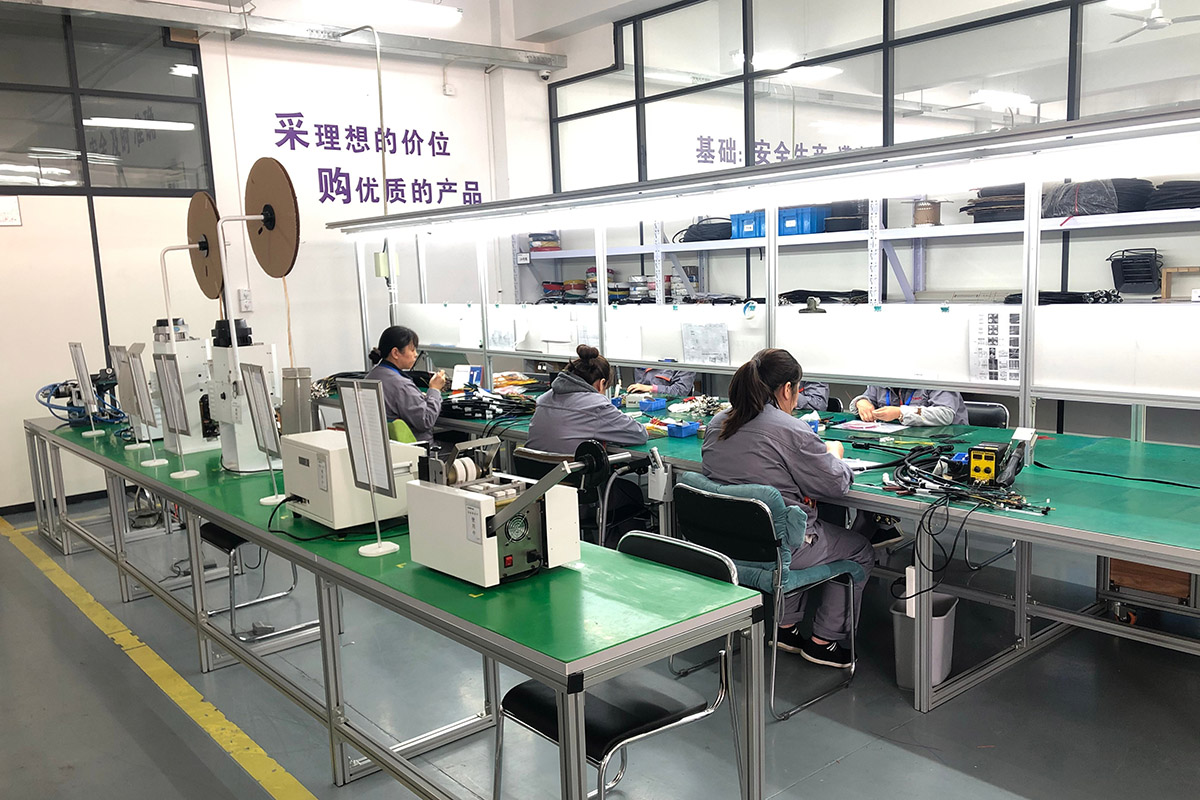
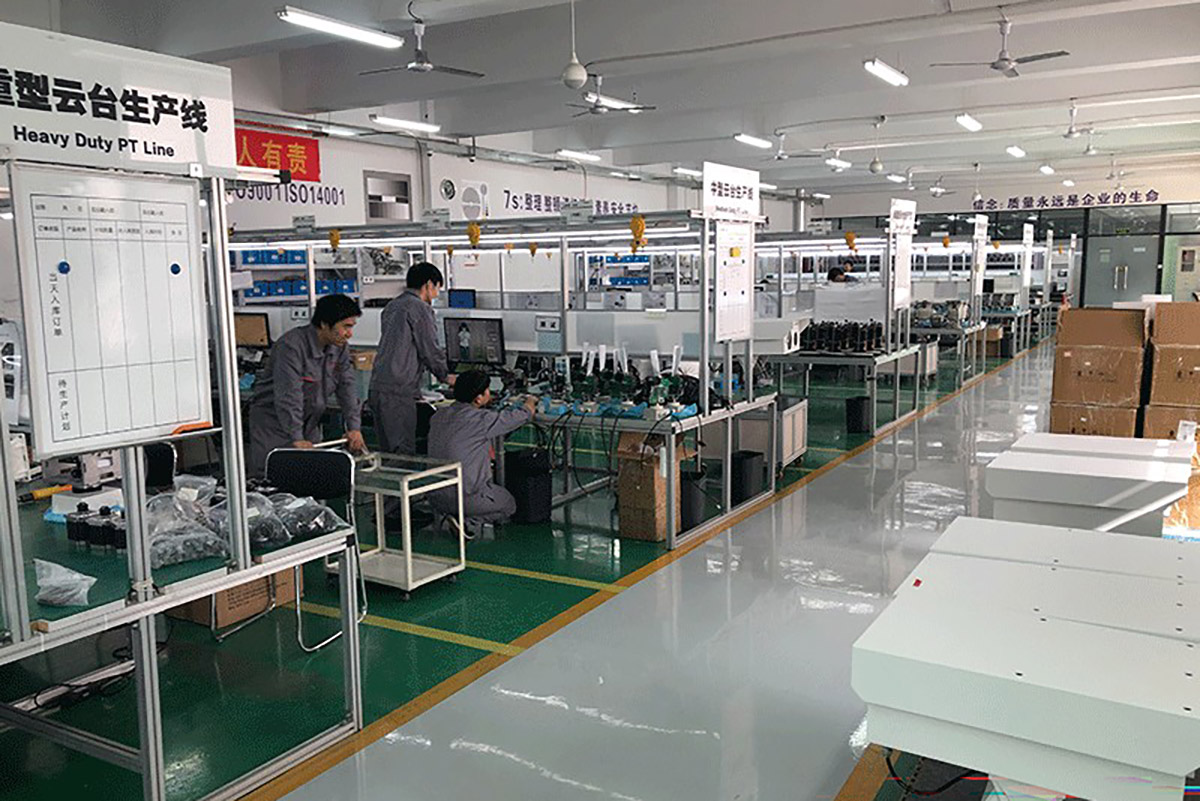
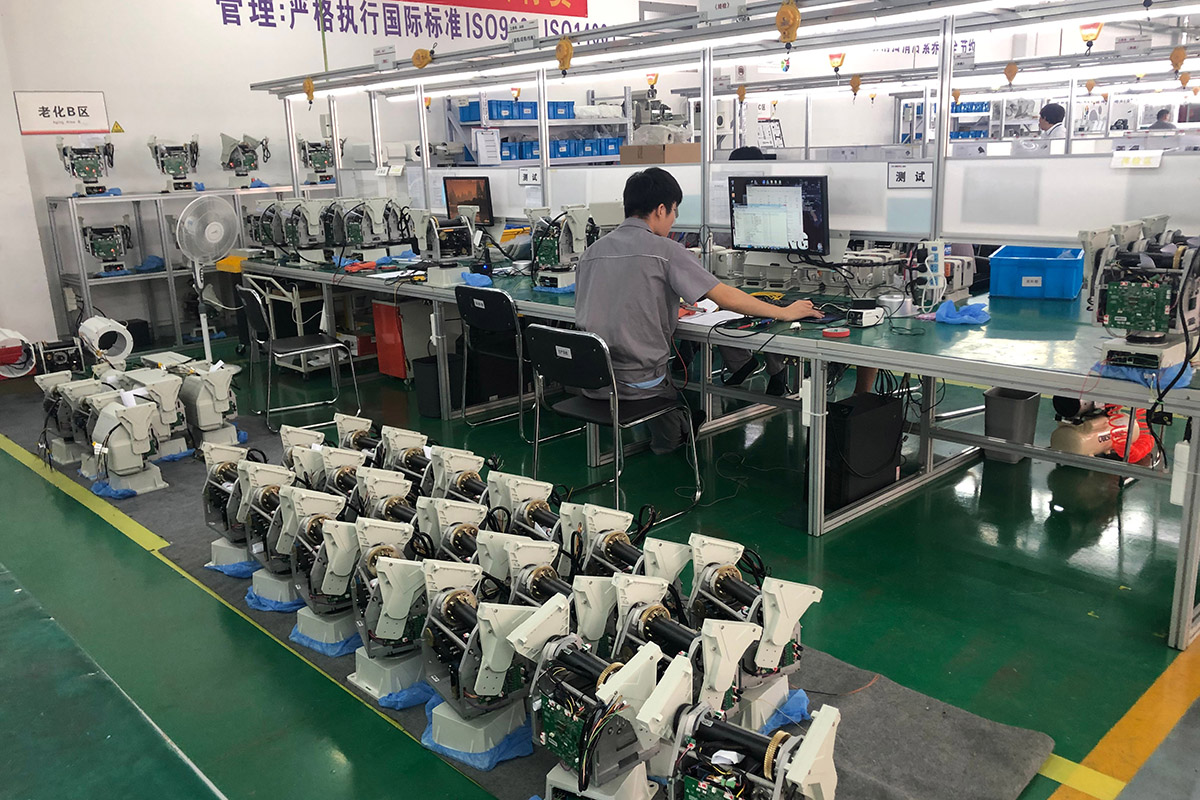
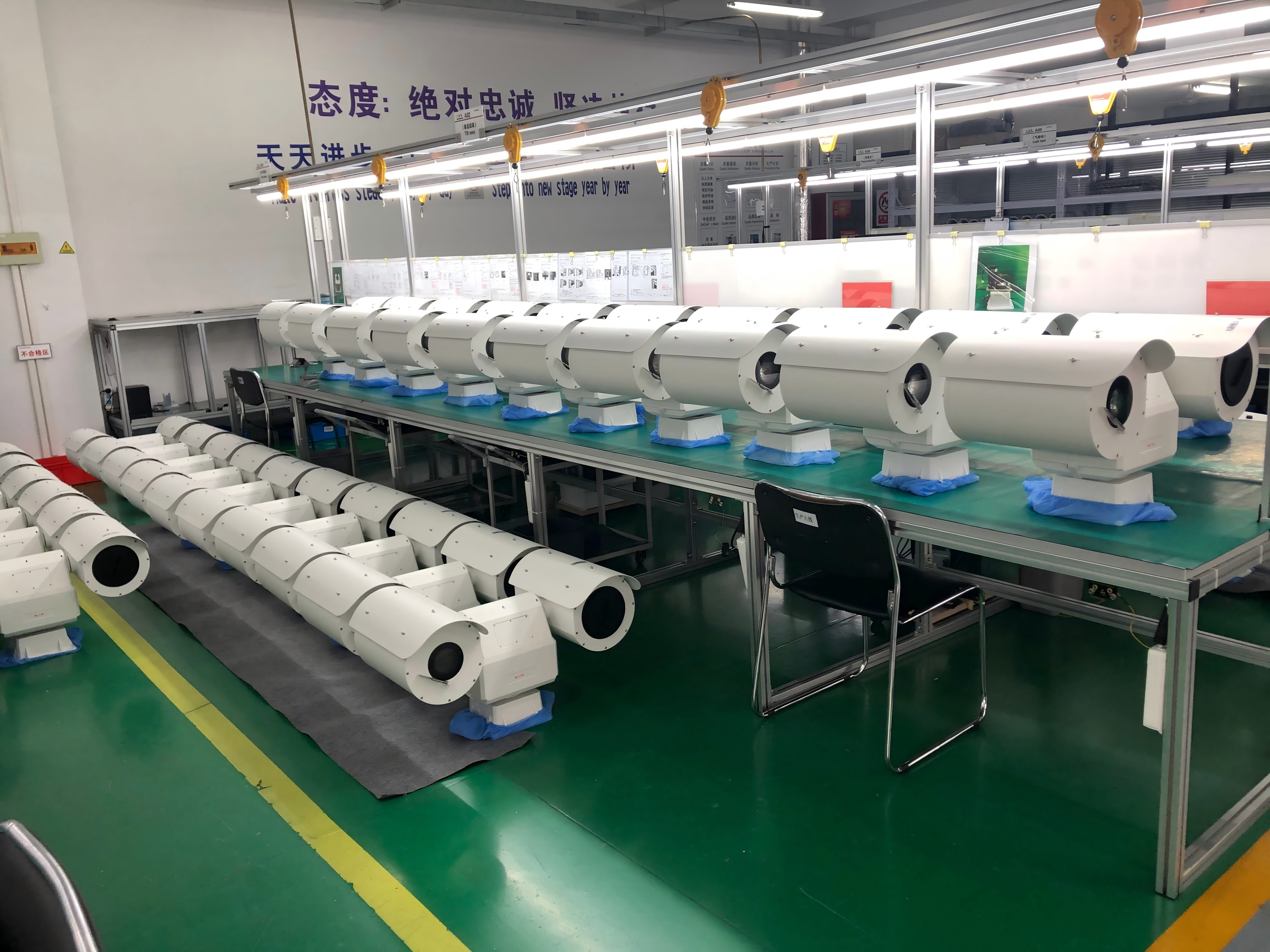
Production lines and environmental validation chambers at Blue Icon factory sites.
Anticipating the demands of autonomous sensing, smart communications, and lightweight carbon composites.
While structural aluminum continues to be the industry benchmark, our research department is developing carbon fiber composite options. These alternatives offer a 40% reduction in weight while maintaining similar torsional stiffness, facilitating manual mast deployment for light vehicle roofs.
Modern remote setups require minimal human maintenance. Next-generation mast designs feature smart control units that automatically monitor internal air pressure, adjusting for fluctuations caused by day-night temperature swings without manual intervention.
By connecting mast tilt sensors with high-speed pan-tilt units, real-time gyroscopic calculations can automatically offset mast sway caused by wind. This ensures steady, clear long-range thermal camera footage even under high-wind conditions.
Delivering industry-grade manufacturing capability, innovation, and global service since 2005.
Established in 2005, Blue Icon (Tianjin) Technology Co. Ltd. (branded globally as BIT-CCTV) has grown to become a national high-tech enterprise specializing in the design, engineering, and manufacturing of high-quality surveillance and mechanical positioning platforms.
With a massive 10,000 m² manufacturing area and over 50 national patents, our organization consistently invests 10% of annual revenue directly into research and development. This long-term investment keeps us at the forefront of the industry, allowing us to offer customizable payload capacities ranging from 3kg up to 150kg.
From customized stainless steel wall-mount brackets to dual-vision PTZ thermal cameras and lightweight pneumatic masts, our products are built for rugged environments. Our distribution network reaches over 50 countries, proving our capability as a reliable supplier for large-scale security and infrastructure projects worldwide.
Engineered for seamless mechanical integration with pneumatic, carbon fiber, and motorized telescopic masts.
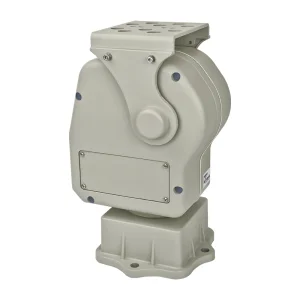
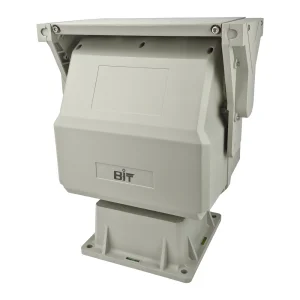
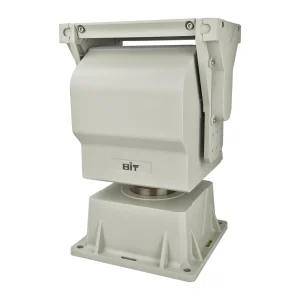
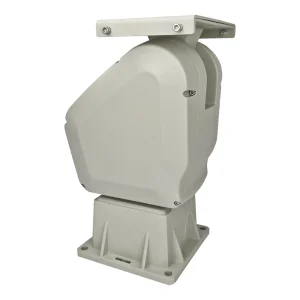
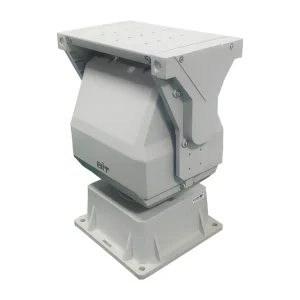
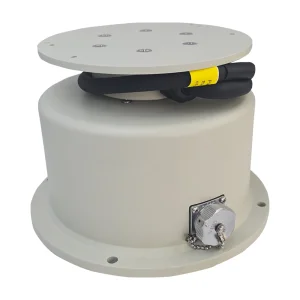
Our standard product lineup includes compact units like the BIT-PT510, designed to handle payloads up to 10kg (22lbs). This unit features a precise worm gear drive and stepper motors, allowing for 360-degree continuous rotation and speed control up to 30°/s. It is ideal for mounting on mid-sized vehicle-mounted pneumatic masts.
For light-duty or highly mobile tactical kits, the BIT-PT503 provides a compact, lightweight option. Weighing only 3.5kg, it can handle payloads up to 3.5kg (7.7lbs) while maintaining accurate target tracking.
When speed is critical, the BIT-PT410 offers rapid positioning speeds up to 100°/s, combined with a tilt range of -90° to +40°, enabling fast tracking of dynamic targets.
For larger sensor suites, the classic BIT-PT850 supports payloads up to 50kg. It features a reliable housing design and low failure rate, making it a trusted option for long-range thermal and optical imaging systems.
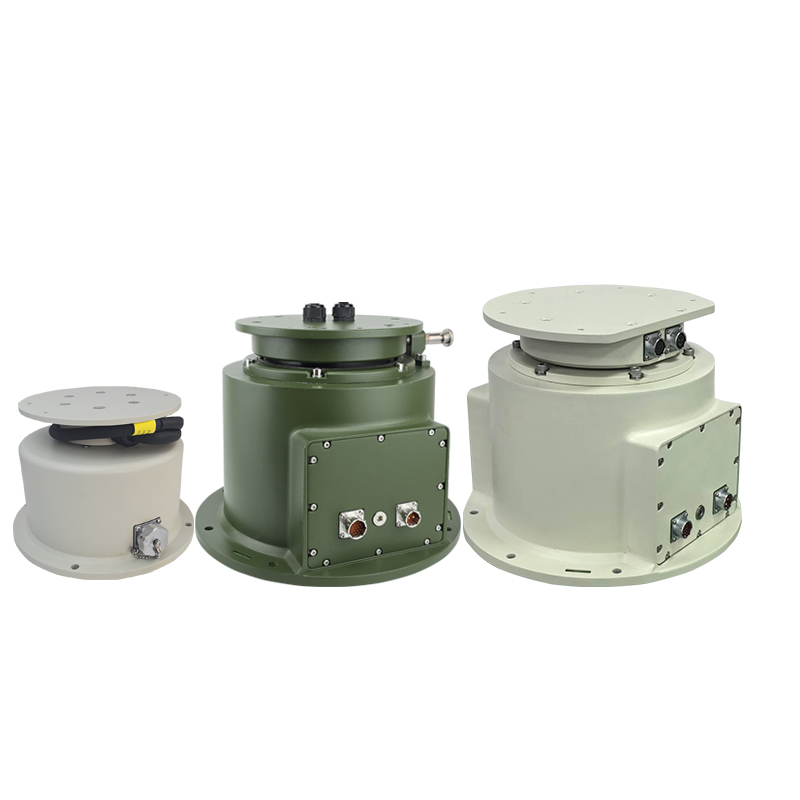
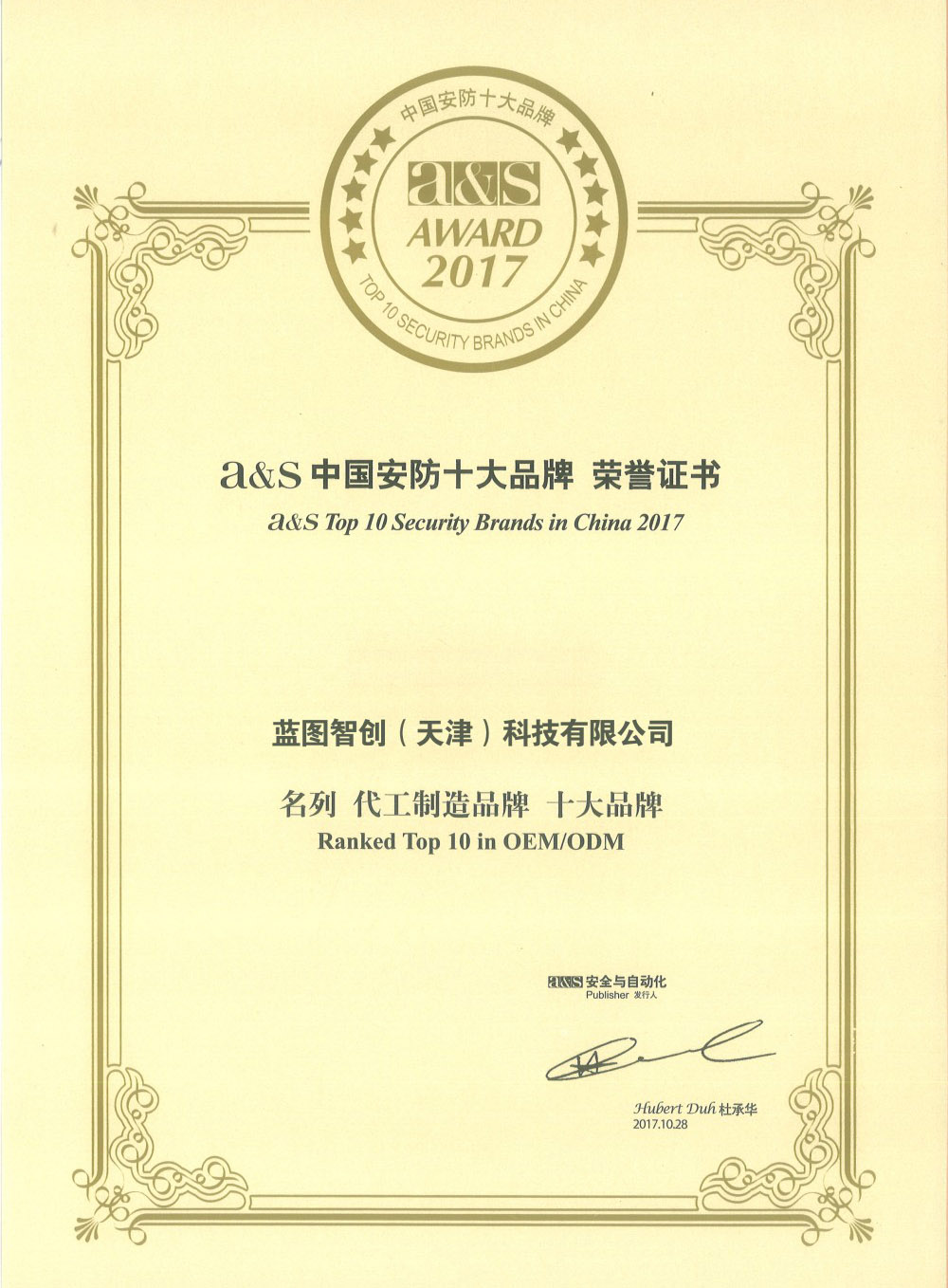
Certified production standards and recognized partnerships across 50 countries.
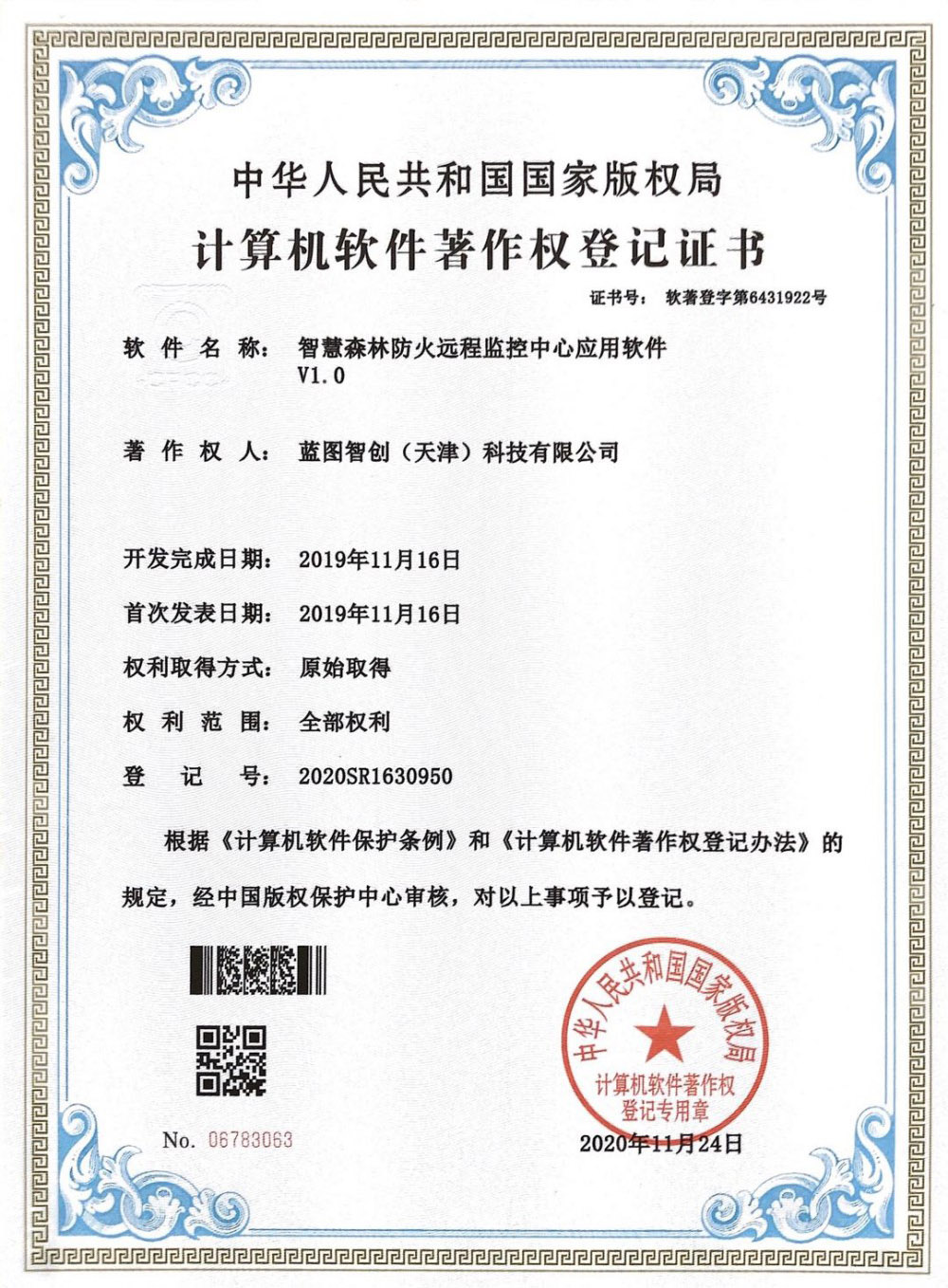
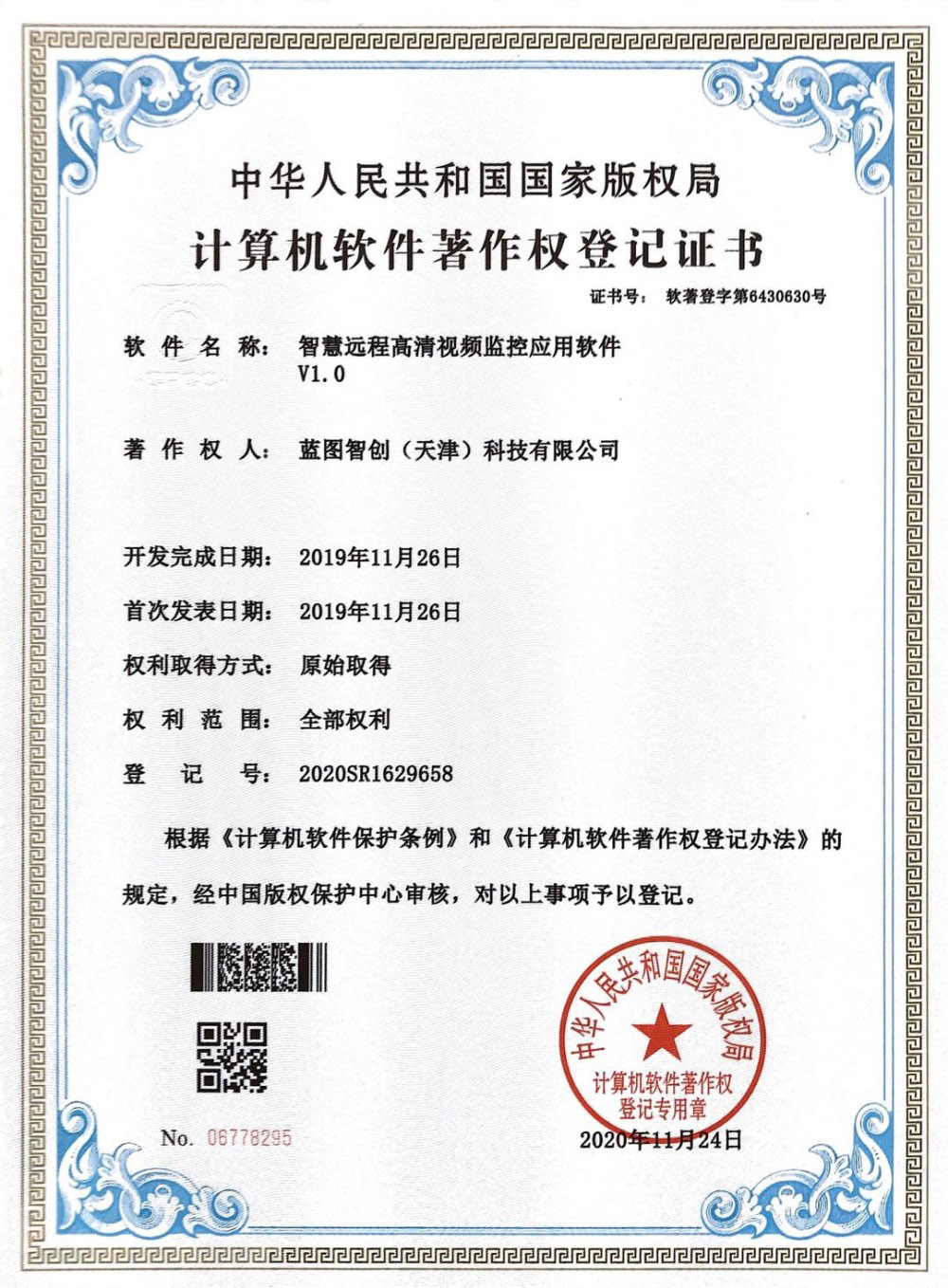
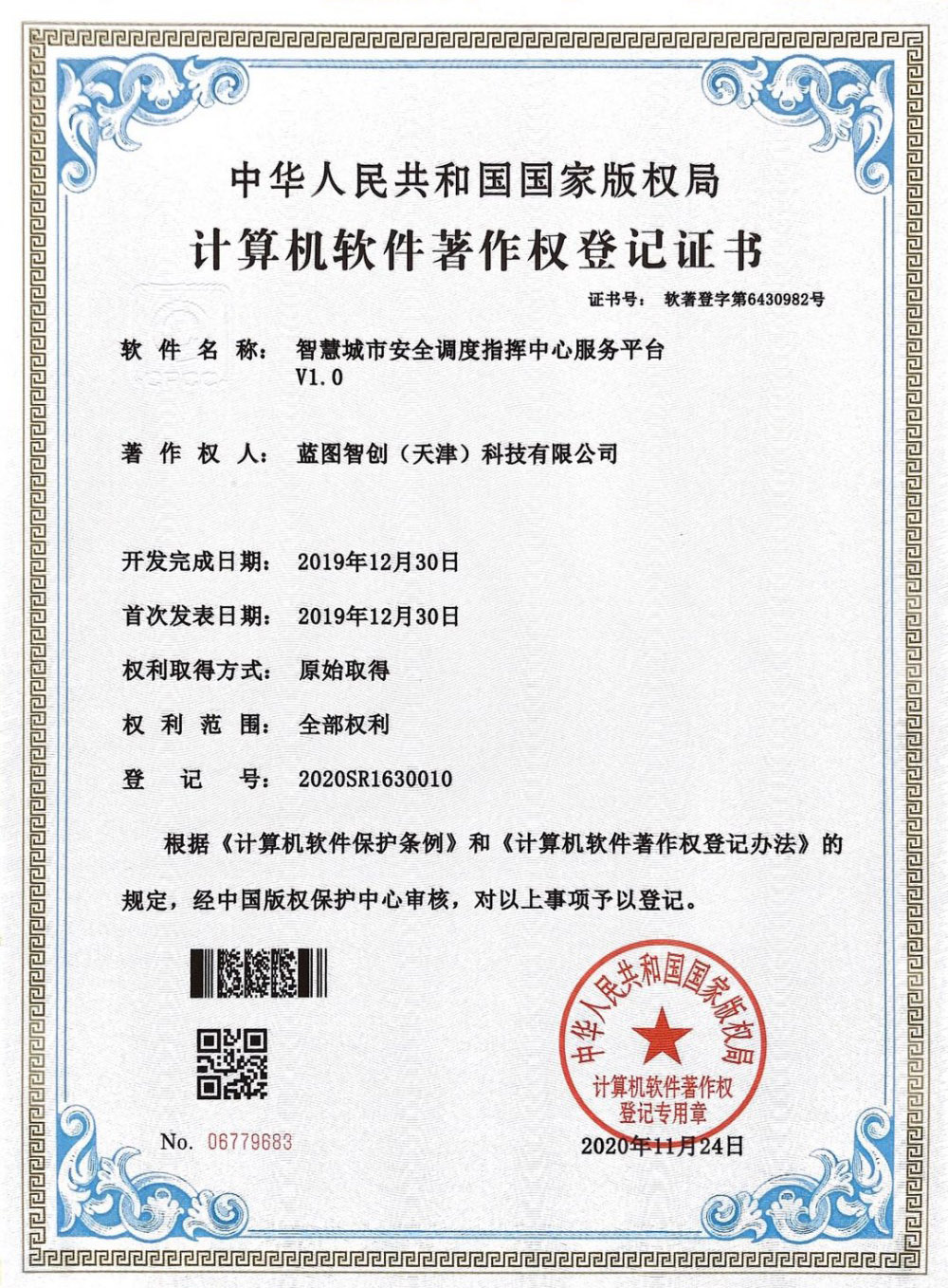
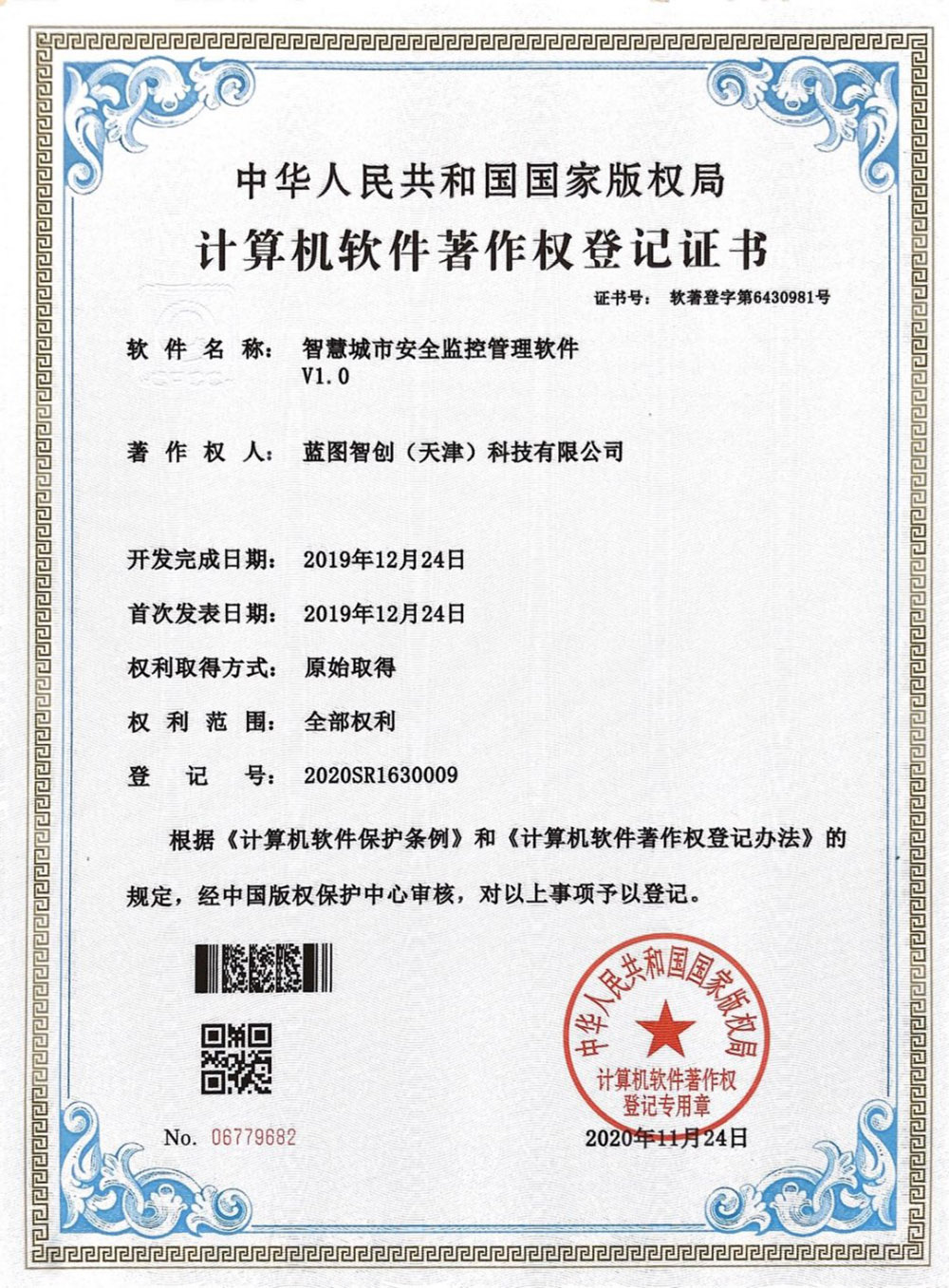
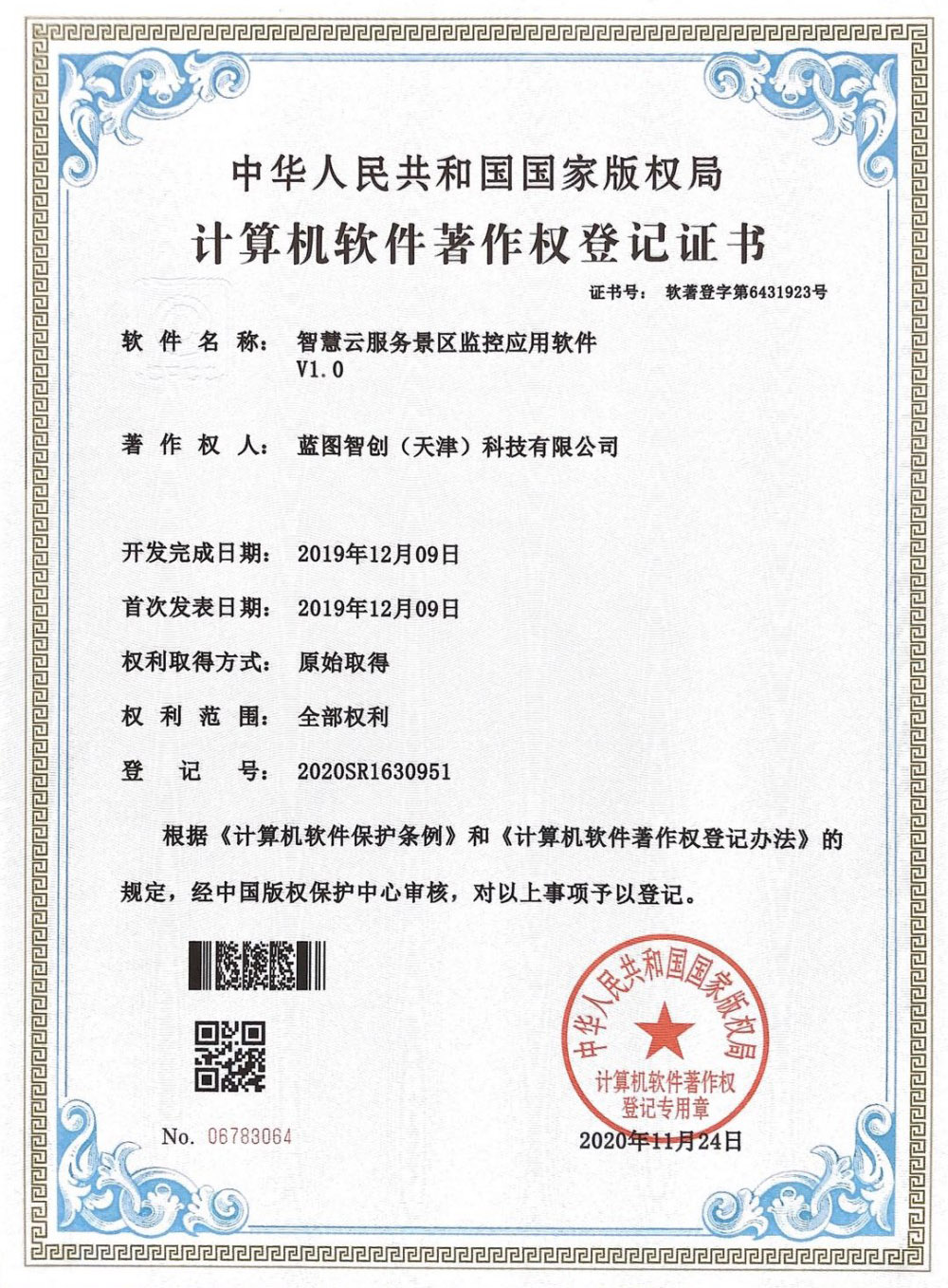






Read about the latest developments in positioning and surveillance technologies.
As customized configurations become more common, selecting a manufacturer with in-house design capabilities is crucial for successful integration.
Read More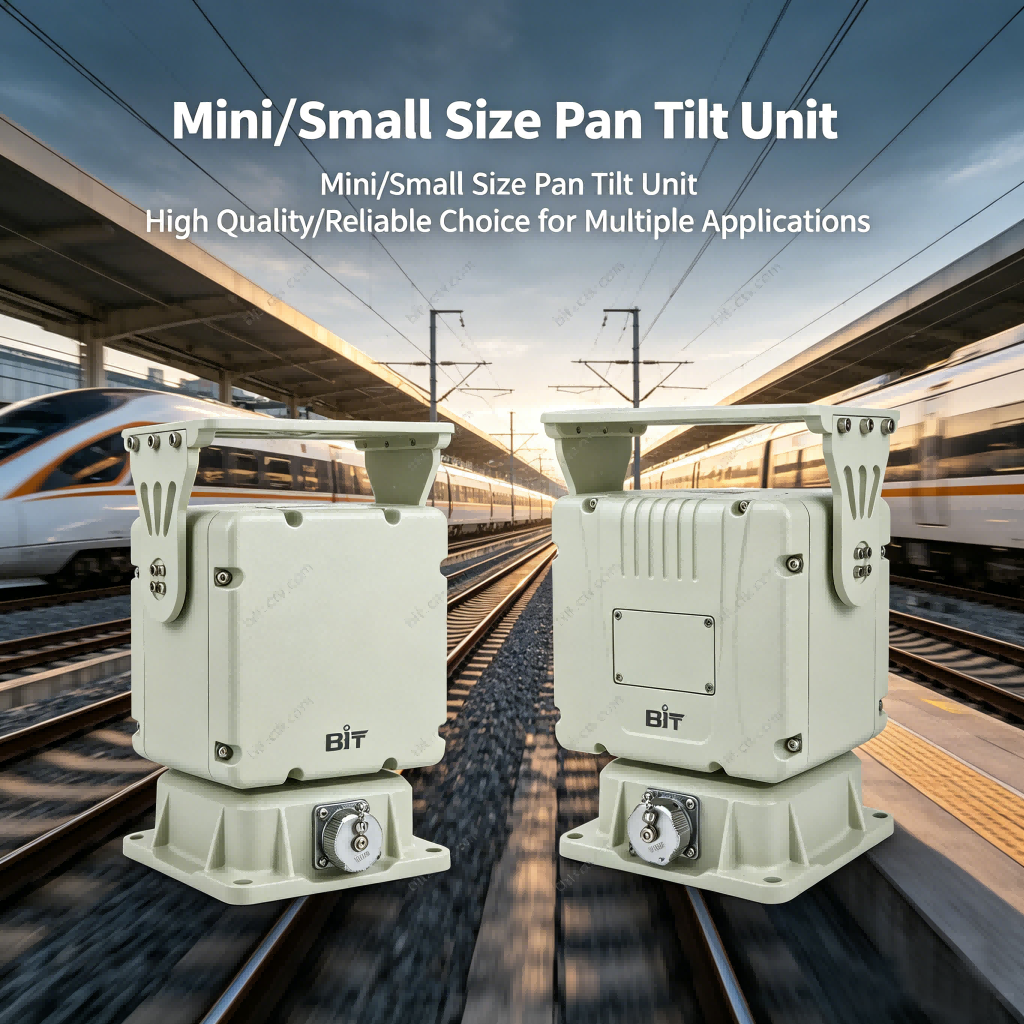
An introduction to our lightweight positioning units, designed for quick setup and low power consumption in remote field operations.
Read More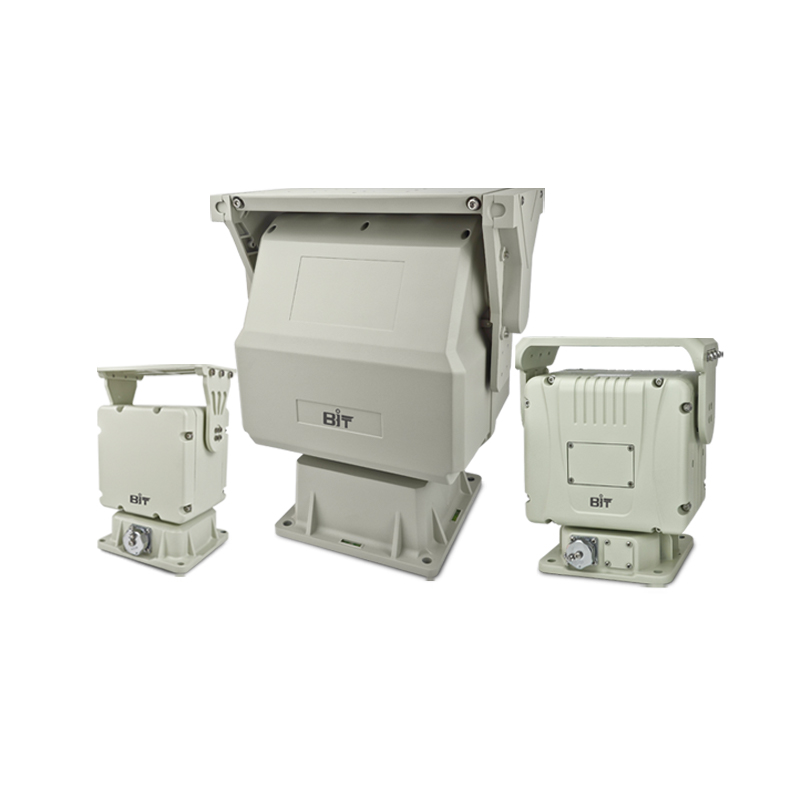
Understanding different PTU types based on load capacity, environmental rating, and installation methods for target applications.
Read MoreDetailed explanations regarding engineering specifications, environmental tolerances, and configuration options.
Locking Masts: These models feature mechanical locking collars that physically secure each telescopic section in place once fully extended. This design allows the mast to remain upright indefinitely without requiring continuous air pressure, making it ideal for long-term deployments.
Non-Locking Masts: These systems rely on constant internal air pressure to maintain their extended height. If pressure drops, the mast will slowly slide down. They are best suited for quick, temporary setups where speed of deployment is the primary requirement.
Wind load calculation involves evaluating the total Effective Projected Area (EPA) of all mounted equipment (such as PTZ cameras and antennas) combined with the surface area of the mast sections themselves. The formula is expressed as:
Force (N) = 0.5 × Air Density (kg/m³) × (Wind Speed m/s)² × Drag Coefficient × Area (m²)
Using guy wires significantly improves stability, allowing masts to withstand winds up to 120 km/h with minimal movement.
Yes. Our masts are engineered to operate in temperatures down to -40°C. However, cold climates require proper moisture filtration. We recommend using dry compressed air and applying low-temperature lubricants to prevent ice buildup on the internal seals and locking collars.
Internal coiled cables protect power and data lines (such as Ethernet, RF coax, and power wiring) from environmental wear, UV exposure, and snagging during extension or retraction. This design is highly recommended for tactical and mobile security systems.
The total weight of your sensor suite and PTZ unit must be less than the mast's maximum payload capacity at its target height. Placing heavy equipment on a mast that is too light can cause bending or structural failure. For heavier loads (e.g., 50kg–90kg), we recommend using larger mast collars combined with a matching heavy-duty positioner like our BIT-PT850.
Complete mechanical components designed to build stable, weather-resistant field observation platforms.