 BIT-CCTV
BIT-CCTV
BIT-CCTV
Premium payloads, tripods, and mechanical components supporting commercial manual telescopic mast integrations.
Manual telescopic mast poles have evolved from simple structural mounts to highly engineered dynamic deployment platforms. The integration of advanced telemetry, off-grid surveillance systems, and multi-sensor payloads has driven significant changes in design. Today, security, telecom, and defense sectors require solutions that balance structural lightness with extreme load capacity.
Modern system design prioritizes rapid deployment without hydraulic pumps or external pneumatic lines. Manual winch-driven and hand-crank telescopic masts provide mechanical simplicity, low maintenance, and immediate operational readiness. As global critical infrastructure projects expand, manual telescopic systems act as a key redundant asset, remaining fully functional when electricity is unavailable.
A comprehensive reference for purchasing departments, military engineers, and infrastructure planners evaluating manual mast structural capabilities.
High-altitude payloads like thermal imagers and microwave dishes require minimal structural deflection. Industrial buyers specify maximum torsional play of under ±1.5° at maximum extension under heavy wind loads. This ensures targeting and tracking systems remain calibrated.
Procurement must differentiate between static vertical load limits and dynamic wind loads. Reliable manual telescopic systems maintain a minimum 3:1 structural safety margin. This allows masts rated for 50kg payloads to resist sudden mechanical shocks during transport or deployment.
Outdoor operation requires corrosion resistance. Specifications should request anodized oxide layers exceeding 20 microns (MIL-A-8625 Type III) and IP66/IP67 ingress ratings on the locking collars. This prevents dust and water infiltration during dust storms or heavy rains.
This table outlines the structural limits required by enterprise buyers for heavy-duty field integrations.
| Extended Height | Retracted Height | Payload Capacity Range | Max Wind Speed Operational | Typical Applications |
|---|---|---|---|---|
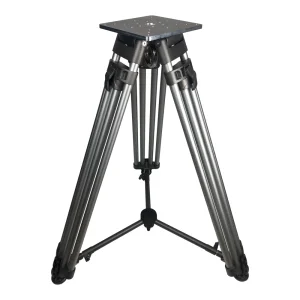
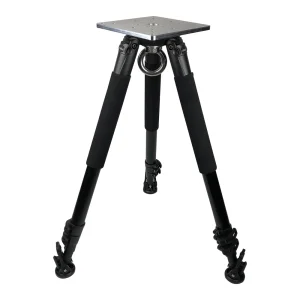
| 3.0m - 5.0m | 1.2m - 1.6m | Up to 150 kg (330 lbs) | 120 km/h (80 mph) | Mobile Command Vehicles, Mobile Tripod PTZ Platforms |
| 6.0m - 8.0m | 1.5m - 2.0m | Up to 80 kg (176 lbs) | 100 km/h (62 mph) | Border Patrol Vehicles, Emergency LTE Transceivers |
| 9.0m - 12.0m | 1.8m - 2.4m | Up to 45 kg (100 lbs) | 80 km/h (50 mph) | Meteorological Stations, Regional Off-grid Solar CCTV Masts |
| 15.0m - 18.0m | 2.2m - 3.0m | Up to 25 kg (55 lbs) | 60 km/h (37 mph) | Tactical Radio Communications, Broad-Area Forest Fire Detection |
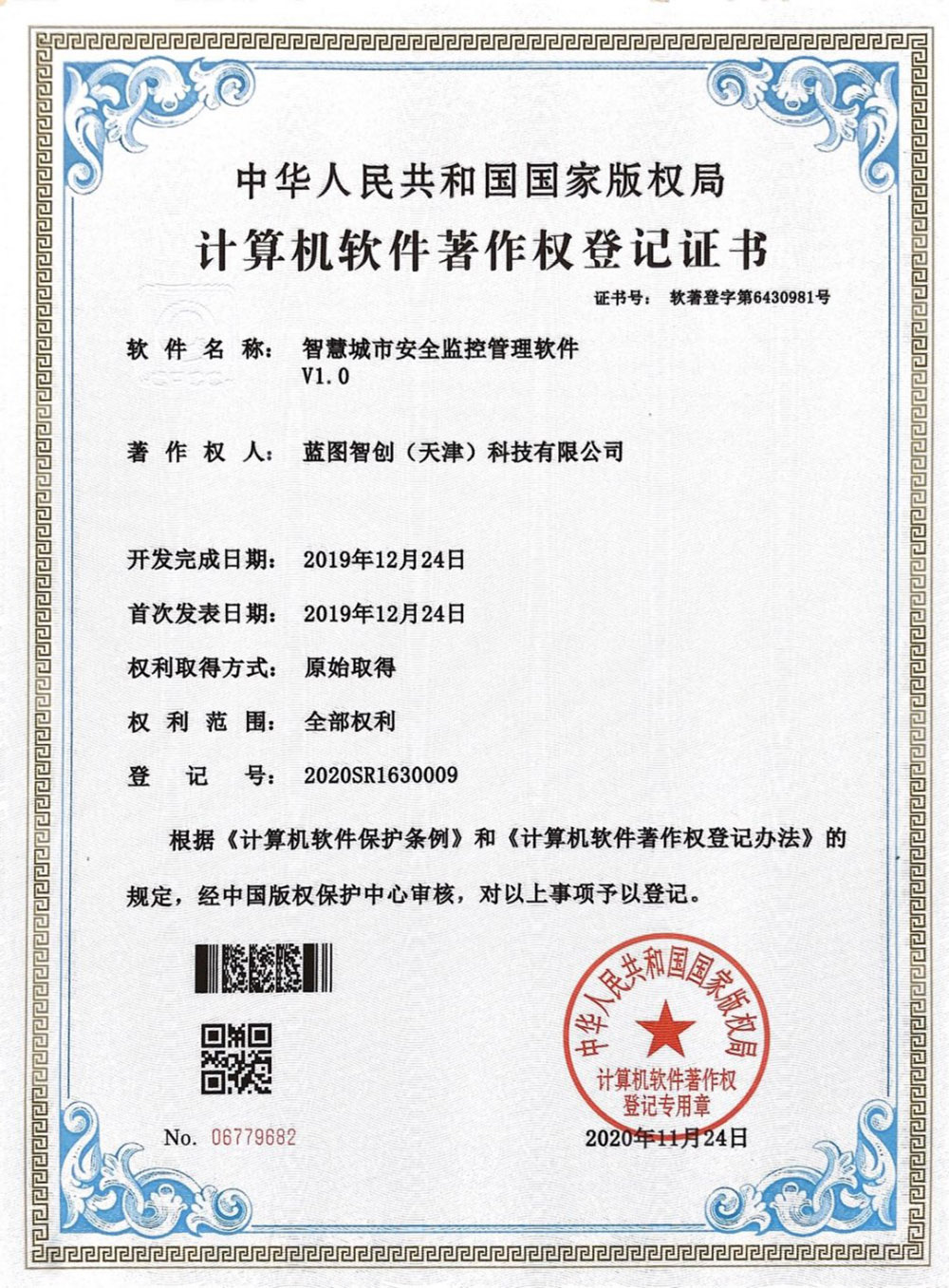
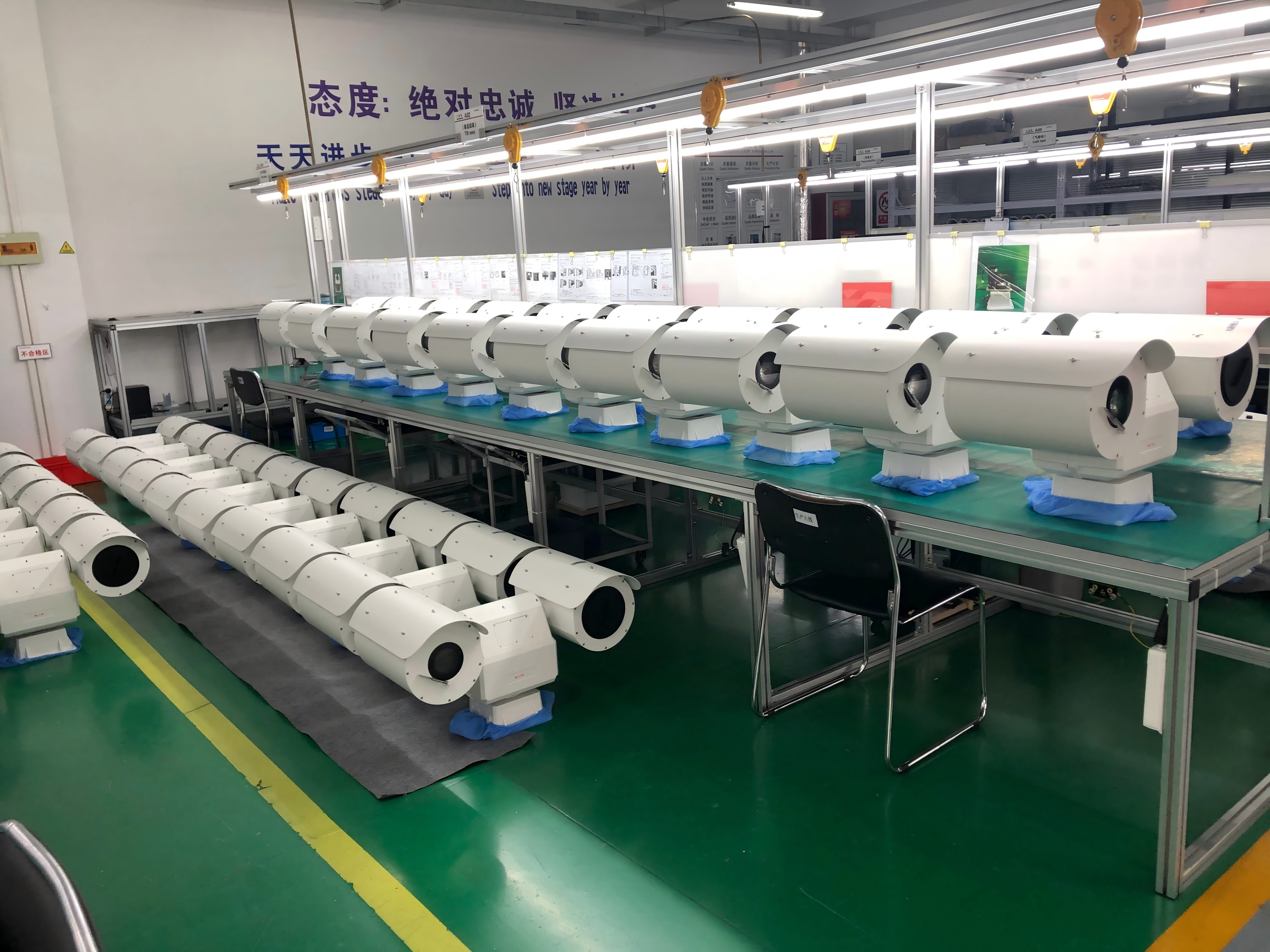
Manufactured by Blue Icon (Tianjin) Technology Co. Ltd., our systems reflect advanced, automated manufacturing capabilities. Our production lines combine automated CNC milling, advanced metal anodization, and rigorous quality inspection protocols. This ensures every component meets international standard variations.
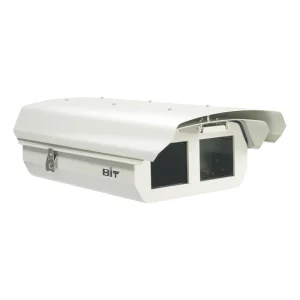
Located in Tianjin, the industrial manufacturing hub of Northern China, Blue Icon operates with a comprehensive supply chain. This supports the manufacturing of specialized pan-tilt positioners, telescopic masts, camera housings, and structural mounting hardware.
Procuring manual telescopic masts from China offers distinct supply chain advantages. Blue Icon leverages localized metallurgy networks, specialized precision casting, and automated assembly plants to deliver premium structural products with shorter lead times.
Innovation, Intelligence, Excellence, and Integrity driving global hardware integration.
How industries deploy manual telescopic systems to secure remote borders, maintain communications, and monitor critical infrastructures.
Manual telescopic masts are commonly integrated into mobile tactical trailers for border surveillance. Equipped with thermal cameras and long-range day sensors, these systems can be raised to 10 meters in minutes. This provides clear line-of-sight in remote terrains without requiring auxiliary generators.
When natural disasters disrupt ground infrastructure, relief teams deploy hand-crank manual masts with LTE/5G relays or satellite transceivers. These structures can be erected quickly by a single operator, establishing communication links in critical zones.
Oil & Gas refineries, deep-pit mining operations, and large civil construction sites use heavy-duty mast systems to support high-payload pan-tilt systems. The masts withstand dust, vibration, and chemical exposure, maintaining stable operation for years.
Established in 2005, Blue Icon (Tianjin) Technology Co. Ltd is a national high-tech company specializing in the design, engineering, manufacturing, and sale of high-quality CCTV surveillance equipment. This includes pan-tilt heads/positioners, long-range laser PTZ cameras, IR thermal imaging PTZ cameras, dual-vision PTZ cameras, camera housing enclosures, camera mounting brackets, and accessories.
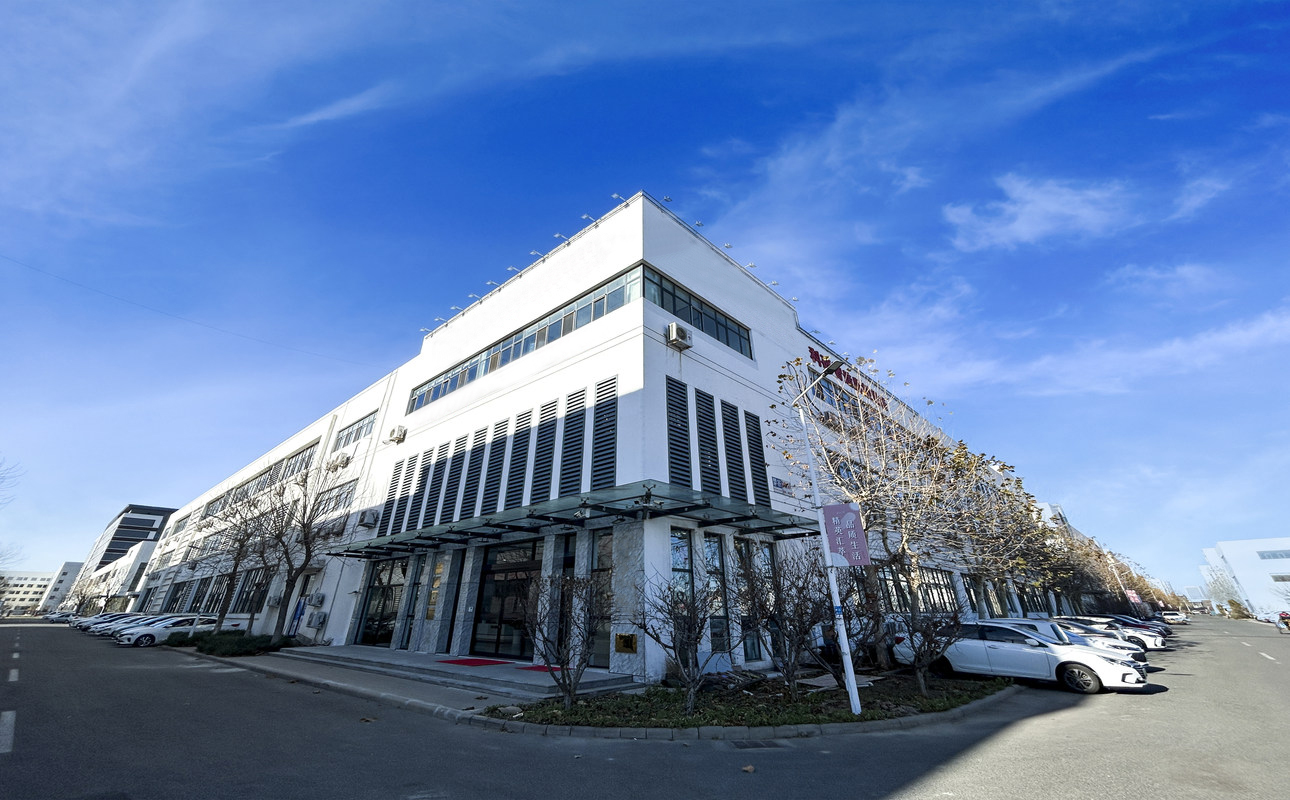
Our Tianjin plant implements modern manufacturing standards. Over 50 national patents demonstrate our focus on R&D, supported by investing 10% of our annual sales revenue back into product development.
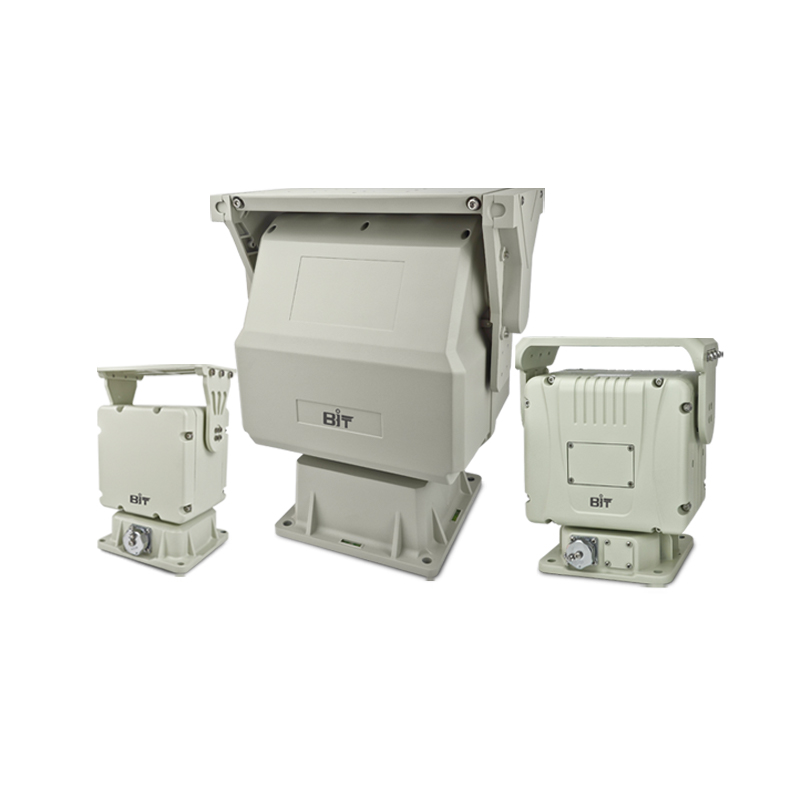
Technical details for our specialized pan-tilt systems, designed to mount directly onto manual telescopic mast platforms.
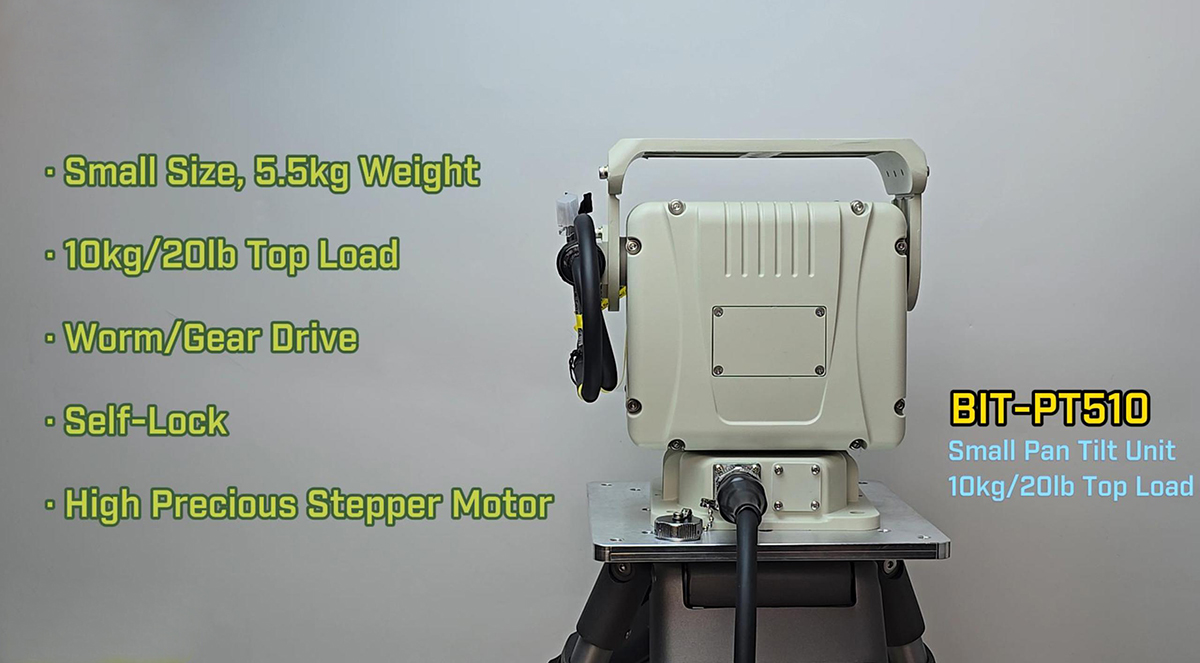
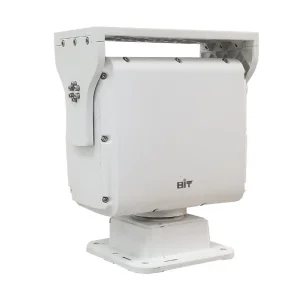
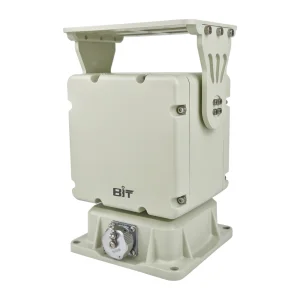
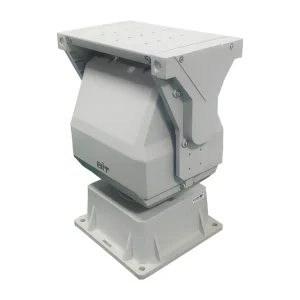
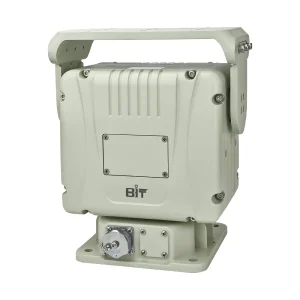
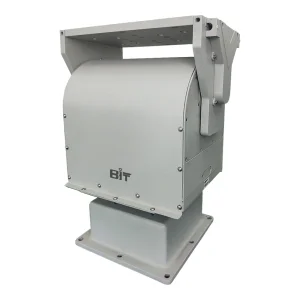
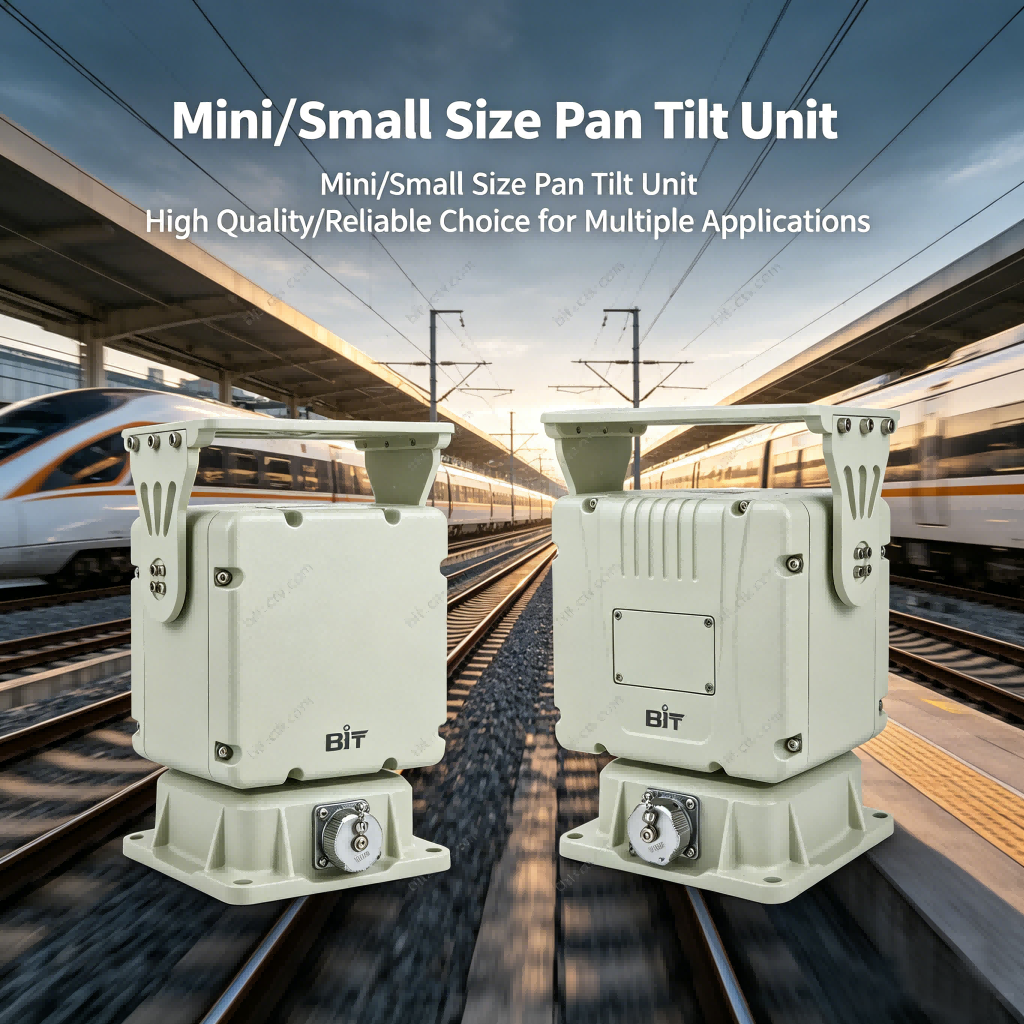
The BIT-PT510 is a compact pan-tilt unit featuring a top load capacity of 10kg (22lb), driven by high-precision stepper motors and worm-gear drives. It offers 360° pan rotation and ±60° tilt rotation with speeds up to 30°/S. The system supports payloads including camera housings, searchlights, and acoustic devices. It is widely used in coastal defense, forestry fire prevention, and critical asset monitoring.
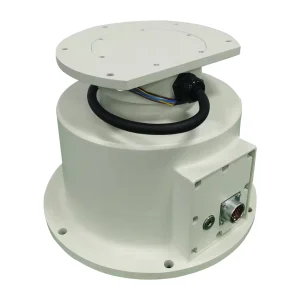
Our most compact pan-tilt unit weighs 3.5kg and handles payloads up to 3.5kg (7.7lb). It is designed for applications where weight and physical footprint must be kept to a minimum.
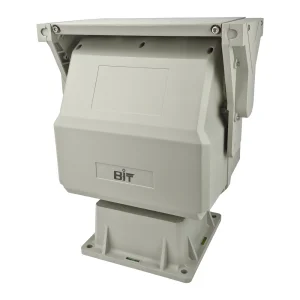
The BIT-PT410 rotates at speeds up to 100°/second, enabling rapid object tracking and positioning. It features a worm-gear drive on the tilt axis, supporting 10kg (22lb) payloads with a tilt angle of -90° to +40°.
A proven B2B solution for a decade, the BIT-PT850 handles payloads up to 50kg. Its rugged mechanics and classic design ensure reliable performance in harsh environments with low failure rates.
Operational photos showing manual telescopic masts, pan-tilted payloads, and manufacturing processes.
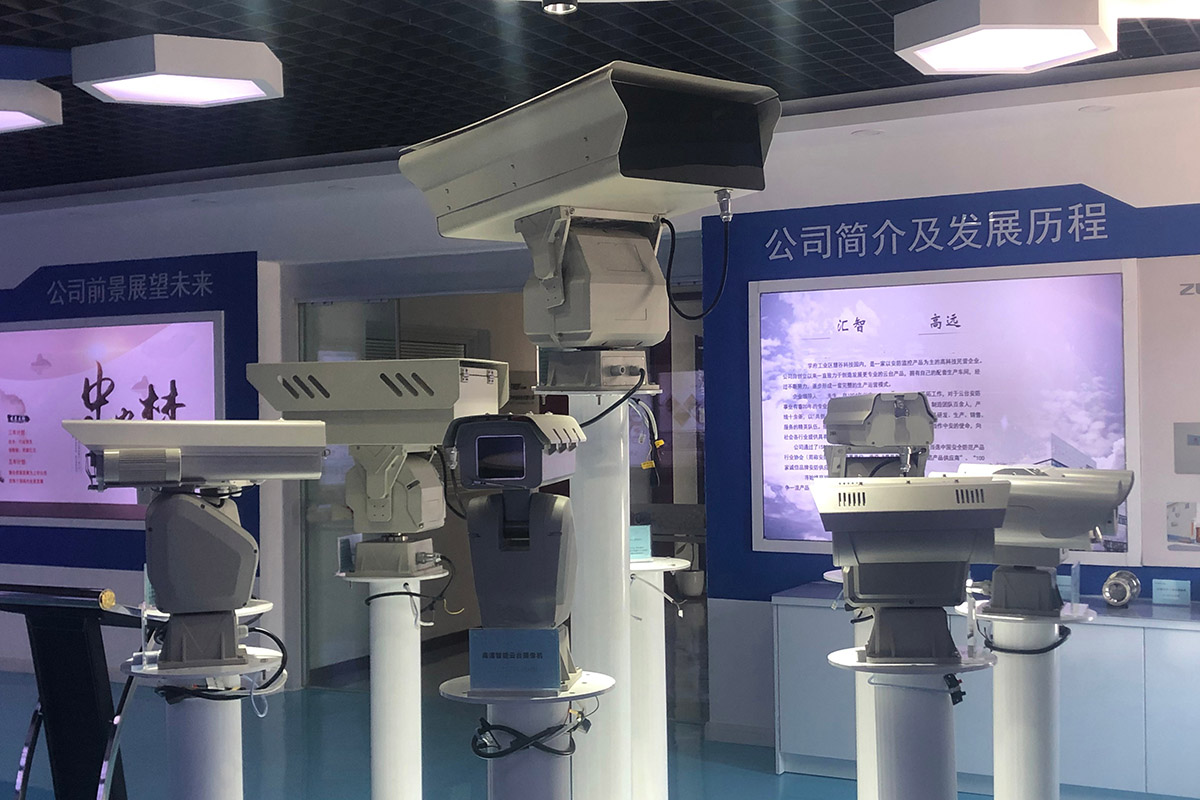
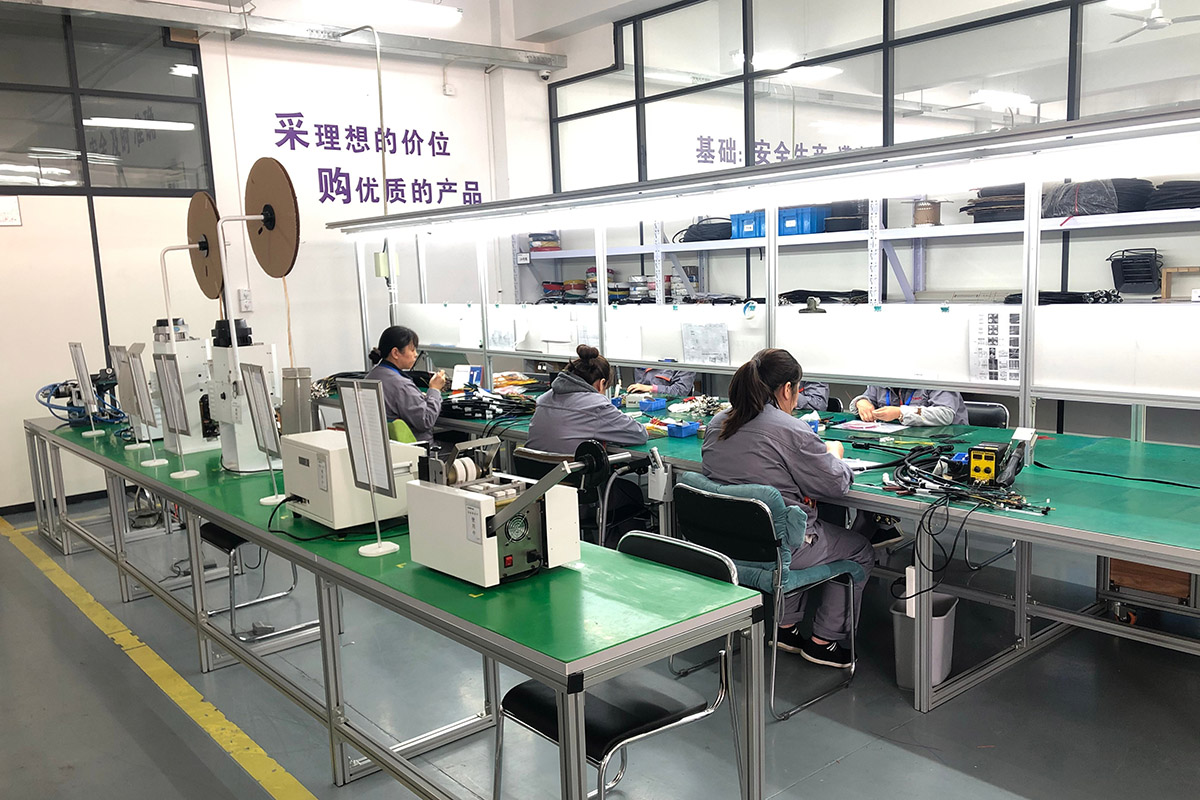
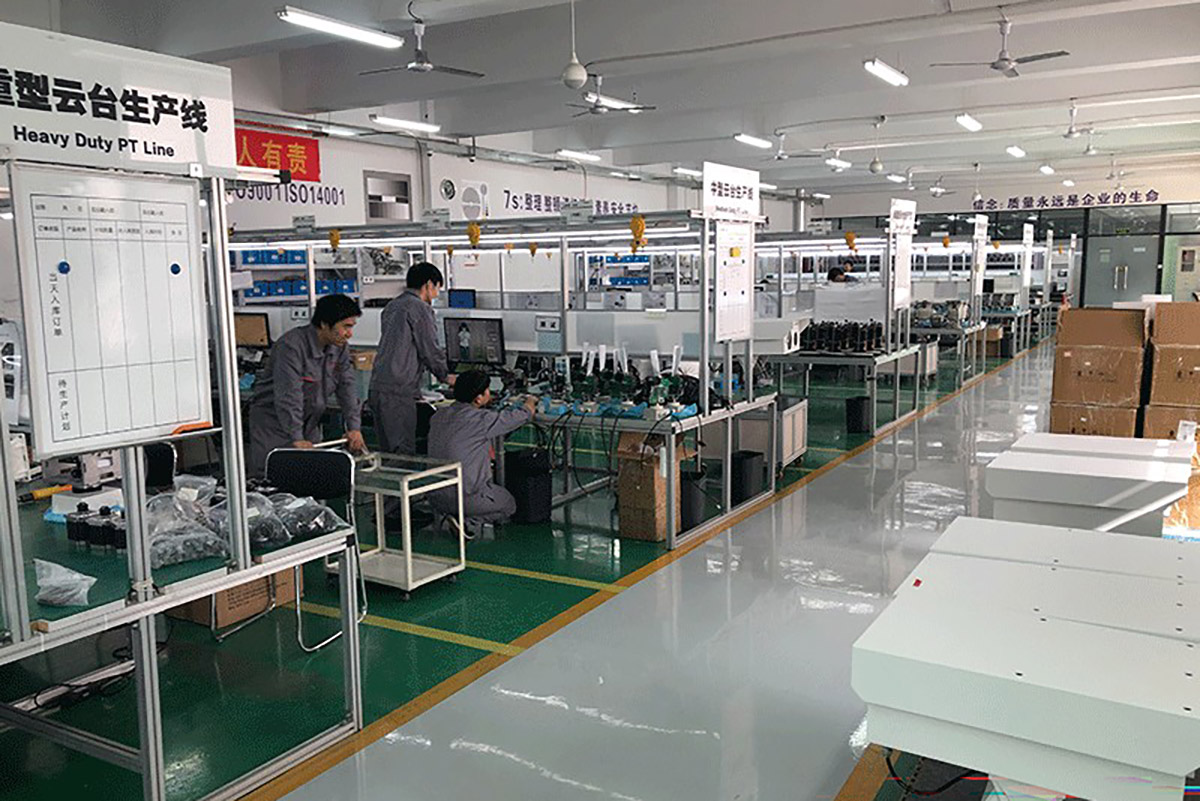
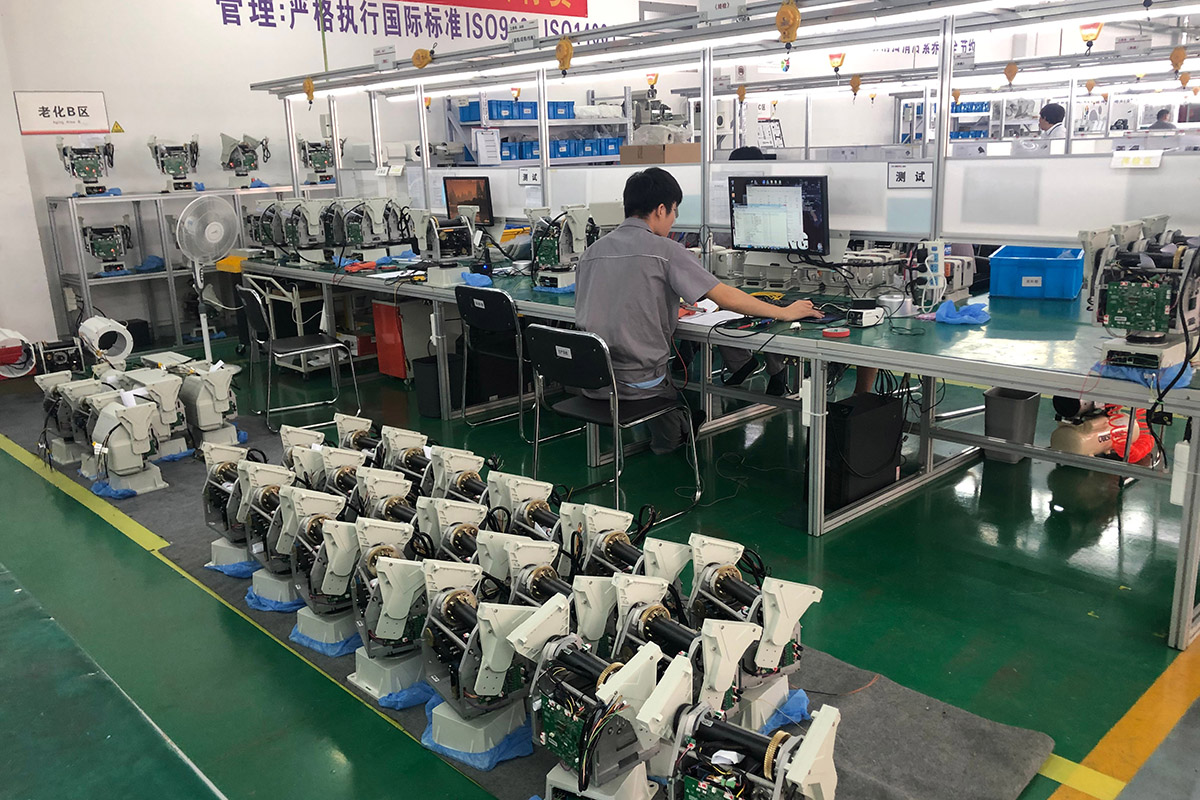
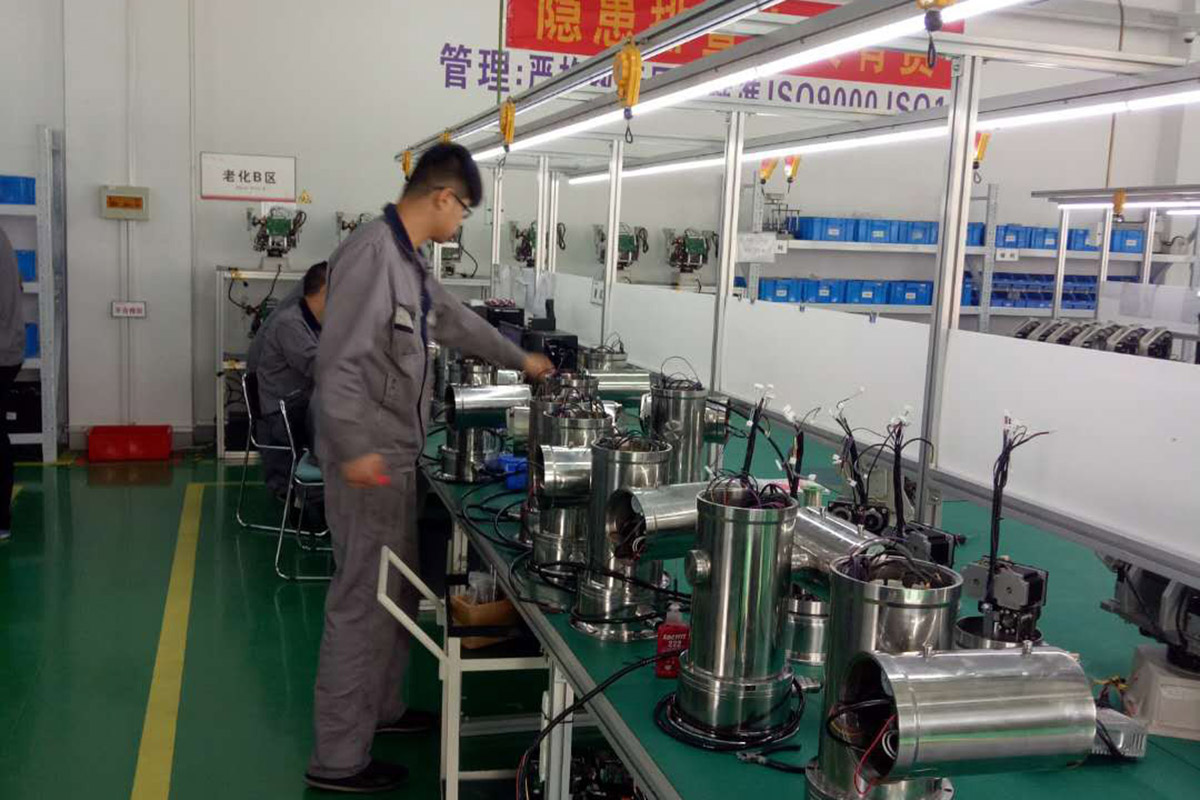
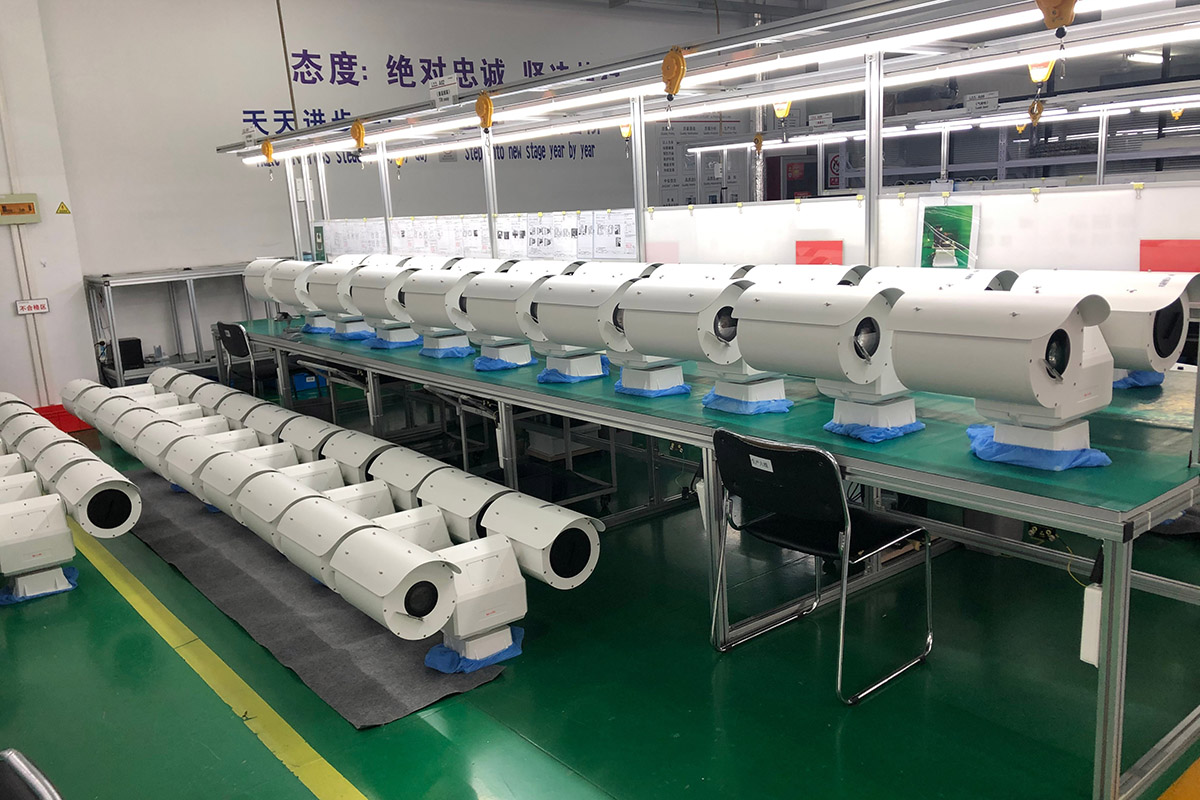
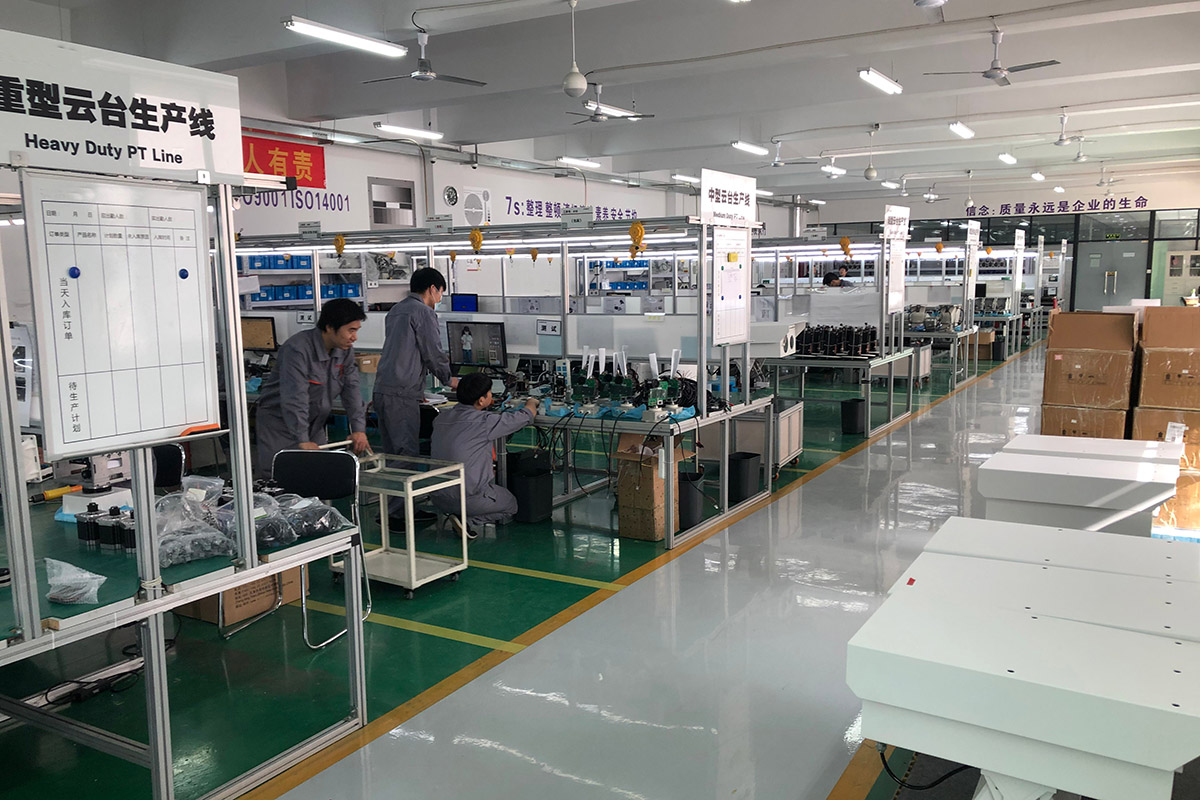
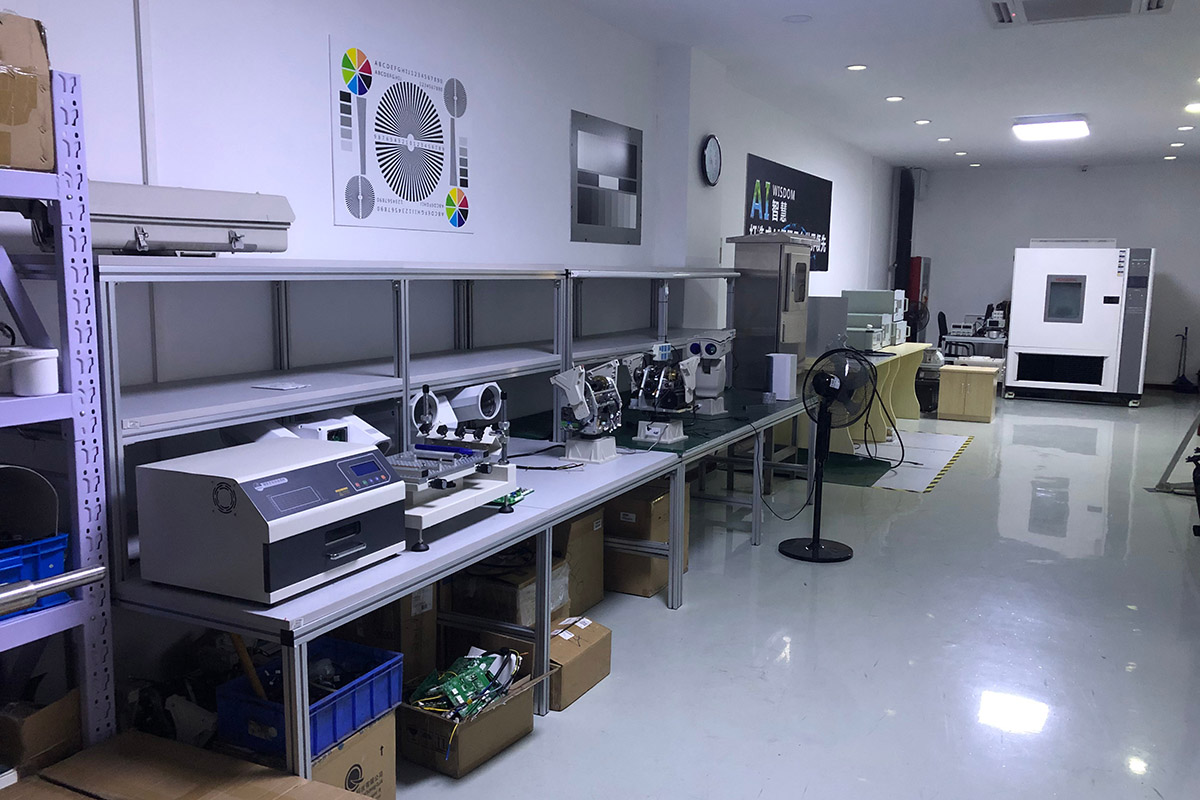
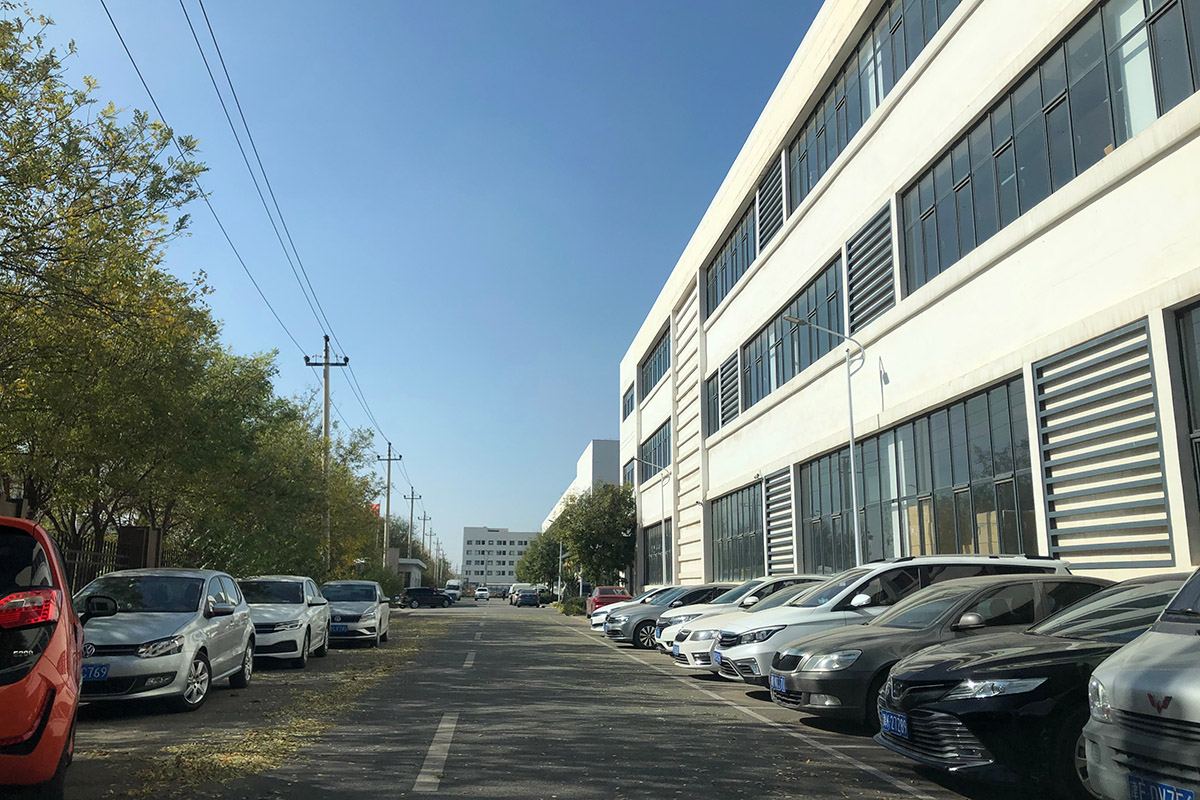
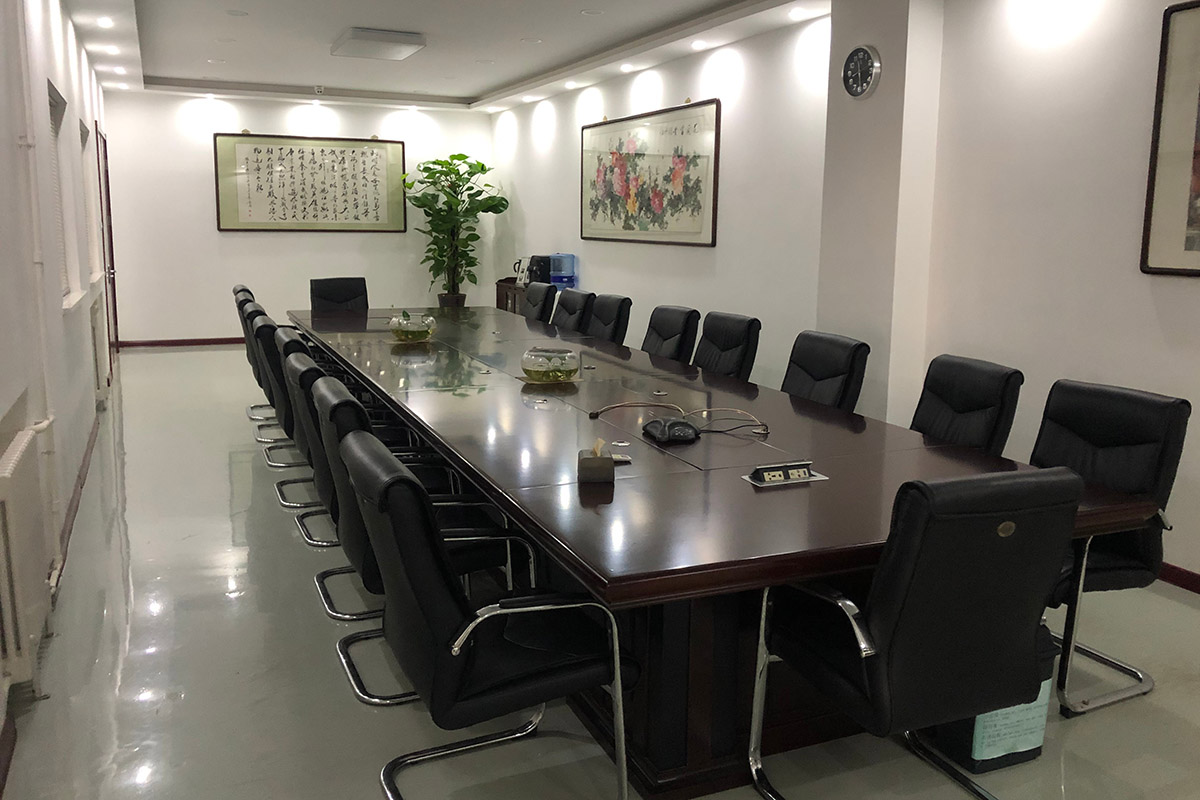
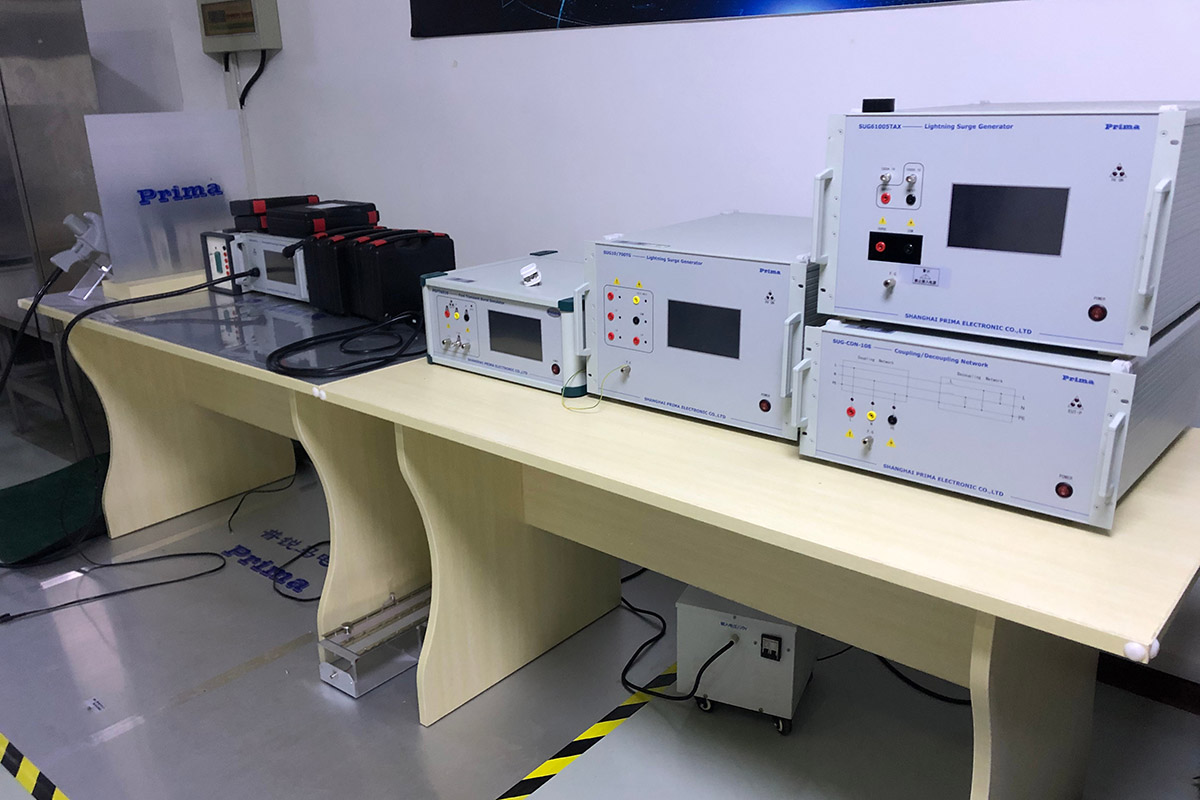
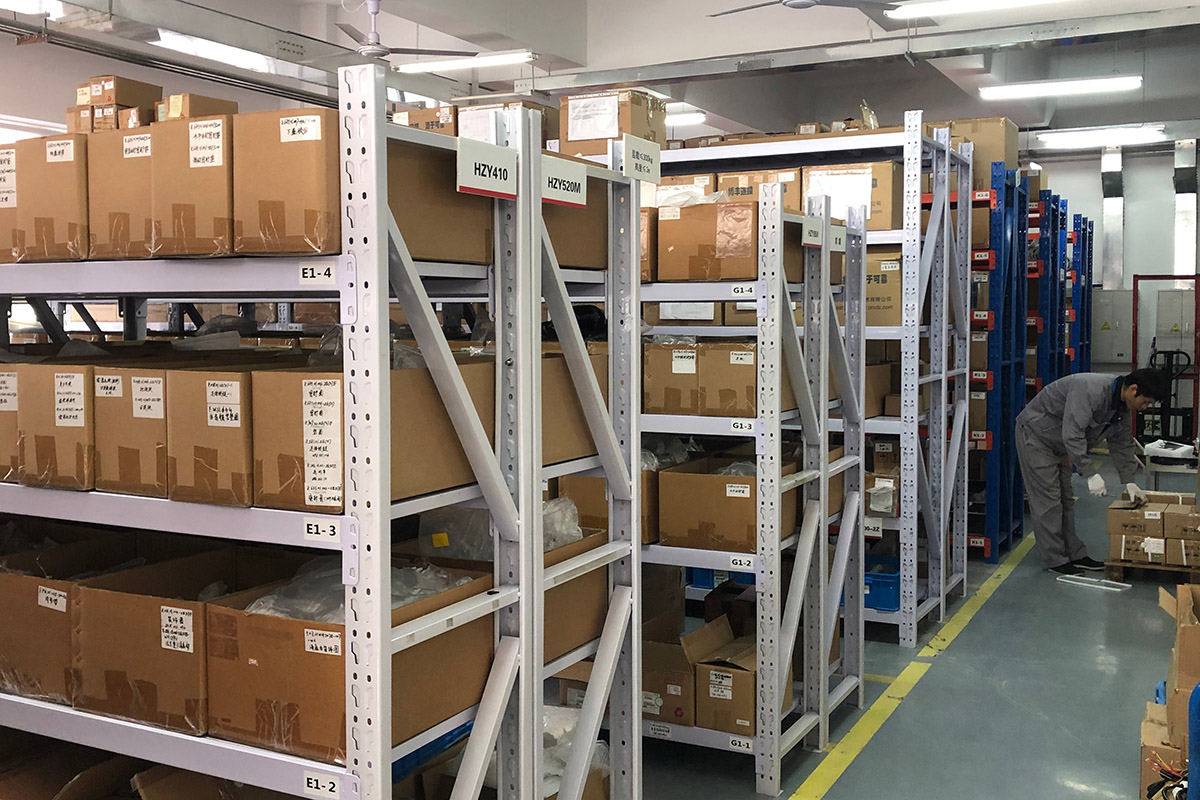
Our designs are backed by 50 national patents and continuous investment in product testing. Products are deployed across five continents, in projects requiring stable performance under varied field conditions.
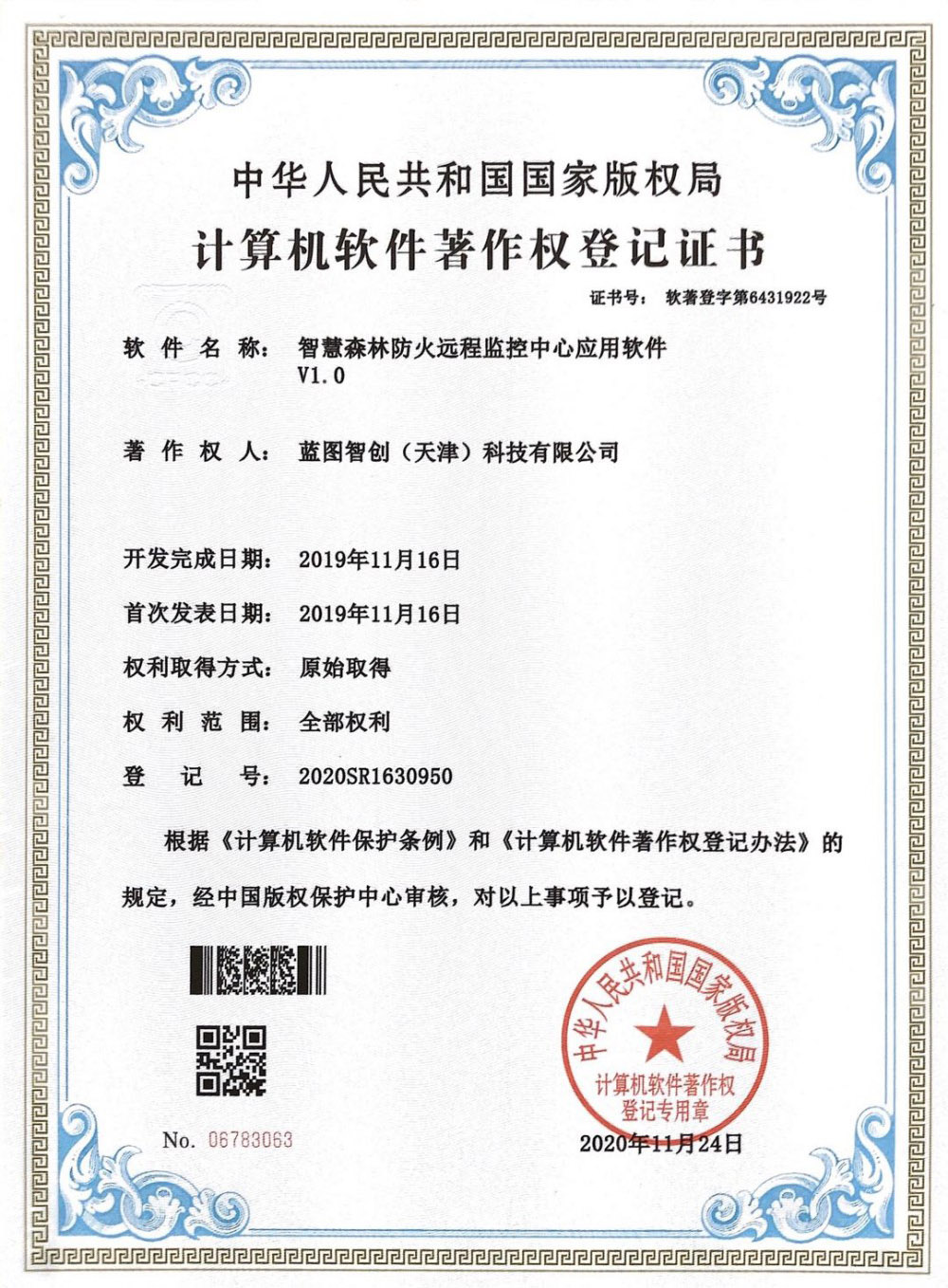
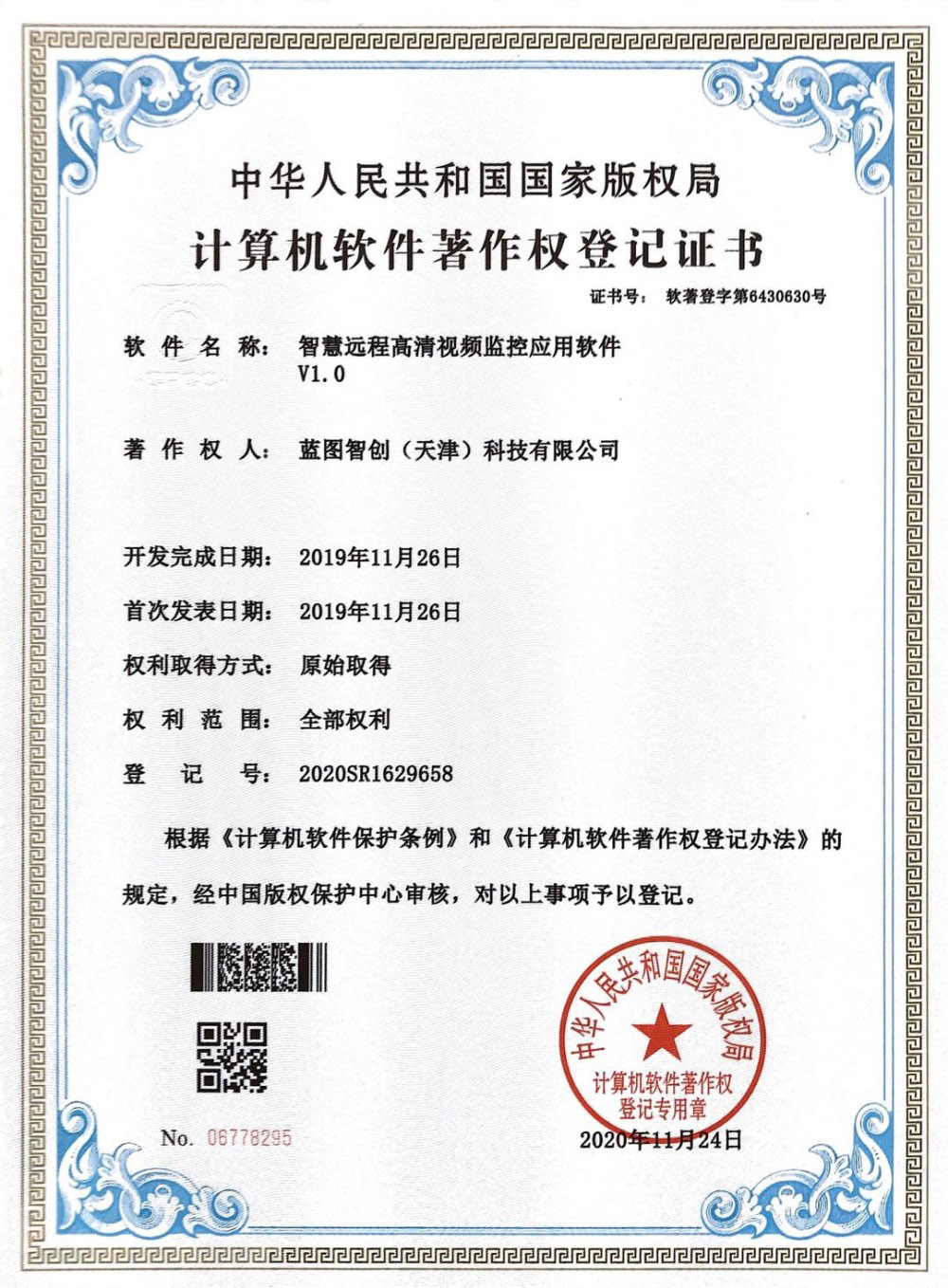
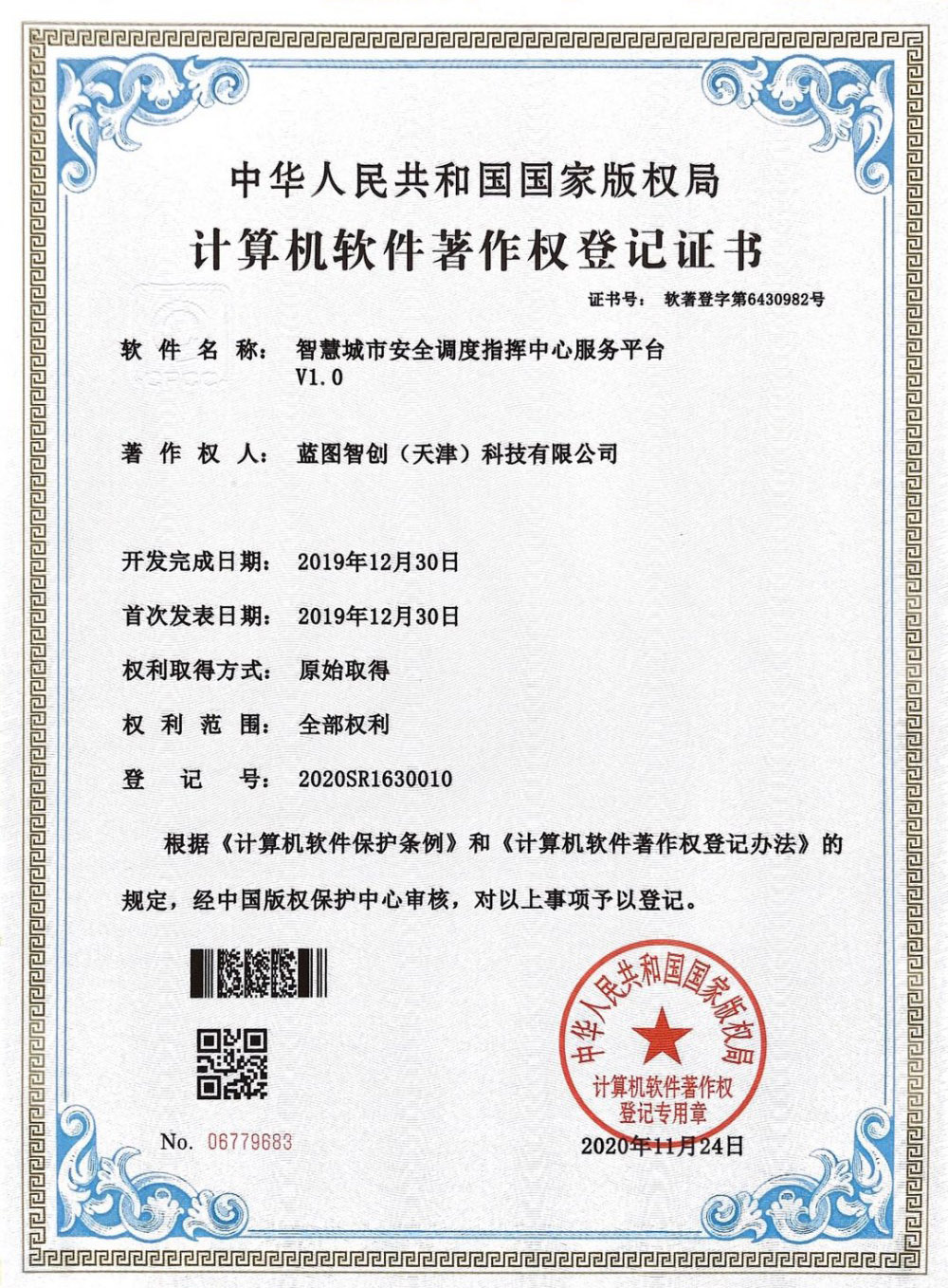
Our equipment operates in security networks, telecom stations, and field research platforms globally. We work with international integrators to supply durable mechanical and optical components.


Read our recent analyses on pan-tilt positioning selection, telescopic mast design, and structural integration.
As application scenarios for pan-tilt systems expand, demand for specific configurations is rising. This article reviews factors like payload rating, environmental sealing, and supplier R&D capability to help you evaluate partners.
An overview of the BIT-PT503 (3.5kg capacity) and BIT-PT510 (10kg capacity) units. Learn how these compact positioners are designed to fit onto portable telescopic mast assemblies.
A guide explaining how pan-tilt units are categorized based on criteria including load weight, operating environment, and gear drive designs (stepper worm-drive vs brushless direct-drive).
Detailed answers to technical questions commonly raised by system engineers and purchasing managers.
The maximum wind load rating is determined by the tube diameters, wall thickness, alloy selection, and the sail area (drag coefficient) of the payload. Guying configurations also play a major role: a mast that stands self-supporting up to 50 km/h can often resist winds up to 120 km/h when properly guyed with steel wire at multiple levels.
Manual winch-driven systems use internal steel wire ropes and physical lock pins, making them mechanically simple. They require no air pumps, valves, or pressure seals, which reduces maintenance and makes them reliable in extreme cold or dusty environments where rubber pneumatic seals can fail.
For coastal and marine deployments, we use hard coat anodizing (Type III in accordance with MIL-A-8625) with a thickness exceeding 20 microns. This oxide layer protects the aluminum structure against salt spray degradation (tested under ASTM B117 standards).
Torsional stability is achieved by using tight-tolerance internal keyways along the length of each mast section. This keyway prevents concentric rotation, keeping directional payloads like pan-tilt units, antennas, or radar systems aligned with their calibrated headings.
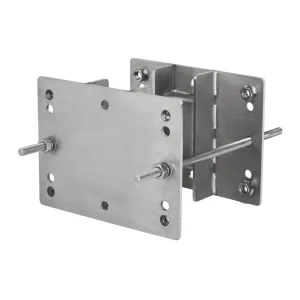
Yes. We design and manufacture custom mounting flanges and stainless steel pole mount brackets to match the bolt patterns of your payload. Our engineering department can work directly from your mechanical CAD files.
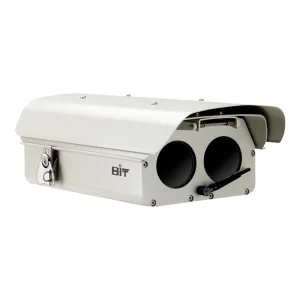
Heavy-duty outdoor positioners, camera housings, and mounting brackets for complete systems.