 BIT-CCTV
BIT-CCTV
BIT-CCTV
Explore our high-performance payload positioning equipment and mounting hardware, designed to survive extreme environments.
Analysis of structural dynamics, material advancements, and engineering criteria for modern telescoping masts.
In modern telecommunications, surveillance, and emergency response, the demand for stable height elevation systems is increasing. The Telescoping Radio Antenna Mast is a key tool in this transition, serving as the link between ground systems and elevated payloads. These systems are used in critical operations including mobile cellular coverage expansion (Cells on Wheels - COW), border protection radar grids, tactical military communication links, and emergency emergency dispatch units.
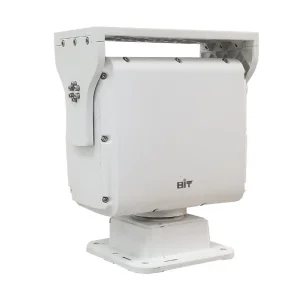
Industrial deployments demand masts that can withstand tough conditions. Marine coastal installations face continuous exposure to salt water spray and wind, requiring anodization layer thicknesses exceeding 20 microns. Meanwhile, remote border posts need systems that can operate in temperatures ranging from -40°C to +80°C without mechanical failure. To meet these demands, the integration of stabilizing mechanisms, such as smart Pan-Tilt-Zoom (PTZ) positioners, has become standard practice.
Designing a telescoping mast requires balancing payload capacity, nested height, extended height, and deflection limits. Our engineering team utilizes two main material classes:
Features structural strength and resistance to atmospheric corrosion. Ideal for heavy-duty military mast sections that undergo high structural stress.
Delivers high stiffness-to-weight ratios. Reduces system weight by up to 40% while maintaining the rigidity needed for microwave point-to-point links.
Used for critical hardware, locking collars, and structural brackets. Provides long-term protection against chemical and chloride corrosion in marine environments.
Deflection control is critical for maintaining microwave and laser communication links. Even a minor deflection of 0.5 degrees can disrupt high-frequency point-to-point connections. As a result, our telescoping masts feature keyways on each section to prevent rotational slip, along with interlocking locking collars that transform the extended sections into a rigid structural column.
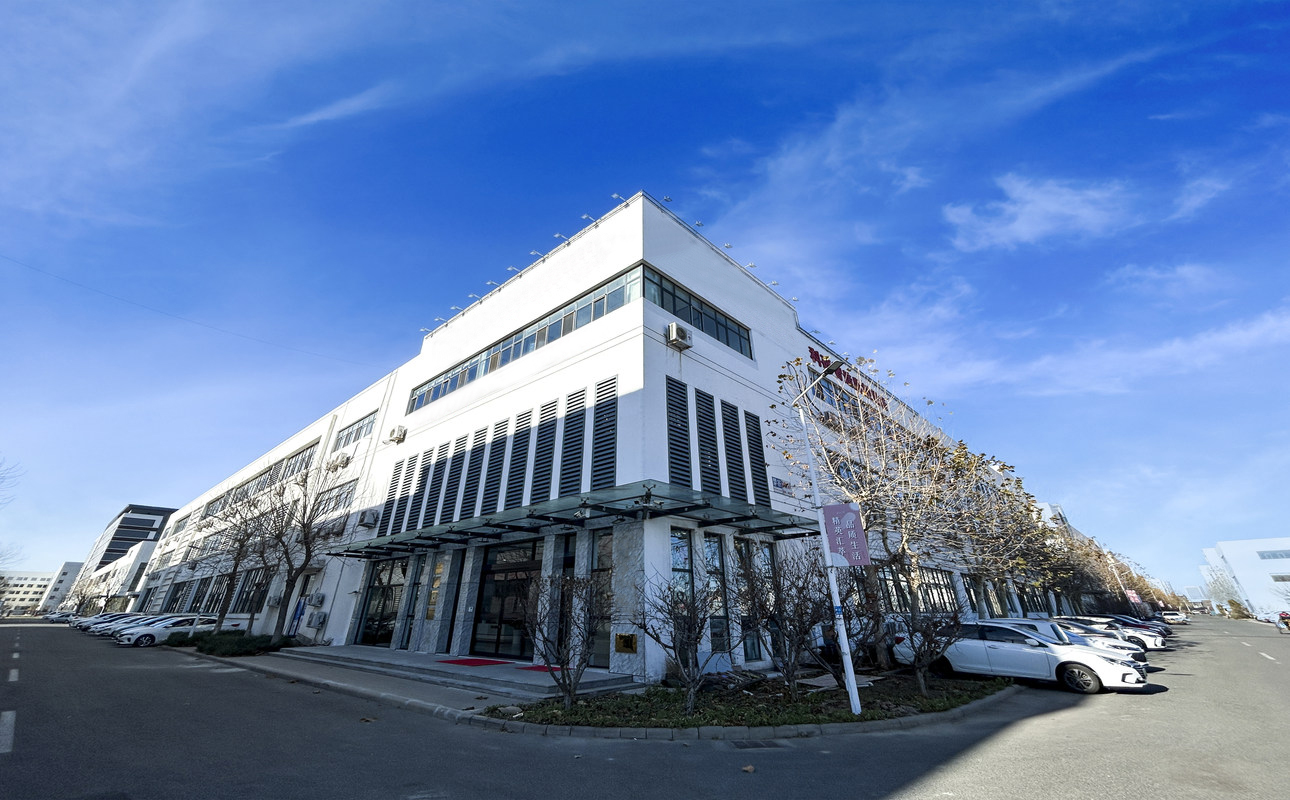
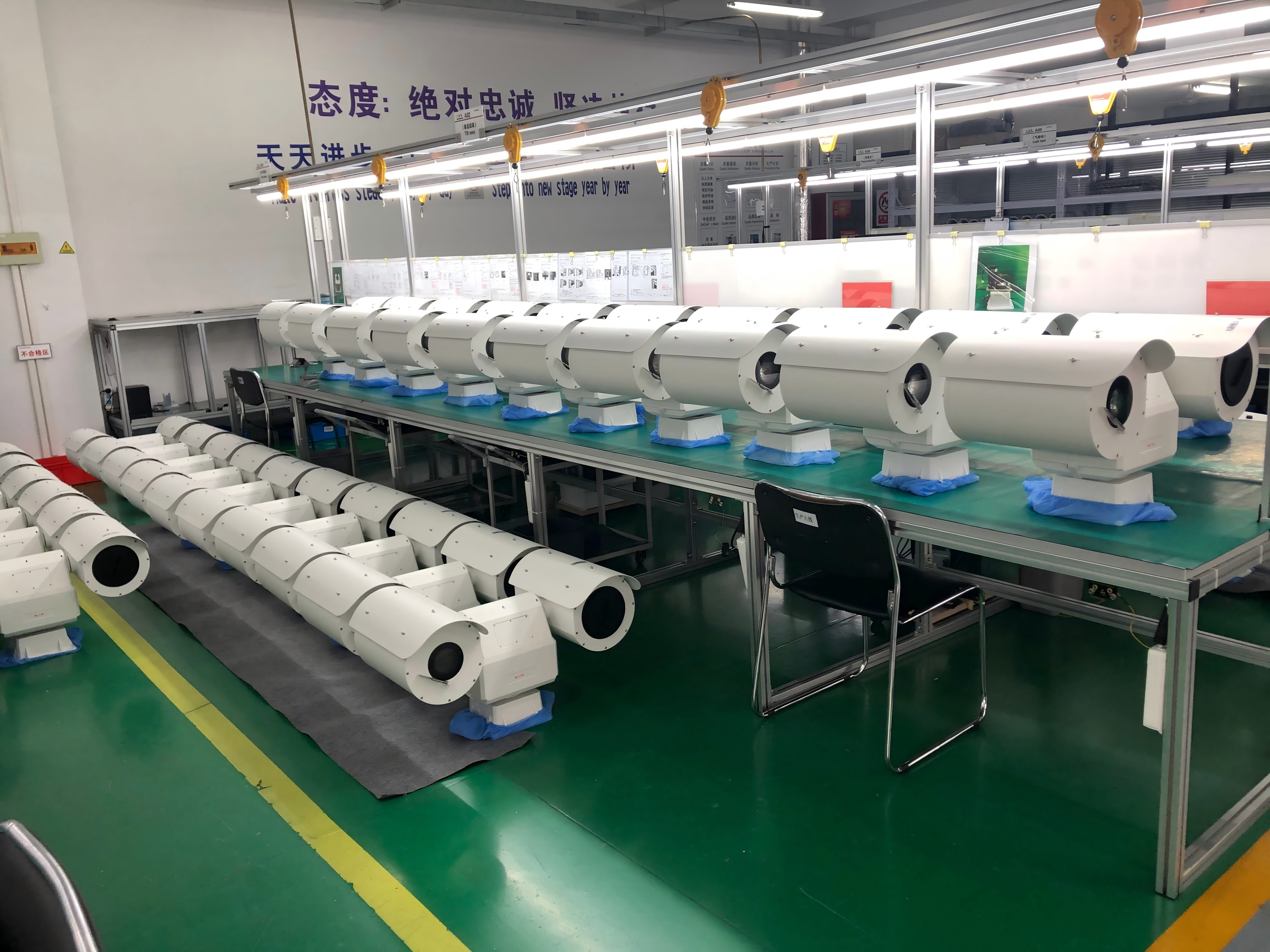
At our manufacturing facility in Tianjin, we apply Factory 4.0 standards to ensure consistent production quality. Our facilities feature multi-axis CNC machining centers, automated robotic welding stations, and specialized environmental simulation chambers. Each mast section undergoes testing to verify tolerances, surface hardness, and mechanical fit.
Our vertically integrated supply chain lets us source raw materials directly and perform operations like surface anodizing and structural heat treatment in-house. This configuration minimizes lead times and reduces production costs. In addition, our physical quality control processes subject every design to wind tunnel simulation testing, structural load profiling, and cycle testing up to 10,000 elevations, ensuring reliable performance in the field.
Established in 2005, Blue Icon (Tianjin) Technology Co. Ltd is a national high-tech company specializing in the design, engineering, manufacturing, and sales of high-quality CCTV surveillance equipment and pan-tilt positioning products.
With over 18 years of industry experience, we offer fully customized solutions, producing 3kg to 150kg load pan-tilt units, camera housing enclosures, and mounting accessories. As China's pioneer pan-tilt maker, we export to over 50 countries, providing reliable equipment to system integrators and defense contractors worldwide.
Select the ideal mechanical structure for your specific payload and operating conditions.
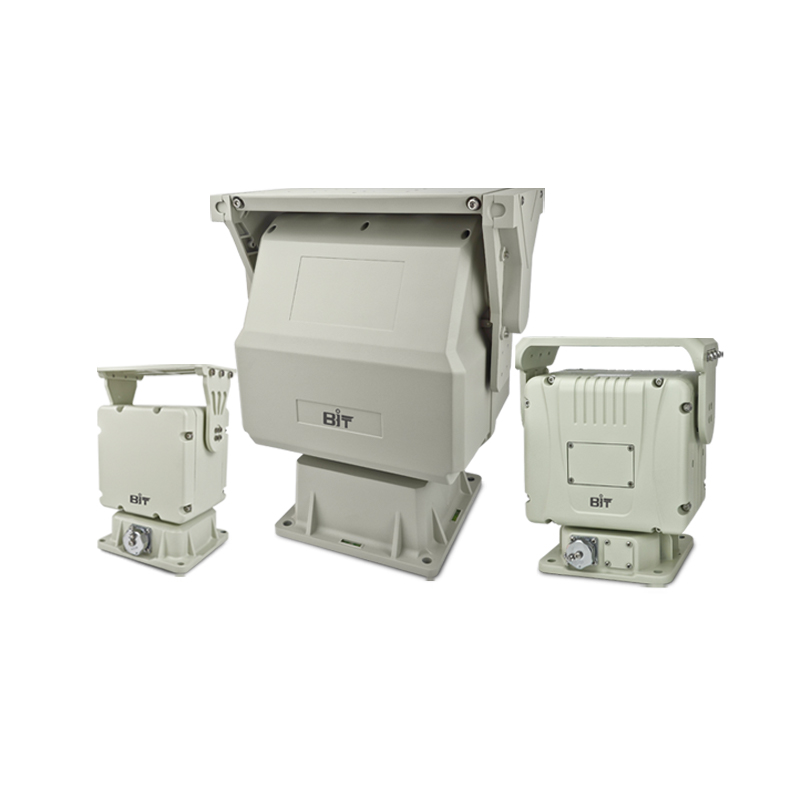
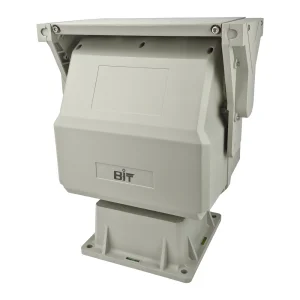
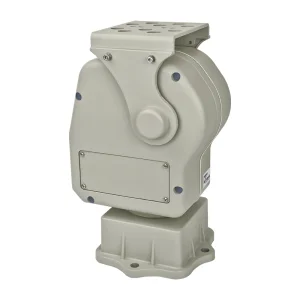
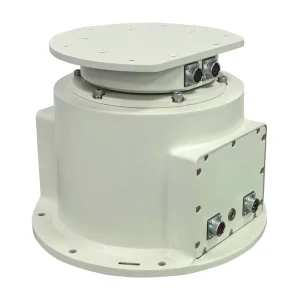
Light, medium, and heavy-duty positioners designed to support payloads from 3kg up to 150kg.
Read More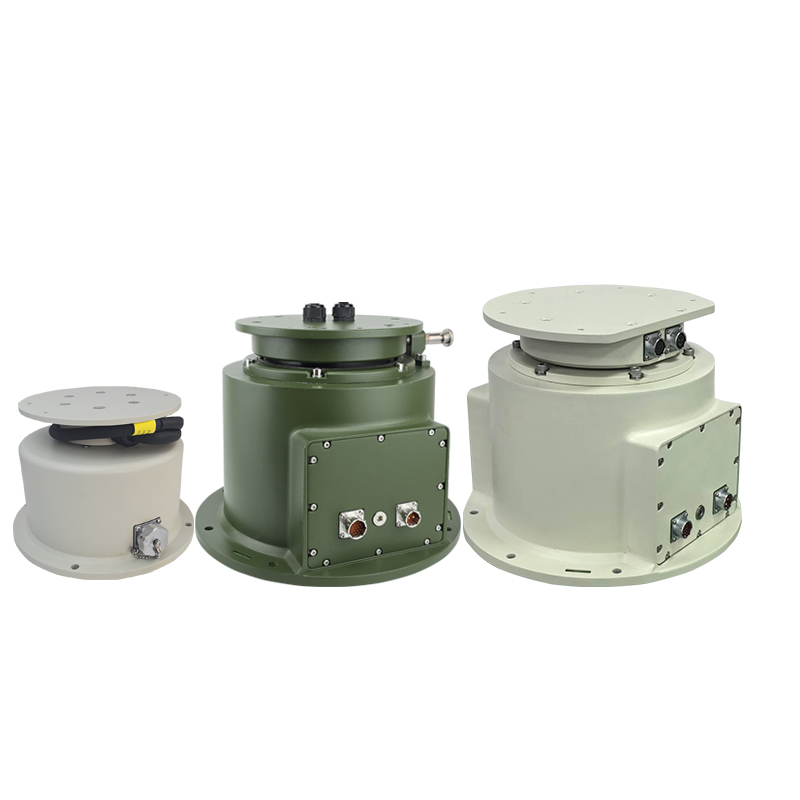
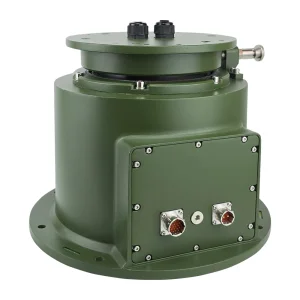
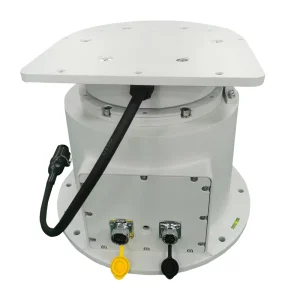
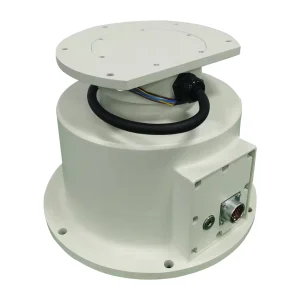
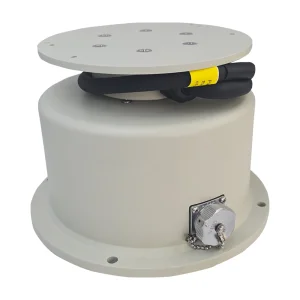
Single-axis direct drive systems for pan-only radar, radio direction finding, and optical tracking.
Read More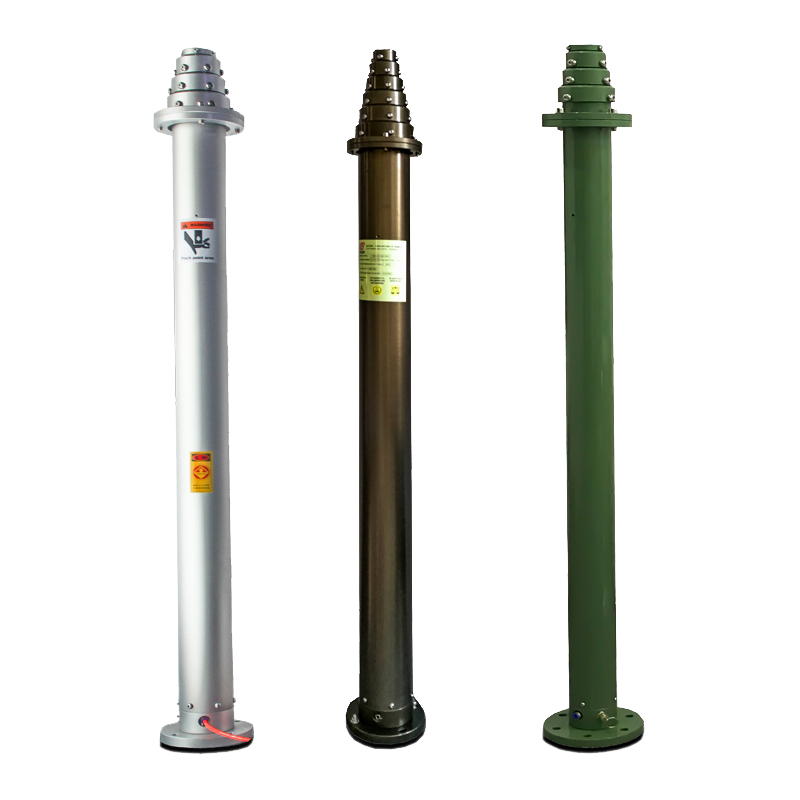
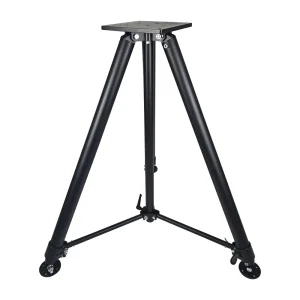
Manual, pneumatic, and motorized telescopic masts designed to position sensors at height.
Read MoreView images from our installations across five continents, highlighting performance in challenging field environments.
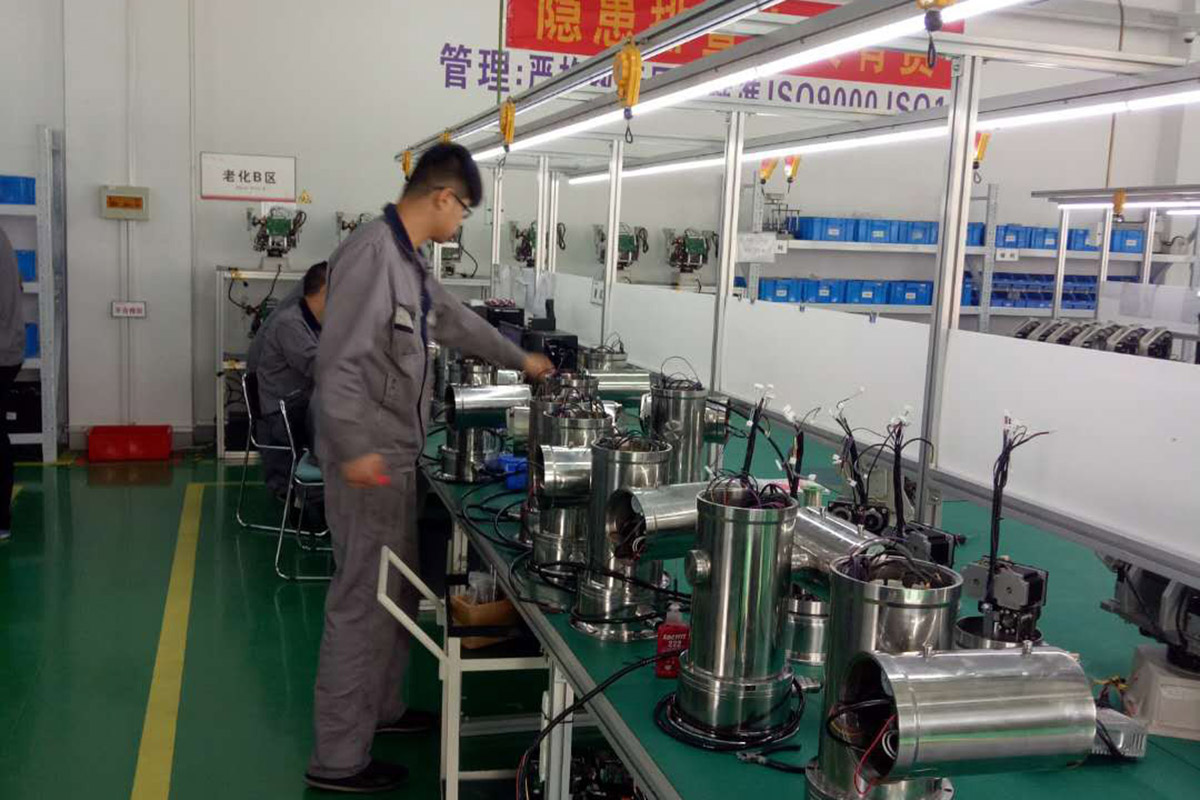
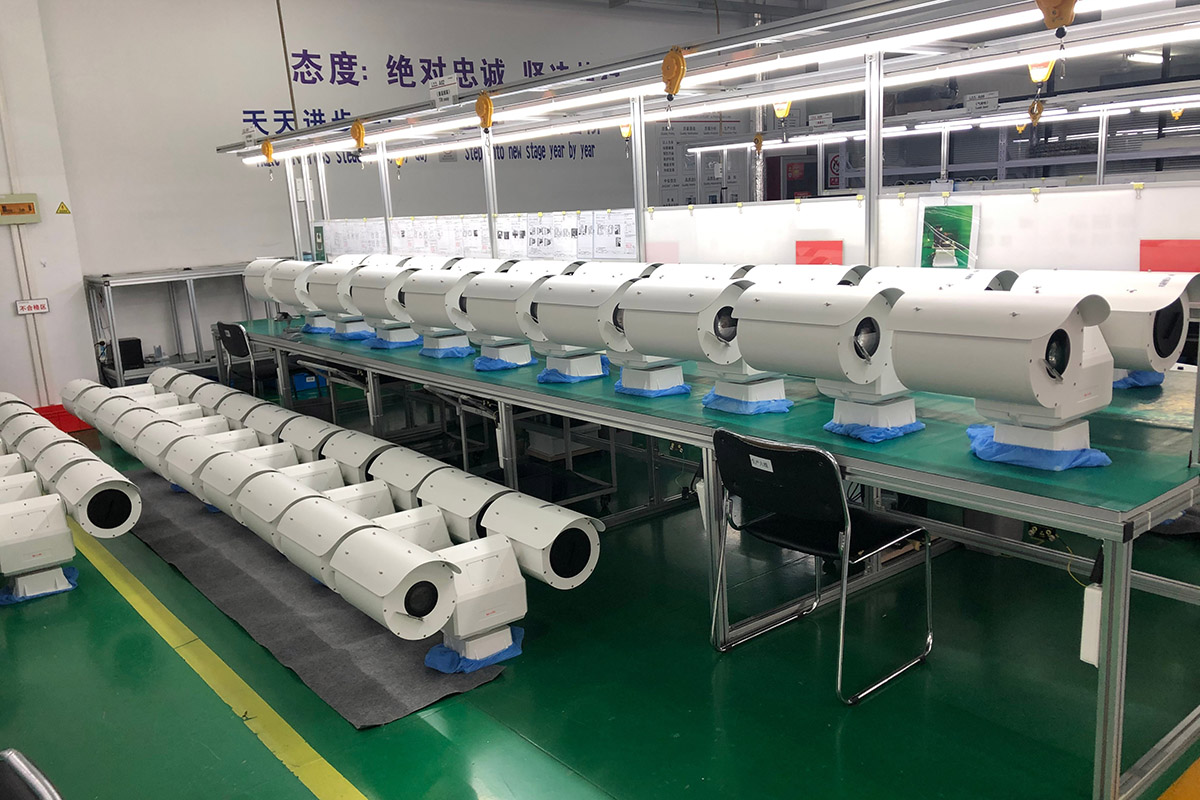
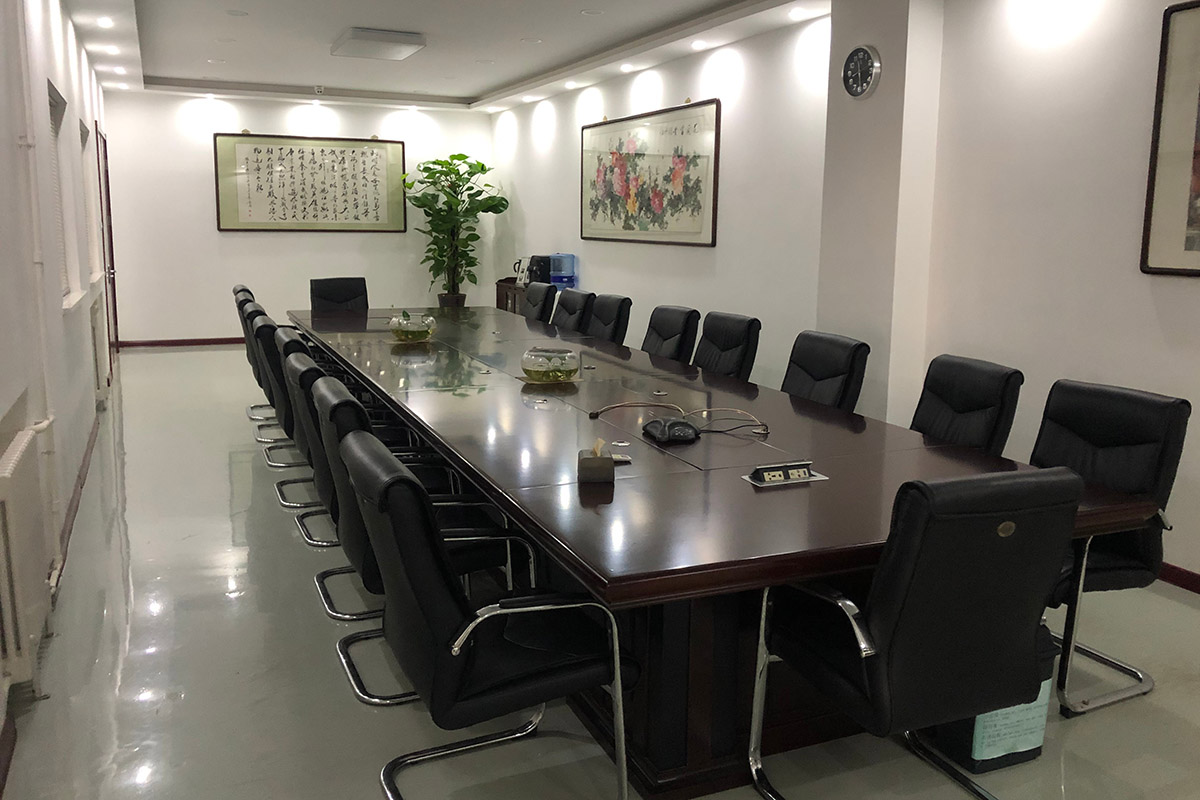
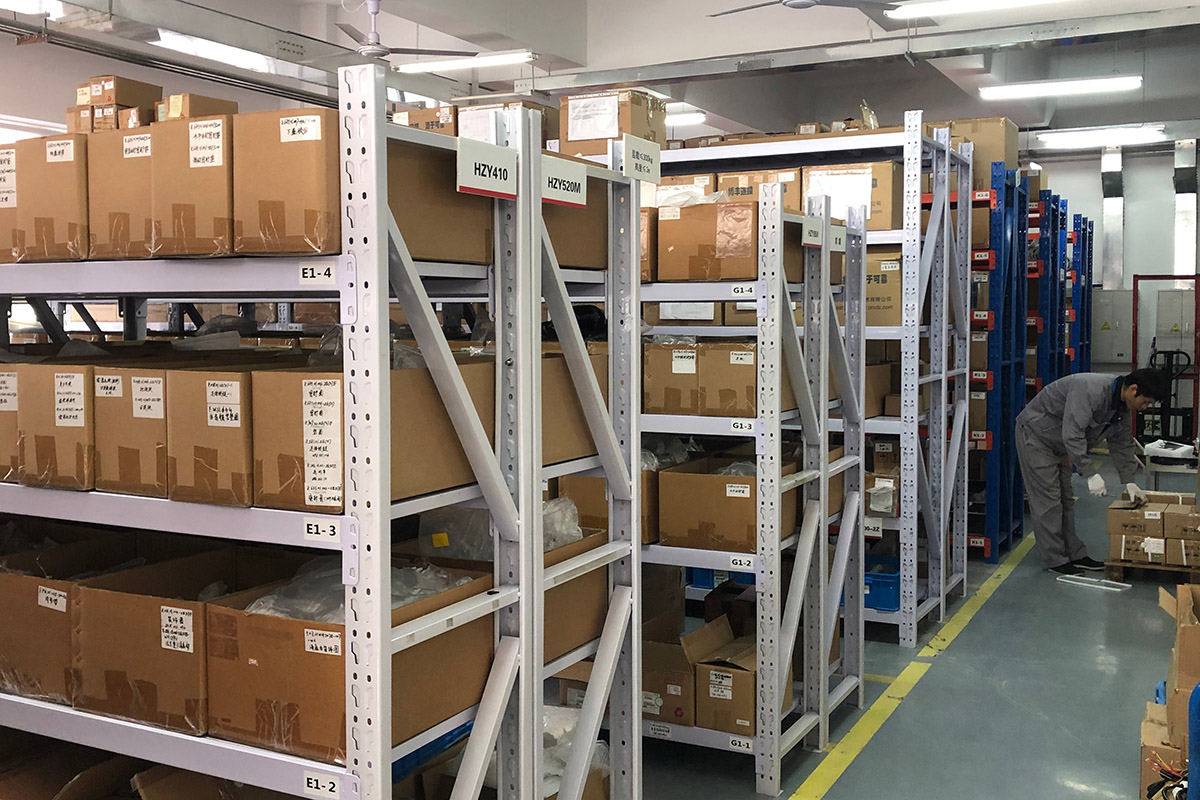
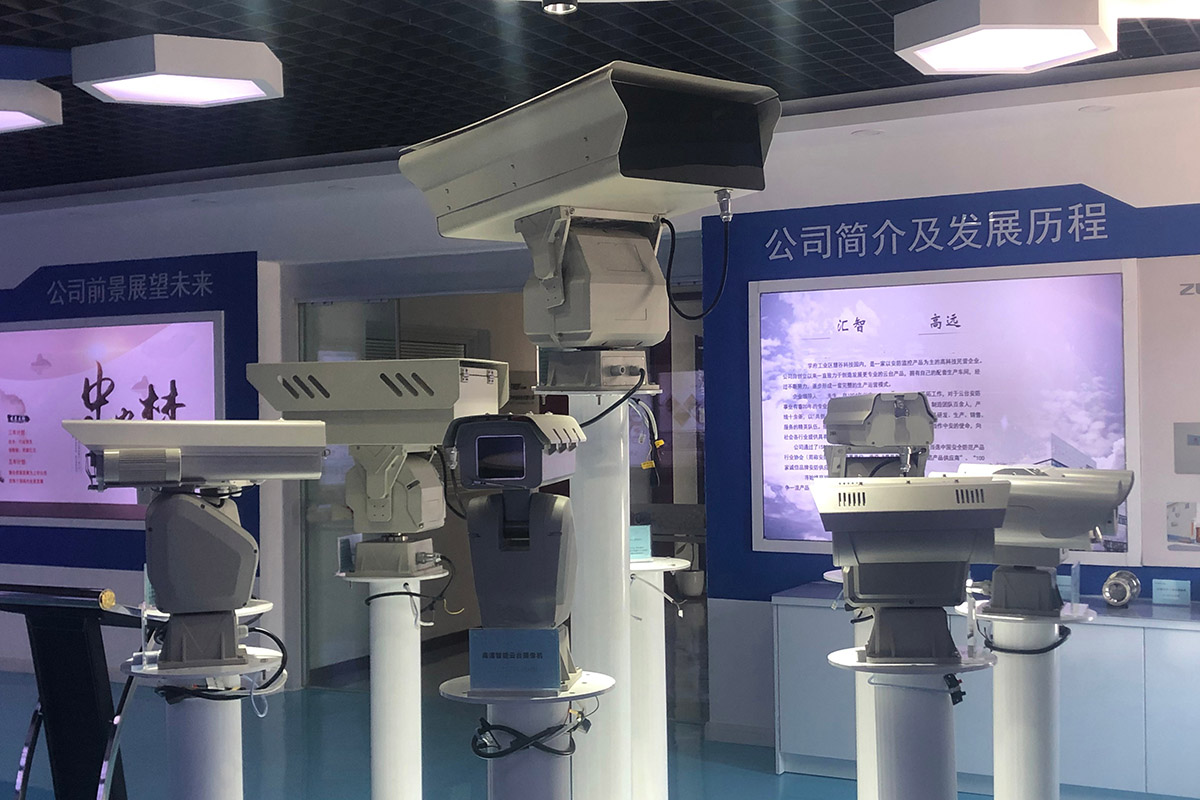
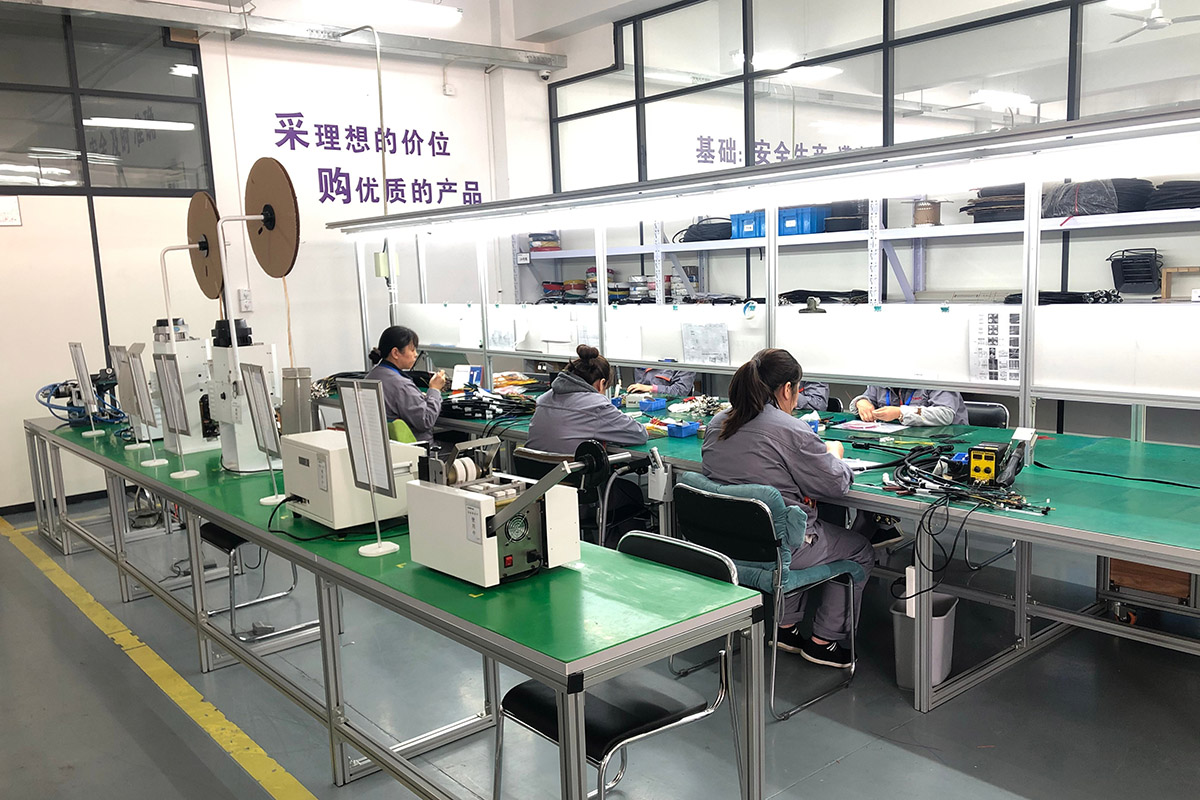
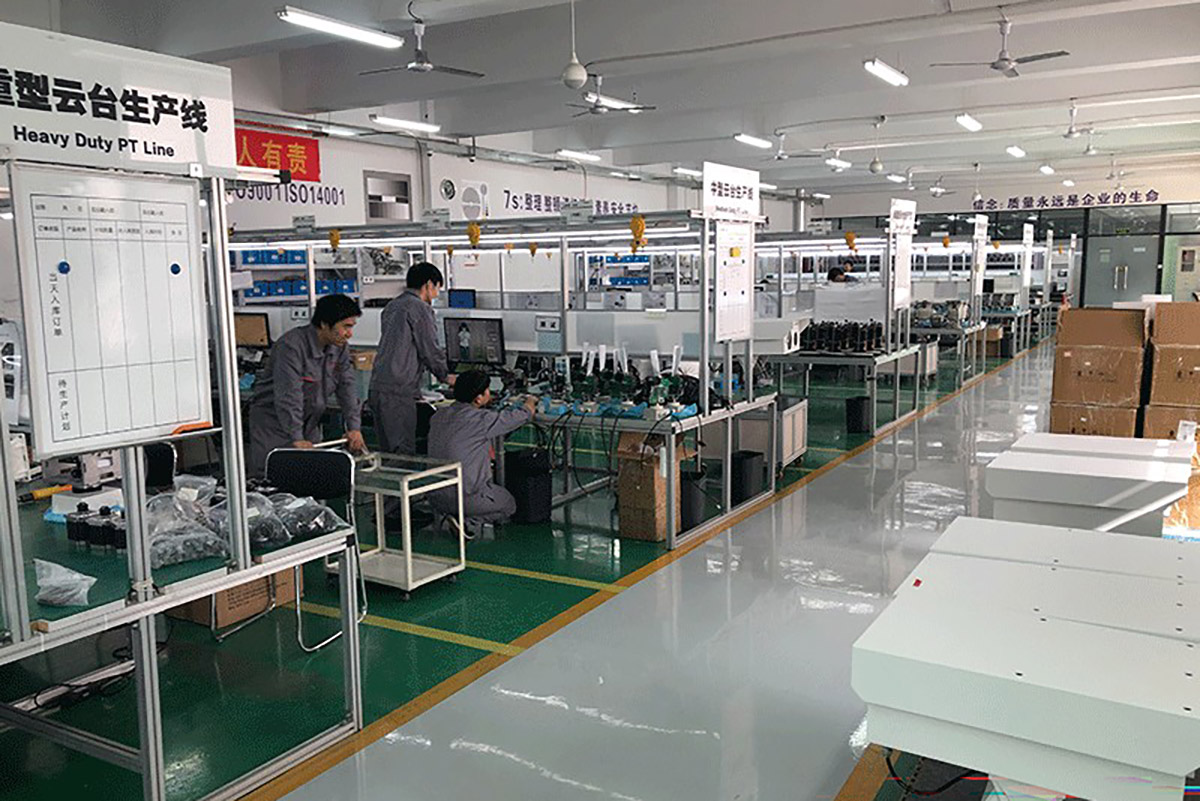
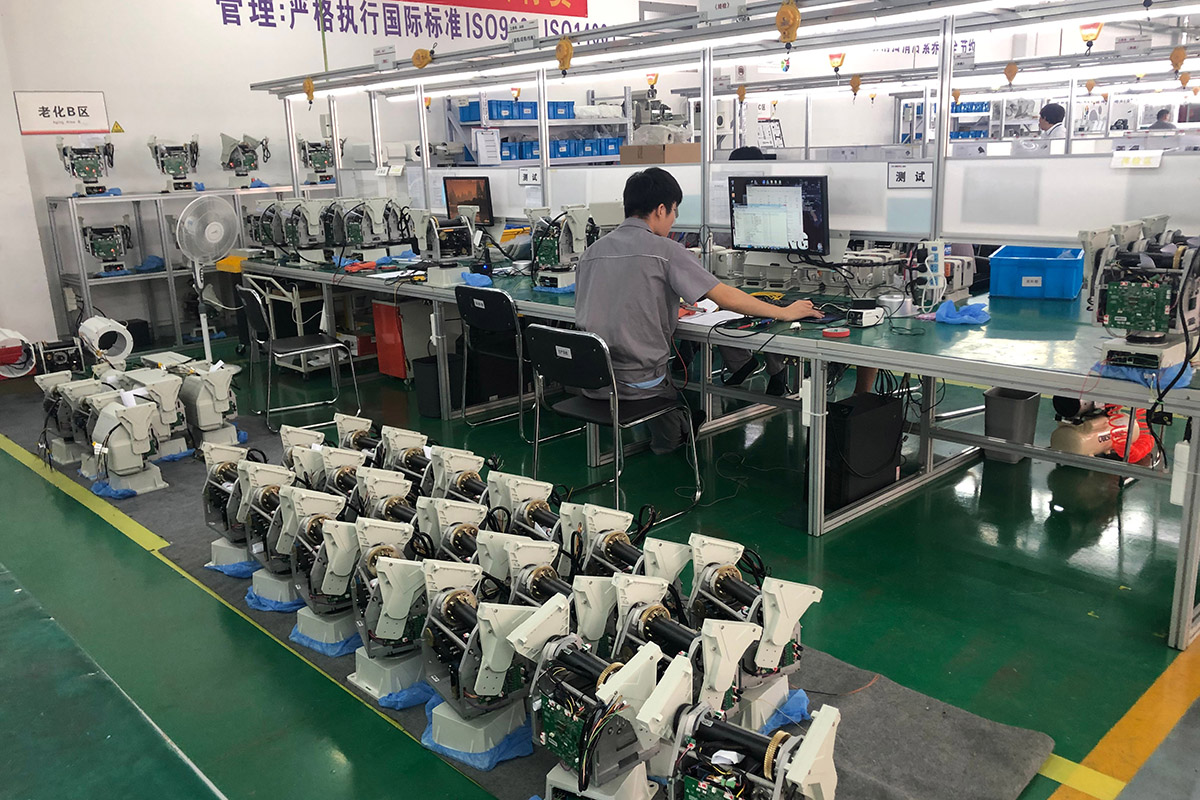
Demonstrations of our positioning systems and high-precision motor assemblies under load.
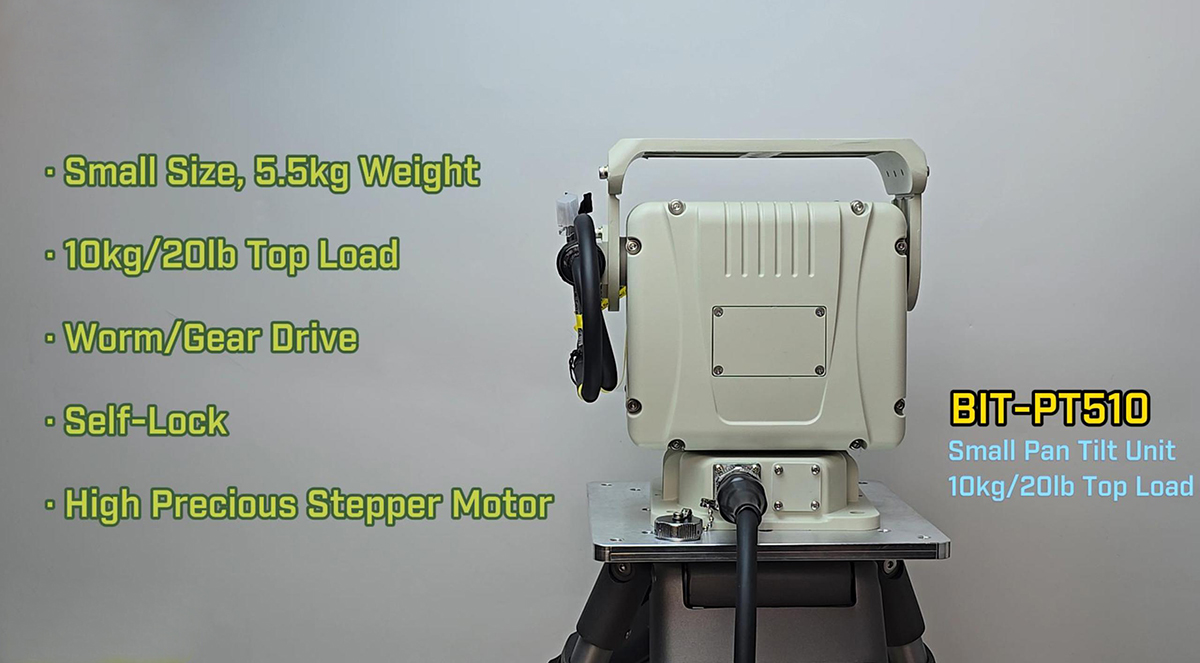
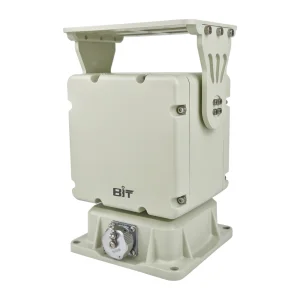
Features a stepper motor and worm/gear drive, enabling 360° pan and ±60° tilt rotation. Designed for border patrol cameras and light sensor payloads.
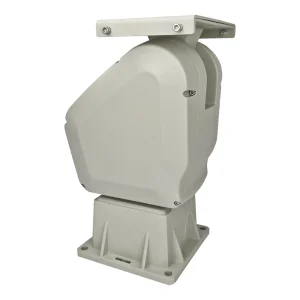
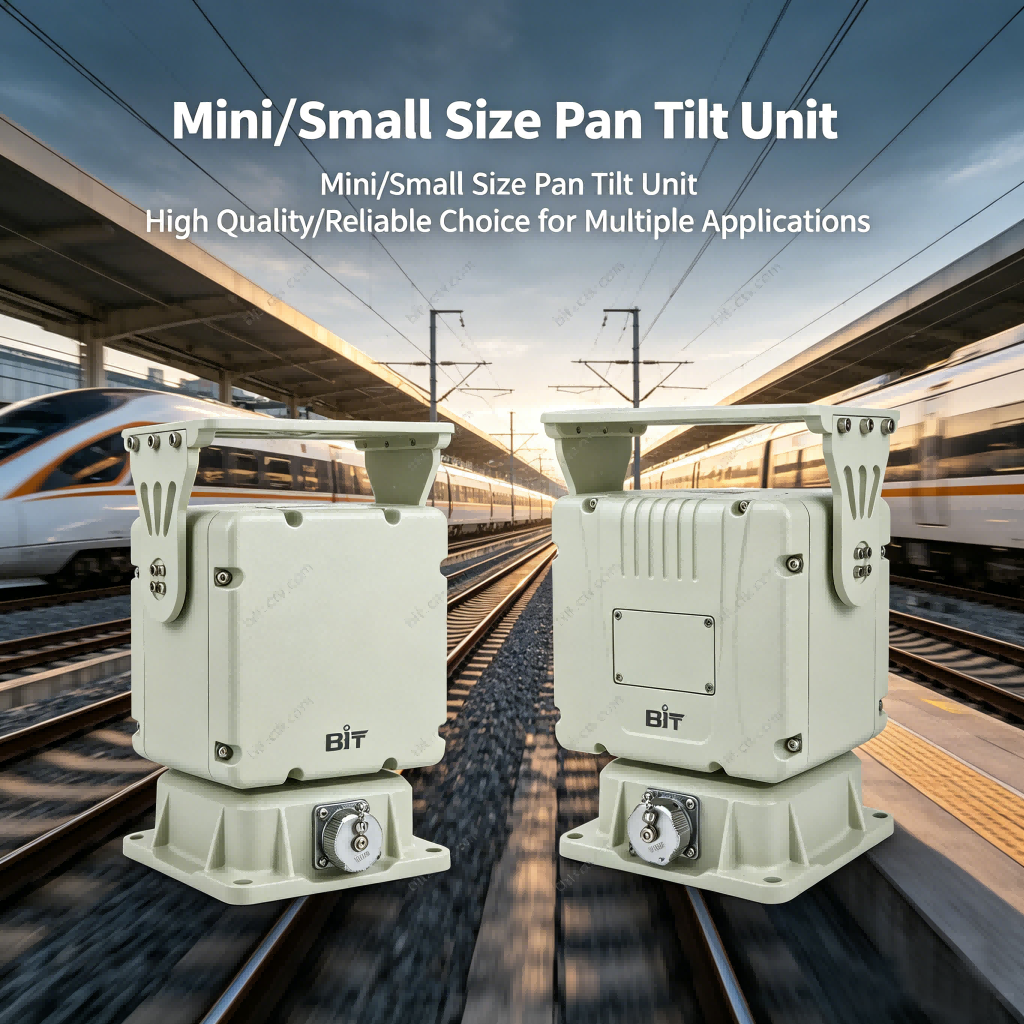
Our most compact pan-tilt unit, weighing 3.5kg. Built for mobile payloads, drone defense systems, and lightweight camera housings.
Engineered for high-speed tracking applications, with rotation speeds up to 100°/second. Features worm-gear tilt drive for payload stabilization.
A rugged unit designed for heavy surveillance equipment. Features high-torque motors and IP66 sealing for performance in harsh environments.
Our manufacturing and quality systems conform to global industrial standards.
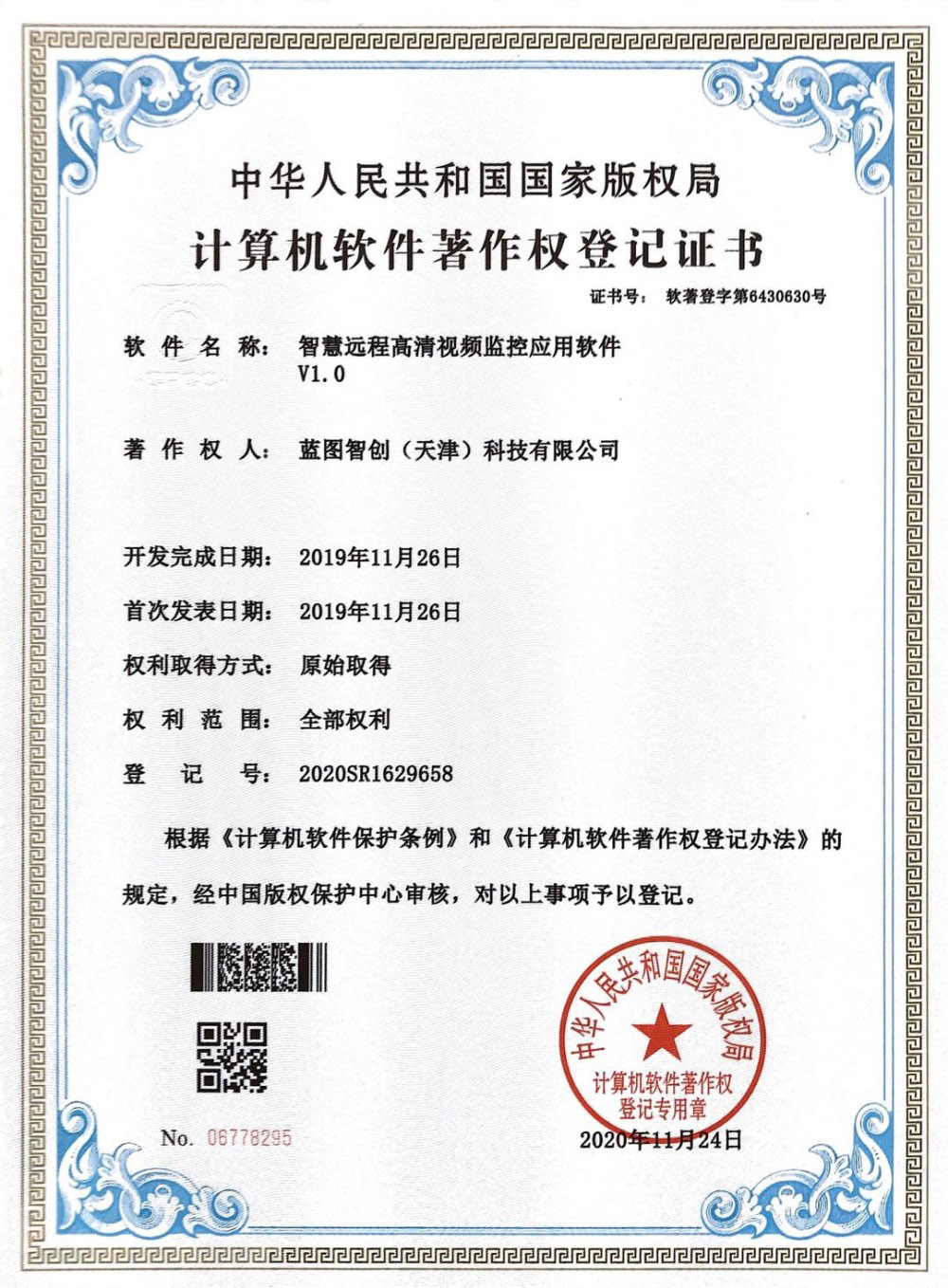
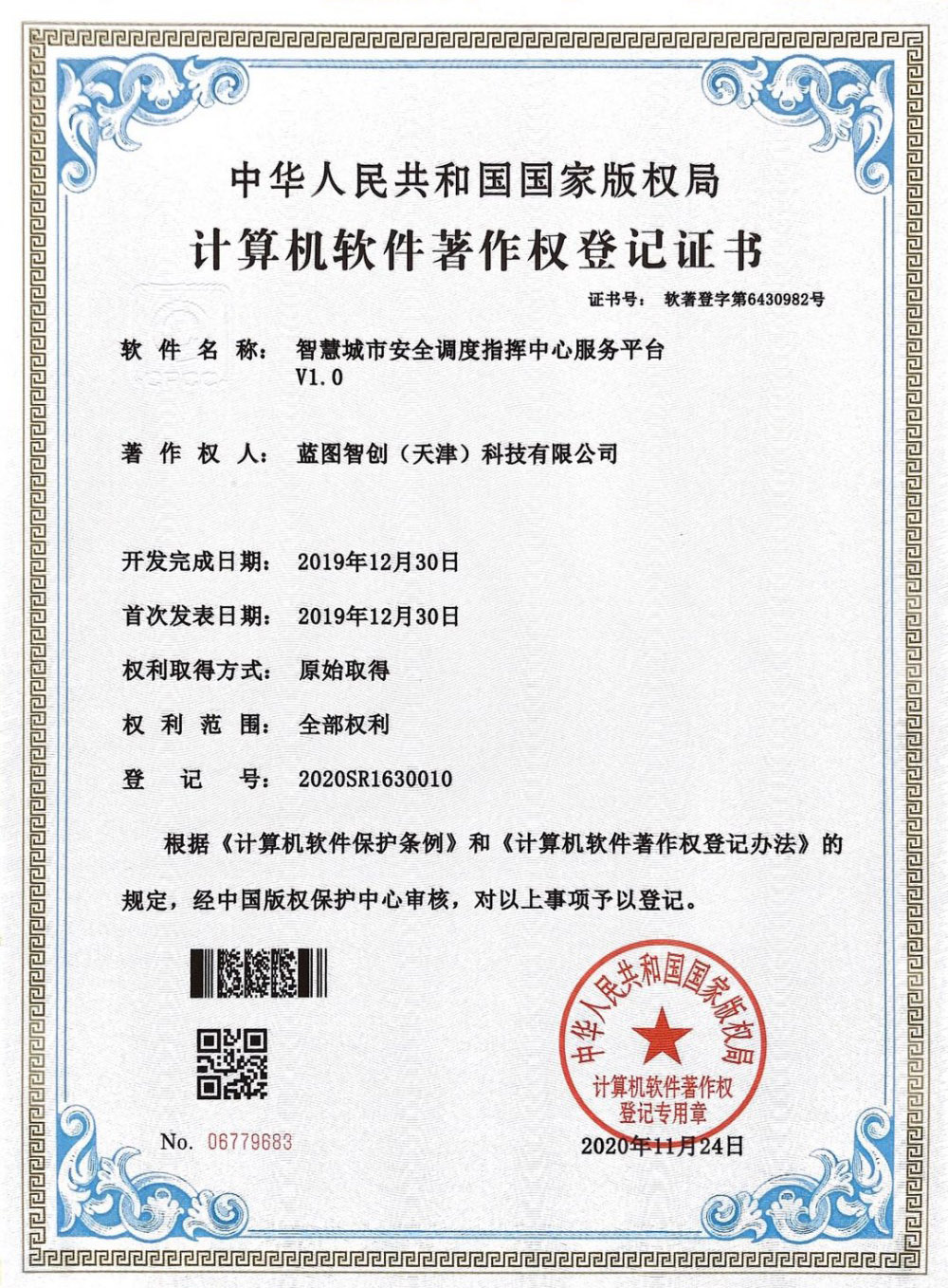
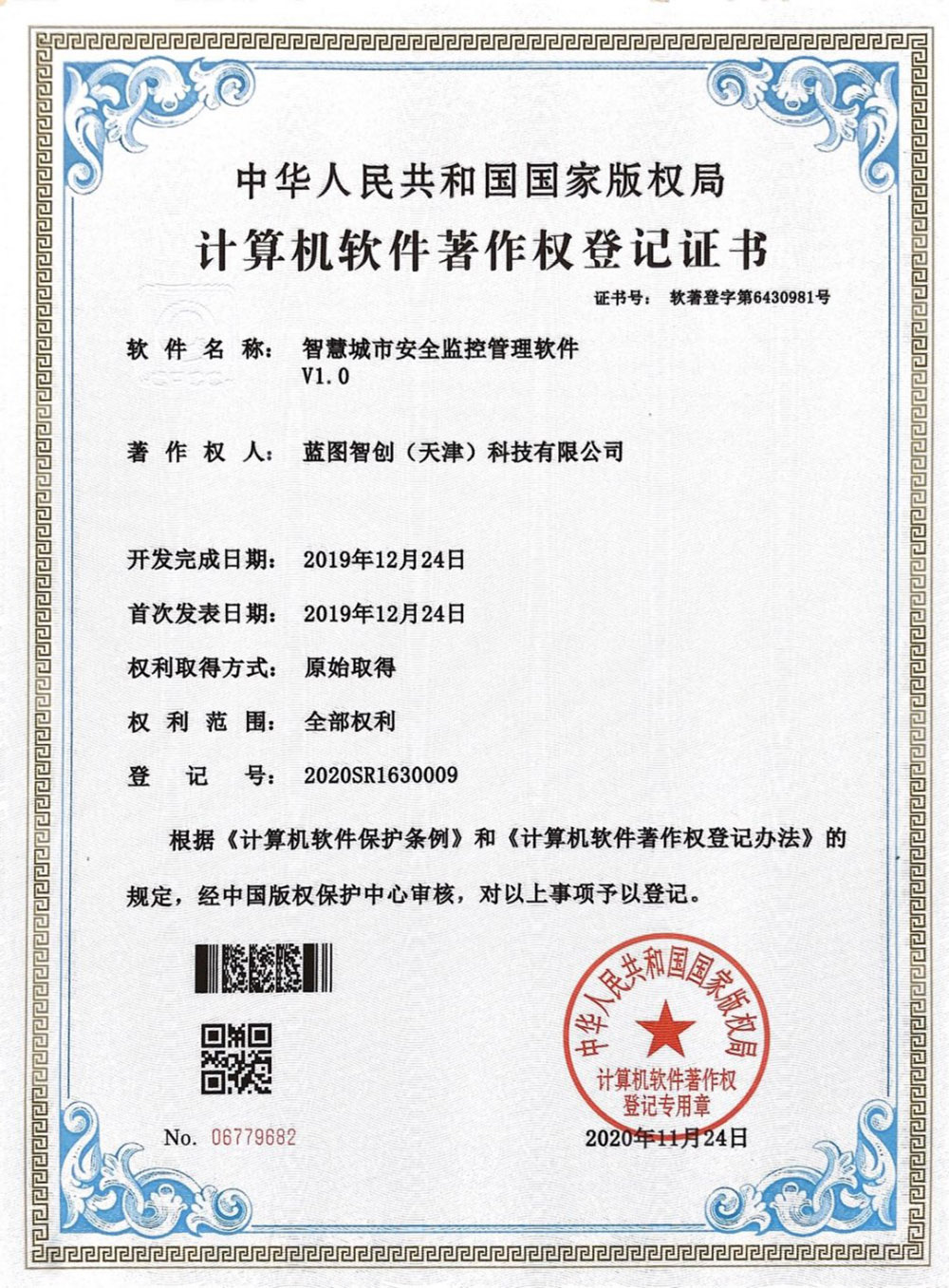
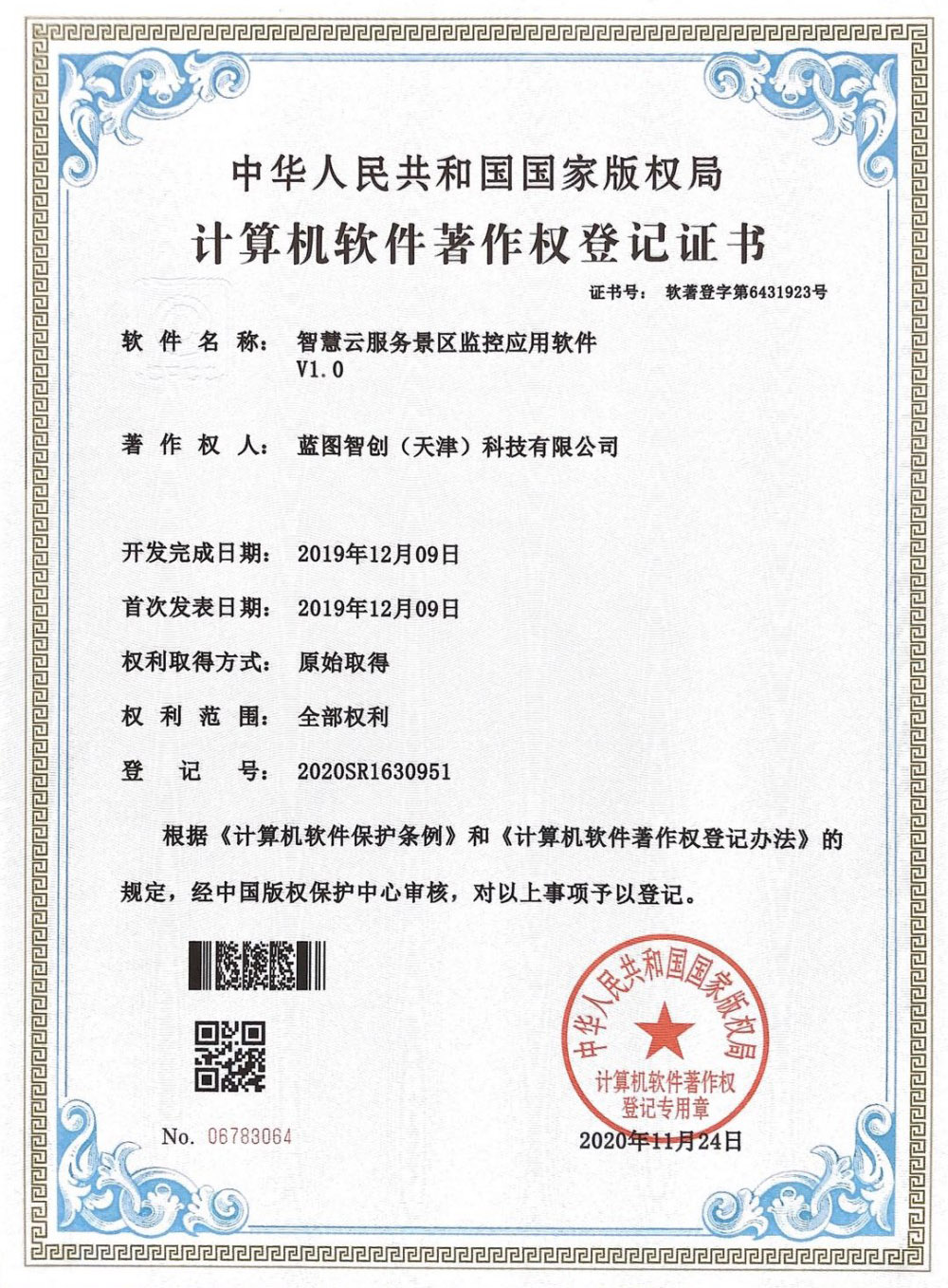
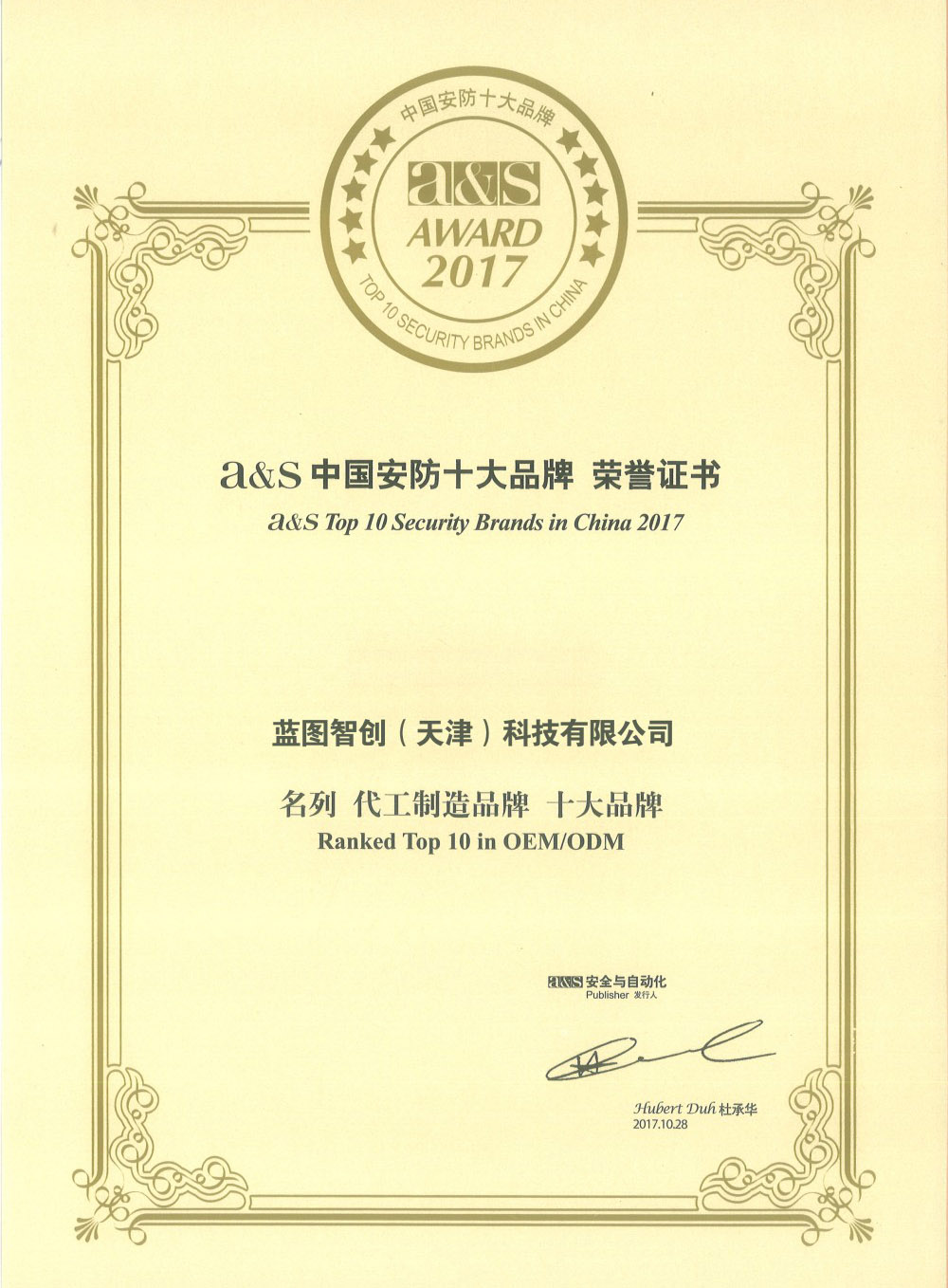
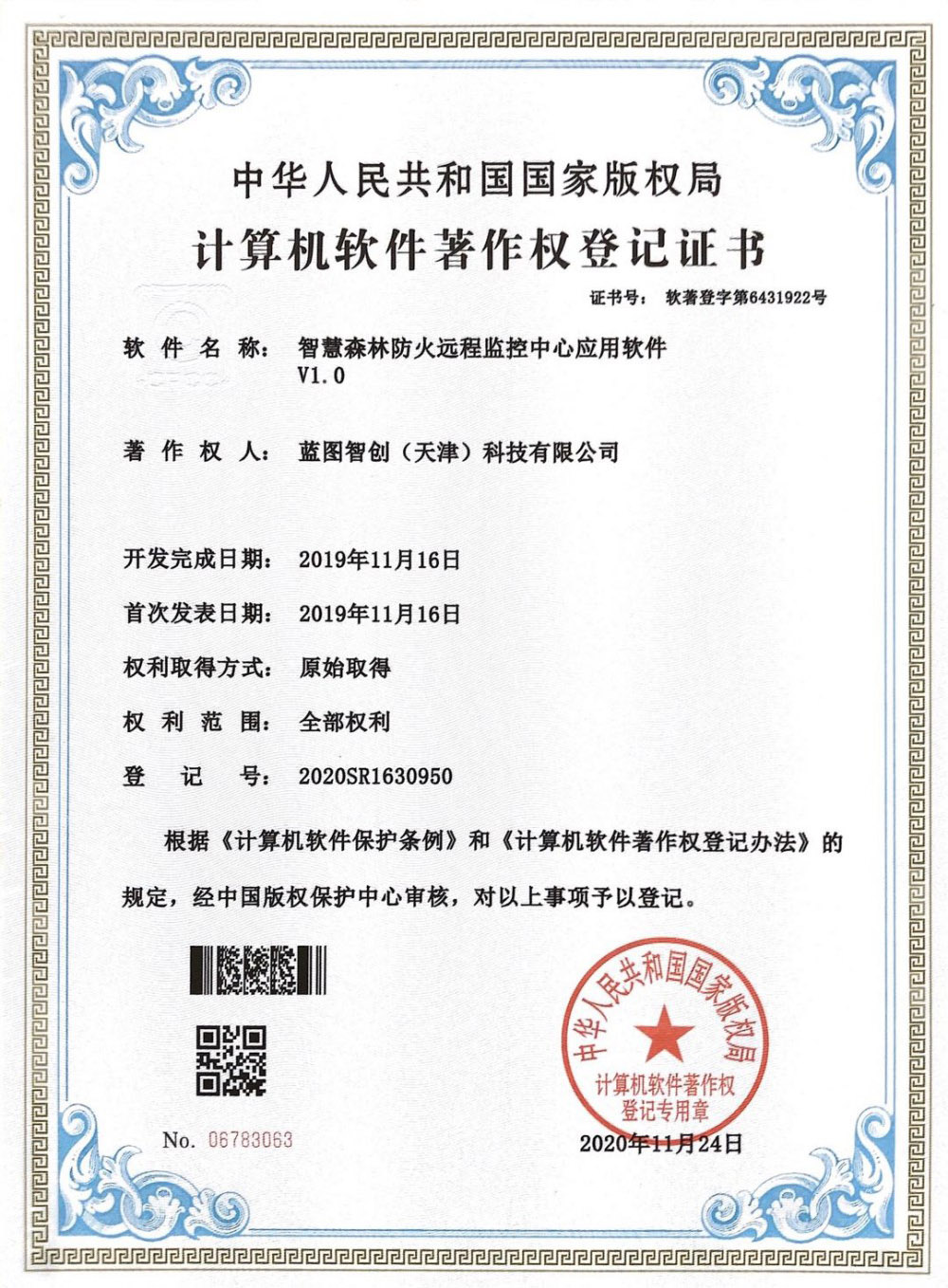
Deploying positioning solutions in partnership with integrators across over 50 countries.



A detailed look at wind load calculations, pneumatic system design, and motor selection for heavy mast systems.
Selecting the right lifting mechanism determines the deployment speed, maintenance cycle, and load limits of the mast system. Pneumatic telescoping masts operate using compressed air, which is fed into the cylinders sequentially to lift each stage. This method provides high lift speeds and is well-suited for lightweight payloads. However, they require a continuous air source or air seal valves to maintain height over long periods.
Mechanical drive masts use a internal drive screw, wire rope system, or high-tensile chain to lift the sections. Mechanical masts are self-locking and maintain their height indefinitely without depending on pressure seals, making them suitable for long-term deployments. However, their mechanical assemblies are heavier and require regular lubrication to prevent wear.
Telescoping masts are subject to wind forces, which generate bending moments that increase toward the base of the structure. Calculating the maximum wind load requires evaluating the drag coefficient (Cd) of the top payload, the projected surface area of the mast sections, and the air density. We use finite element analysis (FEA) to ensure that the stress at the base connection remains below the yield strength of the alloy.
To maintain alignment in high-wind conditions, we configure guy-wire systems at multiple levels using synthetic fibers (like Kevlar or Dyneema). These fibers provide high tensile strength and low stretch coefficients without interfering with the RF radiation patterns of the antennas.
Read about recent technological developments in positioning and mechanical engineering.
Frequently asked questions about customization, mechanical tolerances, and global deliveries.
Pricing is based on several factors: extended height, collapsed nested height, maximum payload capacity, material (6061-T6 aluminum vs. carbon fiber), mechanical operation (pneumatic, manual winch, or motorized lead screw), and custom paint/anodization specifications. Custom interfaces, cabling, and guy-wire systems also influence final pricing. Contact our sales department with your specifications for a detailed quote.
Wind speed creates a lateral force that causes the mast sections to bend. We compute the maximum sail area of the payload to ensure the bending moment stays within the yield strength limits of the mast sections. For installations in areas with wind speeds exceeding 80 km/h, we include high-tensile guy-wire kits (using Kevlar or stainless steel wire) and anchor pegs to secure the mast at multiple levels.
Yes. We offer fully integrated solutions where the telescoping mast is capped with a custom mounting flange that fits our pan-tilt heads (such as the BIT-PT850 or BIT-PT865). Control cabling for the pan-tilt head can be routed through an internal coiled cable system or supported externally using cable clips to prevent snagging during extension and retraction.
Standard mast configurations are typically manufactured within 4 to 6 weeks. For complex OEM/ODM projects that require custom engineering designs, structural validation, and specialized military coatings, lead times range from 8 to 12 weeks. This includes raw material sourcing, CNC machining, assembly, quality control testing, and packaging.
Yes. For marine environments, we use 316L stainless steel hardware and apply marine-grade anodizing (Type III Hard Anodizing) to the aluminum mast sections. This finish provides protection against saltwater corrosion and prevents galvanic corrosion between dissimilar metals.
Our quality control process includes checking dimensional tolerances on our coordinate measuring machine (CMM), testing hardness, verifying load capacities, and performing structural deflection tests. Each unit is extended and retracted under full operational load to check smooth operation and confirm that the locking collars engage correctly.
Explore our complete catalog of precision positioning heads and control accessories below.