 BIT-CCTV
BIT-CCTV
BIT-CCTV
High-precision controllers, outdoor pan-tilt positioners, protective housings, and brackets engineered to withstand hostile deployment conditions.
An in-depth analysis of high-reliability RS485 communication, multi-axis hardware designs, and critical integration protocols for heavy industrial and security infrastructure.
Within demanding automation landscapes—ranging from offshore petrochemical surveillance installations to sprawling border fence monitor networks—the choice of communication interface directly affects the system's operational viability. While Ethernet-based joysticks are prevalent in office environments, Serial RS485 remains the definitive gold standard for critical, zero-latency physical hardware links. Utilizing a differential signaling scheme across a single twisted-pair line, RS485 is uniquely immune to common-mode noise, allowing it to preserve signal integrity over transmission paths extending up to 1,200 meters (4,000 feet) without line repeaters.
Furthermore, serial communications operate deterministically. Unlike TCP/IP networks, which can experience packet dropouts and variable latency (jitter) under heavy data loads, a dedicated RS485 connection ensures that every physical manipulation of the joystick corresponds to a real-time instruction executed by the terminal unit. This instantaneous response is vital when guiding heavy pan-tilt mechanisms carrying payloads up to 90kg in high-speed tracking environments. Through custom configuration, suppliers are able to adapt bus architectures (such as half-duplex daisy chains) to control up to 255 discrete PTZ address points from a single master control station.
"By implementing differential signal transmission over twisted pair, custom RS485 joysticks maintain absolute electrical stability, even when deployed adjacent to high-power industrial motors or in environments with high electromagnetic interference."
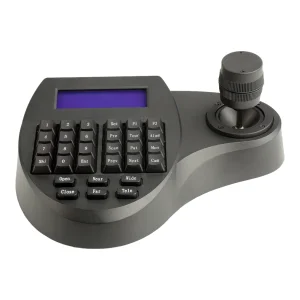
From an engineering perspective, a custom RS485 joystick is not merely a user interface, but a ruggedized control hub. Top-tier manufacturers like Blue Icon engineer these units using premium mechanical joysticks designed to withstand millions of individual deflection cycles. Choosing between resistive/potentiometric joysticks and magnetic Hall-effect joysticks is crucial:
Beyond the axis controls, customization involves modifying the keyboard’s protocol stack. While the industry standard relies on Pelco-D and Pelco-P, factories frequently program custom firmware to support special baud rates (ranging from 1200 to 115200 bps), non-standard parity configurations, and application-specific hex commands. These command sets allow users to trigger auxiliary relays on remote camera enclosures, toggle washer/wiper units, activate thermal calibration shutter cycles, or command direct zoom routines on motorized continuous-zoom optics.
Across the globe, industrial entities source custom RS485 control systems to interface with specialized hardware. Procurement dynamics differ considerably depending on the target sector:
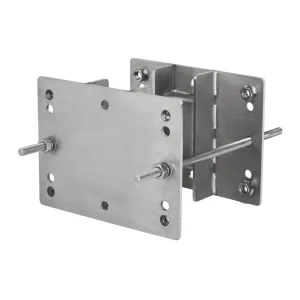
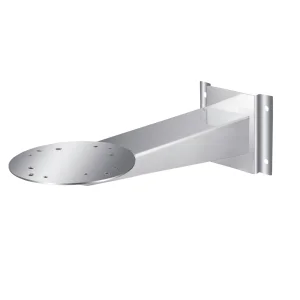
In maritime environments, equipment is subjected to continuous salt spray, high humidity, and extreme temperature variations. Procurement officers require controllers and brackets (such as the High-Quality Stainless Steel Wallmount Bracket for PT Unit) manufactured from grade 316 stainless steel to prevent galvanic corrosion. The joystick and keyboard interfaces are frequently sealed to IP65 or IP66 ingress protection ratings. This prevents water intrusion from compromising the sensitive internal logic boards, maintaining responsive control over high-altitude border monitoring systems.
Refinery sites demand absolute compliance with explosive atmosphere standards (ATEX/IECEx). Custom joysticks destined for these installations must feature intrinsically safe wiring paths or be housed inside flameproof enclosures. This prevents any low-voltage electrical spark within the controller from initiating an ignition event in volatile ambient gas environments. Here, RS485’s low power requirement makes it easier to design systems that satisfy intrinsic safety thresholds.
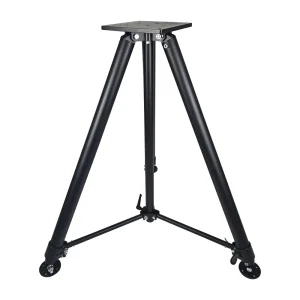
For municipal surveillance, transportation hubs, and smart city nodes, the focus transitions to system density and scalability. Standard rackmount custom RS485 keyboard controllers are utilized to command dozens of cameras. System designers coordinate control loops using heavy-duty tripods and positioning heads (such as the Custom 200kg Load Heavy Duty Tripod for PT Unit) to keep long-range optical arrays perfectly stable during high-wind events.
Explore the operational capabilities, structural engineering, and responsive movements of our worm-gear drive positioning systems.
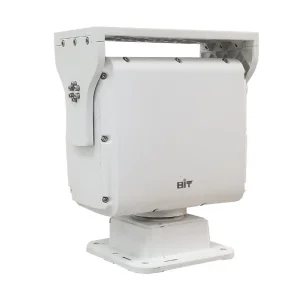
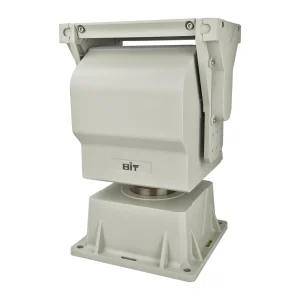
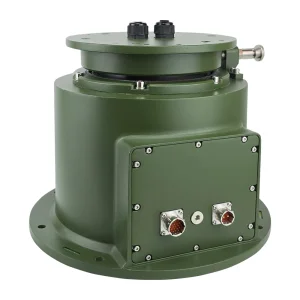
Our smallest positioning unit, weighing only 3.5kg yet capable of managing a 3.5kg/7.7lb payload. Engineered specifically for weight-sensitive or space-constrained tactical deployments where dynamic mobility is critical.
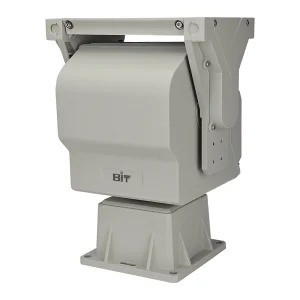
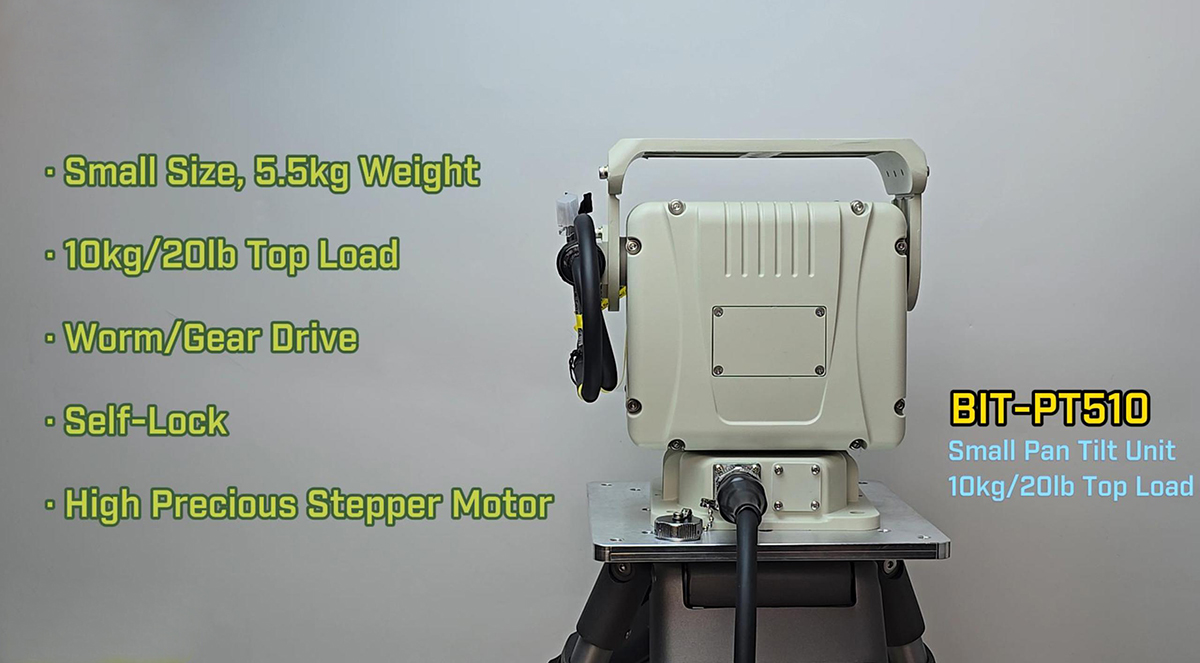
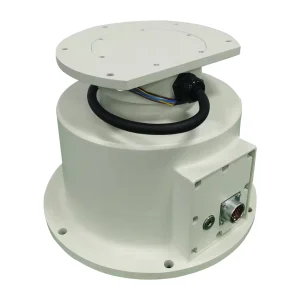
Engineered for high-speed tracking applications, the BIT-PT410 rotates at speeds up to 100°/second. It utilizes a precision worm/gear drive in the tilt axis to handle 10kg/22lb payloads across a broad tilt angle range of -90° to +40°.
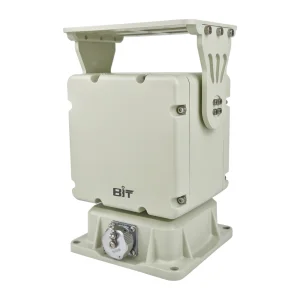
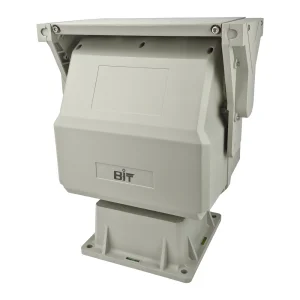
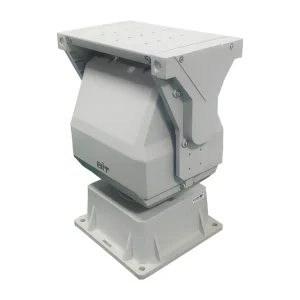
A time-tested, heavy-duty positioning solution. Over the past decade, the BIT-PT850 has earned a stellar reputation for its robust housing, low failure rate, and reliable operation in challenging climates.
When executing custom designs, factories systematically evaluate several key physical and electrical characteristics. Below is an overview of the typical differences between generic off-the-shelf and custom-engineered industrial serial controllers:
Established in 2005, Blue Icon (Tianjin) Technology Co. Ltd. is a national high-tech enterprise specializing in the design, engineering, manufacture, and sales of high-quality CCTV surveillance equipment and pan-tilt positioning systems. Over the course of 18+ years, our product catalog has expanded to encompass heavy-duty pan-tilt heads, long-range laser PTZ cameras, IR thermal imaging platforms, dual-vision PTZ systems, camera housing enclosures, and rugged mounting accessories.
Operating out of a modern 10,000 m² manufacturing plant, BIT-CCTV invests over 10% of its annual sales revenue into R&D. This dedicated focus on technical innovation has yielded over 50 national patents. Our engineering team specializes in customization, modifying payload capacities from 3kg to 150kg to meet exact project specifications. Today, our international sales and support network extends to over 50 countries across five continents, partnering with security integrators, marine developers, and defense contractors.
As telemetry networks evolve, modern infrastructure requires solutions that bridge legacy serial systems and modern Ethernet topologies. Modern network deployments frequently demand hybrid control setups: controllers must process local physical inputs via RS485 and transmit them over TCP/IP packets using Ethernet encapsulations (such as Pelco-D over UDP or ONVIF Profile S), or vice versa.
By using serial-to-IP device servers or designing custom hybrid keyboards, operators can retain the tactical, latency-free feedback of physical joysticks. Simultaneously, system administrators can manage and routing telemetry signals over standard fiber optic backbones. BIT-CCTV's R&D team remains at the forefront of this convergence, developing hybrid communication control nodes that support RS485, RS422, and RJ45 interfaces, future-proofing your control room deployments.
A tour through our ISO 9001:2015 certified production environment, R&D labs, and mechanical testing areas.
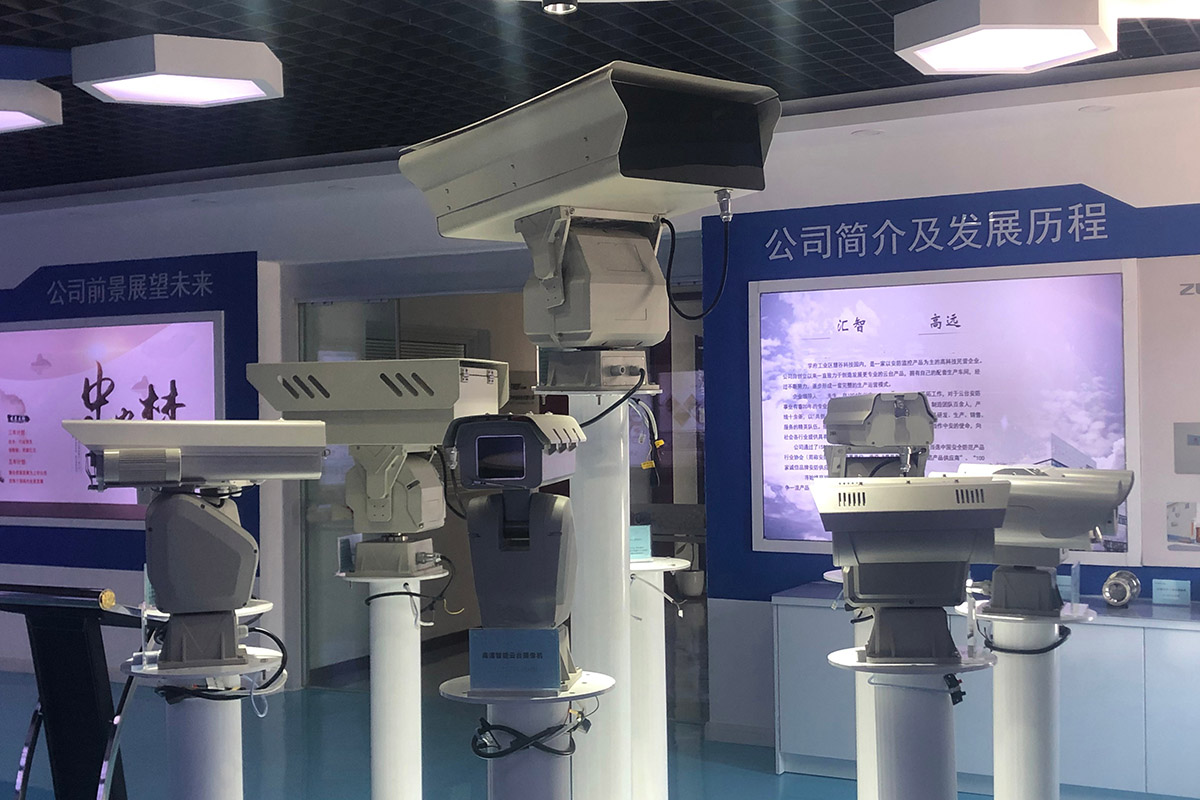
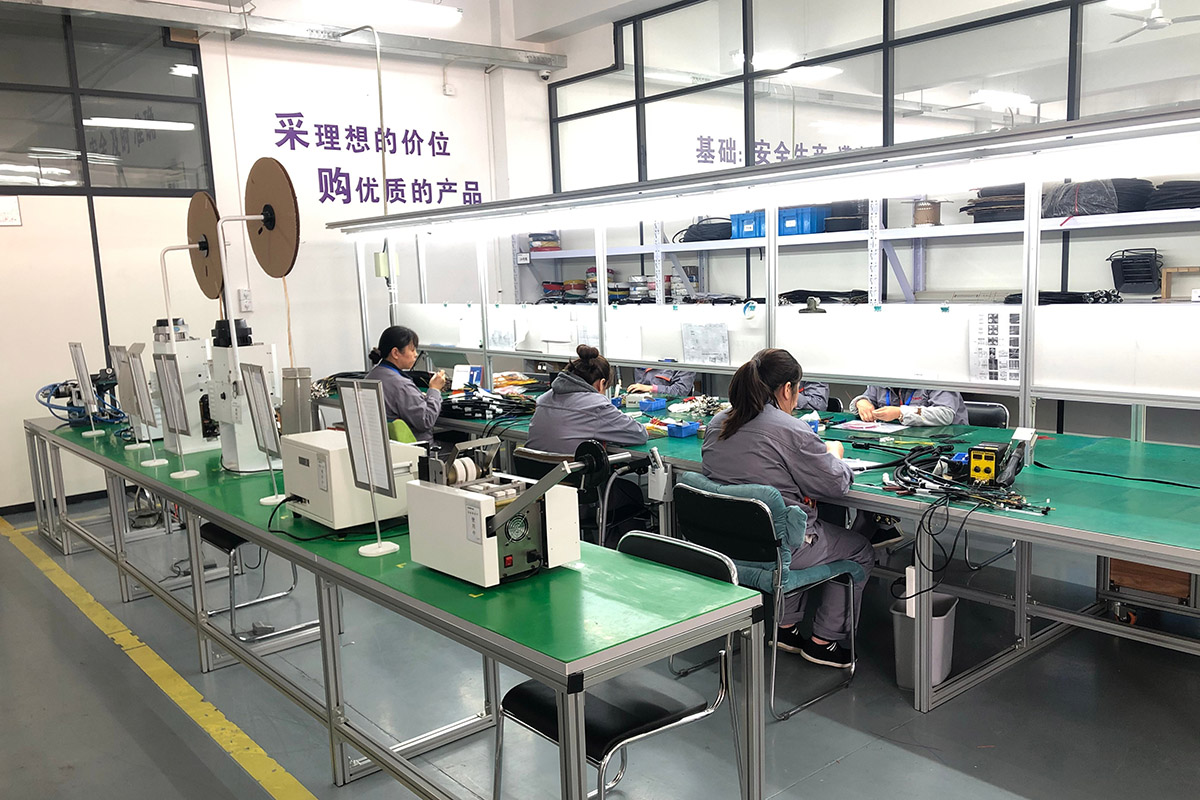
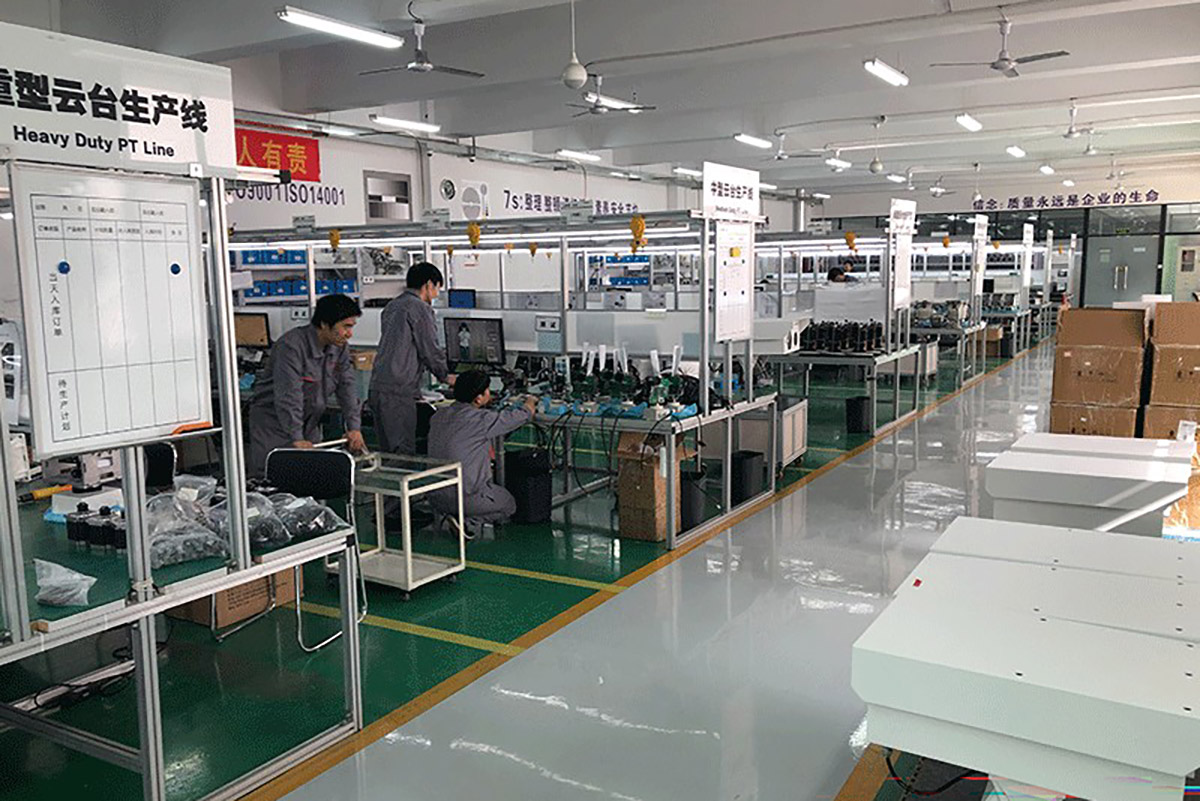
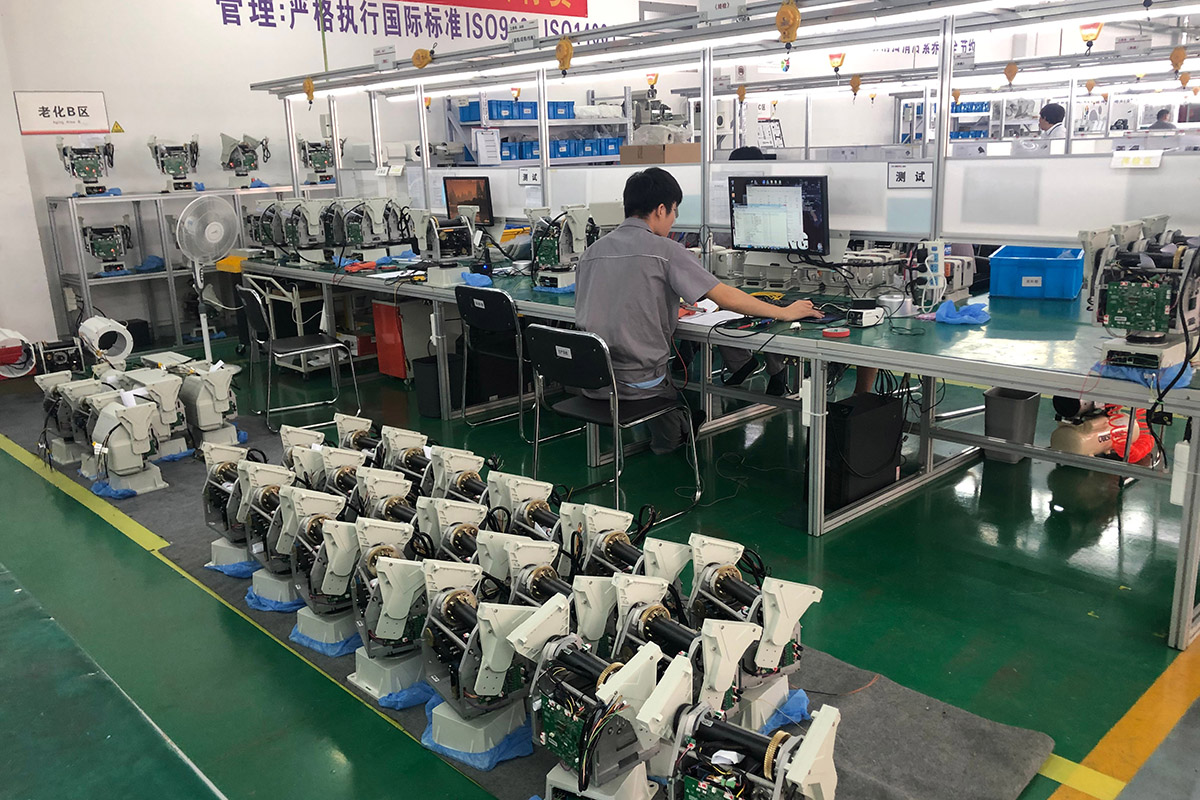
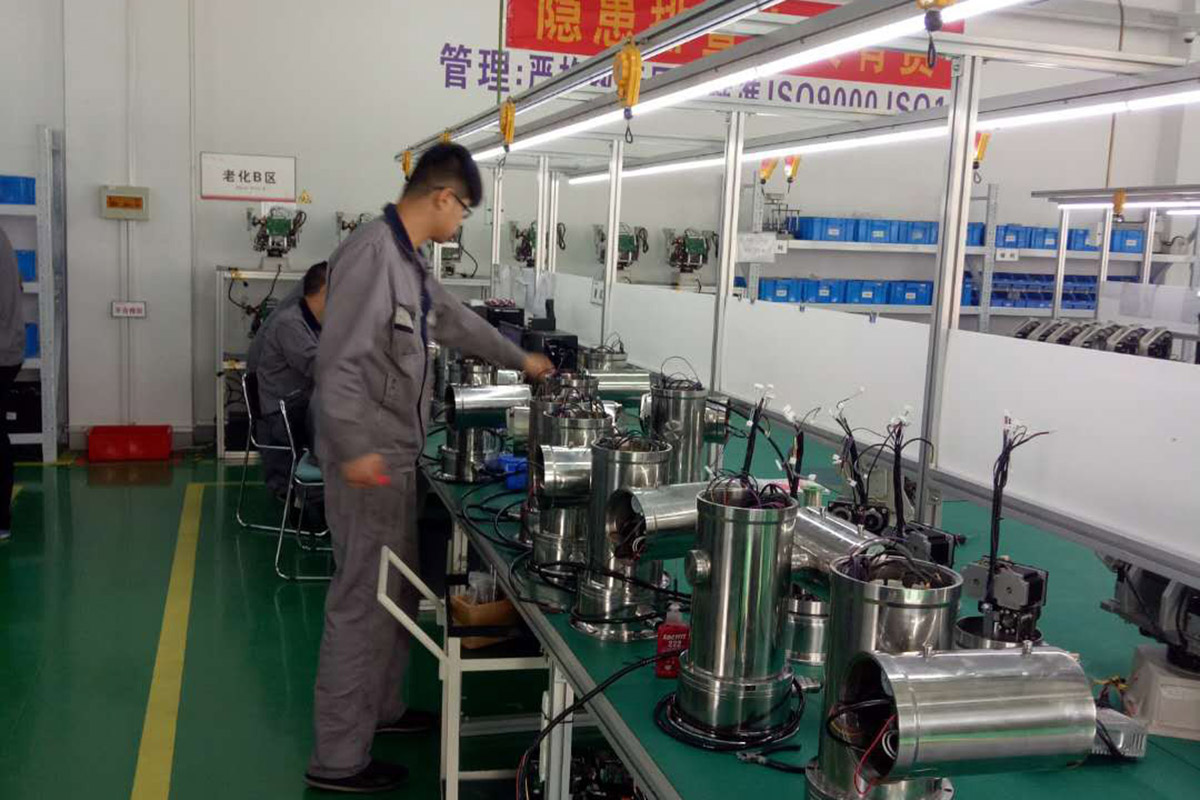
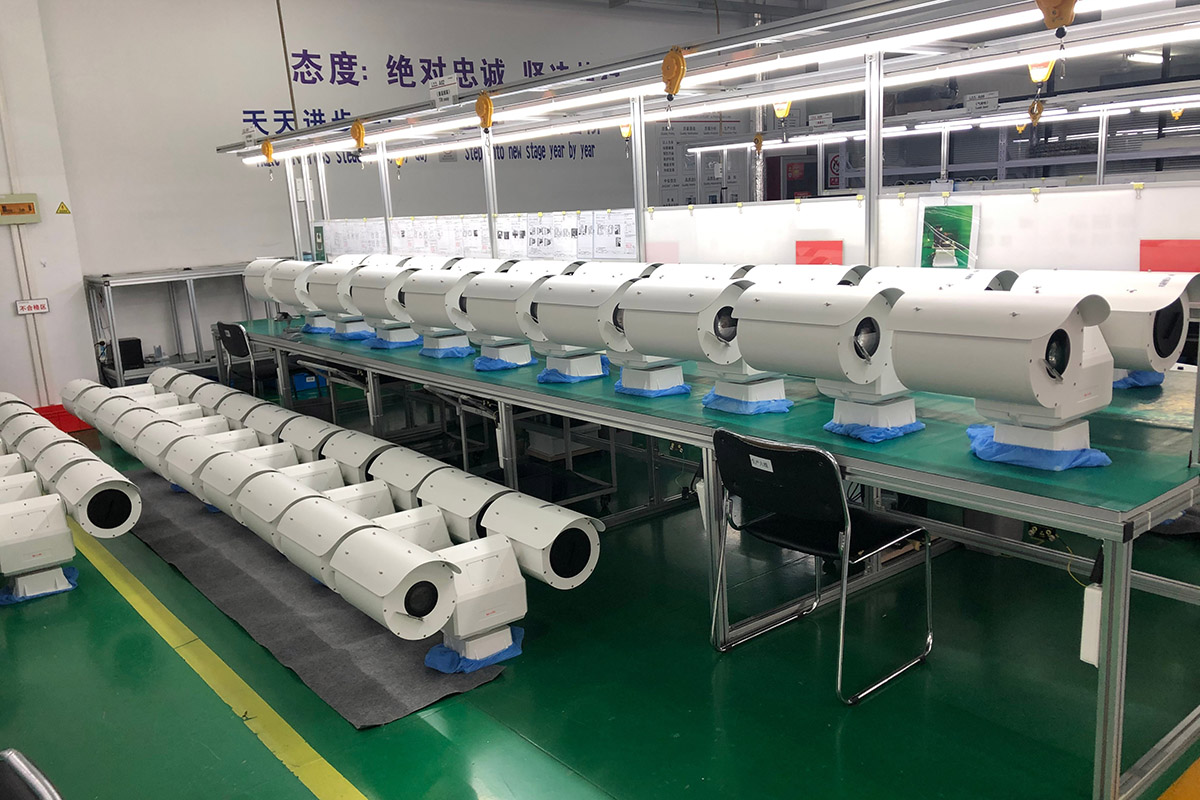
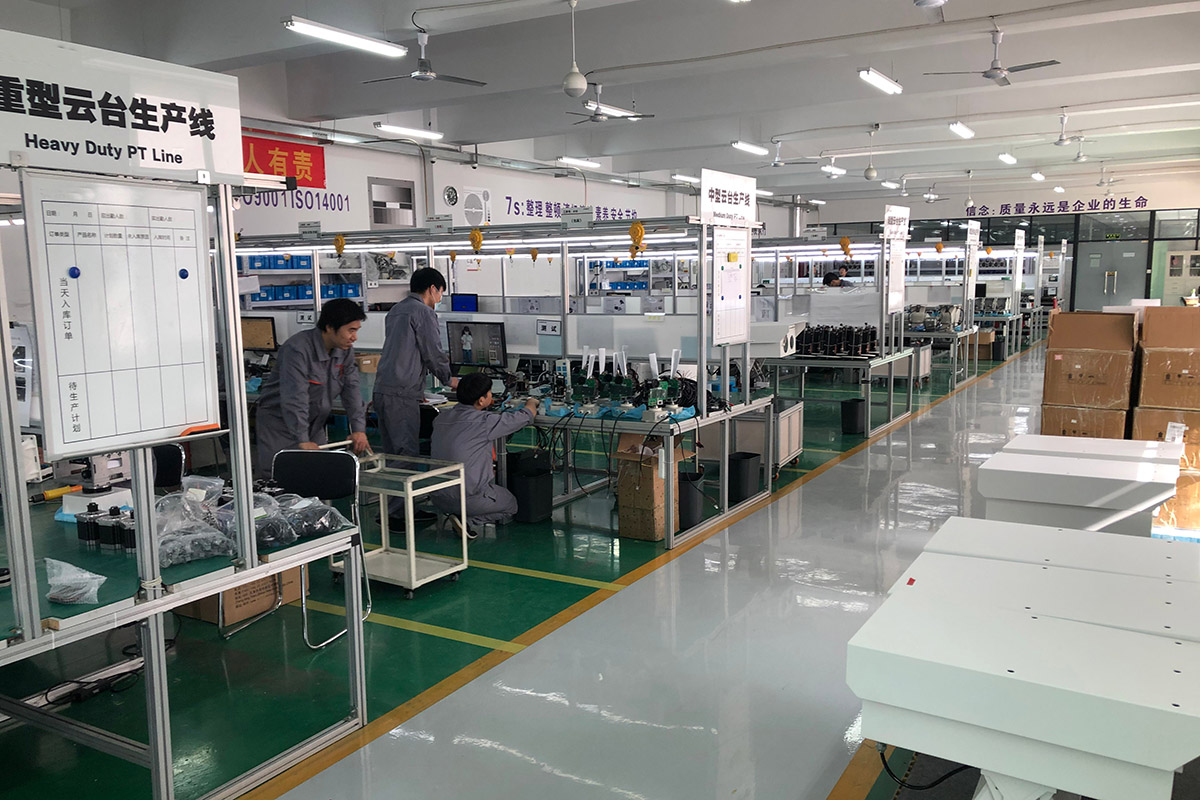
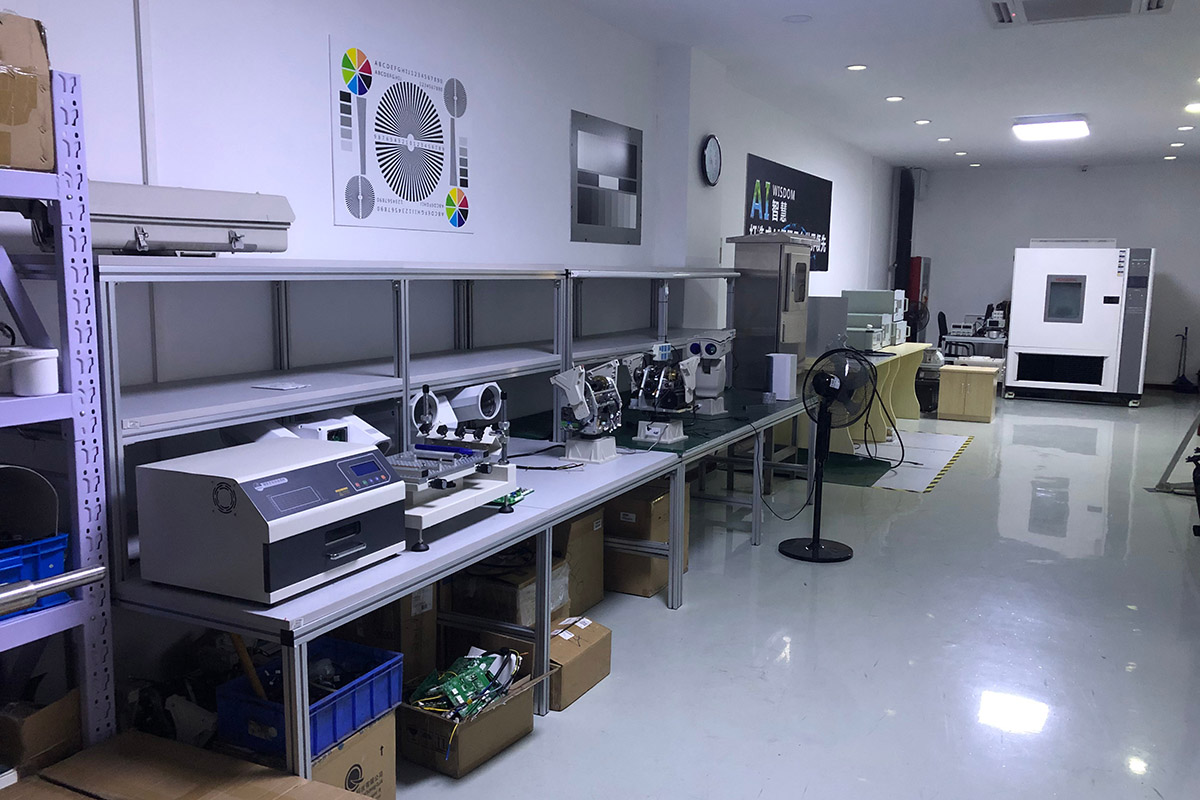
To guarantee high reliability in harsh environments, every custom RS485 keyboard, joystick, and positioning unit undergoes strict testing procedures. Our hardware complies with major international environmental and electromagnetic compatibility frameworks:





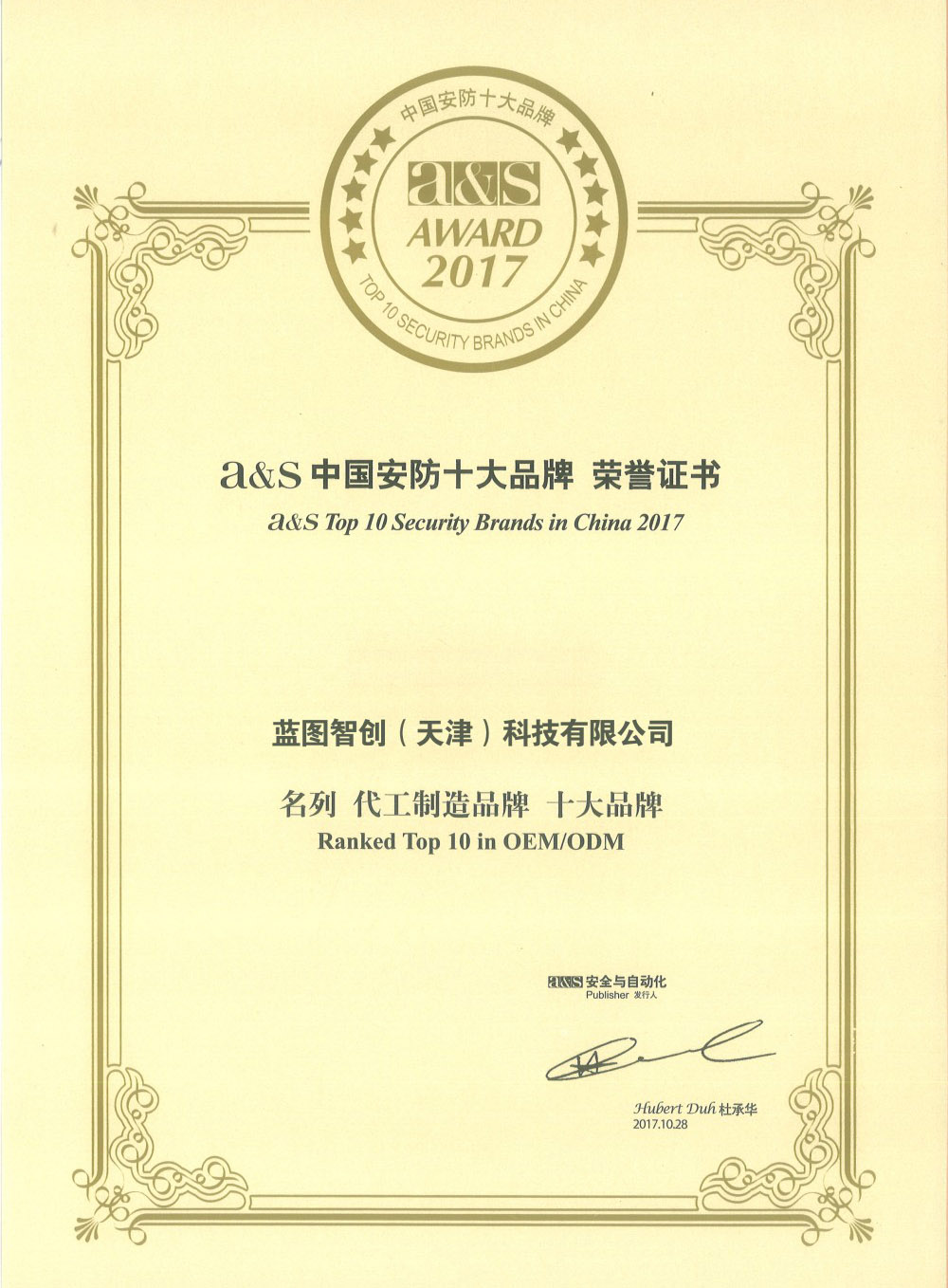
We maintain over 50 national patents, dedicating 10% of revenue to innovation.
Common questions from engineering teams, system integrators, and procurement officers regarding serial bus networks, protocol customisation, and deployment configurations.
Under standard industrial configurations using high-quality 24 AWG shielded twisted pair cabling, the maximum theoretical distance for RS485 communication is 1,200 meters (approximately 4,000 feet) at a standard baud rate of 9600 bps. If your setup requires longer distances, we can integrate RS485 repeaters or transition the control telemetry onto serial-over-fiber converters to bridge several kilometers without data loss.
Our custom joystick controllers feature a calibration utility accessed directly via the keyboard’s integrated LCD interface or through a dedicated serial terminal utility. Technical teams can define the physical dead-zone—preventing drift caused by high-vibration environments—and configure proportional sensitivity curves to tailor the control dynamics of pan-tilt units.
Yes. Our custom firmware allows you to define communication parameters (address, protocol, and baud rate) individually for each device on the bus. This allows the controller to command a Pelco-D PTZ unit at address 001 and a Pelco-P unit at address 002 on the same physical line.
Our custom hardware integrates optical isolation on the serial ports, completely separating the joystick control logic from the transmission line. We also include Transient Voltage Suppressor (TVS) diodes and Gas Discharge Tubes (GDT) on the I/O terminals. These components shunt high-voltage transients—such as those from nearby lightning strikes—safely to ground, protecting your control room equipment.
We offer comprehensive control panel customization. We can design custom silicone keypads, laser-engrave specific function names onto aluminum panels, and program custom macro buttons to execute multiple serial commands (such as recalling a preset and triggering an auxiliary relay) with a single keystroke.
Providing high-precision surveillance and control hardware across five continents.




Read technical design tips, industry trends, and product development guides from our engineering team.
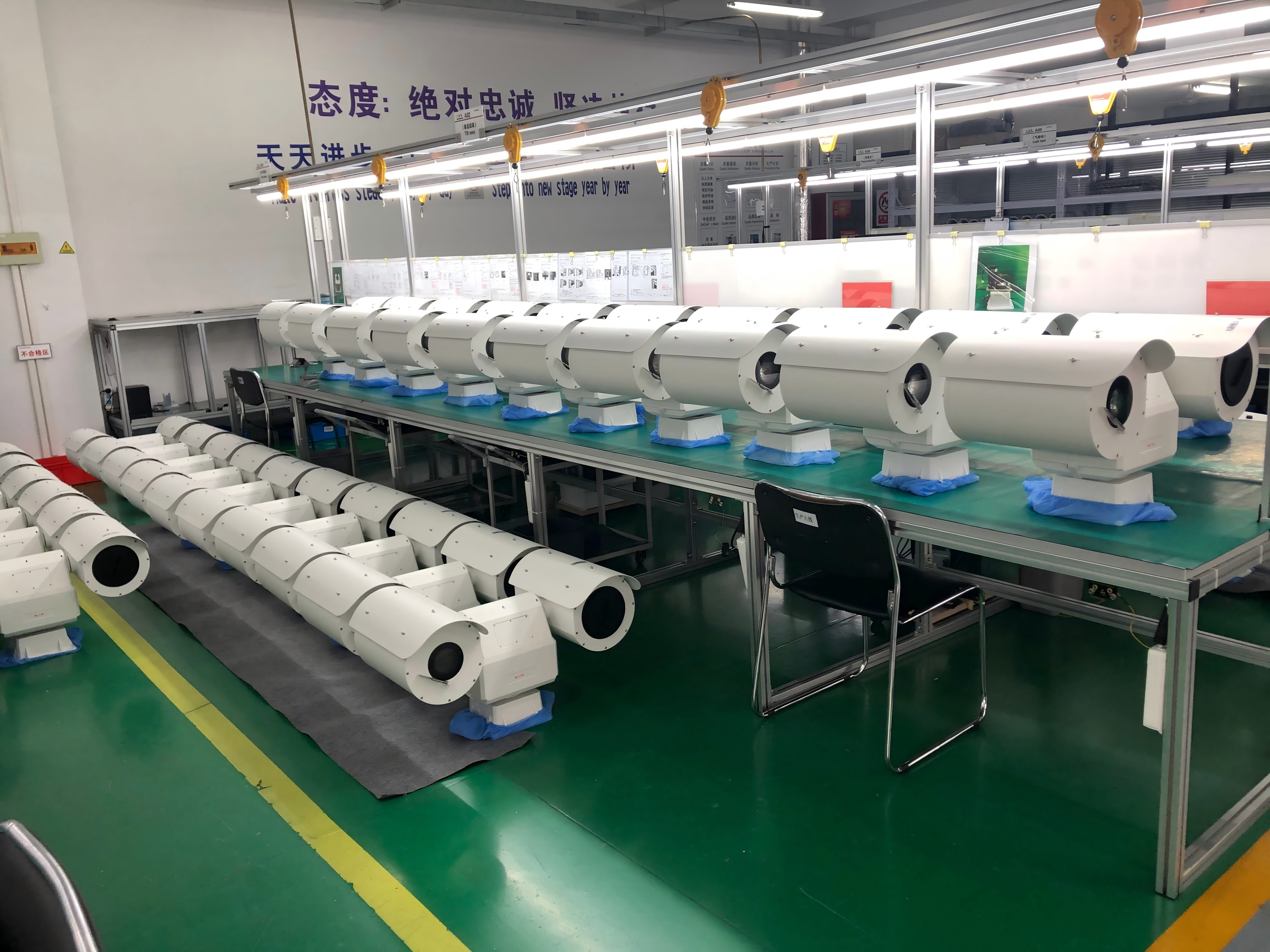
As customized requirements grow, select a supplier with robust R&D investment, reliable material choices, and proven field experience.
Read Article →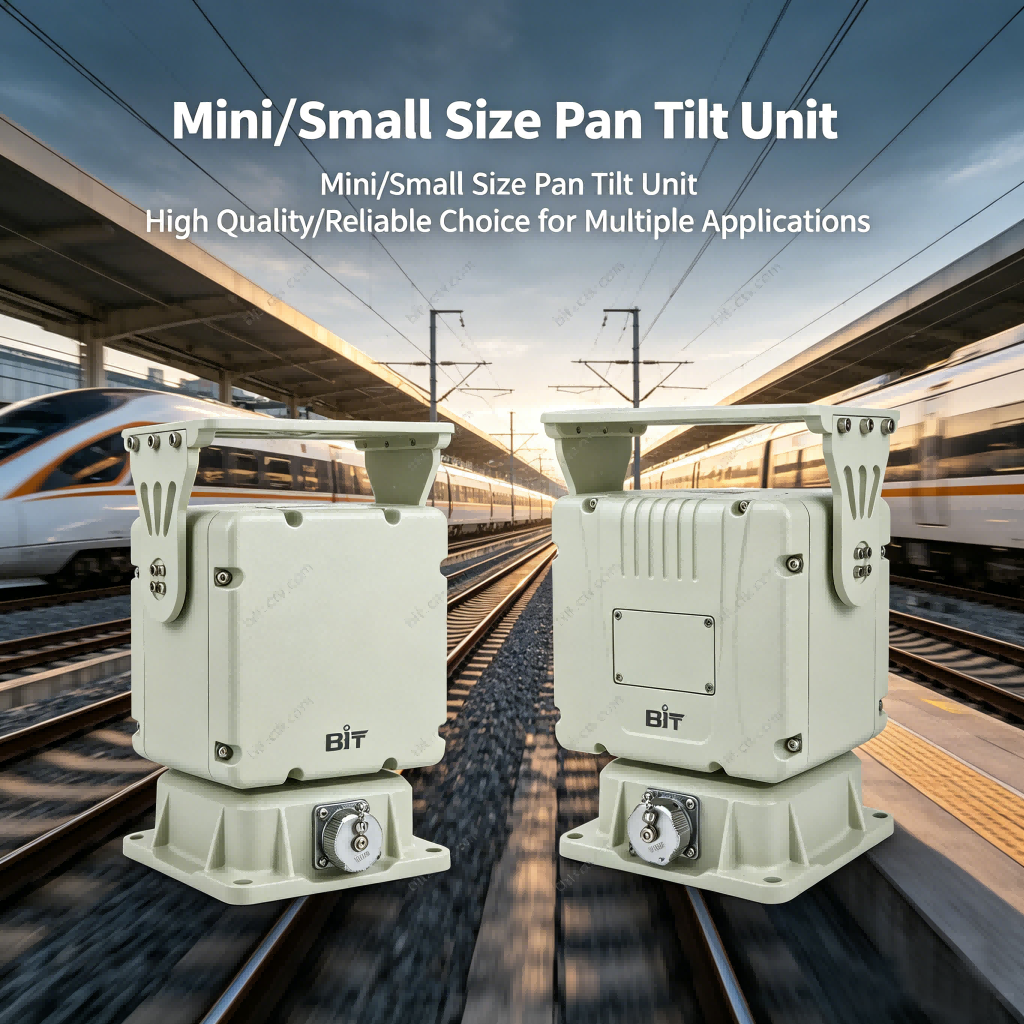
A comparative evaluation of compact worm-gear driven positioners, highlighting payload limits and power efficiency in portable designs.
Read Article →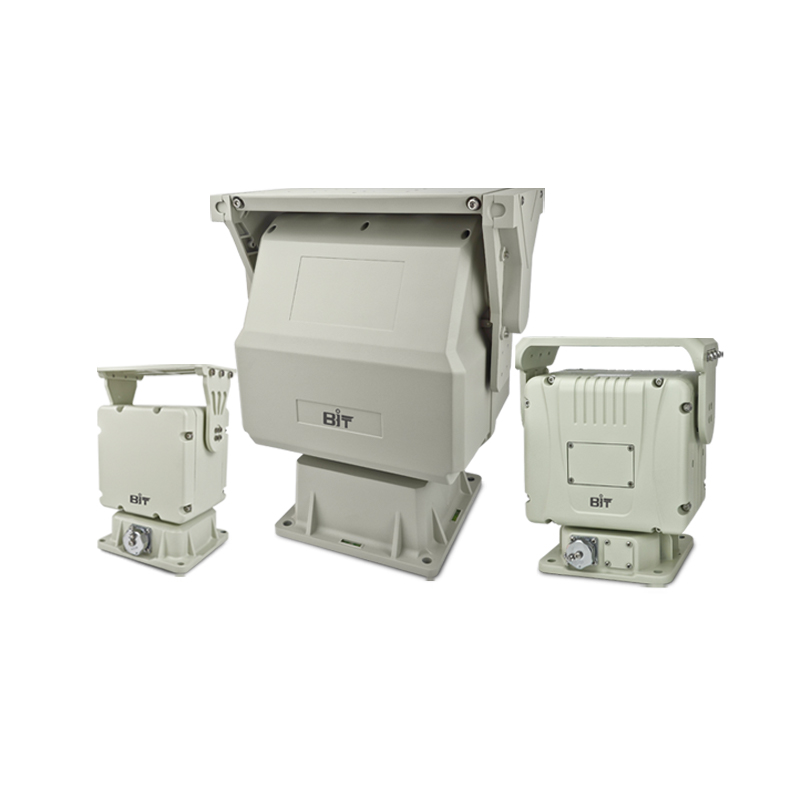
Learn how to classify pan-tilt systems based on drive mechanics, load capacities, mounting parameters, and serial protocol compatibility.
Read Article →Durable environmental housings, single-axis rotators, and structural tripods designed to complement custom serial controllers.