 BIT-CCTV
BIT-CCTV
BIT-CCTV
Engineered for high load capacities, structural rigidity, and long-term durability in extreme surveillance and defense sectors.
How Modern High-Payload Support Solutions Eliminate Micro-Vibrations and Structural Deflections in Long-Range Optoelectronic Tracking Systems.
In modern industrial, military, and scientific deployments, electro-optical payloads (comprising long-range thermal cameras, laser rangefinders, radar antennas, and dual-window sensor housings) require absolute mechanical stability. A high-magnification lens operating at 10km+ distances becomes highly susceptible to micro-vibrations and torsional deflection. A displacement of just a fraction of a millimeter at the tripod head translates to a deviation of several meters at the target site.
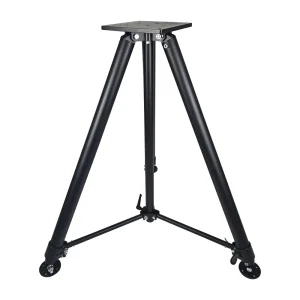
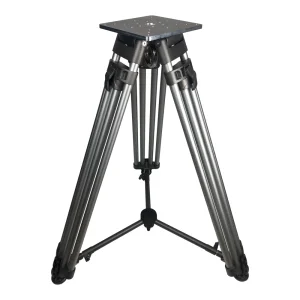
As a leading authority in payload-stabilization hardware, we manufacture heavy-weight tripods engineered specifically to eliminate these mechanical errors. Our tripods act as structural anchors, designed to support static payloads ranging from 100kg to 200kg+, maintaining structural integrity under high wind loads, seismic events, and severe temperature fluctuations.
Understanding the critical demand for high-capacity structural supports in international surveillance, critical infrastructure protection, and scientific exploration.
Long-range optical sensors must remain aligned with extreme precision at border outposts. Heavy-weight tripods resist high-altitude winds and severe temperature differentials, protecting sensors and ensuring stable video streams.
Laser wind radars, atmospheric profilers, and meteorological arrays depend on rock-solid leveling. Our support structures prevent ground shifts and vibrations from corrupting scientific telemetry.
Coastal environments expose equipment to highly corrosive salt spray. By manufacturing tripods from SUS316/SUS304 stainless steel with specialized electro-polishing treatments, we prevent corrosion while supporting heavy radar and thermal imaging payloads.
Where structural engineering meets digital intelligence. The development of advanced alloys and smart sensor integration.
Integrating digital gyroscopic indicators and MEMS accelerometers directly into the tripod head. Real-time pitch, roll, and vibration telemetry are transmitted directly to control centers, warning operators if geological shifts or impact events occur.
Replacing traditional heavy structural steels with ultra-stiff carbon-fiber composites and customized aerospace-grade aluminum alloys. Achieving a 30% reduction in transport weight while maintaining identical load capacities.
Developing standardized interface plates matching multiple payload layouts (ISO-standard patterns). Allows fast swapping between pan-tilt units, electro-optical sensors, or directional antennas without mounting redesigns.
Examine the mechanical parameters, worm gear setups, and torque distributions of our core product line.
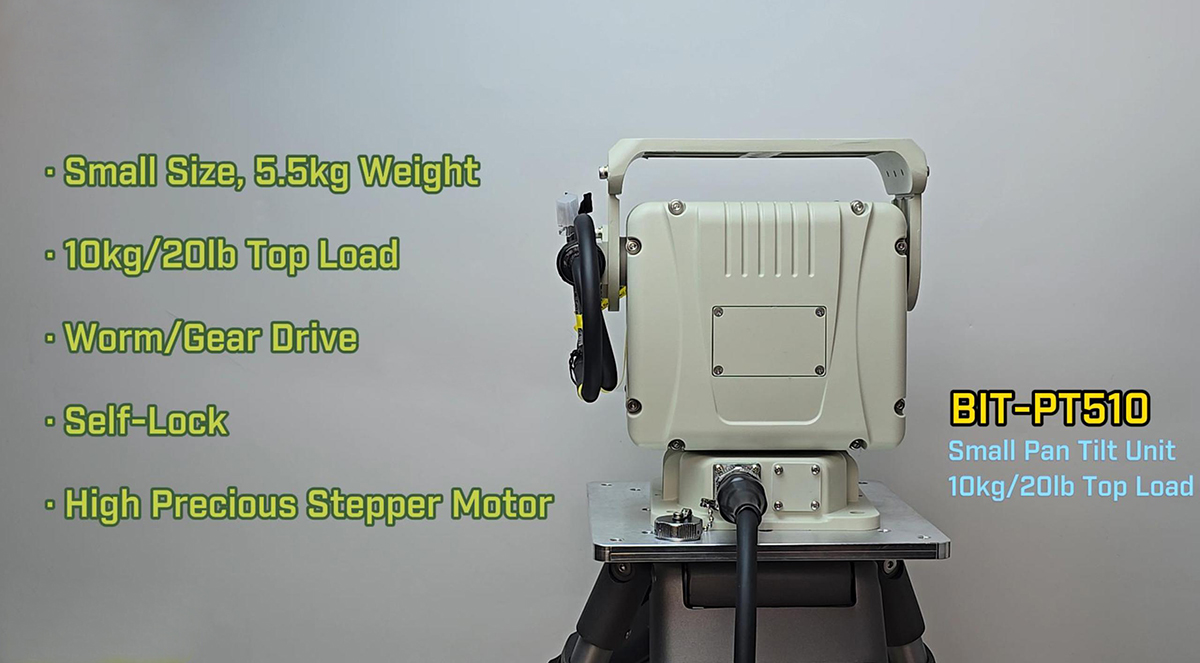
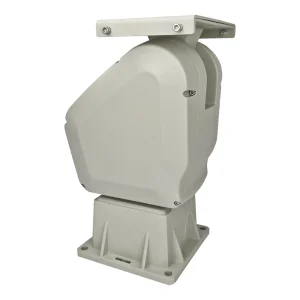
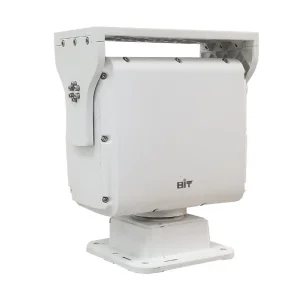
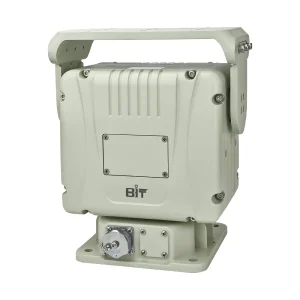
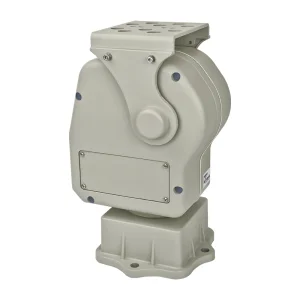
A compact, high-precision pan tilt unit utilizing a worm gear transmission system driven by stepper motors. Designed for payload installations like thermal enclosures and spotlights. Offers continuous 360° pan rotation and ±60° tilt rotation, reaching panning speeds of up to 30°/sec. Highly recommended for border and coastal defense systems.
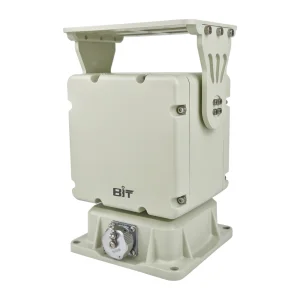
Our smallest, most lightweight worm-gear-driven positioning device. Weighing just 3.5kg itself, it supports up to 3.5kg of payload, making it perfect for mobile surveillance configurations and quick-deployment setups.
Engineered for tracking systems that demand rapid responses. With rotation speeds reaching 100°/sec, it enables fast target tracking. Includes a heavy-duty worm gear tilt axis supporting a wide elevation angle range from -90° to +40°.
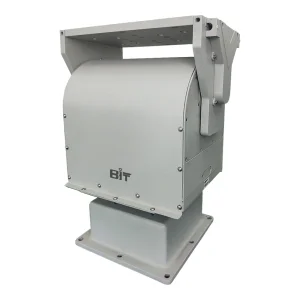
An industrial workhorse trusted for over a decade. Built for heavy multi-sensor payloads up to 50kg, it delivers dependable service in rugged terrains, maintaining low structural failure rates in sub-zero and desert conditions.
Examine the load capacities, material compositions, and recommended mounting options across our product catalog.
| Model / Product Name | Target Payload Weight | Primary Construction Material | Recommended Application Environment |
|---|---|---|---|
| Custom Heavy Duty Tripod for PT Unit | Up to 200kg / 440lb | Reinforced Structural Steel / Anodized Aluminum | Fixed long-range surveillance stations, seismic zones |
| High-Quality Heavy Duty Tripod | Up to 110kg / 240lb | Industrial Grade Stainless Steel (SUS304) | Coastal surveillance, radar tracking, open-desert locations |
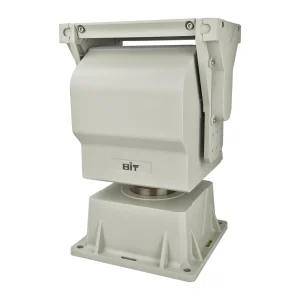
| BIT-PT865 Pan Tilt Positioner | Up to 65kg / 143lb | High-strength die-cast aluminum alloy | Border patrol towers, thermal scanning camera clusters |
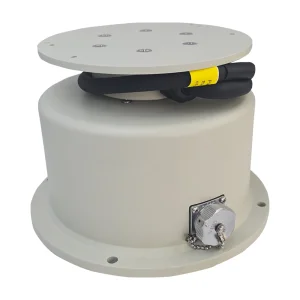
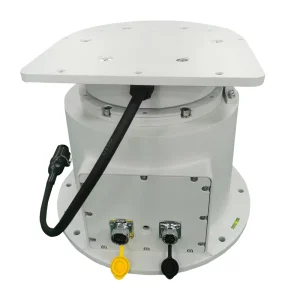
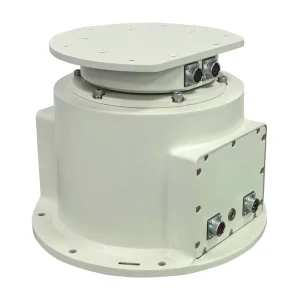
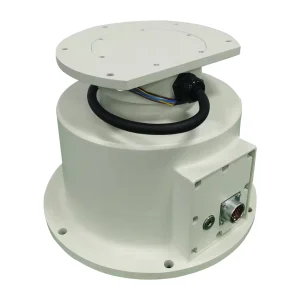
| Direct Drive Pan Rotator | Up to 80kg / 176lb | Machined Carbon Steel / Sealed Shell | Port security, tracking high-speed targets |
Optimized logistics, complete vertical integration, and deep engineering customization from our Tianjin technology center.
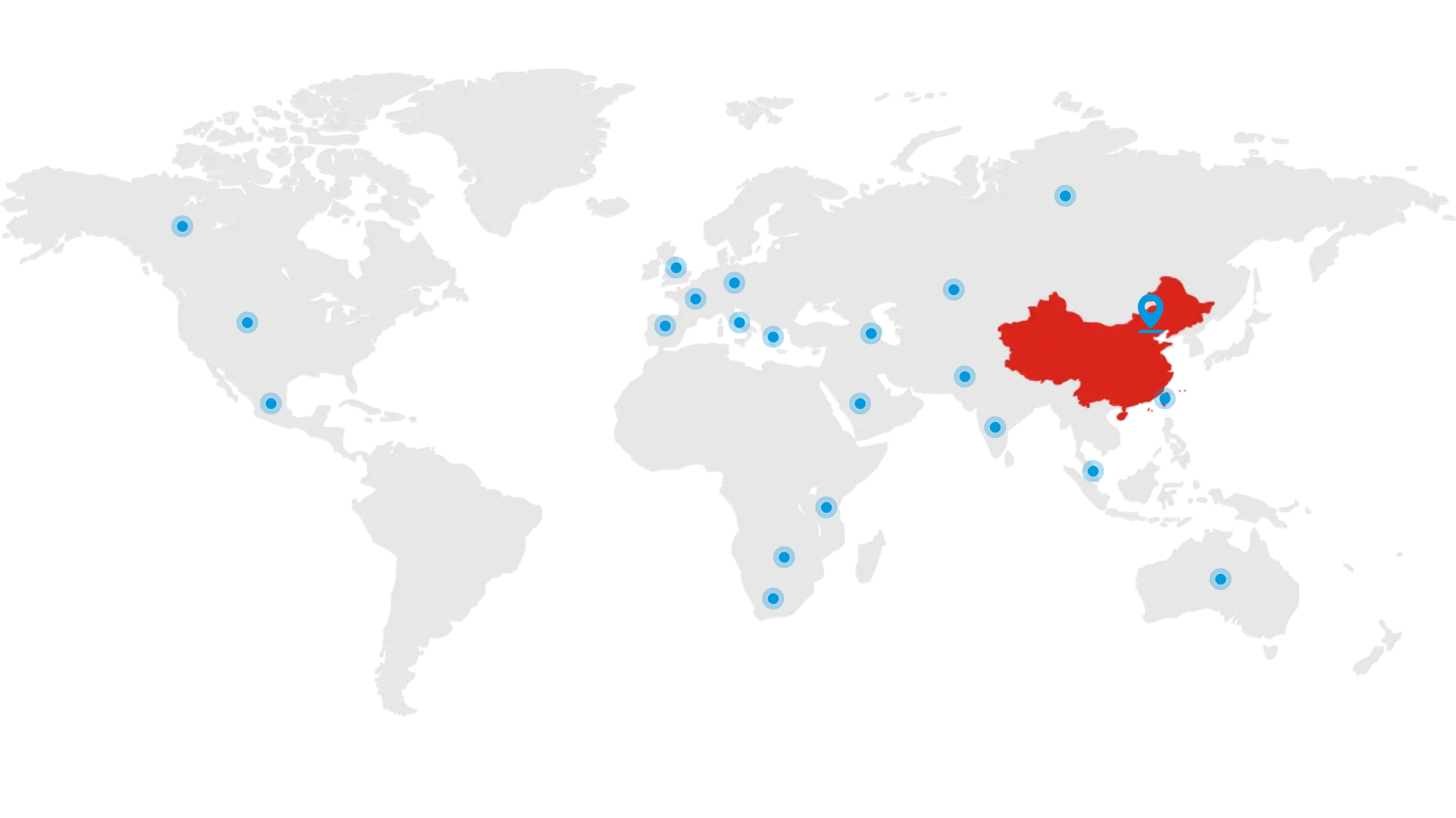
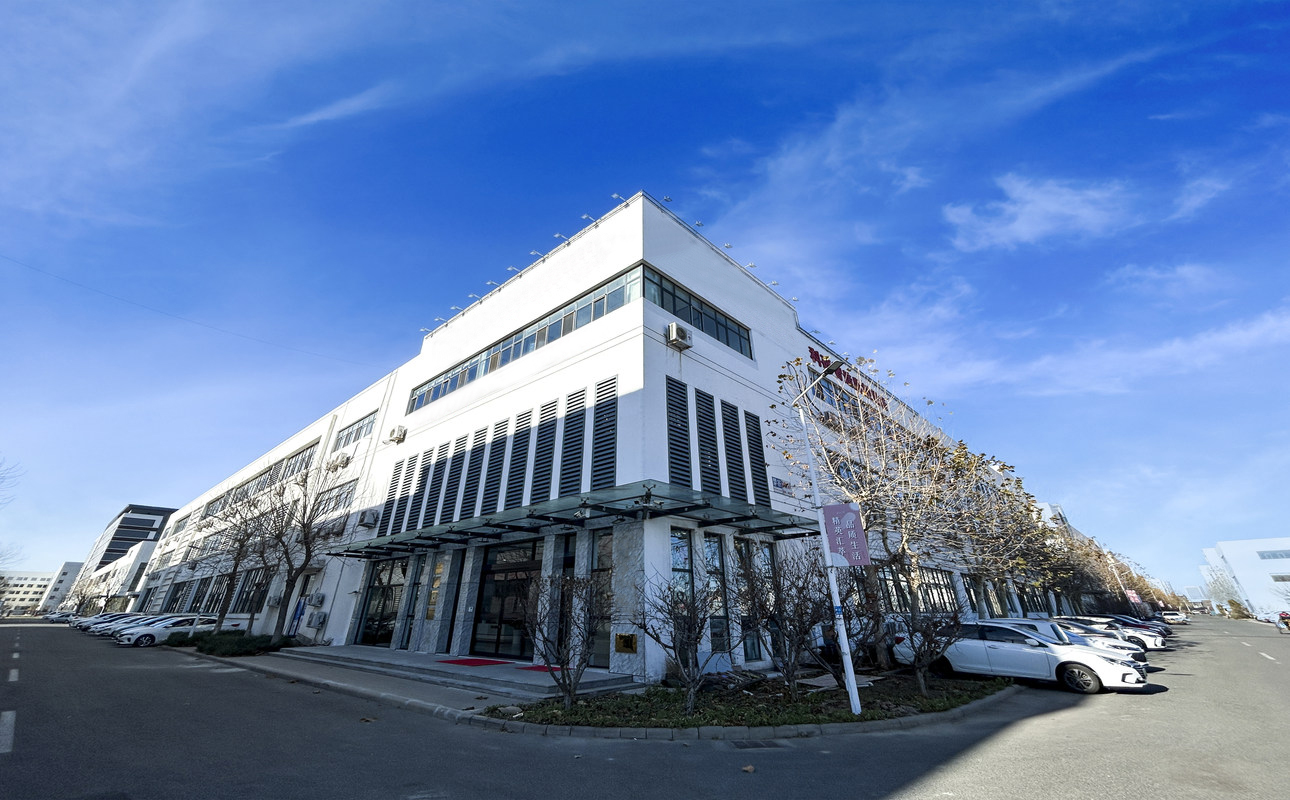
Operating a production center in Tianjin, China allows Blue Icon Technology to deliver cost efficiencies alongside strict quality control. The local industrial ecosystem provides immediate access to precision CNC machining centers, high-grade casting foundries, and automated surface treatment plants. This vertical integration allows us to cut prototype turnaround times and maintain reliable manufacturing schedules, even for complex custom orders.
We perform rigorous physical testing on every heavy-weight tripod and pan tilt unit before shipping. This includes static load testing, high-amplitude vibration simulation, salt-spray chamber exposure, and temperature cycling inside our environmental chambers. Our end-to-end management guarantees that our hardware complies with industrial specifications, offering reliable support in extreme scenarios.
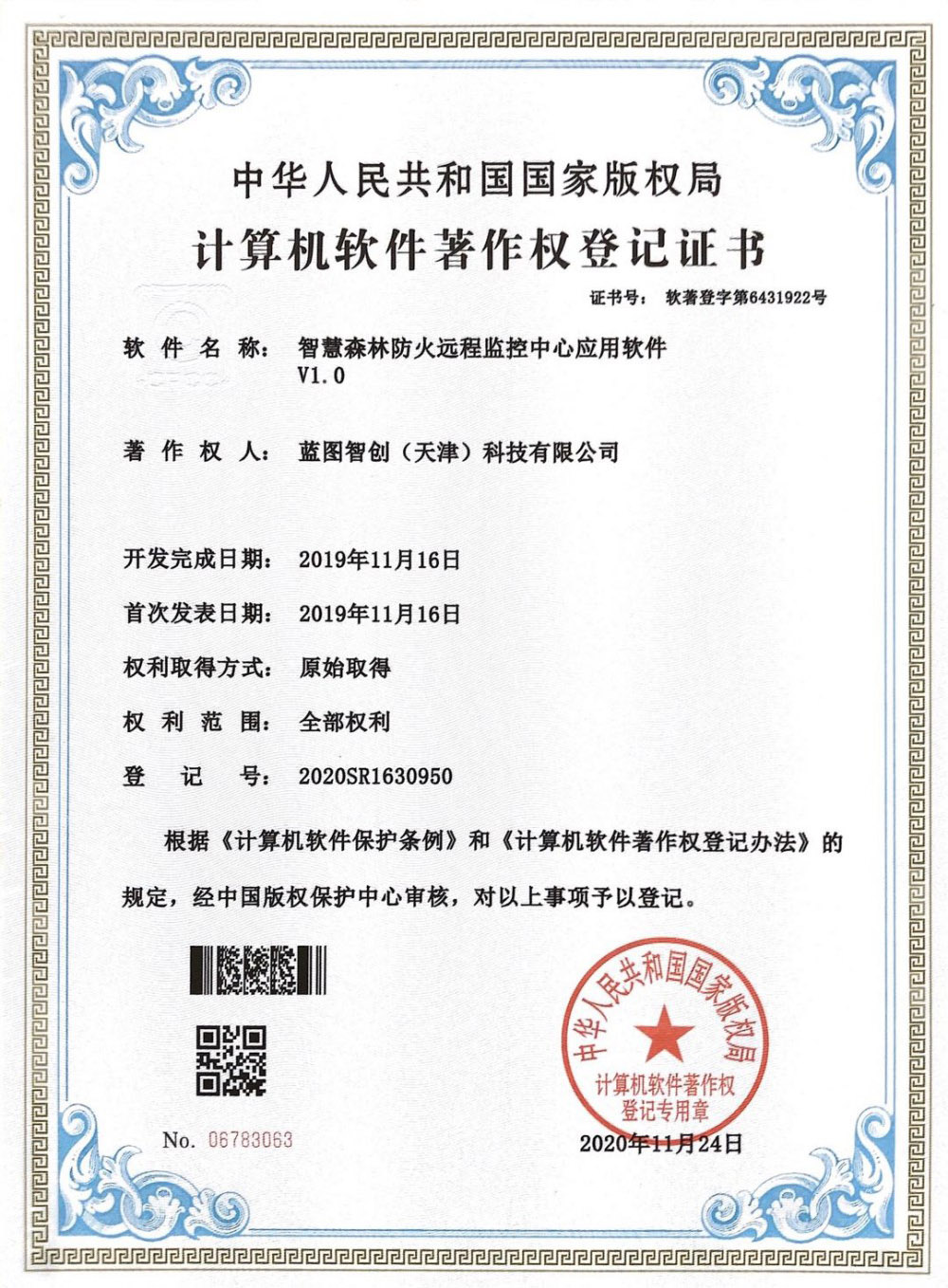
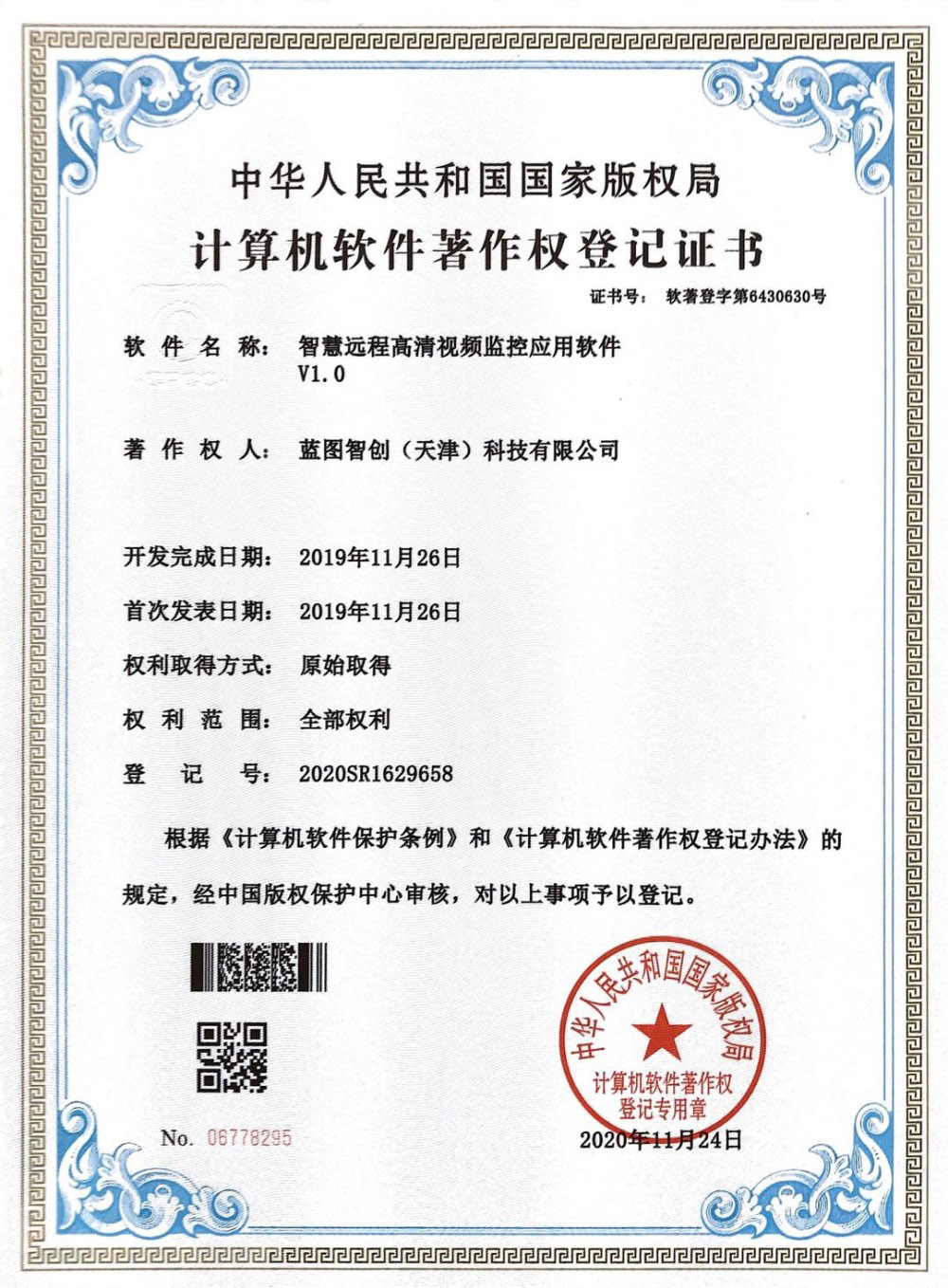
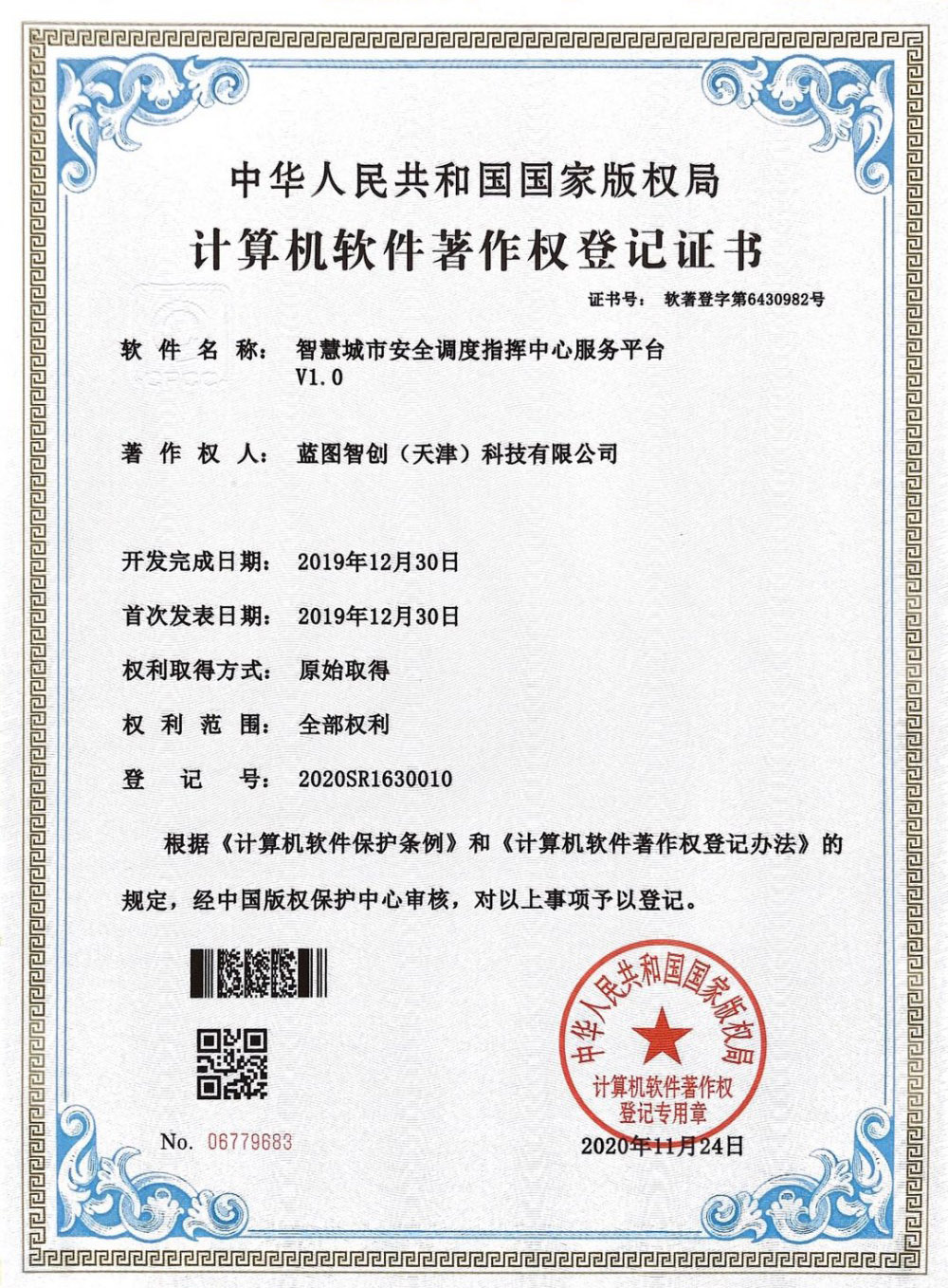
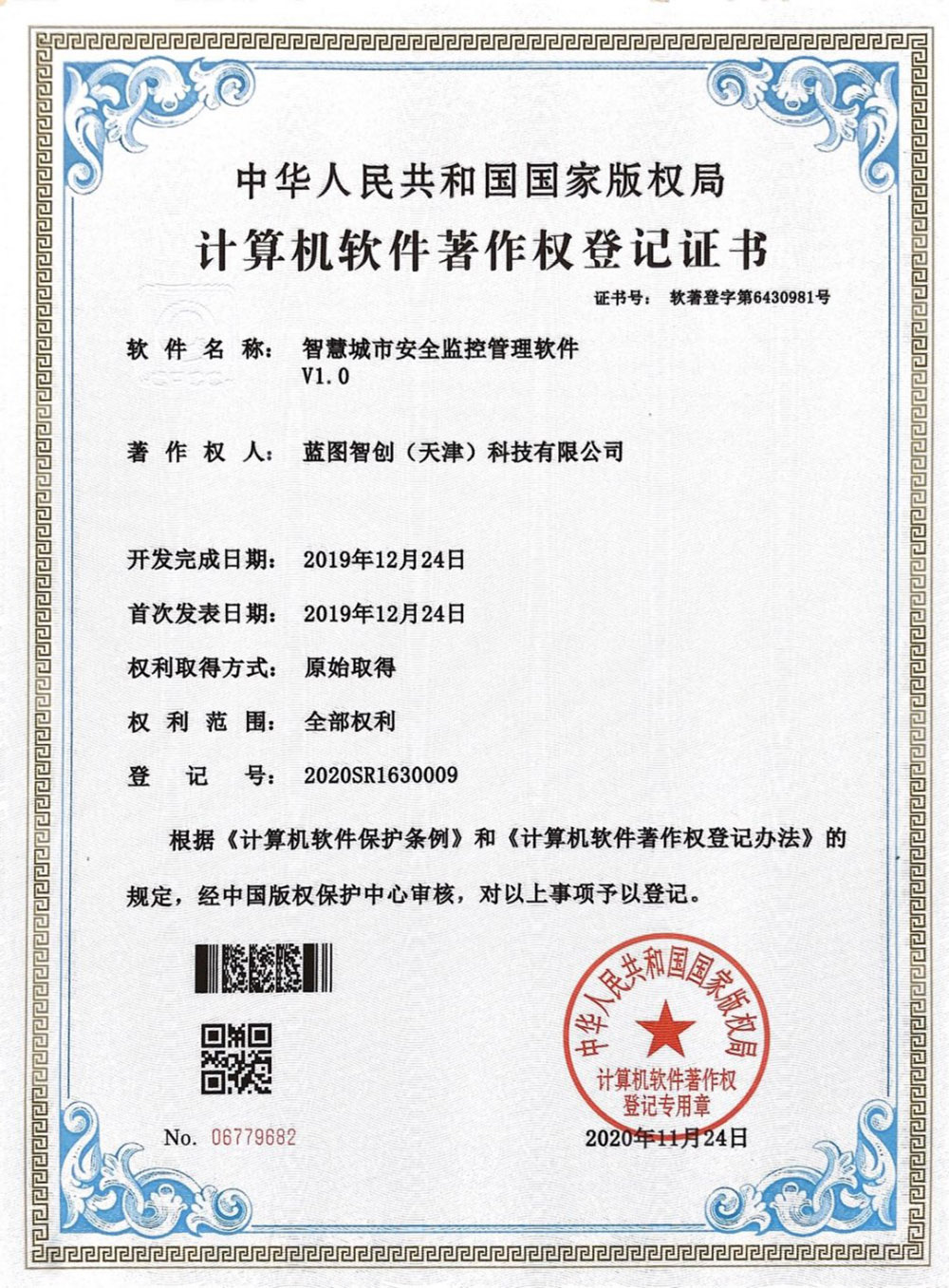
Consistently audited manufacturing standards backed by 50 national patents and operating in over 50 countries.
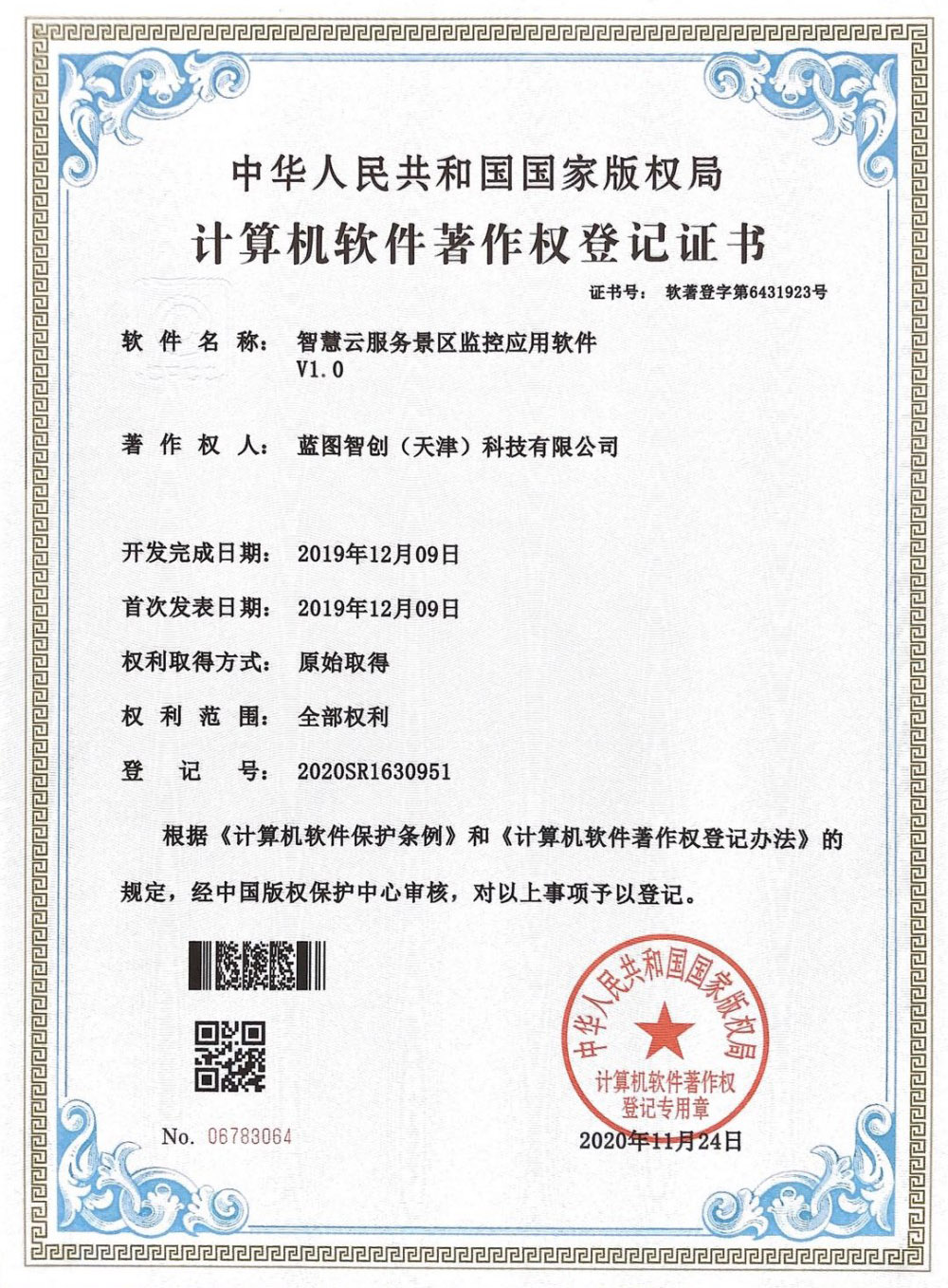
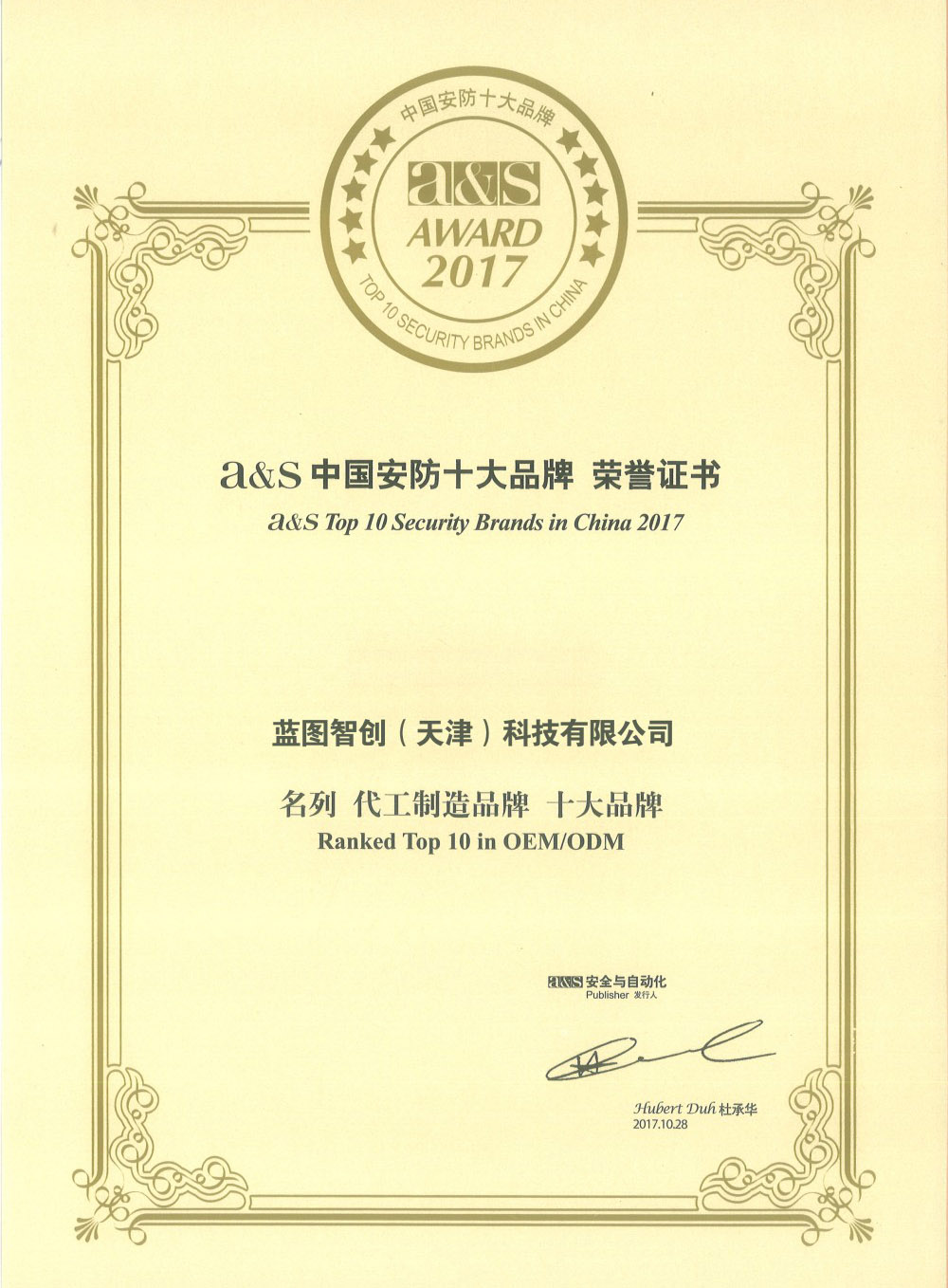



From frozen tundra to extreme desert conditions, examine how our heavy-weight hardware operates in field deployments.
Heavy-duty tripods are mounted on high-altitude steel observation towers. Equipped with dual-channel thermal and optical cameras, they continuously sweep the canopy. High structural rigidity is essential to prevent wind shaking from triggering false alarms.
Quick-deployment units require heavy-duty bases that can be leveled fast on uneven gravel. Our tripods utilize individual leg locking clamps and integrated bubble indicators to speed up installation times in field environments.
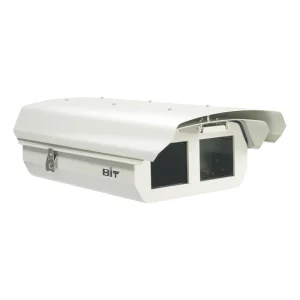
Exposed to constant moisture and high waves, standard tripods experience galvanic corrosion and mechanical failure. Using passivation-treated, electro-polished stainless steel and dual-window housings guarantees stable operation on marine vessels and platforms.
How we ensure our manufacturing processes conform to international industrial regulations.
All manufacturing facilities operated by Blue Icon (Tianjin) Technology Co. Ltd. run under ISO 9001 quality management procedures. Every product line conforms to CE, FCC, RoHS, and ingress protection (IP66/IP67) test protocols. We coordinate with local logistics partners to provide swift delivery, customs brokerage handling, and field support across Europe, North America, and the APAC region.
Dust-tight gaskets and high-pressure water jet protection ensure long-term deployment in harsh environments.
Exposing stainless steel parts and housings to 500-hour salt-spray tests to ensure resilience in coastal settings.
Confirming structural stability when subjected to sudden torque shifts from high-acceleration PT units.
Get answers to common queries regarding engineering, customizations, load capacities, and supply chain logistics.
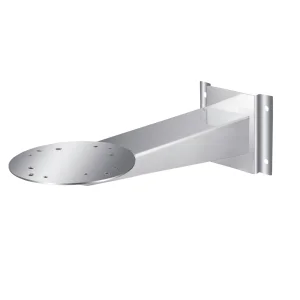
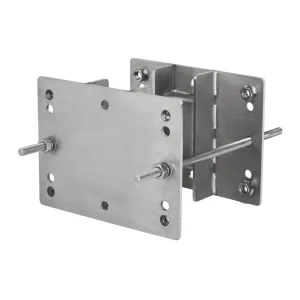
Complete your deployment configuration with our matching camera housings, wall brackets, and rotators.