 BIT-CCTV
BIT-CCTV
BIT-CCTV
Engineered solutions for harsh field deployment, dynamic tracking systems, and high load structural applications.
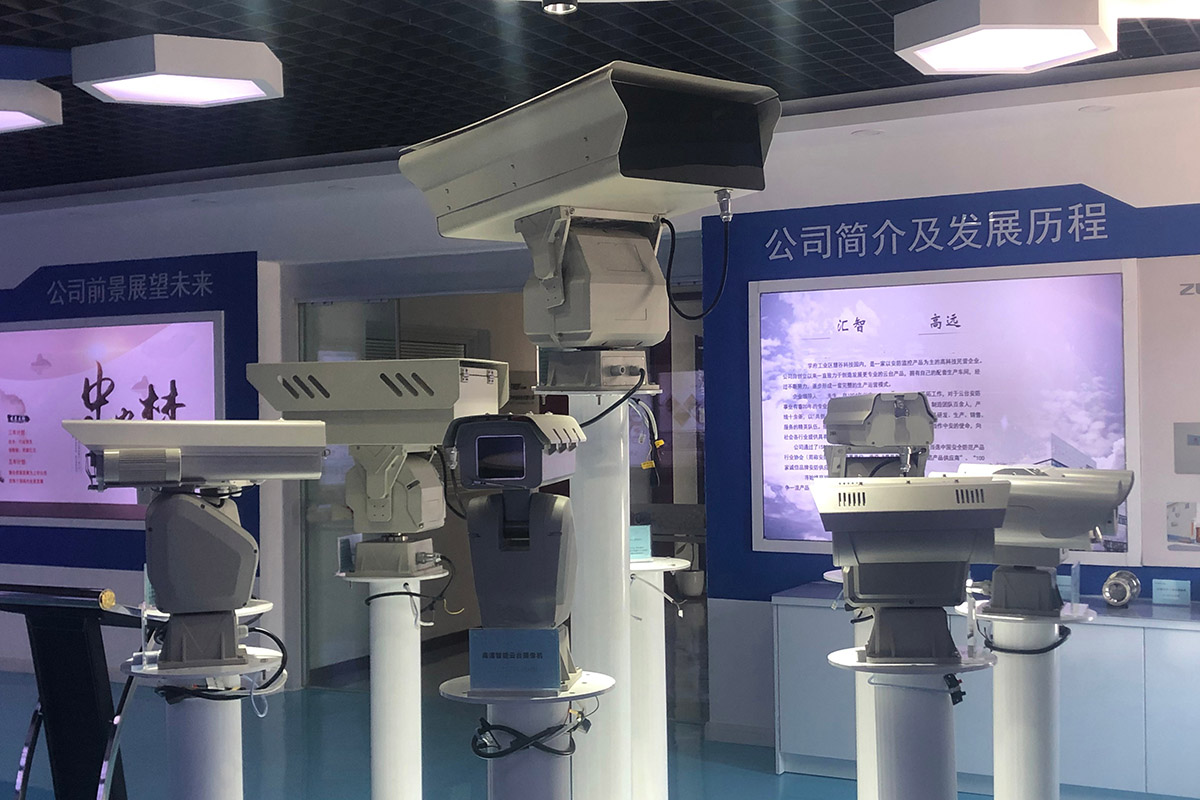
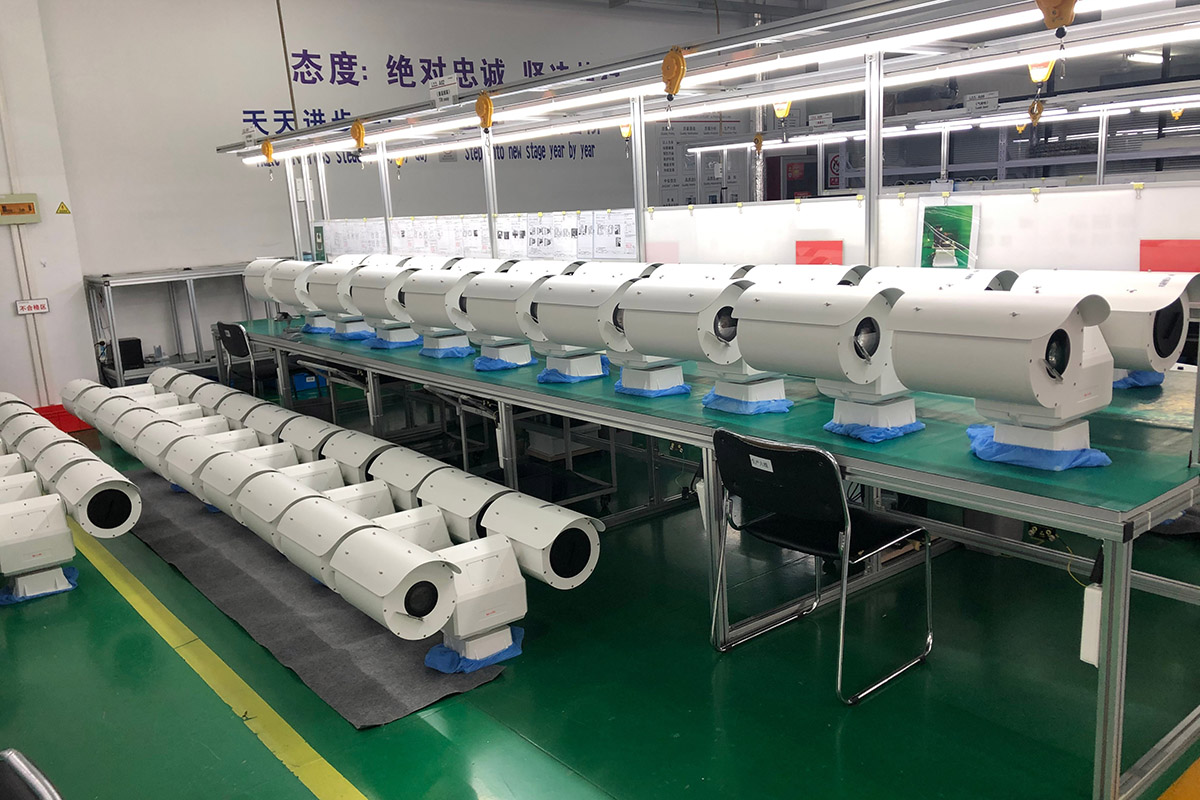
Established in 2005, Blue Icon (Tianjin) Technology Co. Ltd, a national high-tech enterprise, specializes in the design, custom engineering, structural analysis, and precision manufacturing of high-performance security surveillance and mechanical positioning apparatus. Our robust product ecosystem comprises advanced CCTV surveillance hardware, heavy-duty pan-tilt heads/positioners, long-range laser PTZ cameras, dual-vision cooled thermal cameras, custom marine-grade camera enclosures, and structural-grade mounting brackets.
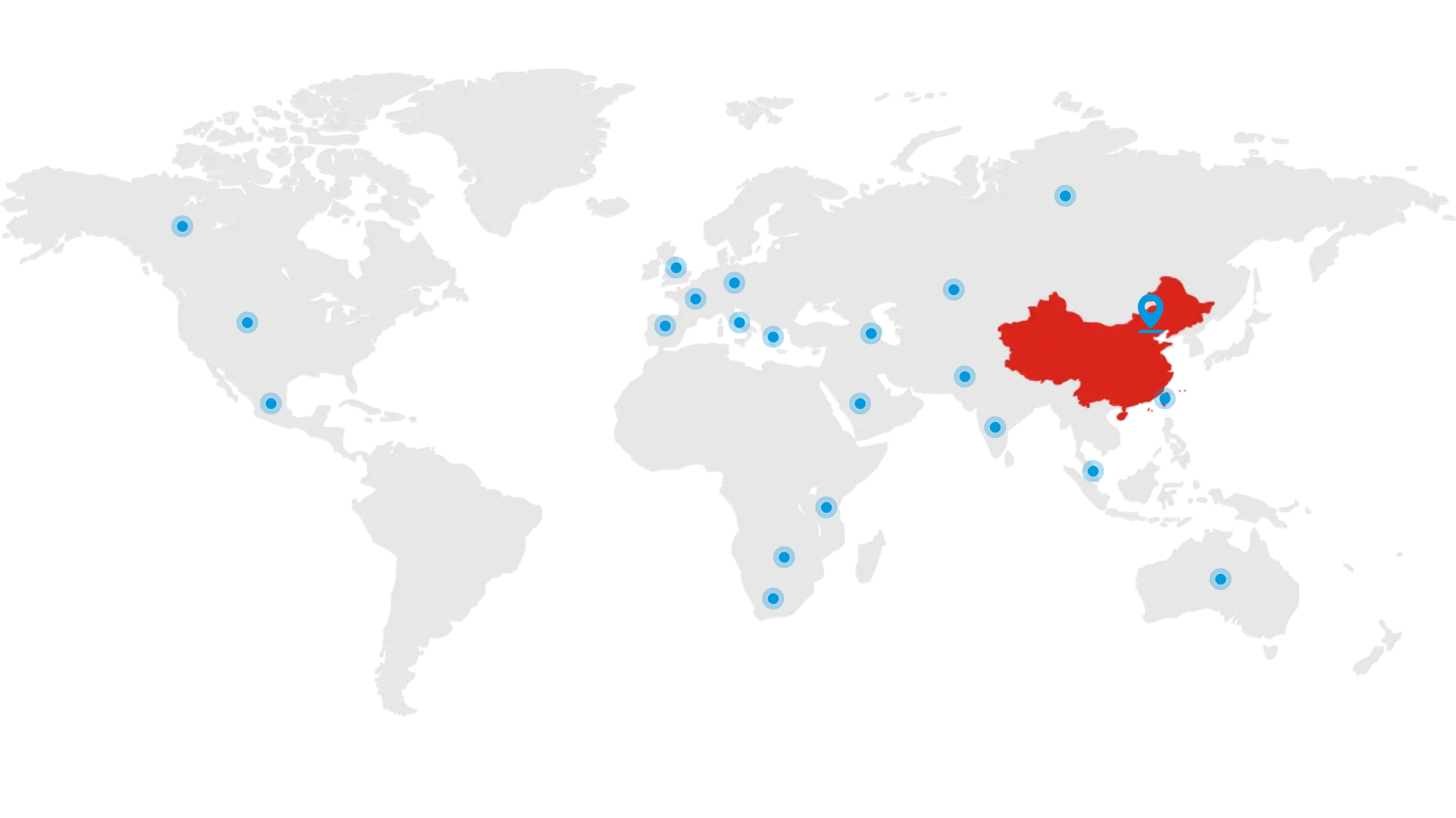
Over the past 18+ years, we have scaled our production to serve system integrators, municipal infrastructure developers, and industrial partners in more than 50 countries across five continents. By integrating robust finite element modeling (FEM) with ISO 9001 certified manufacturing, we guarantee the structural viability of every custom heavy duty pole mount bracket we build.
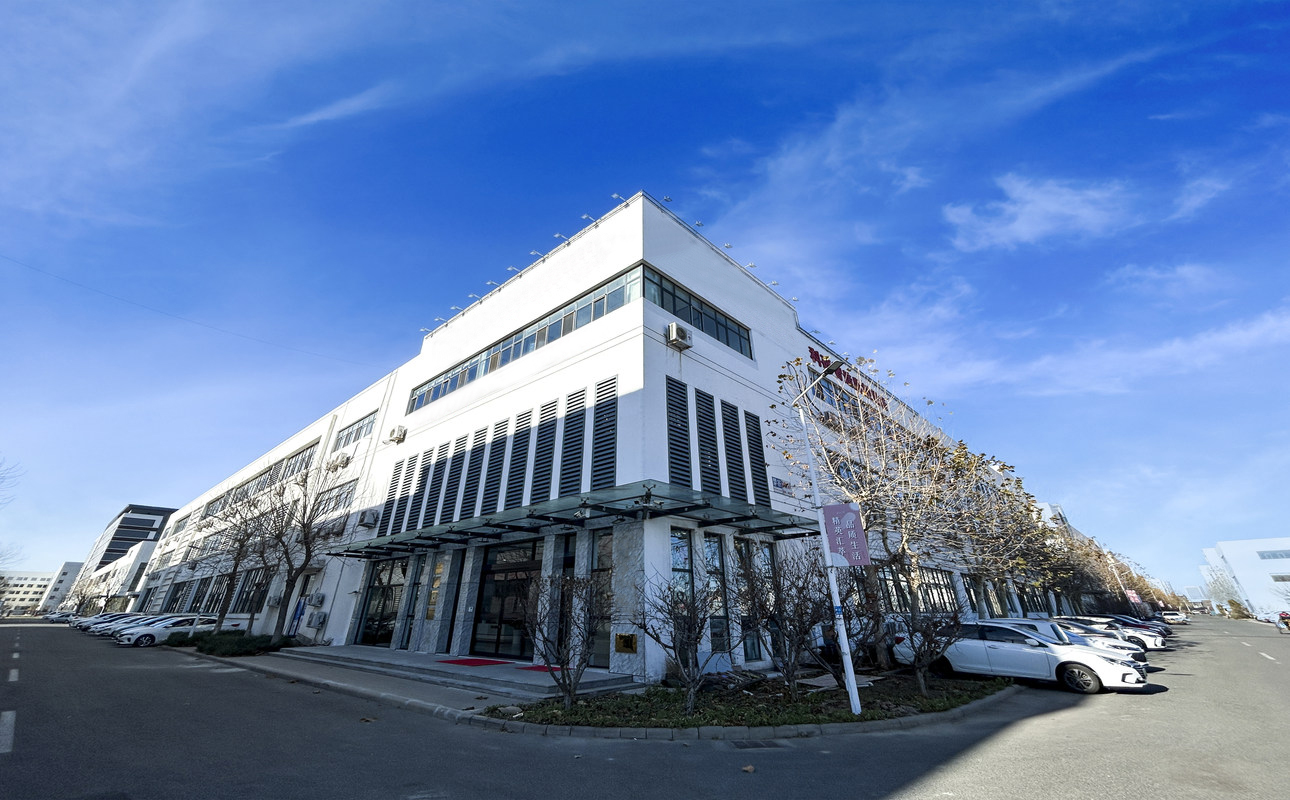
Our metrics demonstrate our capabilities as structural bracket manufacturers and positioning technology pioneers.
Understanding structural stresses, wind load coefficients, and mechanical performance metrics for critical equipment mount systems.
Mounting heavy equipment such as multi-spectral cameras, radar positioners, and antennas onto cylindrical poles exposes the interface to significant torsional and shear forces. Our pole mount brackets are designed to withstand gusts of up to 60 m/s (134 mph), utilizing FEA stress simulation to optimize yield strength along the primary axis of rotation.
We work with high-tensile structural steel (Q355B) and premium marine-grade stainless steel (SUS304 / SUS316L). To prevent environmental oxidation, we offer Hot-Dip Galvanization (per ISO 1461), high-performance thermal spray powder coatings, and specialized dual-layer fluorocarbon coatings for salt-spray exposure up to 1000 hours.
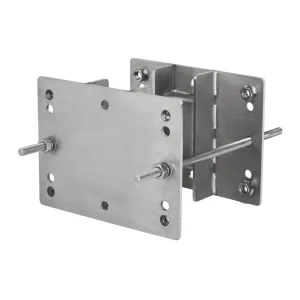
Our engineering team designs custom-fitting configurations, utilizing continuous adjustment strap systems (heavy-duty band clamps), bolt-through structures, or U-bolt configurations. These structures support high load margins (from 50kg to over 300kg) to handle the torque created by pan tilt units and sensors.
How system design requirements match against our specialized product lines.
Industrial components must meet specific local parameters to succeed in global systems integration. Key fields include:
When engineering custom pole mount solutions, our team assesses five engineering variables:
As remote surveillance platforms demand higher stability for long-range optical sensors (10km+ detection range), mounts must evolve from passive steel plates to structurally optimized, low-vibration interfaces.
1. Carbon Reduction & Material Optimization: We are testing high-performance aluminum alloys (such as 6000-series structural grades) and lightweight composites to reduce structural dead weight by up to 35% without losing mechanical stiffness.
2. Vibration Damping Interfaces: Incorporating polymer dampeners and custom elastomeric isolators to mitigate high-frequency vibrations that affect long-range thermal cameras and radar systems.
3. Smart Mechanical Sensors: Incorporating structural health monitoring strain-gauges directly onto the bracket to alert field operators of load changes or wind-induced stress threshold breaches.
Blue Icon leverages advanced manufacturing processes in China’s tech corridor to combine engineering precision with cost efficiency.
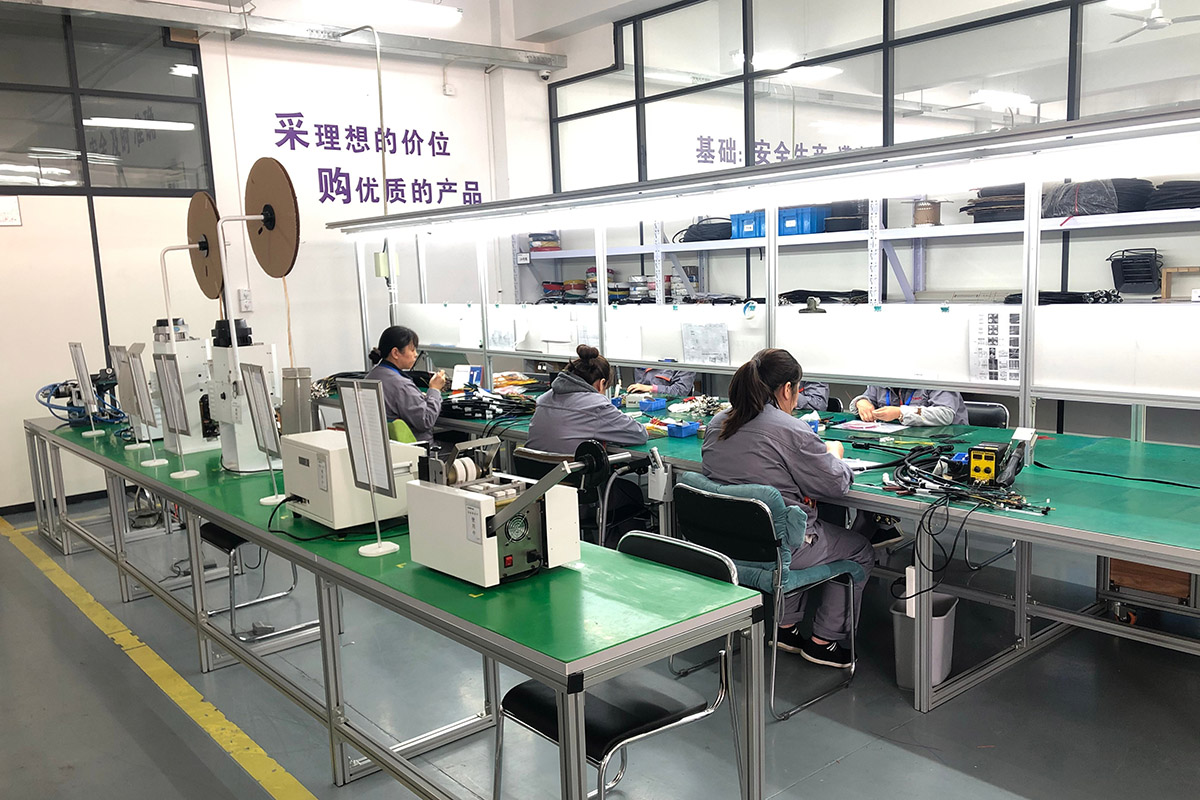
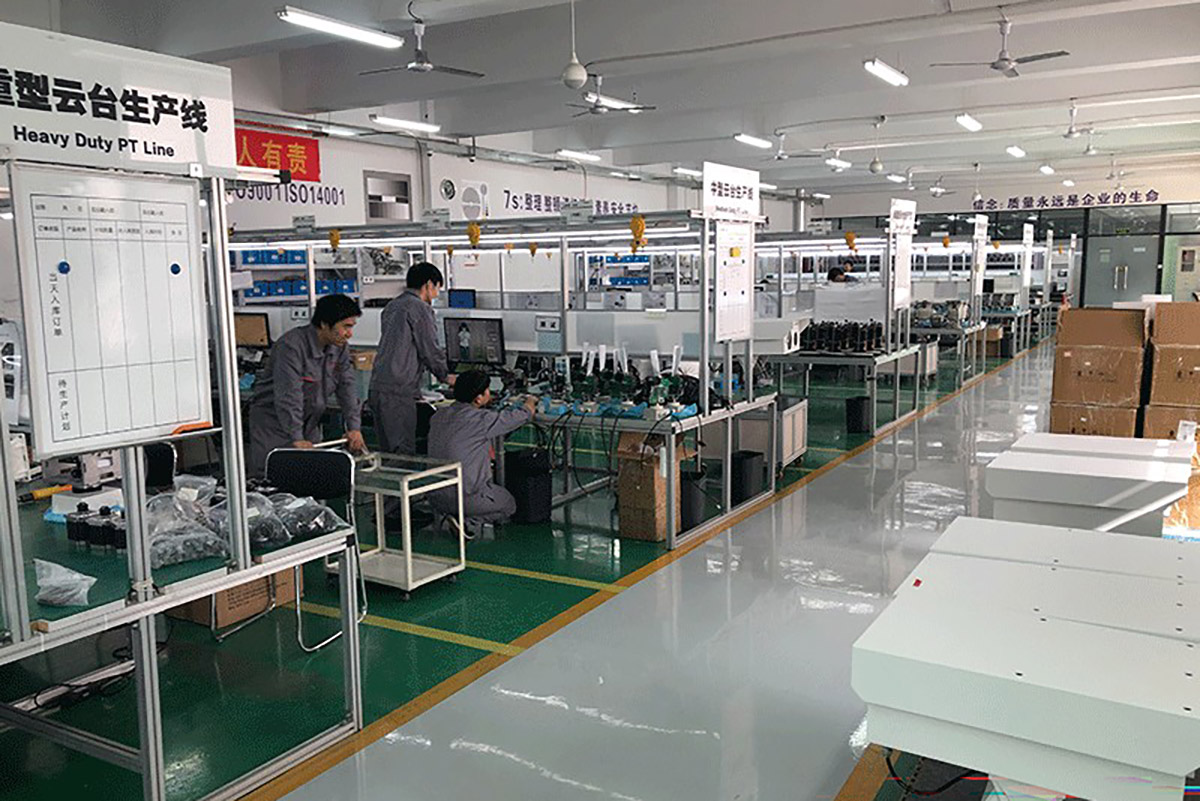
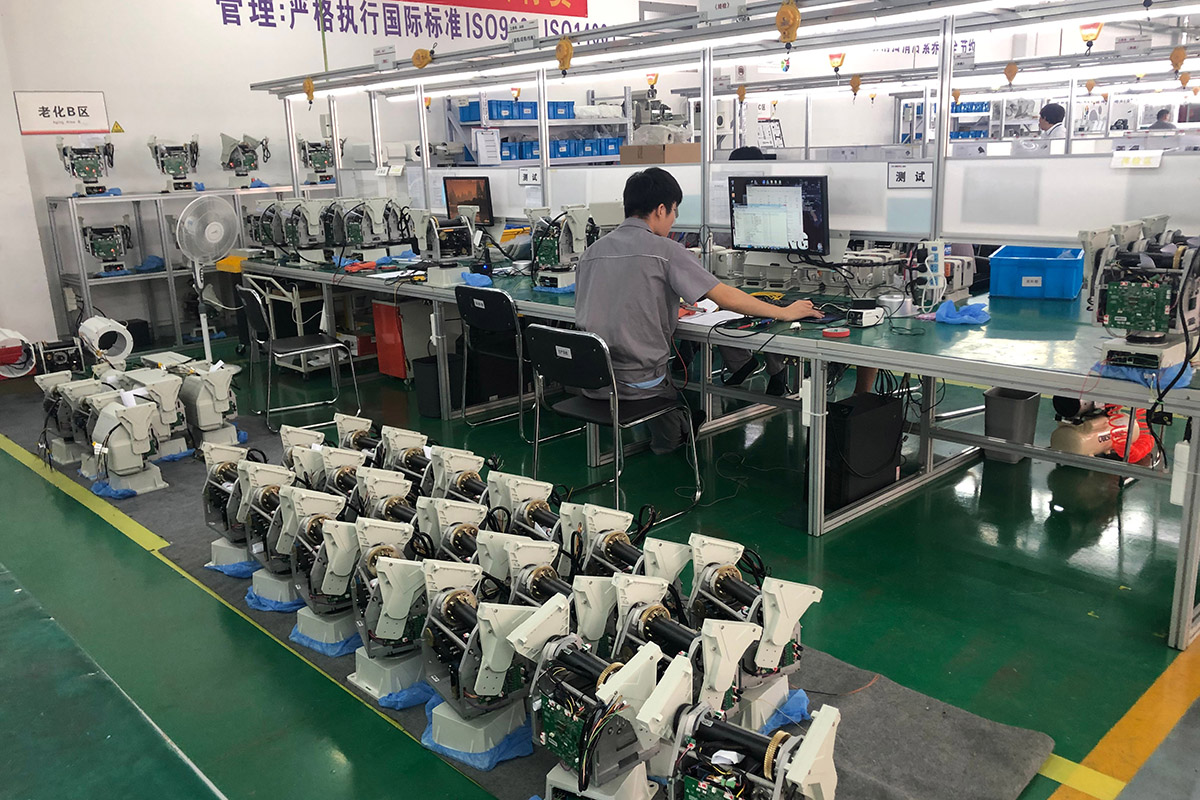
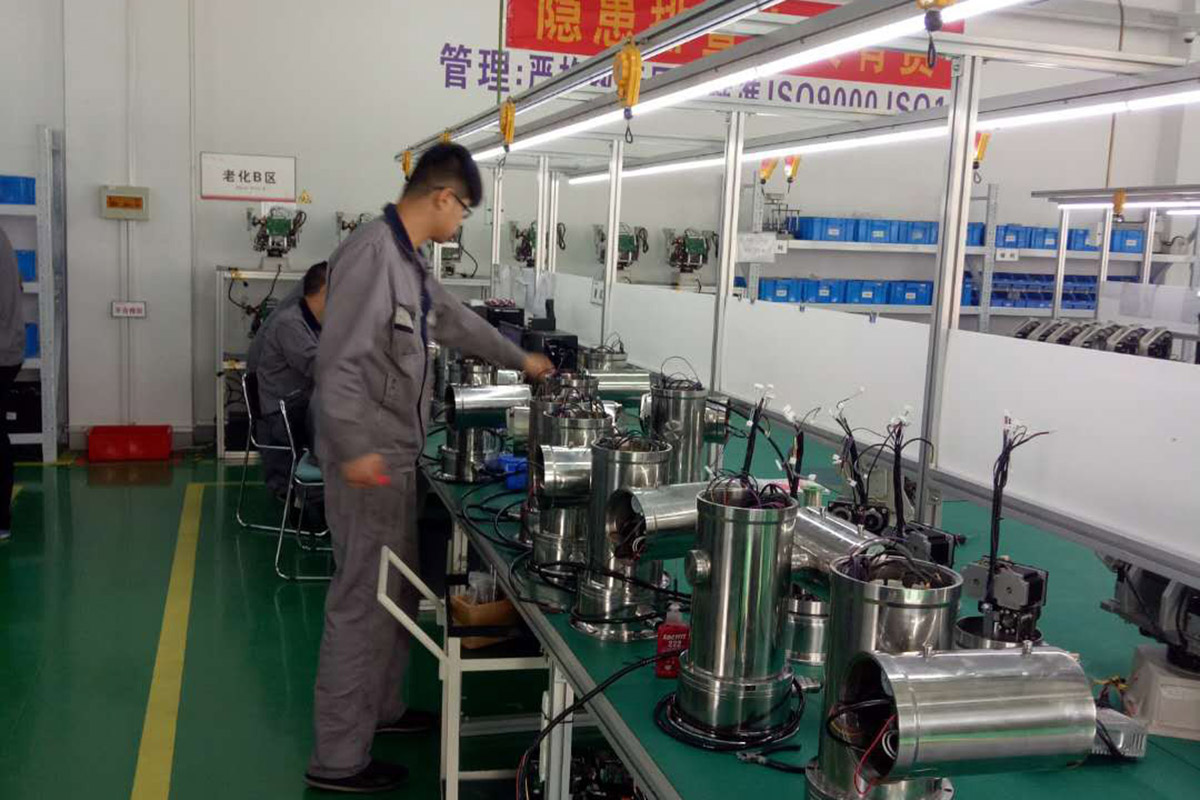
We perform metal laser cutting, bending, robotic welding, CNC precision machining, and surface coating within our 10,000 square meter facility. This vertical integration reduces production cycle times for custom mounting designs from weeks to days.
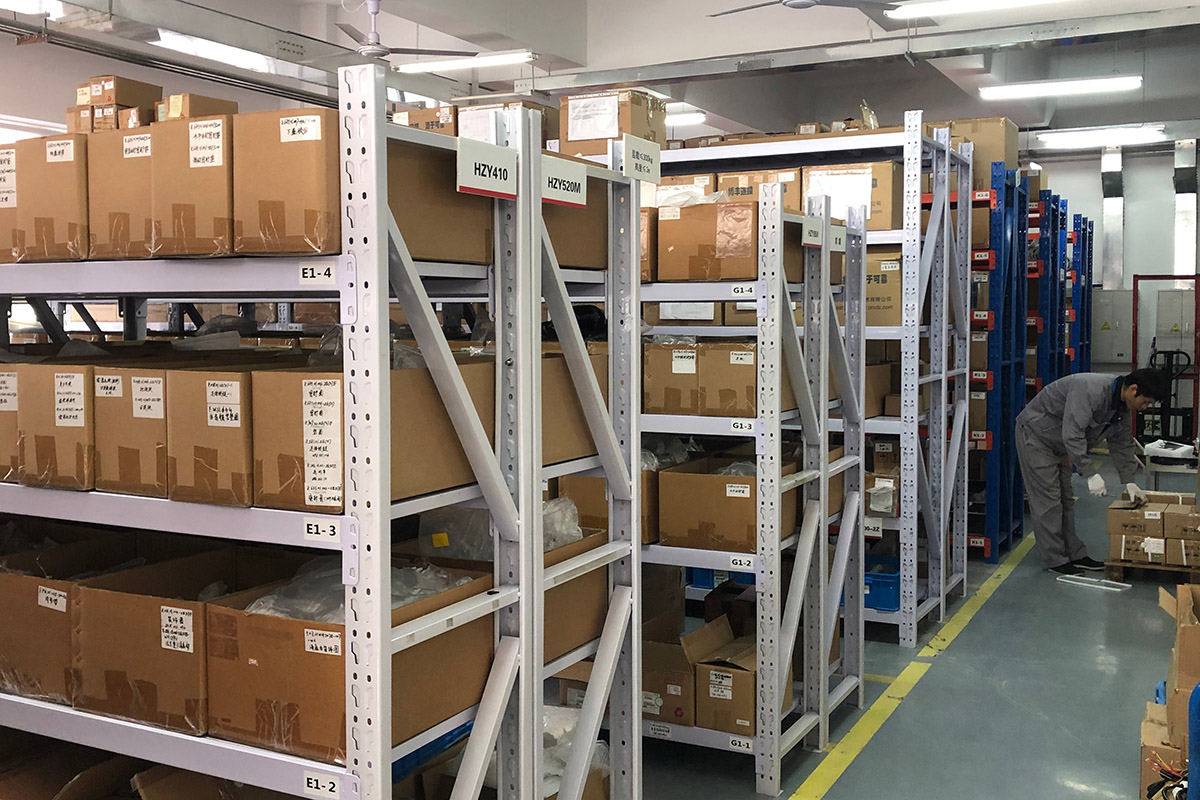
Based in Tianjin's industrial corridor, we have direct access to structural steel, stainless steel, and alloy suppliers. This allows us to source raw materials with certified mill test reports (MTR) at competitive costs.
Our engineering division can turn digital CAD layouts into physical prototypes for mechanical testing in 5-7 working days, allowing for fast verification of customized client designs.
Explore our full line of positioning devices, enclosures, and custom accessories.
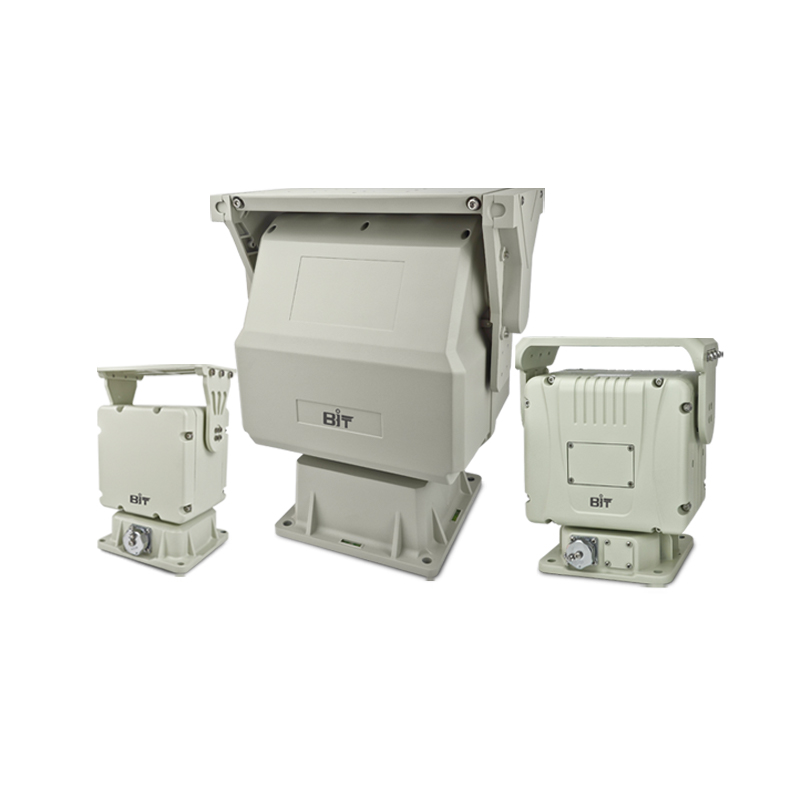
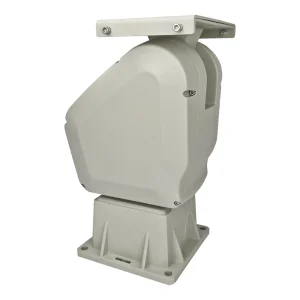
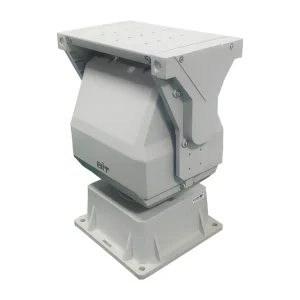
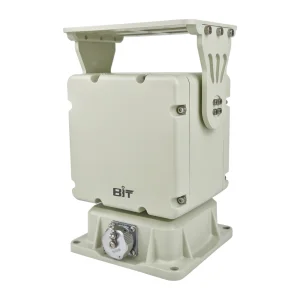
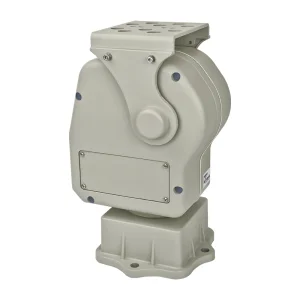
Light Duty, Medium Duty, and Heavy Duty positioning platforms from 3kg up to 150kg.
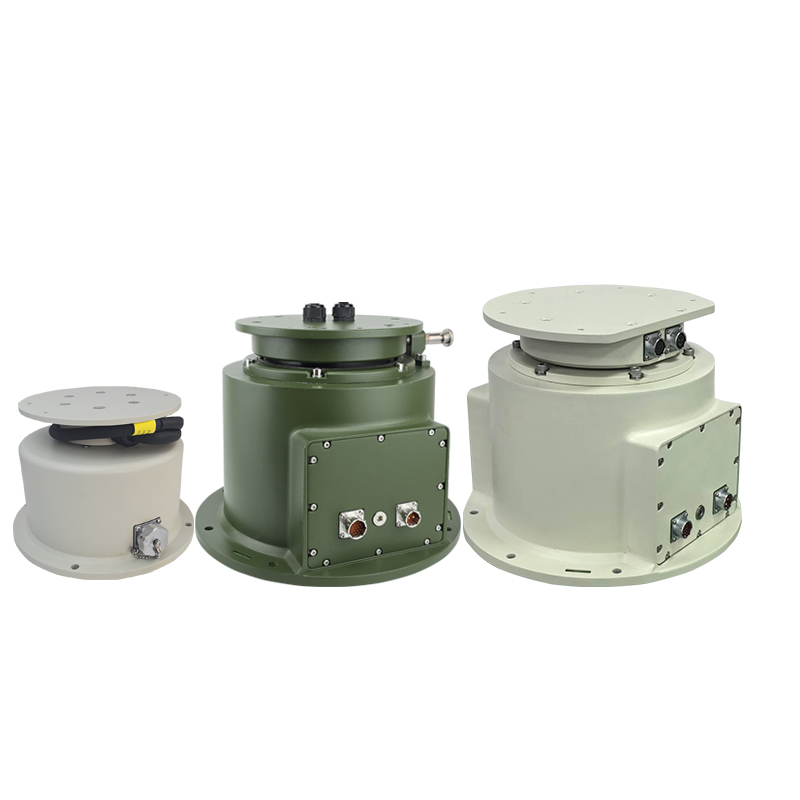
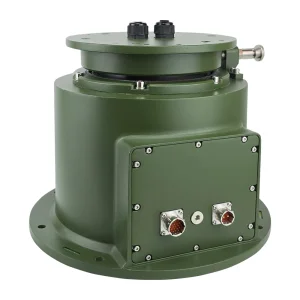
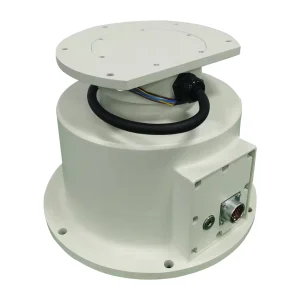
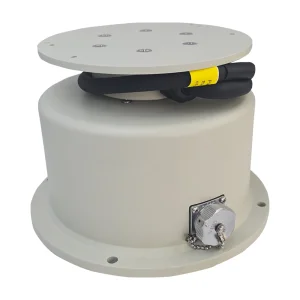
Single-axis horizontal azimuth rotators engineered for tracking radars and marine surveillance.
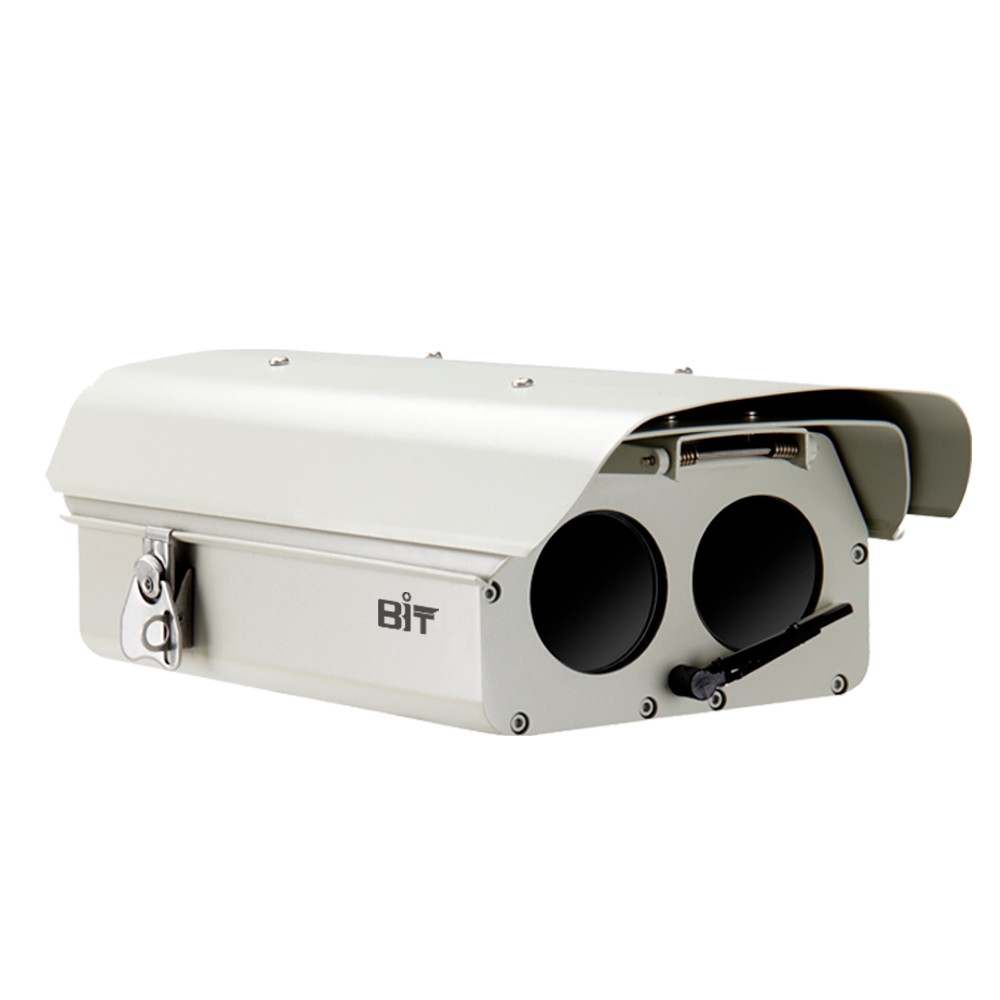
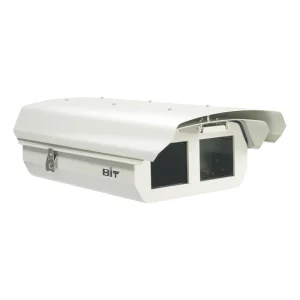
Dual-window housings, environmental enclosures, and custom heavy-duty pole mounts.
Looking for specific dimensional variations or load capabilities?
We provide technical support, including load verification calculations, structural AutoCAD layouts, and anti-corrosion recommendations tailored to your installation site.
Mechanical details of our popular positioning drives, designed to integrate with custom bracket configurations.
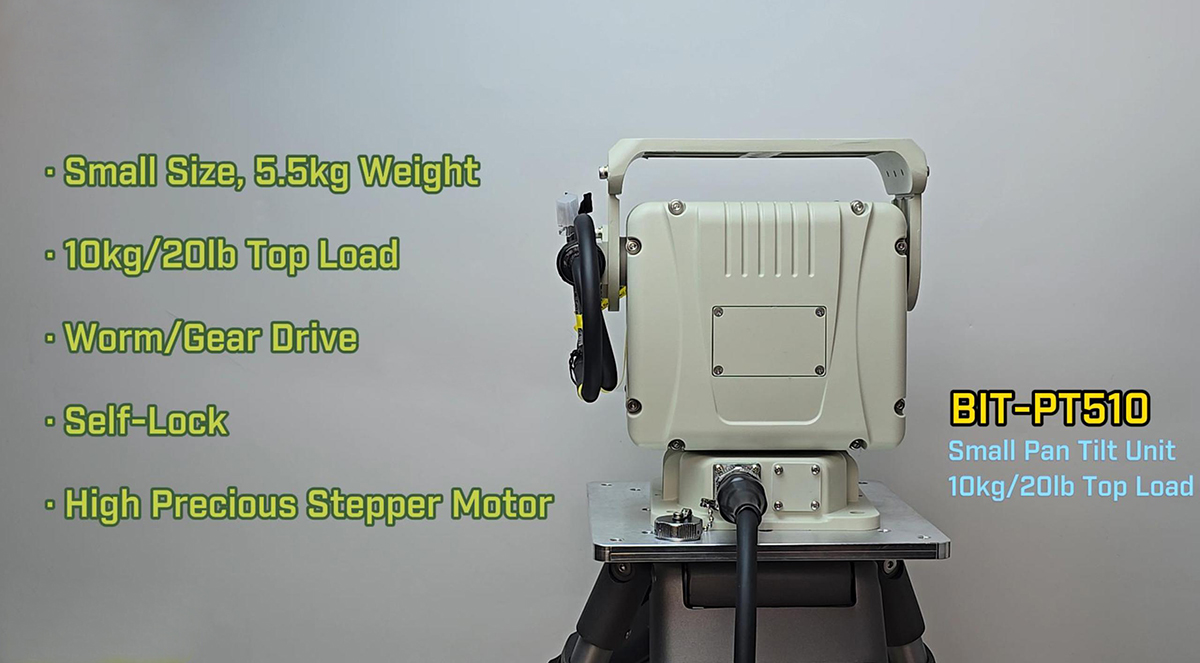
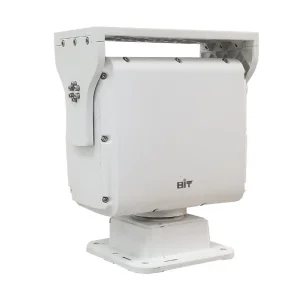
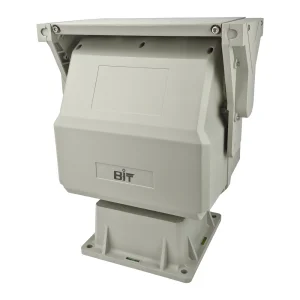
Compact worm-gear drive system featuring 360° pan and ±60° tilt rotation. Speeds up to 30°/sec. Compatible with standard pole mount adapters for perimeter monitoring, coastal tracking, and forestry surveillance.
The BIT-PT503 is our lightweight 3.5kg model designed for compact cameras. The BIT-PT410 is a high-speed variant capable of up to 100°/second rotation for rapid positioning applications.
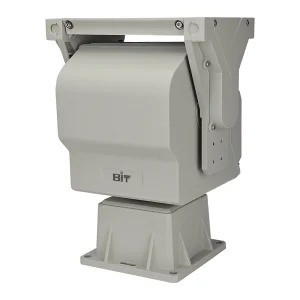
Heavy-duty worm-gear driven pan tilt head. Designed for stable performance in high-wind environments, minimizing backlash for long-range surveillance sensors.
Our designs are backed by 50+ national patents and certified manufacturing workflows.
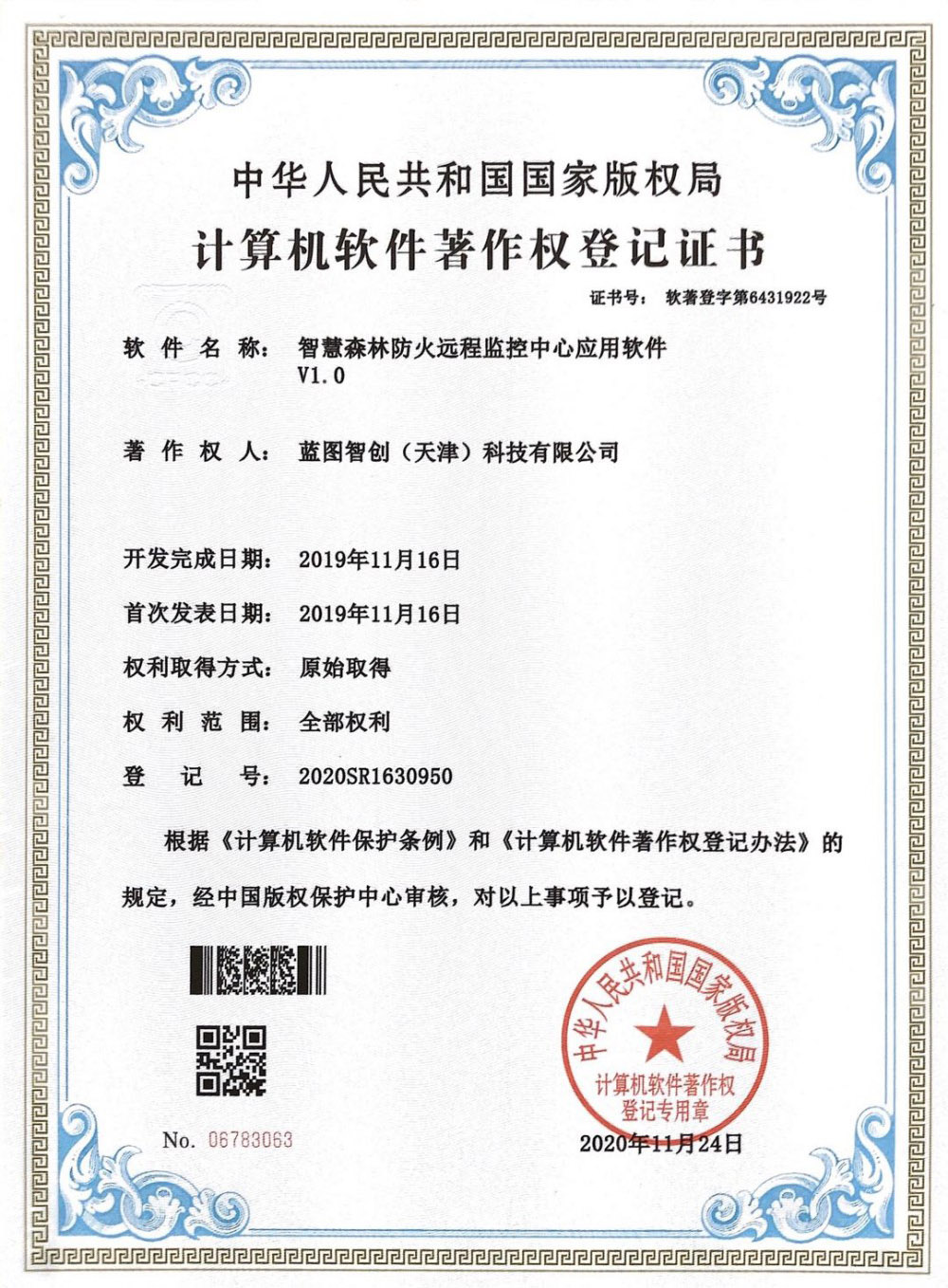
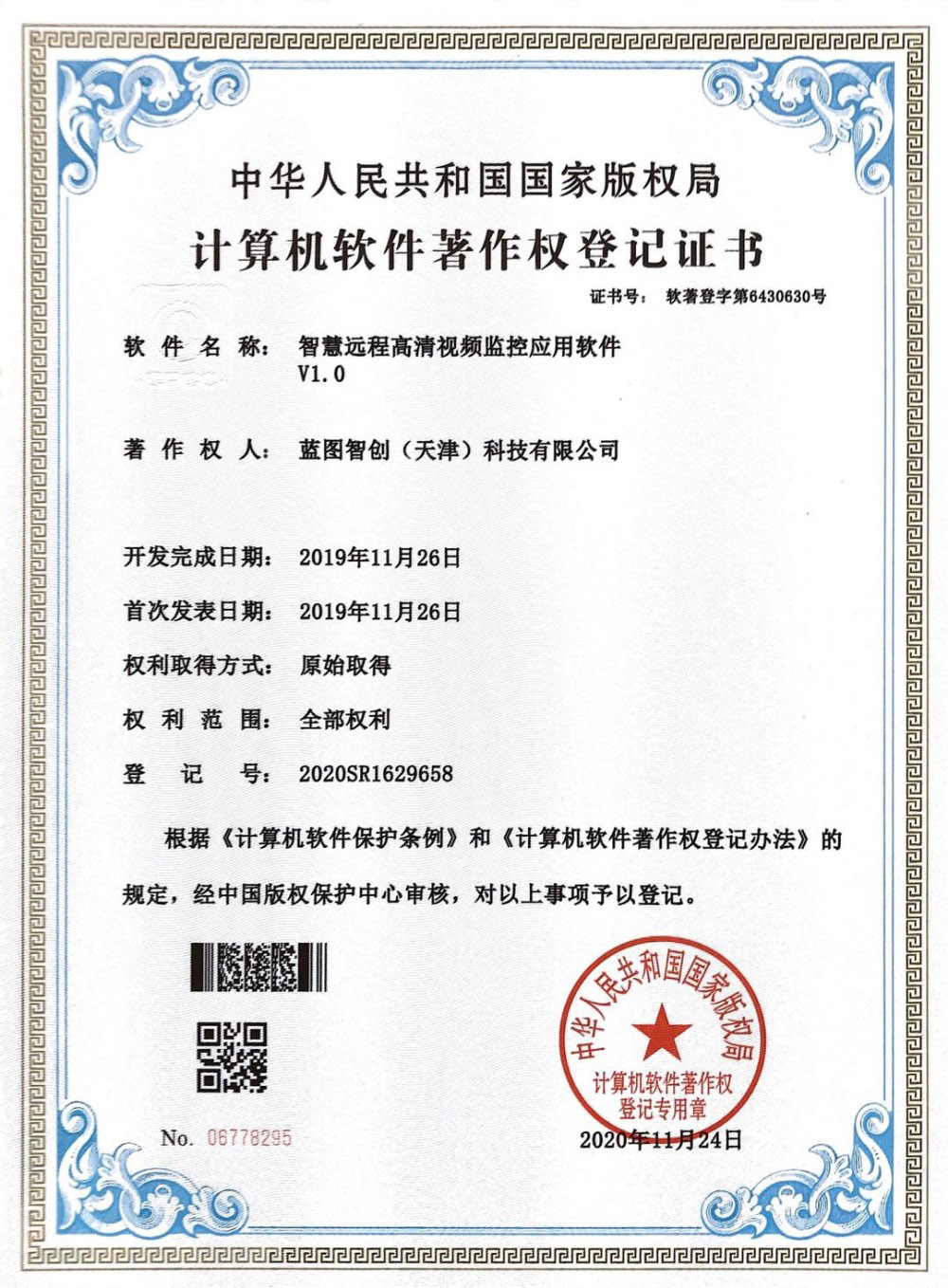
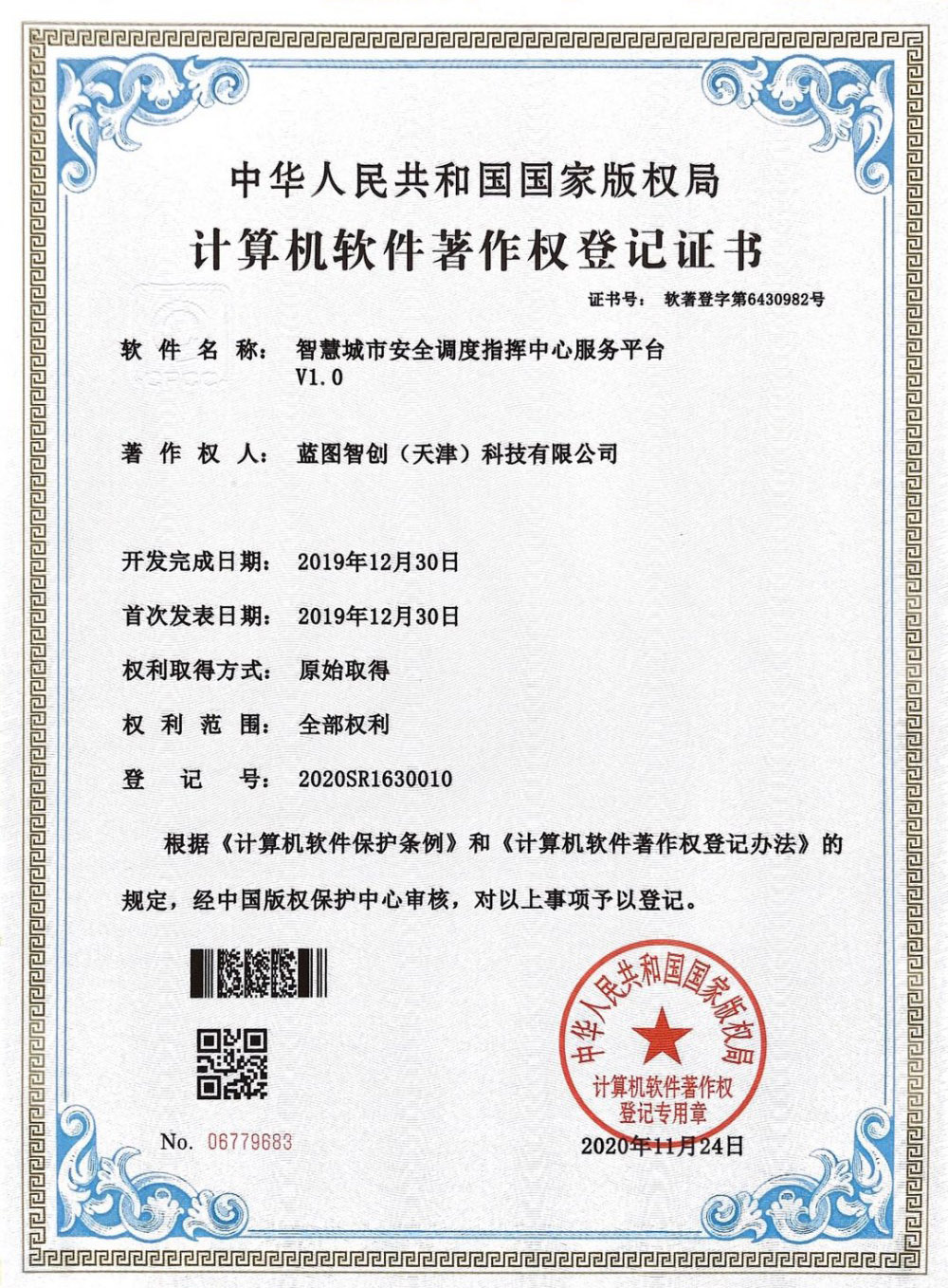
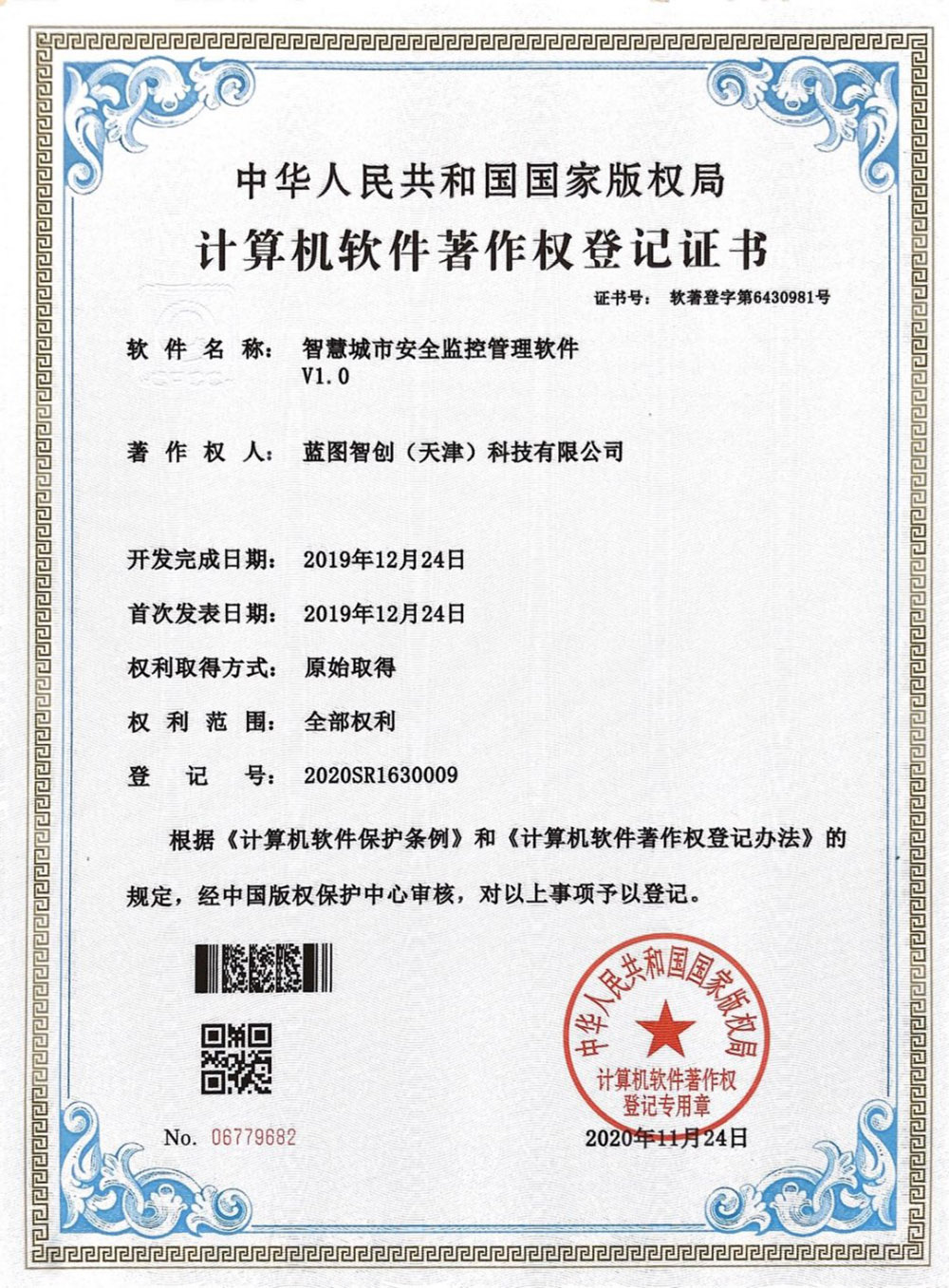
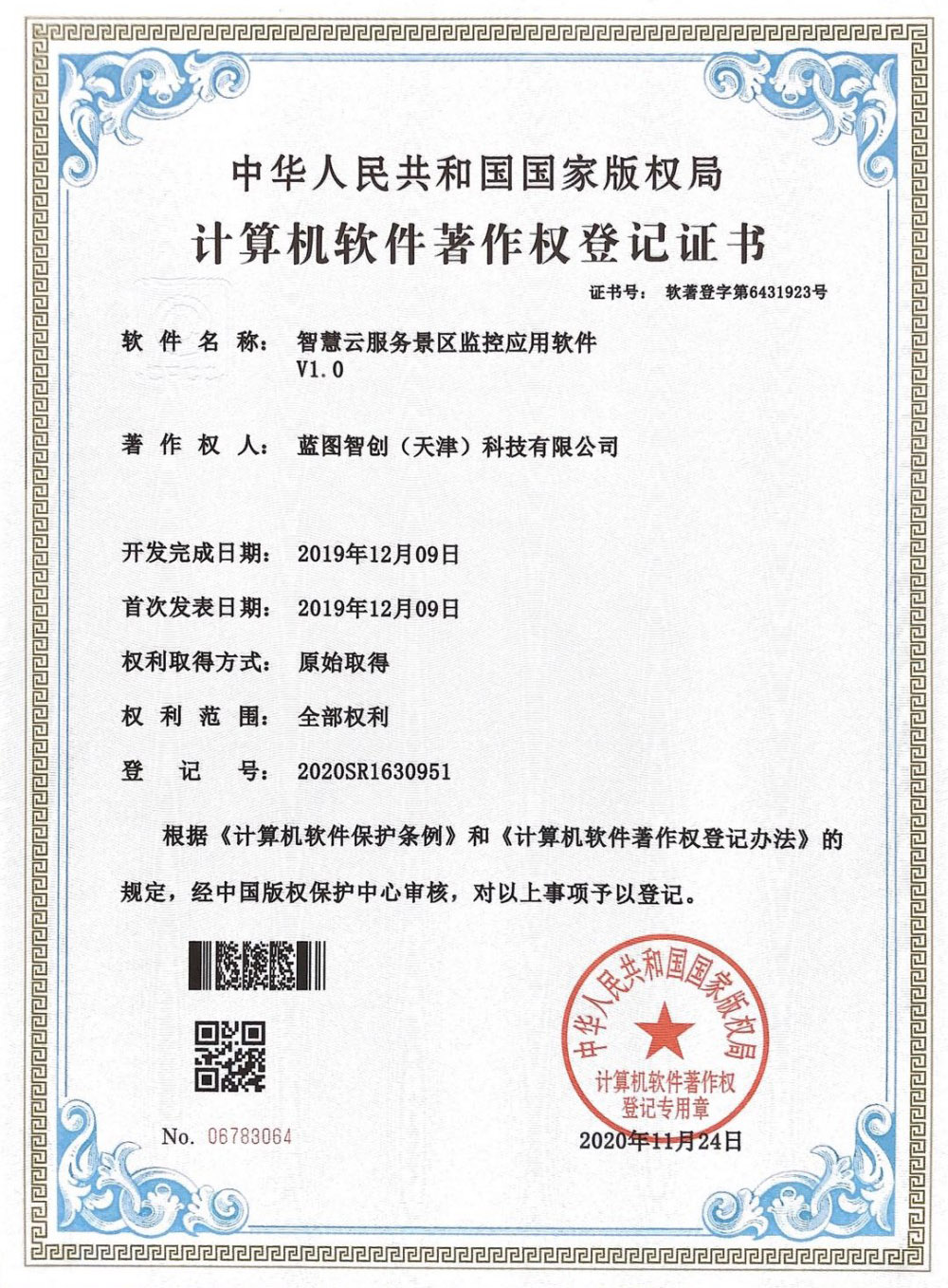
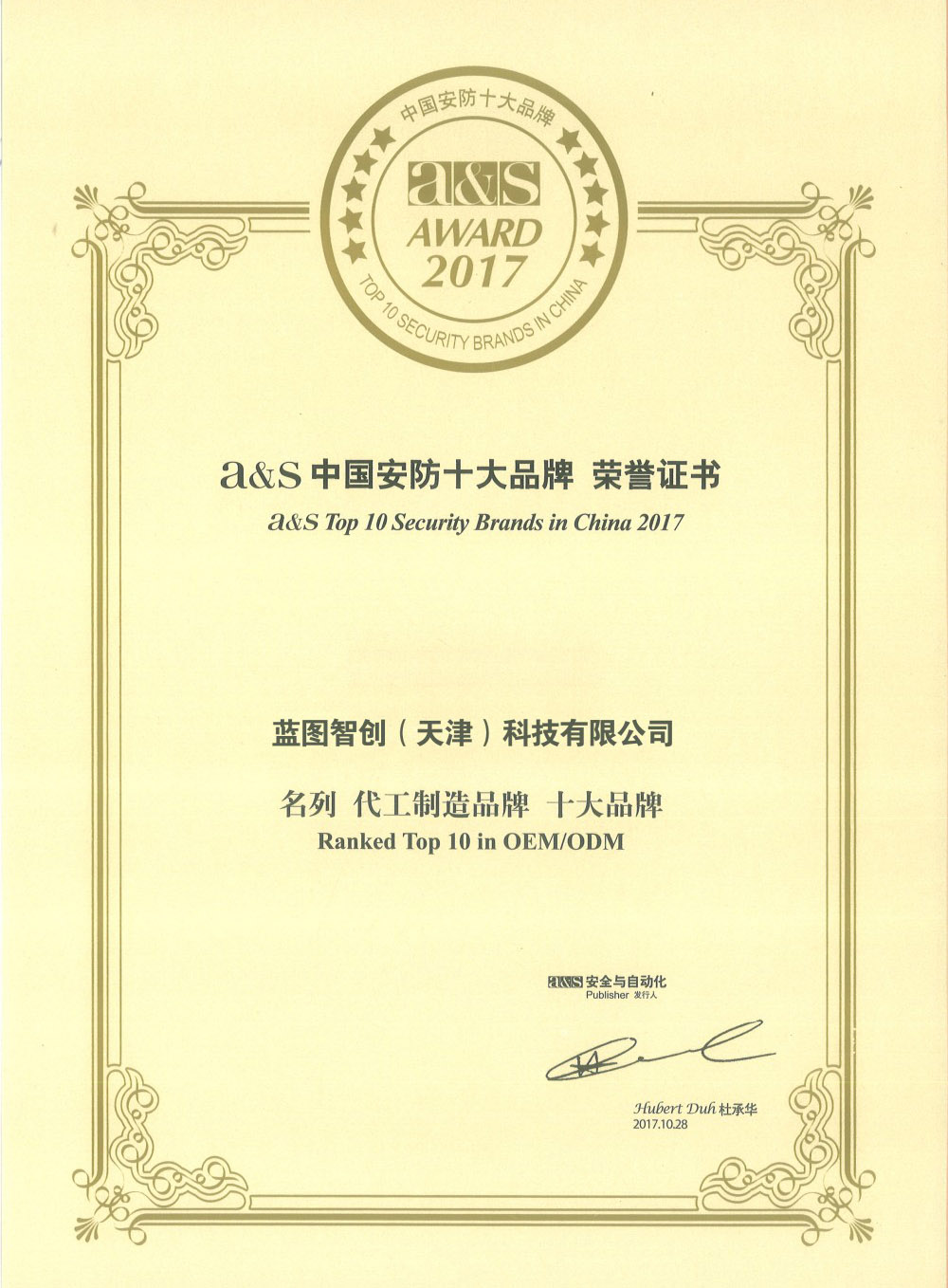
Our products are deployed in over 50 countries across municipal, defense, and industrial networks.





Read technical articles on choosing, integrating, and configuring hardware for outdoor deployments.
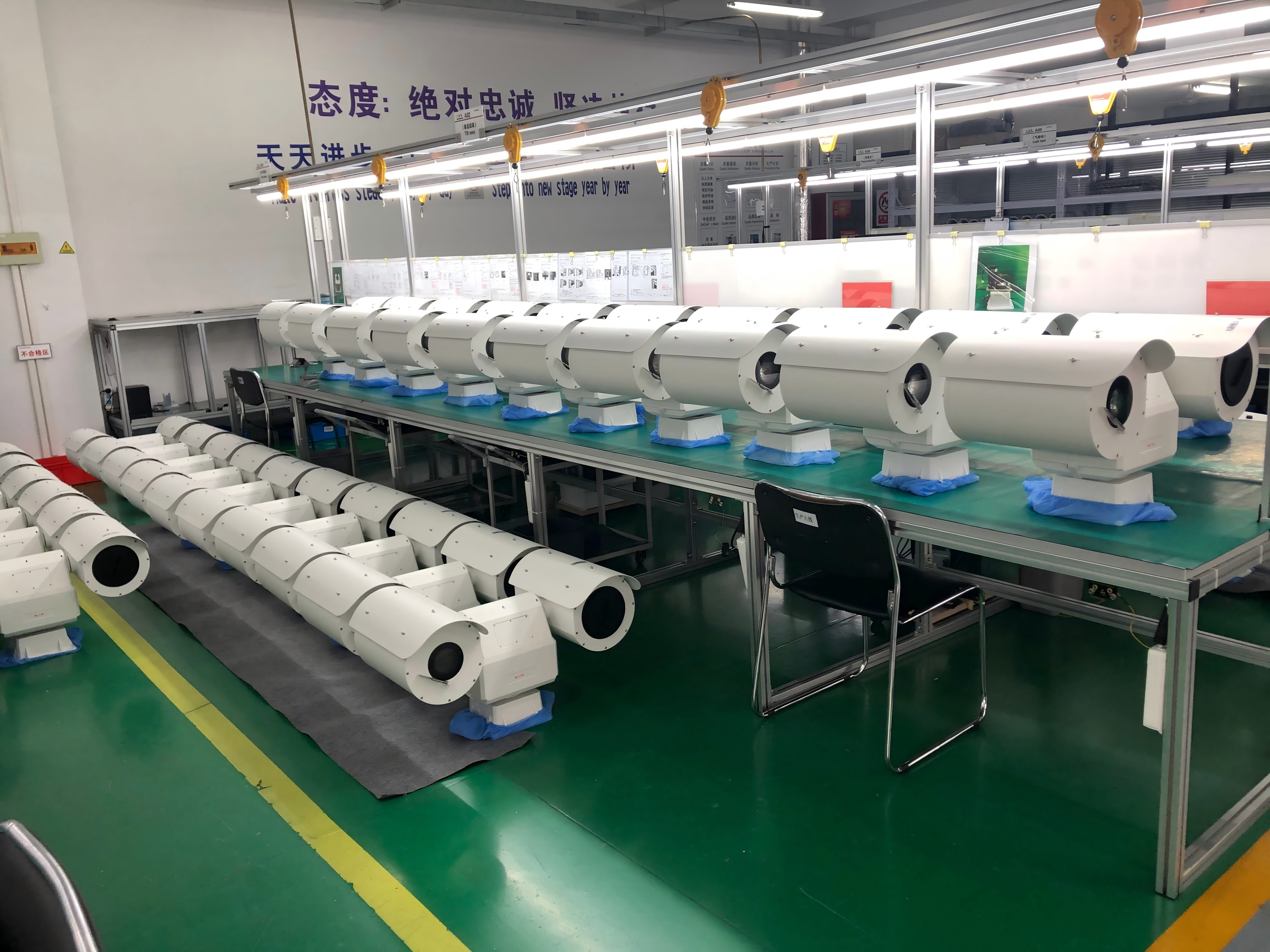
An engineering guide detailing how to match load ratings, environmental protections, custom brackets, and communication protocols (RS485/RS422) with your system requirements.
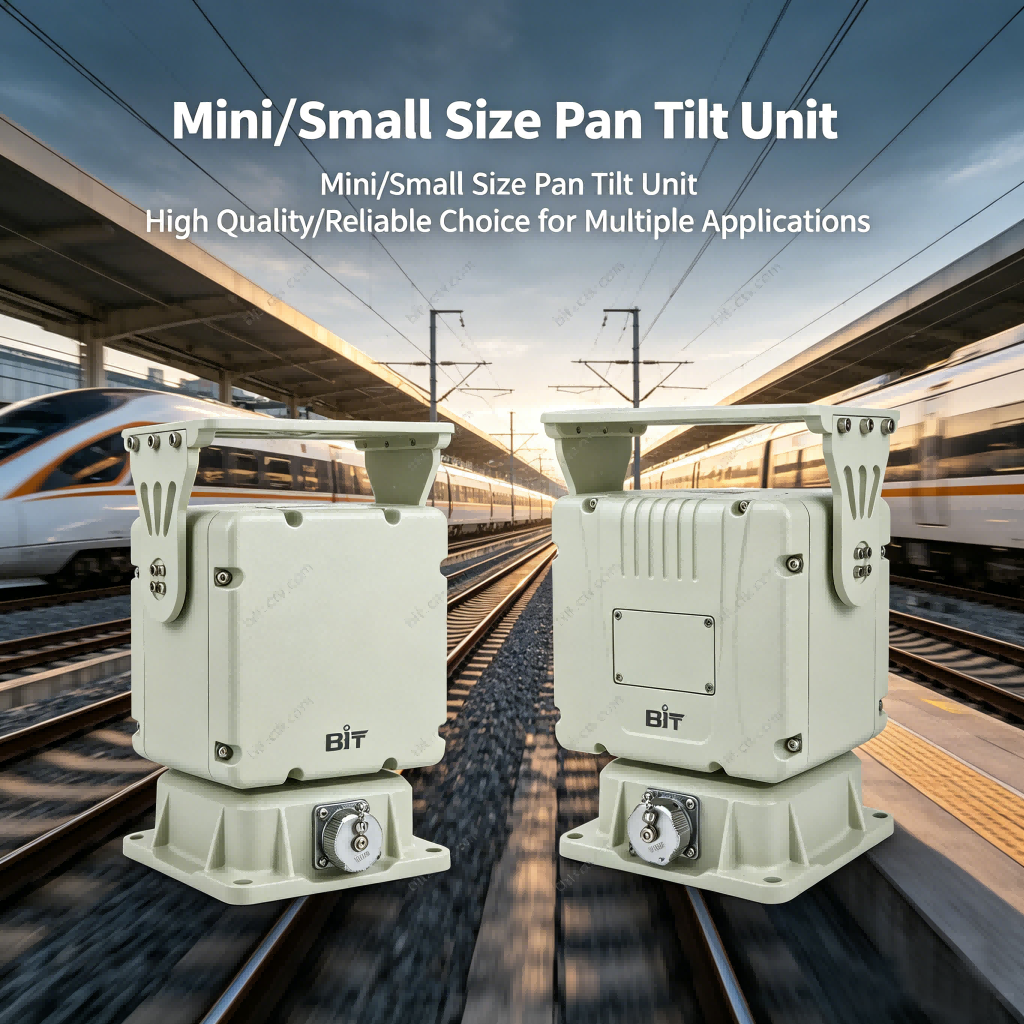
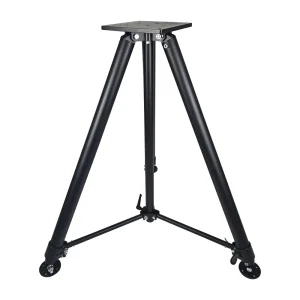
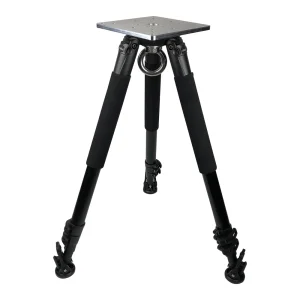
A comparison of miniature worm-gear pan tilts under 10kg, focusing on design options for mobile telescoping masts and portable tripods.
Classifying pan-tilt mechanisms by load capacity, operational range, environment (marine, explosive, industrial), and interface types.
Take a virtual tour of our CNC fabrication facilities, automated testing platforms, and assembly areas.
Mechanical, structural, and procurement questions answered by our engineering design division.
To accurately compute wind-load ratings (in accordance with standards like EN 1991-1-4), we need: the operational and survival wind velocity (e.g., 45m/s and 60m/s), the total projected area (EPA - Effective Projected Area) of the camera housing or pan-tilt unit, the height above ground level, and the structural profile of the mounting pole. Using this data, our engineering team runs Finite Element Method (FEM) simulations to verify that the stress values remain below the yield strength of the chosen material (e.g., Q355B structural steel or SUS316L stainless steel).
Galvanic corrosion occurs when metals with different electrochemical potentials contact each other in a conductive environment. To prevent this, we isolate the metals using non-conductive interface gaskets (typically high-density neoprene, Delrin, or specialized PTFE sheets). We also use stainless steel A4-80 (SUS316) fasteners coated with anti-seize compound, preventing direct metal-to-metal contact and stopping galvanic corrosion.
Yes. Rapid acceleration and deceleration of a 50kg or 90kg pan-tilt unit creates dynamic torque forces. Our brackets are designed with gusset plates and reinforcing ribs to counter this twisting force. We analyze both static gravity loading and dynamic rotational deceleration to prevent structural deformation during high-speed tracking.
For coastal marine environments (C5-M corrosion category), we recommend hot-dip galvanizing per ISO 1461, followed by a seawater-resistant epoxy powder coating. Alternatively, fabricating the brackets from marine-grade SUS316L stainless steel with passivated surfaces provides long-term resistance to high humidity and salinity.
For customized designs, mechanical drawings are completed in 3-5 working days. Once the engineering layouts are approved, manufacturing (including CNC fabrication, robotic welding, and coating) takes 15-20 days, depending on order size and coating specs.
Heavy-load mounting adapters, enclosures, and structural accessories for security integrations.