 BIT-CCTV
BIT-CCTV
BIT-CCTV
High-precision electro-optical payload mounts, camera enclosures, and positioning units engineered to integrate seamlessly with custom telescoping mast arrays.
Underpinned by innovation, intelligence, excellence, and integrity, we lead China’s B2B pan-tilt and structural mast engineering sectors.
BIT-CCTV Founded
China Pan Tilt Maker
Annual R&D Investment
Countries Sales Network
Mfg. Area
The global demand for telescoping masts is undergoing a rapid technological evolution. Once restricted to simple mechanical extension antennas, modern telescoping structures are now primary platforms for high-altitude sensors, long-range thermal cameras, 5G base transceiver stations (BTS), and emergency emergency communication nodes. As urbanization increases and security paradigms shift globally, systems integration demands ruggedized, mobile mast systems capable of functioning in extreme environmental conditions.
Key drivers in this market focus on modular deployment speeds, reduced payload sway under high crosswinds, and reliable integration with complex tracking heads. From regional forest fire monitoring networks in Southeast Asia to border security fences across North America and Europe, telescoping masts serve as structural extensions of critical surveillance technologies. China-based manufacturers are adapting to these paradigms, shifting from standardized metal fabrication to advanced material applications, structural FEA analysis, and IoT-enabled automatic pneumatic/electrical control interfaces.
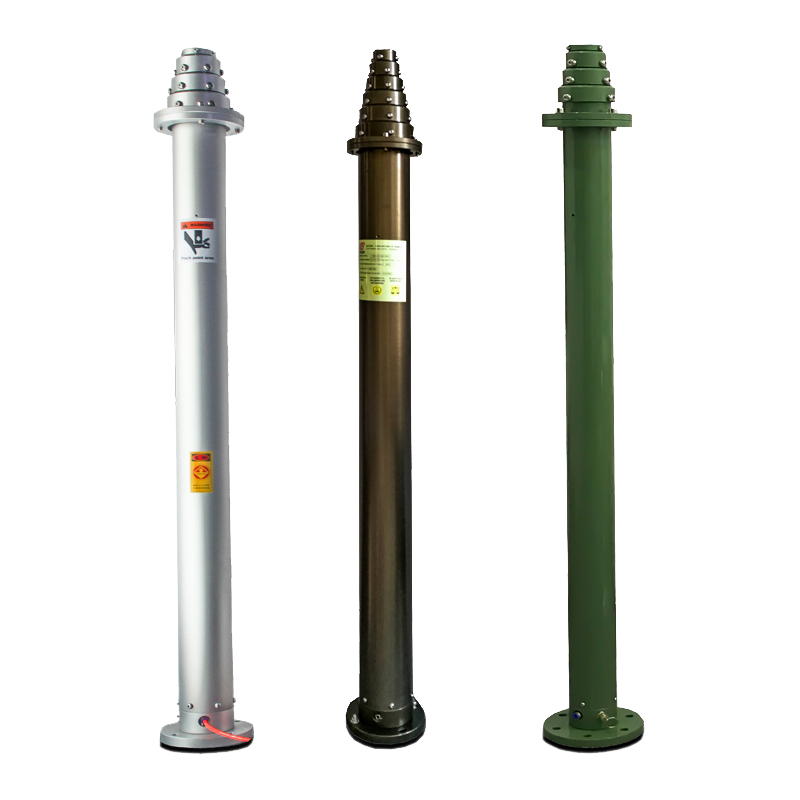
Technical considerations for engineering teams specifying structural telescoping masts for industrial, telecommunications, and defense projects.
Masts must support critical target payloads (ranging from 10kg up to 150kg) at elevated heights without catastrophic structural deflection. Calculating wind load profile areas (EPA) is vital to ensure structural integrity up to hurricane-force gusts (120 km/h operational, 150 km/h survivable).
Top-tier designs incorporate marine-grade Anodized Aluminum Alloy (6061-T6/7075) or Carbon Fiber. Anodized coatings must meet severe environment standards (ISO 9227 salt spray testing over 100 hours) to prevent binding between telescoping collar sections.
Determining structural mechanics is paramount: Pneumatic masts deploy rapidly using compressed air; Motorized/Electric masts rely on internal screw-drive components for precise height adjustments; Manual mechanical winches offer simple, power-independent field utility.
To feed continuous power, telemetry, and high-frequency video data to the head-mounted Pan Tilt Positioner and optical arrays, modern telescoping systems utilize internal spiral cabling configurations. This prevents cable snagging and mechanical wear during expansion and contraction cycles.

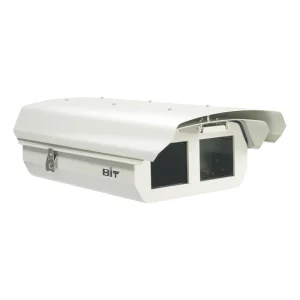
Established in 2005, Blue Icon (Tianjin) Technology Co. Ltd. is a national high-tech enterprise specializing in the design, engineering, precision manufacturing, and international distribution of high-quality CCTV surveillance equipment and structural mounts. Our comprehensive product portfolio features pan-tilt heads/positioners (ranging from 3kg to 150kg load capacities), long-range laser PTZ cameras, IR thermal imaging arrays, custom camera housing enclosures, and heavy-duty brackets designed to integrate directly onto structural telescoping masts.
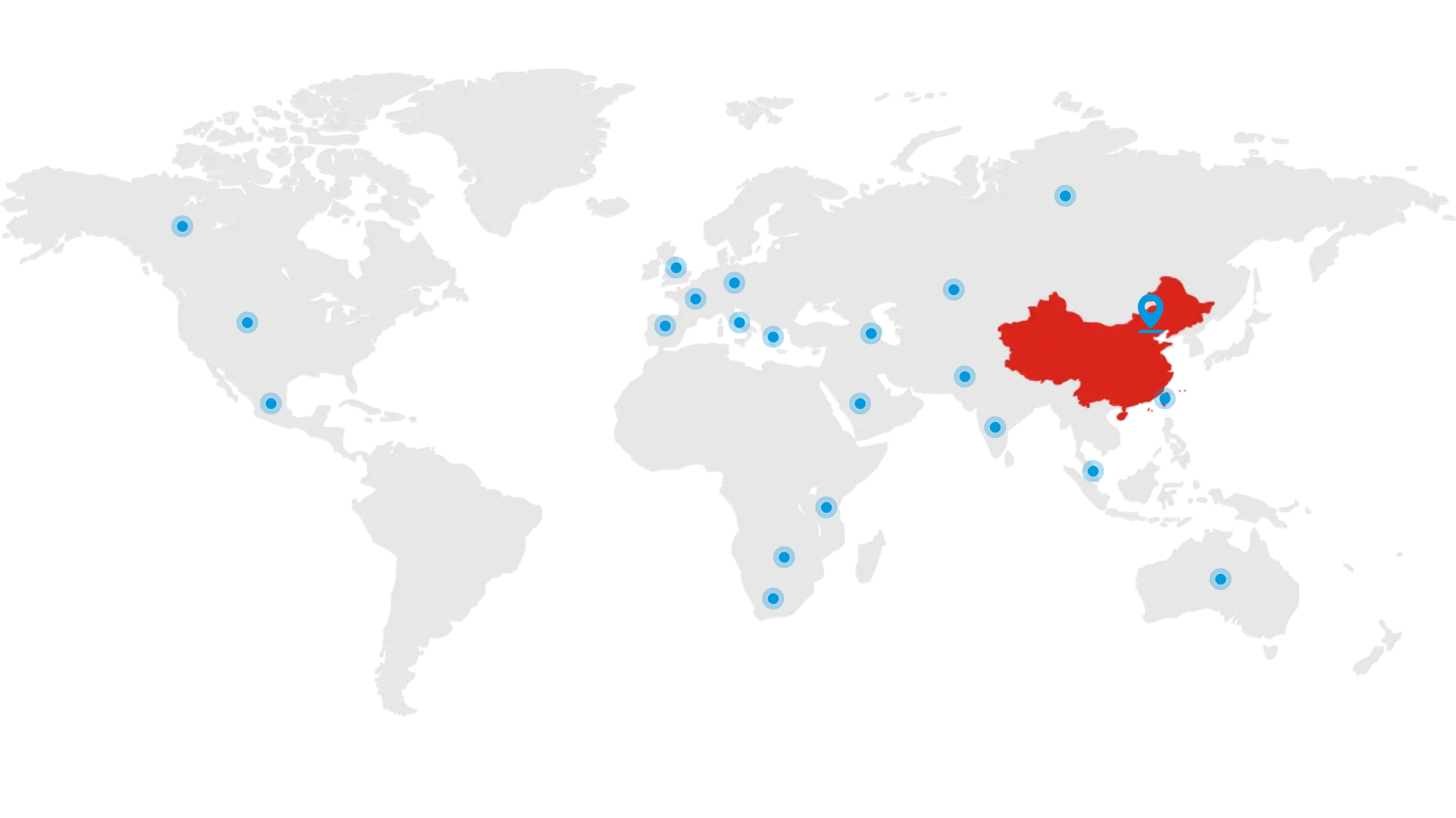
With over 18 years of specialized engineering experience, we supply end-users, system integrators, and distributors across 50 countries. Our 10,000 m² state-of-the-art manufacturing facility operates under rigorous ISO quality systems, and our design pipelines are fueled by an annual R&D reinvestment of 10% of total sales revenue.
As industrial supply chains face global shifts, China’s industrial ecosystem remains the global baseline for cost-efficient, high-precision engineering. Under the Factory 4.0 paradigm, Blue Icon utilizes automated CNC machining centers, high-tolerance tube extrusion processes, and digital testing rigs to deliver structural telescoping masts that conform to international standards (EN 1991 for wind actions, MIL-STD testing regimes).
Vertical supply chain integration within the Tianjin industrial corridor allows us to source raw materials, conduct precision tooling, perform automated surface treatments, and run complex mechanical cycle tests in-house. This keeps B2B order lead times short while offering complete customization, including tailoring top-plate mounting adapters, internal cable diameters, and collar locking pins to interface with existing monitoring networks without field modification.
Examine the engineering tolerances, worm gear drive systems, and physical dimensions of our performance models.
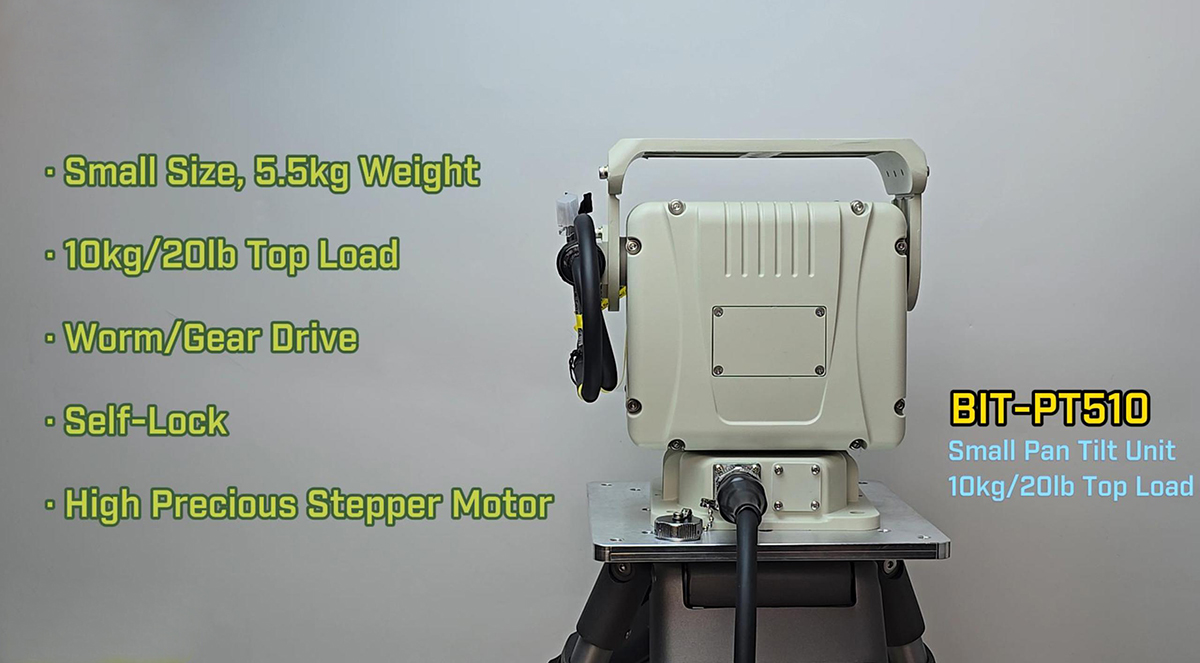
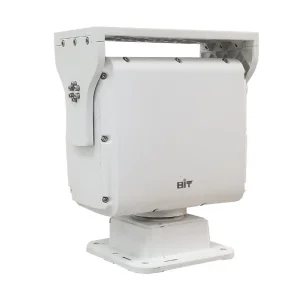
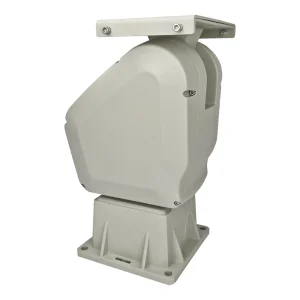
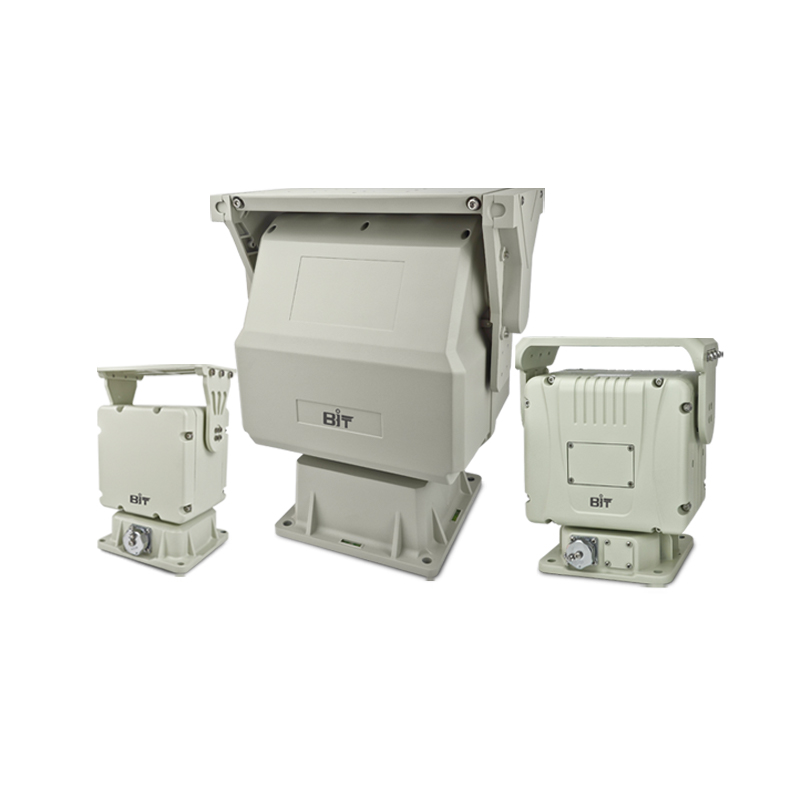
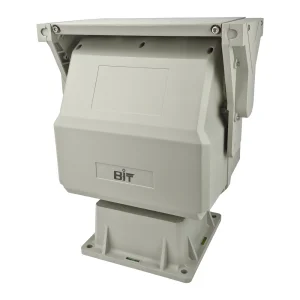
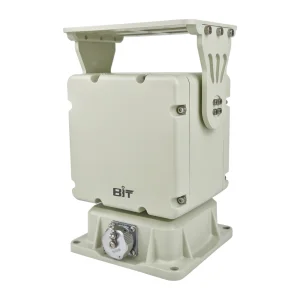
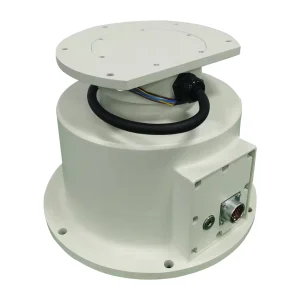
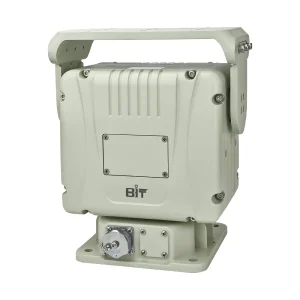
The BIT-PT510 is a compact, high-precision positioning unit utilizing a high-efficiency stepper motor mated with a robust worm gear drive. Capable of supporting 10kg/22lb top payloads, it supports 360° continuous pan rotation and ±60° tilt rotation at speeds up to 30°/s. Perfectly suited for mounting camera housings, spotlights, and radar arrays onto telescoping mast assemblies for coastal defense, border control, and fire monitoring networks.
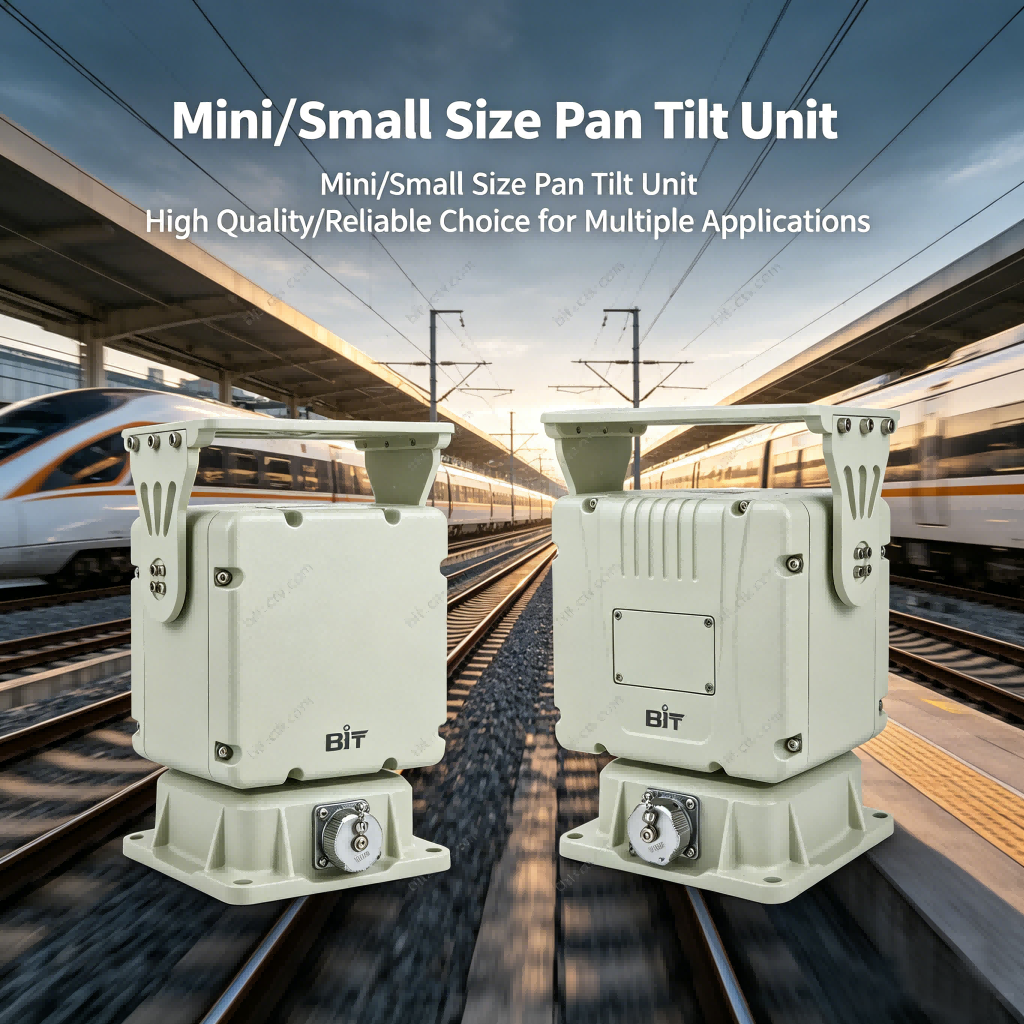
Our lightest positioning unit weighing only 3.5kg. Crafted specifically for tactical deployments, light-weight carbon fiber masts, and rapid emergency vehicles requiring minimized payload profiles.
Achieving rapid velocities of up to 100°/s on the pan axis, this unit enables fast target tracking and sweeps. Combines a stable worm gear tilt stage with wide rotation limits of -90° to +40°.
The B2B industry standard for heavy-duty multi-sensor payloads. Field-tested for over a decade in extreme environments, offering high mechanical durability, low failure rates, and absolute stability.
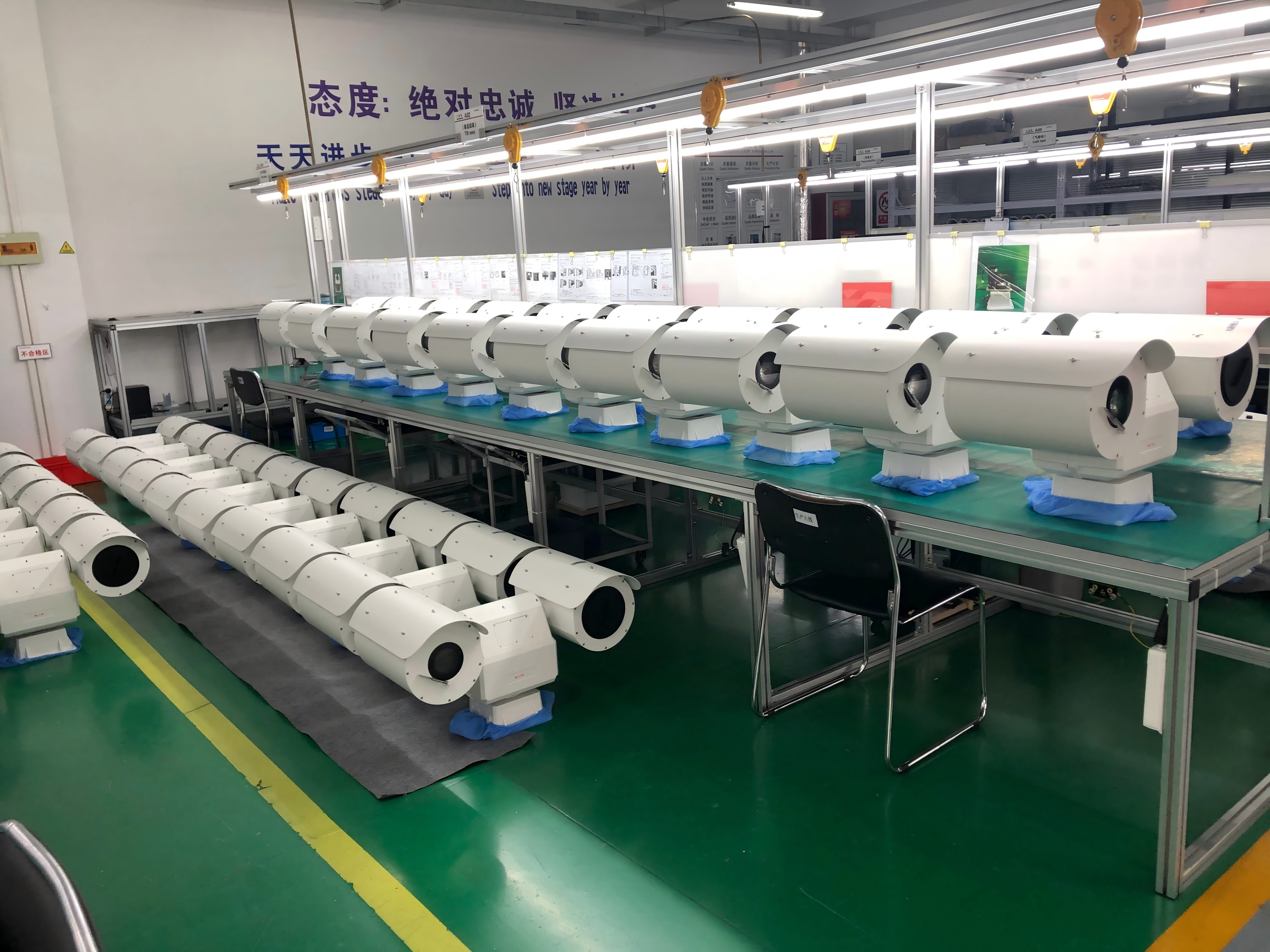
Inside our manufacturing hub, featuring precision assembly, structural calibration, and testing stations.
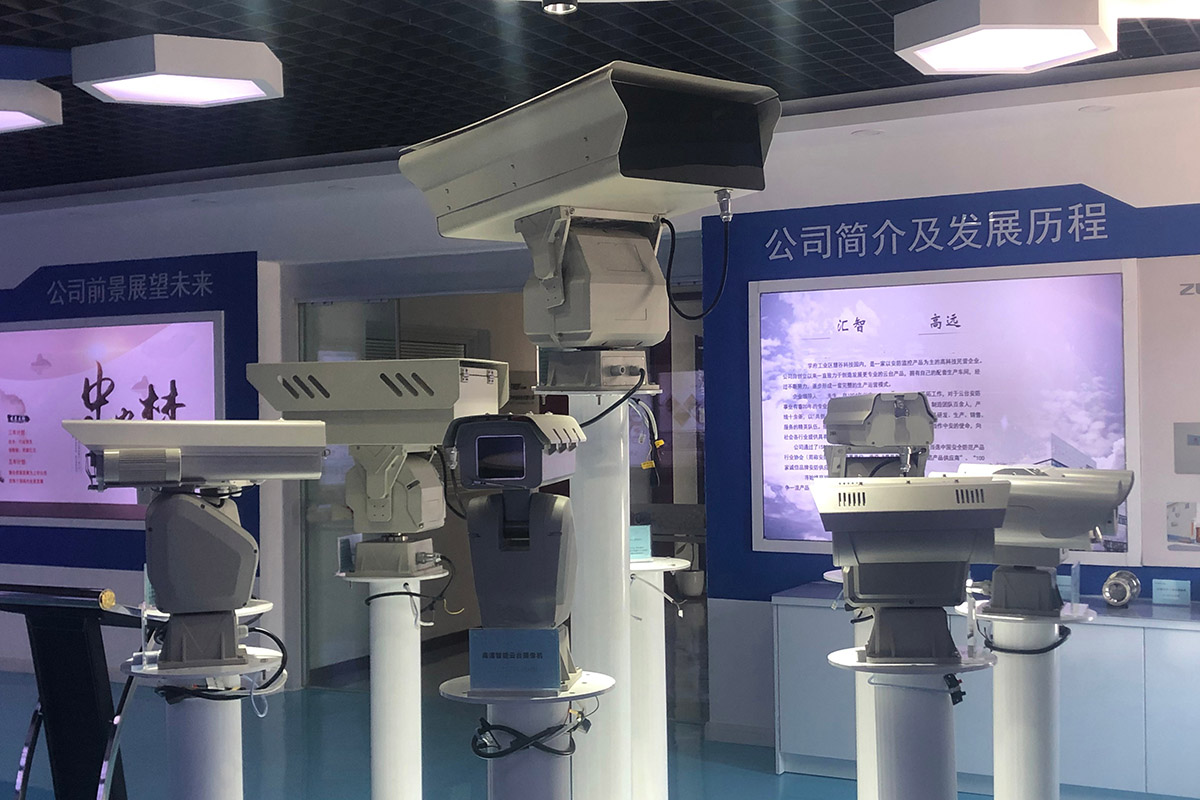
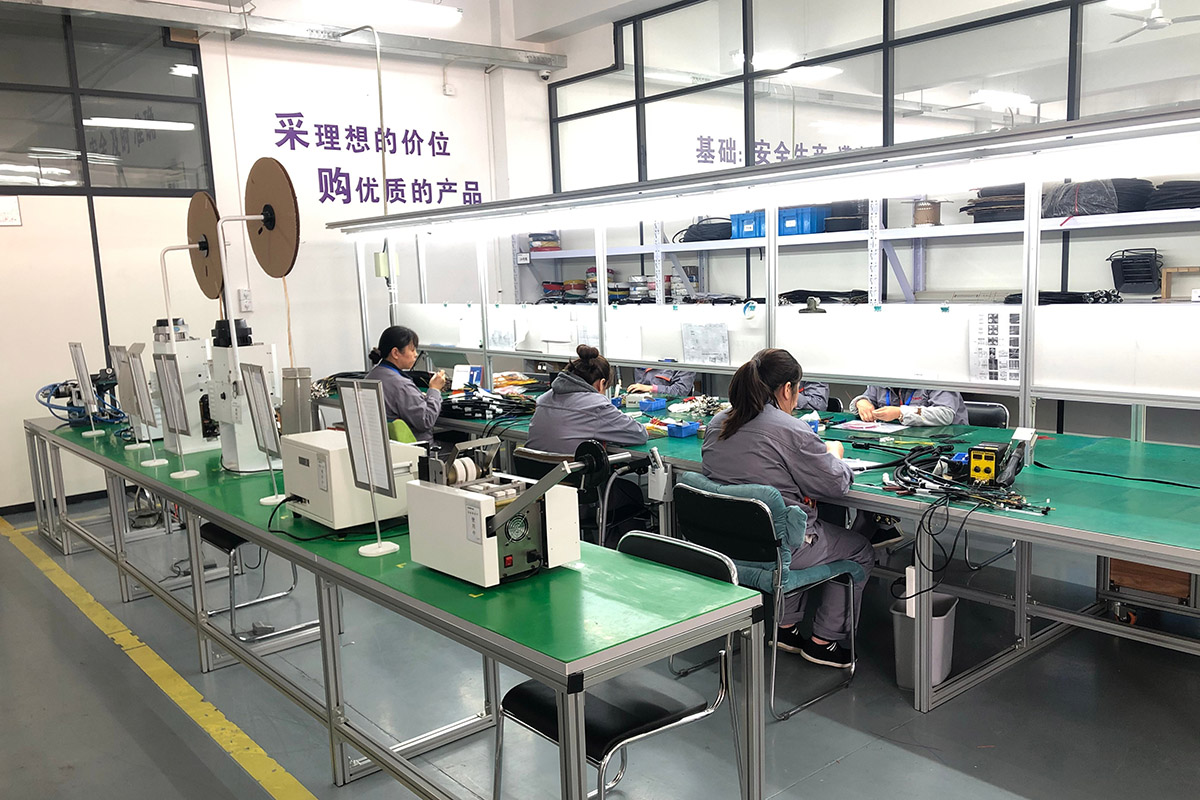
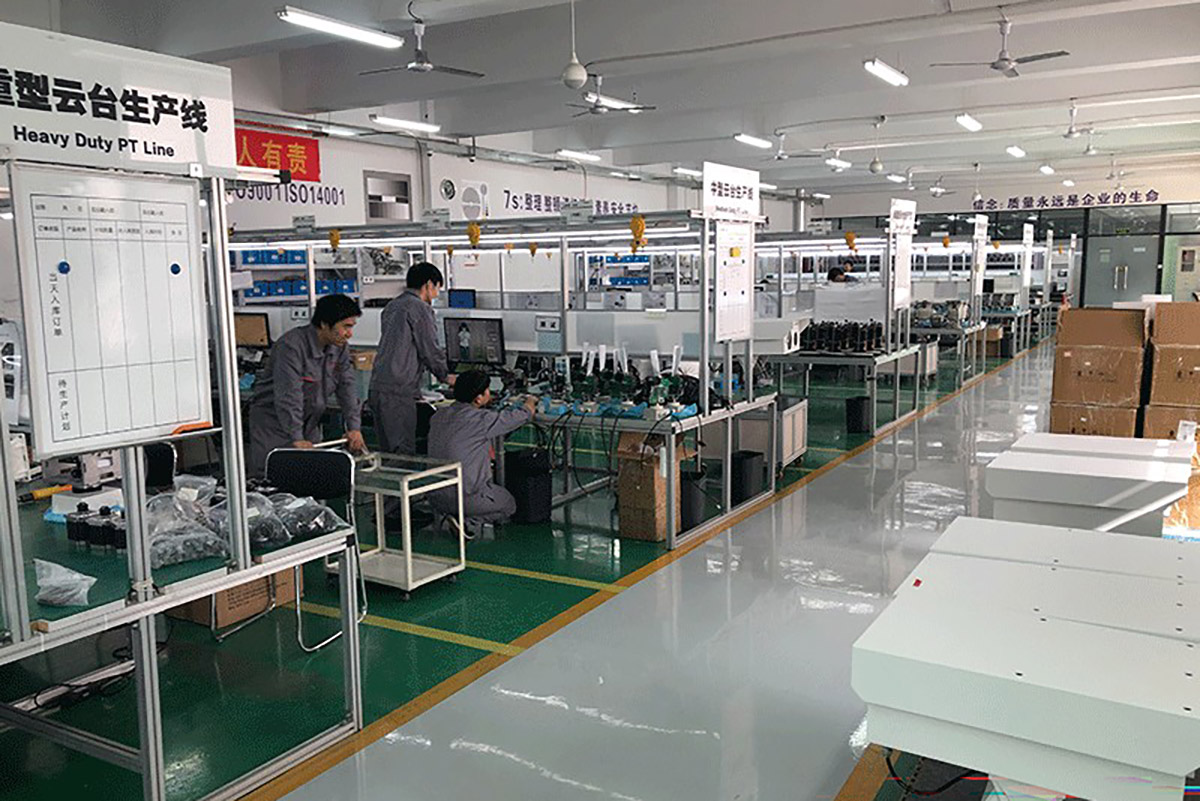
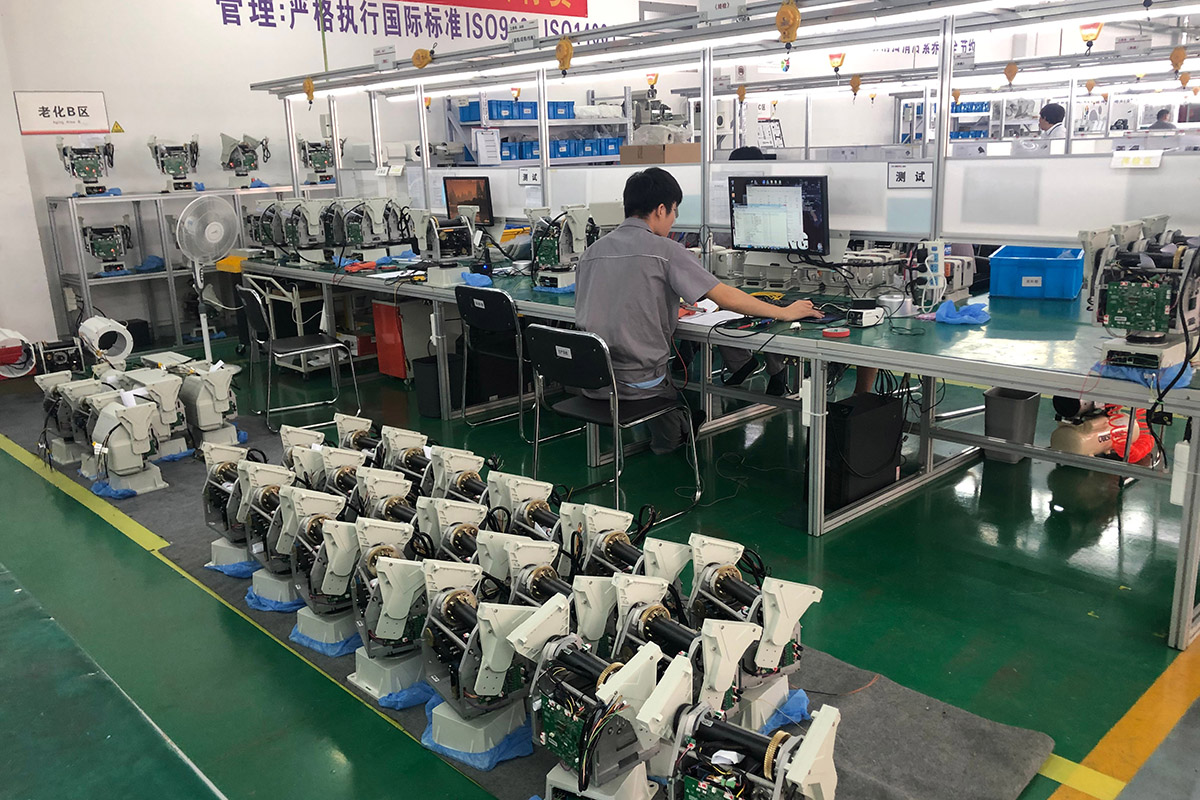
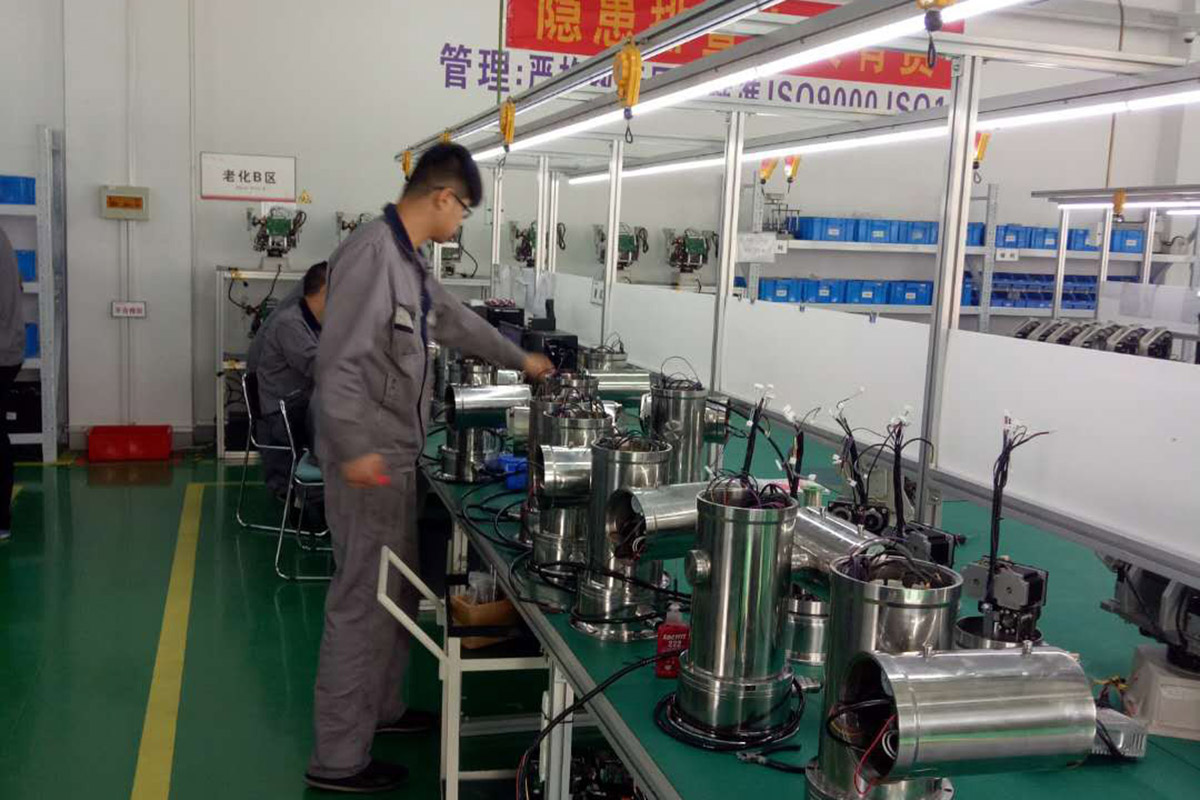
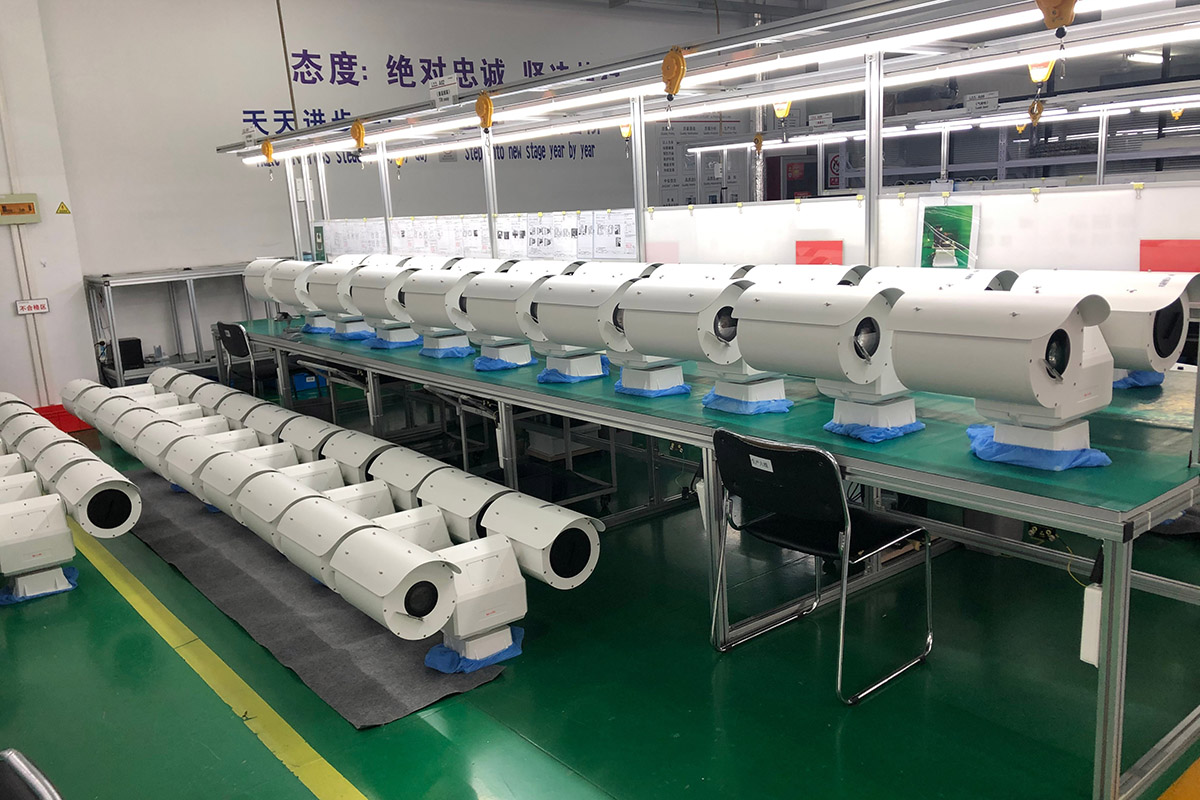
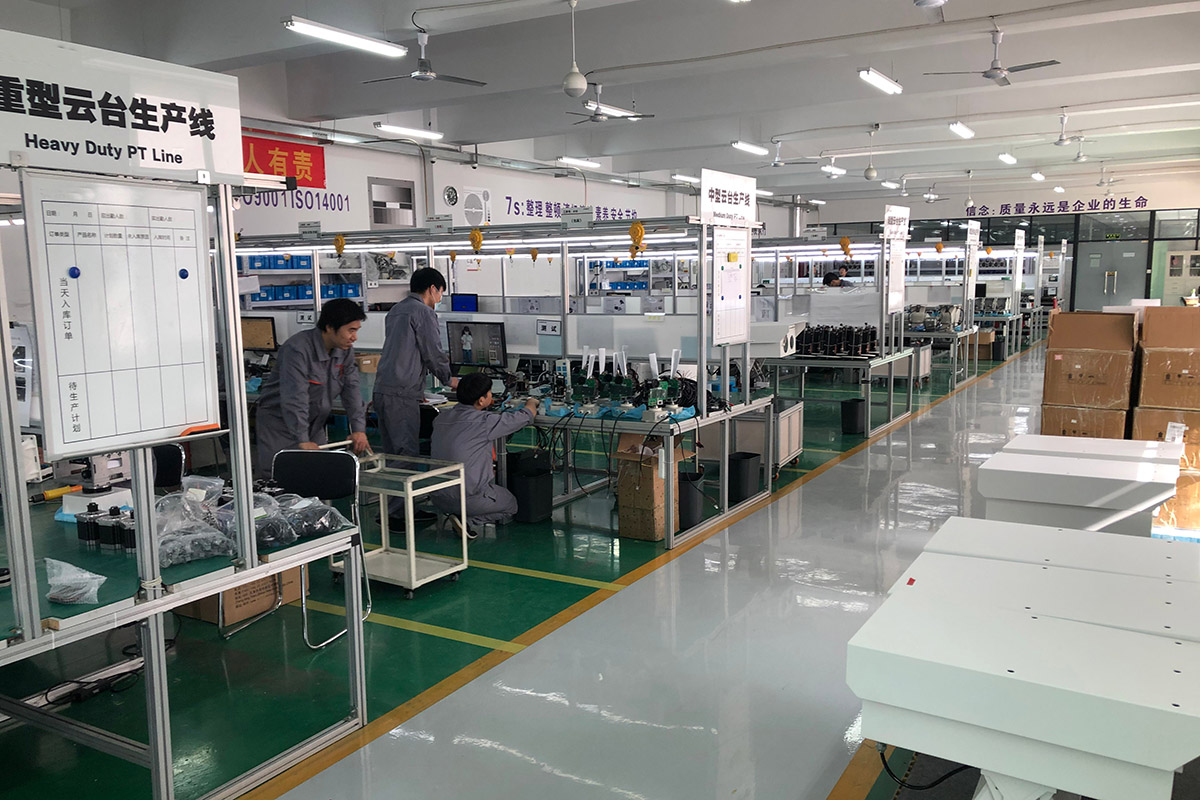
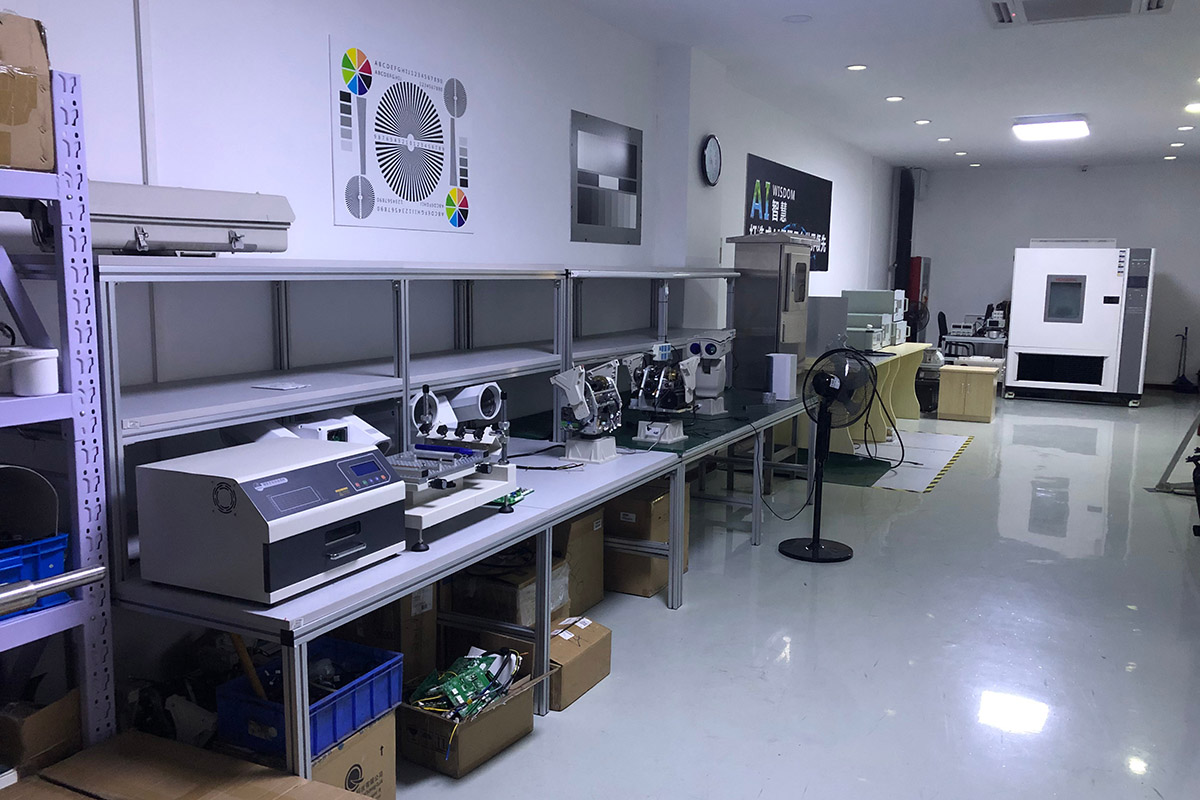
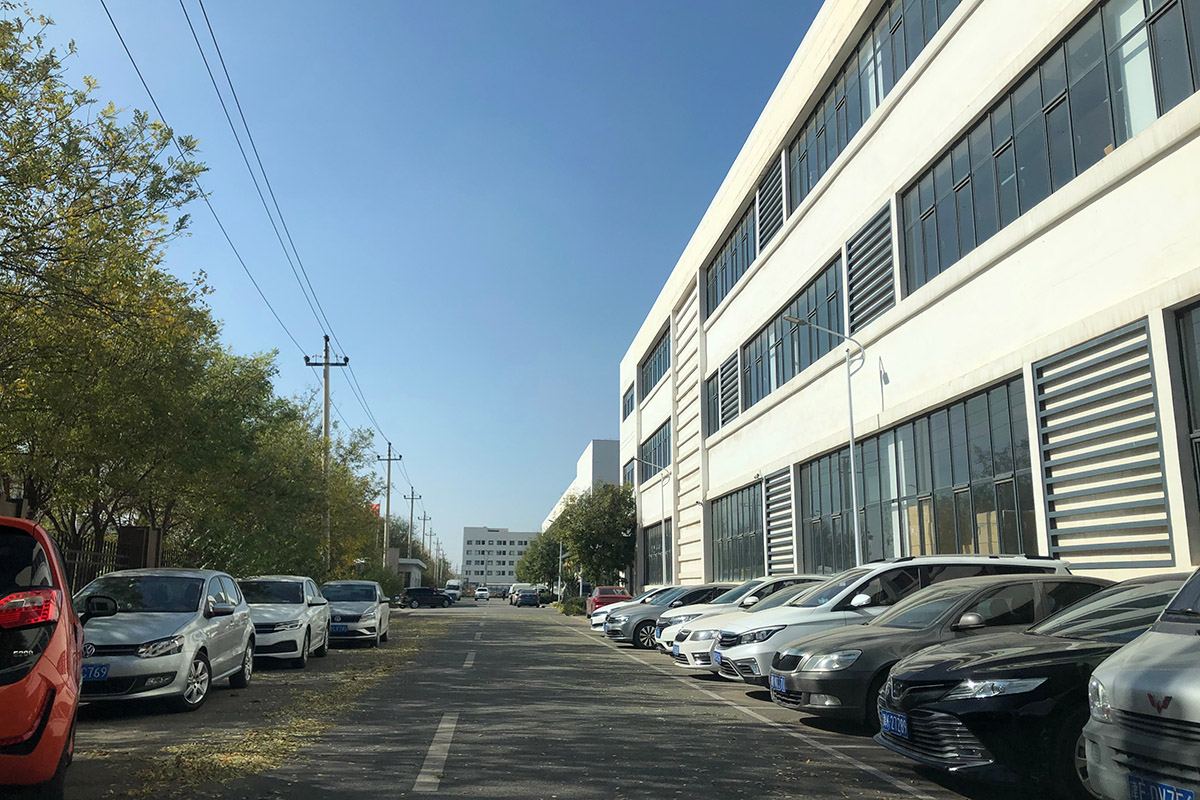

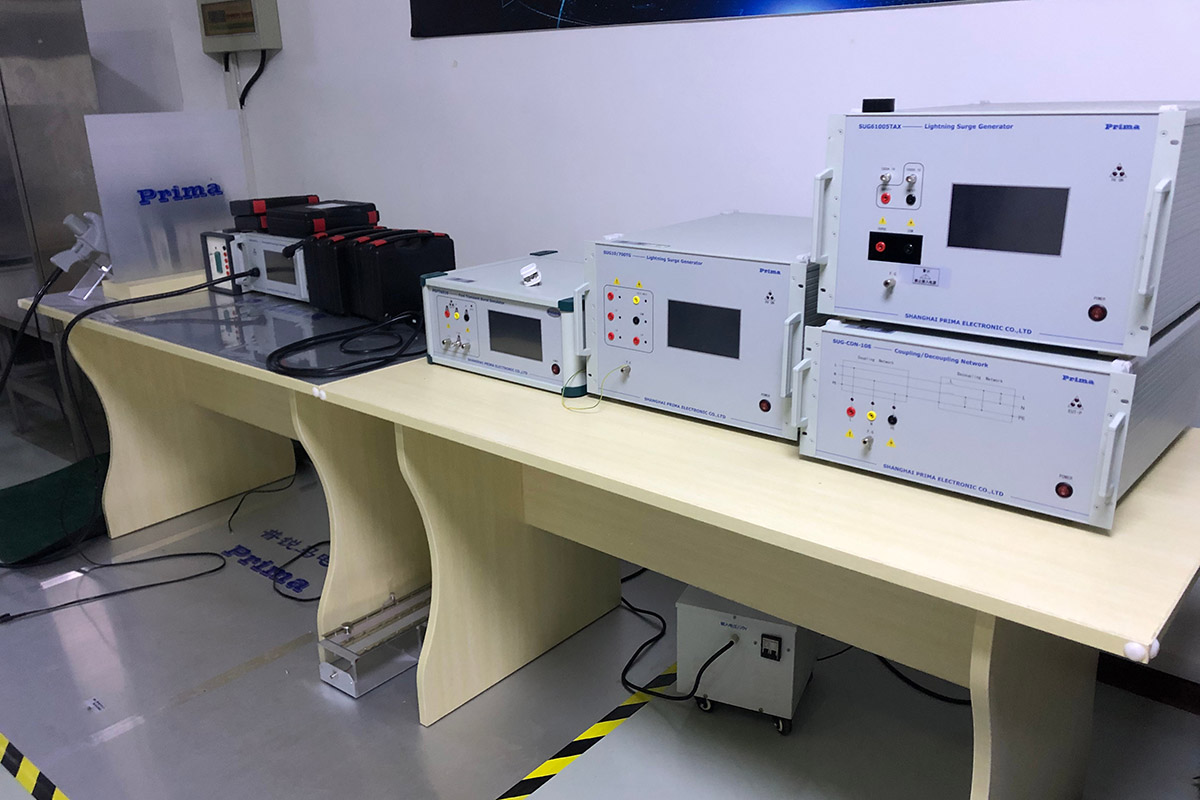
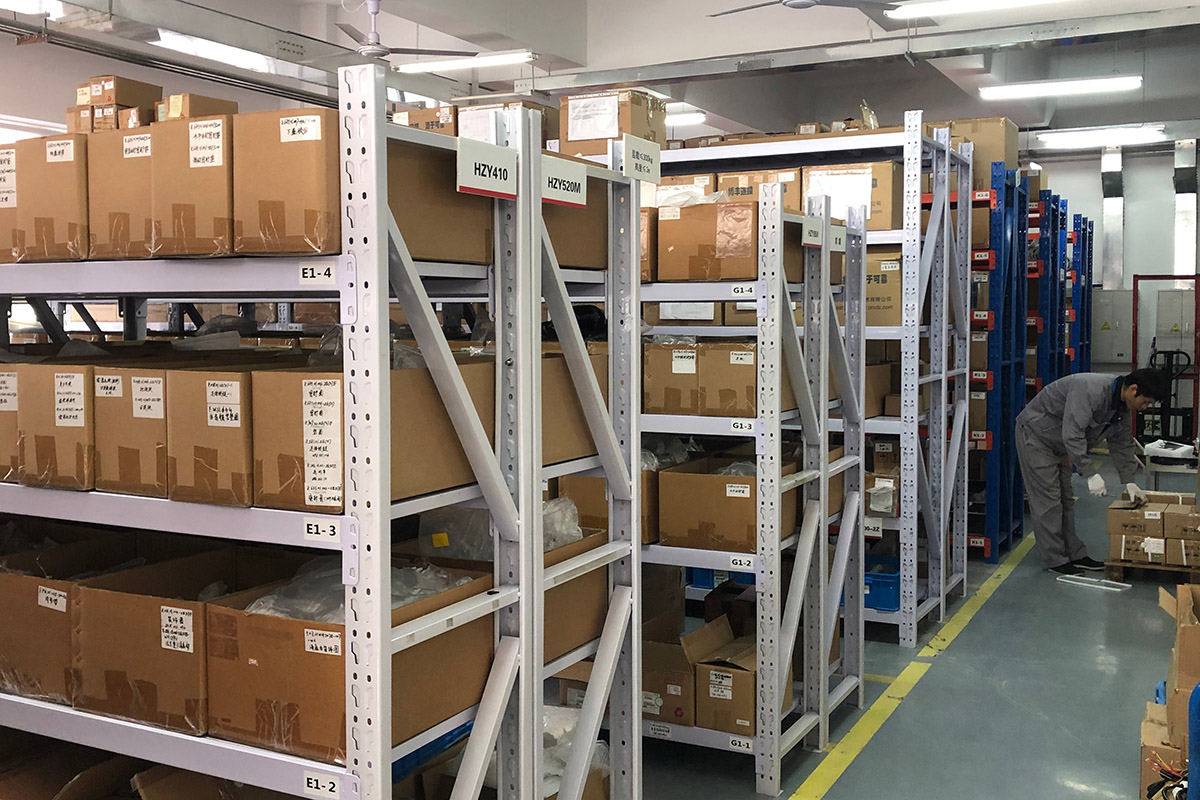
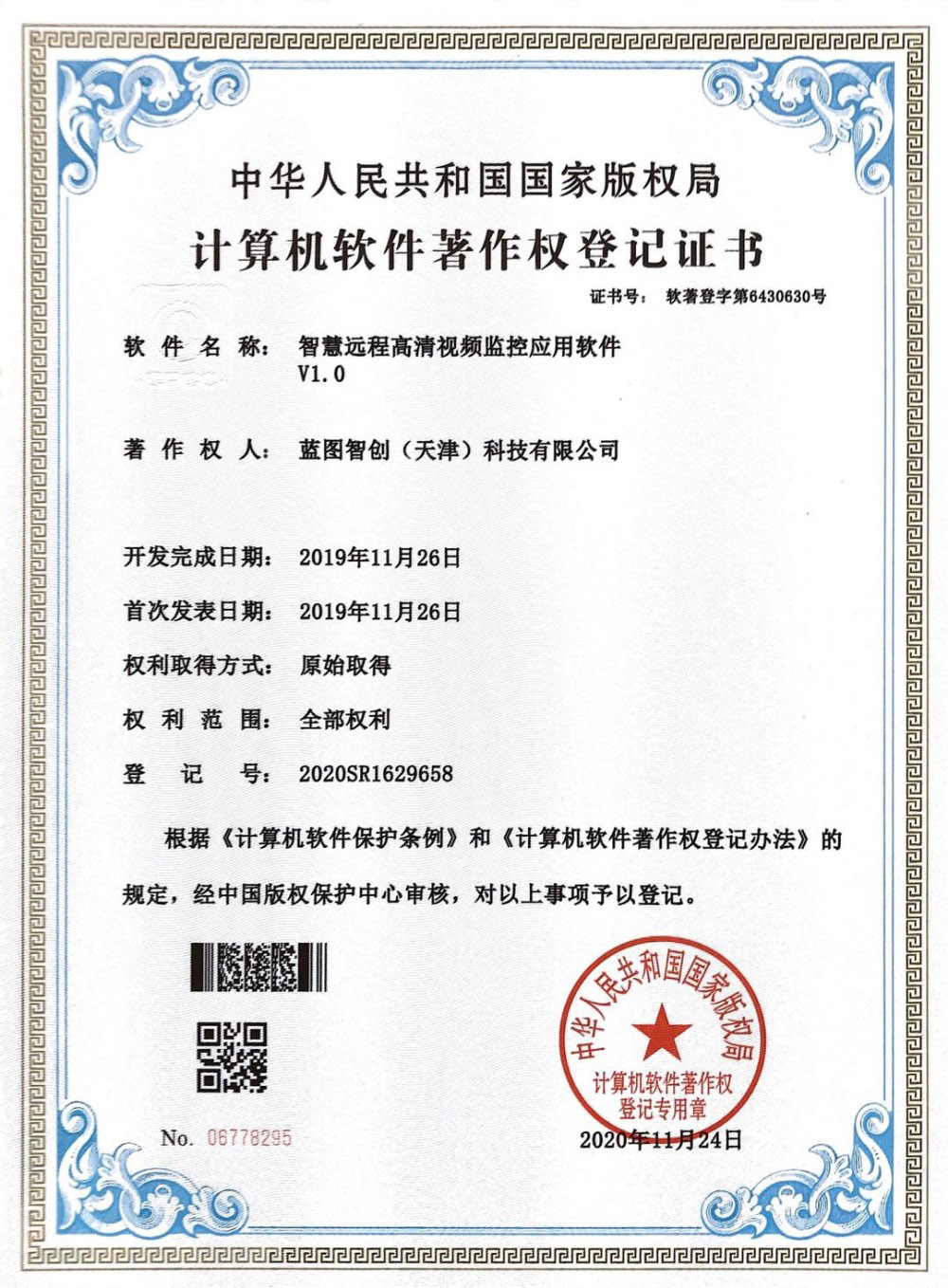
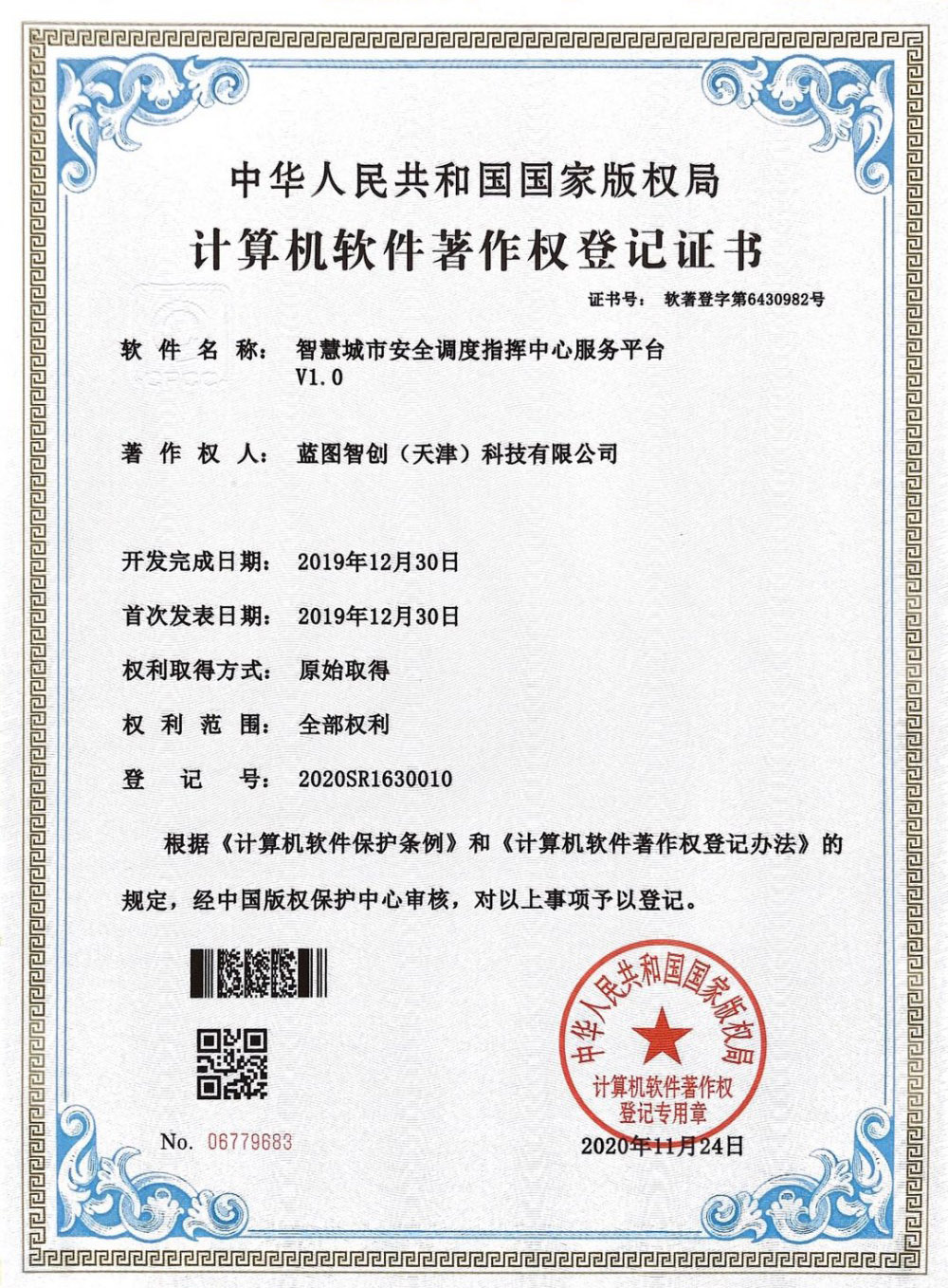
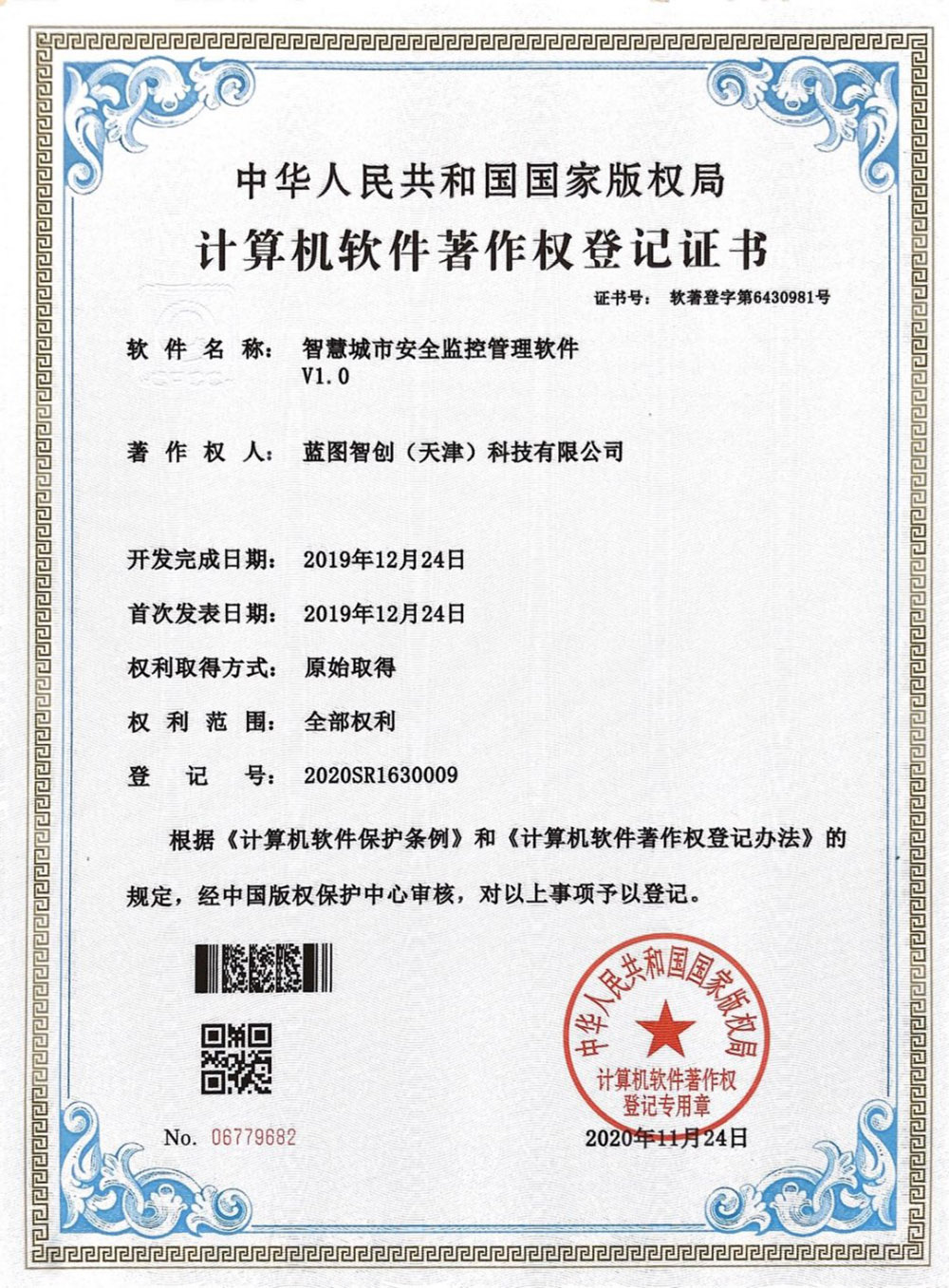
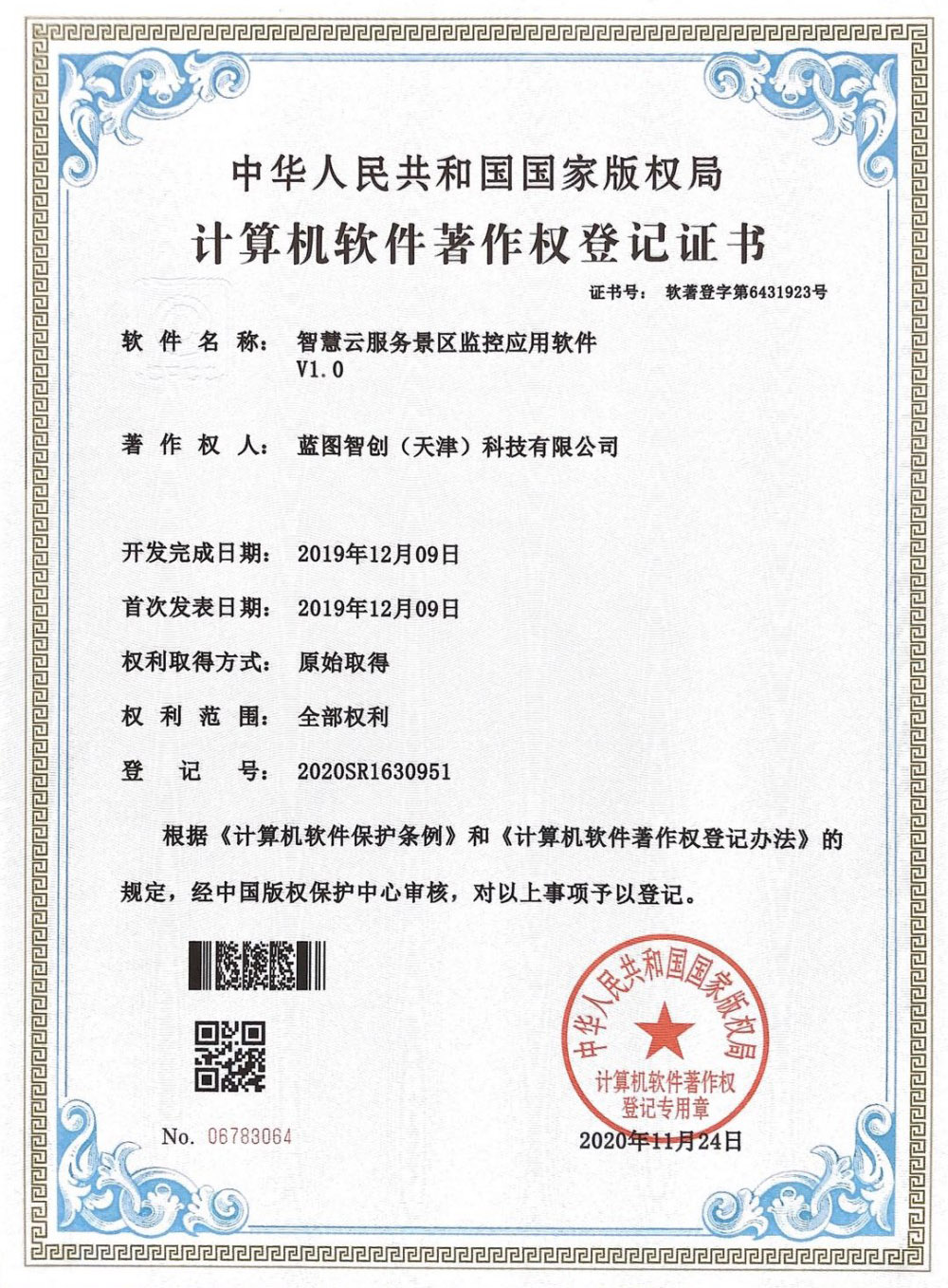
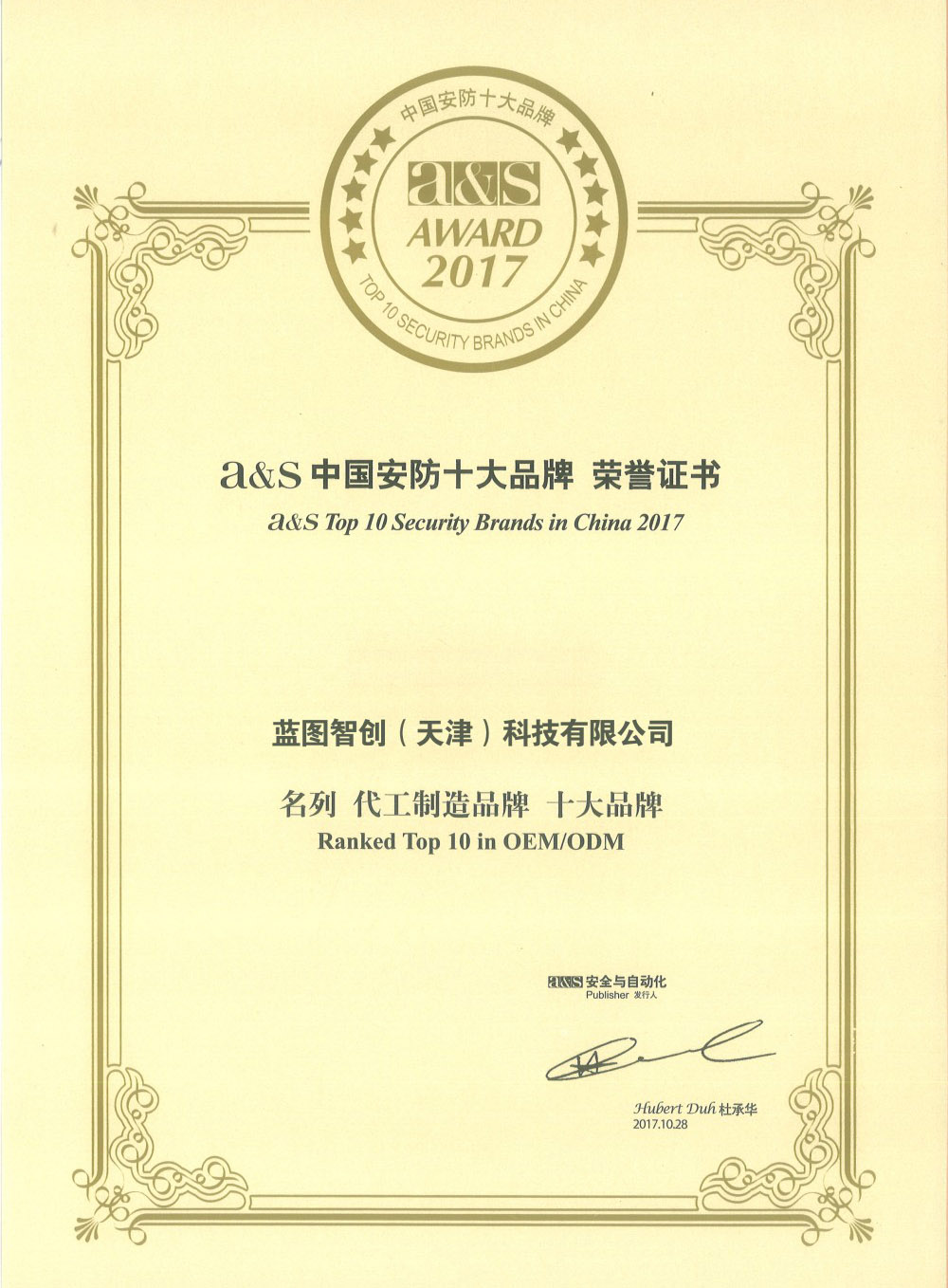
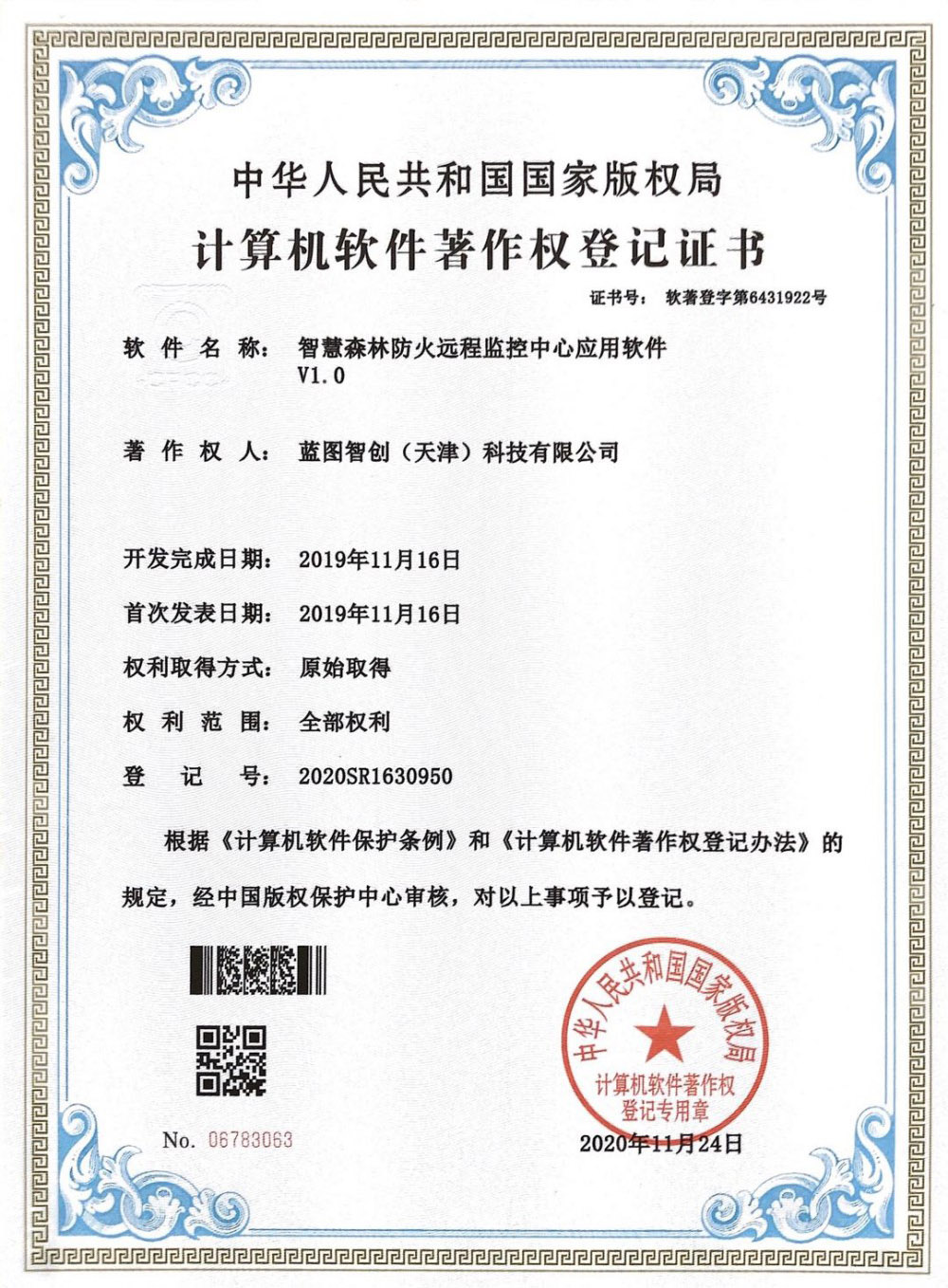
Our commitment to design engineering is proven by over 50 national patents and continuous compliance audits.
Technical articles, design updates, and structural installation best practices for mechanical components.
Our security equipment and mounting setups are integrated across 50 countries and five continents.





Essential engineering queries related to telescoping mast systems, mechanical loads, wind resistance, and system integration.
Pneumatic masts rely on compressed air to push tube sections upward, making them highly efficient for rapid vertical deployment and allowing built-in cushioning mechanisms to protect sensitive optical payloads. However, they require external air compressors and precise air-pressure seals. Motorized or electric telescoping masts use internal lead-screws or drive belts, which provide highly repeatable positioning accuracy and mechanical locking at various heights without air pressure, though they typically deploy more slowly.
Wind load calculation involves determining the total drag force, which is a function of wind velocity, air density, the Drag Coefficient (Cd) of both the mast and payload (such as camera enclosures and thermal sensors), and the total Effective Projected Area (EPA). Standard engineering protocols call for finite element analysis (FEA) to verify that structural bending moments at the base plate do not exceed material yield strengths (e.g., Anodized 6061-T6 Aluminum). Guy wires or outriggers are often specified for operations where wind speeds exceed 80 km/h.
Exposed cables hanging along the exterior of an extending mast are vulnerable to UV degradation, crosswind oscillations, and mechanical snagging during retraction. Internal spiral cables route power, ethernet (CAT6), coaxial, or fiber optic lines securely through the center of the telescoping sections. This protects data signal transmission and extends the lifetime of the cabling system in harsh field environments.
We use high-grade aluminum alloys treated with thick hard-anodized protective layers (conforming to MIL-A-8625 specs) and implement stainless steel (SUS316) fasteners and components. Mast collars are fitted with double-lip wiper seals to block moisture, salt spray, and abrasive dust from entering internal chambers during extension and retraction cycles.
Yes. Our line of light-duty, medium-duty, and heavy-duty pan-tilt units (supporting payloads from 3.5kg up to 150kg) can be customized with standard flange connections, mounting interfaces, and custom top plates. This makes them compatible with existing pneumatic, electric, or manual winch masts from other manufacturers.
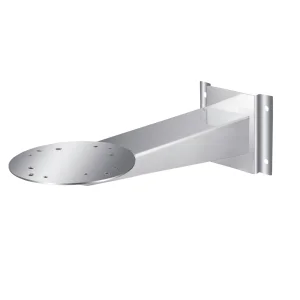
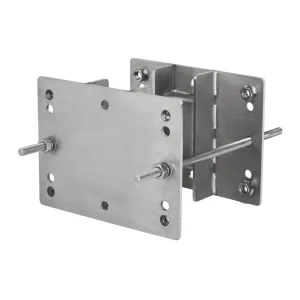
Explore our specialized mounting configurations, heavy-duty brackets, and precision rotators built for industrial deployment.