 BIT-CCTV
BIT-CCTV
BIT-CCTV
Premium hardware integrated by major systems integrators worldwide for extreme environments.
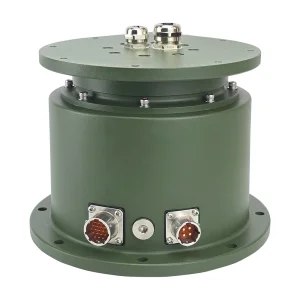
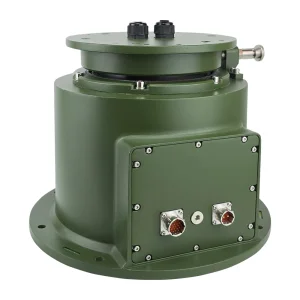
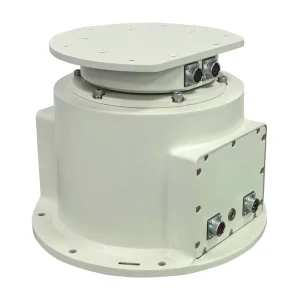
Innovation, Intelligence, Excellence, and Integrity driving elevation solutions since 2007.
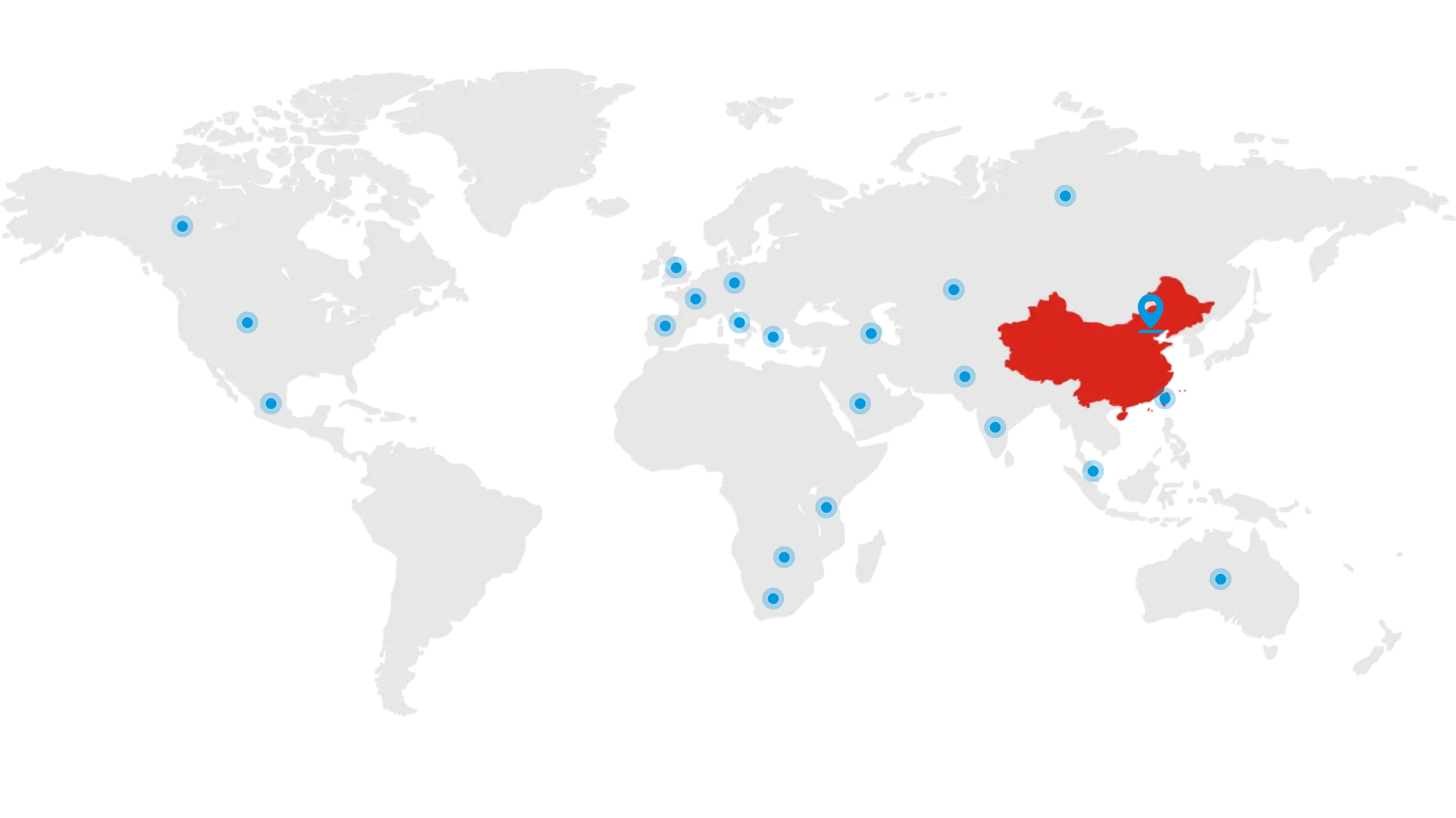
Founded as a pioneer in specialized positioning equipment, Blue Icon (Tianjin) Technology Co. Ltd. (operating the BIT-CCTV brand) has spent nearly two decades positioning itself at the leading edge of precision pan-tilt and structural elevation mechanisms. By investing heavily in foundational R&D, we have evolved from a local manufacturer to a globally trusted Tier-1 supplier servicing critical security deployments in over 50 countries.
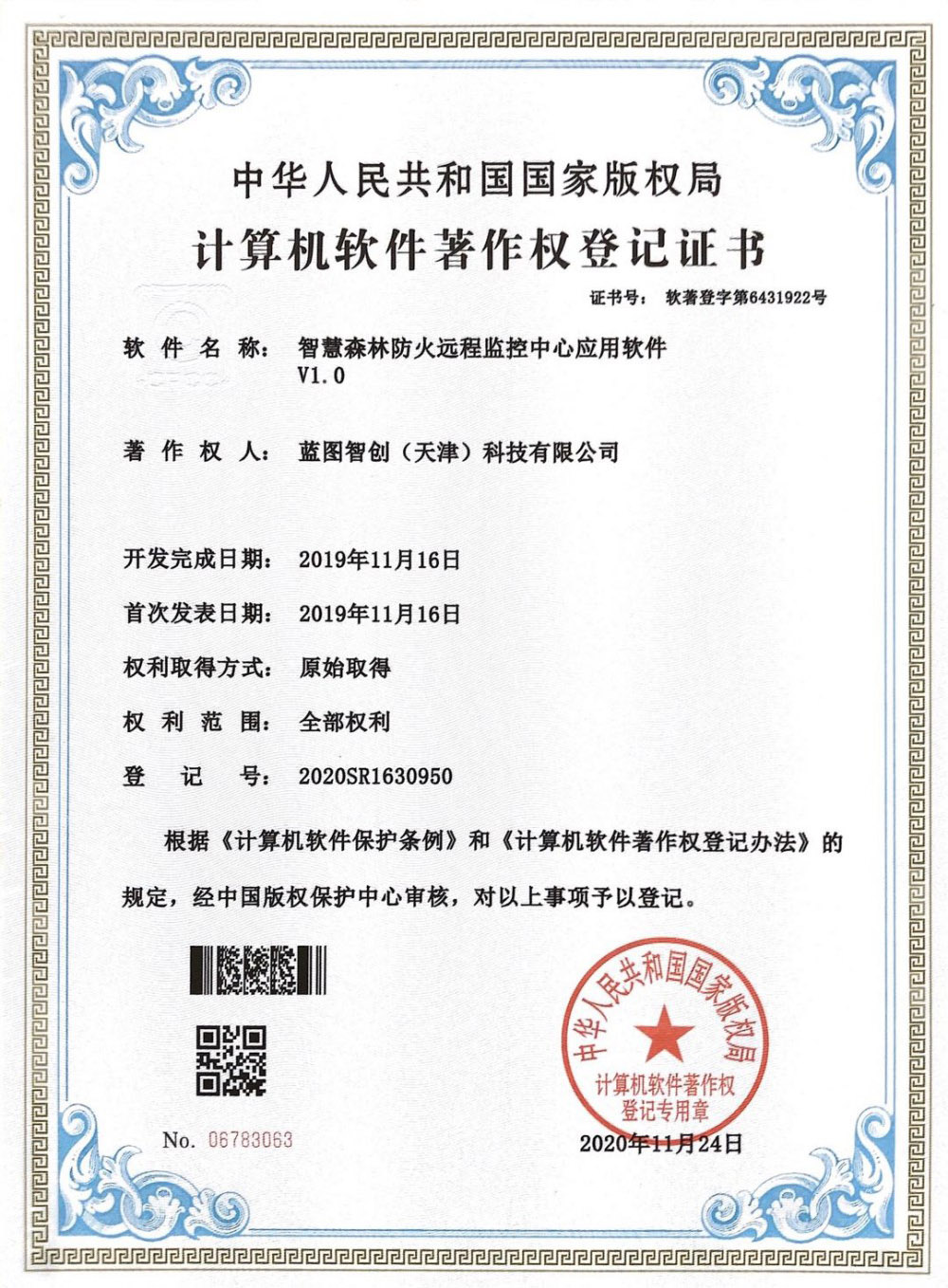
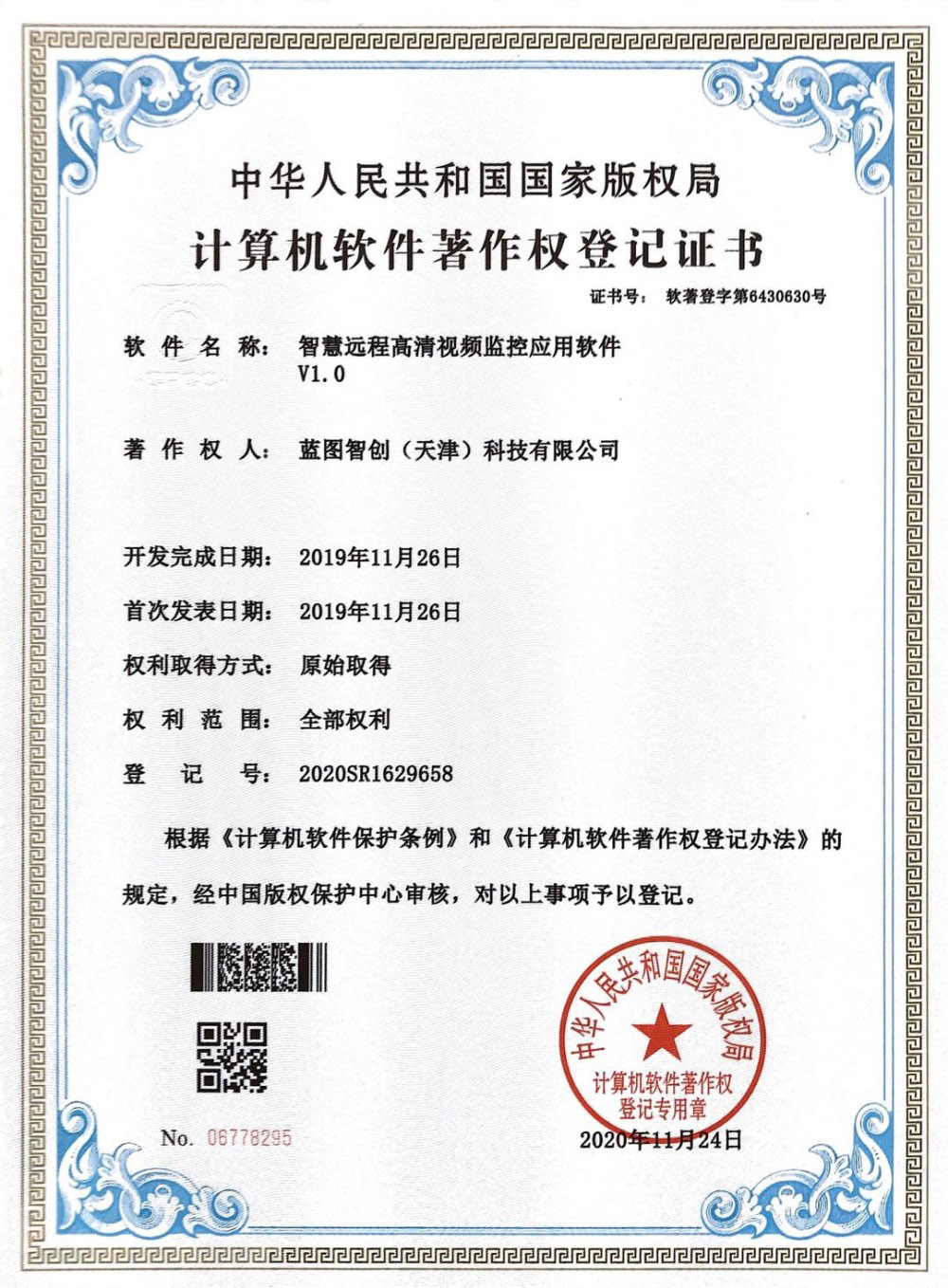
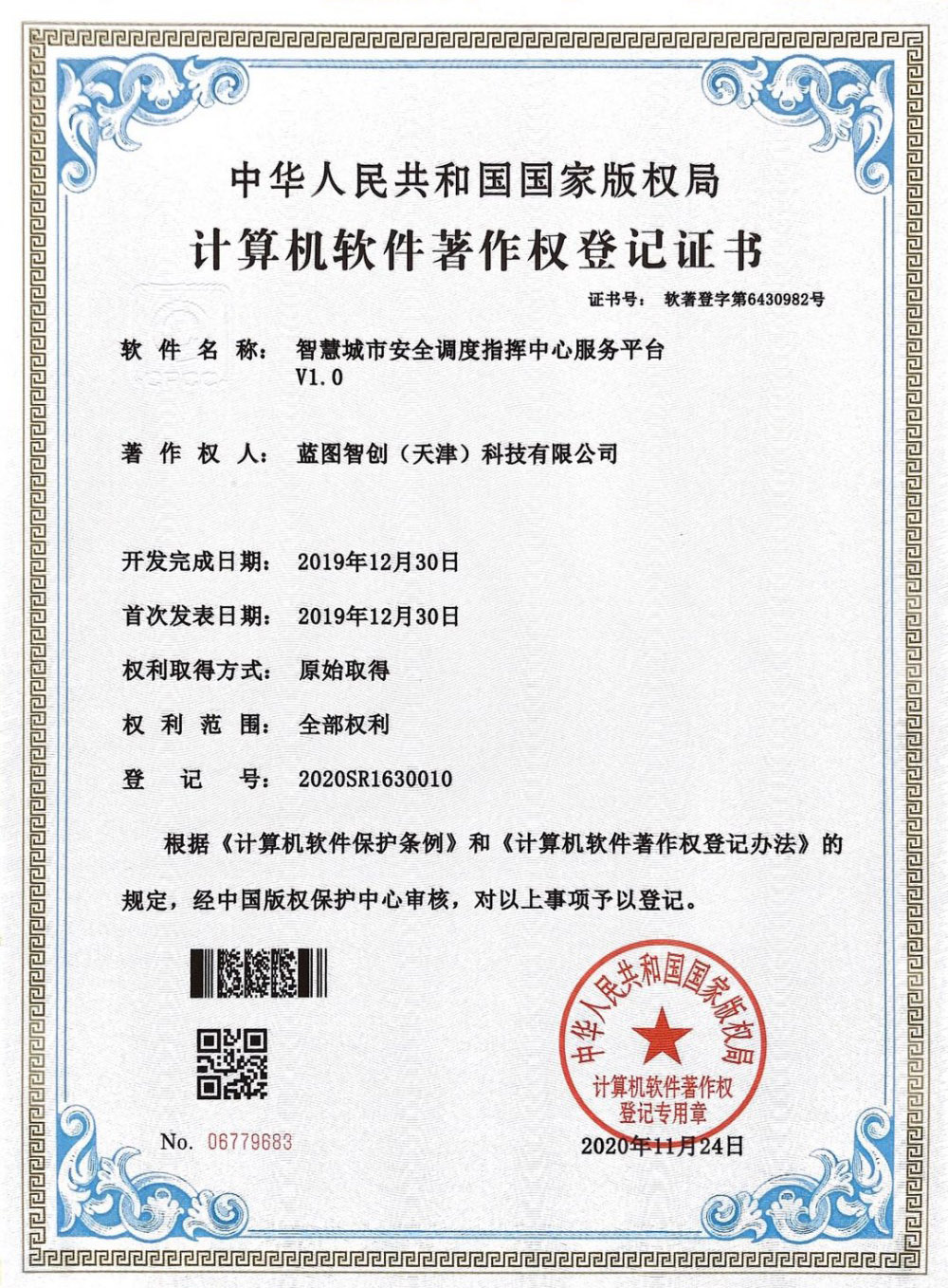
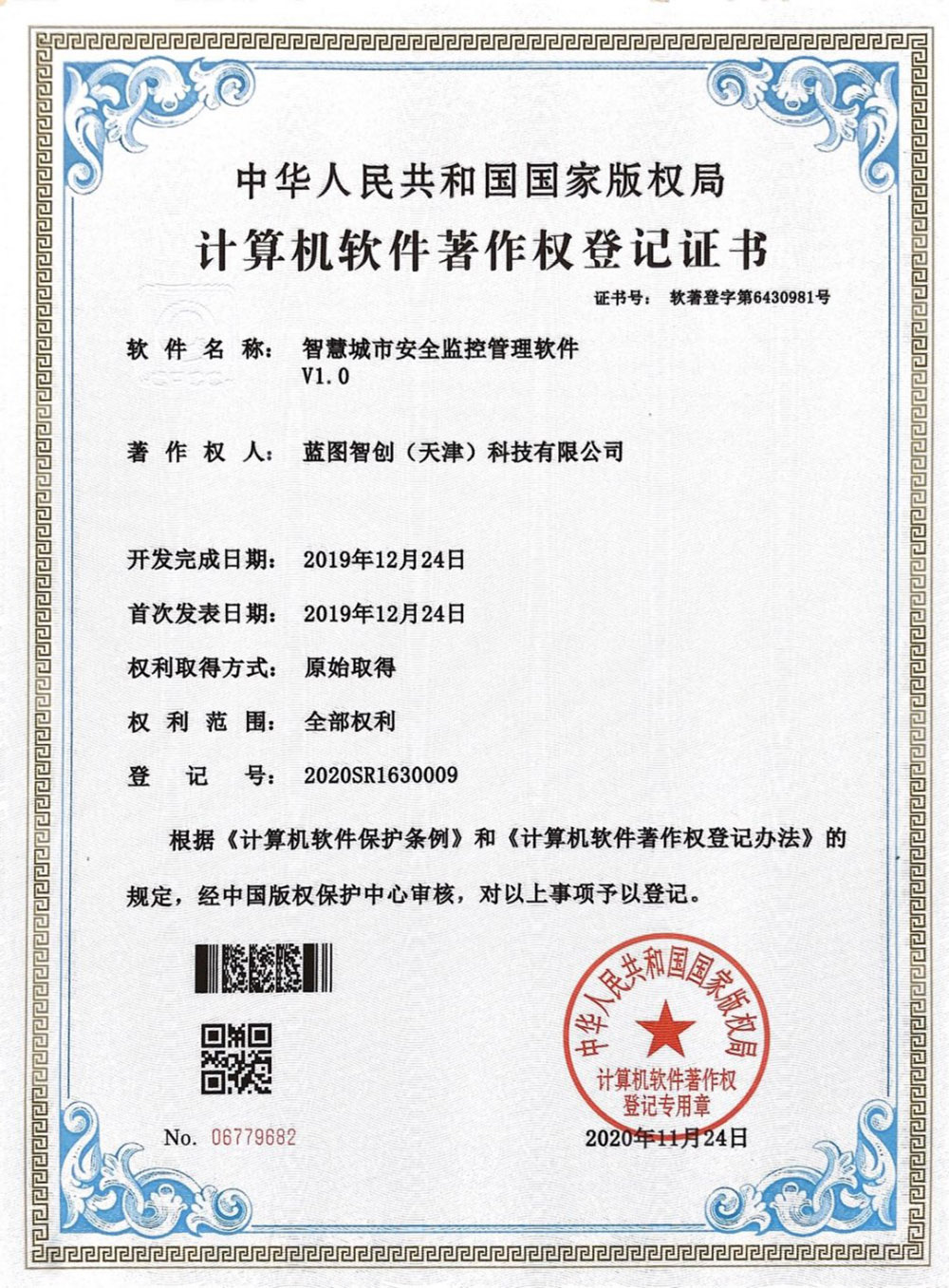
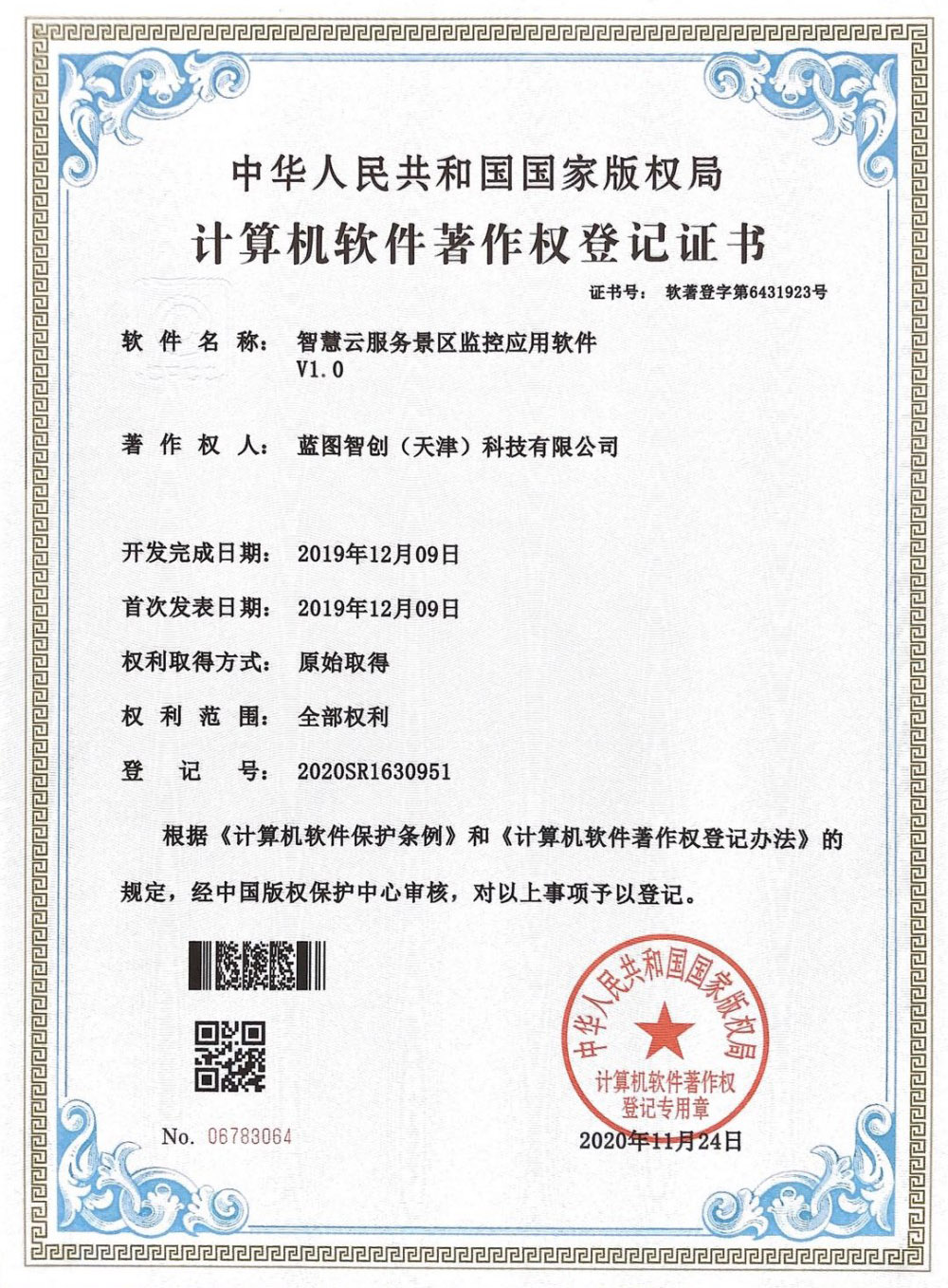
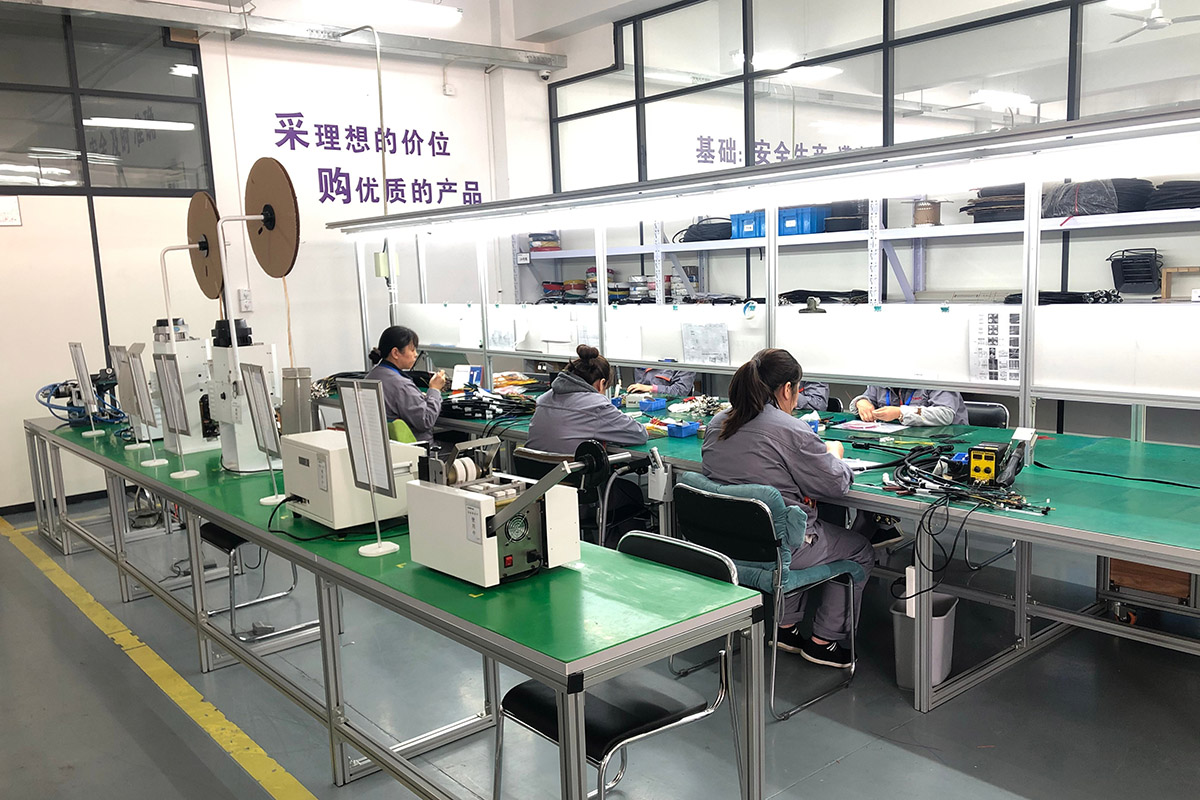
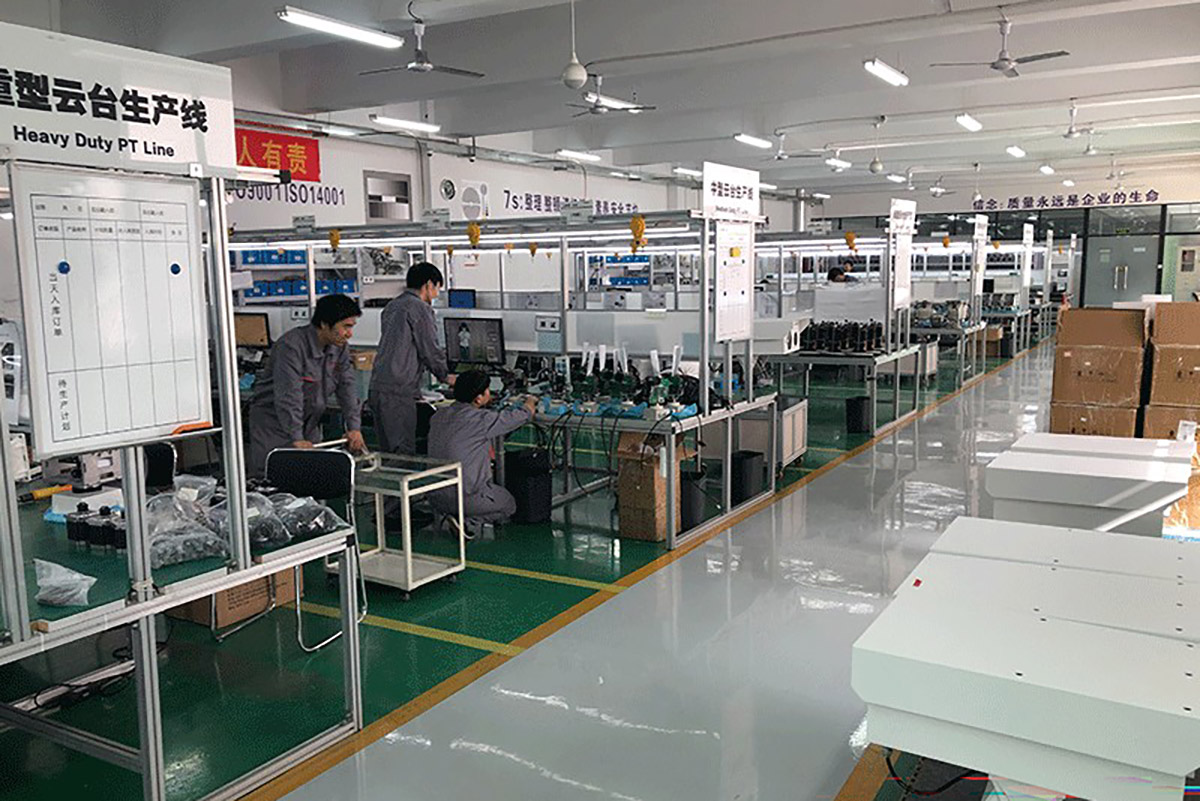
Our infrastructure covers a 10,000 m² state-of-the-art manufacturing area, where precision meets scalability. Our dedication to design and engineering has generated 50+ national patents and established our status as China's First Pan-Tilt Maker.
A comprehensive technical analysis of structure, payload dynamics, and global deployment considerations.
The modern security paradigm requires rapid situational awareness over vast perimeters. Elevated surveillance structures, particularly telescopic masts, play a critical role in lifting visual sensor suites above obstacles. Historically, telescopic masts relied on heavy steel construction and manual hand cranks. Today, the market has transitioned to lightweight aluminum alloys and carbon fiber composites with pneumatic, electric, or motorized drive systems.
The deployment of telescopic CCTV masts has accelerated with the integration of AI-driven analytics and long-range thermal cameras. Elevated positions improve the accuracy of line-of-sight analysis and reduce the blind spots associated with ground-level security systems. In addition, the modular nature of modern masts allows for rapid deployment in tactical operations, disaster management, and temporary industrial installations.
International procurement professionals face several challenges when selecting telescopic masts and pan-tilt units. Reliability under harsh environmental conditions is a primary concern. Masts must remain functional during high wind loads, extreme temperatures, and exposure to corrosive coastal environments.
China's manufacturing sector has transitioned from mass production to precision engineering. Advanced factories utilize CNC machining centers, automated welding robots, and rigorous quality testing protocols. This vertically integrated supply chain enables companies like Blue Icon (Tianjin) Technology to provide high levels of customization while keeping lead times short.
Raw material security (high-grade 6061-T6 aluminum, carbon fiber tubes) combined with localized component manufacturing ensures production remains steady during global supply chain disruptions. By conducting structural analysis, wind-tunnel simulations, and environmental stress tests in-house, Chinese factories can deliver international-grade hardware backed by CE, FCC, and RoHS certifications.
We configure structural height, payload capability, cabling, and mounting layouts to match specific operational requirements.
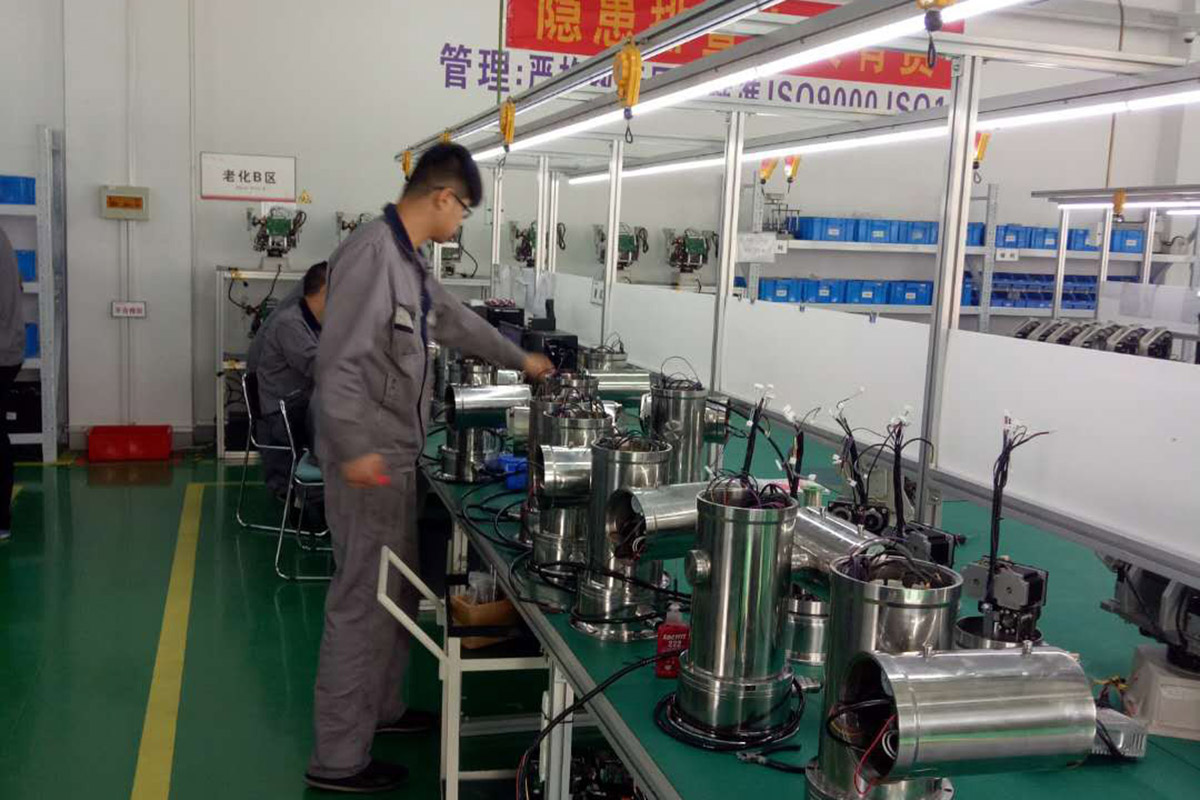
We use high-tensile structural alloys with precision tolerance machining to minimize mechanical play and friction across mast sections.
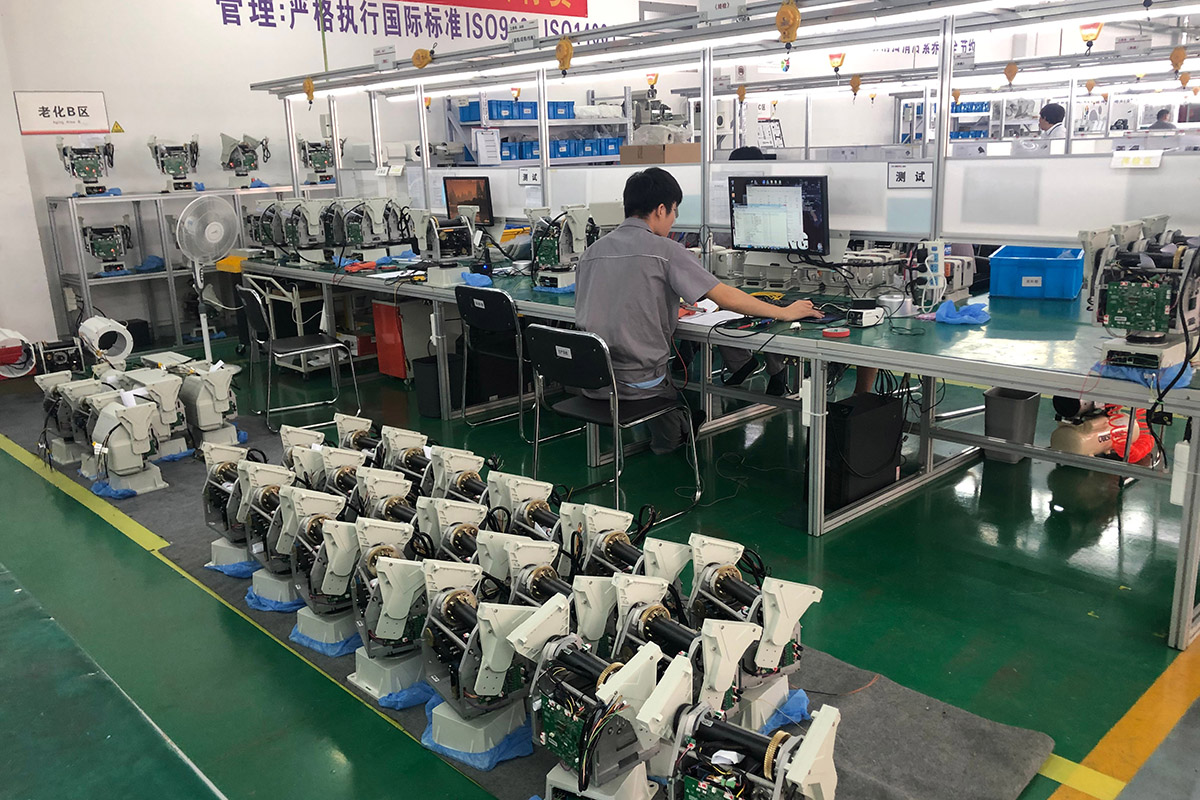
Every system undergoes cycle testing, load testing, salt fog tests, and vibration simulation to verify field reliability before shipment.
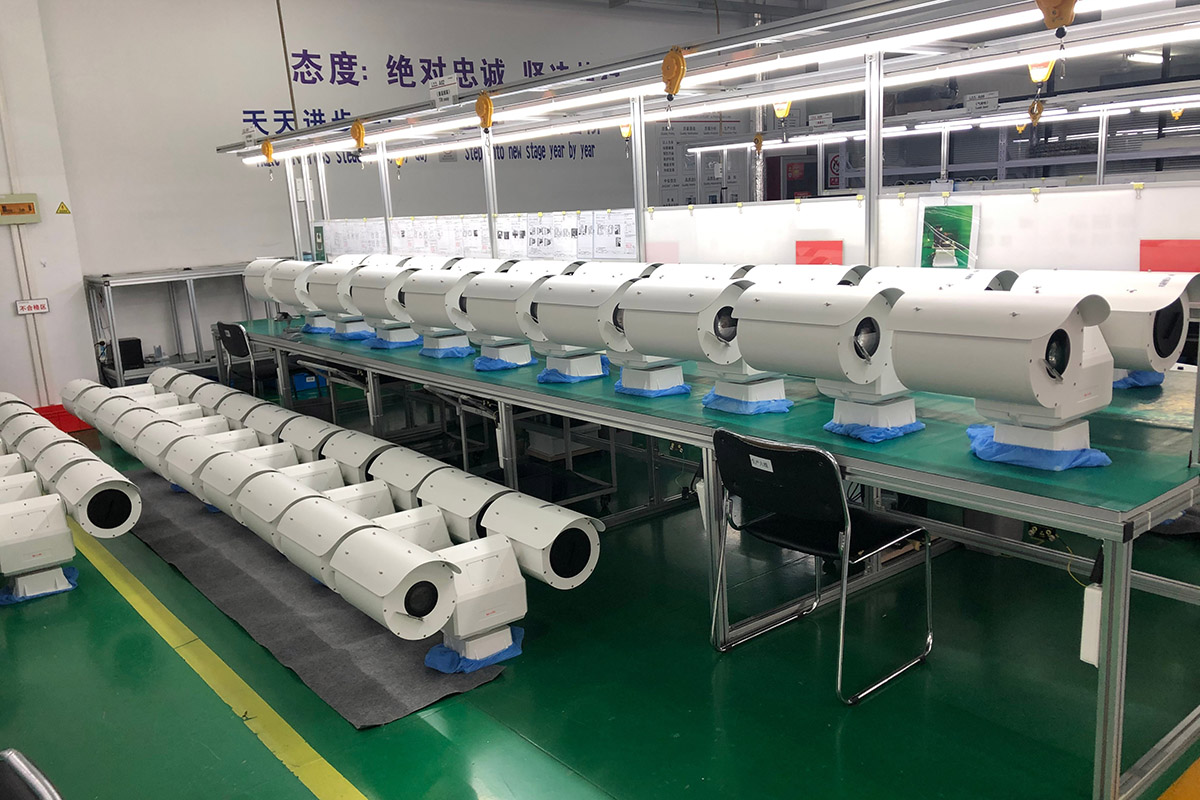
Our manufacturing facility operates under ISO 9001, verifying that every component is traceable and matches international quality metrics.
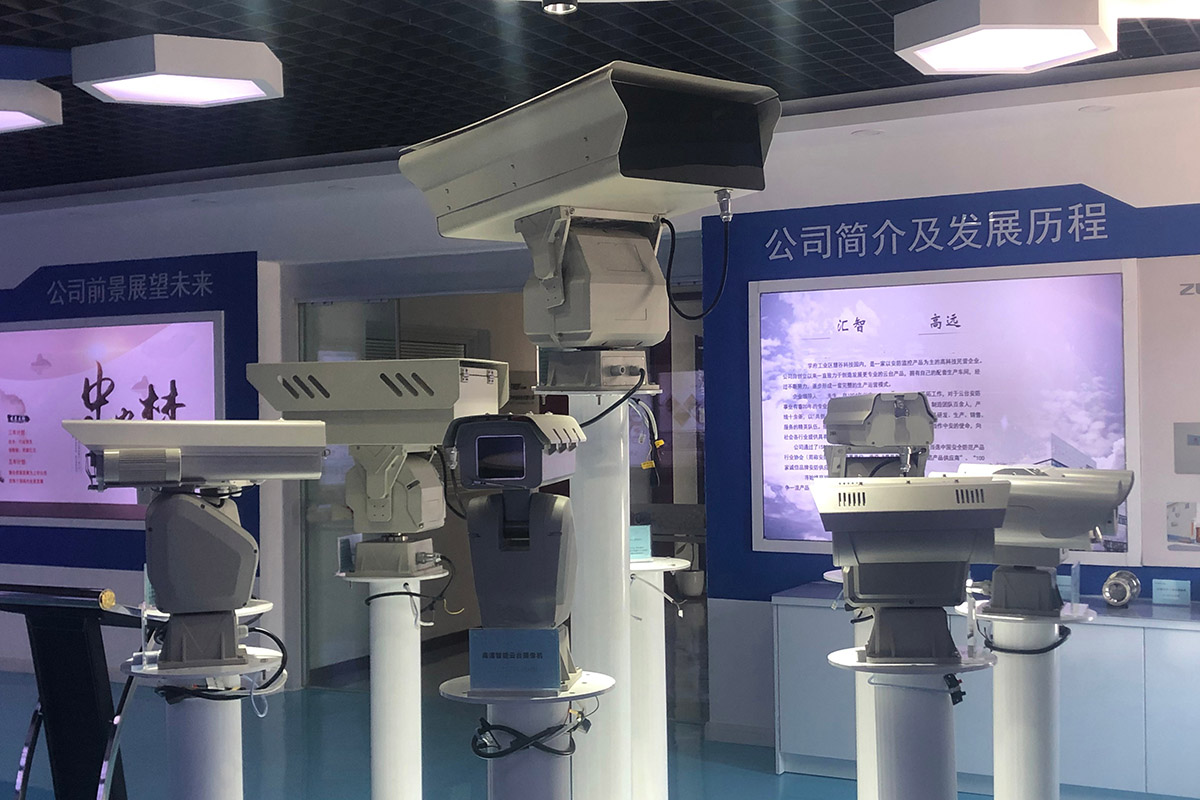
Robust positioning units designed to work alongside telescopic mast structures.
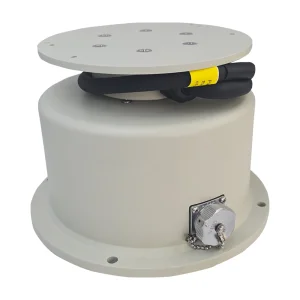
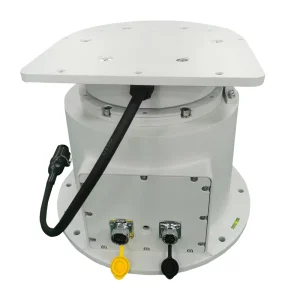
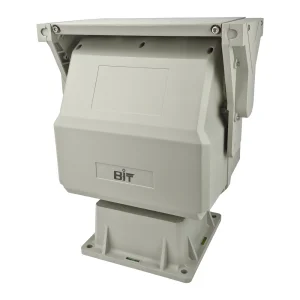
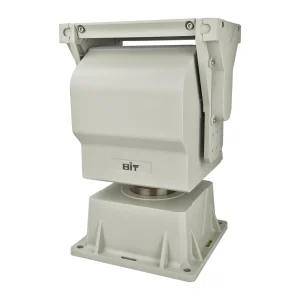
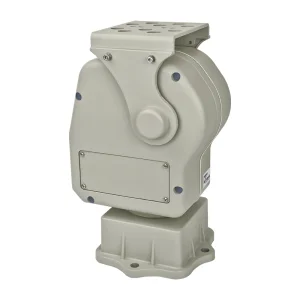
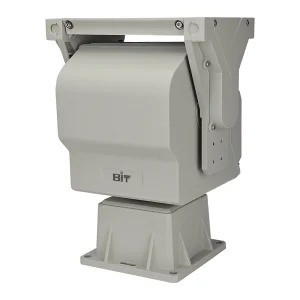
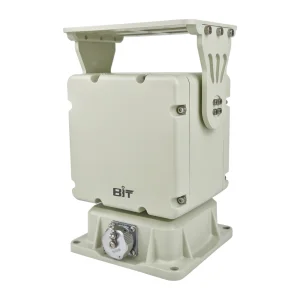
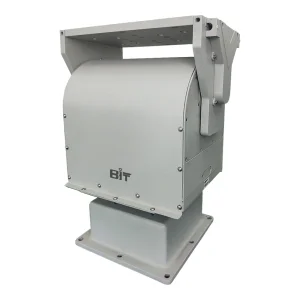
A telescopic mast acts as the height elevator, but the Pan-Tilt Unit (PTU) functions as the direct operator. Our product range covers payloads from 3.5kg to 120kg, offering solutions for a variety of field applications:
Providing reliable situational awareness across multiple demanding industries.
Deploying long-range thermal and optical imagers on pneumatic masts helps secure critical national borders. The high payload capacity supports multi-sensor payloads for continuous surveillance in remote terrain.
Elevating cameras above forest canopies allows early smoke detection systems to operate effectively. Our masts and pan-tilts provide the stability required for continuous pan-tilt operations in mountain areas.
Vehicle-mounted telescopic masts enable emergency response teams to quickly establish temporary communication and camera networks at disaster sites or public events.
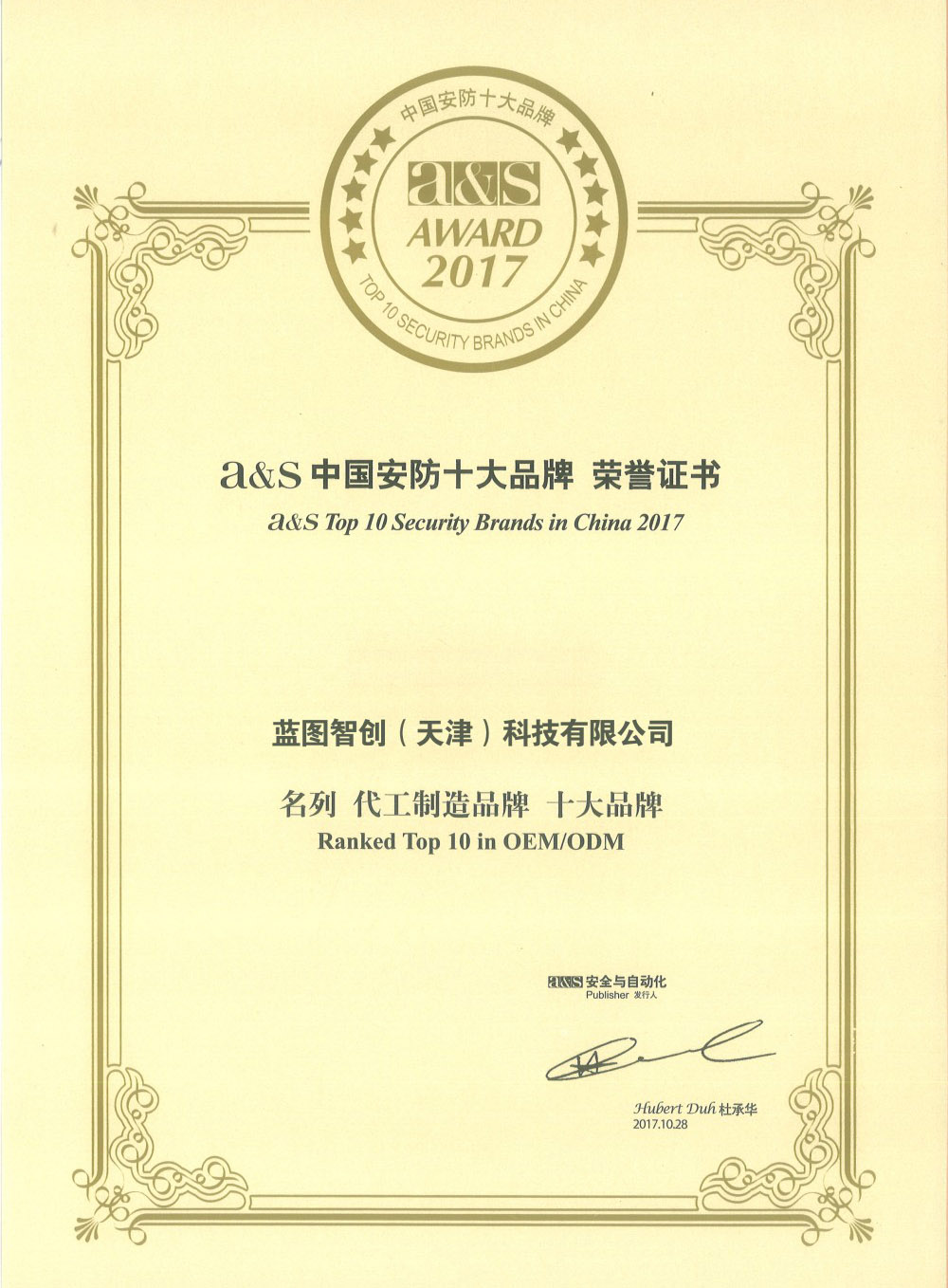
Supported by 50+ national patents and a sales footprint spanning five continents.



Answers to common technical and engineering inquiries from our global customer base.
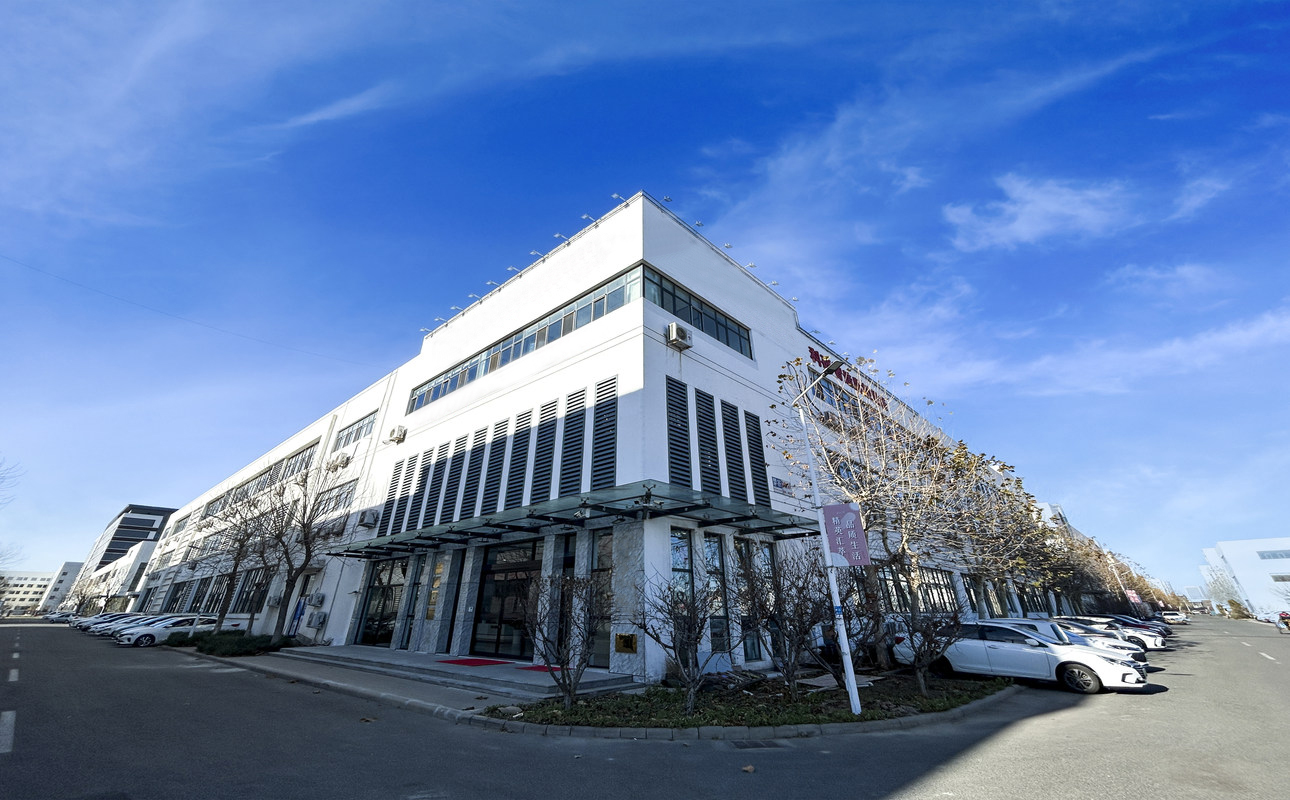
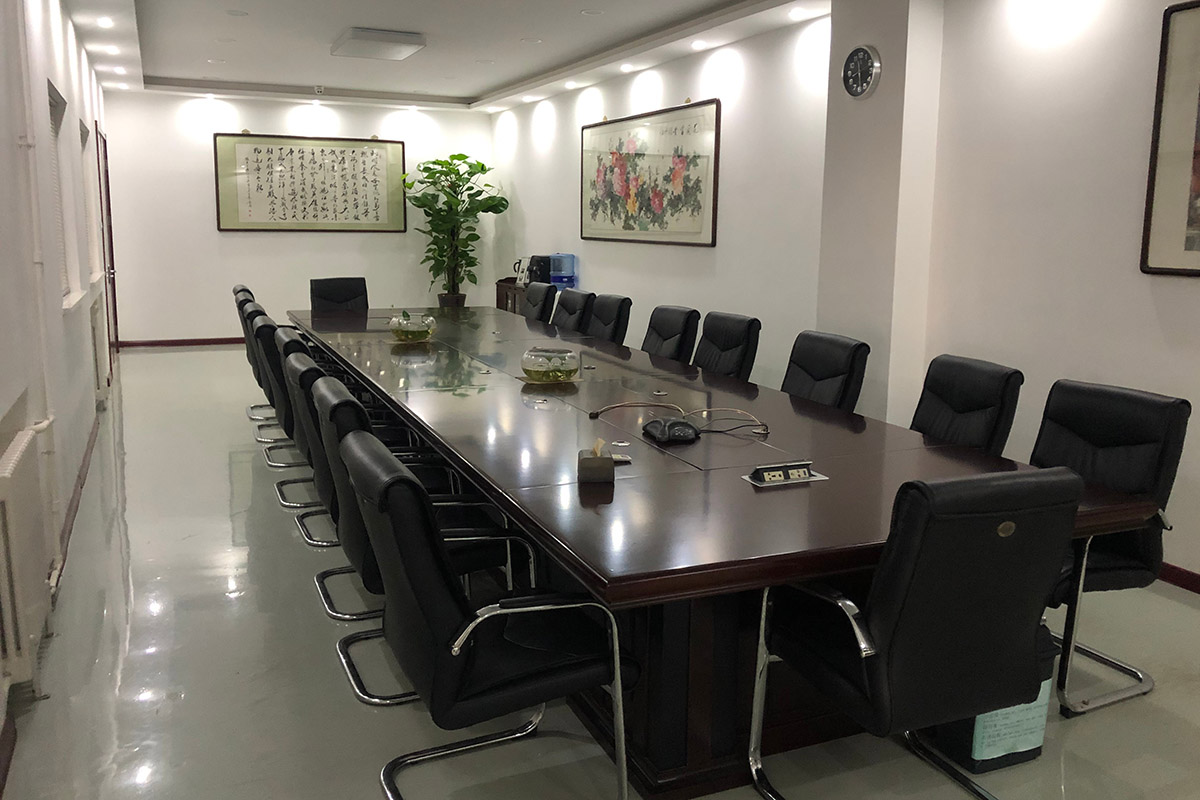
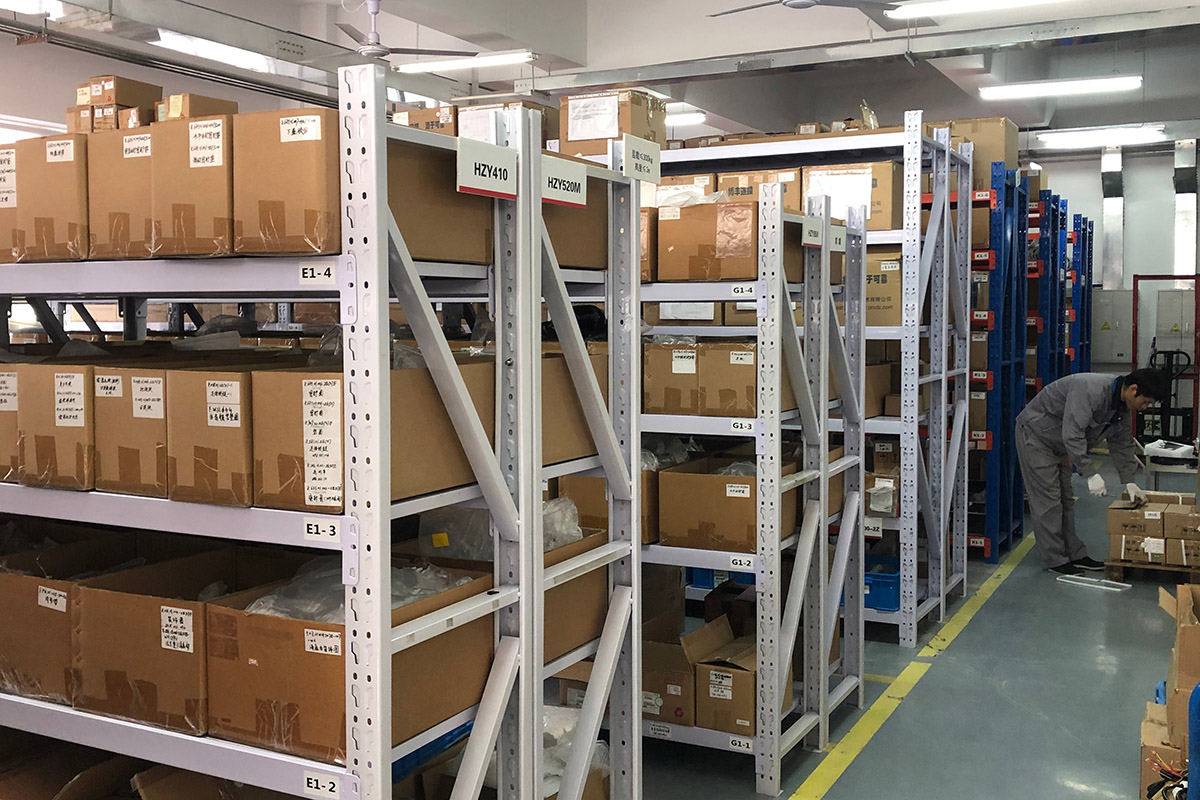
Inside our ISO-certified manufacturing facility in Tianjin, China.
Technical publications and industry developments from our engineering department.
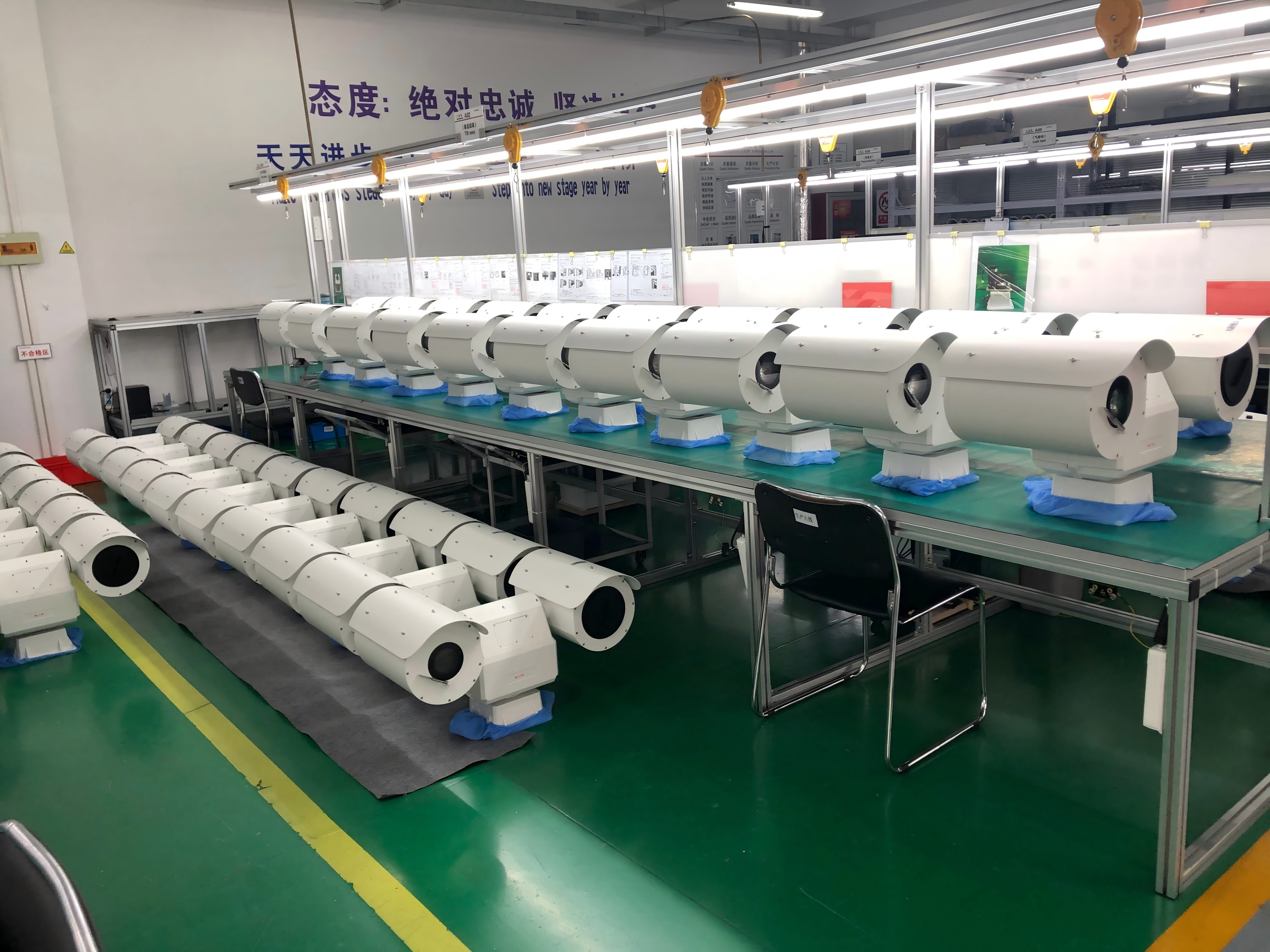
As applications for pan-tilt units expand, custom solutions are increasingly required. We outline key parameters for evaluating candidate suppliers, including weight-to-payload ratios and gear materials.
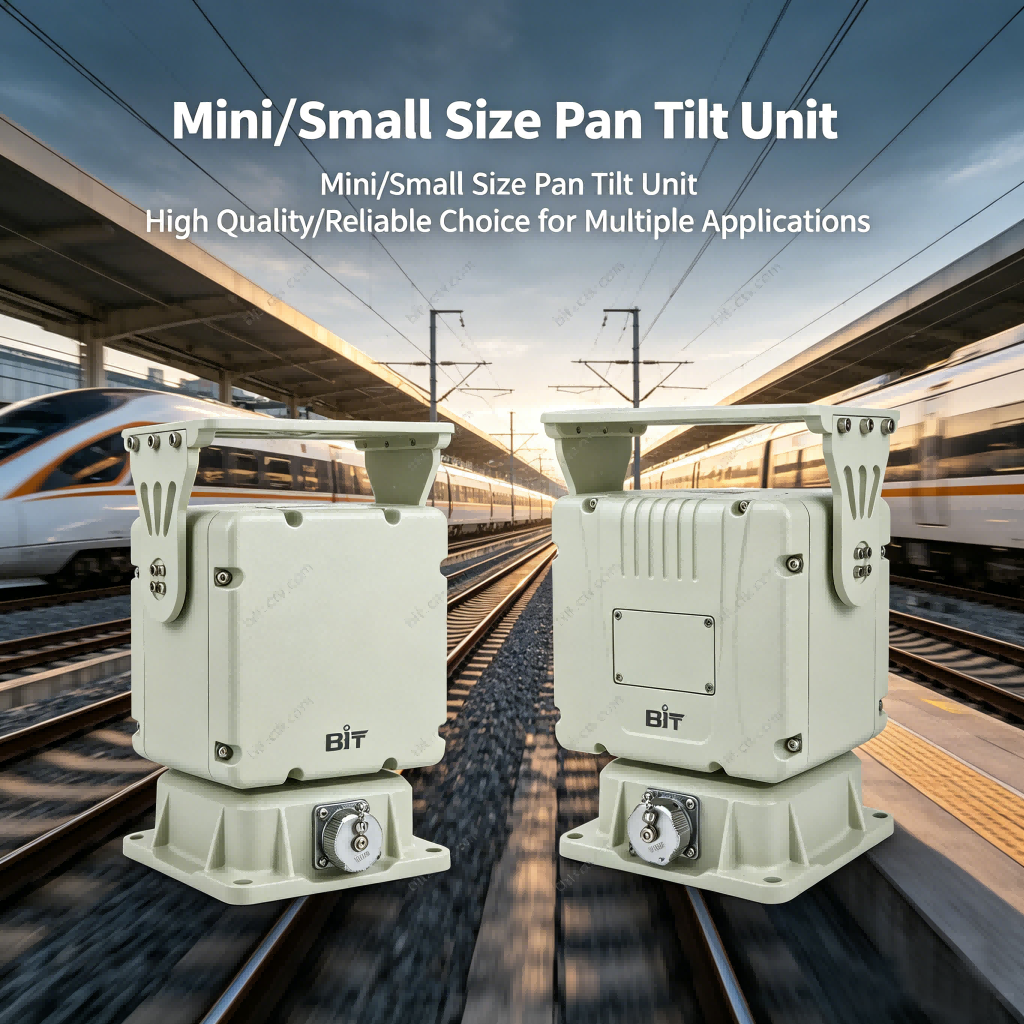
An introduction to our compact positioning systems. With a 3.5kg capacity and lightweight construction, the BIT-PT503 is designed for rapid-deployment mobile setups.
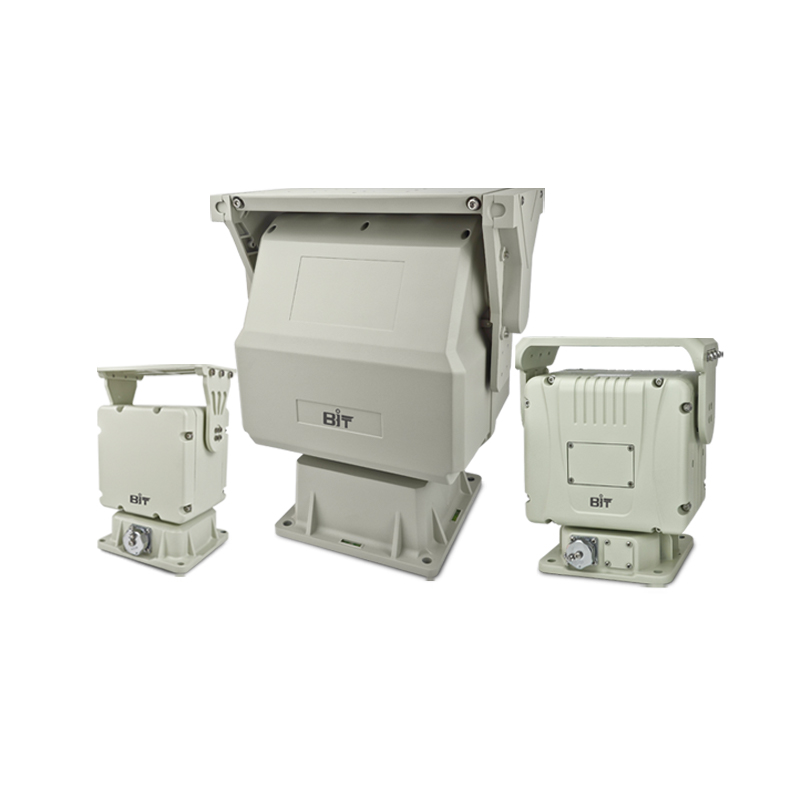
A reference guide detailing classification criteria for PT units based on load capacity, environment, feedback sensors, mounting configurations, and rotation ranges.
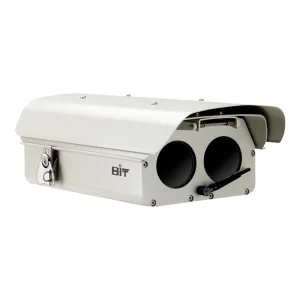
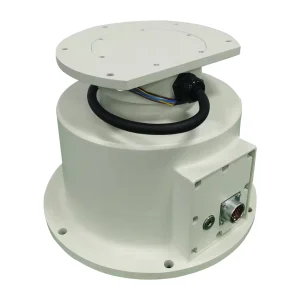
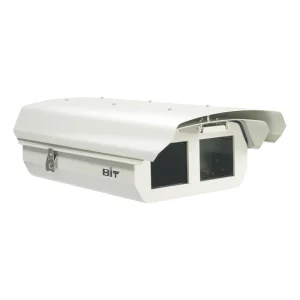
Explore our single-axis rotators, camera enclosures, and high-capacity positioners.