China Telescopic Antenna Mast Manufacturer & Quotes

Premium Grade Pneumatic, Mechanical, & Heavy-Duty Structural Telescopic Mast Systems for Mission-Critical Global Communications & Surveillance Networks.

2007

BIT-CCTV Founded

1st

China Pan Tilt Maker

10%

Annual R&D Investment

50+

Countries Sales Network

10,000㎡

Manufacturing Area

Advanced Industrial Insights: The Evolution of Telescopic Mast Systems

In modern industrial, commercial, and defense ecosystems, structural elevation is the cornerstone of situational awareness and telemetry collection. As a premier China Telescopic Antenna Mast Manufacturer, Blue Icon (Tianjin) Technology Co. Ltd. designs infrastructure engineered to withstand extreme environmental challenges while ensuring maximum mechanical stability. Whether deployment involves tactical operations, border surveillance, or emergency communication restoration, telescopic antenna masts act as the foundational pillars of critical field infrastructure.

Macro Industry Solutions and Critical Applications

Telescopic antenna masts are no longer simple elevation rods; they are highly integrated, mechanical systems that support heavy sensors, optical assemblies, radar payloads, and complex antenna configurations. Industrial growth across the following domains has driven new technical specifications:

  • Telecommunications & Rural Connectivity: Rapid 5G and LTE rollouts require reliable temporary infrastructure. Mobile "Cell-On-Wheels" (COW) vehicles utilize heavy-duty pneumatic telescopic masts to deploy base transceiver stations rapidly, minimizing infrastructure investment in remote locations.
  • Emergency Crisis Response: In aftermaths of natural disasters, physical communication towers are often compromised. Quick-erect pneumatic and mechanical masts allow deployment of municipal Wi-Fi, mesh networks, and radio communication repeaters within minutes.
  • Defense & Strategic Surveillance: High-altitude sensor deployment is critical for border and coastal defense. Integrating telescopic masts with advanced heavy-duty pan-tilt units, thermal imagers, and radar payloads provides long-range monitoring that mitigates line-of-sight obstruction caused by terrain.
  • Meteorological and Scientific Research: Temporary micro-climate weather stations depend on high-stability masts to host wind sensors, gas monitoring tools, and solar irradiation meters at consistent elevations above ground turbulence levels.

Global Commercial and Industrial Status

The global demand for high-strength telescopic systems is experiencing steady growth. Historically, military-grade mast solutions were localized within Western markets at high cost points. Today, Chinese industrial manufacturing hubs, led by engineering firms like Blue Icon, have industrialized high-precision extrusion systems, enabling access to robust, aviation-grade aluminum and carbon-fiber masts worldwide. Modern infrastructure development prioritizes structural weight reductions, increased payload capacities, and smart telemetry integration to report deflection angles under heavy wind loading.

Core Product Technologies

Integrating mechanical, pneumatic, and electromechanical technologies to deliver high-stability payload elevation.

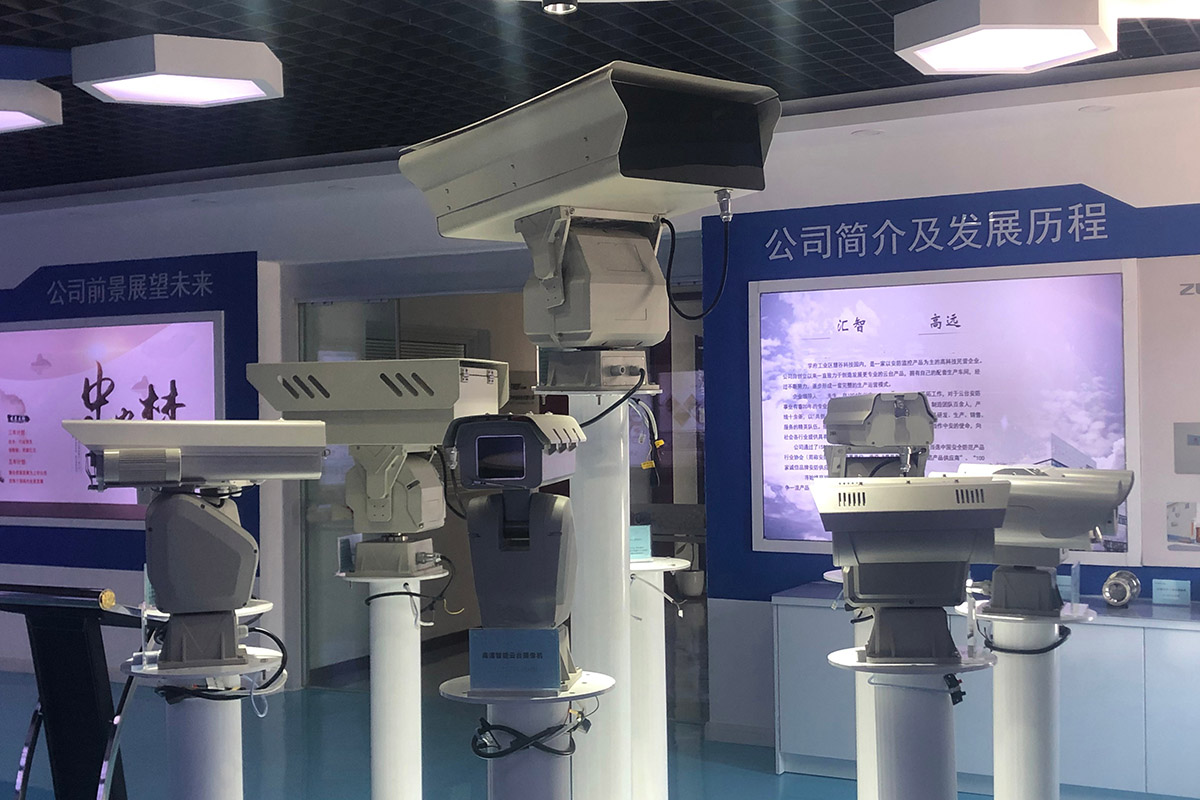
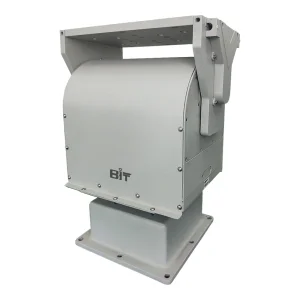
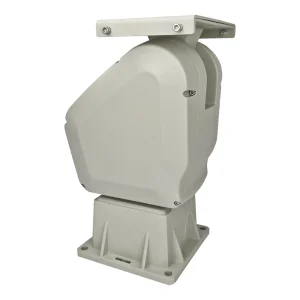
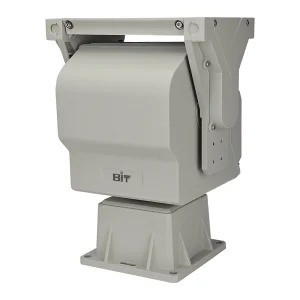
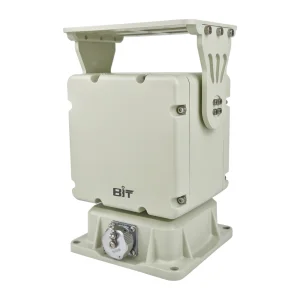
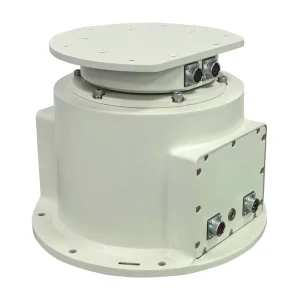
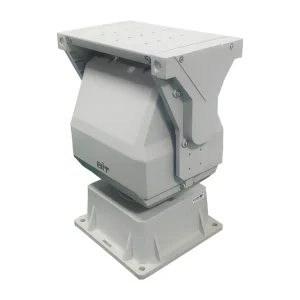
Pan Tilt Positioners

Engineered for light, medium, and heavy-duty configurations with load capacities ranging from 3.5kg up to 150kg. Precision worm-gear transmission ensures minimal backlash.

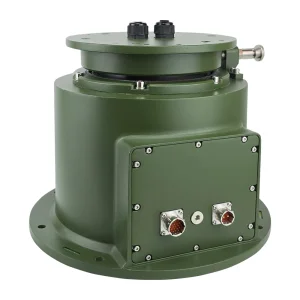
Pan Rotators & Access

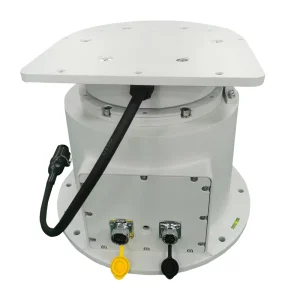
Direct-drive high-speed rotators offering continuous rotation, precision positional feedback (via RS485/422 interfaces), and optimized payload-to-weight performance.

Telescopic Mast Poles

Pneumatic and mechanical designs built with high-tensile 6063-T6 aluminum alloys. Equipped with non-rotational keyways, lockable collars, and internal spiral cabling.

About Blue Icon (Tianjin) Technology Co. Ltd.

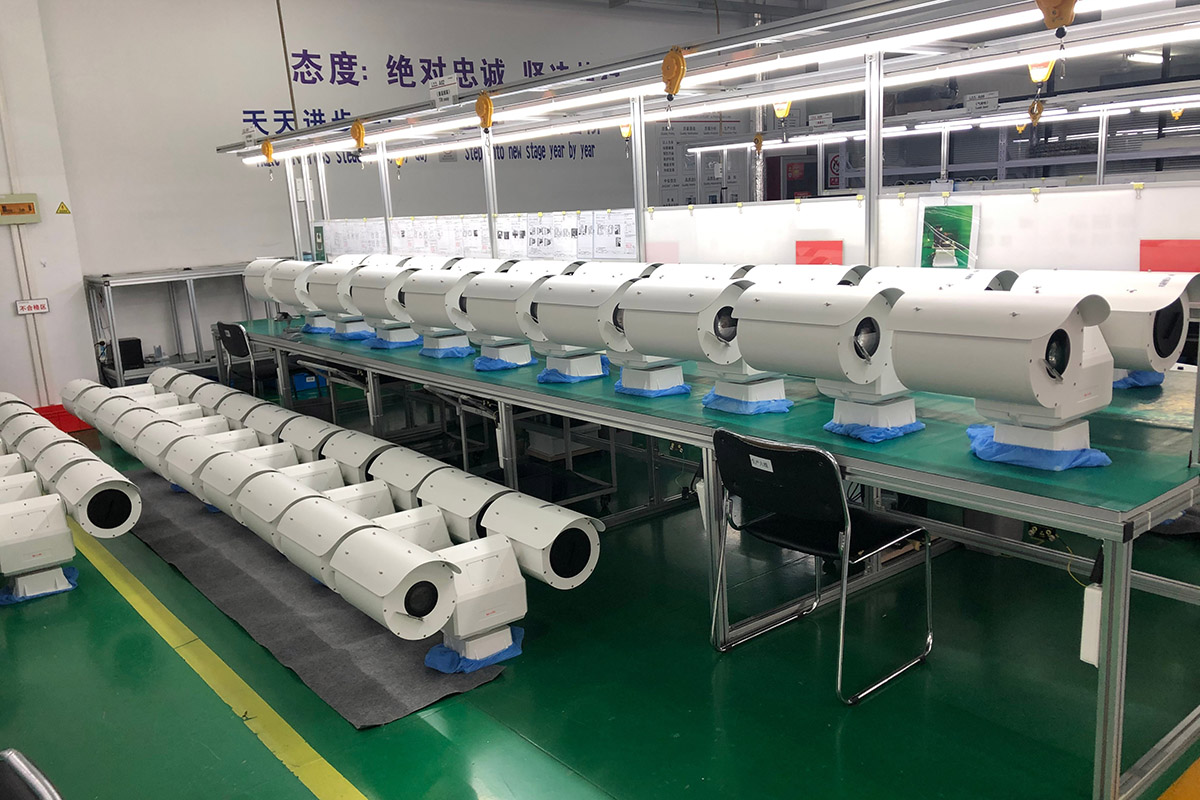
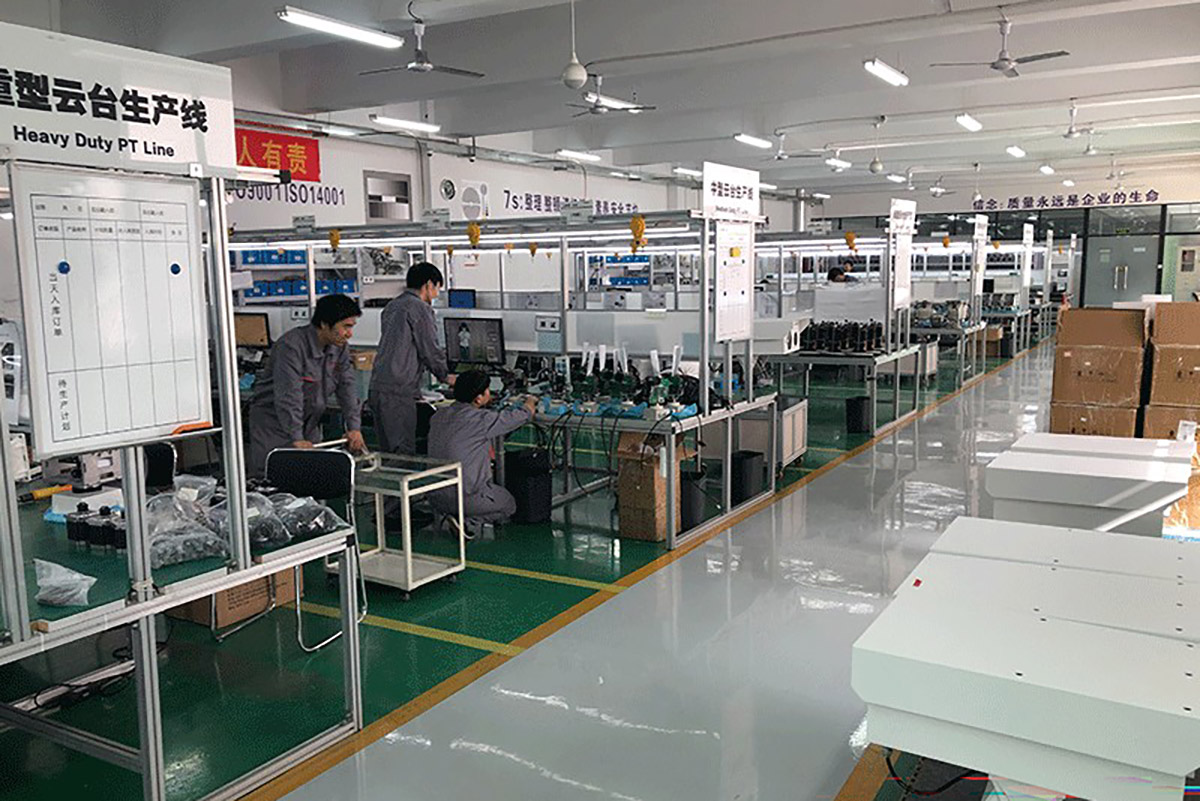
Established in 2005, Blue Icon is a national high-tech enterprise specializing in the design, engineering, and manufacturing of high-reliability CCTV surveillance positioning hardware and structural mounting units. With 18 years of specialized engineering experience, we support critical operations in over 50 countries across five continents.

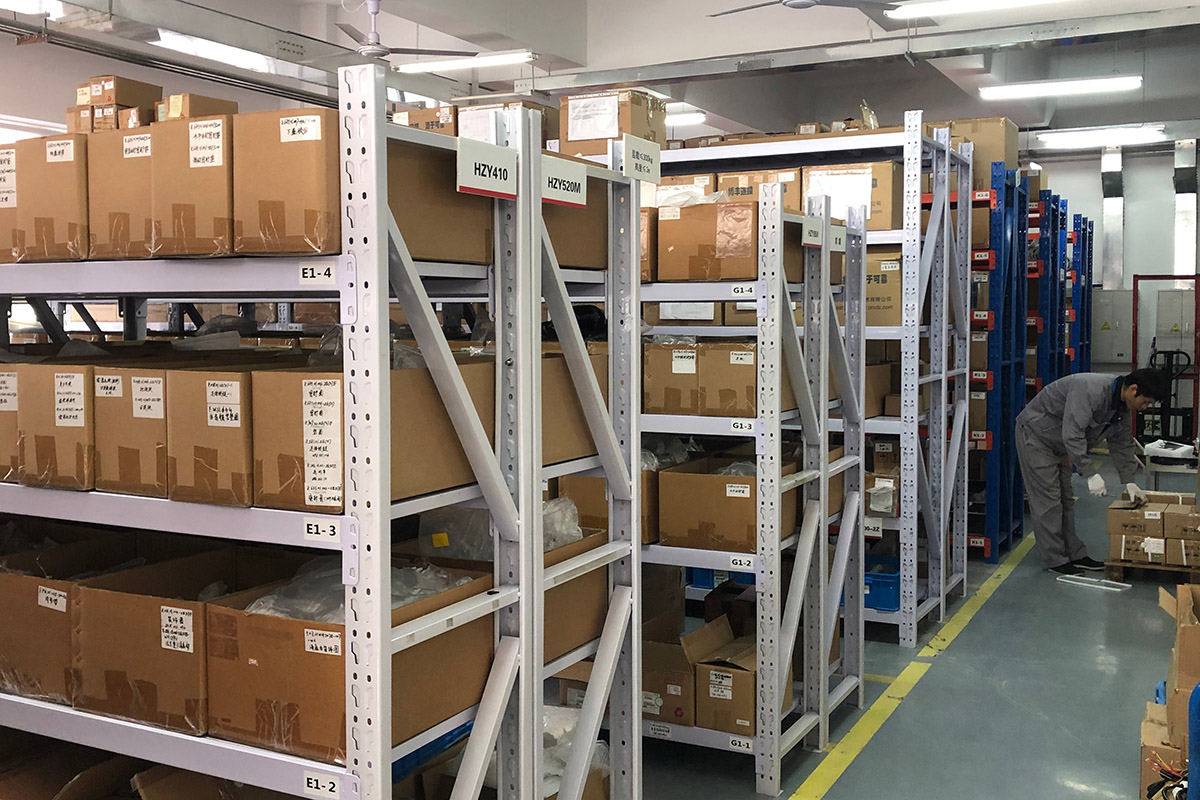
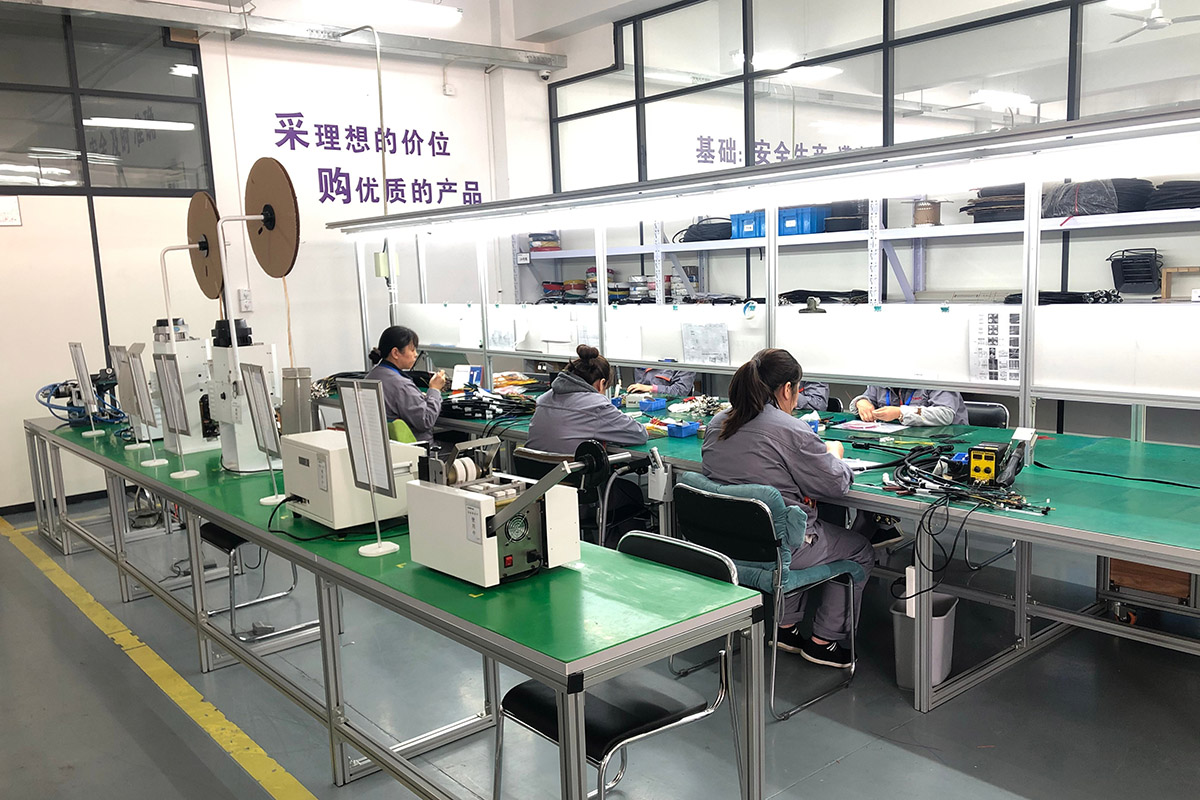
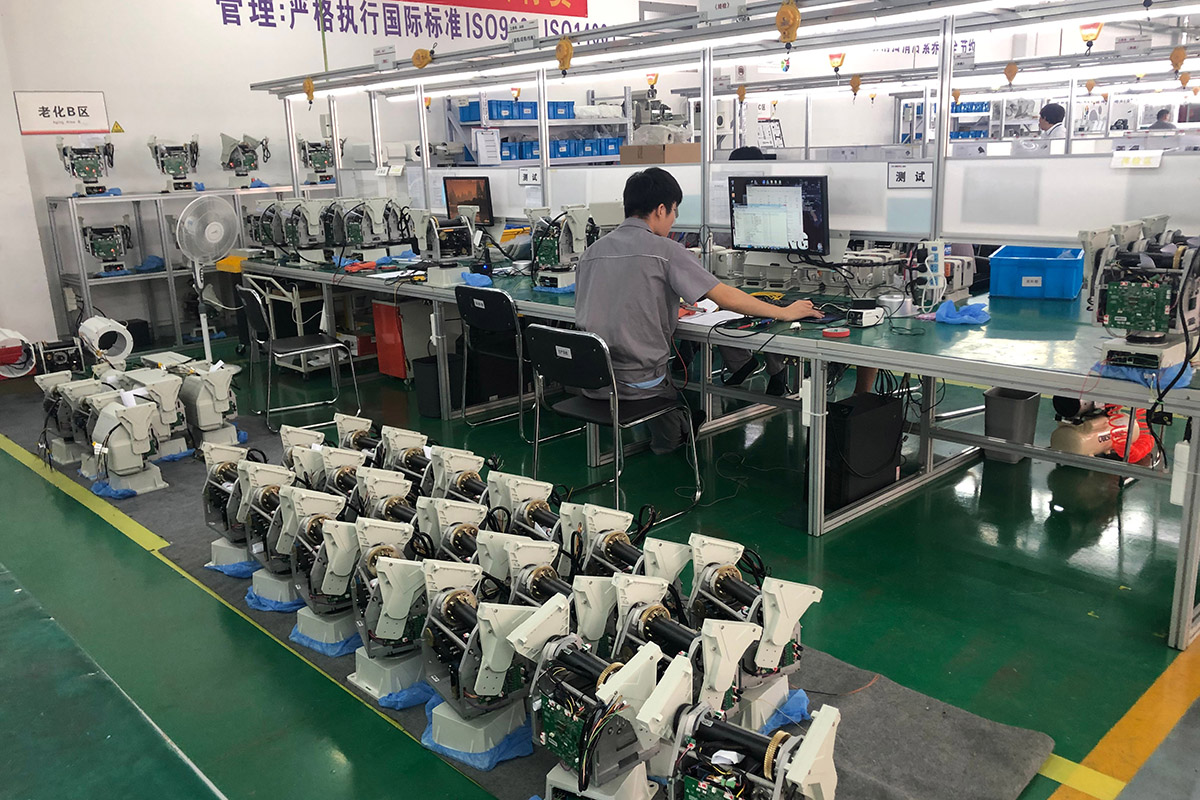
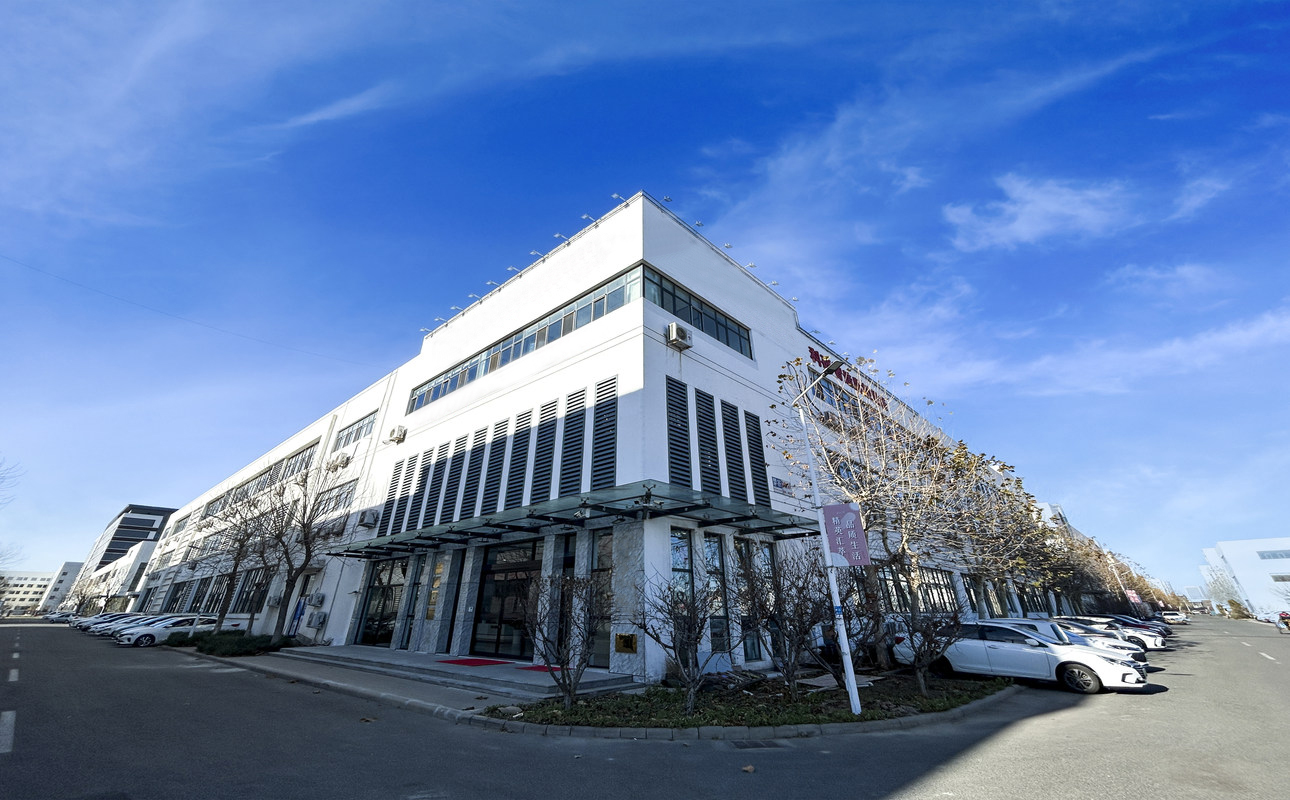
Our 10,000 square meter manufacturing facility is certified under ISO9001:2015. We maintain a continuous commitment to R&D, investing 10% of our annual sales revenue back into mechanical simulation, wind-tunnel modeling, and electrical engineering optimization. This enables us to offer fully customized OEM & ODM solutions, meeting strict military and industrial performance standards.
  • 18 Years industry-proven engineering expertise
  • Dynamic payloads ranging from 3kg to 150kg
  • Broad IP66/IP67 environmental protection standards
  • Bespoke OEM/ODM support with quick-turn prototyping
Blue Icon Factory Headquarter

Engineering Design & Structural Calculations of Telescopic Masts

Developing high-capacity telescopic masts requires thorough analysis of static and dynamic stresses. A mast under load is subjected to axial compression from payload weight and collar locking mechanisms, along with lateral bending moments generated by wind loading. Our design processes address these critical engineering factors:

1. Wind-Induced Drag and Sail Area (EPA) Calculations

The Effective Projected Area (EPA) of the elevated payload (cameras, sensors, antennas) is key to calculating stability. The formula for total wind force ($F_w$) applied is:

F_w = 0.5 * ρ * V^2 * Cd * EPA

Where $\rho$ represents air density, $V$ is design wind velocity (e.g., 120 km/h storm gusts), and $Cd$ is the drag coefficient of the payload shape. Our engineers model these factors using Finite Element Analysis (FEA) to confirm that the mast's safety margin remains above 2.5 under maximum load at full height.

2. Material Toughness and Sectional Thickness

Our telescopic masts utilize military-grade 6063-T6 or 6061-T6 extruded aluminum profiles. The sections undergo precise heat-treating to raise tensile yield strength to at least 240 MPa. Inner and outer walls are hard-anodized (MIL-A-8625 Type III) to prevent surface degradation and ensure smooth mechanical deployment over thousands of cycles in sand, dust, or marine conditions.

3. Rotational Backlash Mitigation

For applications involving direction-finding sensors or high-zoom PTZ cameras, rotational alignment must be maintained. Our masts feature full-length keyways along each tube section. These keyways restrict rotational drift, keeping azimuthal deviation under ±0.5 degrees even in turbulent wind conditions.

Innovative Localized Scenarios and Deployment Case Studies

Global environmental variations require customized, localized mast solutions. Below are instances of how our hardware is optimized for specific real-world challenges:

  • Sub-Zero Arctic Communications: Standard pneumatic masts can suffer from seal shrinkage and condensation freezing. Our low-temperature packages integrate synthetic fluorosilicone seals and integrated mechanical heating collars. This prevents internal ice formation, maintaining structural integrity down to -45°C.
  • Desert Border Surveillance: High sand ingress can damage vertical extension tubes and lock collars. Our heavy-duty mechanical masts feature continuous outward-facing wipers. These wipe the tube segments clean of dust and sand during descent, preventing particulate entry into the slide tracks.
  • Offshore and Maritime Operations: To withstand constant salt-spray and moisture, we manufacture stainless steel mounts and use specialized, marine-grade epoxy coatings. This protective barrier blocks galvanic corrosion between copper-based grounding brackets and aluminum structural tubes.

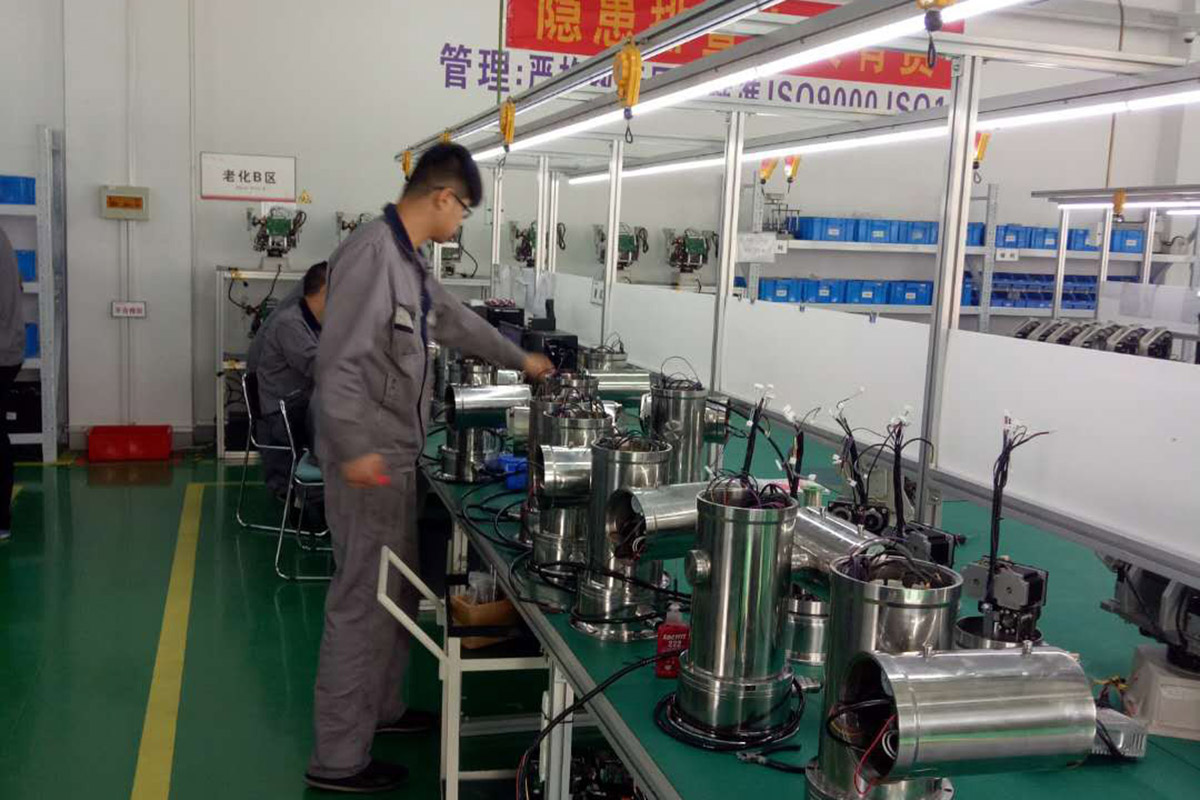
Industrial Deployment Gallery

A look at our field installations, testing facilities, and precision machining lines.
Industrial Positioning Units & Technical Specifications

Providing high-precision rotational payloads to maximize the efficiency of elevated antenna arrays and optical sensors.

BIT-PT510 Worm Gear Positioner

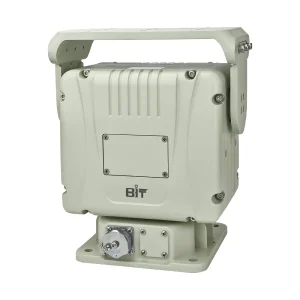
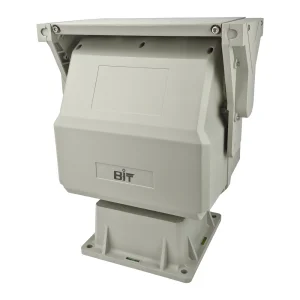
The BIT-PT510 is a compact, high-precision stepper motor-driven pan-tilt unit designed for payloads up to 10kg/22lb. Utilizing self-locking worm-gear drives, it guarantees zero drift when powered down.

  • Rotation Limits: Pan: 360° Continuous; Tilt: +60° to -60°
  • Speed: Adjustable up to 30°/second
  • Applications: Mobile thermal imaging, forestry fire monitoring

BIT-PT503 Mini Pan Tilt Unit

Weighing only 3.5kg, the BIT-PT503 is our lightest pan-tilt positioner. It is built for tactical, temporary mast deployments where system weight must be minimized without sacrificing control accuracy.

  • Max Payload: 3.5kg / 7.7lb
  • Chassis: IP66 sealed aluminum housing
  • Ideal for: Lightweight directional communications antennas

BIT-PT410 High Speed Positioner

Engineered for rapid tracking and target acquisition. The BIT-PT410 combines high rotational speeds with high torque, positioning payloads accurately within milliseconds.

  • Maximum Speed: Up to 100°/second
  • Bending Moment: Optimized for asymmetric camera loads
  • Integration: Supports Pelco-D/P telemetry control protocols

BIT-PT850 Heavy Duty Positioner

A robust industrial workhorse supporting up to 50kg/110lb payloads. Designed to reliably withstand harsh, high-wind environments.

  • Max Payload: 50kg / 110lb top-mounted load
  • Drive: High-torque AC/DC motor with electromagnetic braking
  • Proven Record: 10+ years of deployment in coastal border defense

Global Compliance, Standards, and Engineering Support

Operating across 50 countries requires compliance with diverse engineering and safety standards. Blue Icon designs and manufactures systems to meet top international certifications:

  • Quality Management Systems: Our factory operates under ISO 9001:2015 standards, tracking raw materials from billet casting through extrusion to final quality assurance checks.
  • Environmental Resilience (MIL-STD-810H): Our equipment undergoes rigorous testing for temperature extremes, salt fog exposure, sand ingress, and vibration profiles to verify operational longevity in harsh environments.
  • CE & FCC Certification: Integrated motor drives and digital controllers are certified to comply with electromagnetic compatibility (EMC) regulations, preventing interference with sensitive radio communications payload systems.

Technological Roadmap: The Future of High-Altitude Support

Our R&D department continues to develop new capabilities to meet evolving customer requirements, focusing on the following areas:

  1. Active Deflection Compensation: Implementing embedded IMU sensors in the top mast sections. These sensors transmit real-time angular drift data to the pan-tilt controller, enabling automated adjustments to maintain optical and communications alignment.
  2. Advanced Lightweight Carbon Composites: Developing high-performance carbon-fiber masts that offer similar strength to aluminum at a 40% lower overall weight, simplifying transport and setup for field teams.
  3. Smart IoT Pneumatic Regulators: Creating microprocessor-controlled pneumatic valves that monitor inner tube pressures and automatically adjust for temperature-related pressure drops, keeping the mast stable during long deployments.

Technical FAQ: Selecting & Deploying Telescopic Masts

Detailed answers to frequently asked engineering and commercial questions.

Q1: What are the primary differences between pneumatic and mechanical telescopic masts?
Pneumatic masts utilize compressed air to extend the telescoping sections. They are lightweight, deploy quickly, and are ideal for light-to-medium payloads. However, they require clean seals and pressure maintenance. Mechanical masts use internal cables, chains, or screw drives to raise the sections. They are suited for heavy payloads and can remain extended indefinitely without pressure checks.
Q2: How do you calculate the maximum allowable payload for a telescopic mast in high winds?
You must calculate the sum of the wind drag force (based on the payload's shape and EPA) and the gravitational forces acting on the mast. As wind speed increases, the lateral bending moment on the mast joints rises. Our engineering team provides detailed load-curve charts plotting payload capacity against wind speed limits for each model.
Q3: Can these telescopic masts be customized for internal cabling?
Yes. We offer customization options that route spiral power, RF coax, or Ethernet cables internally through the mast sections. This protects cables from environmental damage, snagging, and UV degradation.
Q4: What surface treatments are applied to prevent corrosion in marine or salt-air environments?
Our aluminum sections undergo hard-anodizing (MIL-A-8625 Type III) to prevent surface degradation. Stainless steel parts are made from marine-grade 316 steel, and we apply specialized zinc-rich primers and epoxy topcoats to prevent galvanic corrosion between dissimilar metals.
Q5: How can I request a quote for custom telescopic mast configurations?
To generate an accurate engineering quote, please provide your maximum required height, target payload weight, payload dimensions (EPA), deployment method (vehicle, ground, or shelter), and expected environmental conditions. You can submit these details to our sales department for an evaluation and technical drawing.

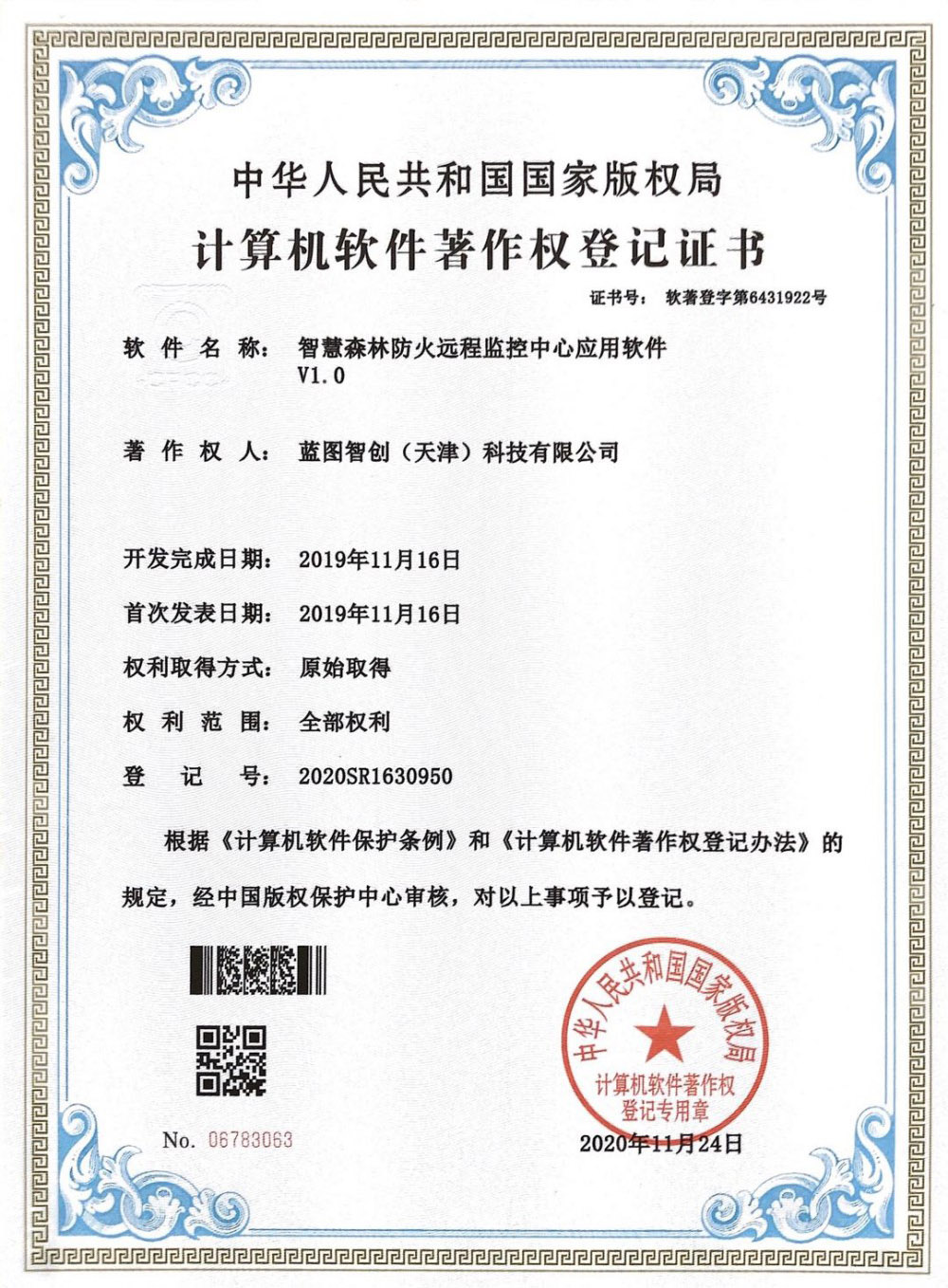
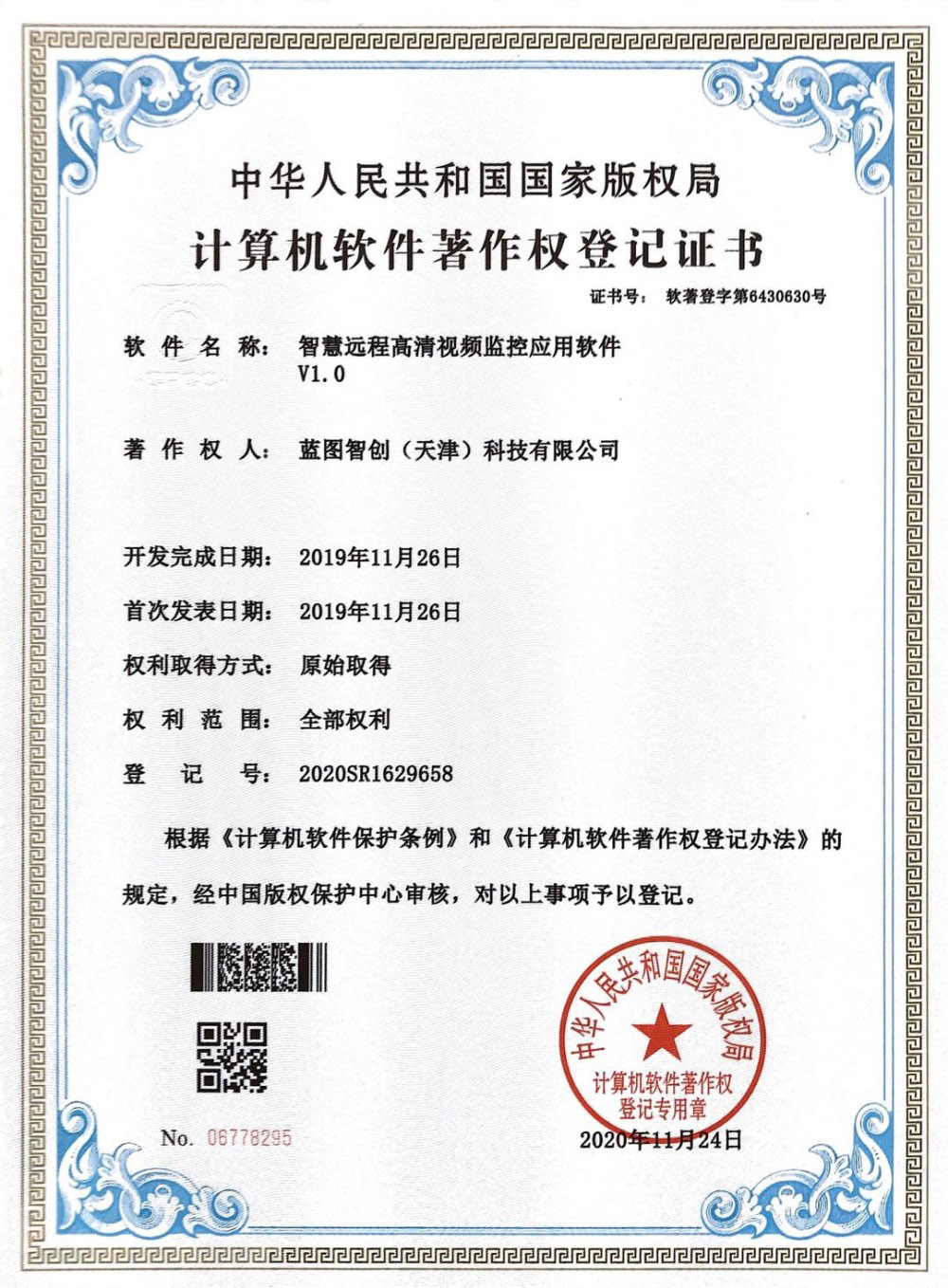
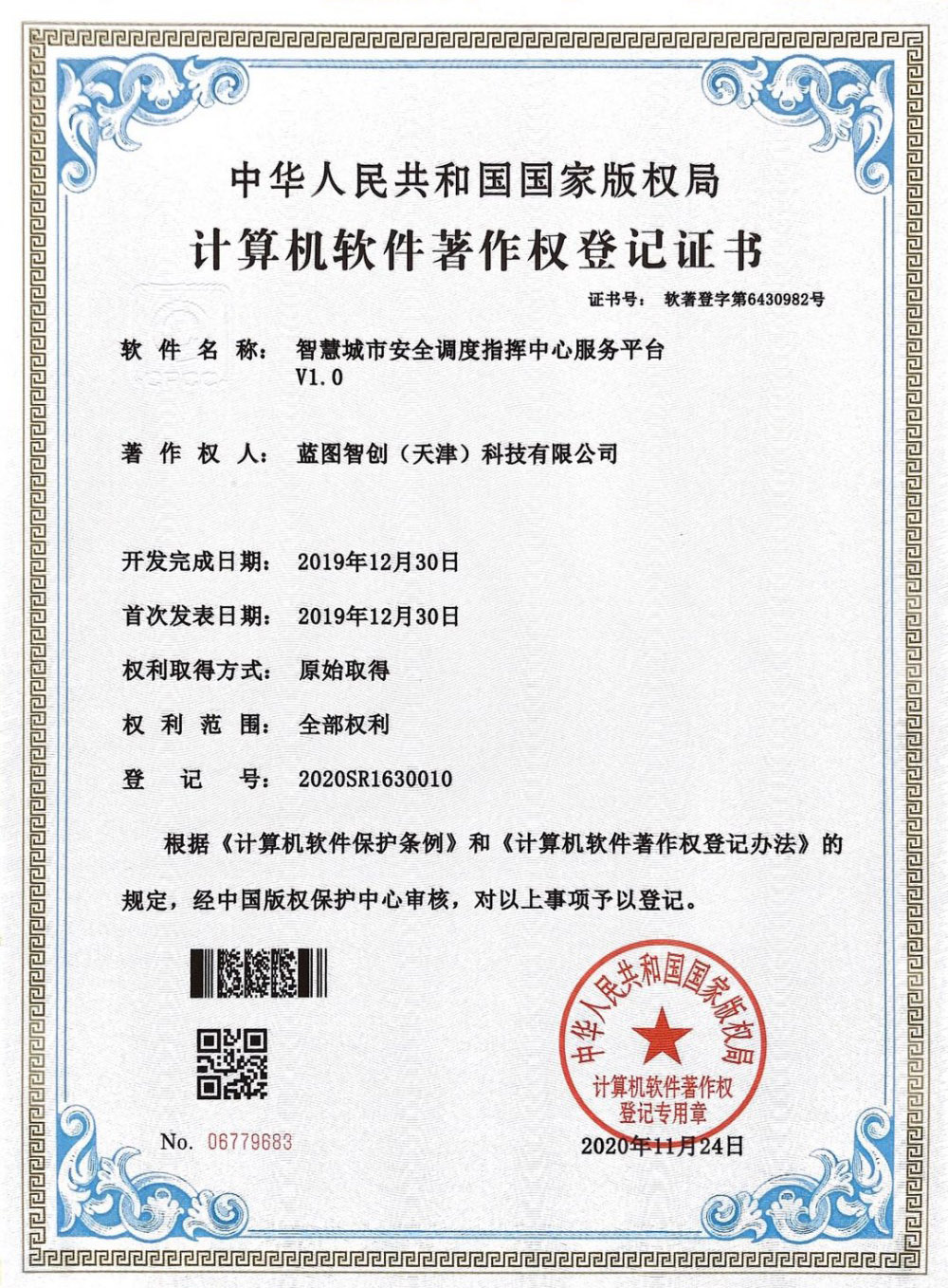
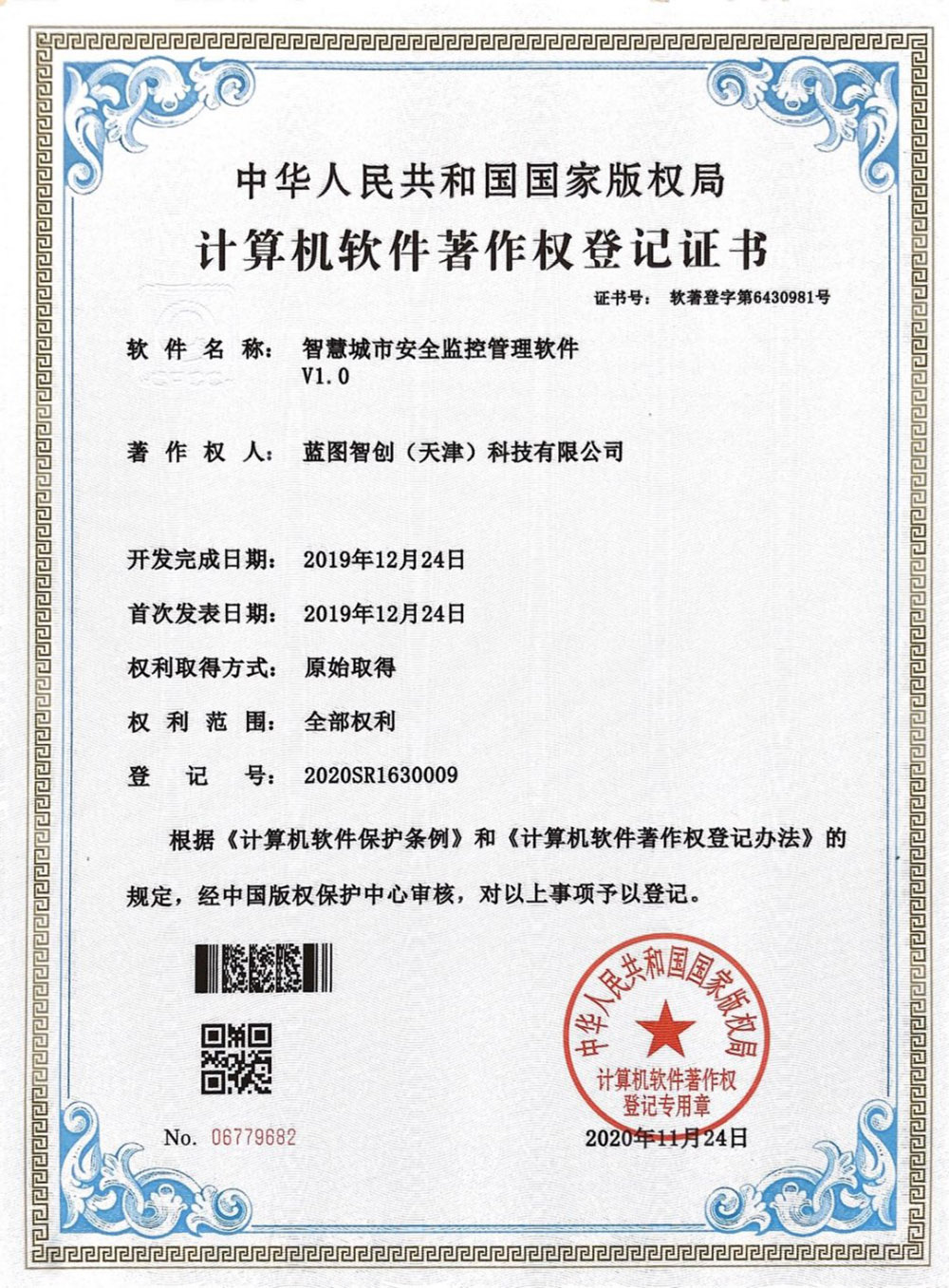
Quality Certificates & Global Partners

Consistently meeting demanding standards to serve industrial partners worldwide.