 BIT-CCTV
BIT-CCTV
BIT-CCTV
Explore our flagship remote control rotators and pan-tilt units engineered for commercial, defense, and telecommunication infrastructures.
Modern remote control antenna rotors—historically used for basic residential television signal acquisition—have evolved into highly sophisticated, industrial-grade pan-tilt positioners (PTUs). In critical communications, aerospace, and defense applications, these rotators must secure directional microwave links, track low-earth-orbit (LEO) satellites, or direct high-gain telecommunication antennas under extreme wind and atmospheric loads.
An industrial remote control antenna rotor acts as the mechanical foundation of directional communication arrays. These systems utilize step-motors or brushless DC motors coupled with worm-gear or direct-drive mechanisms to translate high-frequency control signals (such as Pelco-D/P over RS485 or digital Ethernet control protocols) into micro-precise angular movements. Whether aligning a dual-polarized dish or keeping a radar unit locked onto a target, static holding torque, angular resolution, and mechanical backlash are the defining variables of performance.
When selecting a high-speed pan rotator or a multi-axis positioner, engineers face a core mechanical choice: direct-drive systems or worm-gear transmission units.
China has become the global center for high-performance pan-tilt systems and antenna rotors, driven by the convergence of raw material access, precision manufacturing infrastructure, and specialized R&D clusters.
Manufacturers like Blue Icon (Tianjin) Technology Co. Ltd. benefit from local industrial supply chains. This setup allows for vertically integrated production: casting of aircraft-grade aluminum alloy enclosures, precision machining of high-strength worm gears on multi-axis CNC machines, and custom surface passivation (polyester powder coat, anodization, and anti-corrosion treatments). These capabilities enable Chinese factories to deliver robust systems that meet IP66, IP67, and IP68 ingress protection standards at competitive price points. Additionally, the availability of specialized engineering talent allows for rapid customization, including changes to internal slip rings, heating elements, high-power RF pass-throughs, and structural mounting configurations.
Beyond satellite tracking, remote-controlled rotators and pan-tilt units are integrated into various mission-critical systems:
When purchasing industrial antenna rotators, technical buyers should evaluate several key specifications to ensure long-term performance:
Load Capacity & Moment Calculations: Rotators are rated by weight capacity (e.g., 3.5kg, 10kg, 15kg, 30kg, 50kg, up to 90kg+). Buyers must calculate the payload's center of gravity relative to the rotation axis to prevent bearing wear.
Communication Protocols & System Integration: Ensure compatibility with RS485/RS422 serial networks using industry-standard protocols (Pelco-D/P) or modern IP-based ethernet control systems.
Ingress Protection & Environmental Durability: For outdoor installations, specify IP66/IP67 rated enclosures with integrated heaters, sunshields, and window wipers to ensure operation across temperatures from -40°C to +70°C.
Innovation, Intelligence, Excellence, and Integrity in High-Performance Positioning Systems
Blue Icon (Tianjin) Technology Co. Ltd.
Established in 2005, Blue Icon (Tianjin) Technology Co. Ltd is a national high-tech enterprise specializing in the design, engineering, manufacture, and sales of high-quality CCTV surveillance equipment and multi-axis positioning systems. Our product portfolio includes pan-tilt heads and positioners, long-range laser PTZ units, thermal imaging systems, camera protective housings, and heavy-duty brackets.
With over 18 years of industry experience, our engineers are committed to delivering custom-designed products to meet specific client requirements. Our solutions support load ranges from 3kg up to 150kg, backed by comprehensive OEM and ODM services.
 18 Years' Experience Fully Customized 3-150kg Load Units OEM & ODM Service
Pan Tilt Positioner Maker in China
Explore our engineering capabilities across positioning units, thermal housings, and camera enclosures.
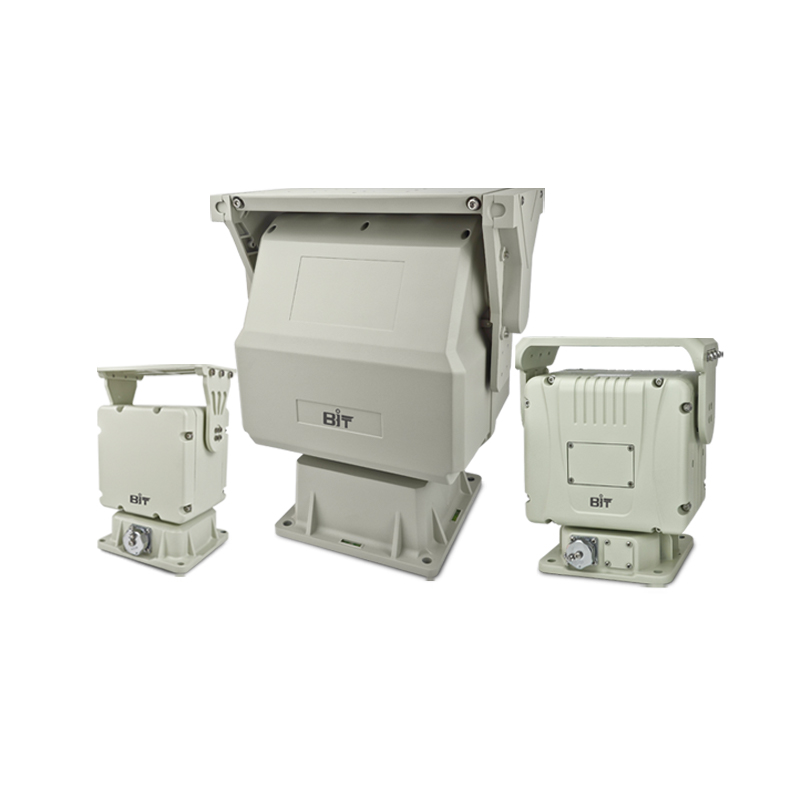
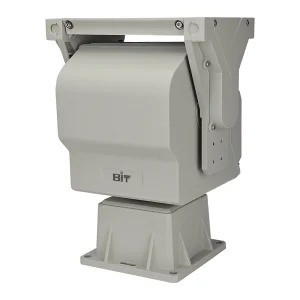
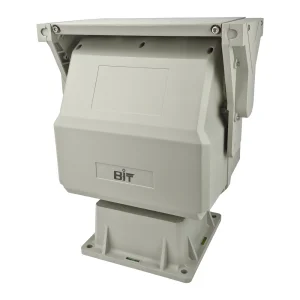
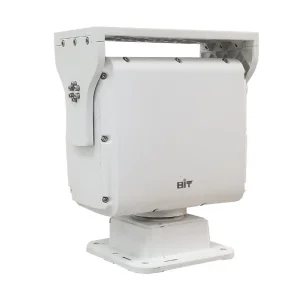
Available in light, medium, and heavy-duty configurations to support surveillance cameras, antennas, and searchlights in high-wind environments.
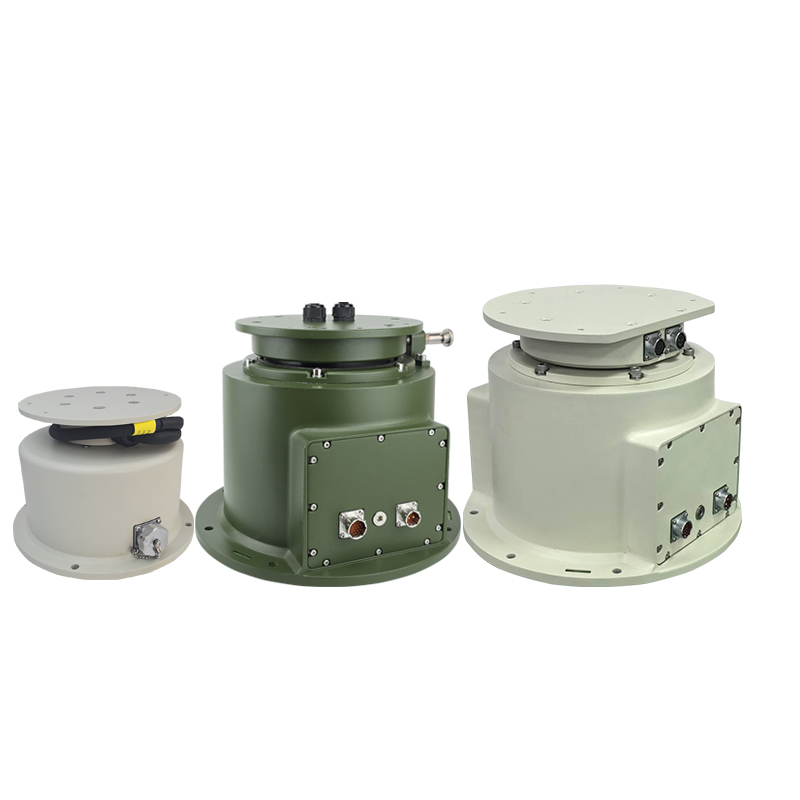
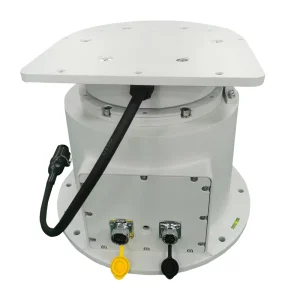
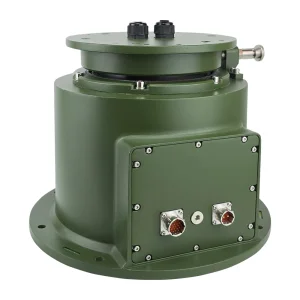
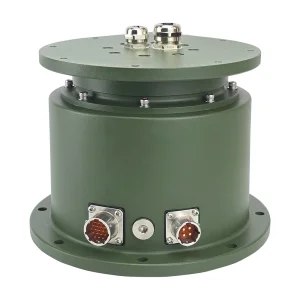
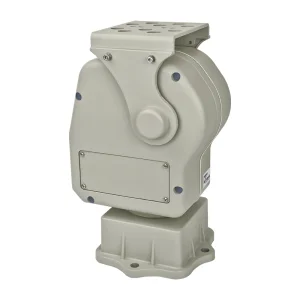
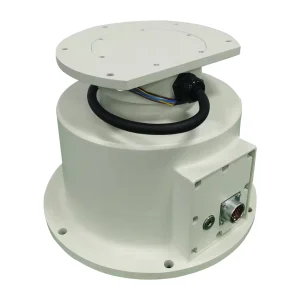
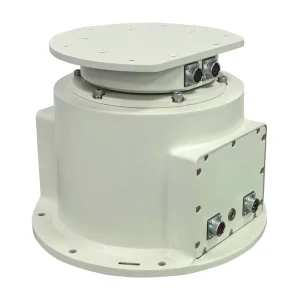
Single-axis azimuth rotators designed for telecommunication antennas, weather instruments, and radar arrays requiring continuous horizontal positioning.
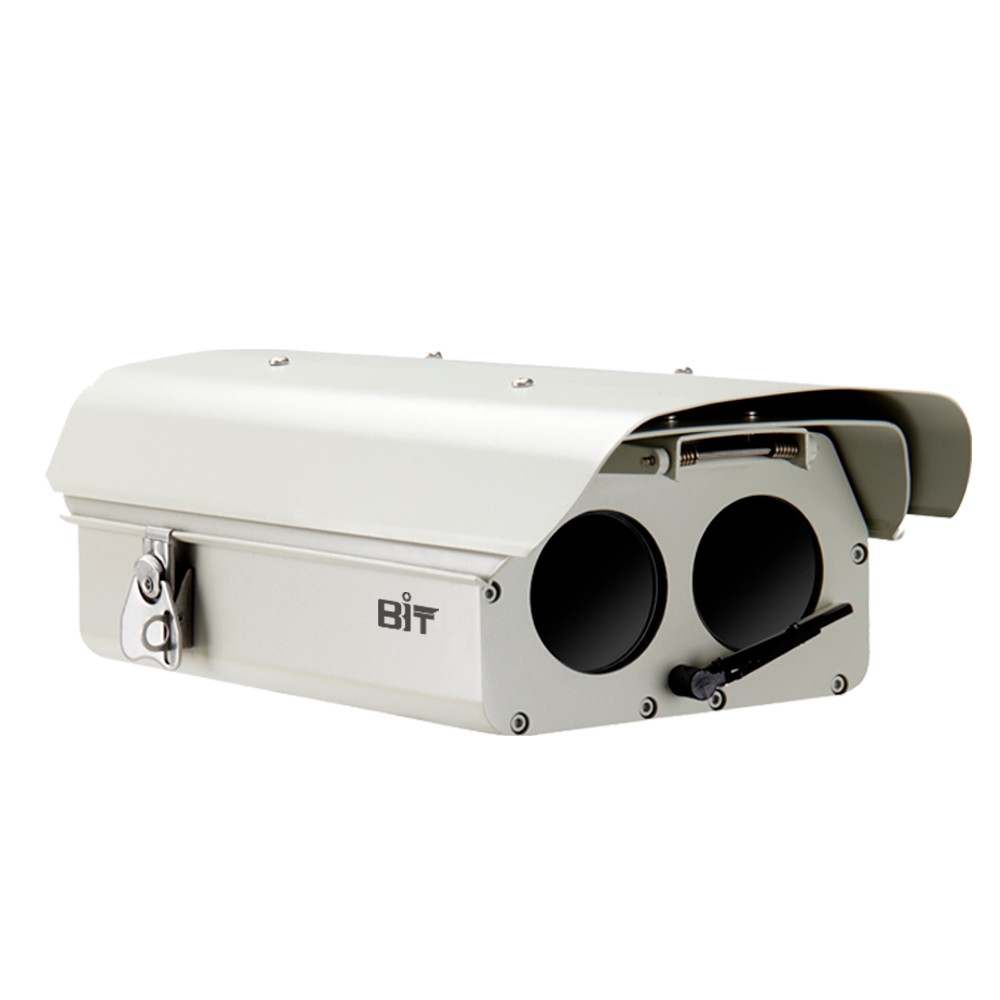
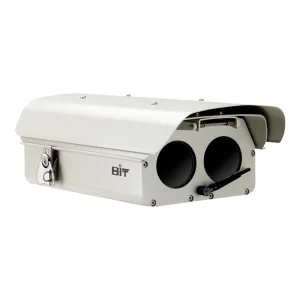
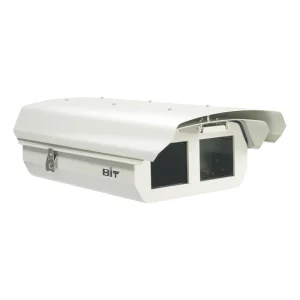
IP66/IP67 rated dual-window camera housings with optional sunshields, internal heaters, cooling fans, and integrated window wipers.
Detailed performance benchmarks of our popular pan-tilt positioning systems.
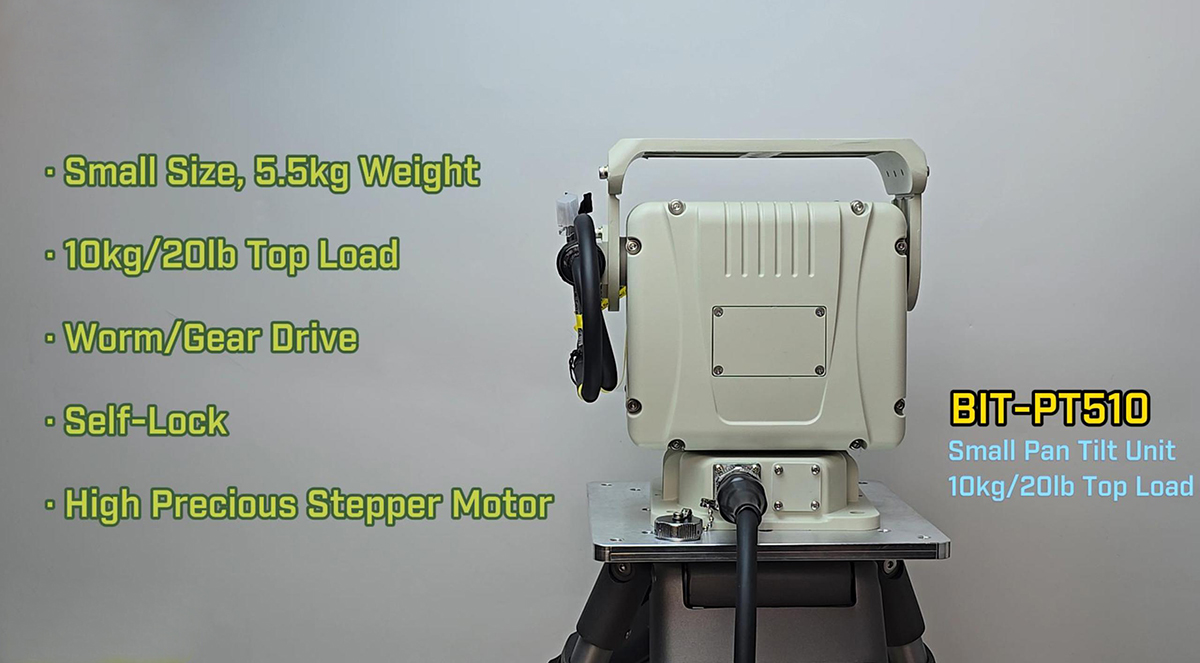
Compact positioning unit with high-precision stepper motor and worm-gear drive. Features 360° continuous pan rotation and ±60° tilt rotation, with speeds up to 30°/s. Designed for thermal cameras and directional antennas.
Weighing only 3.5kg, this compact PTU supports up to a 3.5kg payload. Designed for mobile surveillance masts, rapid-deployment tripods, and small antenna positioning systems.
Achieves dynamic tracking speeds up to 100°/s in the horizontal axis. Utilizes a direct-drive design with worm-gear backup in the tilt axis (-90° to +40°), ideal for tracking fast-moving targets.
Designed for long-range optical payloads, searchlights, and military directional antennas. Features high torque, low backlash, and a rugged cast housing for stability in high-wind conditions.
Over 50 national patents and an annual 10% sales revenue investment in R&D guarantee field performance.
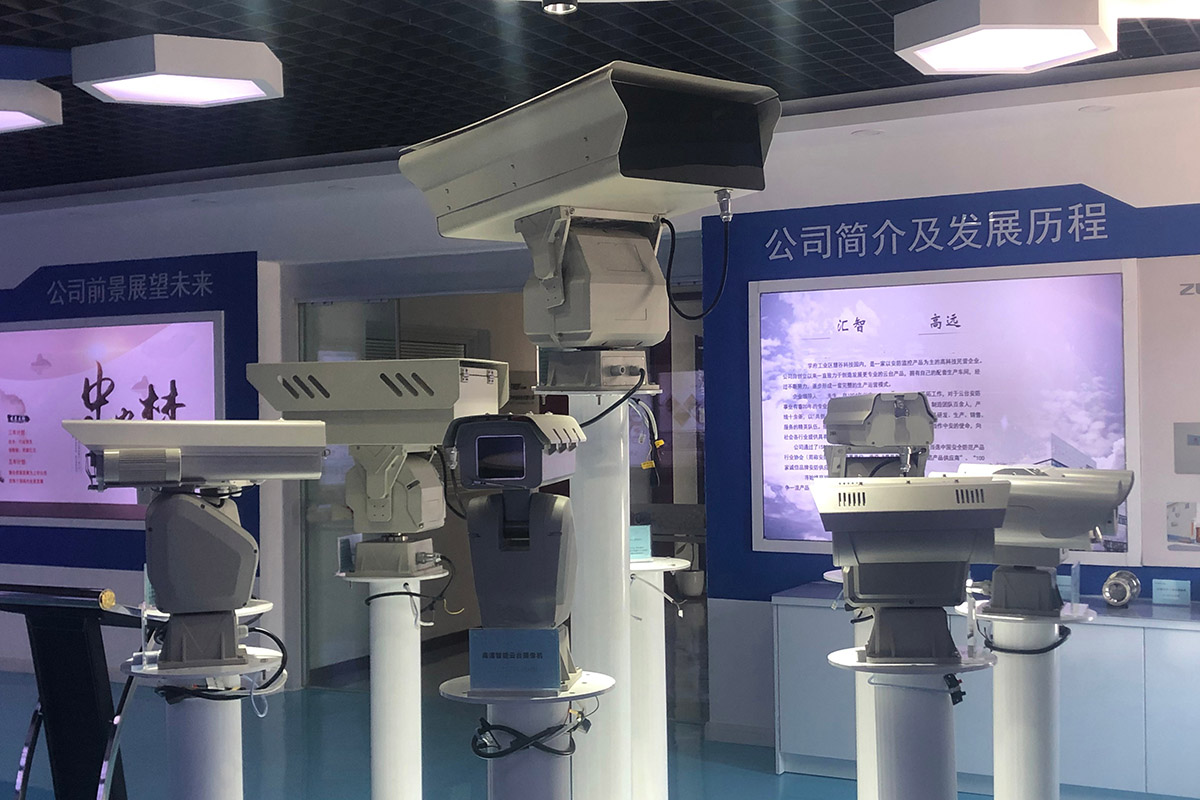
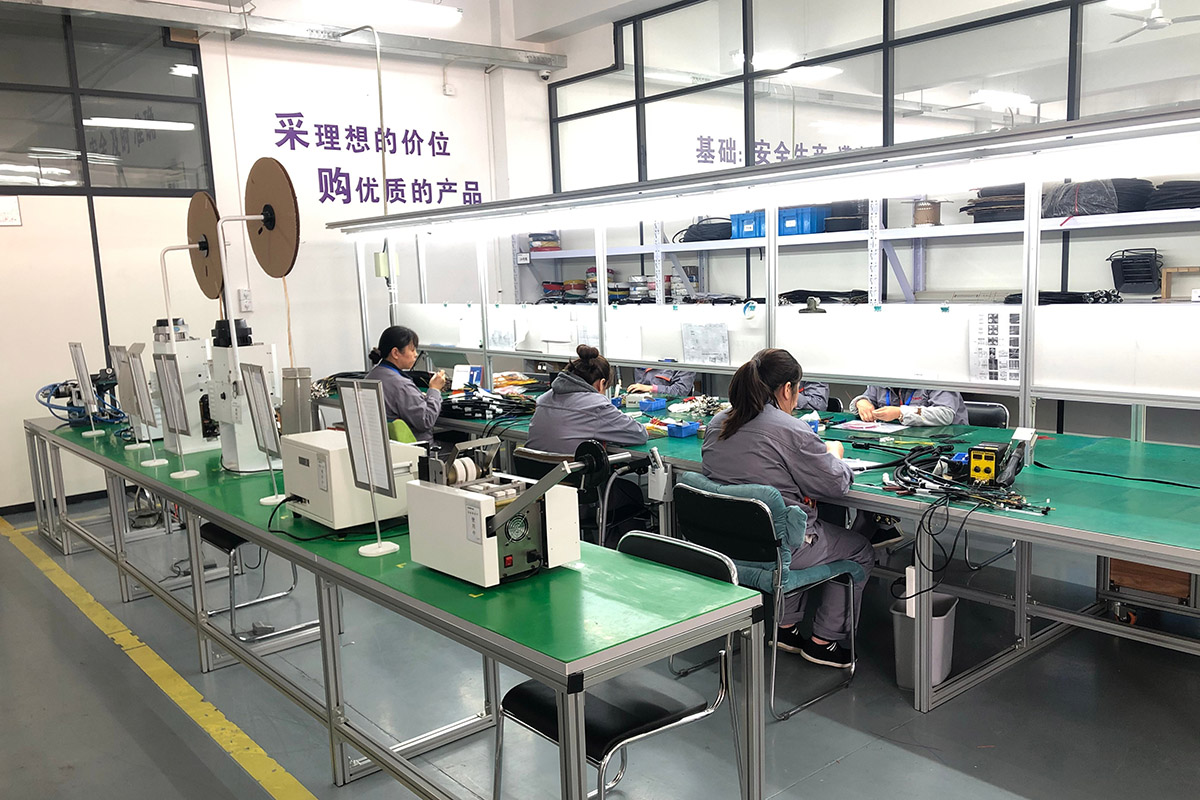
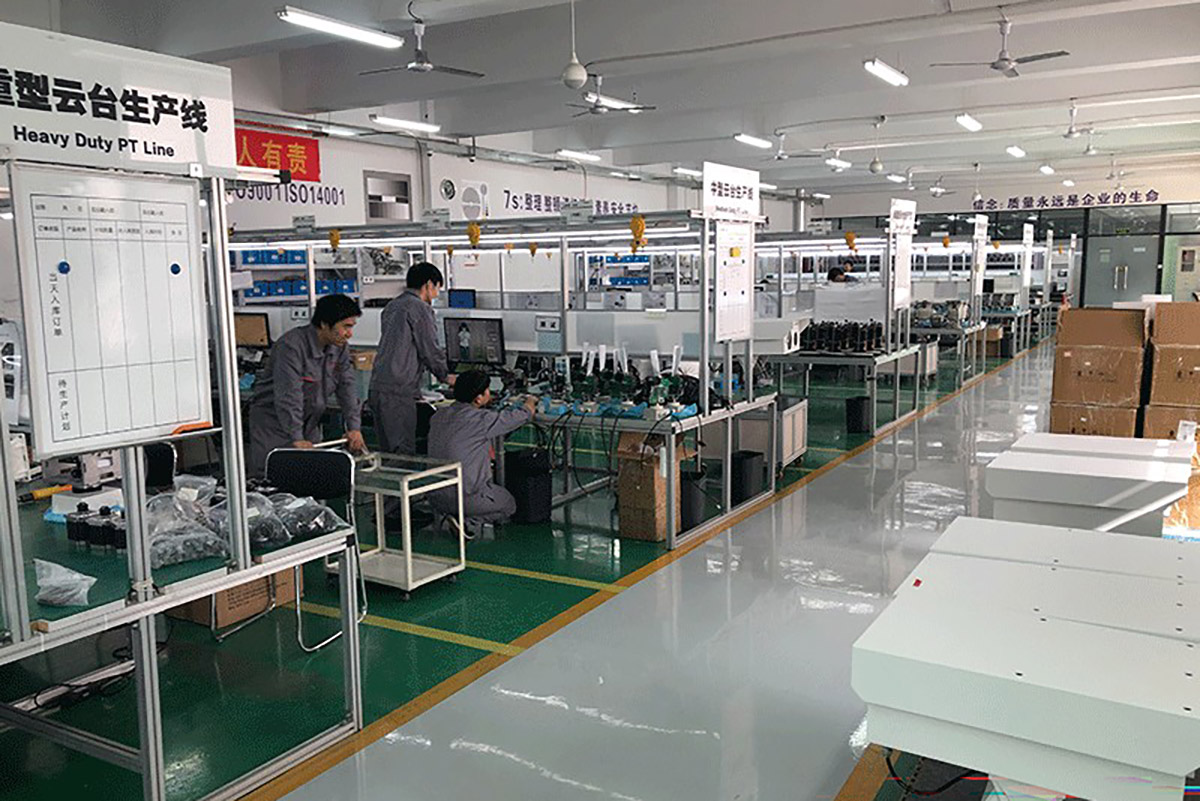
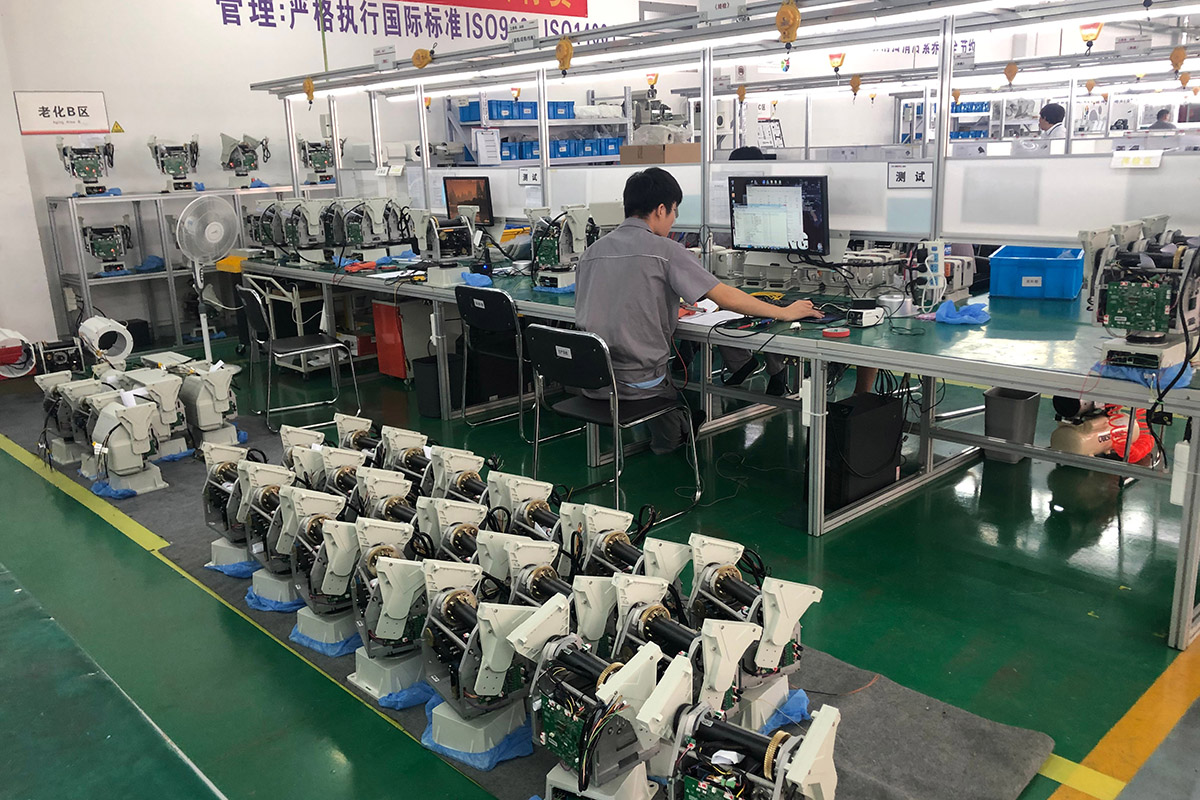
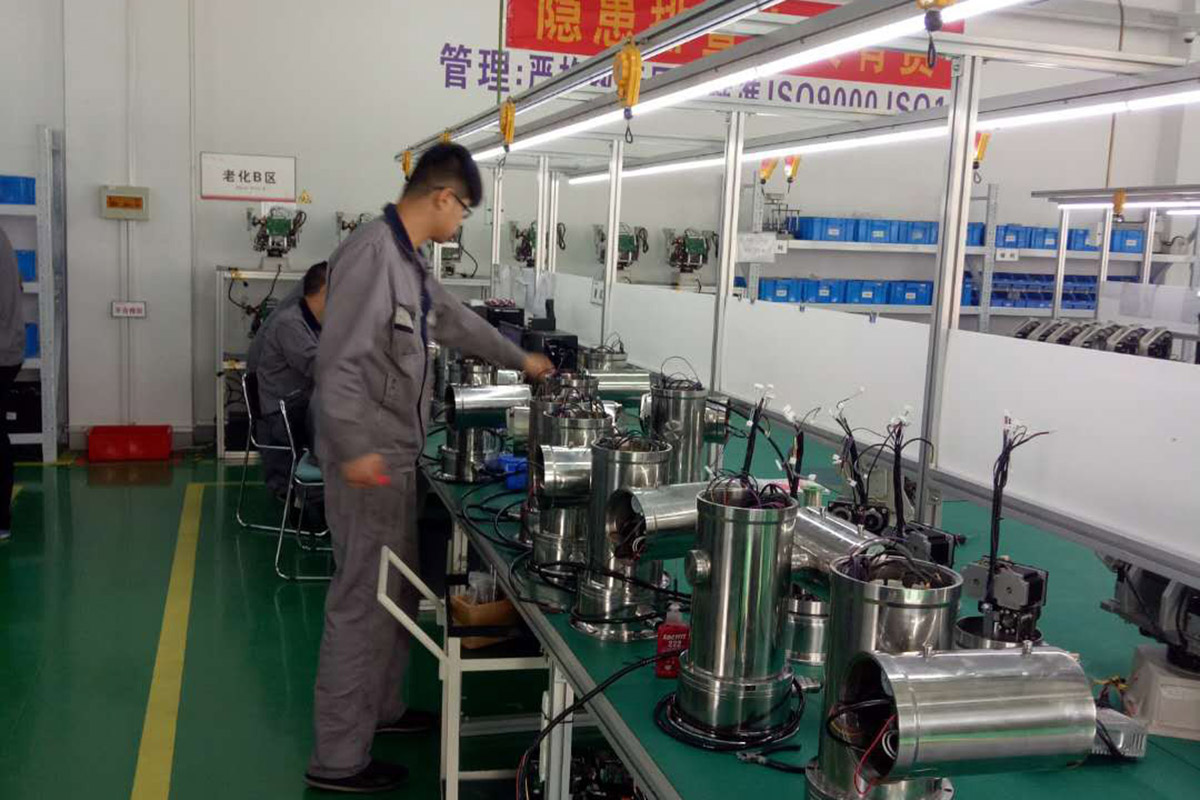
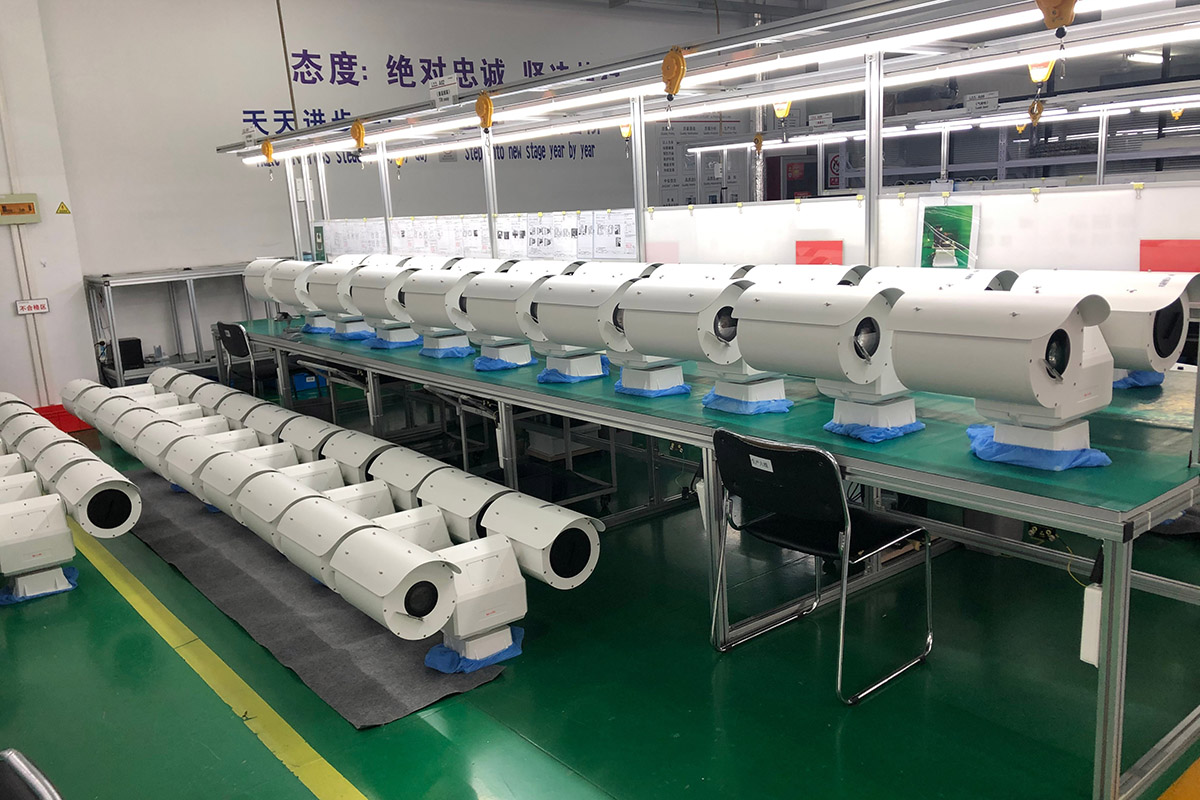
Our positioning products are used in over 50 countries, supporting international security and communications systems.









Insights into custom pan-tilt engineering, installation practices, and industry standards.
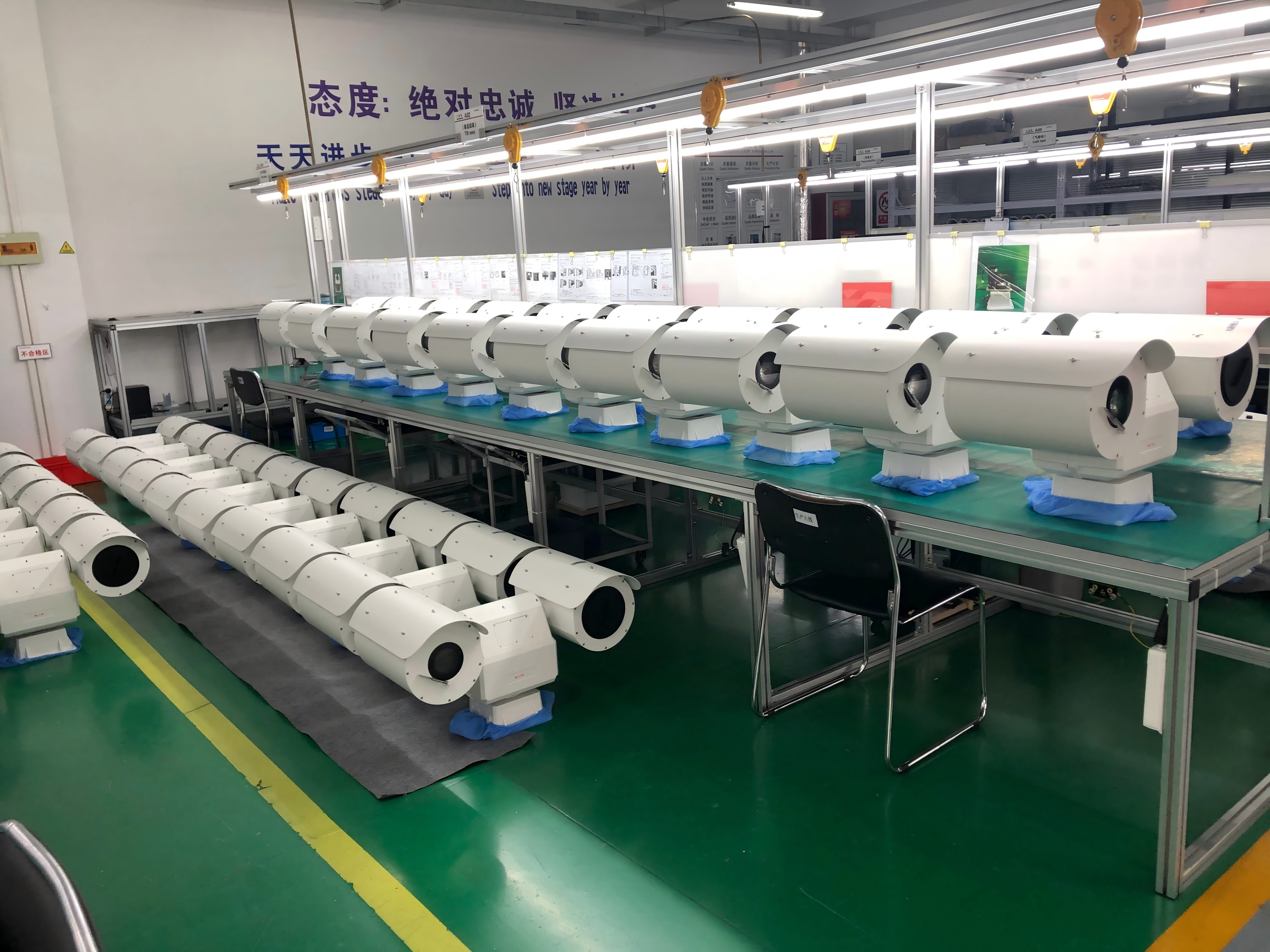
As application requirements for pan-tilt positioners grow, customization becomes critical. Learn how to evaluate engineering capacity, testing standards, and material quality.
Read Article →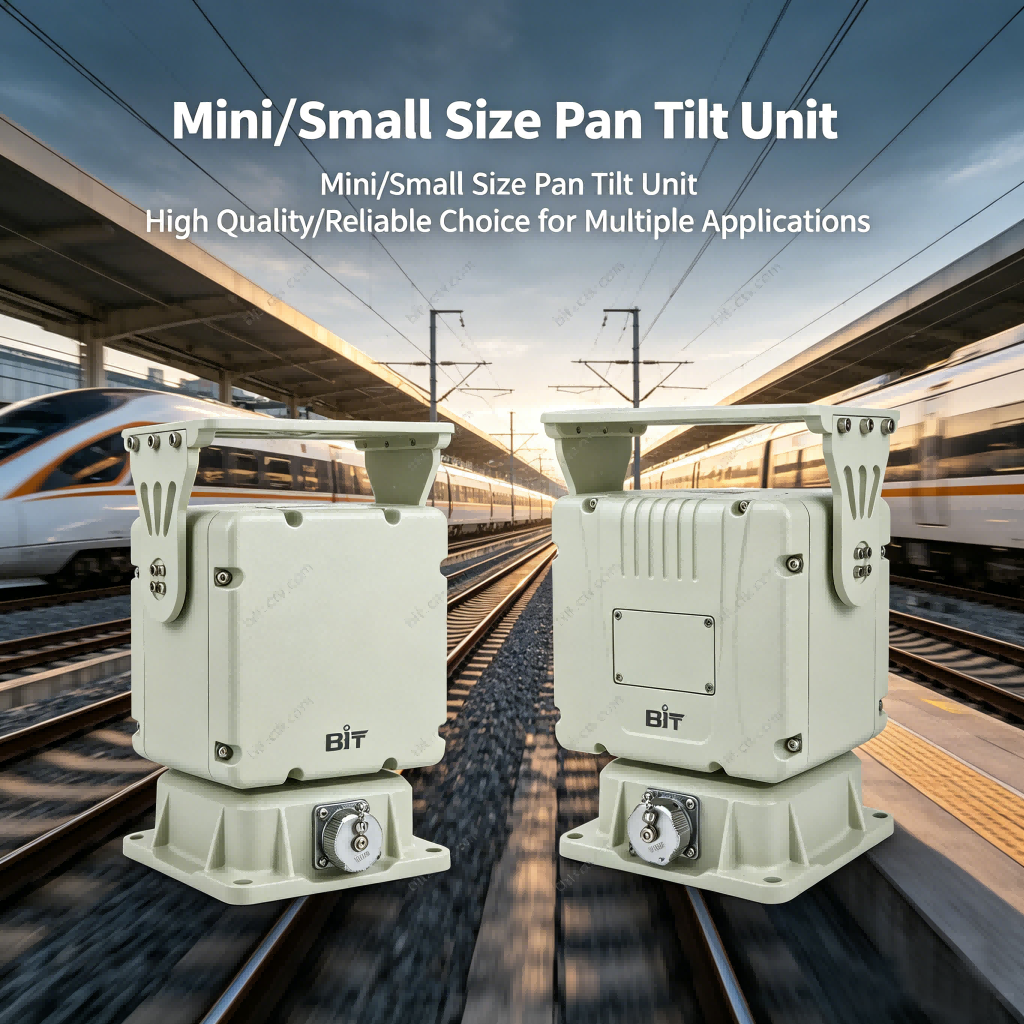
An introduction to our compact, light-duty pan-tilt units, designed for payloads under 10kg with high precision and low weight budgets.
Read Article →
Understand classification based on load capacity (light, medium, heavy), gear mechanics (worm-gear, direct-drive), and environmental certifications.
Read Article →Technical guidance on integration, mechanical design, and environmental protection of antenna rotors and positioners.
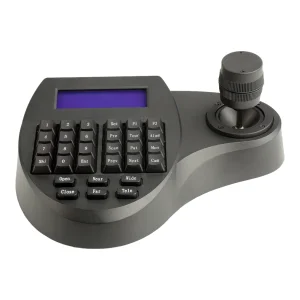
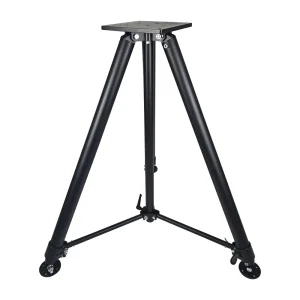
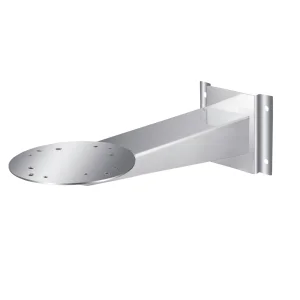
Complete your deployment with controllers, tripods, single-axis rotators, and environmental housings.