 BIT-CCTV
BIT-CCTV
BIT-CCTV
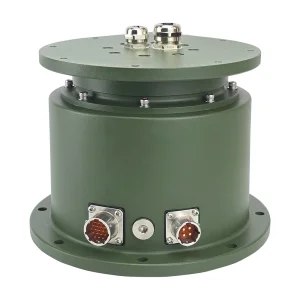
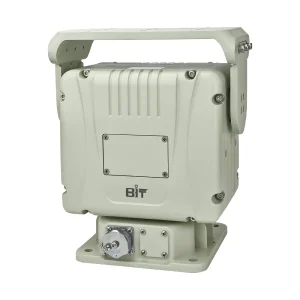
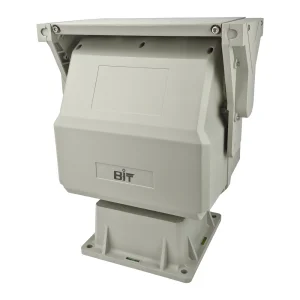
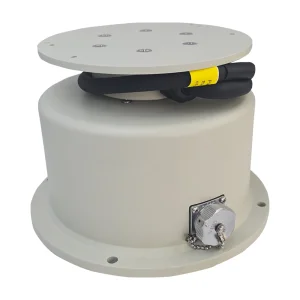
High-torque rotational platforms designed for variable antenna arrays, surveillance cameras, and electro-optical monitoring assemblies.
Blue Icon Founded
National Patents Issued
Annual Revenue R&D Investment
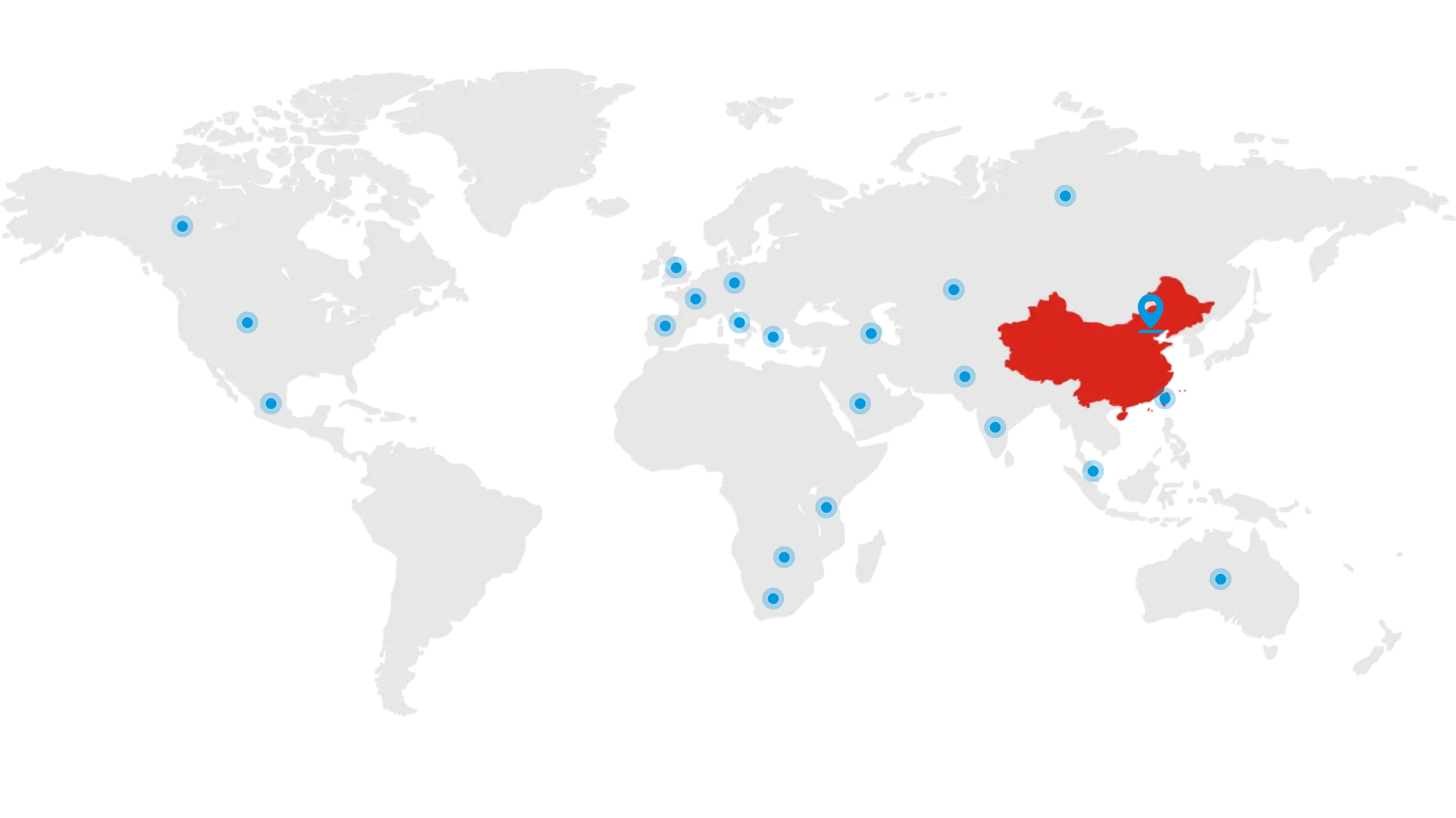
Countries Sales Network
A deep dive technical overview of high-durability azimuth-elevation rotators, mechanical efficiency variables, and environmental sealing protocols for defense, marine, satcom, and infrastructure security networks.
In telecommunication engineering, satellite telemetry, and aerospace positioning, the ability to control high-gain directional antennas remotely is crucial for continuous data pathways. An antenna rotator (or pan-tilt positioner) provides the physical mechanism required to point parabolic dish antennas, Yagi antennas, radar arrays, or optoelectronic sensors accurately. These systems rely on closed-loop feedback loops, zero-backlash gearboxes, and robust mechanical structures capable of handling high dynamic payloads.
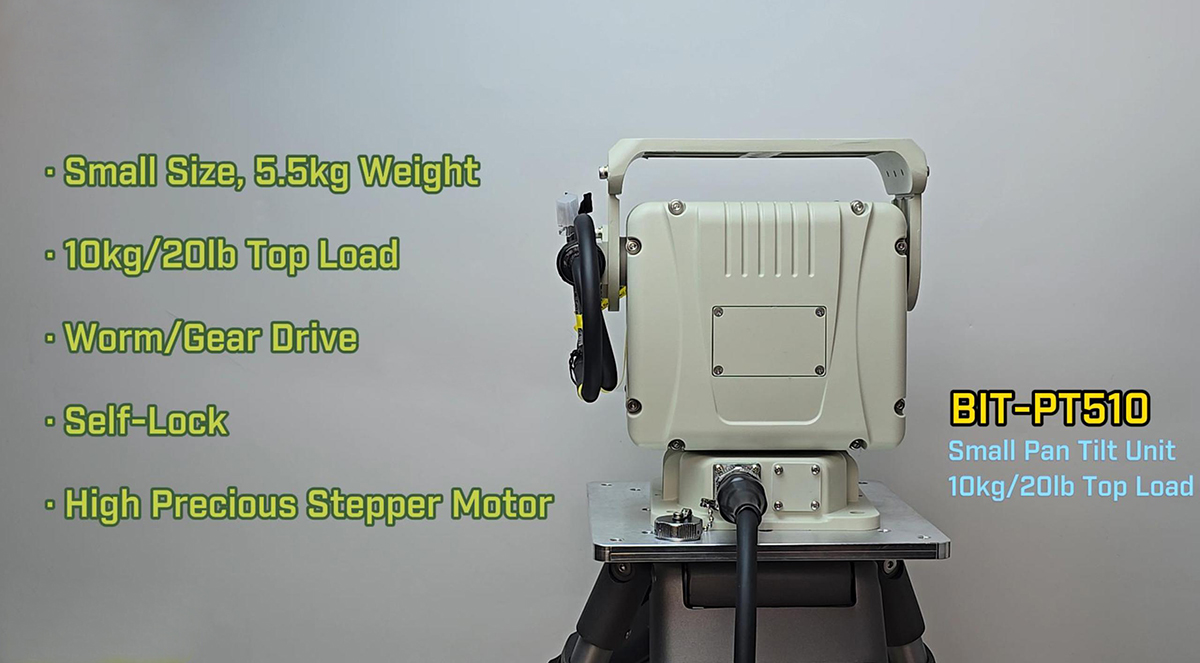
Most medium-to-heavy models utilize precision self-locking worm gears. This drive configuration ensures that external mechanical pressure (such as severe wind force acting on a parabolic antenna) does not rotate the motor shafts back, protecting internal stepper or brushless motors from critical failure.

Selecting the appropriate remote control antenna rotator requires precise mechanical calculations. The system must overcome both static torque (due to payload weight) and dynamic wind load torque. Engineering teams analyze these values based on the wind drag coefficient of the target instrument:
T_wind = 0.5 * ρ * v² * A * C_d * L
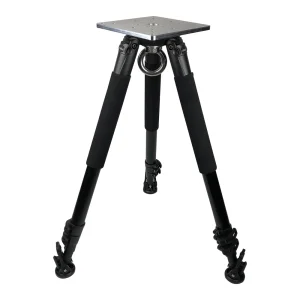
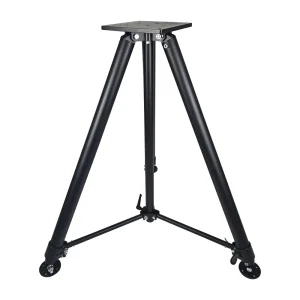
Where ρ represents air density, v is wind velocity (m/s), A is projected surface area of the antenna, C_d is drag coefficient, and L is distance from the rotational center to the centroid of the antenna surface. Blue Icon (Tianjin) manufactures units supporting loads from 3.5kg up to 120kg (264lb) and tripods handling up to 200kg (440lb), maintaining high operational precision even under wind speeds of up to 45m/s (gale-force winds).
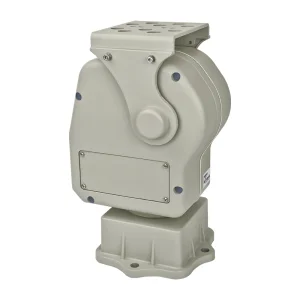
Optimized for rapid deployment, tactical microwave link antennas, thermal cameras, and localized weather sensing systems. Uses lightweight alloys and compact worm gear drives.
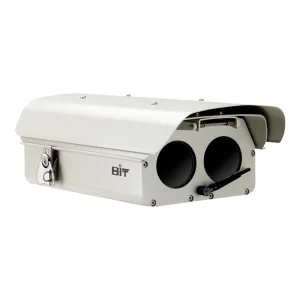
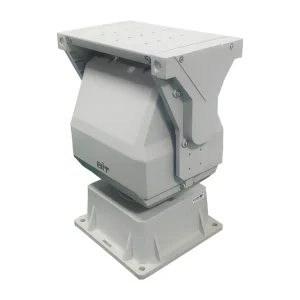
Engineered for border monitoring stations, dual-vision long-range cameras, and larger VHF/UHF directional antenna arrays. Features IP66 protection and optional heating elements.
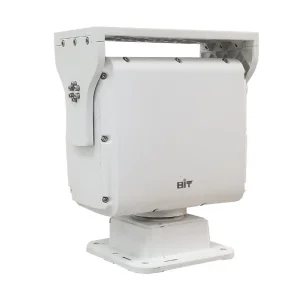
Designed for heavy satellite tracking systems, multi-band communications arrays, and coastal defense installations. Offers extreme high-torque direct drive or multi-stage planetary gear systems.
Established in 2005, Blue Icon (Tianjin) Technology Co. Ltd. operates in one of China's most advanced precision manufacturing clusters. The Tianjin industrial zone provides direct access to high-grade metallurgical casting plants, CNC milling centers, and specialized electronics assembly hubs. This localized supply chain integration enables Blue Icon to offer:
Historically, antenna rotators and camera pan-tints relied on analog RS-485 connections using legacy protocols like Pelco-D and Pelco-P. To meet the demands of modern automation, Blue Icon’s R&D department—funded by a constant 10% annual revenue reinvestment—has developed IP-enabled positioners. These modern units integrate directly into Ethernet networks and feature:
Operators configure rotational speed limits, pan boundaries, preset coordinate points, and motor acceleration profiles directly through a standard web browser.
Real-time query of current Azimuth and Elevation degrees. Software applications can send direct command targets (e.g. "Slew to Azimuth 182.4° and Elevation -12.5°") for precise positioning.
High-resolution magnetic encoders detect target position shifts caused by external wind forces and automatically command the motor drive to adjust, ensuring consistent alignment.
Over two decades of designing, engineering, and manufacturing global positioning solutions.
BIT-CCTV Founded
Established factory operations in Tianjin for global surveillance and structural positioning supply.
China Pan Tilt Maker
A pioneer in heavy-duty commercial positioners, developing custom-engineered systems for industrial applications.
Annual R&D Investment
A substantial portion of revenue is reinvested annually to support innovations in IP positioning and motor driver circuits.
Manufacturing Area
Equipped with precision CNC machining centers, climate chambers, and torque testing rigs.
An overview of standard worm-gear drive and high-speed stepper configuration profiles.
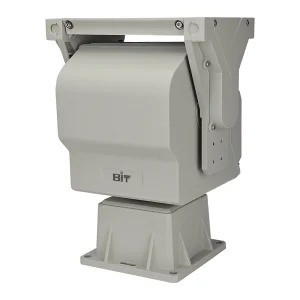
The most compact pan-tilt unit in the range. Weighing only 3.5kg, it is designed for light payloads, tactical deployments, rapid-deployment tripod setups, and localized sensor operations.
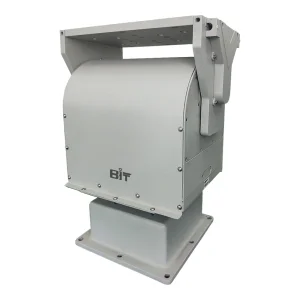
Designed for applications requiring rapid positioning and tracking. Reaches panning speeds of up to 100°/second, with a wide tilt range of -90° to +40°.
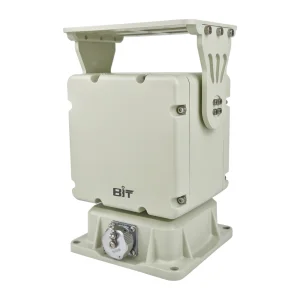
A proven workhorse in harsh industrial environments. Built with a rugged aluminum alloy housing and heavy-duty gears, it has been widely used in border defense and coastal monitoring stations for over a decade.
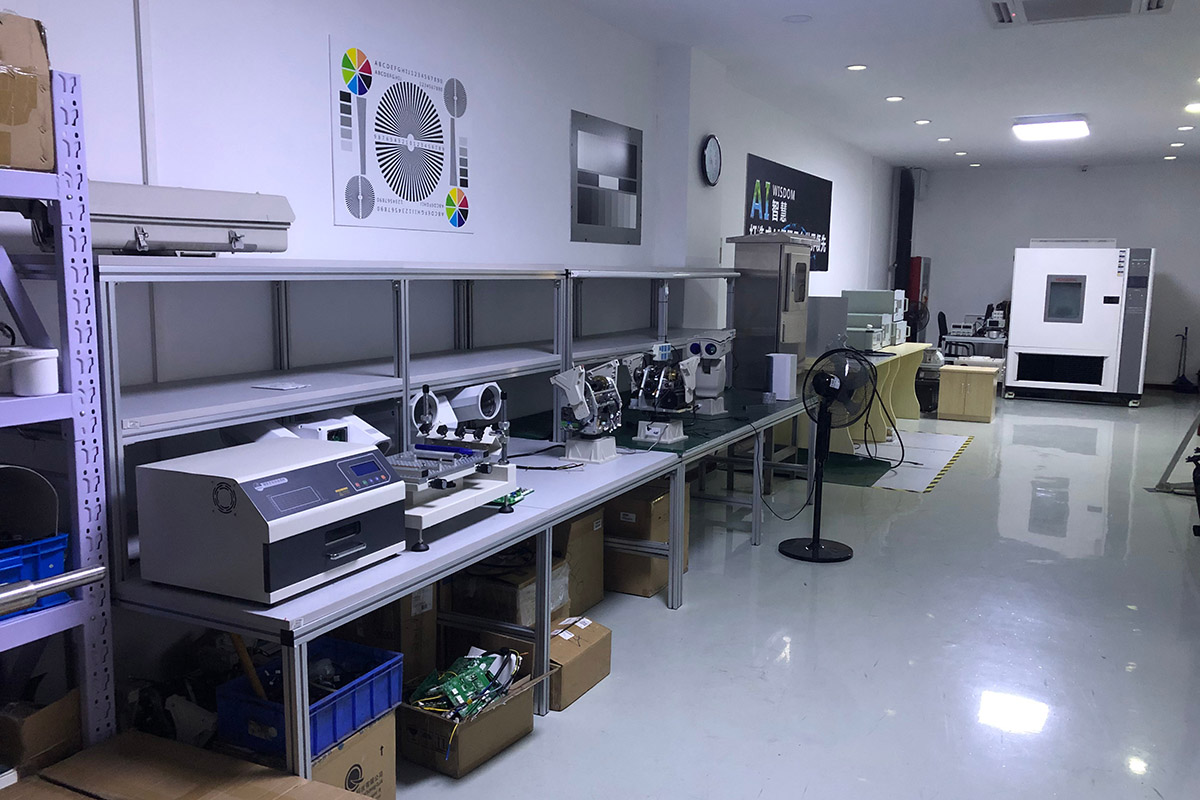
Inside the production facility in Tianjin, highlighting manufacturing standards and testing environments.
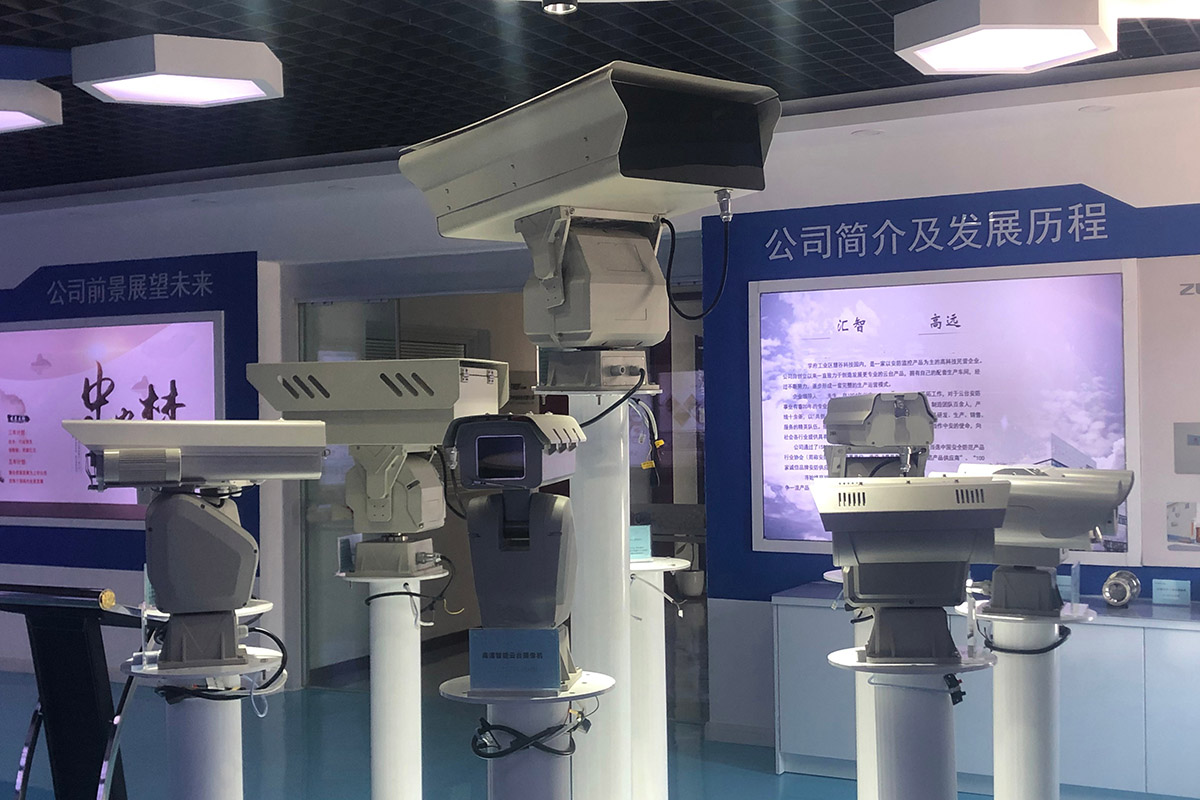
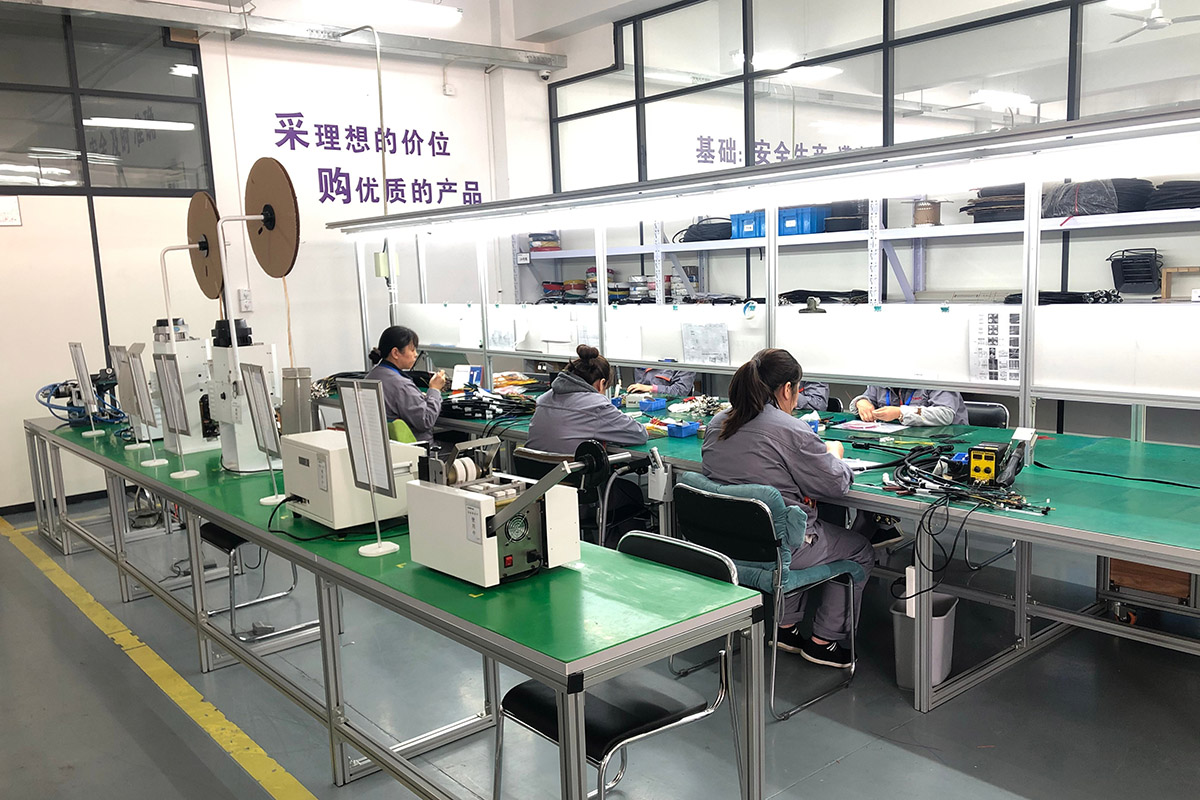
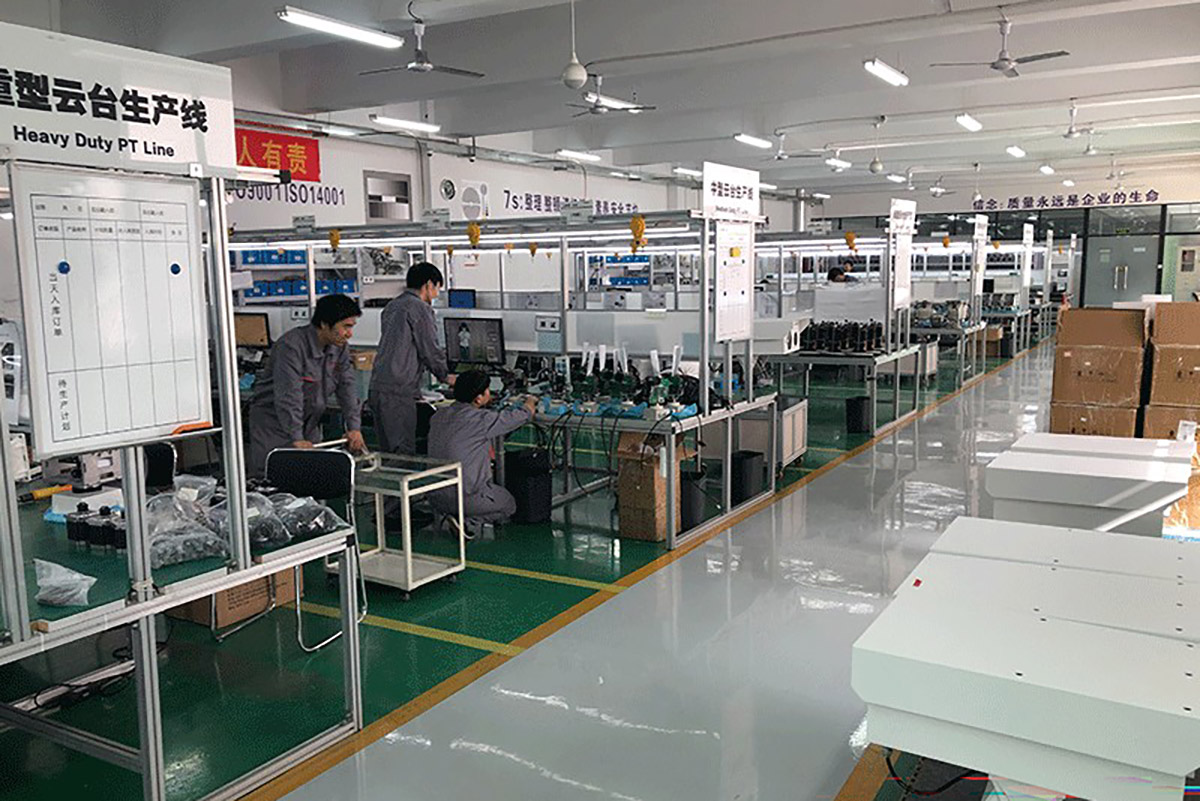
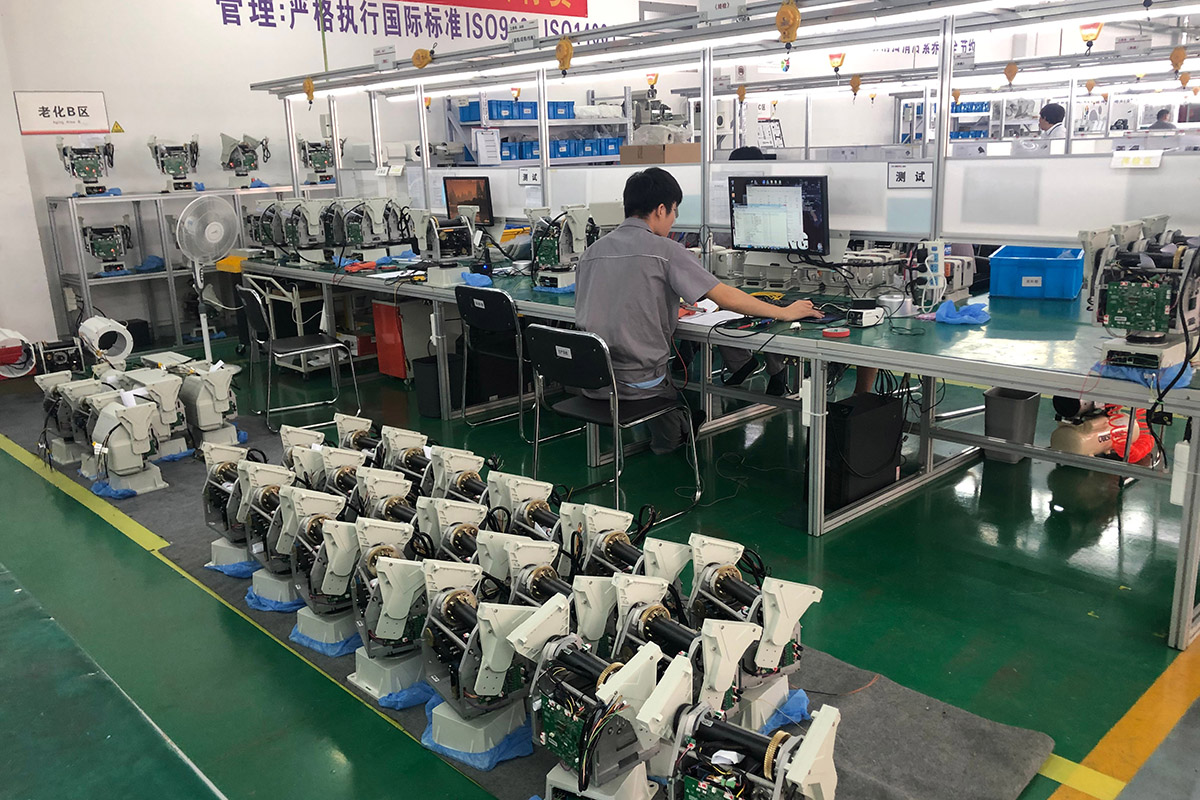
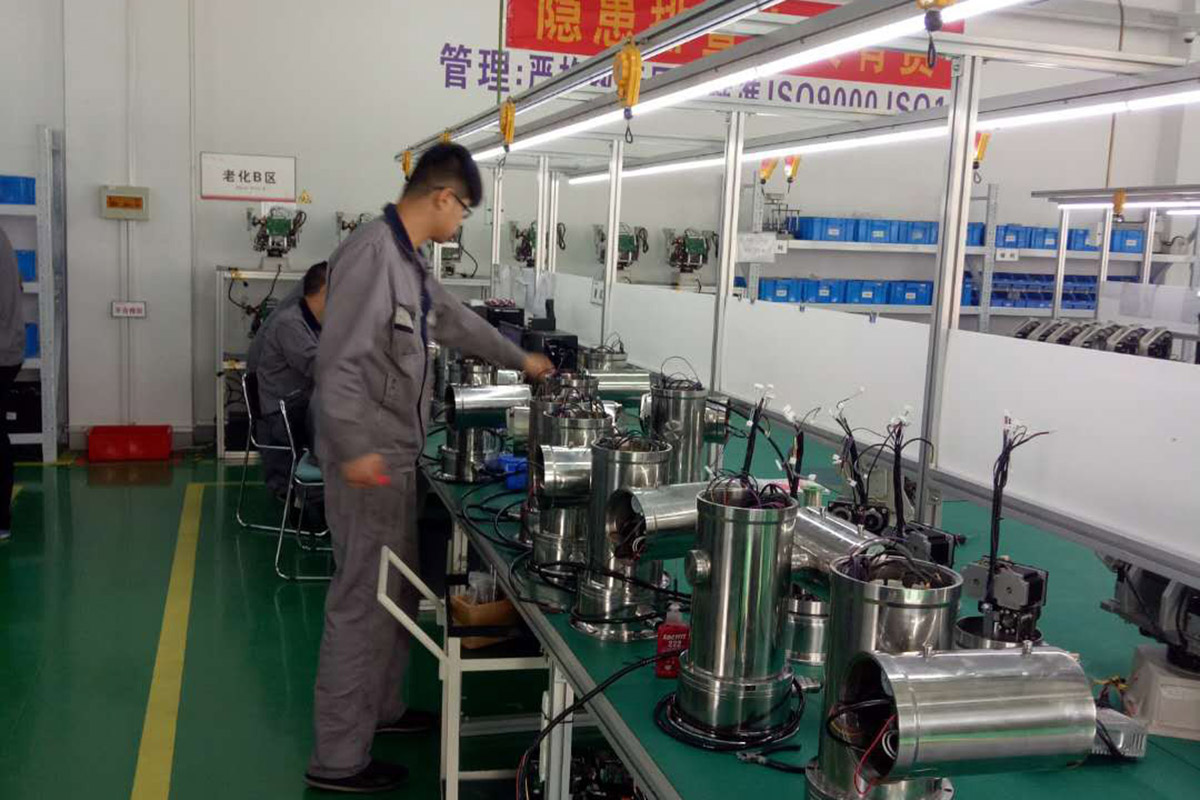
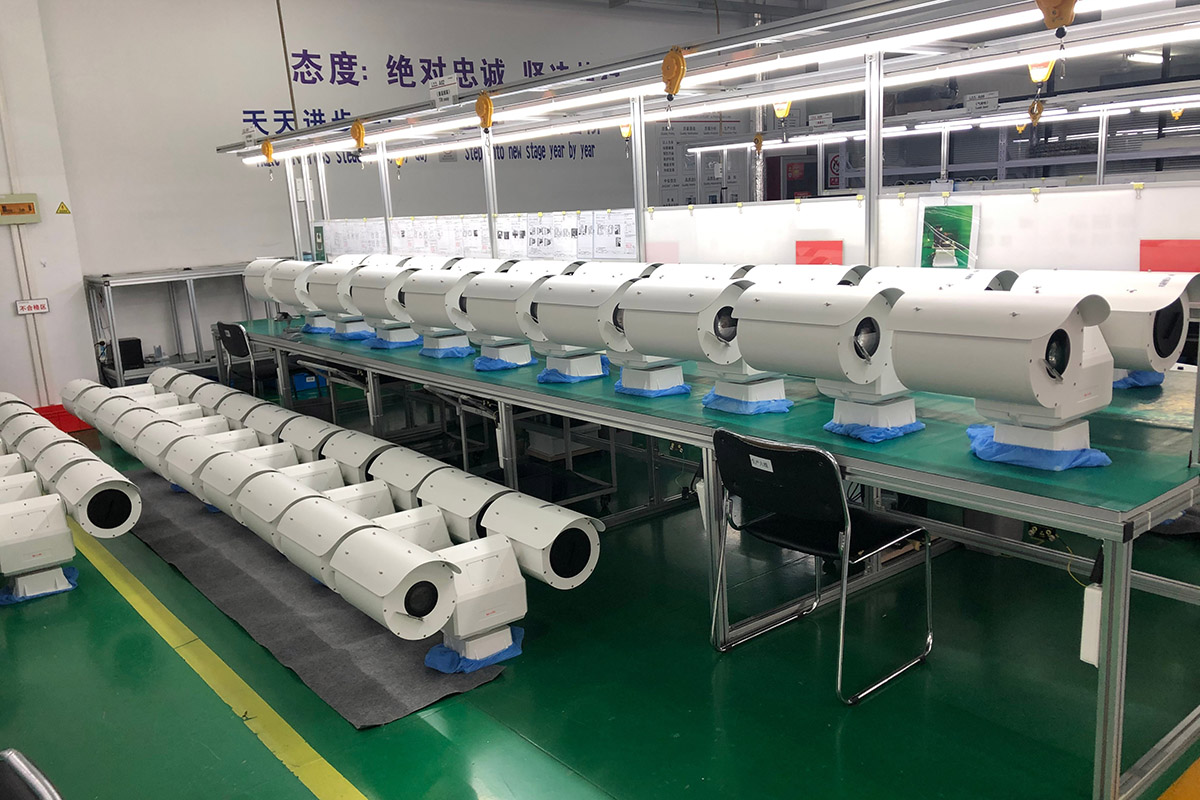
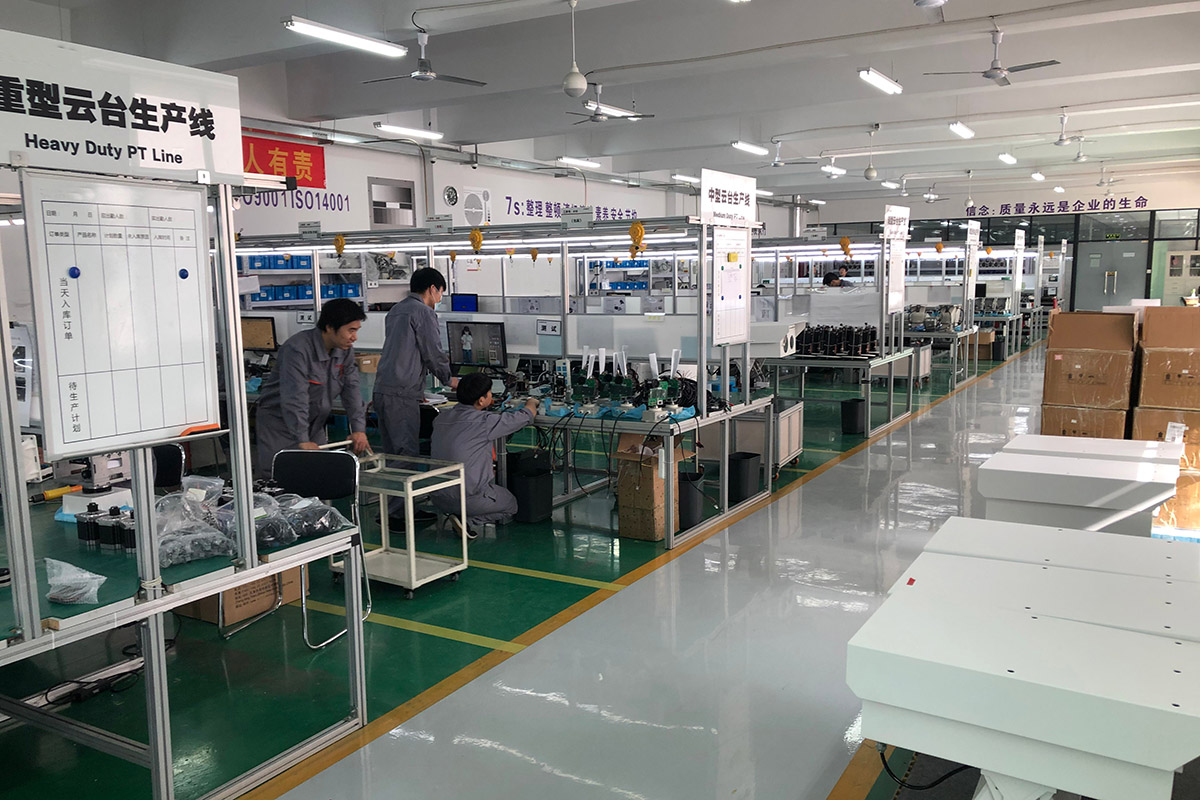
Products verified under international standards and trusted by partners across more than 50 countries.
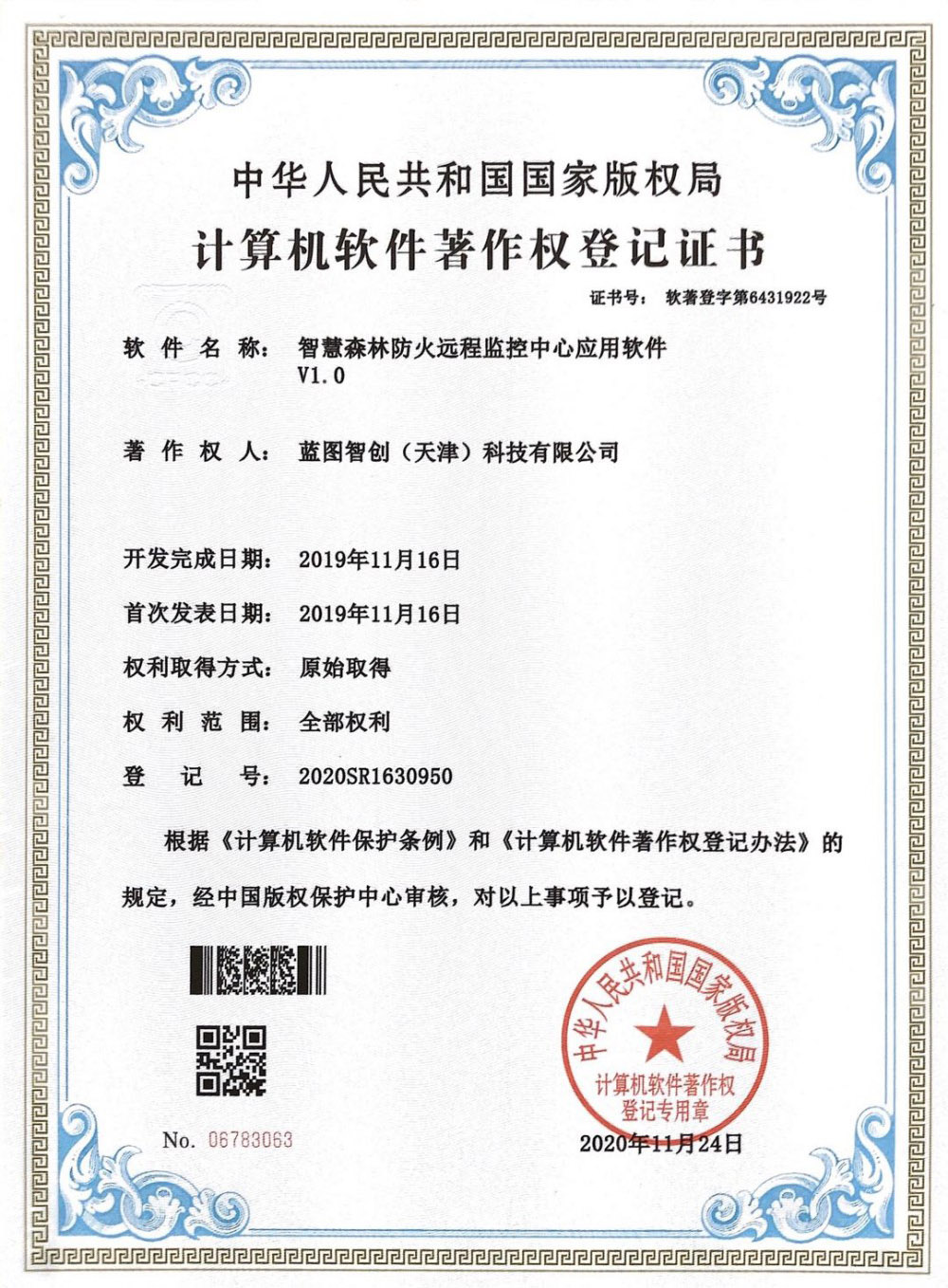
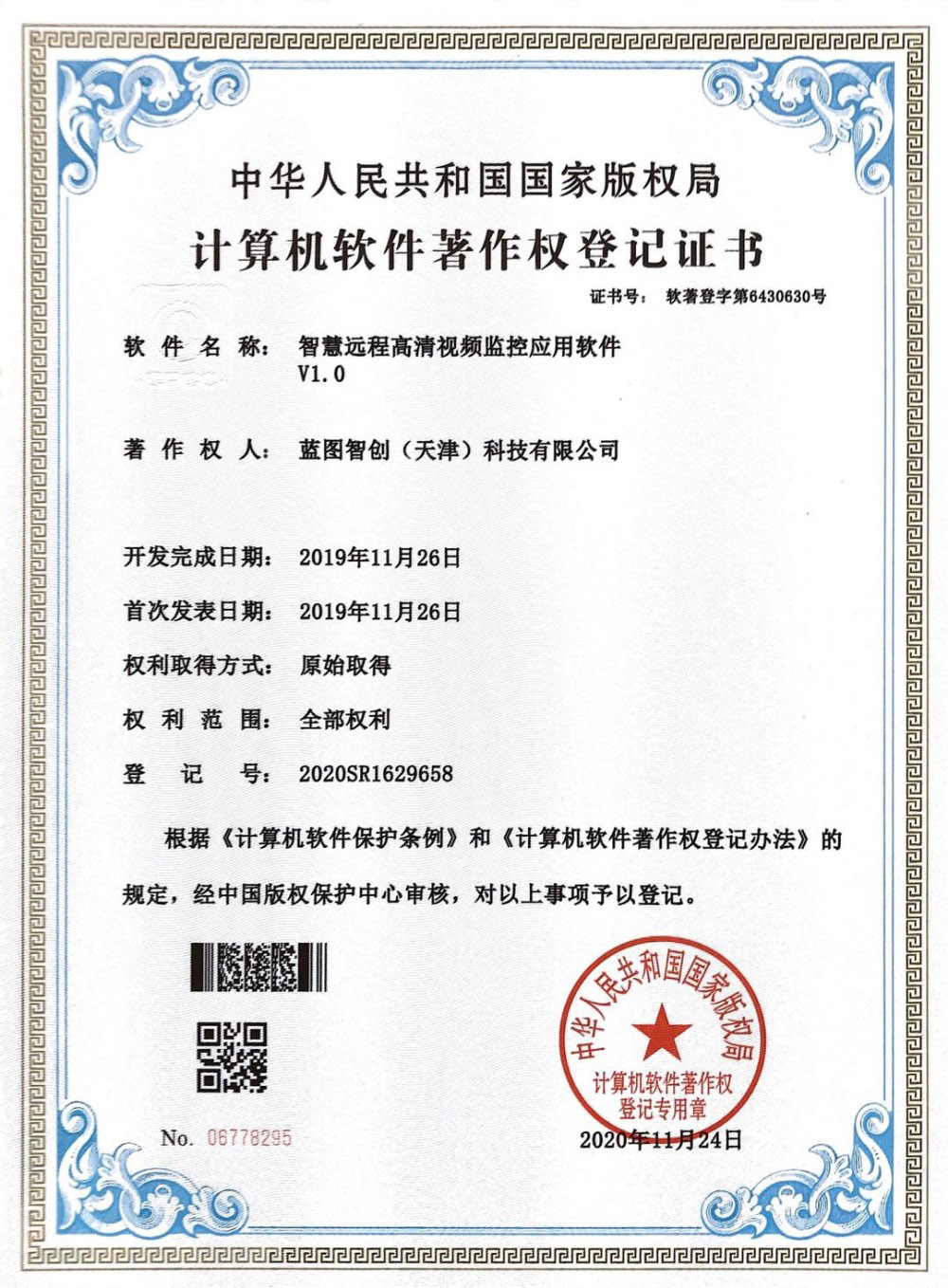
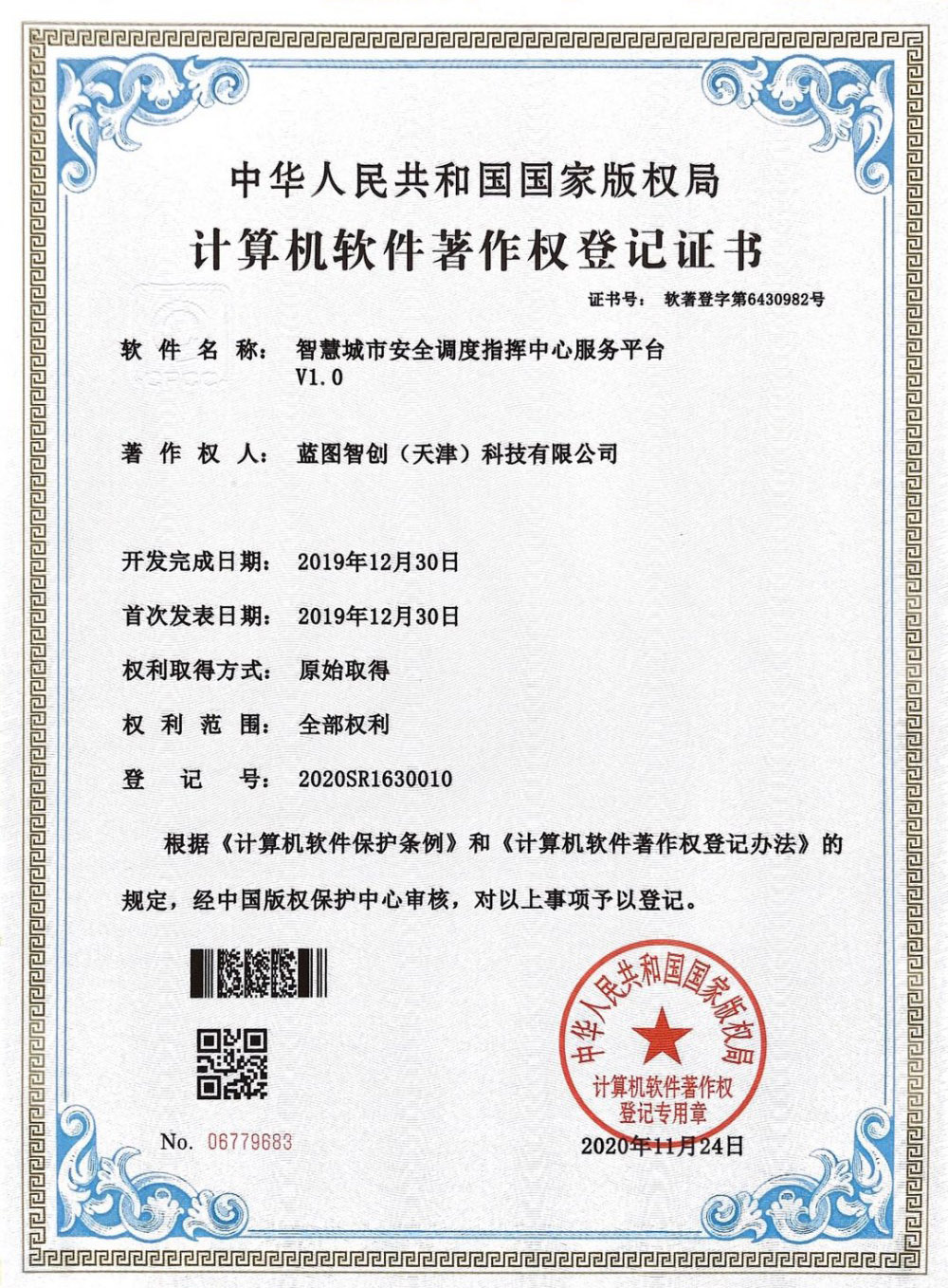
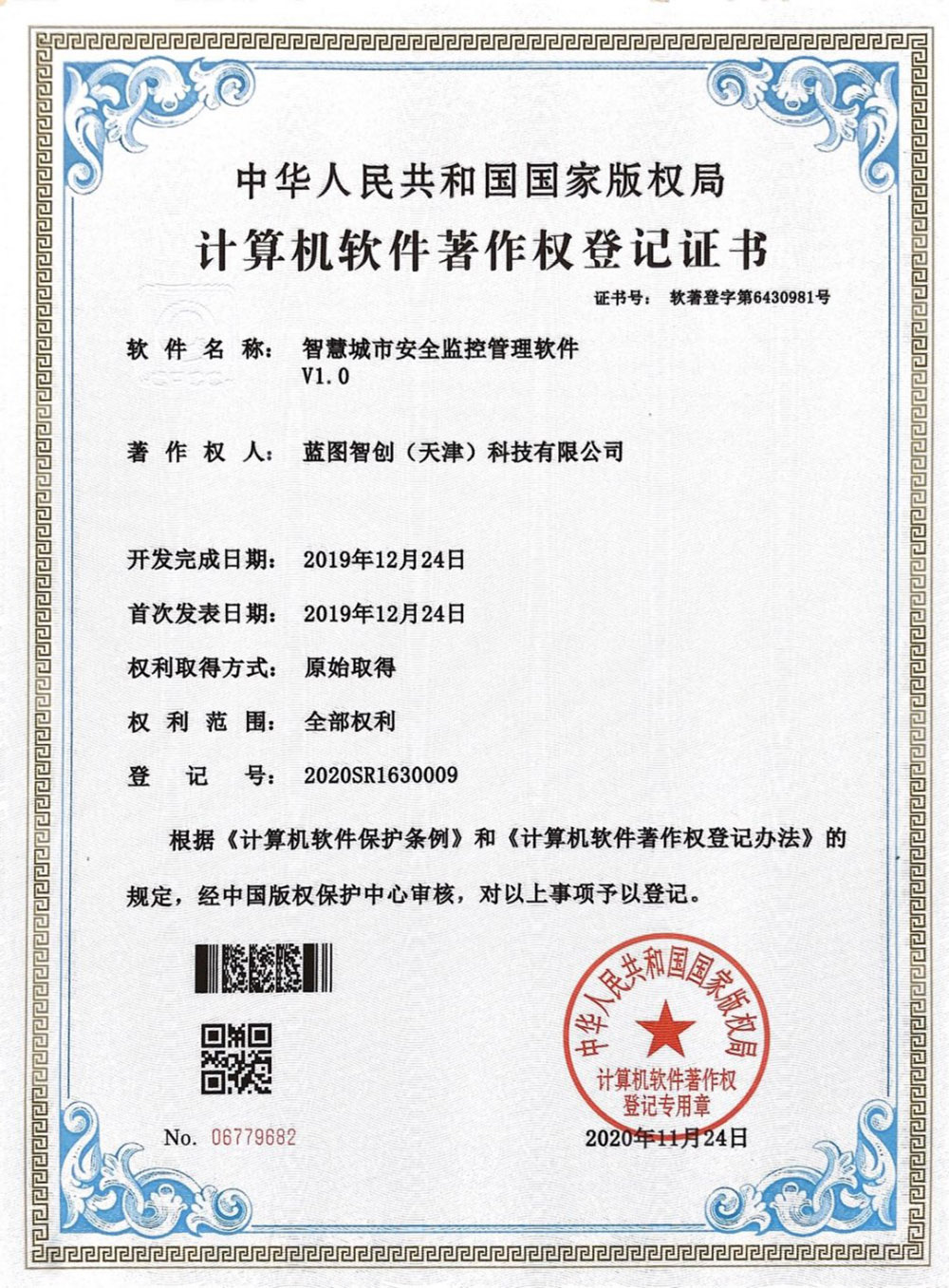





Technical resources to assist project engineers in selecting the correct rotator configuration.
Evaluating structural material grades, mechanical backlash tolerance, IP protection ratings (such as IP66 vs. IP67), and the integration of control protocols is essential when choosing a supplier for long-term deployments.
Rotators are classified by payload weight capacity (ranging from under 5kg to over 100kg), gear configuration (such as direct drive, worm gear, or planetary gears), and their environmental sealing levels.
High-gain parabolic antennas generate high drag forces. Learn how to calculate both static torque and dynamic wind resistance to prevent motor slippage and maintain pointing accuracy.
Common technical questions regarding remote-controlled antenna rotators and pan-tilt units answered by our engineering team.
A worm gear drive offers a self-locking mechanism. When the motor is powered off or holding position, the gear geometry prevents external forces (such as wind load) from rotating the output shaft. A direct-drive system relies on continuous motor torque or mechanical brakes to hold position, but it can achieve higher rotational speeds and lower backlash, making it suitable for fast target tracking.
You must calculate both the static load (the total weight of the antenna, brackets, and cables) and the dynamic wind load torque. The wind load torque depends on the surface area of the antenna and the maximum expected wind speed. The rotator's rated torque must exceed this combined torque value to prevent tracking errors or motor damage.
Our systems support standard Pelco-D and Pelco-P protocols over serial communication interfaces (RS-485 or RS-422). Modern IP-enabled models also support Ethernet integration, HTTP APIs, and ONVIF profiles, allowing them to integrate with security and network software.
Yes. By default, our outdoor positioning systems can be configured with internal, thermostatically controlled heaters and fans. This allows them to function reliably in environments as low as -40°C by preventing internal condensation and keeping moving parts from freezing.
Browse our selection of rotators, heavy-duty mounting brackets, and environmental enclosures.