 BIT-CCTV
Executive Whitepaper: Structural Reliability of PTZ Pole Mount Brackets in Heavy-Duty Surveillance
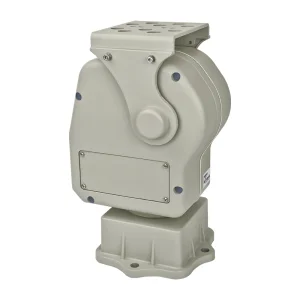
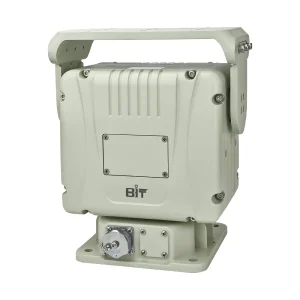
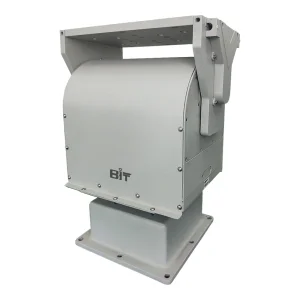
In the security and mission-critical surveillance industry, the mechanical stability of a sensor payload is directly proportional to its operational data integrity. While optical zoom capabilities, thermal sensitivities, and AI-driven edge tracking capture industry headlines, the physical infrastructure that secures these heavy-duty pan-tilt units (PTUs)—specifically the PTZ Pole Mount Bracket—remains the fundamental anchor. A failure in structural calculation, materials engineering, or manufacturing tolerance can degrade a multi-thousand-dollar monitoring installation into an unreliable, vibration-prone asset, or in extreme cases, lead to catastrophic structural failure.
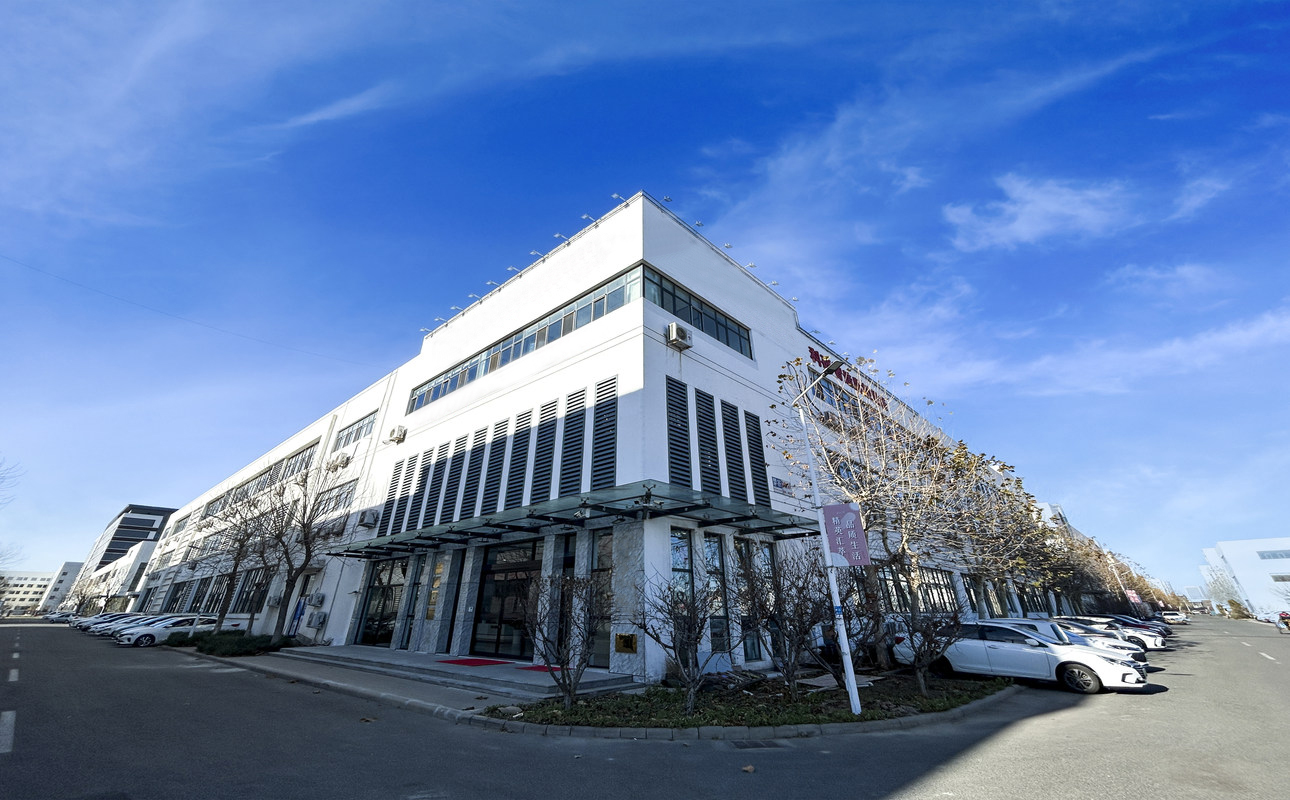
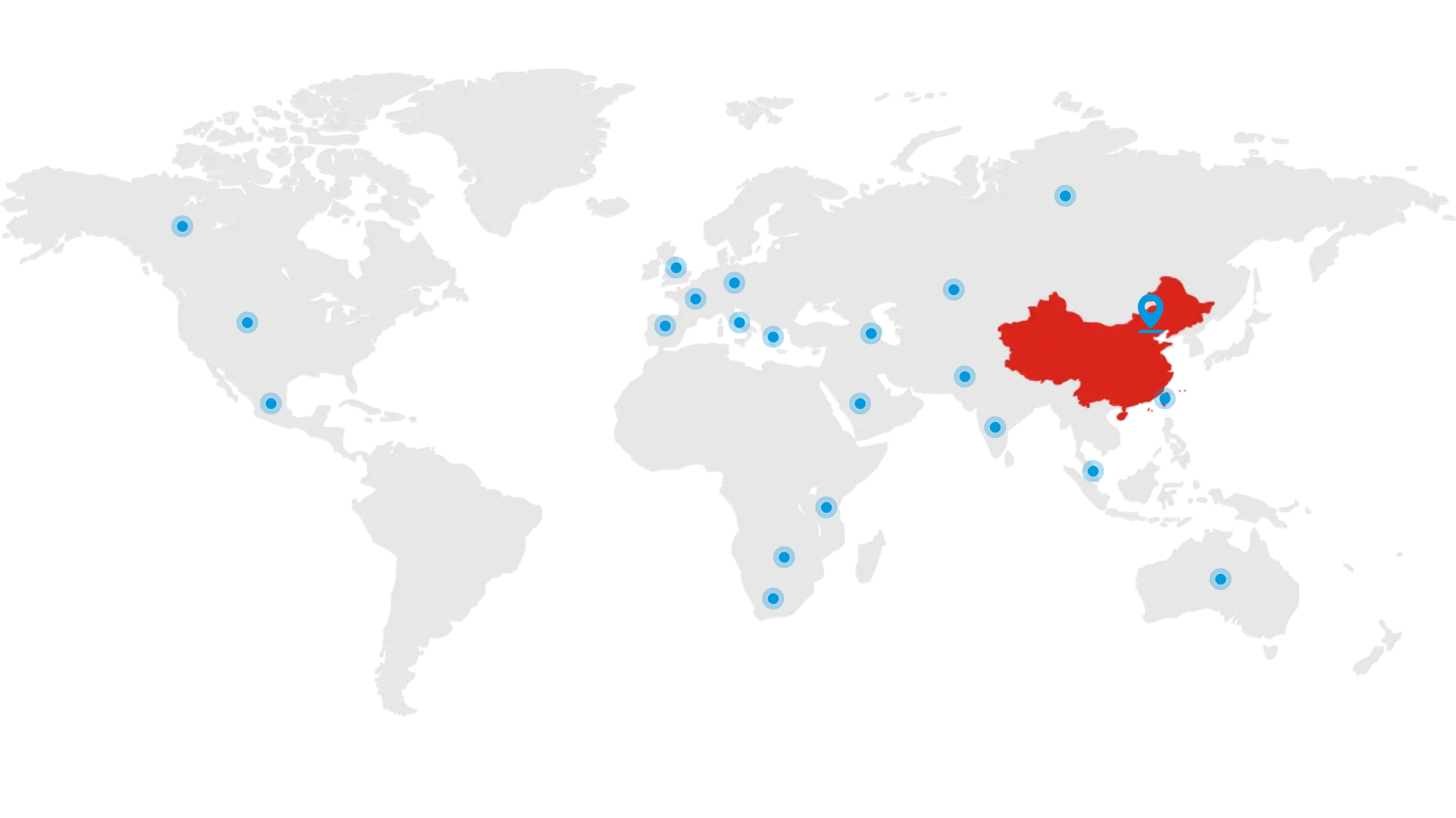
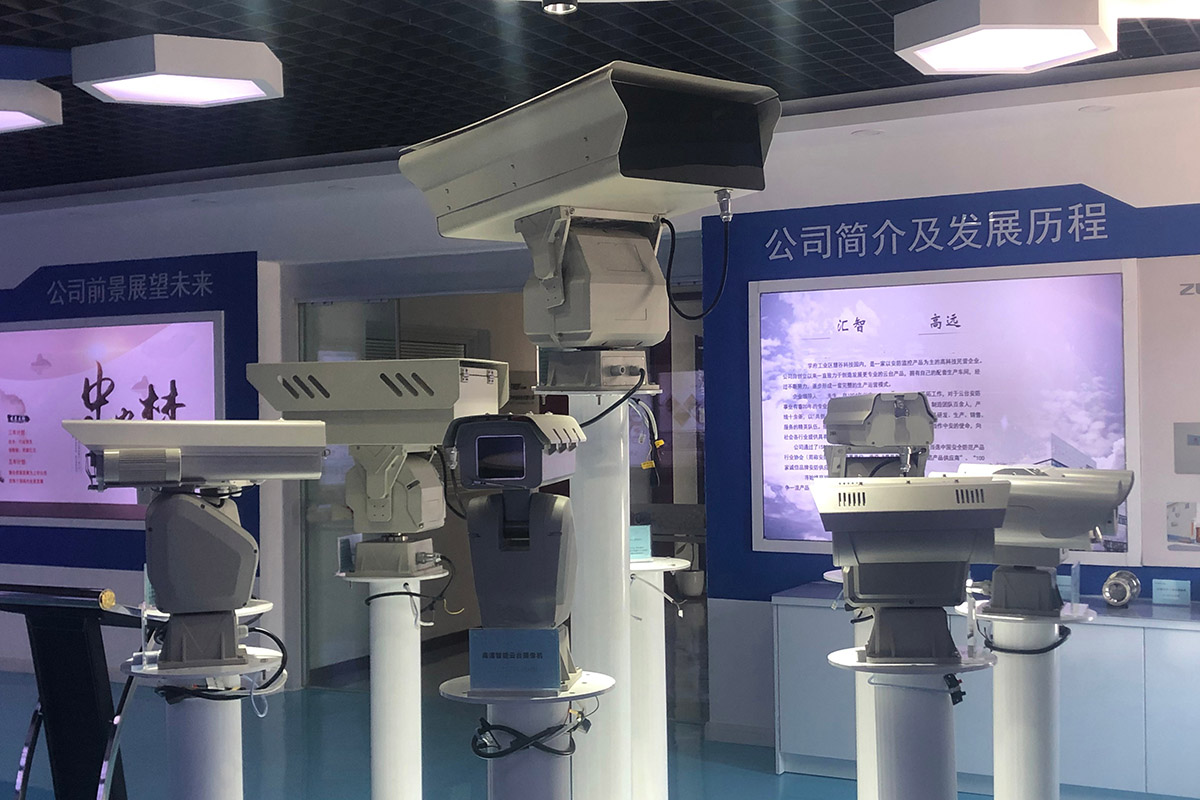
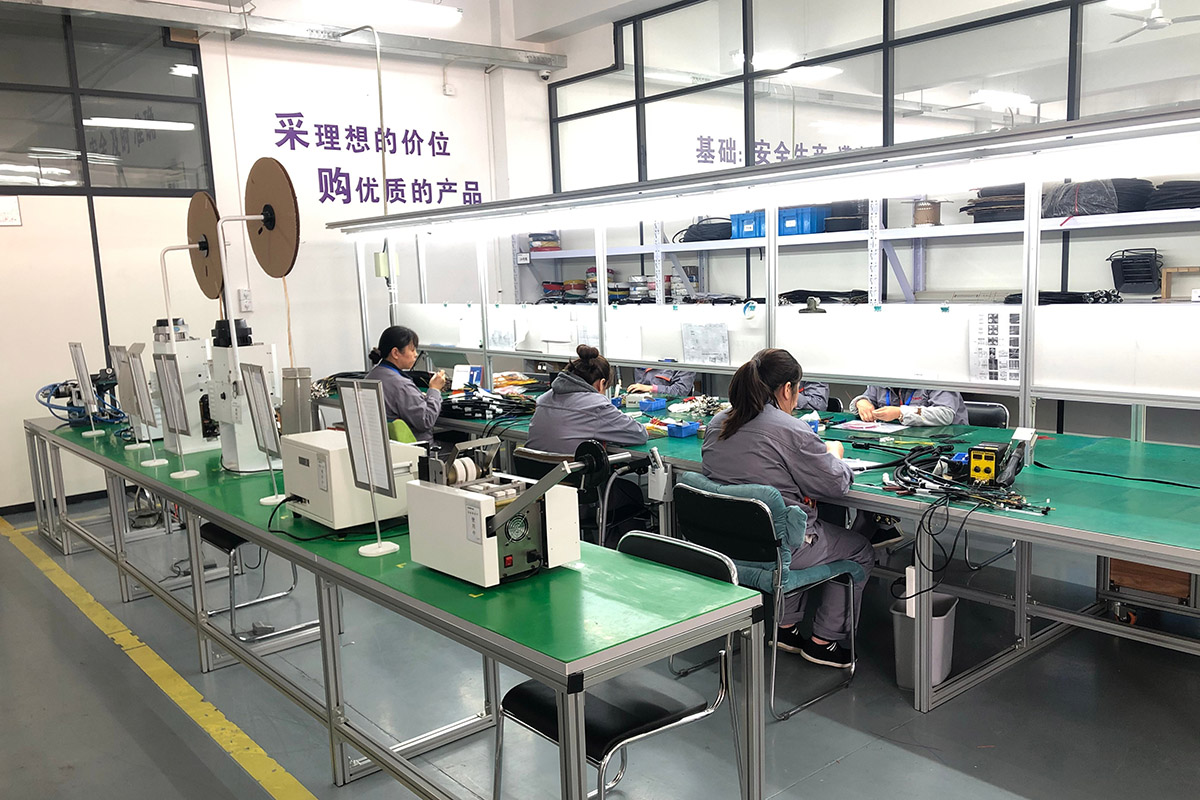
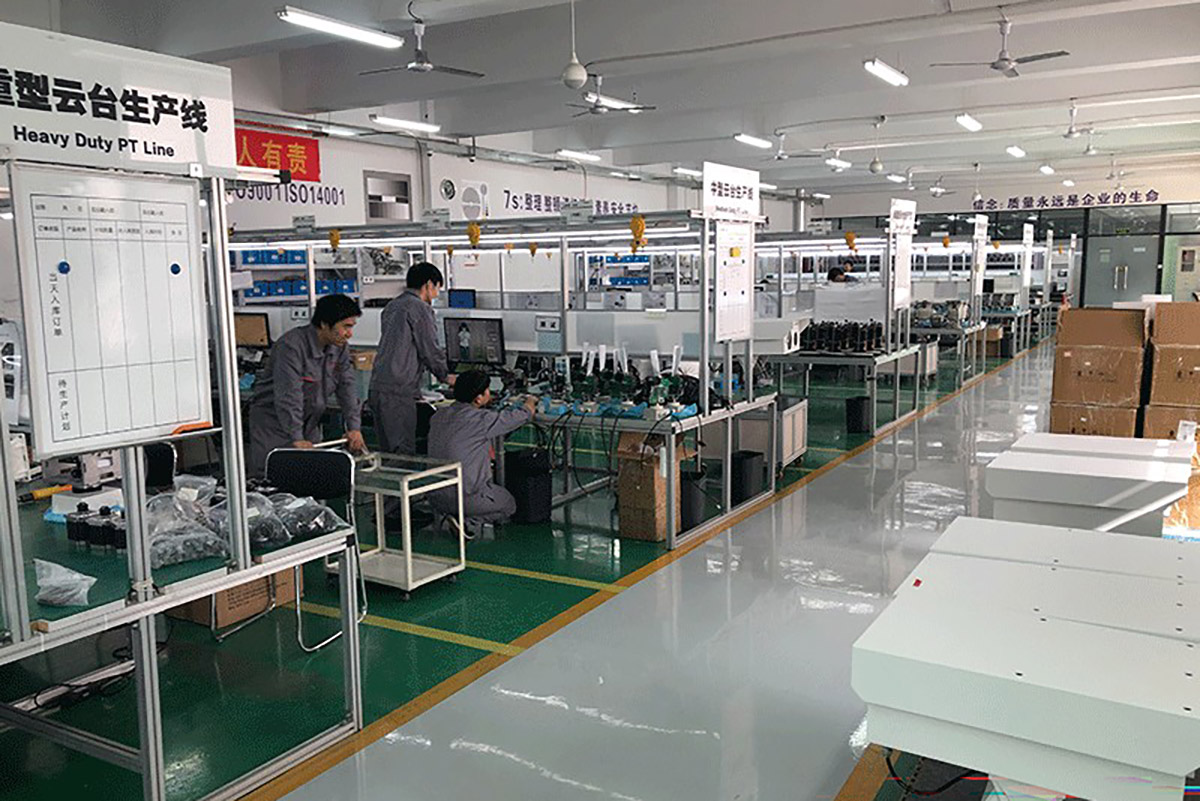
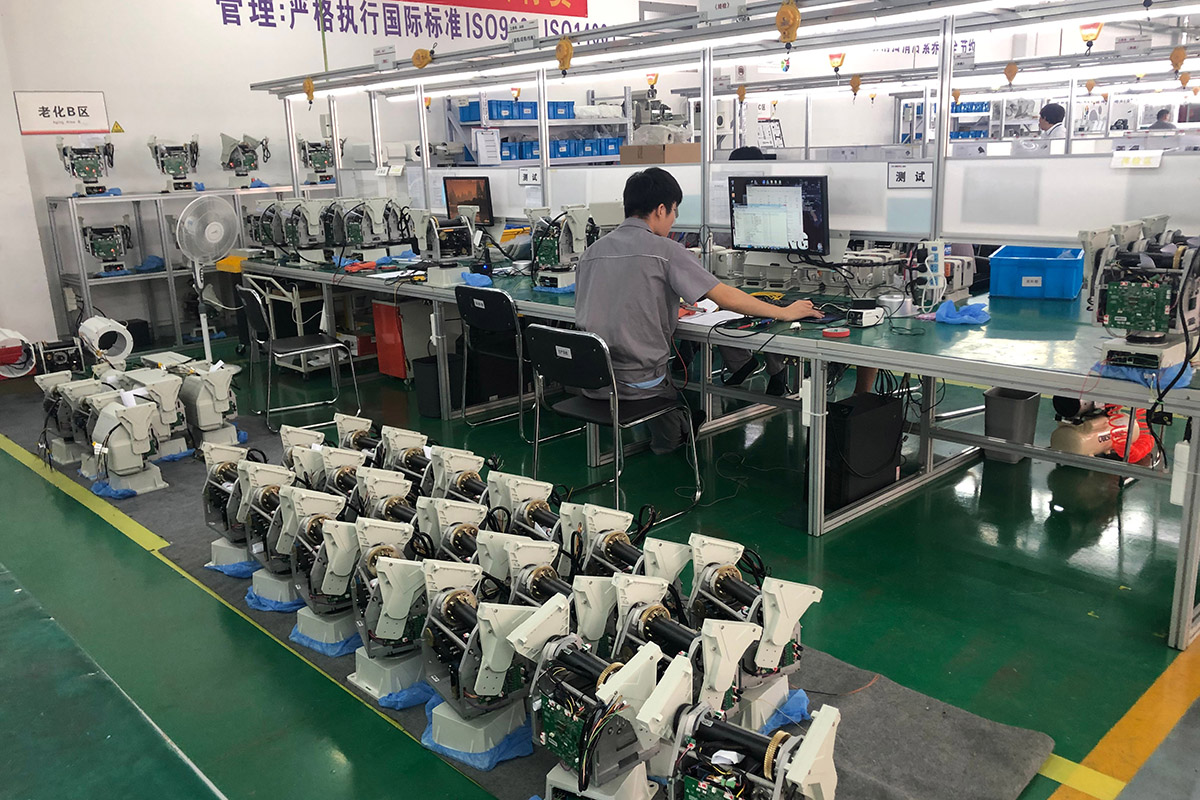
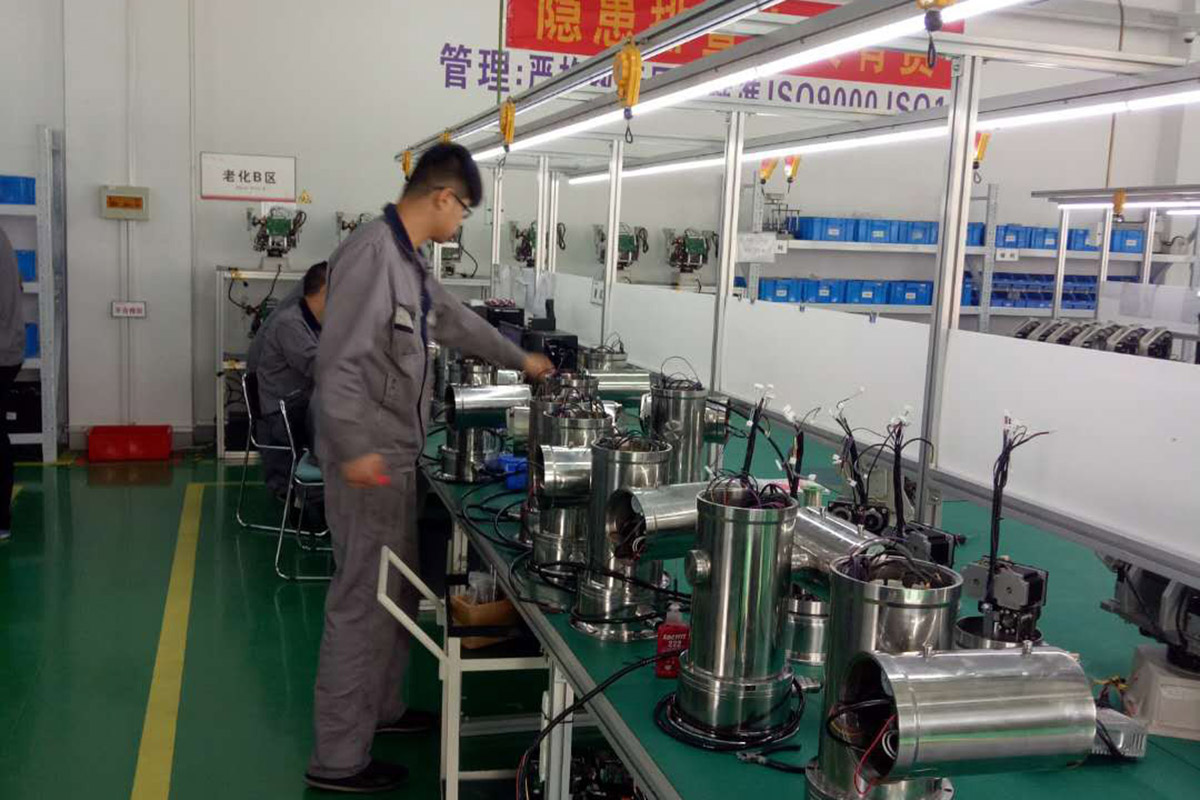
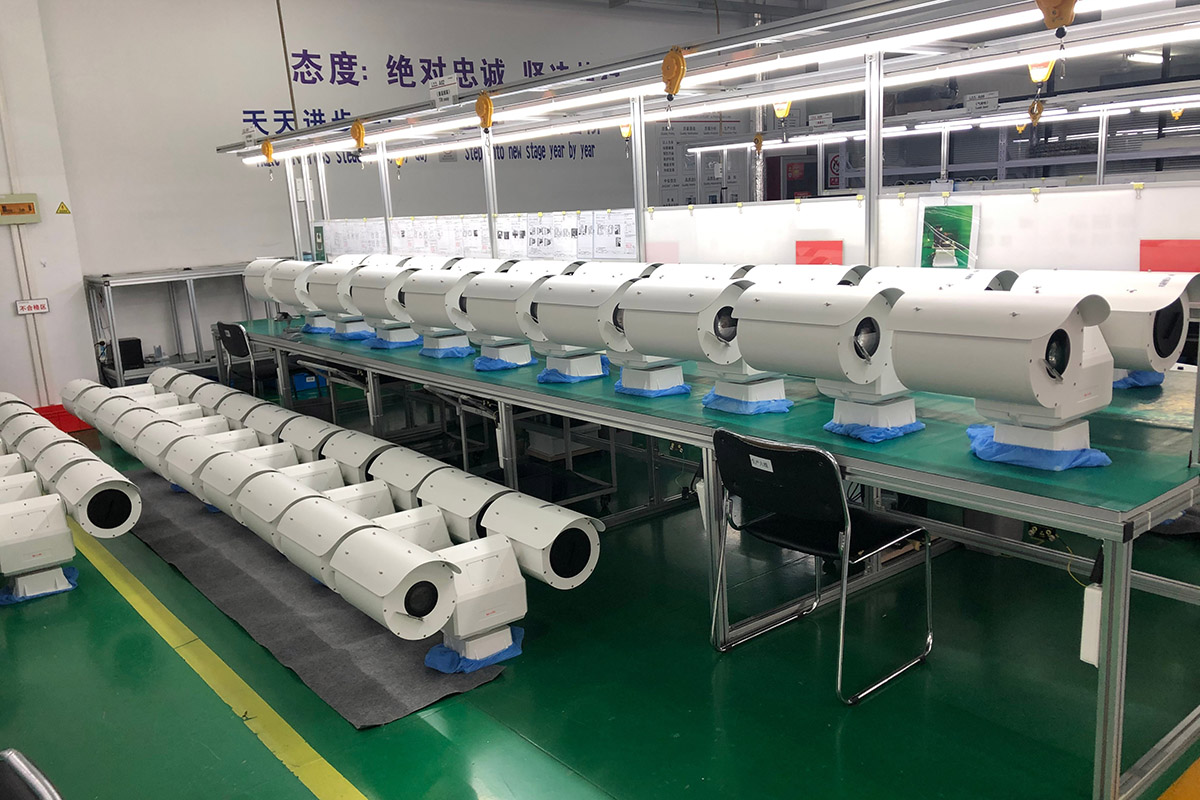
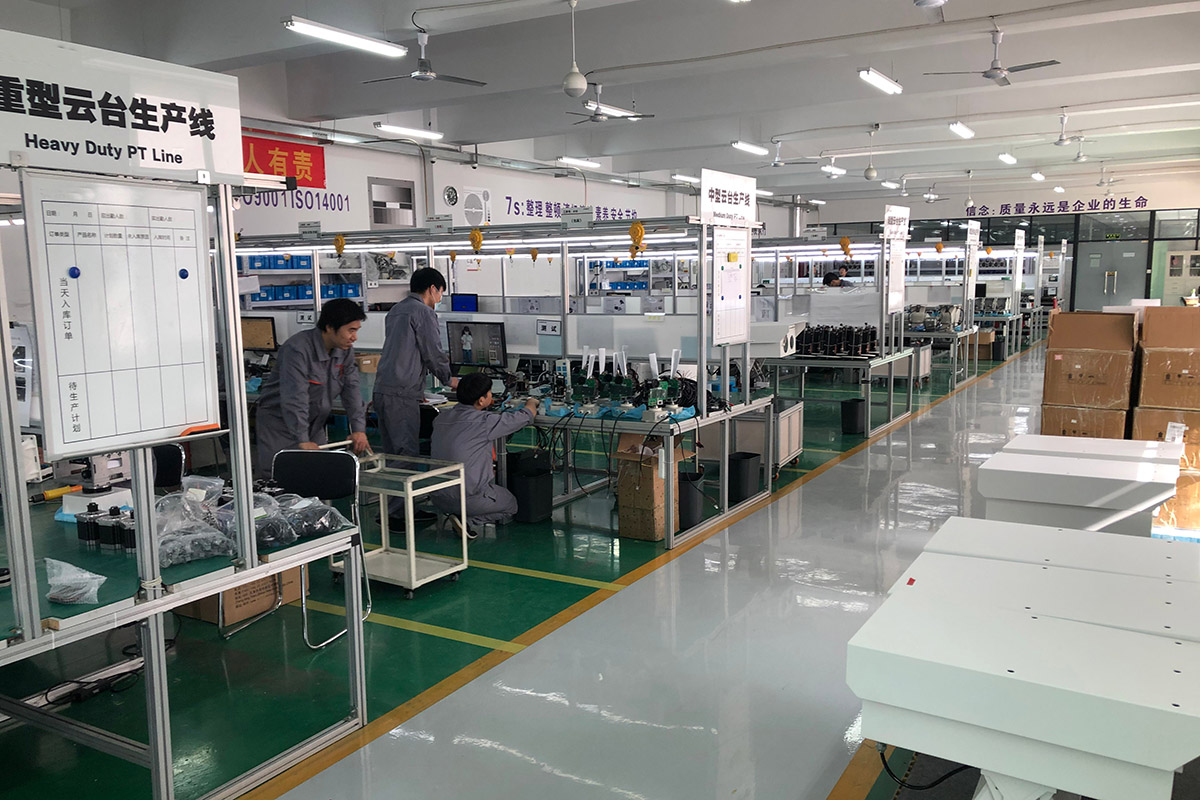
As a leading Chinese designer and manufacturer of precision mounting and positioning hardware, Blue Icon (Tianjin) Technology Co., Ltd. (operating globally under the brand BIT-CCTV) has spent nearly two decades analyzing the physics of payload attachment, wind shear factors, galvanic corrosion, and environmental fatigue. This whitepaper details the engineering practices, material decisions, and supply chain efficiencies that govern the production of heavy-duty PTZ brackets, offering engineering teams and procurement officers a technical guide for evaluating pole mount systems.
1. The Physics of Pole Mount Engineering: Wind Load and Vibration Management
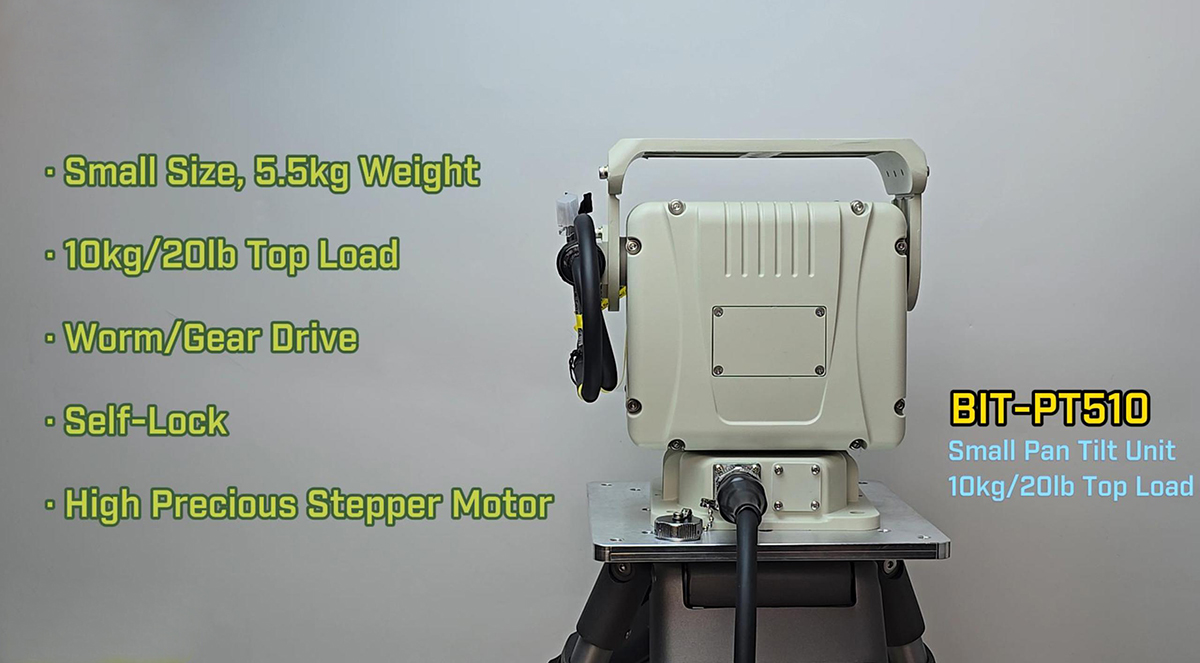
A PTZ pole mount bracket is subjected to dynamic loading profiles that differ significantly from wall or ceiling mounts. The structure is exposed to elevated wind shear, continuous structural vibrations from passing vehicles or machinery, and torsional loads generated by the movement of heavy-duty pan-tilt positioners (ranging up to 150kg). Key parameters that define bracket reliability include:
Wind Velocity and EPA (Effective Projected Area)
Brackets must withstand wind speeds exceeding 60 m/s (Category 4 and 5 hurricanes). Engineering designs apply Finite Element Analysis (FEA) to calculate the torque exerted at the mounting base under peak velocity.
Torsional Rigidity
When high-torque direct-drive pan rotators accelerate rapidly, they generate equal and opposite rotational forces. Brackets must prevent twisting, which causes instantaneous pixel shift and voids automated video analytics.
Resonance and Damping
Every structural system has a natural frequency. Pole-mounted surveillance assemblies must be designed to avoid structural resonance caused by constant motor step frequencies or ambient wind vortices.
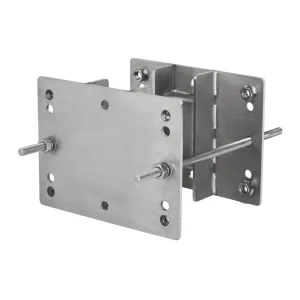
To mitigate these factors, custom mounting solutions leverage high-tensile structural metals. Heavy plate steel with hot-dip galvanization or heavy-duty marine-grade SUS316 stainless steel forms the structural chassis. Plate thicknesses are scaled based on payload; a 3.5kg mini positioner uses a 3mm plate, whereas a 120kg heavy-duty positioner requires up to 10mm structural plate gussets with reinforced box welds to eliminate bending moments.
2. Material Selection & Anti-Corrosion Technologies
The operational lifespan of a PTZ pole mount bracket depends on its coating and metallurgy. Coastal surveillance, chemical processing plants, and marine shipping hubs present highly corrosive atmospheres laden with salt spray (sodium chloride) and atmospheric pollutants. We employ a three-tier corrosion-prevention framework:
- Marine-Grade Stainless Steel (SUS316/316L): Containing molybdenum, SUS316 offers superior resistance to chloride-induced pitting corrosion, making it the choice for offshore platforms and maritime boundaries.
- Hot-Dip Galvanizing (HDG) to ISO 1461: For carbon steel structural brackets, HDG provides a thick zinc coating layer that acts metallurgically as a sacrificial anode, shielding the underlying steel from oxygen and moisture.
- Multi-Layer Polyester Powder Coating: Applied electrostatically and baked at high temperatures, this outer shell provides UV resistance, preventing chalking and paint degradation from sun exposure while serving as an additional dielectric barrier against galvanic corrosion when dissimilar metals contact.
 18 Years' Industry Experience