 BIT-CCTV
BIT-CCTV
BIT-CCTV
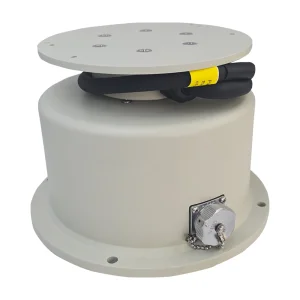
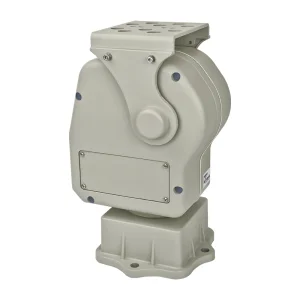
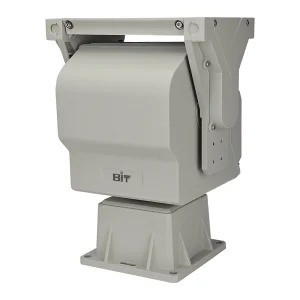
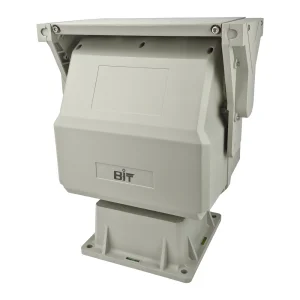
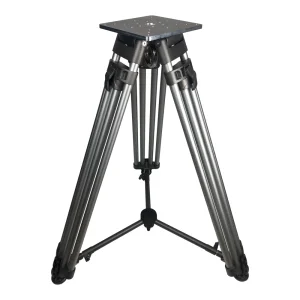
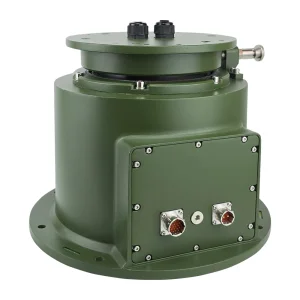
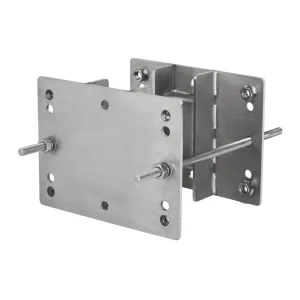
Explore our premium grade heavy-duty rotators, mounting tripods, and high-performance structural components designed for seamless integration with pneumatic masts.
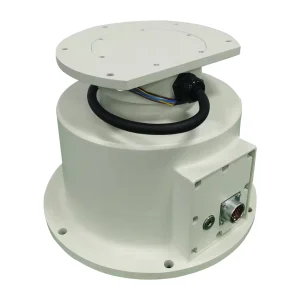
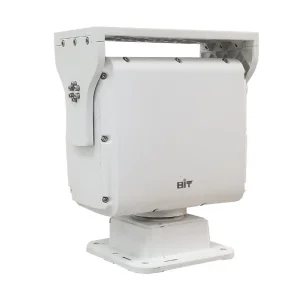
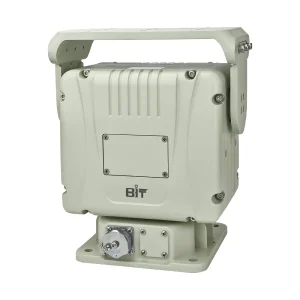
A testament to innovation, engineering excellence, and international service standard
Understanding the fundamental materials, mechanics, and design philosophies driving next-generation telescopic masts.
Telescopic structures have historically relied on mechanical gear-driven or manual winch mechanisms. However, the modern transition to pneumatic masts represents a significant leap forward in payload elevation speed, operational stability, and weather protection. By using pressurized air instead of internal metal cables, pneumatic systems minimize mechanical friction, reduce system weight, and entirely eliminate the risk of cable breakage or gear jamming.
At Blue Icon Technology Co. Ltd., we utilize high-tensile, marine-grade aluminum alloy sections. Each section is meticulously anodized to prevent oxidation under extreme atmospheric conditions. The integration of precision-machined internal keys prevents mast rotation under high wind loads, ensuring that cameras, radars, and communications antennas maintain their geographic orientation.
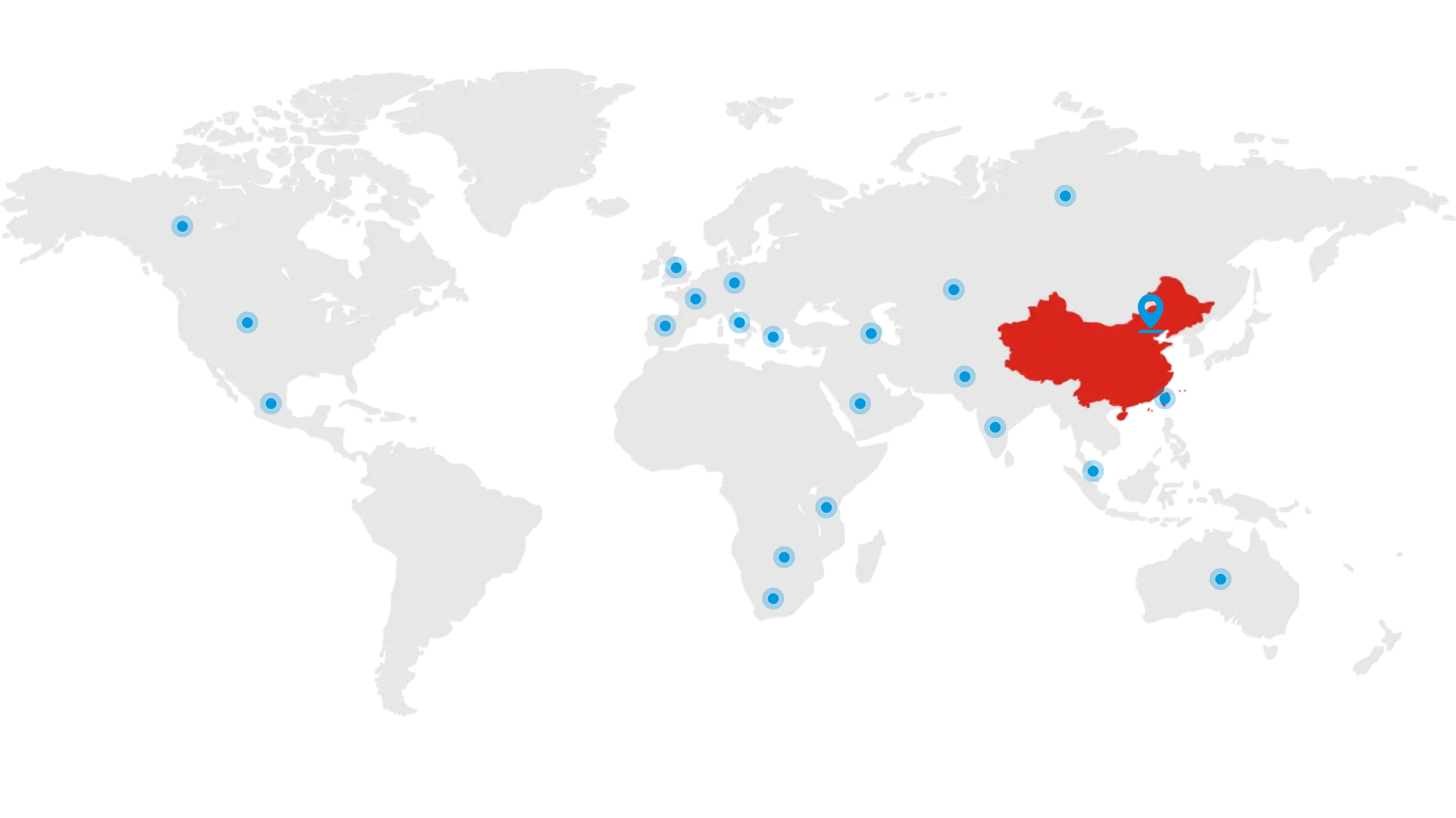

A National High-Tech Enterprise Specialize in Elevation and Surveillance Hardware
Established in 2005, Blue Icon (Tianjin) Technology Co. Ltd is a leading developer and manufacturer of high-quality CCTV surveillance accessories, heavy-duty pan-tilt positioners, long-range laser cameras, thermal imaging systems, and telescopic mast configurations. Over the past 18 years, our engineering department has pioneered customized solutions for emergency response vehicles, defense systems, meteorological institutes, and telecommunication giants globally.
Our pneumatic masts and positioning equipment are built to serve diverse industrial scenarios with maximum reliability.
Deploying emergency communication nodes in disaster zones demands rapid elevation of cellular transceivers. Our lockable pneumatic masts sustain long-term operational height without constant air supply pressure, safeguarding constant uptime.
Heavy optical sensors, radar units, and thermal imagers require absolute stability. Our masts, paired with high-capacity pan-tilt positioners like the BIT-PT865, counteract wind vibrations and deliver rock-solid targets visualization.
Integrating high-speed positioning heads directly onto vehicle roofs allows law enforcement and rescue teams to dynamically deploy command nests on-site, offering immediate 360-degree situational awareness.
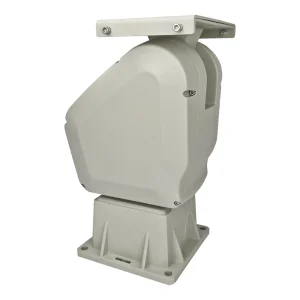
Witness the mechanical precision and load-bearing performance of our flagship worm-gear driven positioners.
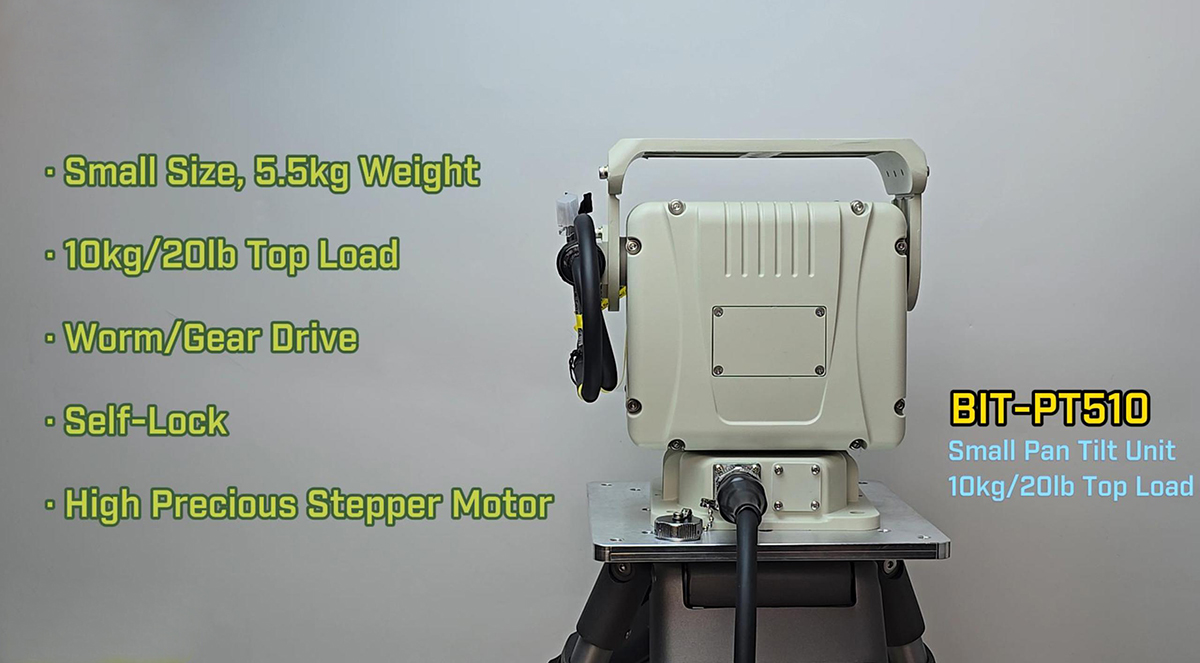
The BIT-PT510 is a high-precision, worm-gear drive positioning unit designed to carry equipment up to 10kg (22lbs). Constructed using robust aluminum alloy, it features stepper motors and anti-backlash gearboxes, making it ideal for targeting, tracking, and optical detection systems.
Designed to withstand outdoor conditions, its IP66 housing integrates heaters and sunshields, offering continuous operations even in dense coastal salt mist or extreme desert heat.
Key architectural specifications, environmental ratings, and engineering considerations when selecting pneumatic masts.
When selecting pneumatic masts from China suppliers, engineering procurement managers must decide between two primary structural configurations: Non-Locking versus Locking masts.
Non-Locking Masts: Rely on continuous pneumatic pressure inside the cylinders to maintain vertical extension. While excellent for short-term operations, mobile broadcasting, and rapid-response deployments, they require the air compressor to cycle occasionally to compensate for minor seal leakages over time. These are highly cost-effective and quick to retract.
Locking Masts: Feature mechanical locking collars at the joints of each section. Once fully extended, the locking mechanism secures the mast sections physically. This allows the air pressure to be completely released, eliminating the risk of sudden mast retraction in the event of hose damage, power failures, or extreme thermal expansion. Sourcing managers focusing on long-term fixed installations, meteorological stations, and tactical base setups should always opt for locking masts.
A critical failure point for poorly engineered masts is structural buckling under high wind speeds. The formula below calculates the lateral drag force ($F_d$) exerted on the mast and payload:
Where:
• ρ represents the air density (typically 1.225 kg/m³).
• v is the operational wind velocity (m/s).
• Cd is the drag coefficient of the payload and mast structure.
• A is the projected surface area ($m^2$).
Sourcing low-cost masts often leads to catastrophic failure because manufacturers might use low-grade 6000-series aluminum alloys or reduce structural wall thickness. Blue Icon guarantees high-thickness 6063-T6 aluminum alloys, ensuring our masts remain stable under wind loads exceeding 120 km/h with a standard payload profile.
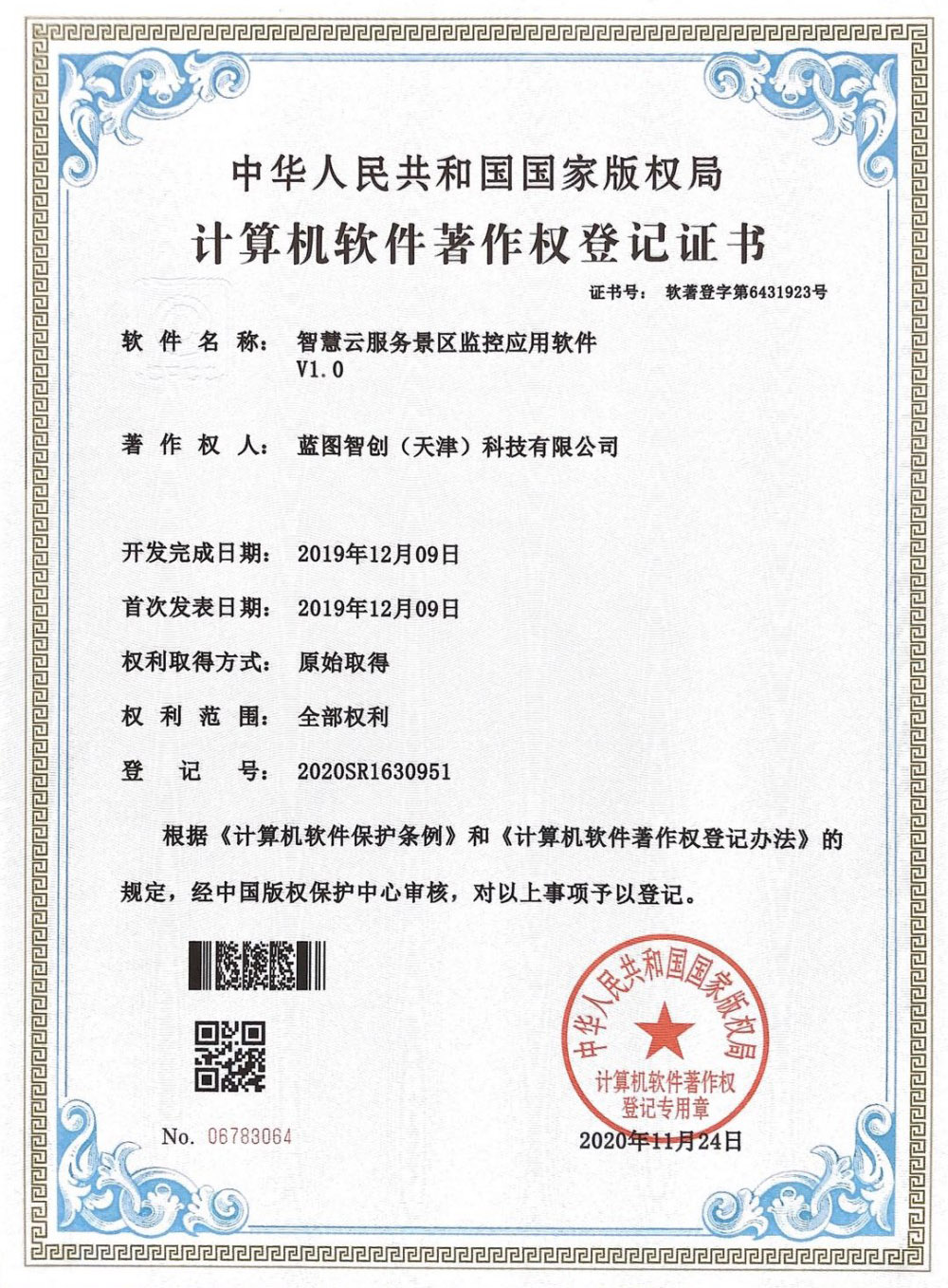
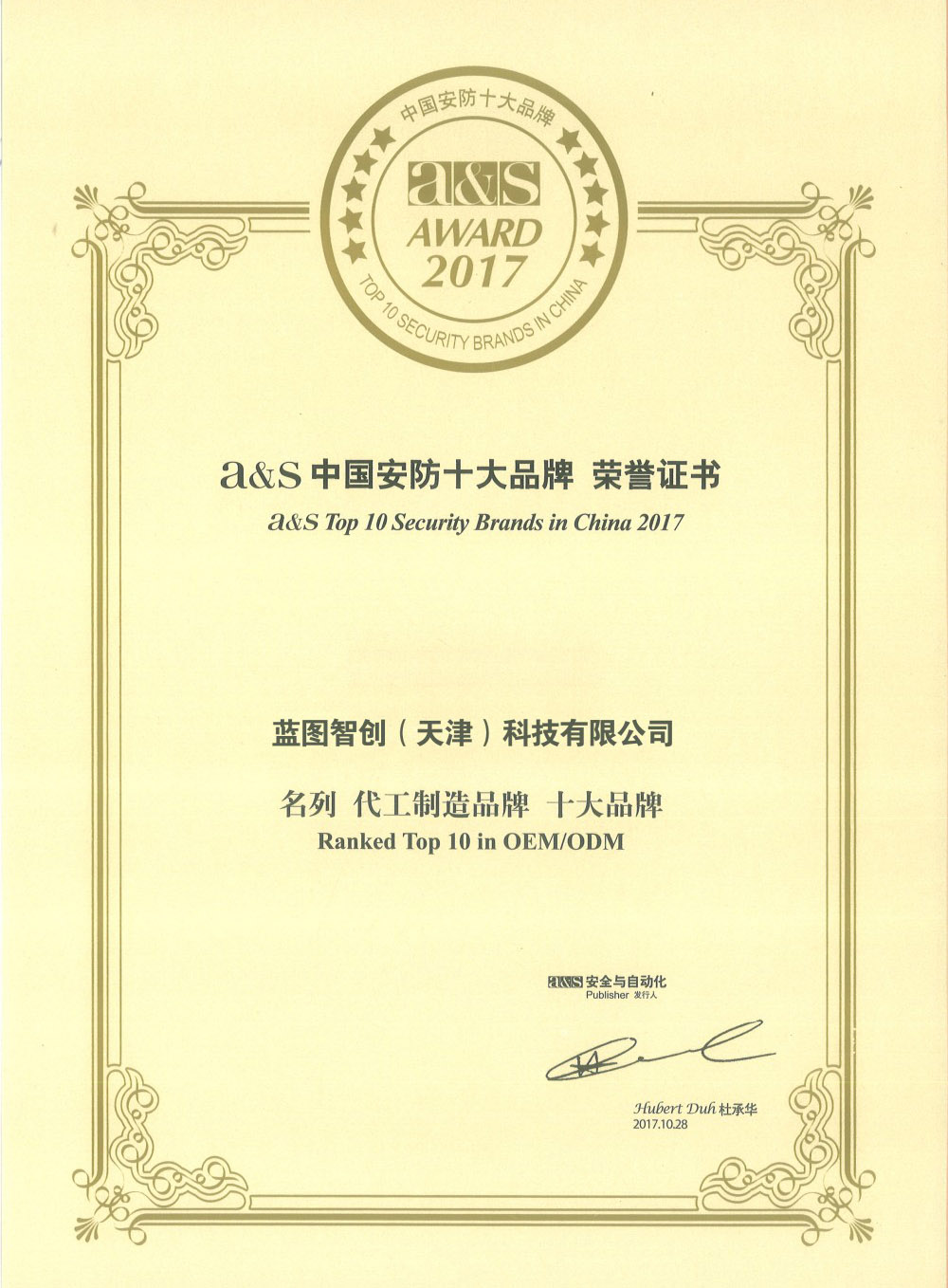
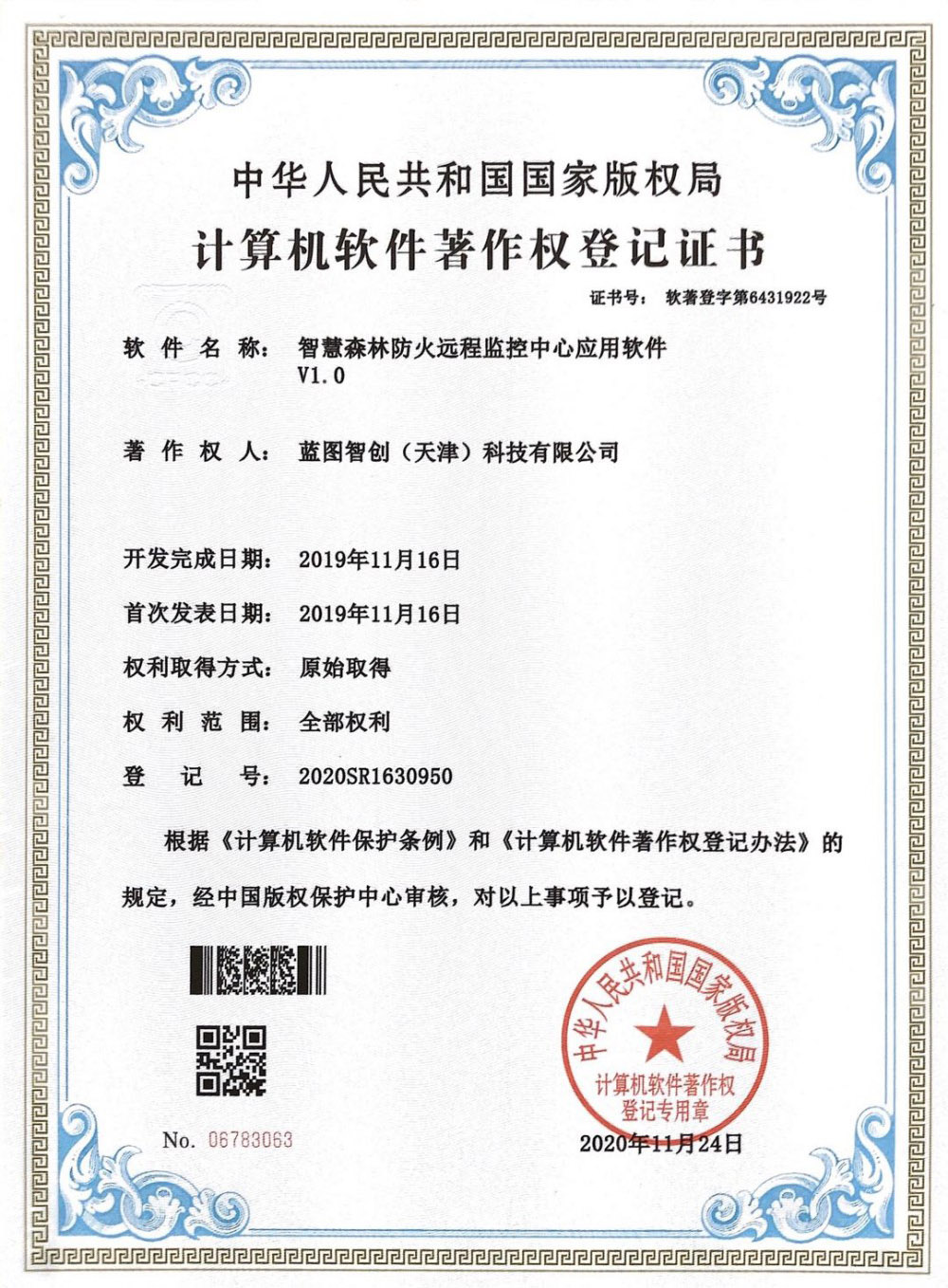
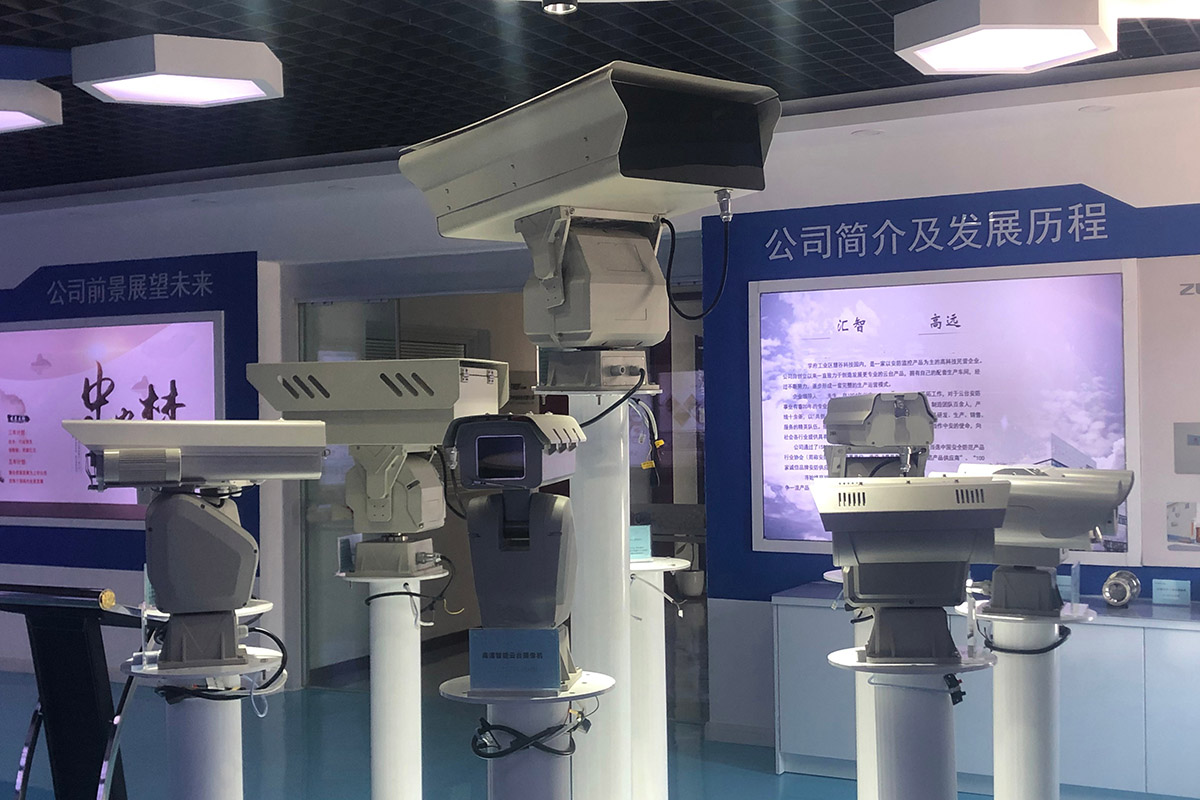
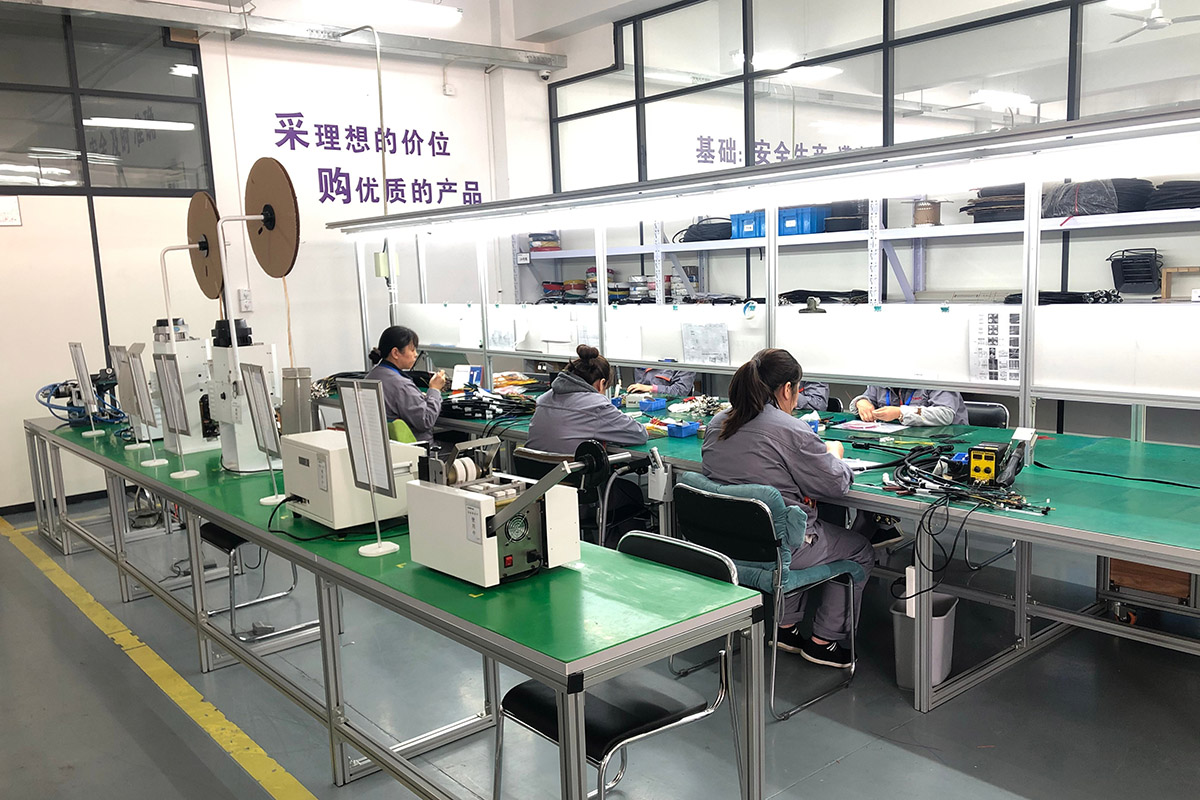
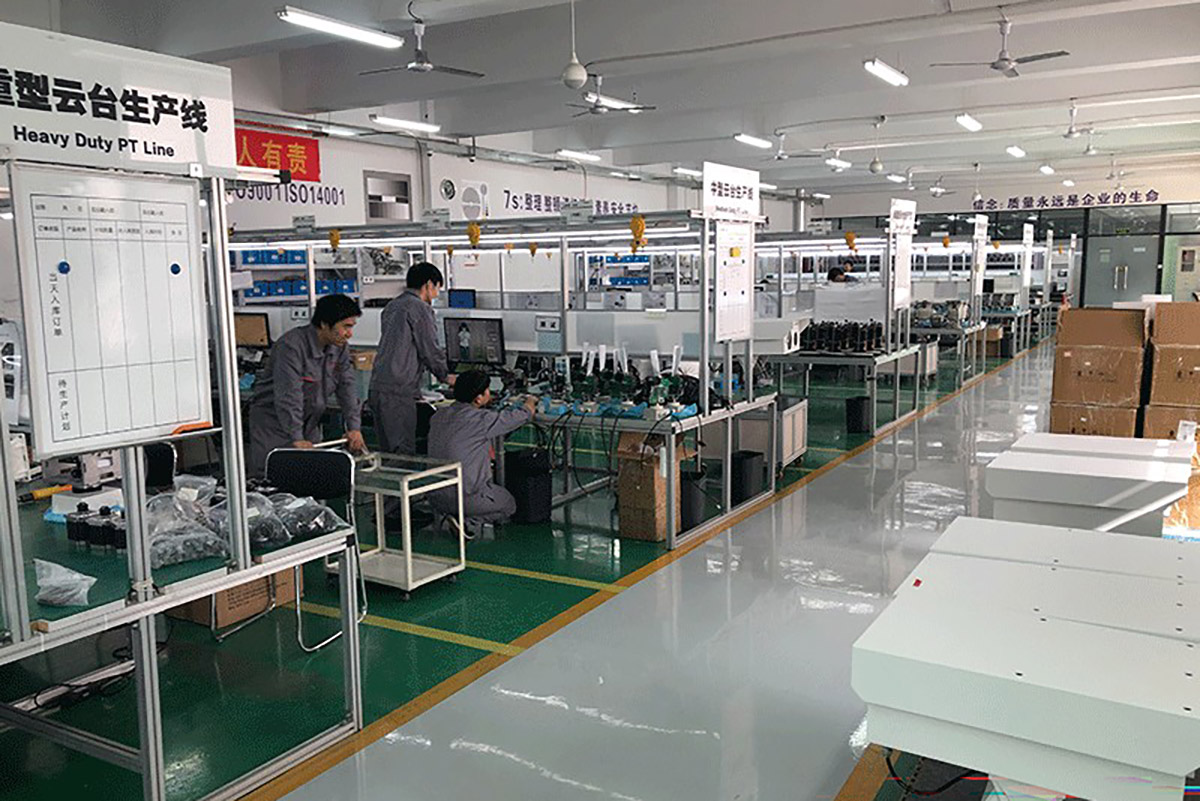
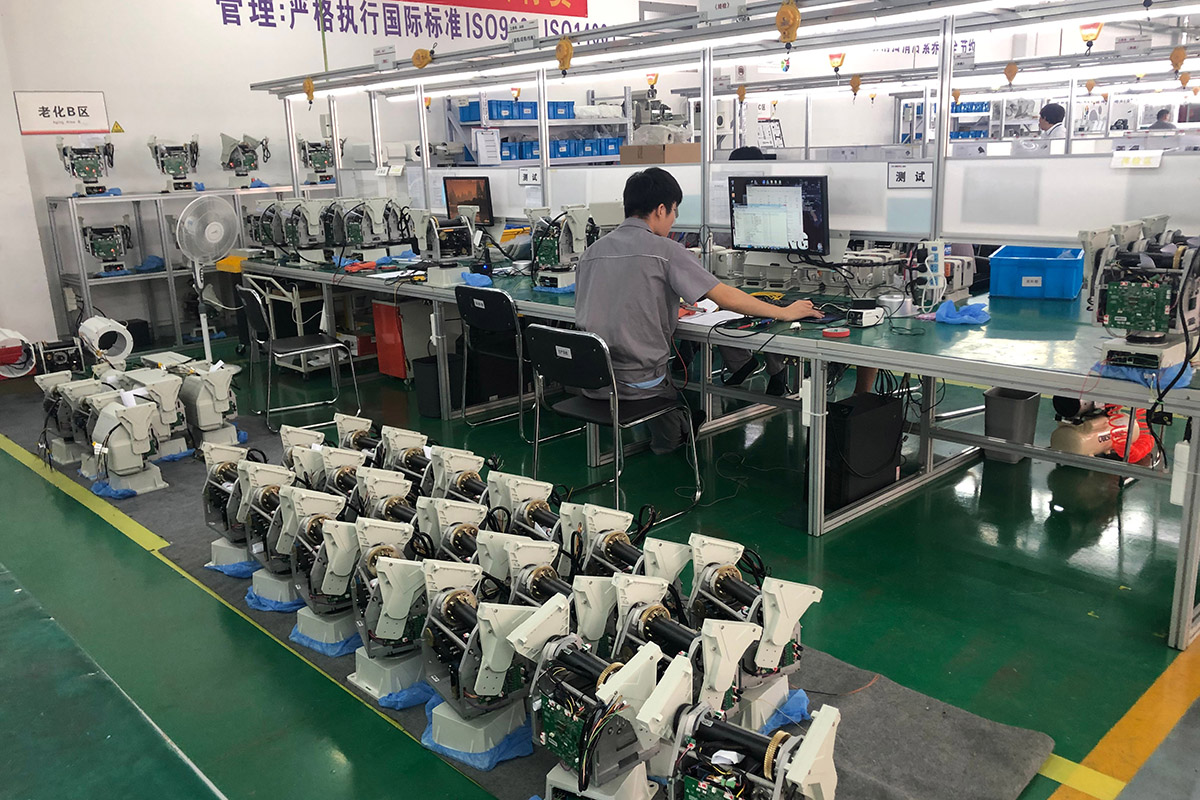
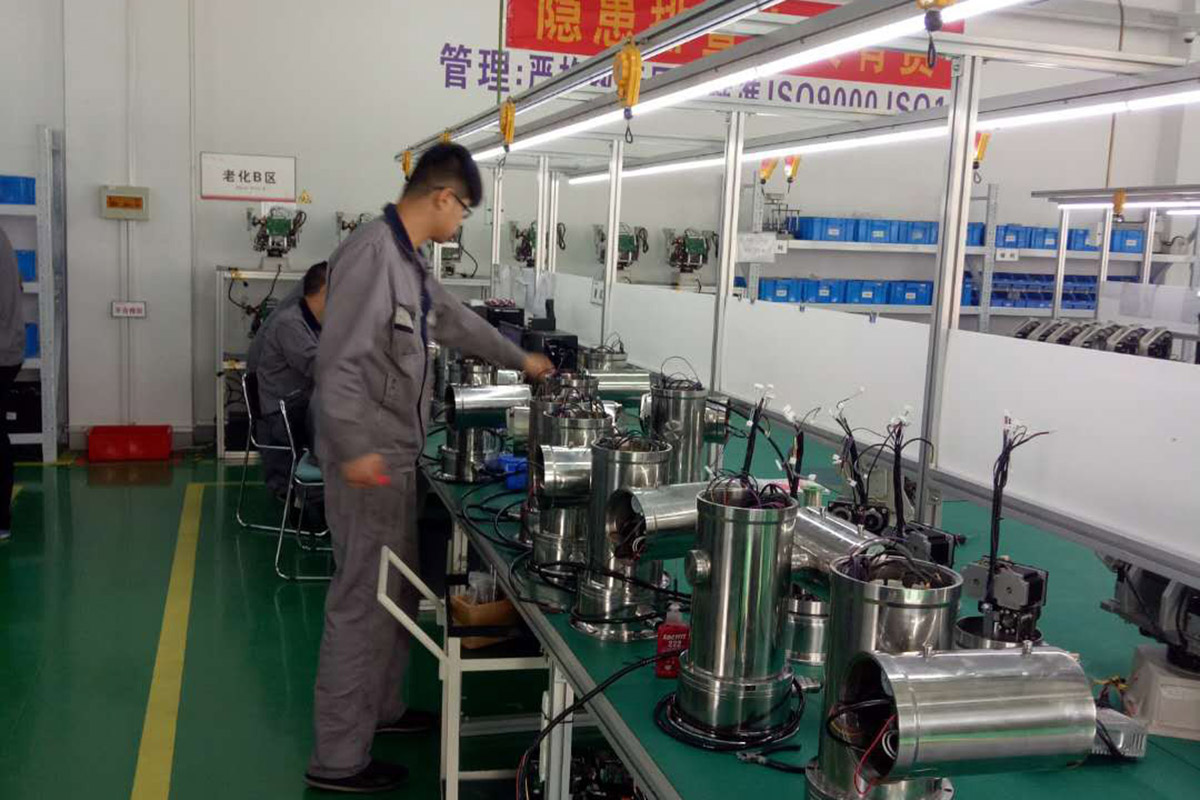
A look inside our state-of-the-art production floors and our collection of 50+ intellectual patents.
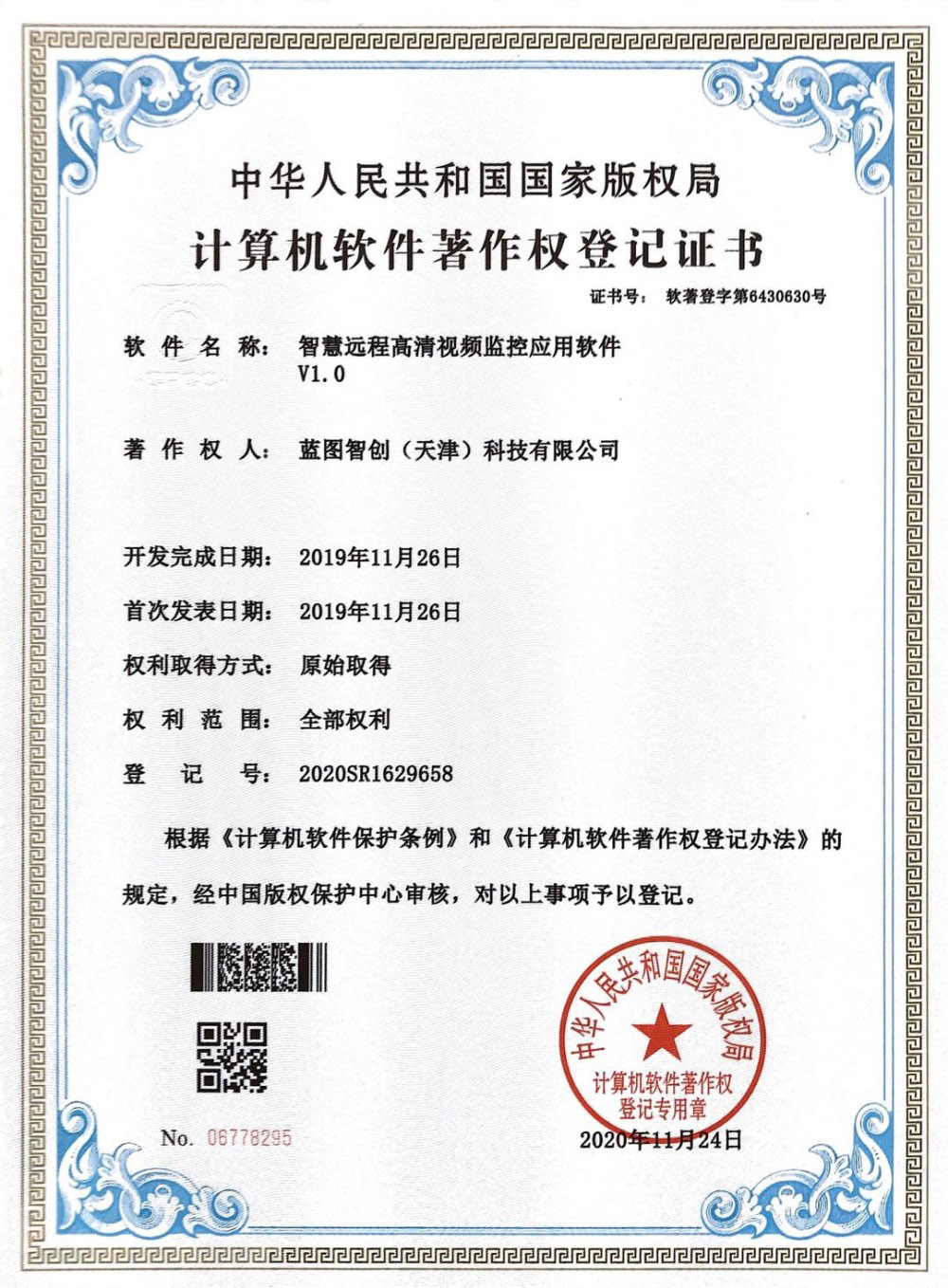
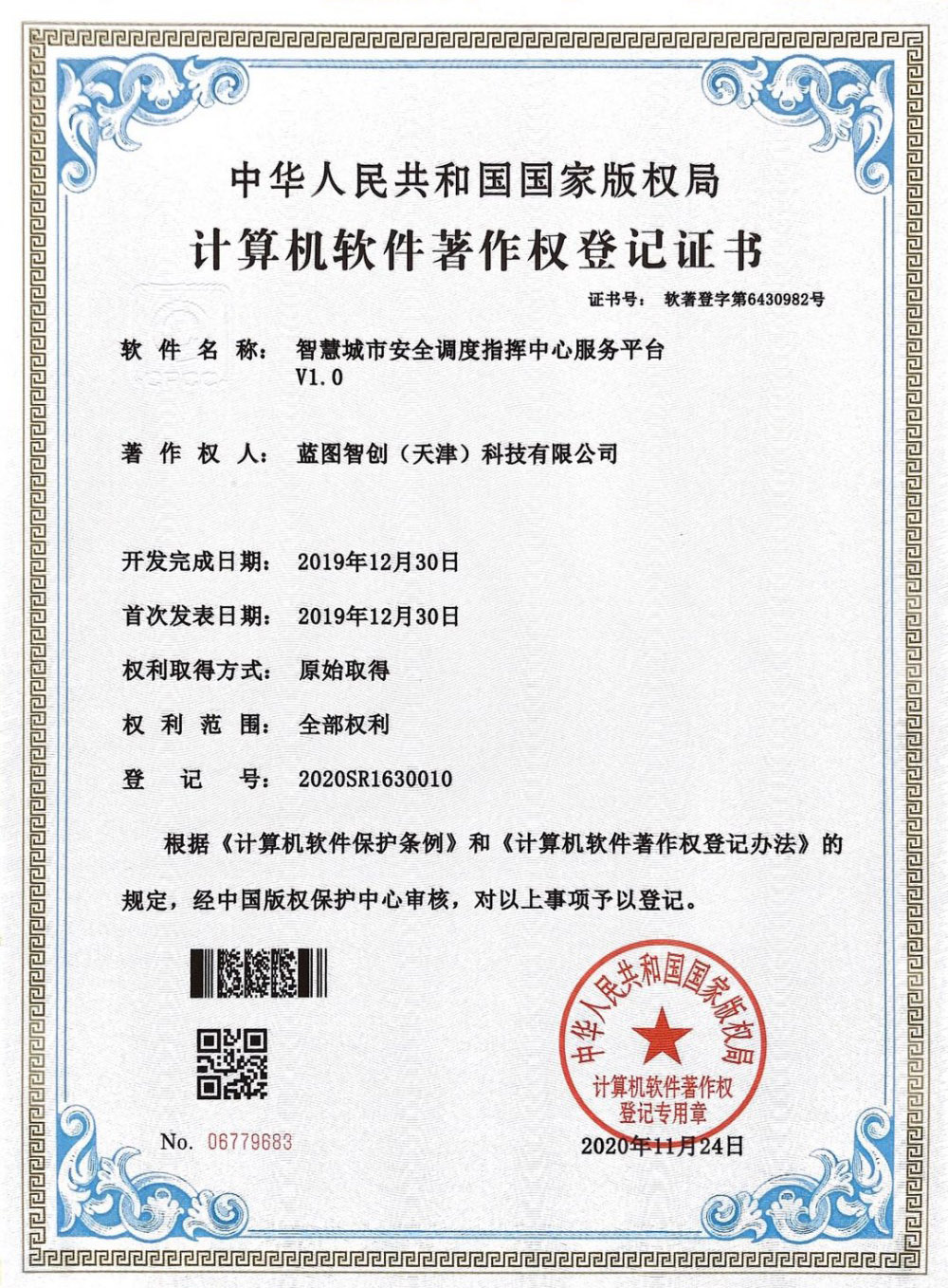
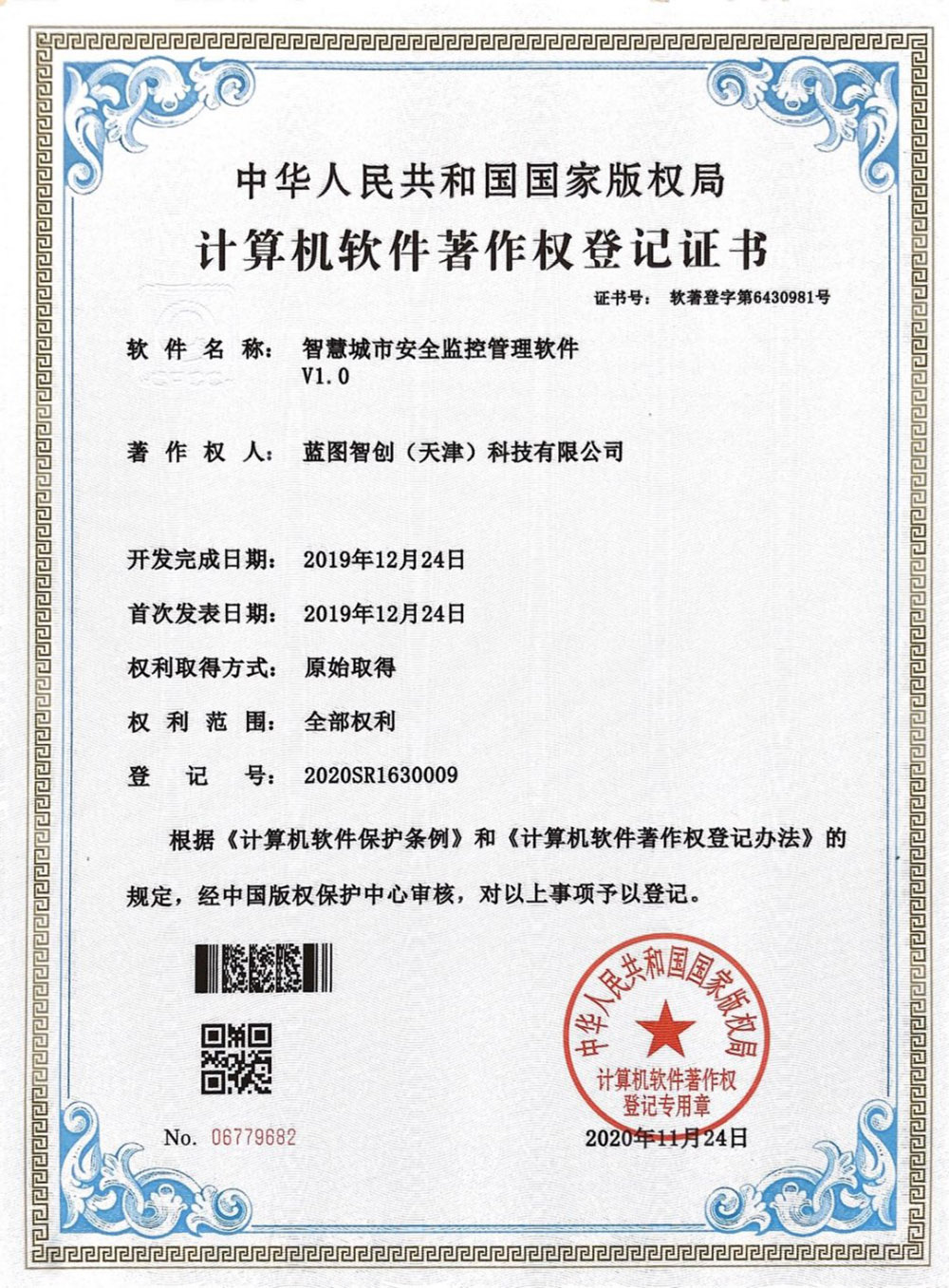
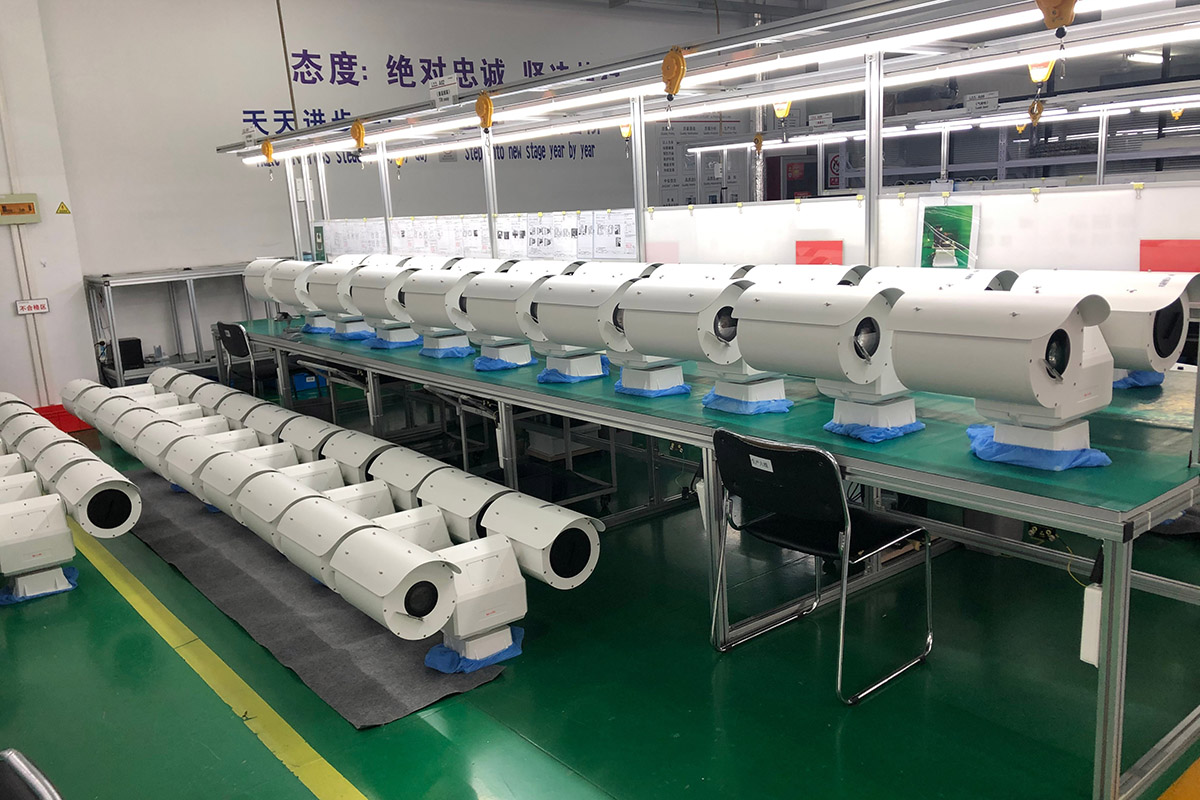
Stay updated with engineering insights, customization strategies, and hardware selection guides.
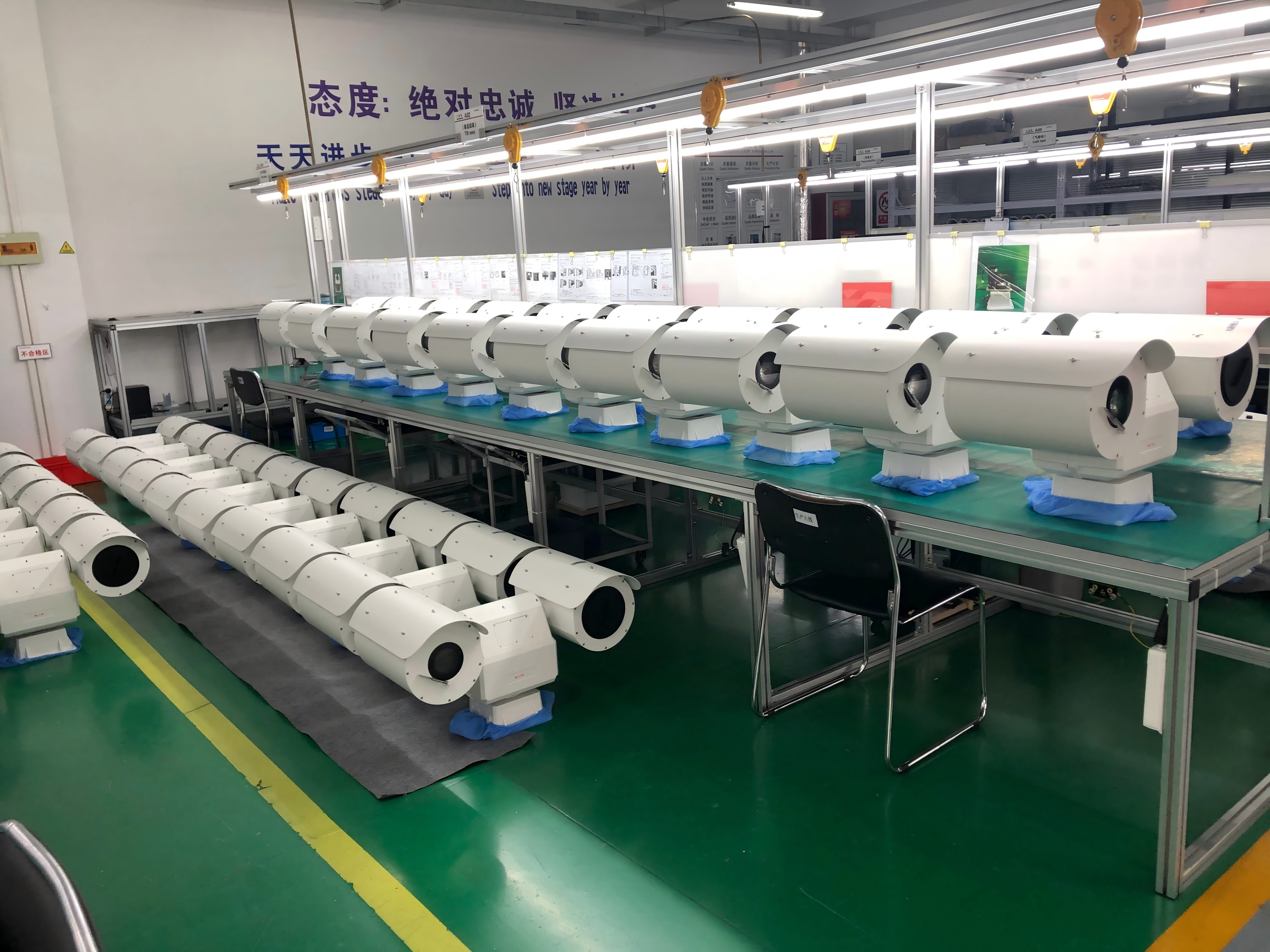
Evaluate custom capability, load structural tolerances, motor positioning precision, and ingress protection ratings before sealing deals.
Read Full Article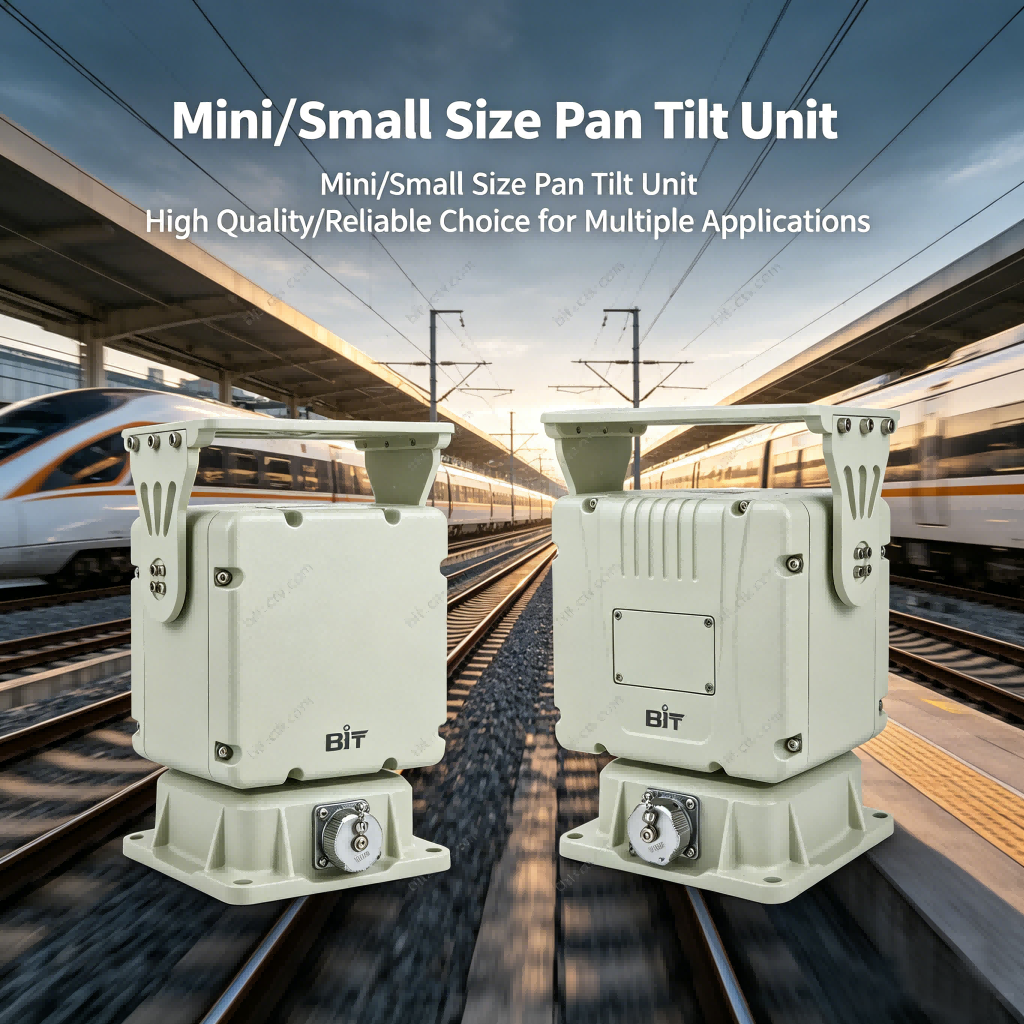
An in-depth review of our mini series positioners built to load lightweight cameras, infrared lights, and laser rangefinders.
Read Full Article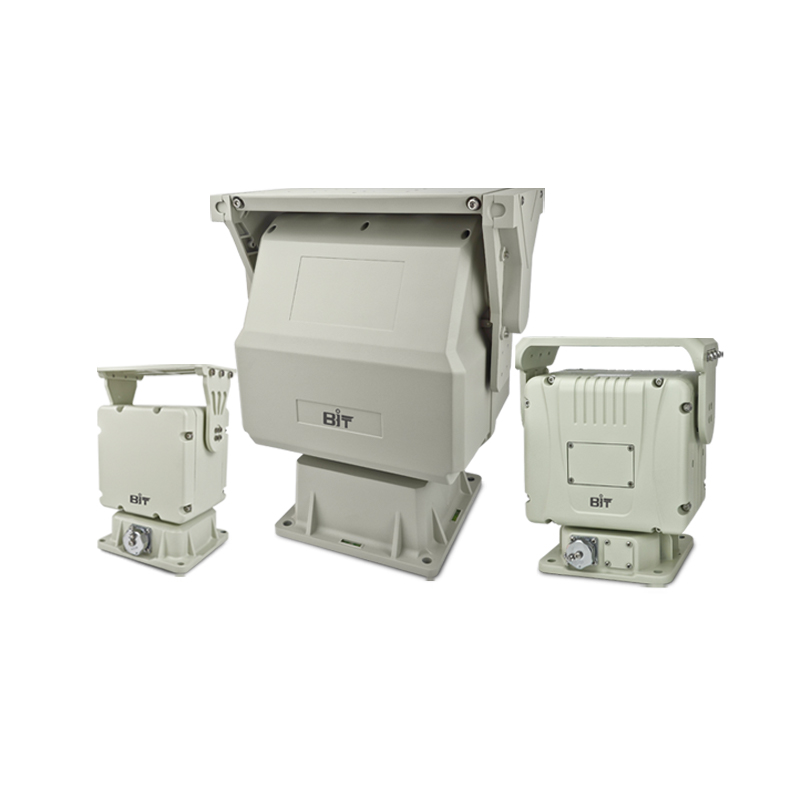
A deep dive study on categorization by load capacity, motor configurations, environment tolerance levels, and mechanical gear designs.
Read Full ArticleOur positioning systems and masts operate reliably across five continents in over 50 countries.



Detailed technical answers addressing core design concerns, operational stability, and international customization queries.
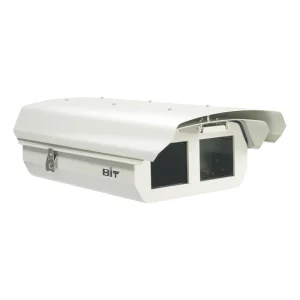
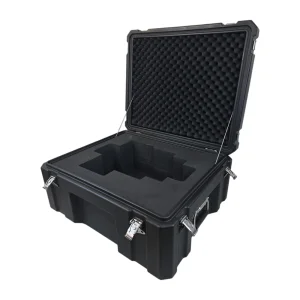
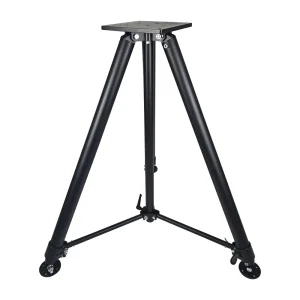
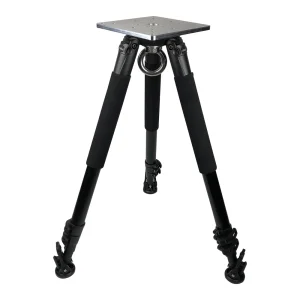
Explore high-capacity positioning units, protective rotomolding enclosures, and custom tripods engineered for tough field deployment.