 BIT-CCTV
BIT-CCTV
BIT-CCTV
Engineered to support heavy sensor payloads, these models deliver unparalleled accuracy, dynamic motion, and harsh weather endurance.
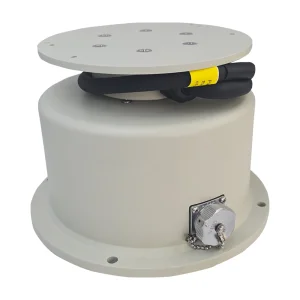
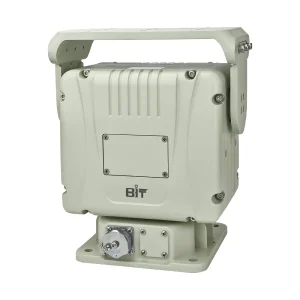
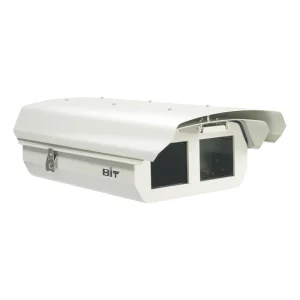
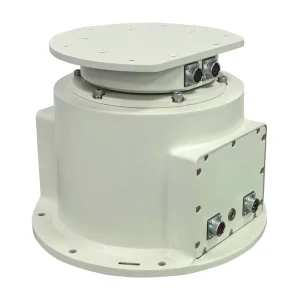
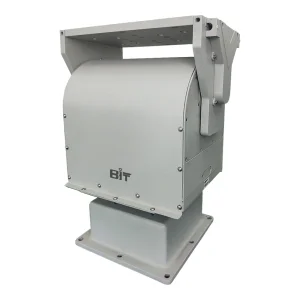
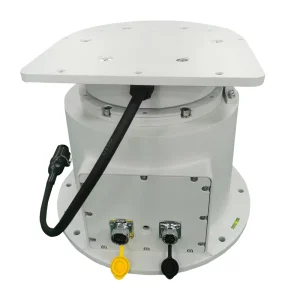
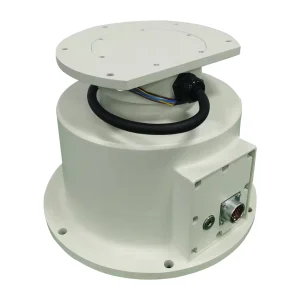
A definitive guide to selecting and scaling industrial electro-optical pan tilt units for mission-critical operations.
In the era of autonomous operations and multi-spectral intelligence gathering, the stability and accuracy of sensor tracking systems are critical. Modern surveillance networks, border patrol configurations, maritime safety zones, and environmental tracking infrastructure demand positioning systems that do not compromise on reliability. As a leading China pan tilt zoom head supplier & factory, we provide engineering precision built for long life cycles and stability in severe climates.
This whitepaper details the core mechanics of pan-tilt-zoom (PTZ) positioners, payload matching principles, control protocol integration, and the emerging paradigms of smart edge positioning. Understanding the differences between standard gear systems and advanced direct-drive models is key to maximizing return on investment for international procurement managers.
Two decades of hardware innovation and structural safety in mechanical positioning components.
Established as a national high-tech enterprise, Blue Icon (Tianjin) Technology specializes in the design, assembly, and testing of high-quality CCTV surveillance accessories. Under our flagship brand BIT-CCTV, we manufacture robust positioners, optical/thermal camera housings, controllers, and custom accessories.
 Broad Mechanical Solutions: Modular designs optimized for thermal, electro-optical, laser, radar, and heavy acoustic sensor payloads.
OEM & ODM Capabilities: Complete mechanical and electrical design changes, matching physical interface requirements, and specialized communications support.
Harsh Environment Protection: Units protected with marine-grade paints, nitrogen-pressurized housings, and internal thermal management.
Broad Mechanical Solutions: Modular designs optimized for thermal, electro-optical, laser, radar, and heavy acoustic sensor payloads.
OEM & ODM Capabilities: Complete mechanical and electrical design changes, matching physical interface requirements, and specialized communications support.
Harsh Environment Protection: Units protected with marine-grade paints, nitrogen-pressurized housings, and internal thermal management.

A breakdown of the metrics determining operational success in industrial positioning systems.
Precision gears with backlash under 0.05 degrees are necessary for high-magnification electro-optical sensors. Lower backlash prevents sensor jitter in high winds.
IP66 and IP67 ratings prevent dust and water entry. Stainless steel fastners, specialized seals, and internal heaters maintain performance at temperatures down to -40°C.
Payload capacity must cover the load weight, asymmetric wind loading, and torque resistance. Slip rings allow continuous 360-degree rotation without cable twisting.
| Technology Class | Common Payload Limit | Positioning Precision | Drive System | Ideal Application Case |
|---|---|---|---|---|
| Light-Duty Positioners | 3.5kg – 10kg | < 0.1° | Worm Gear & Stepper Motor | Mobile video monitoring, temporary field hubs, vehicle-mounted systems |
| Medium-Duty Positioners | 15kg – 50kg | < 0.05° (Adjustable) | Precision Worm Gear / Servo Drive | Industrial site perimeter security, thermal fire detection in forests |
| Heavy-Duty Positioners | 60kg – 150kg | < 0.02° | Harmonic Drive / High-Torque Servo | Coastal defence monitoring, border security, multi-sensor radar tracking |
| Direct Drive Systems | Up to 80kg | < 0.005° (Closed Loop) | Brushless DD Motor / Encoder | High-speed tracking, scientific optical systems, counter-UAS platforms |
Our positioning hardware integrates with existing global management networks, VMS software, and multi-sensor systems.
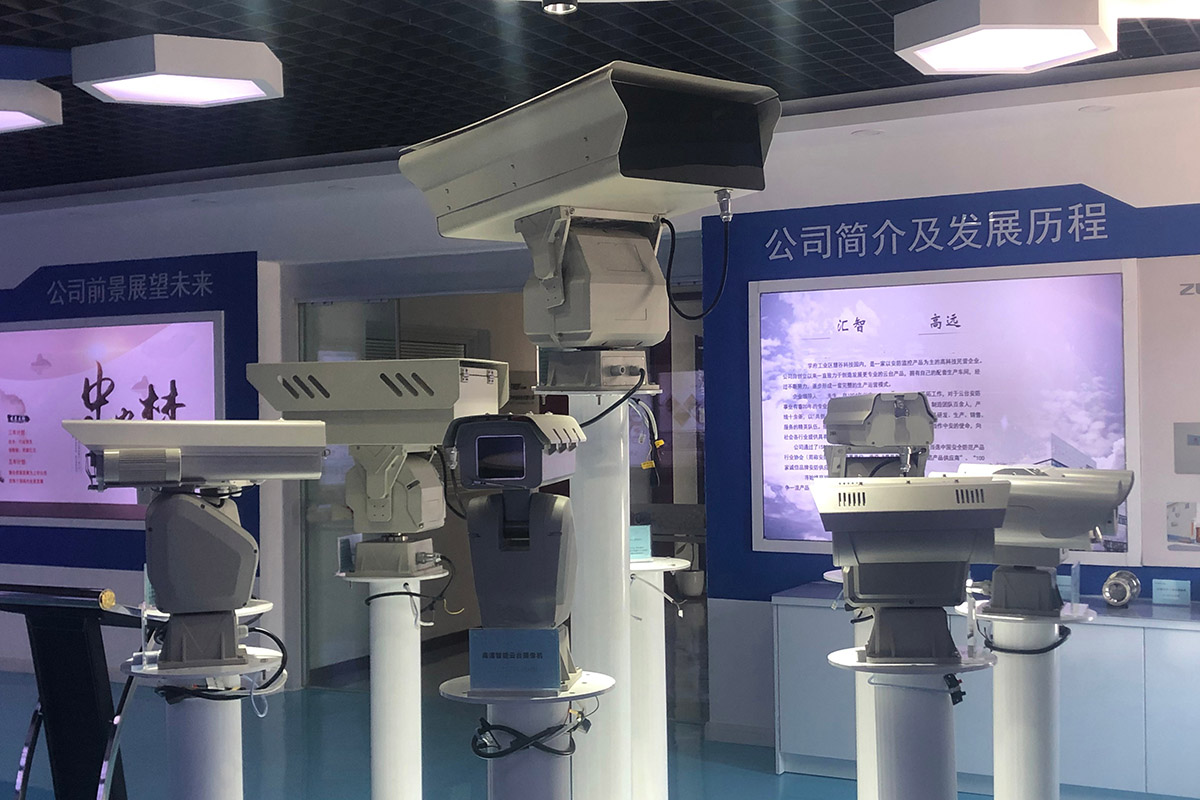
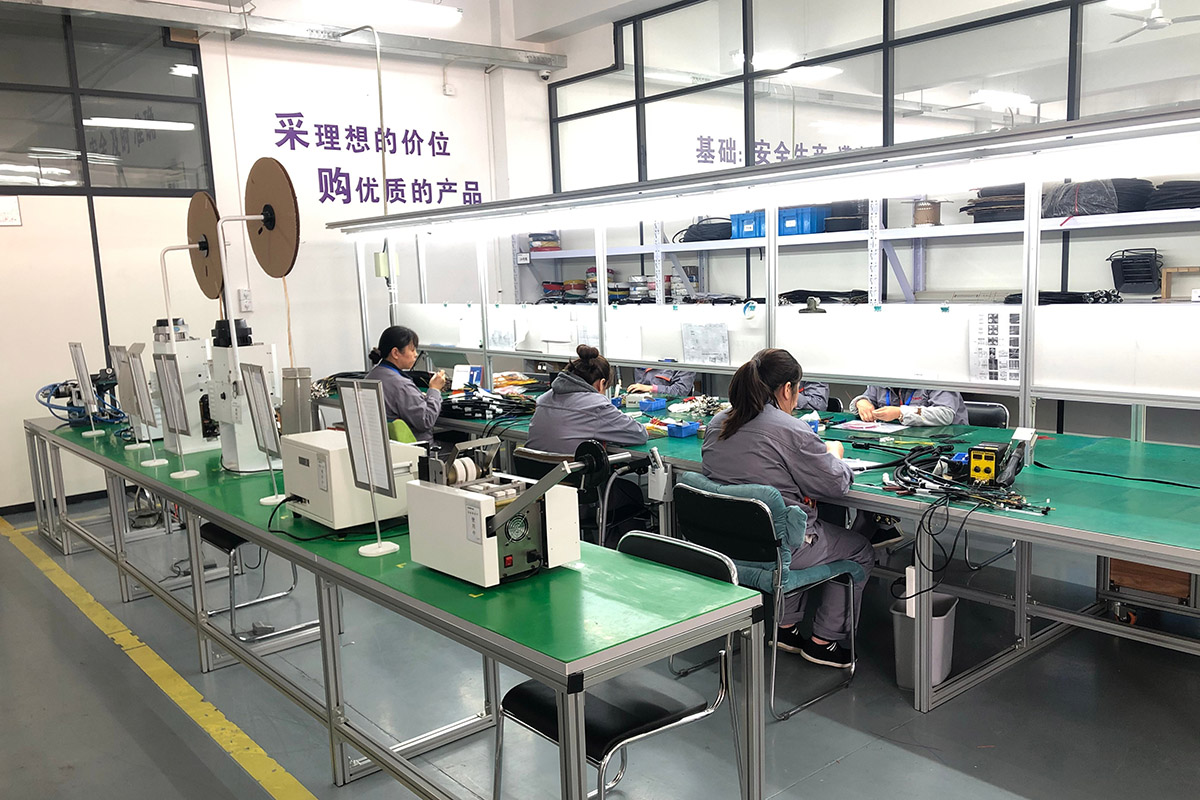
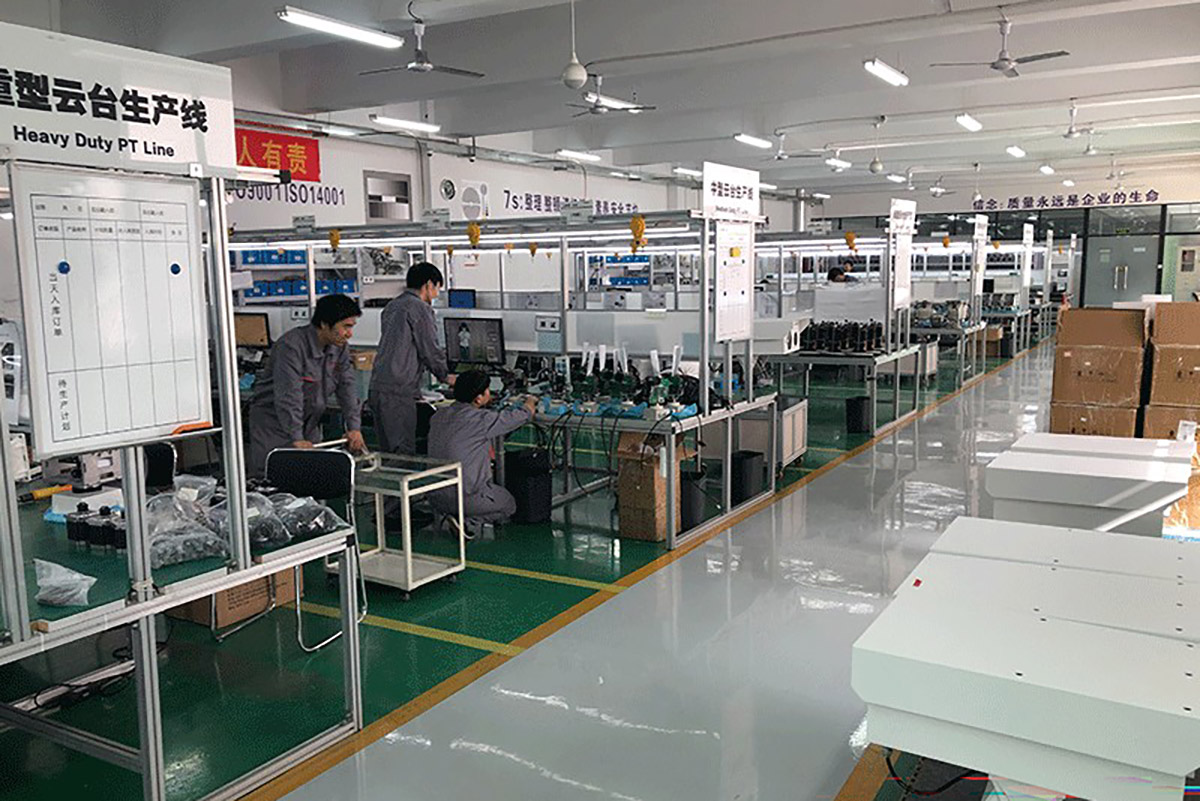
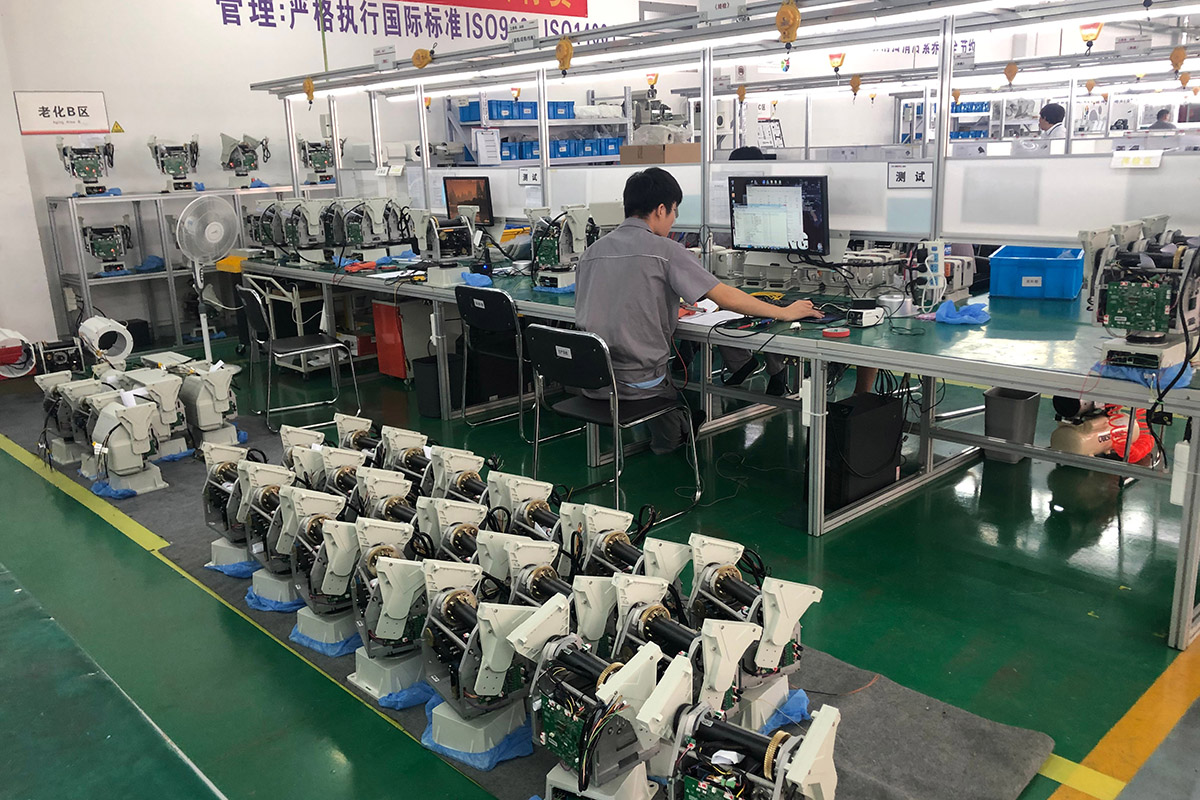
BIT-CCTV systems are used worldwide for long-range target tracking and critical environmental infrastructure monitoring. Integration options include:
Analyzing key structural and electrical configurations designed to meet specific payload classes.
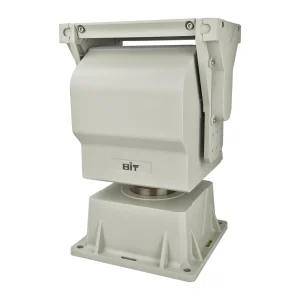
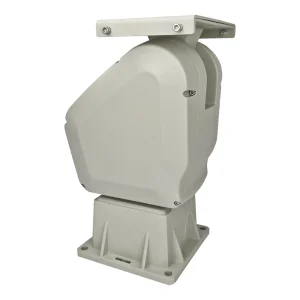
A compact, robust worm gear positioner supporting up to 10kg (22lb). Features step motor drive systems and RS-485 controls, with rotational speeds up to 30°/s across a 360° pan range.
Weighing only 3.5kg itself, this unit supports equivalent 3.5kg payloads. Designed for rapid-deployment configurations, mobile monitoring poles, and space-constrained enclosures.
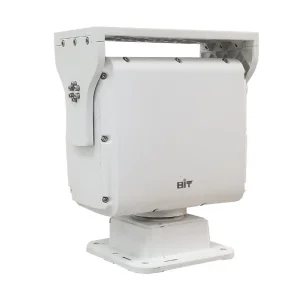
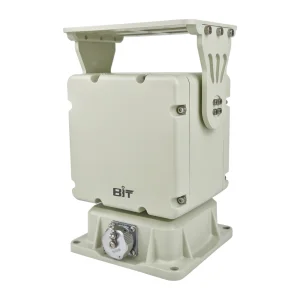
A proven heavy-duty platform supporting up to 50kg (110lb) payloads. Engineered for reliable, continuous duty cycles in high-wind and sub-zero environments over a ten-year lifespan.
Emerging industry standards shaping the next generation of electro-optical sensor tracking systems.
The positioning systems market is moving from simple manual telemetry control to intelligent tracking models. Key areas of R&D focus include:
Traditional worm-gear systems are reliable and cost-effective for standard speeds, but direct-drive brushless motors provide higher speeds and zero-backlash operation. Standardizing encoder configurations enables feedback resolution down to 0.001°, allowing precise targeting over distances exceeding 10 kilometers.
Next-generation positioners feature onboard compute modules running neural-network tracking models. These processors calculate real-time kinematics directly at the edge, reducing latency and allowing autonomous tracking of drones, marine vessels, and wildlife without external servers.
Modern payloads combine daylight sensors, thermal cores, laser rangefinders, and radar modules. We design high-bandwidth slip rings that support gigabit Ethernet, SDI video, and power transmission through a single, continuously rotating mechanical joint.
Detailed engineering answers to critical installation, mechanical, and configuration questions.
Backlash is the play or clearance between mating gear teeth. For long-range tracking, even a minor play of 0.1° can cause target displacement of several meters at a distance of 5km. In high winds, backlash causes sensor vibration, reducing image clarity. Specifying units with backlash ratings below 0.05° is recommended for systems using long focal-length lenses.
Load capacity calculation must account for the static mass of the sensors, their center of gravity offset, and dynamic wind resistance. The shape and surface area of the sensor housing generate aerodynamic forces in high winds, which increase the torque required from the pan tilt motors. When choosing a system, ensure the calculated torque requirement does not exceed the unit's continuous torque rating.
Direct-drive units mount the motor payload stage directly to the motor shaft, removing the need for a gear reducer. This design eliminates backlash and allows higher angular speeds (up to 200°/s) and rapid acceleration. Worm-gear systems offer higher self-locking torque, holding positions stably when powered off, and are generally more cost-effective for standard, slower speed scan routines.
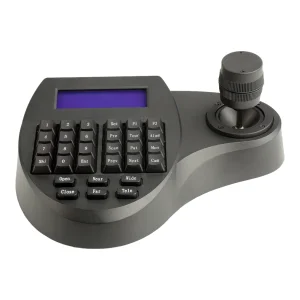
Most systems use Pelco-D and Pelco-P command sets over RS-485 interfaces. For IP-networked configurations, systems support ONVIF Profile S and custom IP controllers, allowing direct configuration and adjustment through web consoles or video management software (VMS) platforms.
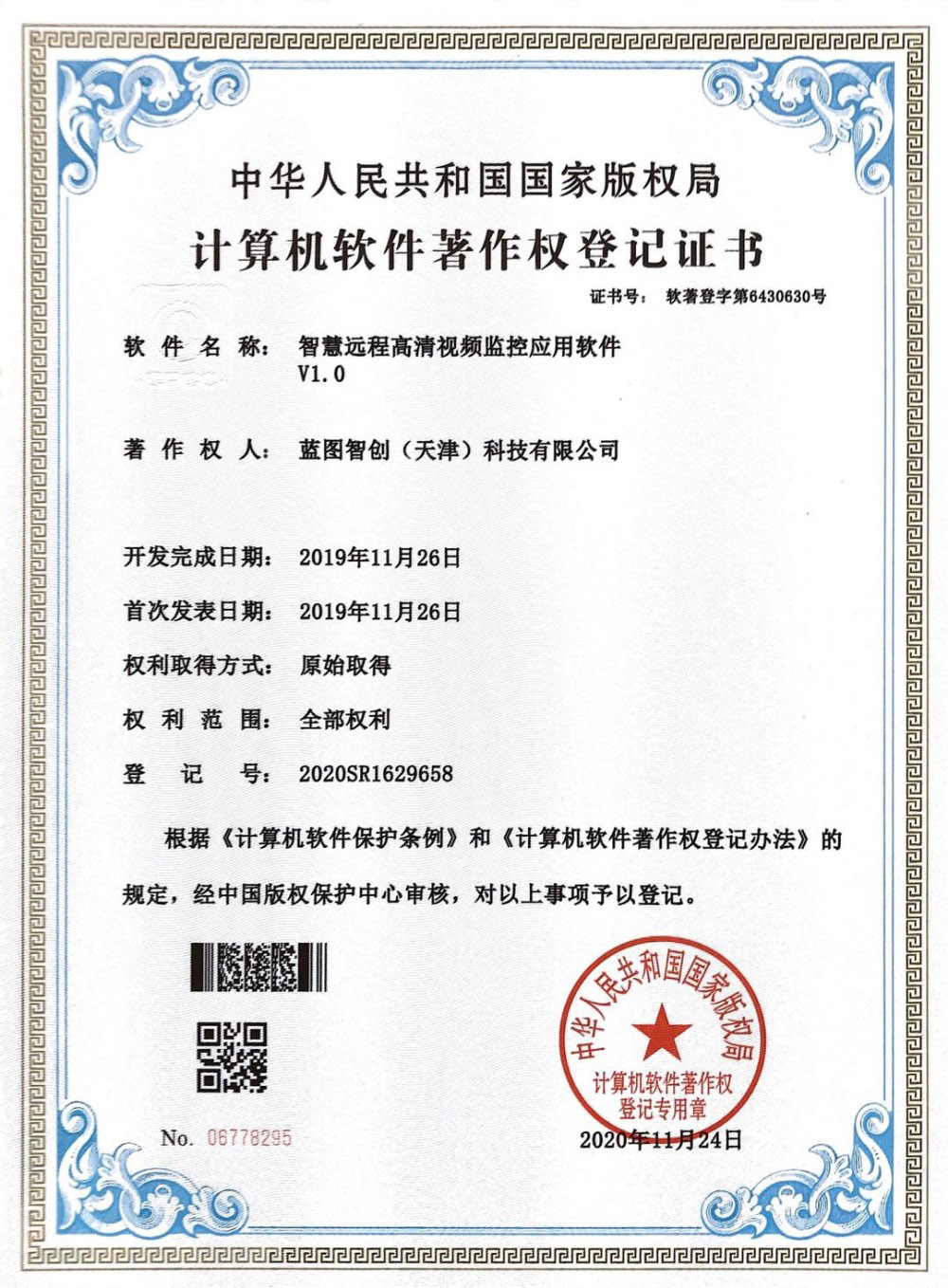
Our manufacturing and design processes align with CE, FCC, RoHS, and international quality management standards.





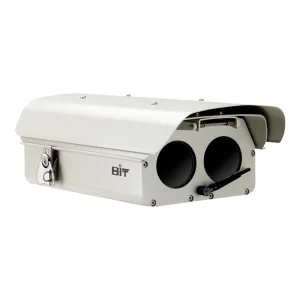
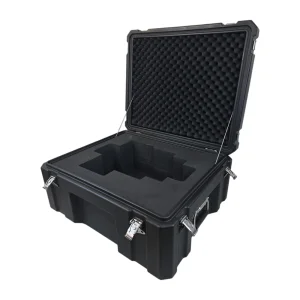
Explore specialized camera housings, high-capacity PTUs, protective cases, and controllers to complete your payload system.