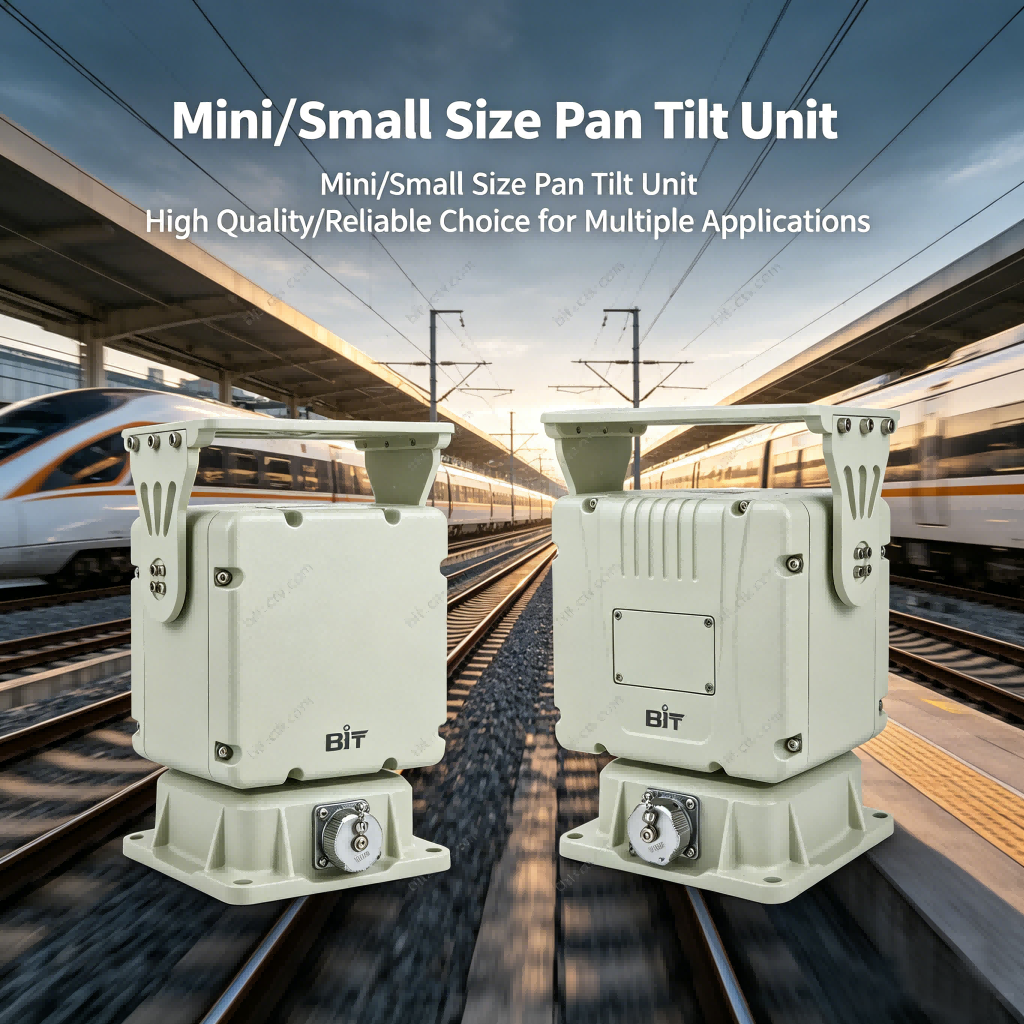
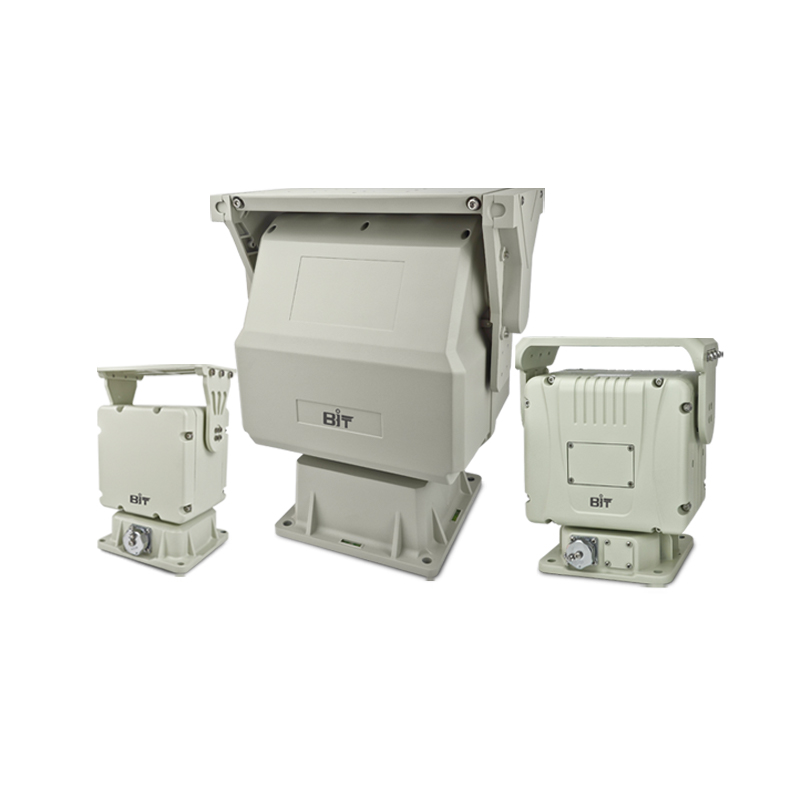
 BIT-CCTV
BIT-CCTV
BIT-CCTV
Engineered for high reliability, precision positioning, and customizable payload configurations.
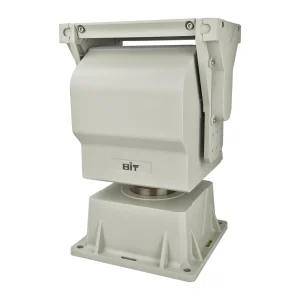
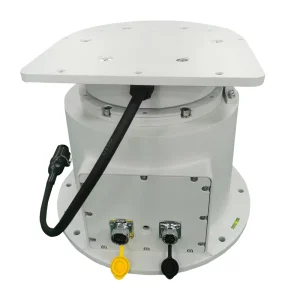
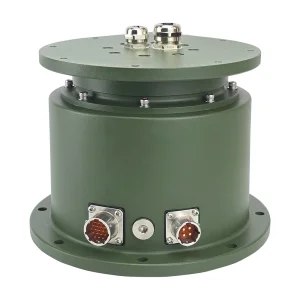
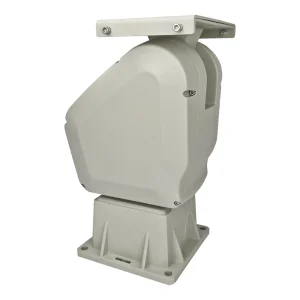
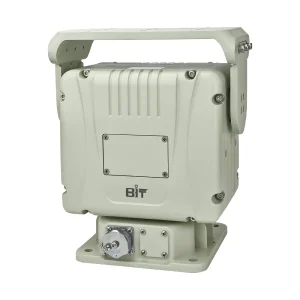
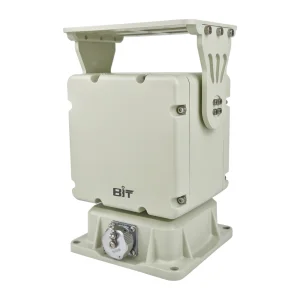
Blue Icon (Tianjin) Technology Co. Ltd. (operating globally as BIT-CCTV) stands at the forefront of precision electro-optical positioning systems manufacturing. From heavy marine duty to small-size optical tracking units, our engineering focuses on high-precision mechanical design, advanced control electronics, and robust IP environmental protection.
BIT-CCTV Founded
China Pan Tilt Maker
Annual R&D Investment
Countries Served
A comprehensive study on structural dynamics, drive mechanics, and sensor integration in challenging environments.
Modern surveillance, environmental tracking, and defense assets rely on multi-spectral payload positioning systems to deliver continuous situational awareness. The engineering of Pan-Tilt Units (PTUs) dictates the optical stability, sensor alignment accuracy, and long-term survivability of these critical setups. This whitepaper analyzes the mechanical, electrical, and control paradigms that define state-of-the-art positioning platforms, helping system integrators make informed procurement decisions.
PTUs serve as the foundation of multi-sensor systems. By housing thermal imaging cameras, long-range visible daylight sensors, laser rangefinders, and directional acoustic devices on a single platform, operators get unified spatial intelligence. Important application scenarios include:
The selection of mechanical transmission determines a positioner's speed limits, holding torque, and target tracking precision. The two main architectures used are:
| Mechanical Attribute | Worm-Gear System (e.g., BIT-PT510 / BIT-PT850) | Direct-Drive System (e.g., Direct Drive Pan Rotators) |
|---|---|---|
| Backlash Profile | Low (compensated via spring-loaded dual worm setups) | Zero Backlash (mechanically coupled brushless motor) |
| Speed Range | Low to Medium (Typically 0.01°/s to 30°/s) | Ultra-High (Up to 100°/s or greater) |
| Self-Locking Capacity | Excellent (Locks automatically when powered down) | Requires electro-mechanical brake to maintain position |
| Mechanical Lifespan | Moderate (governed by mechanical gear friction and wear) | Extreme (minimal wear parts, primarily precision bearings) |
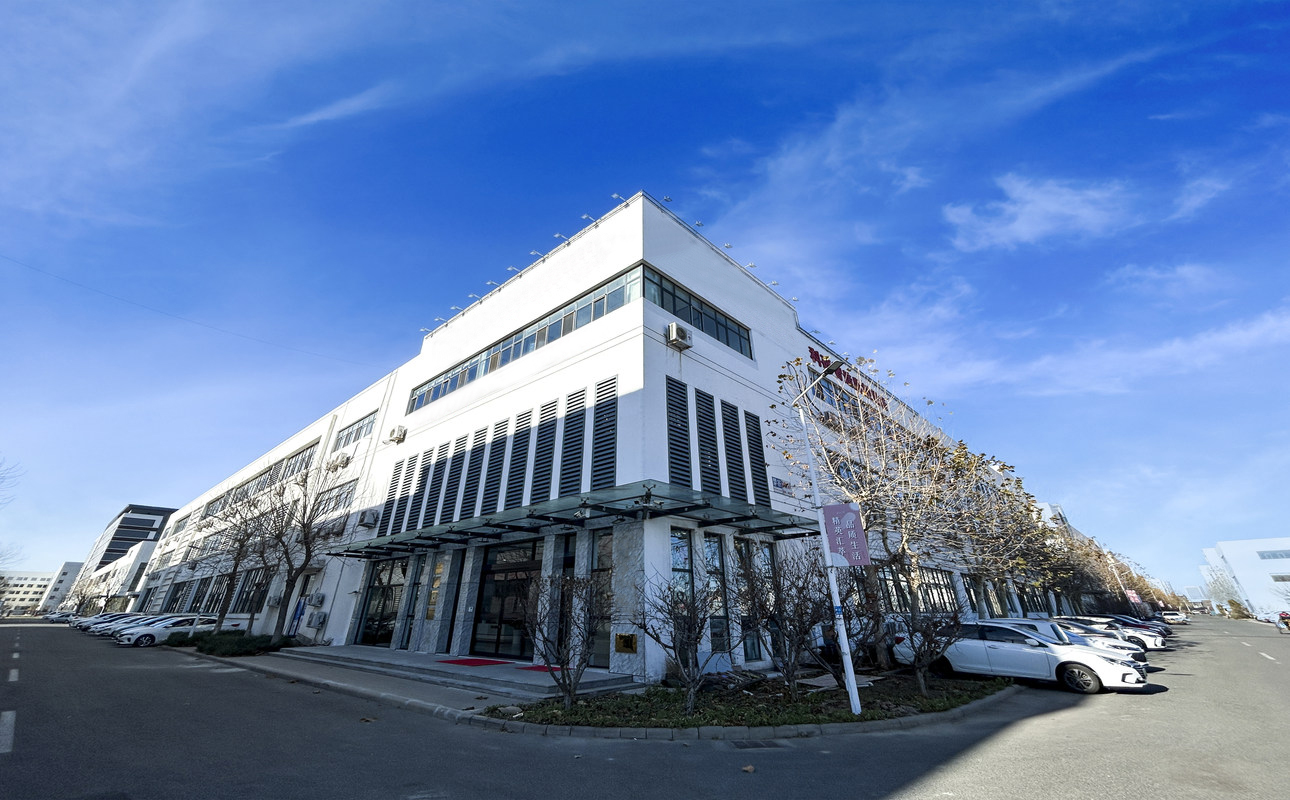
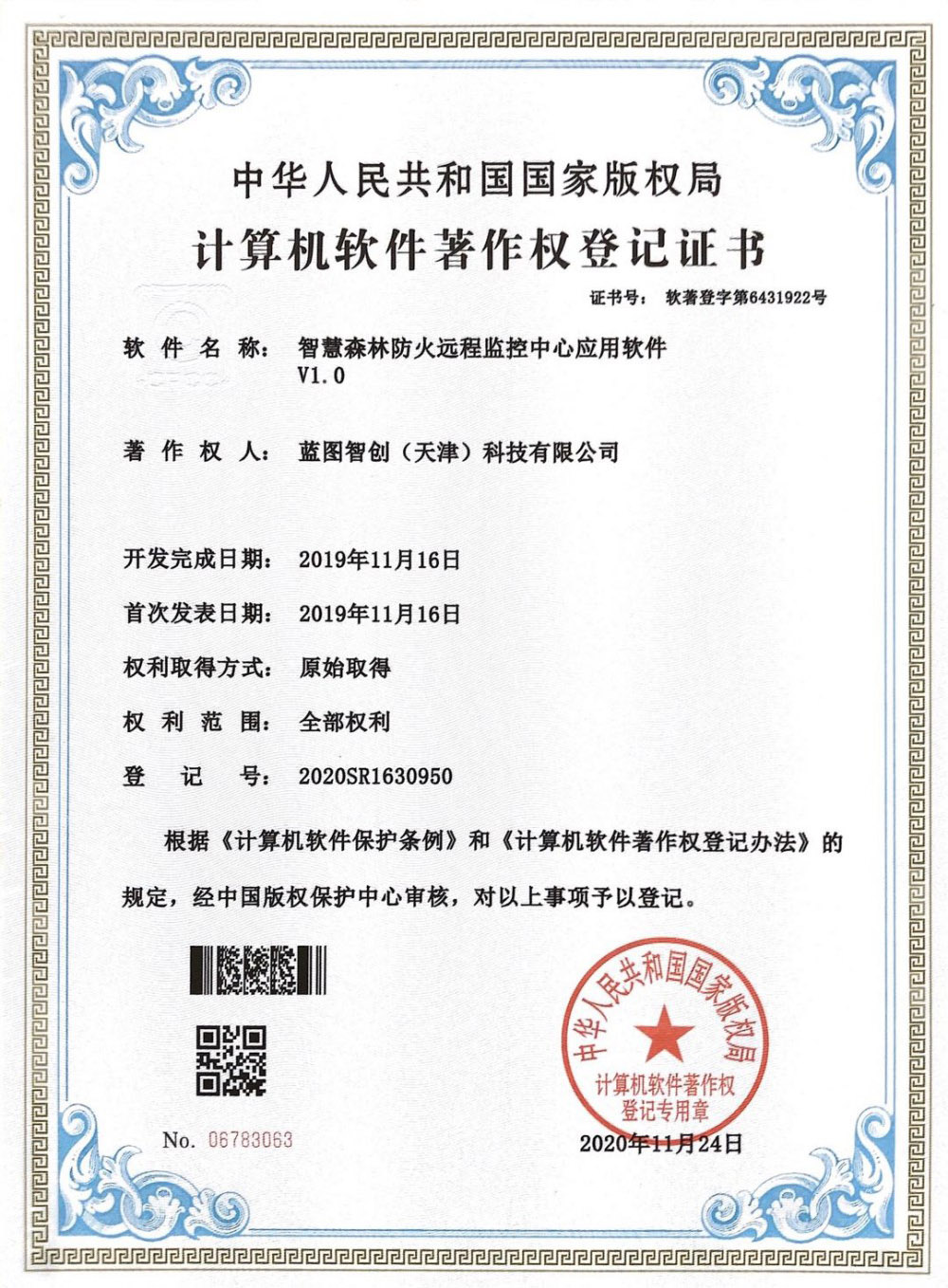
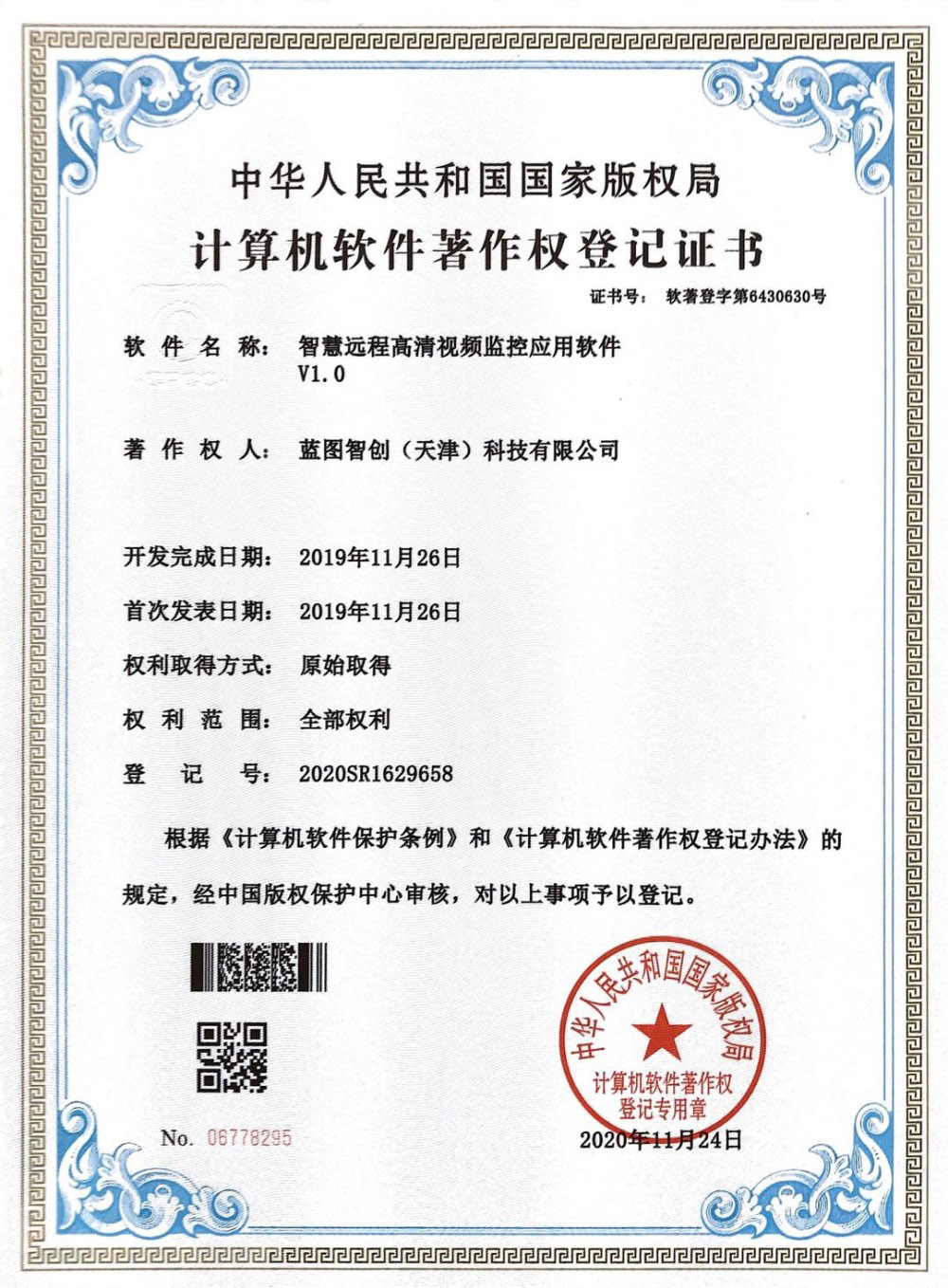
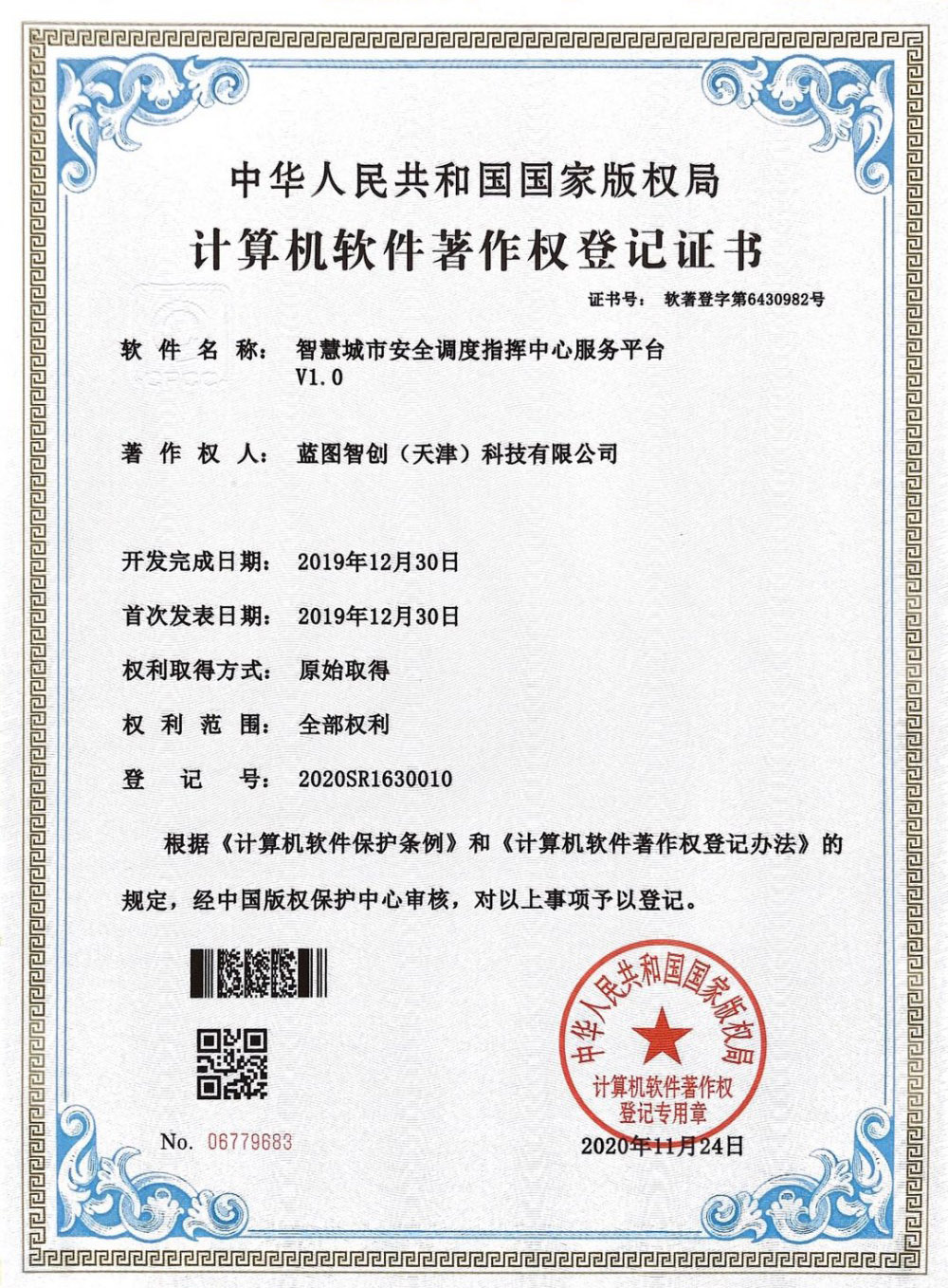
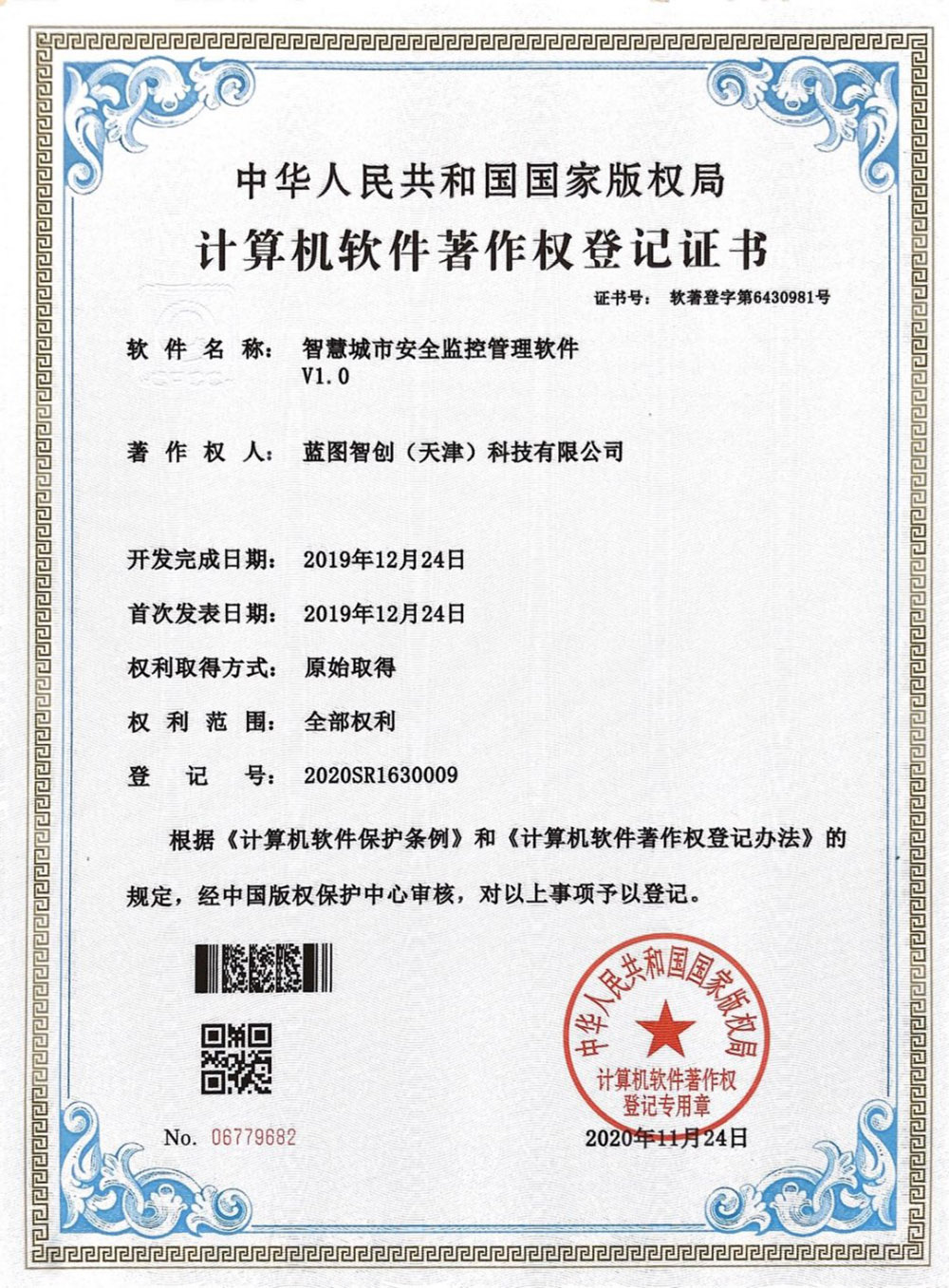
Established in 2005, Blue Icon is a national high-tech enterprise specializing in the design, engineering, manufacture, and deployment of industrial CCTV surveillance platforms and pan-tilt positioning systems. Over our 18 years of development, we have created an expansive catalog of products covering payloads from 3.5kg to 150kg, supported by custom design services (OEM & ODM) tailored for demanding environments.
Analyzing key models to matching specific application demands.
Designed for light-to-medium electro-optical packages, providing robust holding torque without backlash creep.
Built for real-time target tracking and automated scanning loops, prioritizing speed and rapid acceleration.
A heavy-duty surveillance workhorse, field-tested for ten years in extreme, high-vibration, and high-wind zones.
Positioners must withstand continuous outdoor exposure. When selecting materials, we target resistance to thermal expansion, wind shear, and corrosion:
When engineering a PTU installation, structural capacity calculations must factor in wind drag. The required torque (T) depends on the cross-sectional area of the optical payload (A), the wind drag coefficient (Cd), wind pressure (q), and the offset distance from the axis of rotation (r). Standard designs must withstand gusts up to 130 km/h without gear slippage.
Modern gimbals integrate into video management systems (VMS) and command networks via industrial protocol standards:
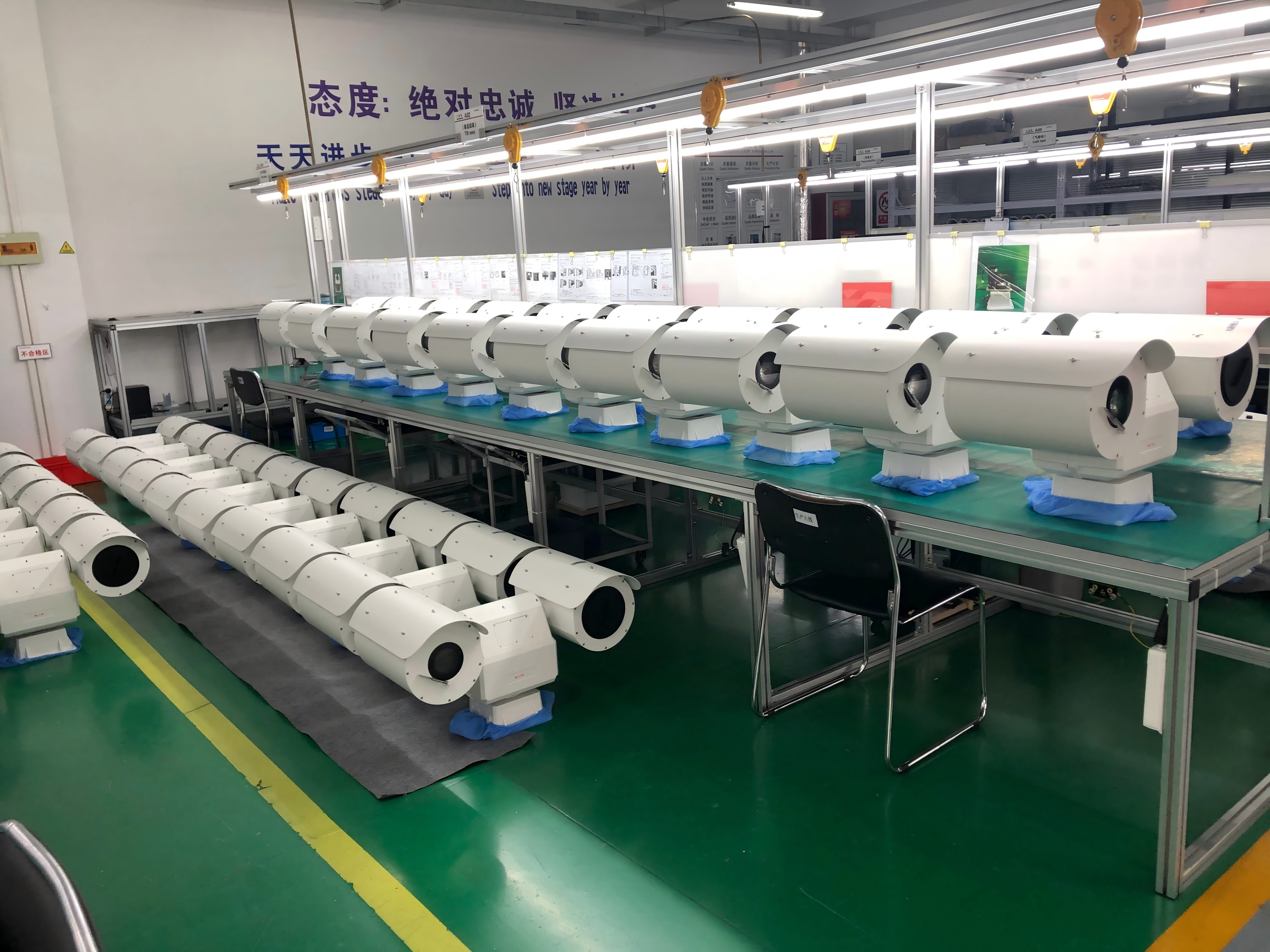
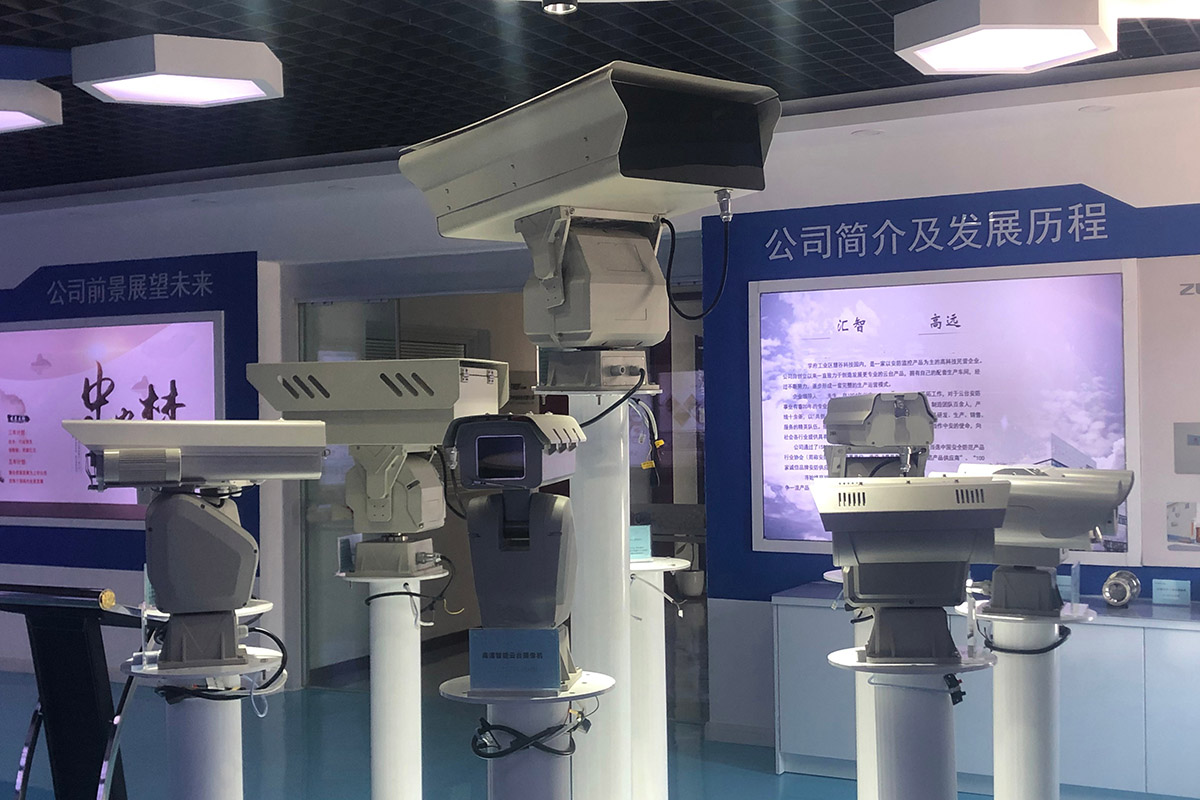
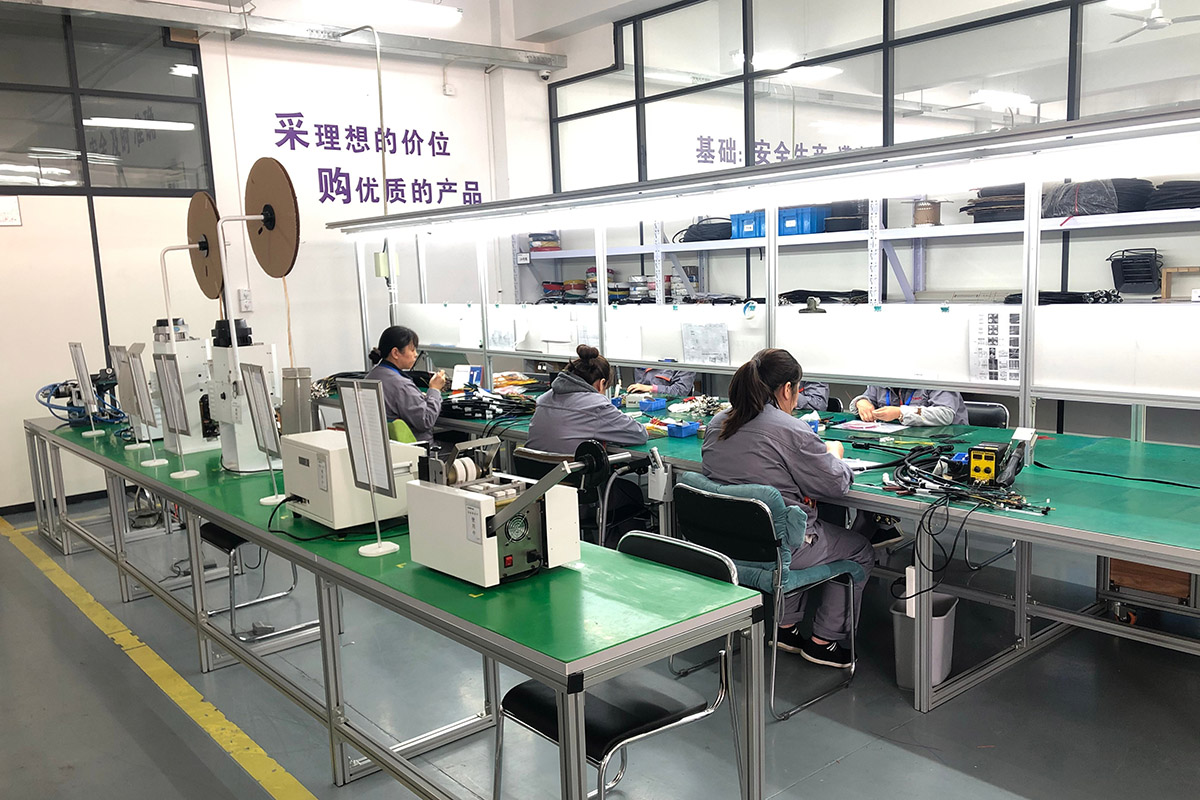
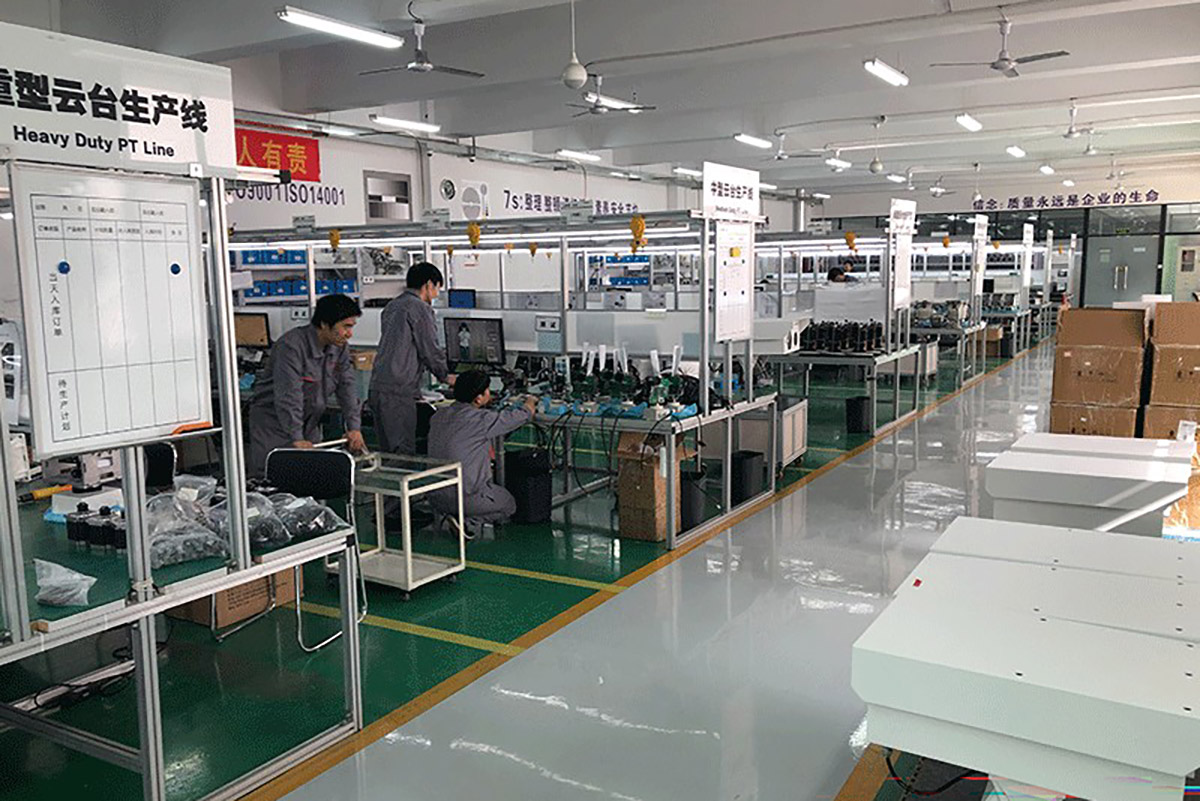
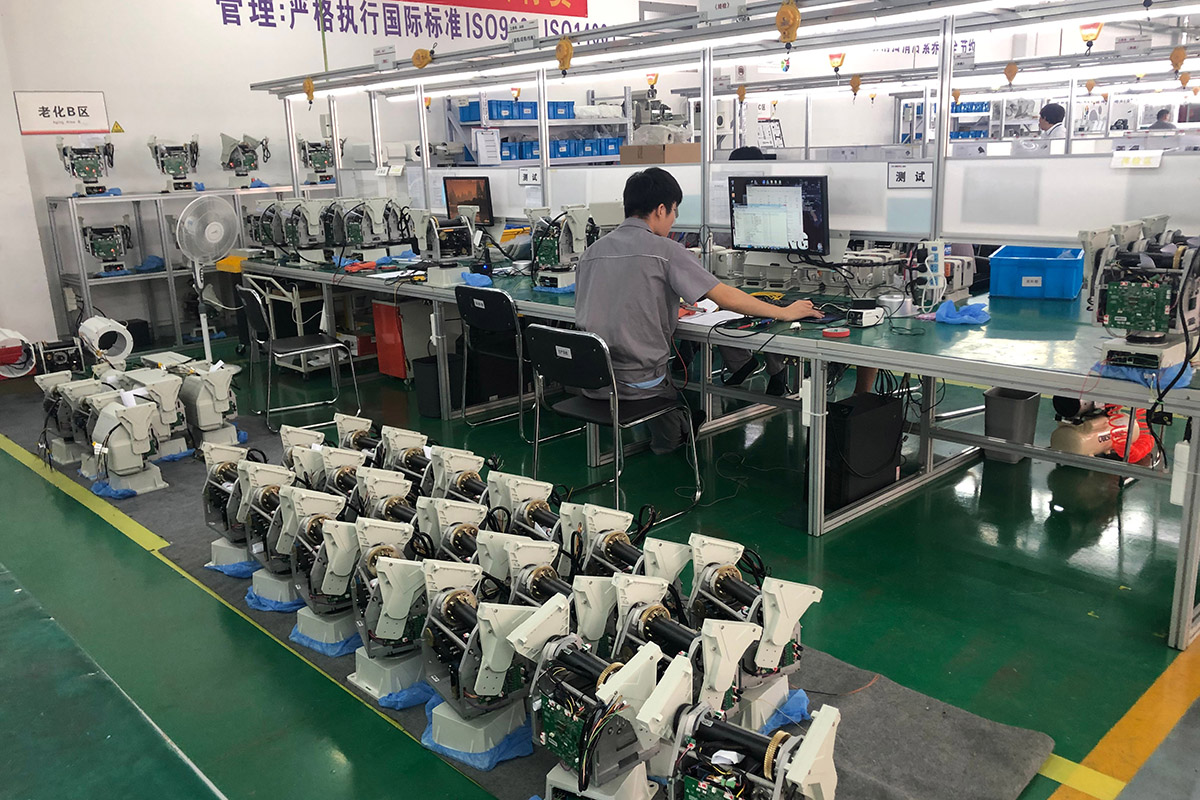
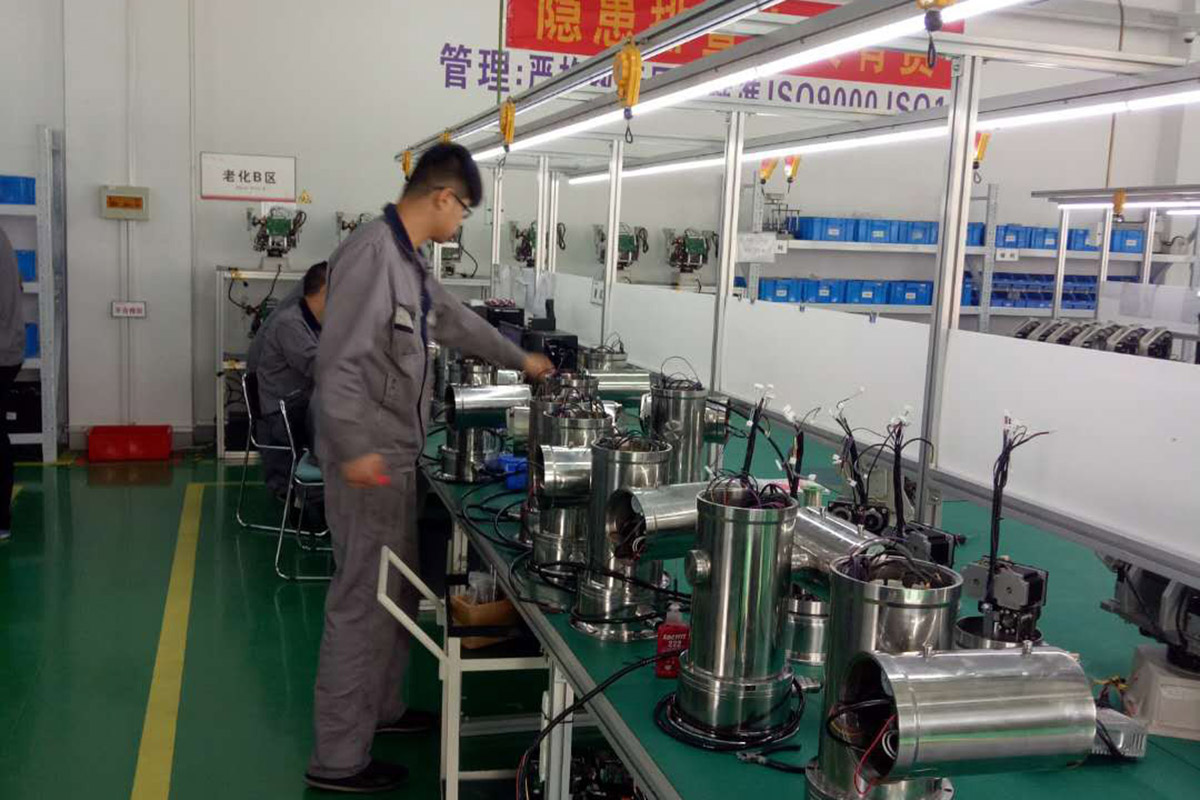
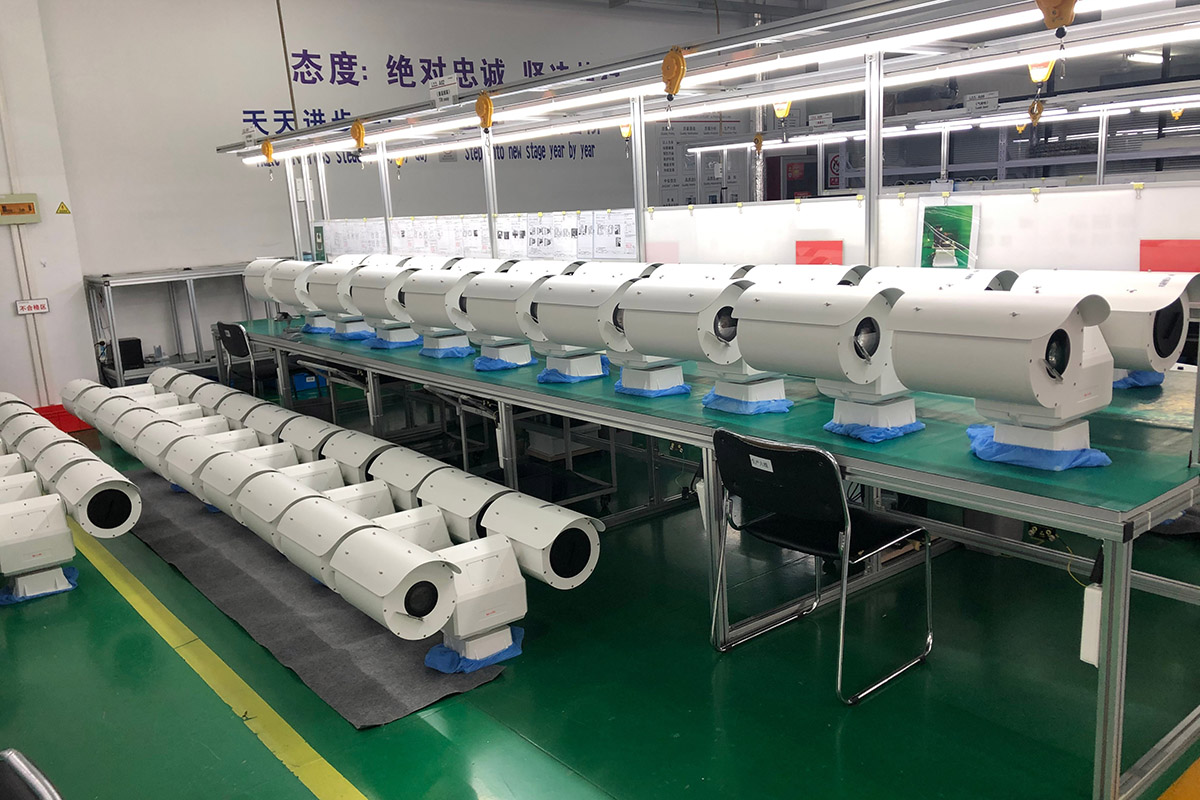
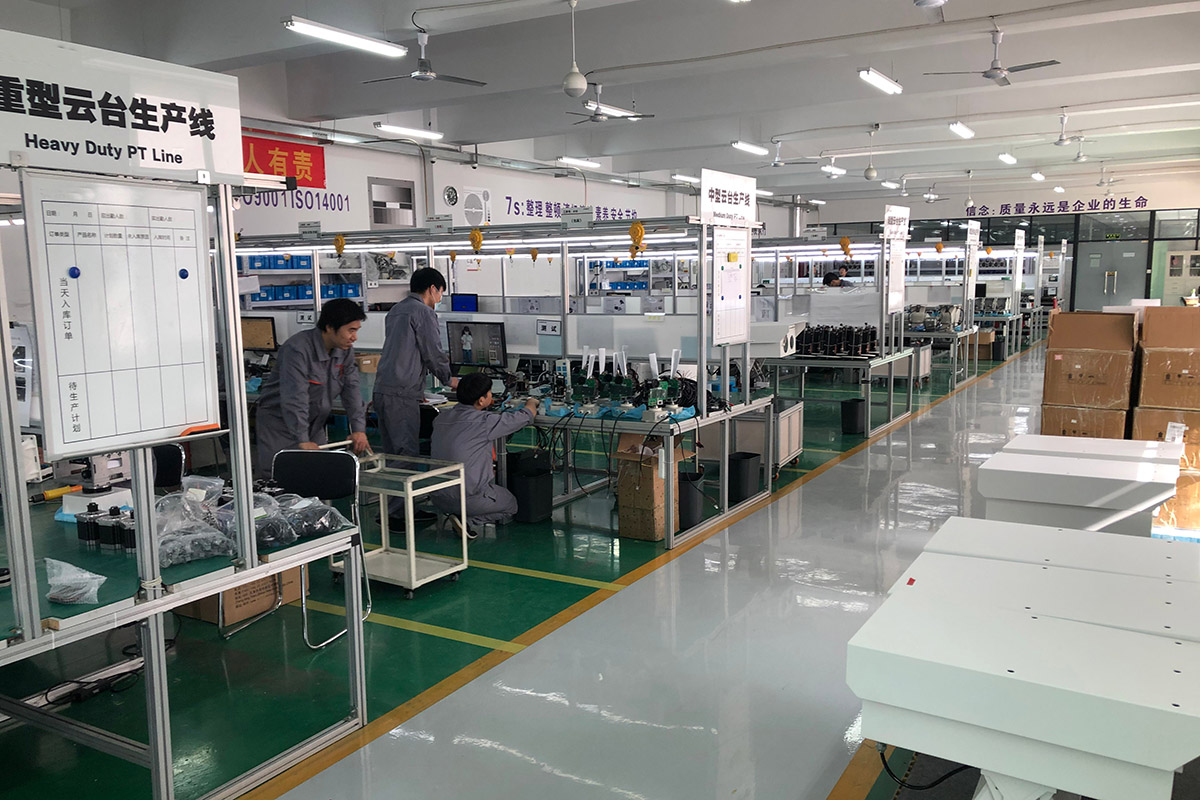
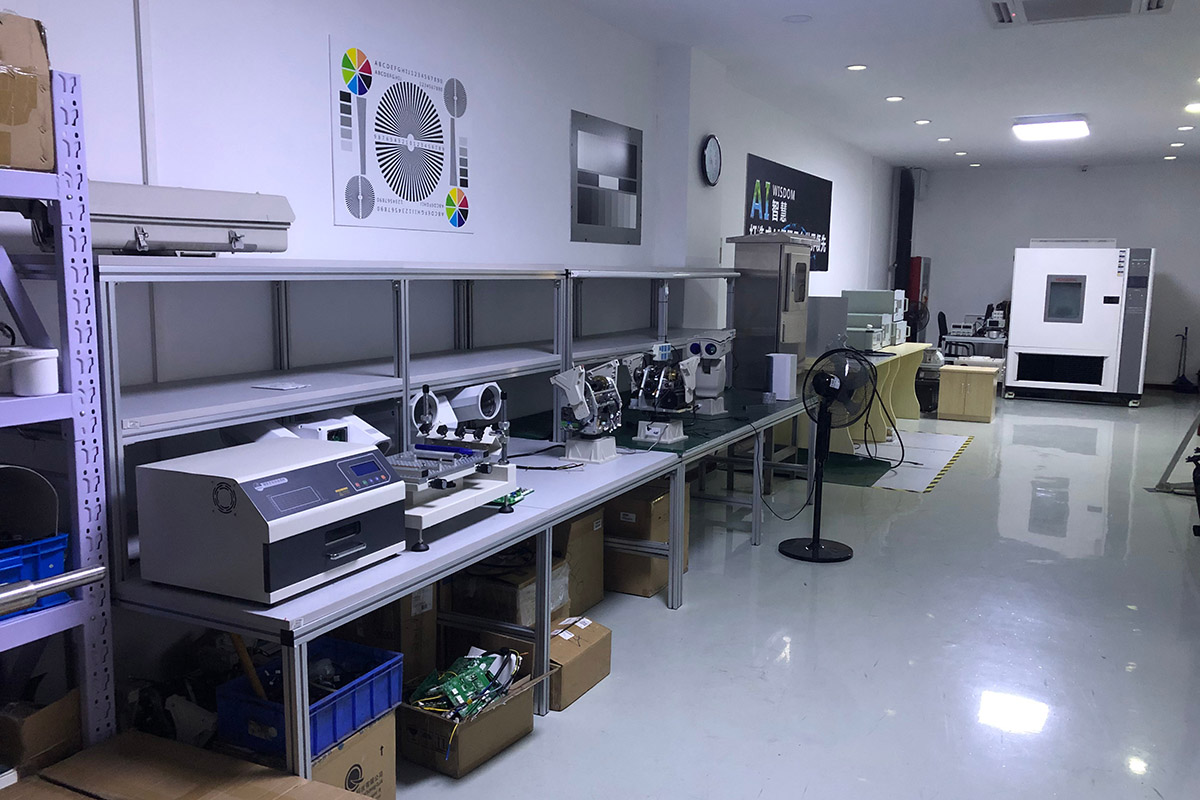
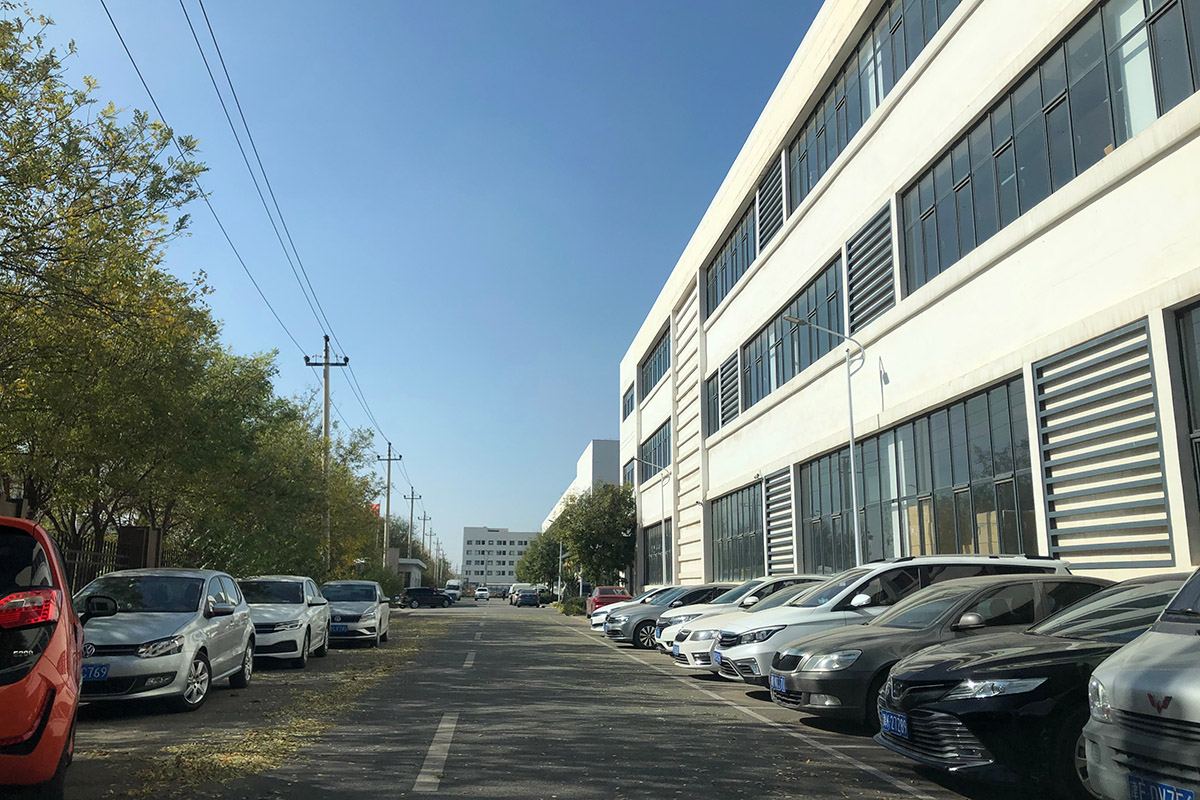
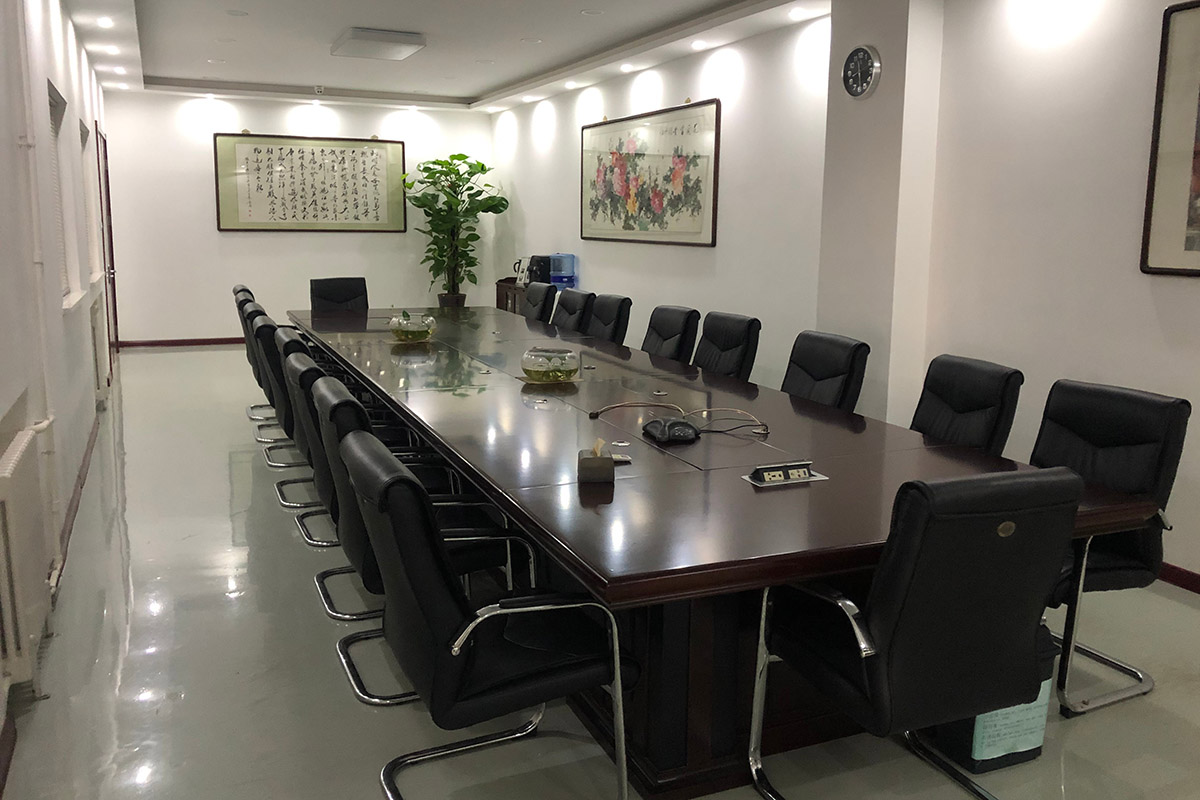
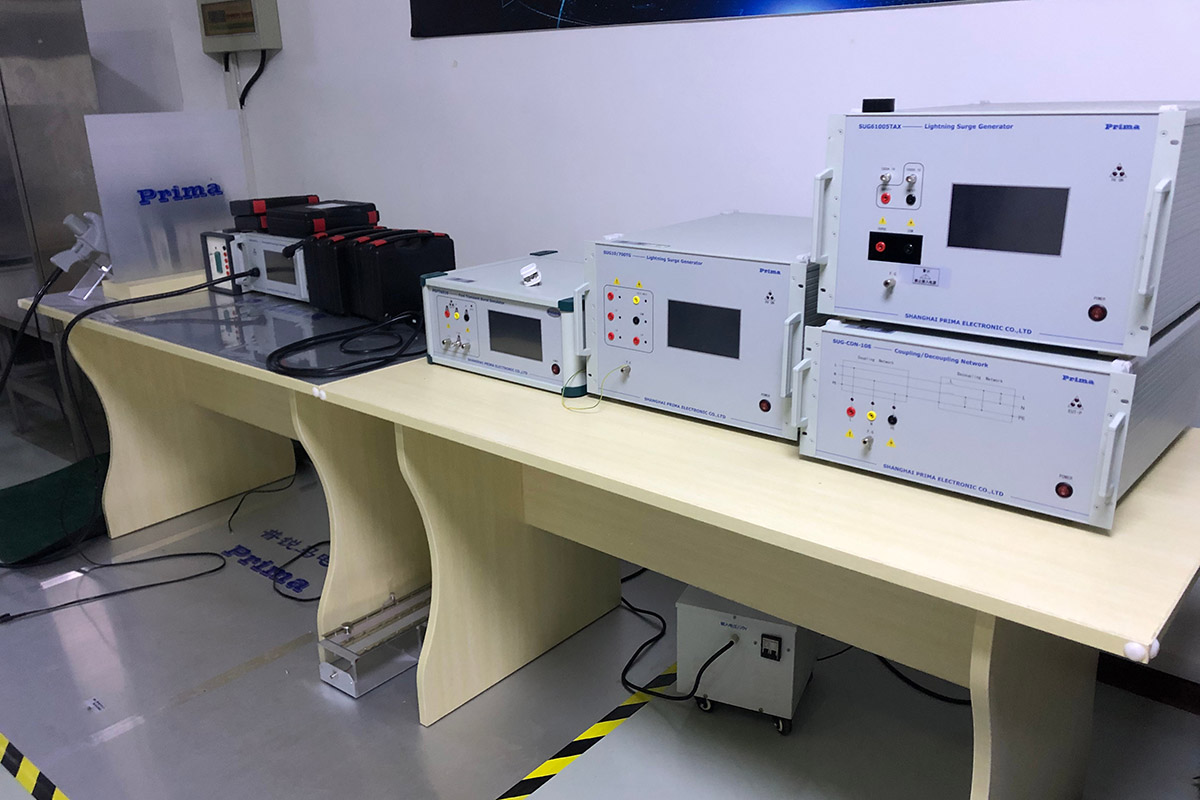
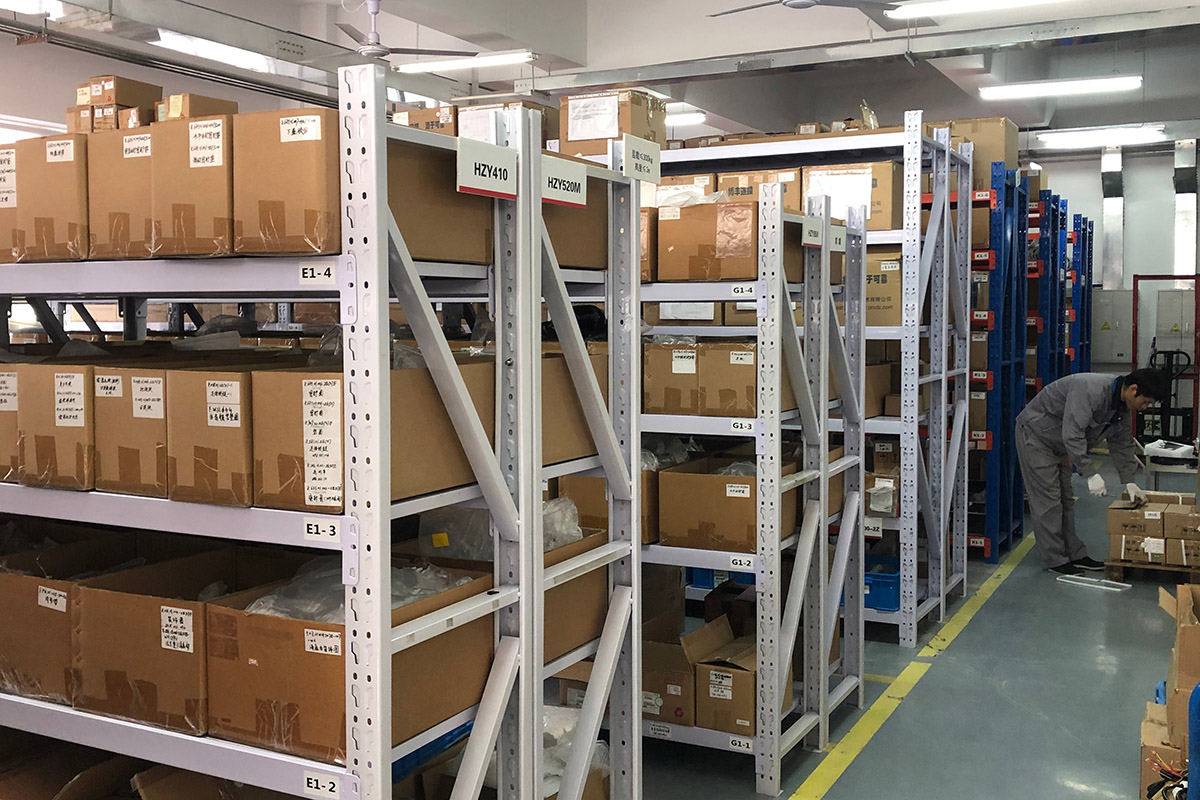
10,000m² manufacturing facility under strict ISO quality control protocols.

Anticipating next-generation gimbals to meet shifting security demands.
The role of PTUs is shifting from passive execution units to active edge nodes. Integrating system-on-chip (SoC) architectures directly within the positioning head allows for direct implementation of video-analytics tracking, radar-slew-to-cue, and target classification models.
By computing target motion at the edge, control loops run faster, dropping target re-acquisition times down to milliseconds. This transition supports anti-drone operations where optical zoom must track rapid changes in path.
Future platforms prioritize modular payload configurations. The use of slide-and-lock baseplates combined with auto-negotiating communication protocols lets technicians hot-swap optical components, laser modules, or searchlights in the field without disassembling the gimbal core.
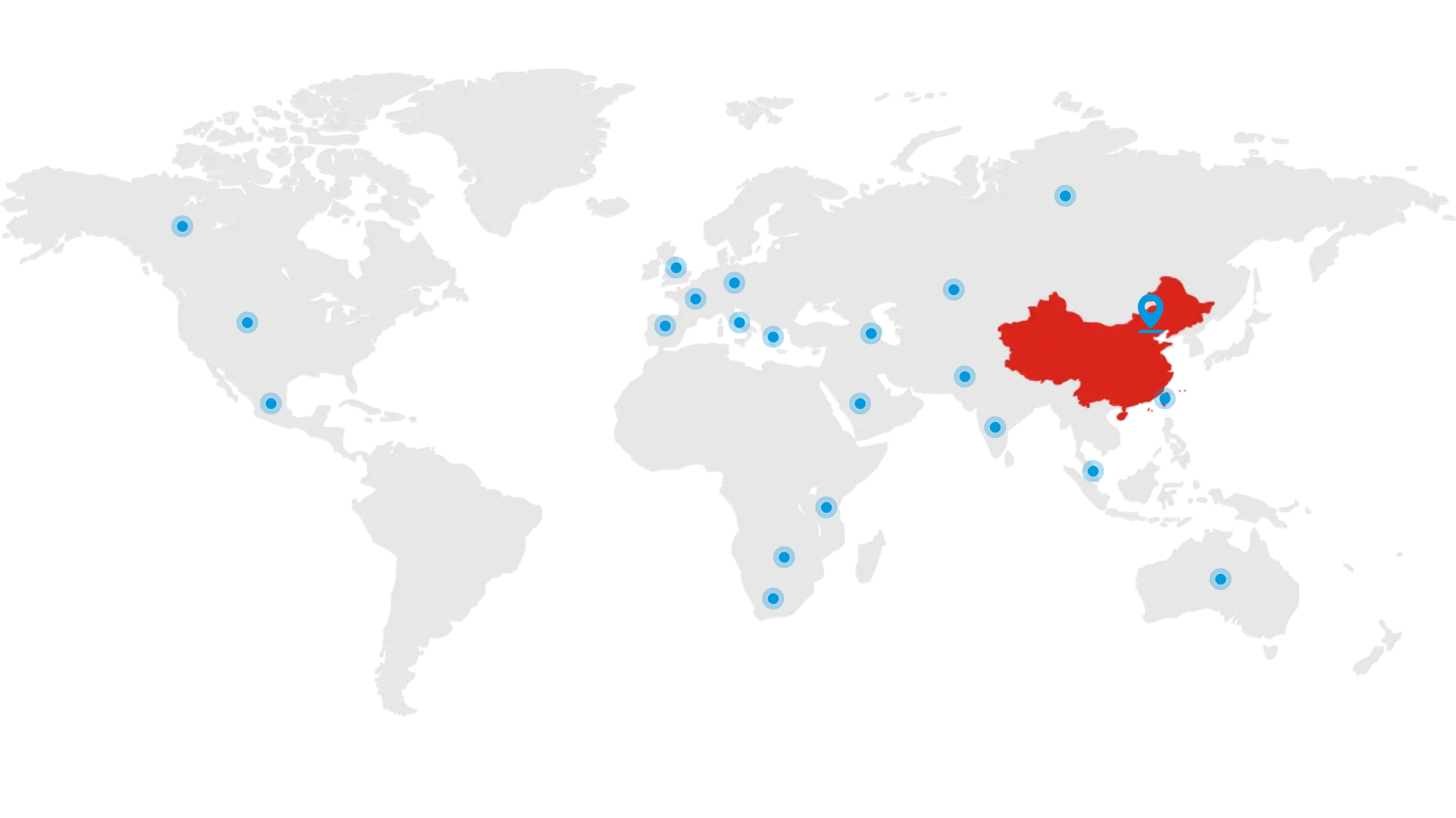
Connecting with leading integrators, engineering firms, and distributors across 50 countries.









Technical columns focused on selection variables and environmental integration.
Addressing common queries from engineering and integration specialists.
Our worm-gear platforms (such as the BIT-PT510 and BIT-PT850) use self-compensating, spring-loaded split-worm designs. This spring load maintains tight mechanical engagement against the worm gear, counteracting wear to limit backlash below 0.05° over years of operation. For systems requiring zero backlash, we recommend direct-drive brushless gimbals, which couple the payload directly to the motor shaft.
All outdoor models feature IP66 or IP67 protection ratings. The metal surfaces are coated with multi-layer anti-corrosion paint, which passes 500-hour salt spray testing. For harsh marine deployments, we offer structural upgrades using 316L stainless steel hardware and specialized top coats to resist salt fog and constant moisture.
Yes. Our PTUs are built with internal slip rings that allow 360° continuous pan rotation. Slip rings pass power, serial control, and high-frequency network signals (such as HD-SDI or Ethernet) across the rotating joint, avoiding cable twisting and strain.
We support RS485 and RS422 interfaces running traditional Pelco-D and Pelco-P command sets. Our IP-enabled models conform to ONVIF profiles, allowing them to integrate into standard Video Management Software (VMS) platforms. These units also accept raw azimuth and elevation coordinate commands for automated radar integration.
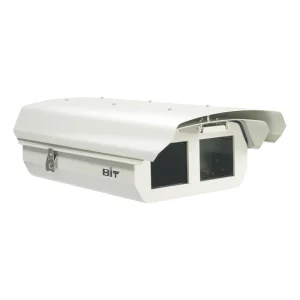
Standard models ship within 2 to 3 weeks. Custom configurations—including specialized mounting plates, dual-window housings, paint customizations, or specific connector interfaces—typically require 4 to 6 weeks for design validation and manufacturing.
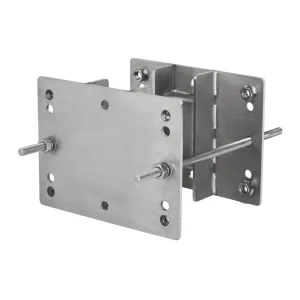
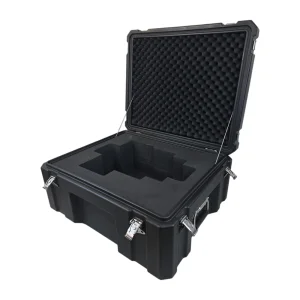
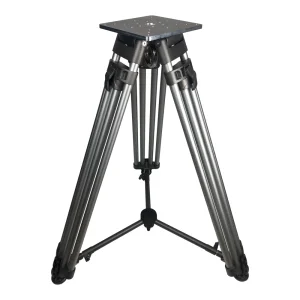
High-grade accessories and specialized brackets for complex system integrations.