 BIT-CCTV
BIT-CCTV
BIT-CCTV
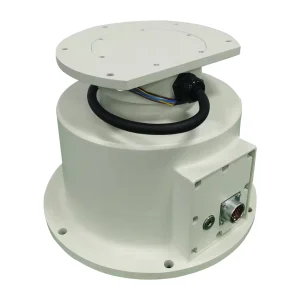
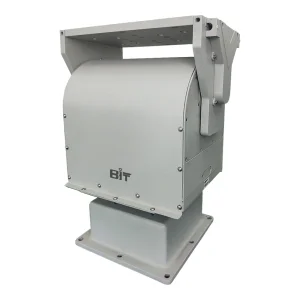
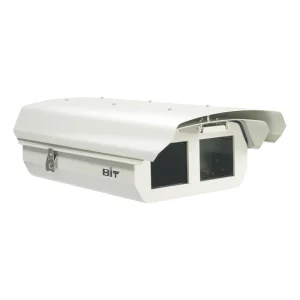
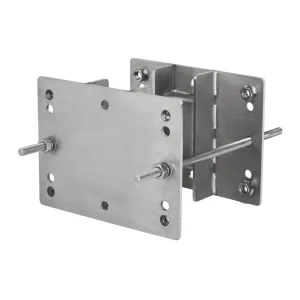
Explore our premium range of precision single/dual-axis pan-tilt positioners, heavy-duty camera housings, and structural brackets engineered to operate seamlessly with manual telescoping masts.
Understanding the design principles, structural loading capacities, and material engineering behind professional elevation systems.
Manual telescoping masts are specialized mechanical structures designed to lift and support key communication equipment, optical payloads, weather instrumentation, and defense surveillance systems to designated heights. Characterized by nested telescopic tubes that deploy via internal wire cables, screw mechanisms, or belt drives, these masts offer a modular and independent method for rapid deployment without relying on electrical power systems.
Engineering these masts involves calculating complex physical stresses. Standard models utilize multi-section designs, where each section's diameter decreases from base to top. The core engineering consideration is wind load capacity. Wind drag forces acting on the payload at the mast's tip create a bending moment that peaks at the base. To counter this, suppliers optimize wall thicknesses, select superior aluminum alloy grades, and engineer interlocking collar locks that distribute bending stress evenly across joints.
A crucial factor in selection is structural deflection. Under high winds, a mast will sway or bend. Precision systems, such as directional microwave antennas or optical sensors, require minimal movement. Advanced manual masts feature heavy-duty guide keys running along the tube profiles. These keys prevent axial rotation under torsional wind loads, ensuring directional equipment stays aligned. Internal friction is minimized using specialized polymers, ensuring smooth deployment over thousands of cycles.
Utilizing high-tensile 6061-T6 and 7075-T6 structural aluminum to optimize the strength-to-weight ratio for critical mobile deployments.
Engineered with stainless steel aircraft cables and auto-locking brake winches to prevent accidental section retraction and load slips.
Hard anodization treatment (exceeding 25 microns) prevents corrosion in coastal marine settings and high-salinity industrial fields.
BIT-CCTV is a leading designer and manufacturer of structural mast accessories, pan-tilt heads, and surveillance components with over 20 years of research and production expertise.
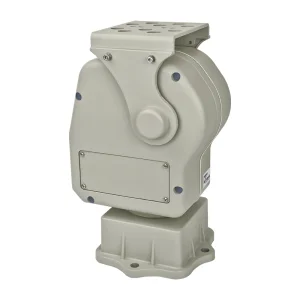
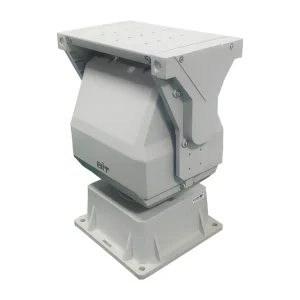
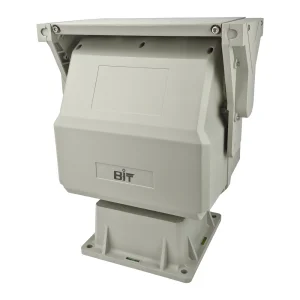
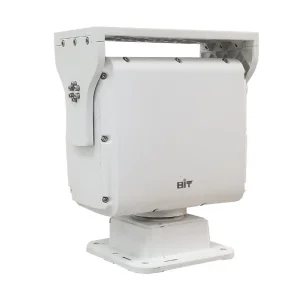
Precision positioning platforms for directional sensors, cameras, and thermal imagers, supporting dynamic payload stabilization.
Read More →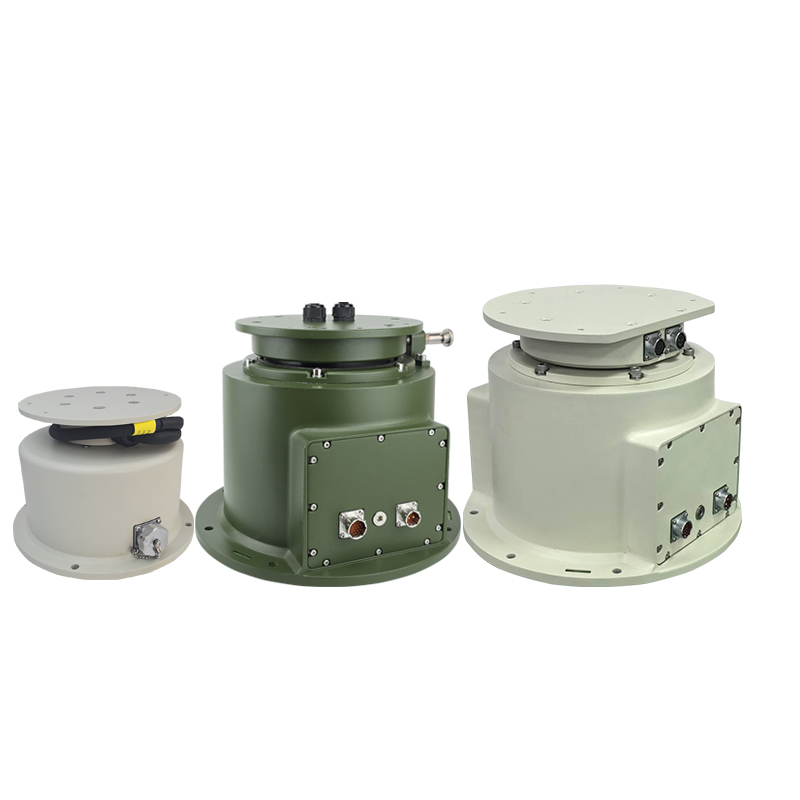
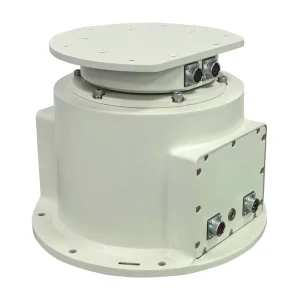
High torque single-axis azimuth rotators designed for directional antennas and tracking targets in radar and RF environments.
Read More →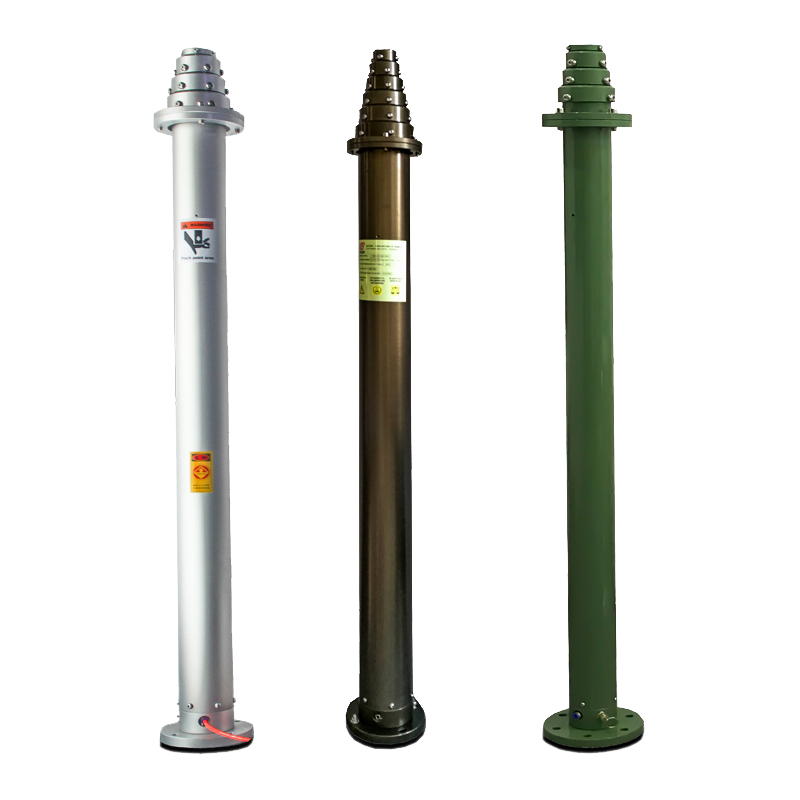
High-strength alloy structures engineered for quick deployable communication, surveillance, and temporary lighting installations.
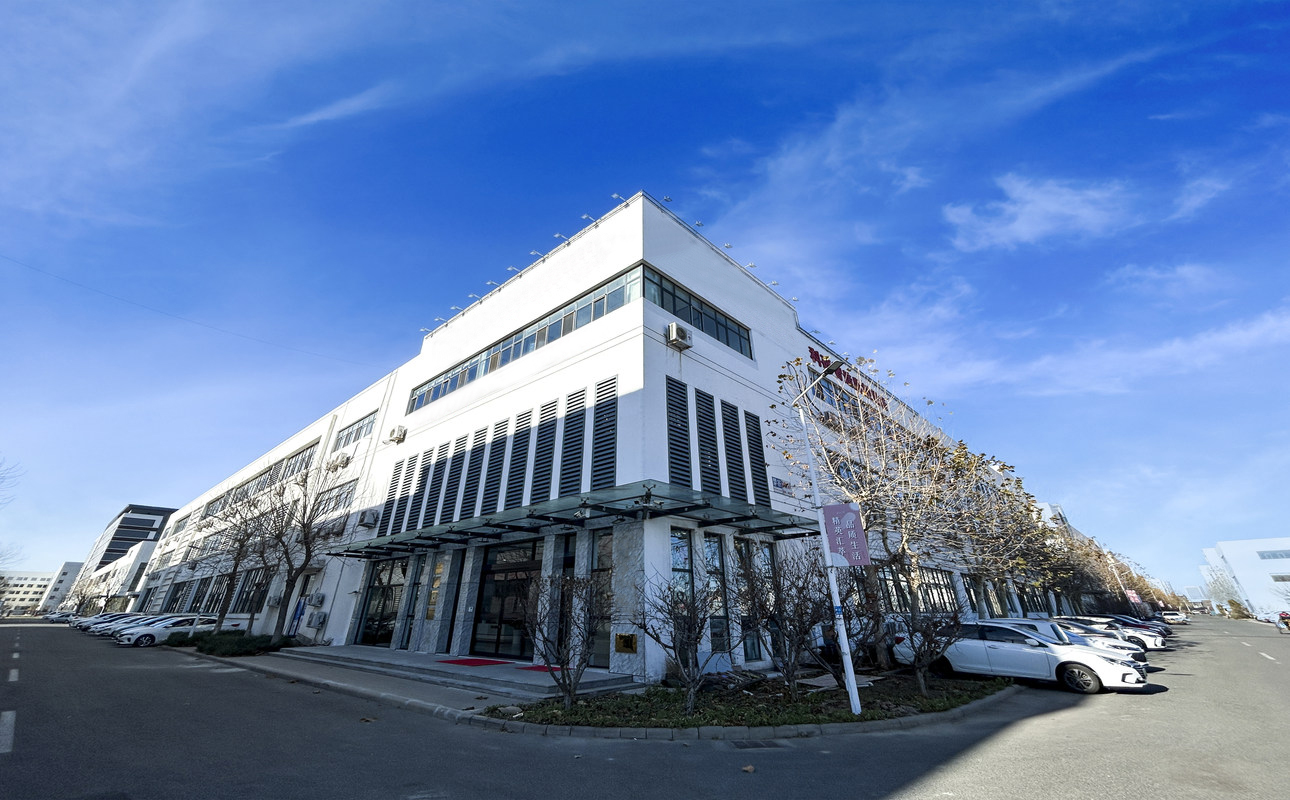
Read More →Established in 2005, Blue Icon Technology is a national high-tech enterprise focusing on high-precision CCTV surveillance equipment, mechanical elevation systems, and pan-tilt positioning devices. We operate an advanced 10,000 m² manufacturing plant and have built a strong presence in global defense, telecommunications, and monitoring networks.
Our commitment to engineering excellence is backed by an annual reinvestment of over 10% of our sales revenue into research and development. This continuous focus has led to over 50 national patents and custom solutions that meet strict industrial standards.
How metallurgical integration, advanced industrial clusters, and economies of scale benefit global buyers.
The global dominance of Chinese factories in manual telescoping mast manufacturing stems from deep supply chain integration. The production of aluminum telescopic tubes requires precise cold-drawn extrusion. By housing production within industrial manufacturing clusters in northern and eastern China, factories gain immediate access to top-grade raw materials and specialized heat-treatment services. This localized access simplifies production and reduces transit times for materials.
Chinese factories excel in combining high structural quality with cost efficiency. Many Western suppliers outsource metal extrusion and component machining, which increases costs. In contrast, Chinese factories keep these processes in-house. Extrusion, CNC machining, welding, surface finishing, and load testing are performed at single locations. This keeps production costs competitive while ensuring consistent quality control.
Additionally, Chinese suppliers offer extensive customization options. Whether a client requires specific mounting flanges, unique nested heights, integrated internal wiring channels, or distinct colors for military or commercial systems, factories can quickly adjust tooling and program CNC machinery. This rapid prototyping cycle enables global buyers to move projects from engineering layouts to field-ready prototypes within weeks.
Providing essential infrastructure to support high-altitude communication and monitoring networks.
Manual masts provide non-electric elevation for thermal imaging cameras, laser rangefinders, and surveillance sensors. Integrated with heavy-duty pan-tilt systems, they enable long-range target detection along borders and in remote areas.
During natural disasters, mobile communication masts support rapid network recovery. In-house manual winches allow rescue teams to lift repeaters, VHF/UHF antennas, and regional base stations without needing generator power.
Equipped with wind sensors, solar radiation shields, and humidity sensors, these masts serve as remote meteorological stations. Their aluminum build ensures long-term exposure resistance in harsh climates.
Inside our factories: examining our advanced CNC production lines, welding bays, and mechanical testing areas.
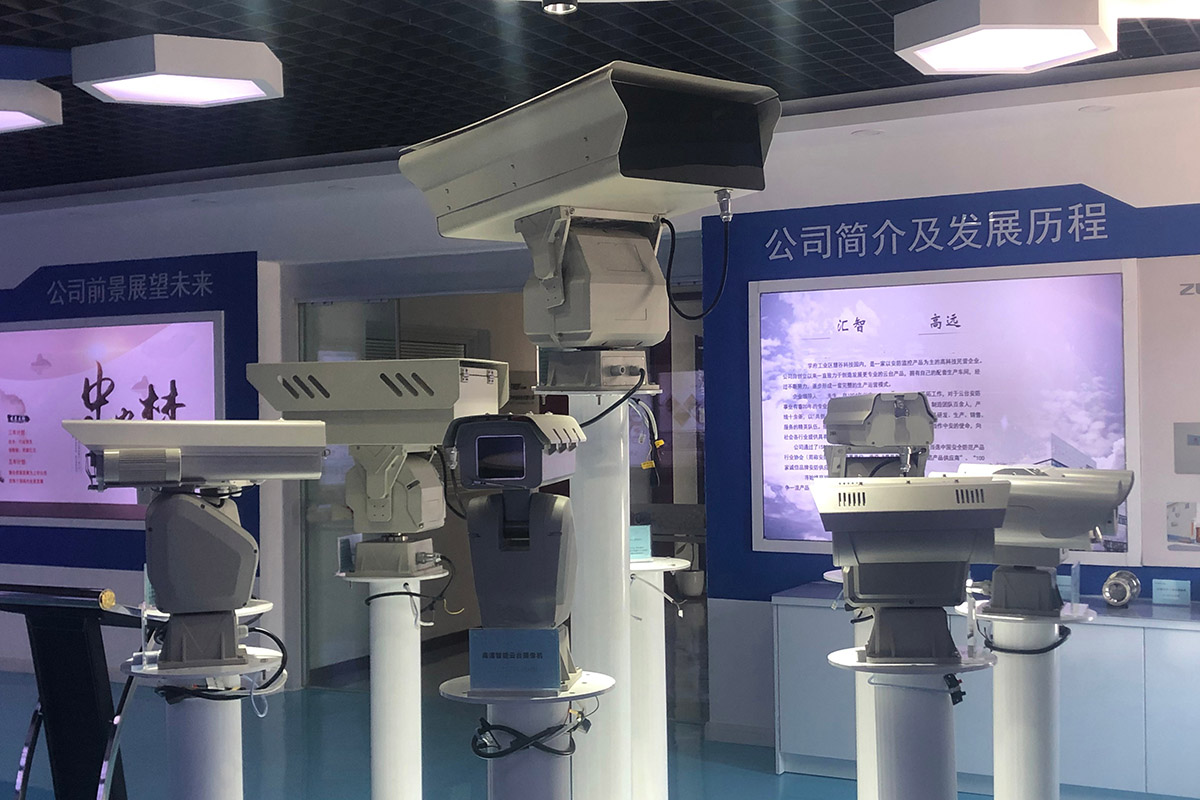
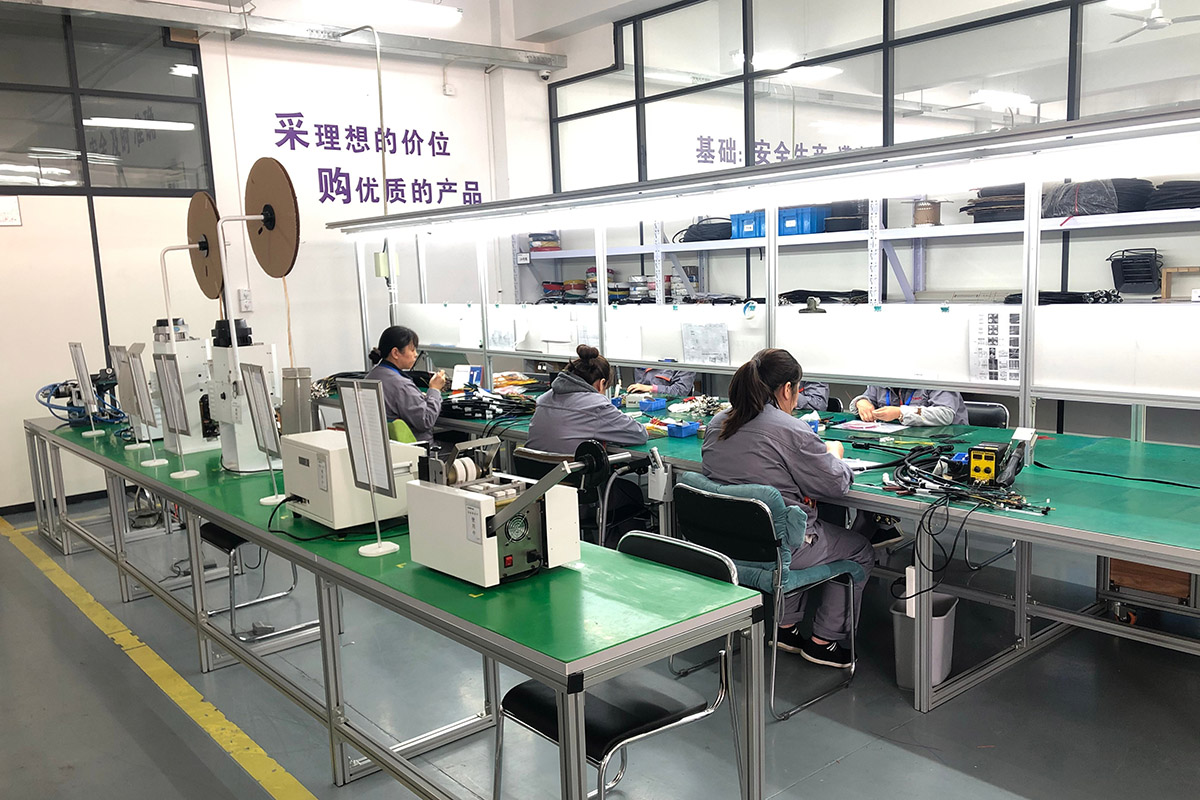
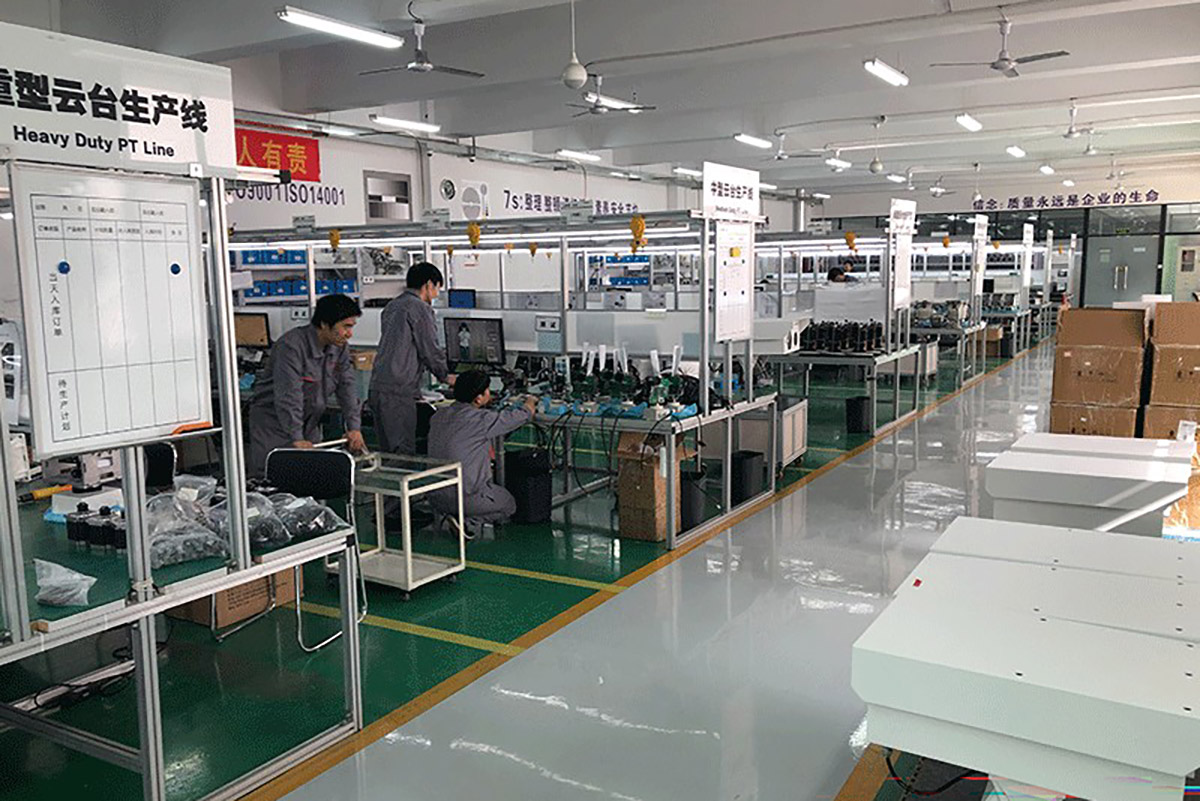
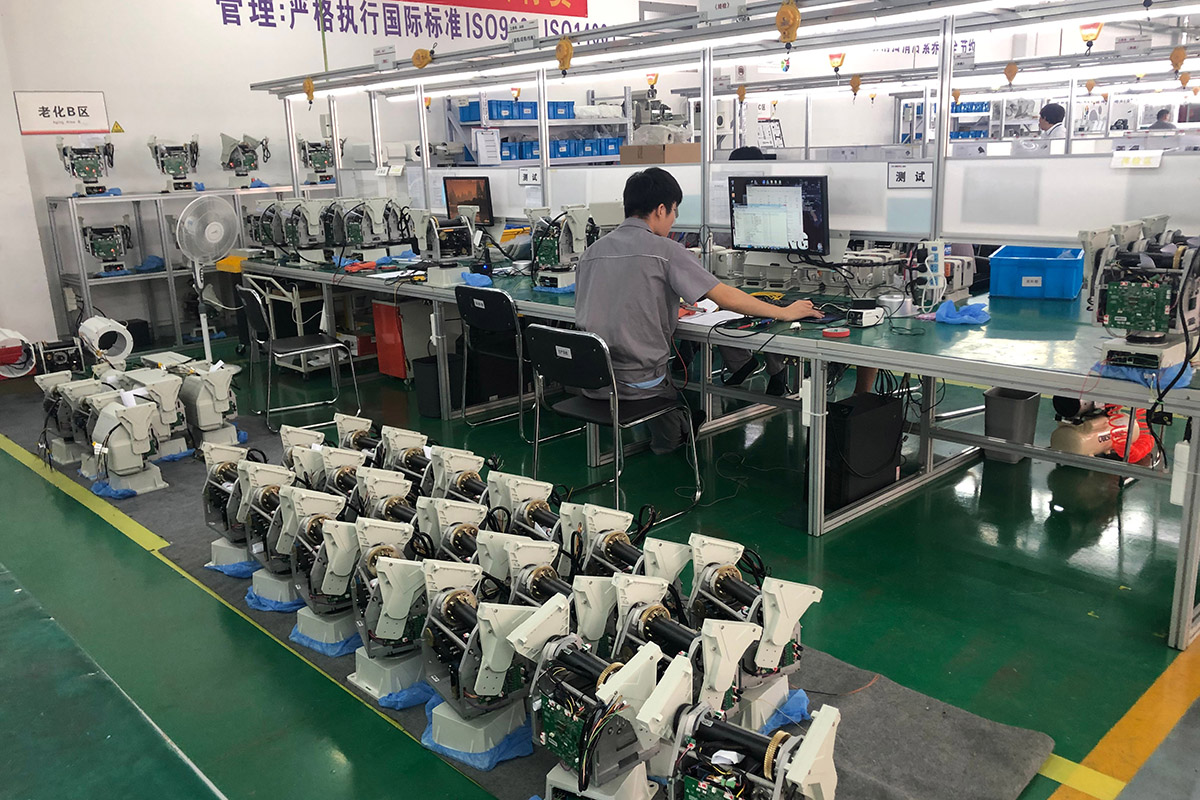
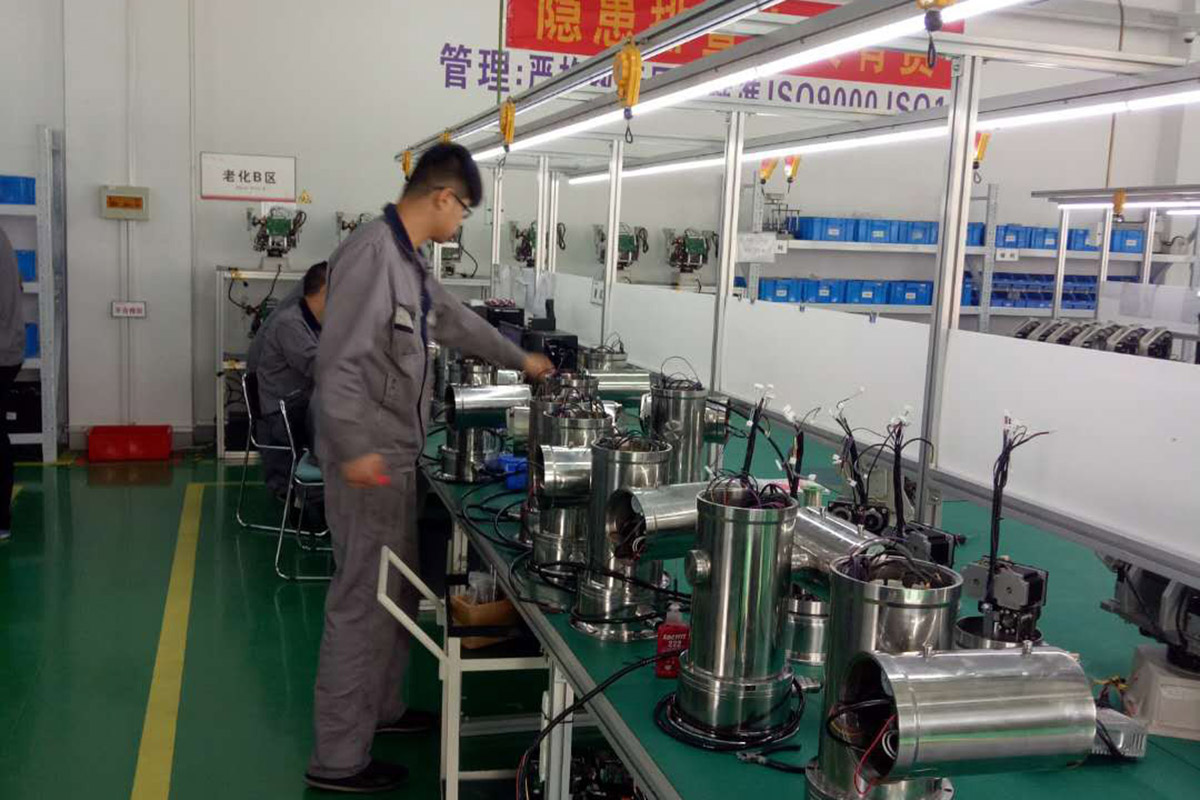
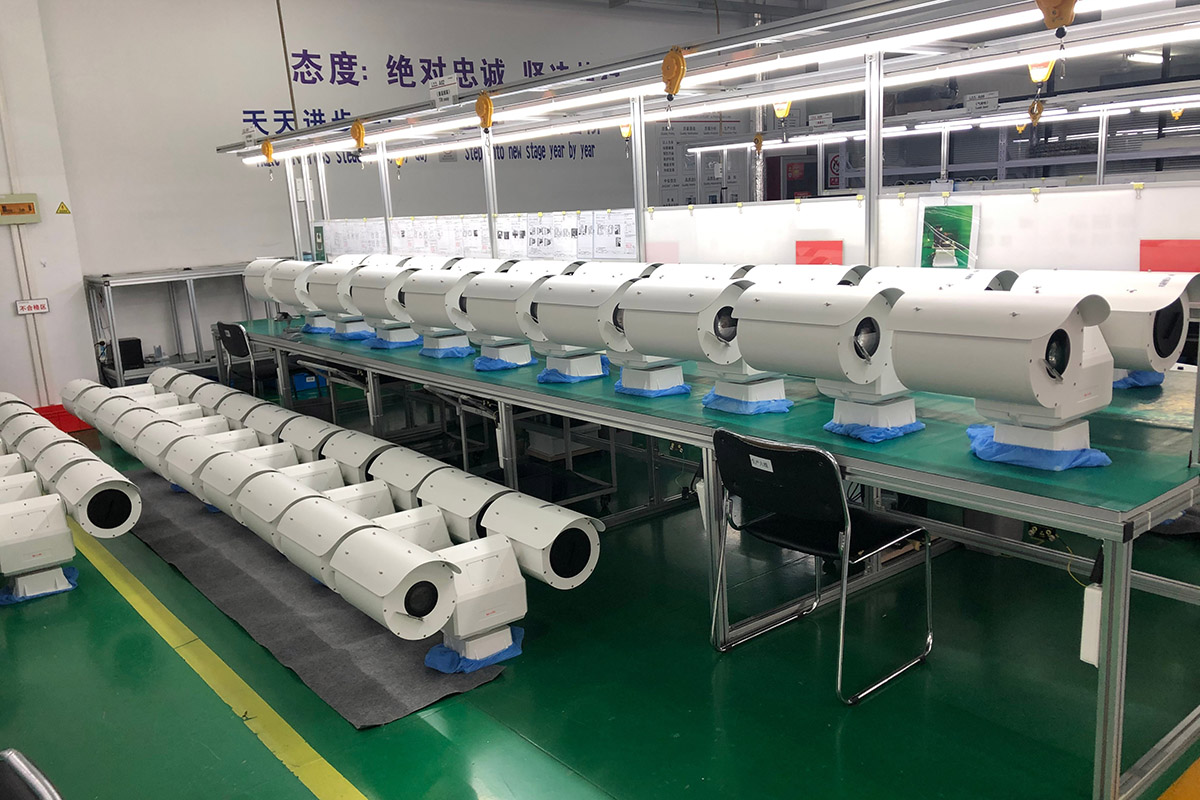
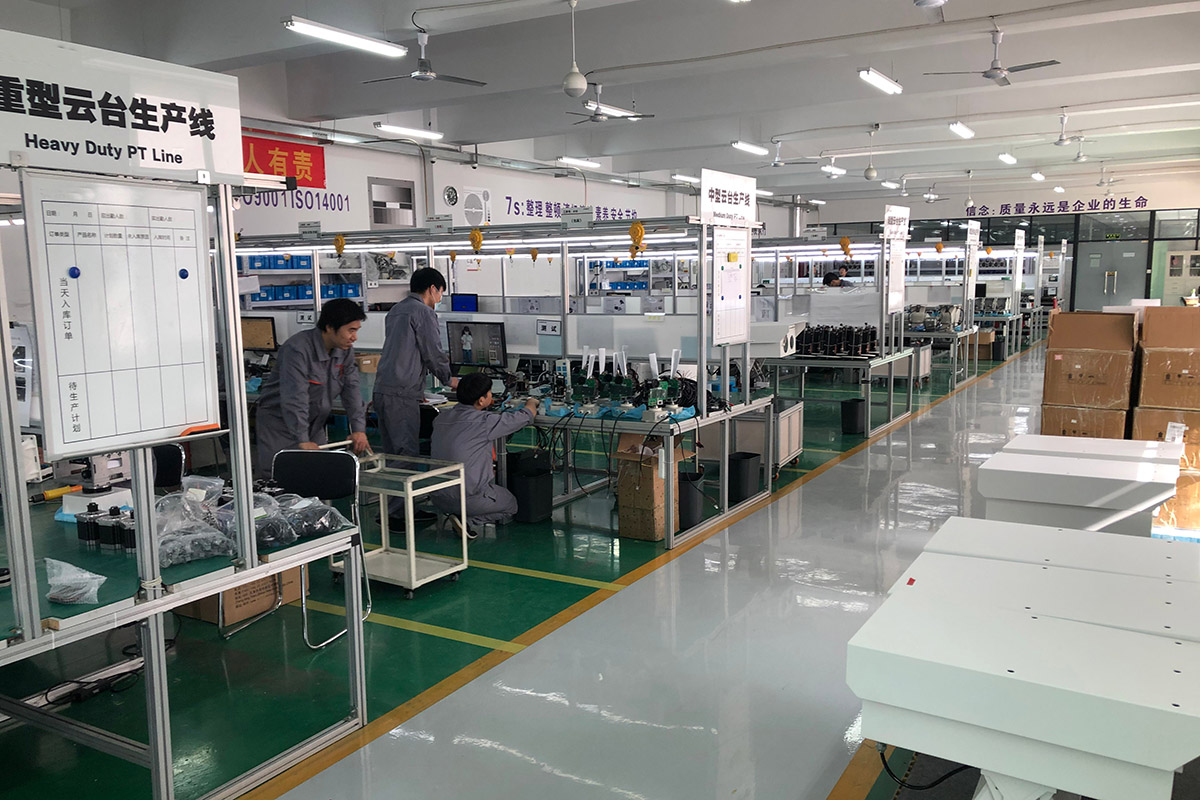
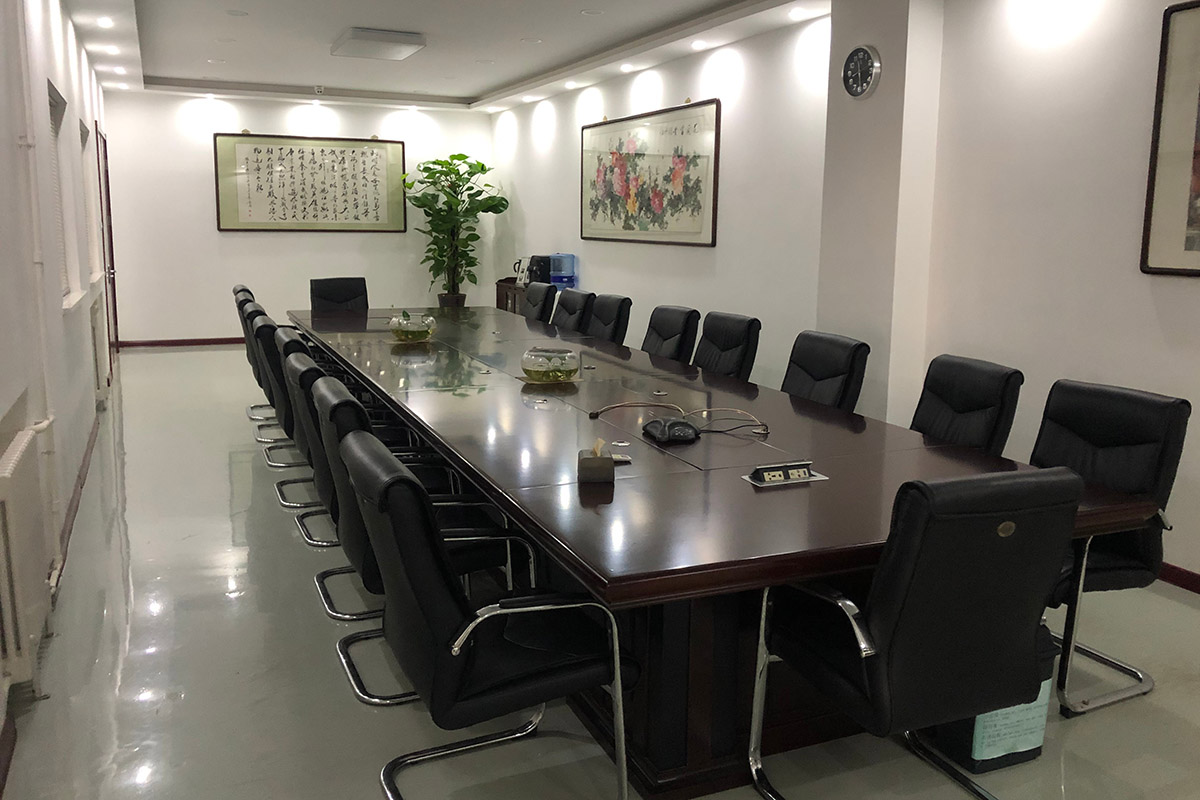
Our positioning systems and mechanical accessories are deployed in over 50 countries, providing support across five continents.

Detailed performance parameters of our high-precision worm gear drive positioning platforms.
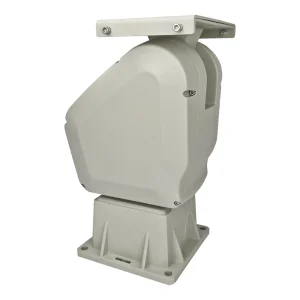
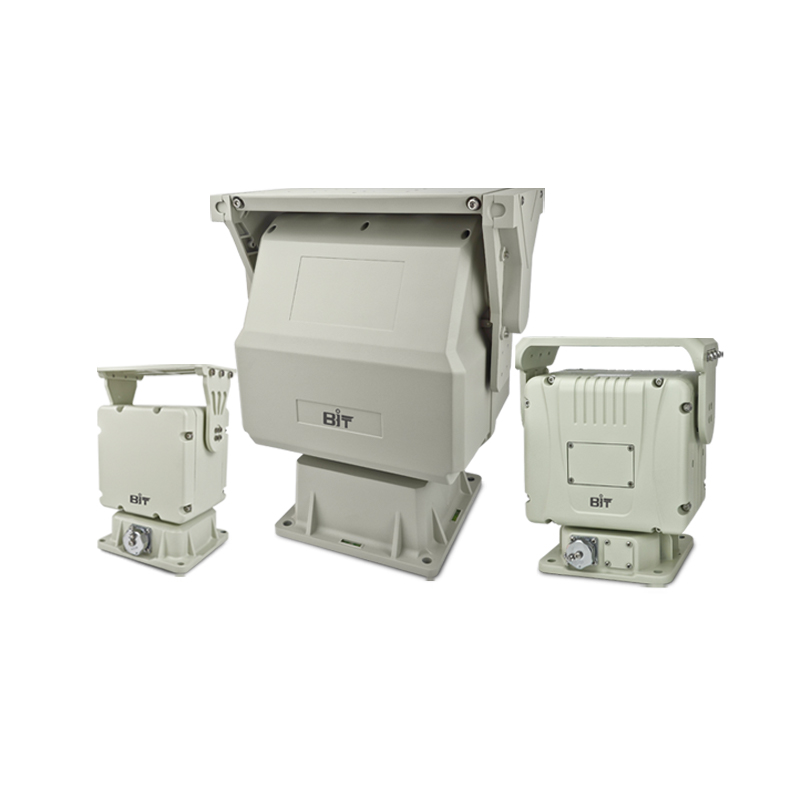
A compact pan-tilt unit supporting up to 10kg (22lb). Features a stepper motor and worm gear system offering 360° pan and ±60° tilt. Suitable for camera housings and searchlights on mobile masts.
Our lightest pan-tilt positioner, weighing only 3.5kg. It supports up to a 3.5kg (7.7lb) payload and is designed for mobile deployments requiring low power draw and a compact footprint.
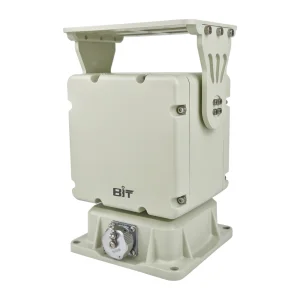
A rugged platform with a 50kg load capacity, widely used in harsh environments for coastal monitoring, forestry fire watch, and border defense.
Key technical considerations when sourcing heavy-duty manual telescoping masts from China.
When selecting manual telescoping masts, engineering teams must evaluate several core parameters to ensure field reliability. The first criterion is **Maximum Payload Capacity**. This includes the weight of the cameras, rotators, cabling, and bracket adapters, along with wind-induced forces. Selecting a mast with an inadequate load rating can cause structural deformation or joint failure.
The second metric is **Extended Height versus Nested Height**. The nested height is crucial for transport. Systems mounted on light utility vehicles must remain low to clear bridges and trees. However, achieving high elevation requires multiple telescoping sections. Increasing the section count adds joints, which can decrease structural stiffness. Buyers must balance the need for height with the requirements for rigidity.
The third consideration is the **Deployment System**. While pneumatic and hydraulic systems lift heavy loads quickly, they require external power, compressors, and hydraulic lines, which are prone to leaks in dusty or cold environments. Manual hand-winch systems, utilizing stainless steel cables and mechanical locks, provide high reliability. They operate consistently without external power, making them ideal for tactical or emergency tasks.
Finally, inspect the **Surface Finish and Environmental Ratings**. Industrial masts should feature minimum anodization thicknesses to withstand salt spray and rain. For military deployments, verification of non-reflective sandblasted finishes, chemical agent resistant coatings (CARC), and dustproof seals is essential to prevent environmental ingress at section joints.
Expert engineering answers regarding manual telescoping mast selection, installation, maintenance, and structural capacities.
Stay updated with our technical publications on positioning hardware, mast integration, and deployable systems.
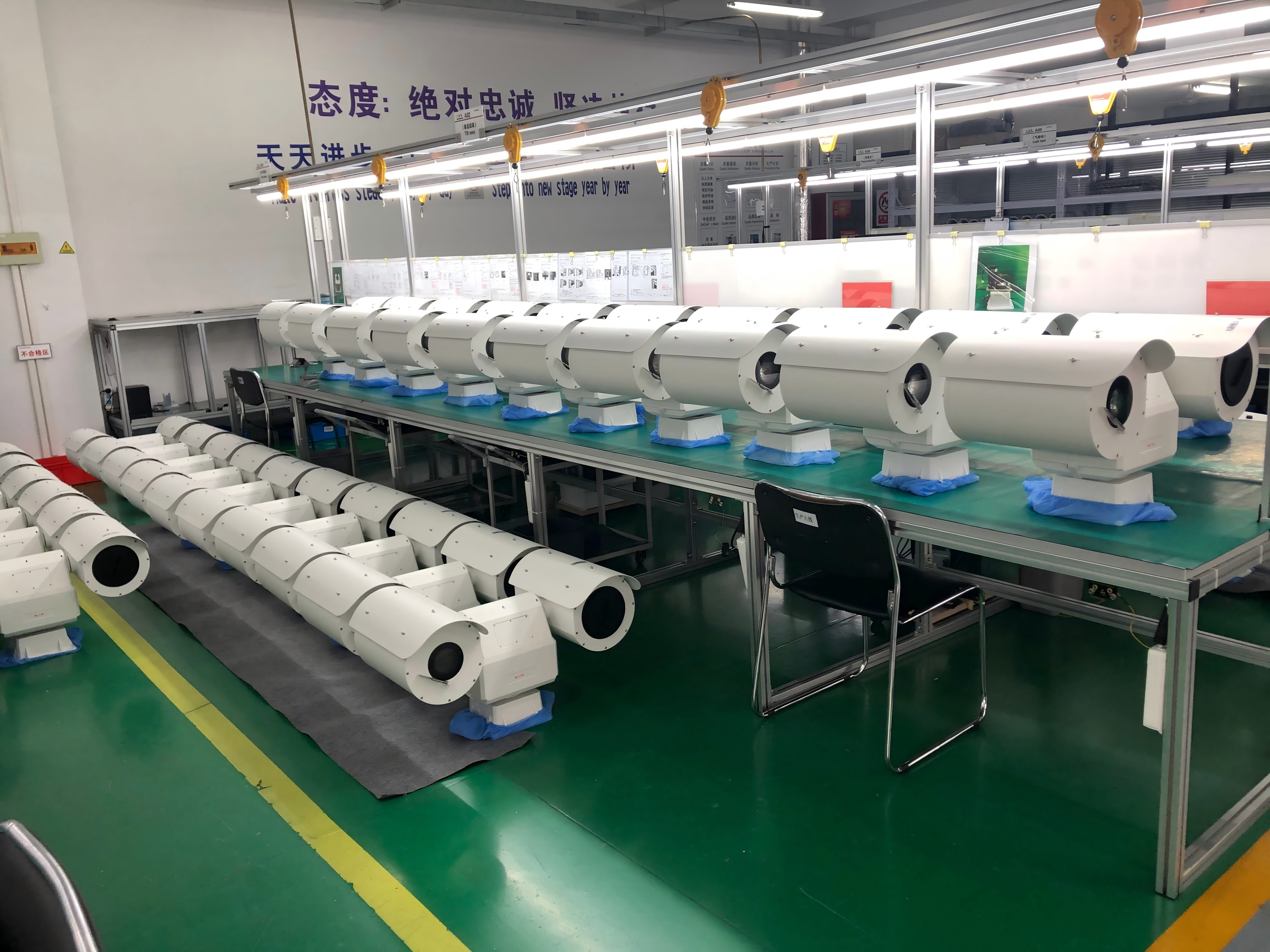
Analyzing key evaluation metrics: loading torque, IP sealing ratings, feedback interfaces, and material choices.
Read Full Article →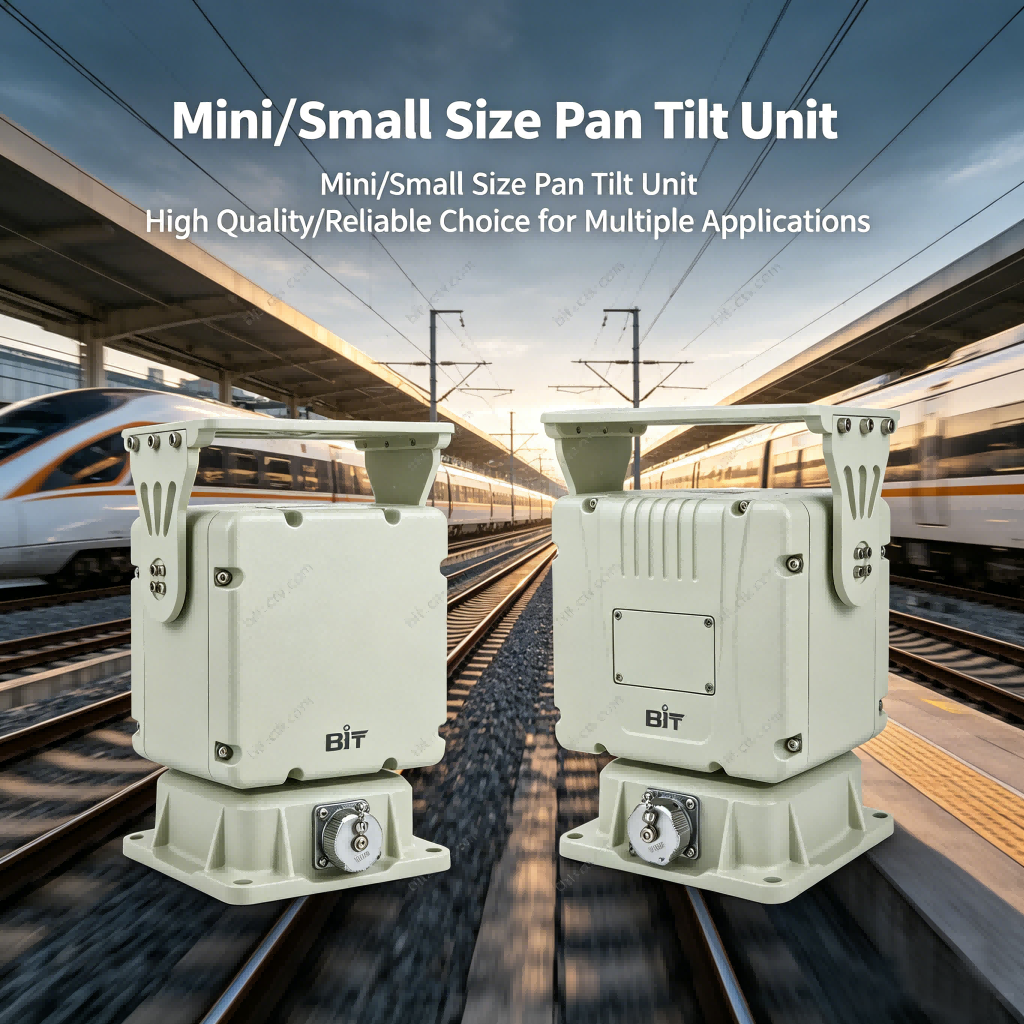
An in-depth look at compact positioning systems designed for lightweight telescoping masts.
Read Full Article →
A comprehensive review of heavy-duty, medium-duty, and light-duty pan-tilt units based on load ratings.
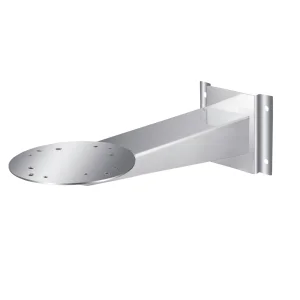
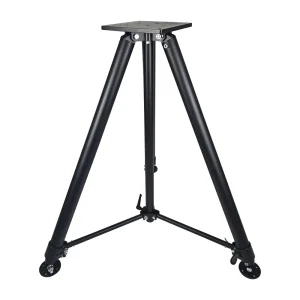
Read Full Article →Heavy-duty brackets, camera housings, controllers, and tripods designed to complement and stabilize manual telescoping masts.