 BIT-CCTV
BIT-CCTV
BIT-CCTV
Engineered to interface seamlessly with heavy-duty structural tripods and masts under high payload demands.
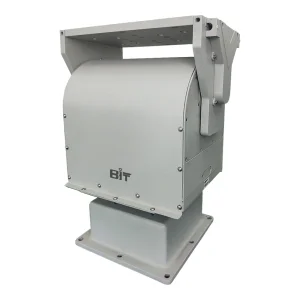
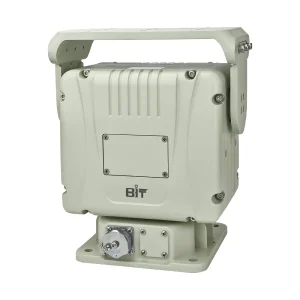
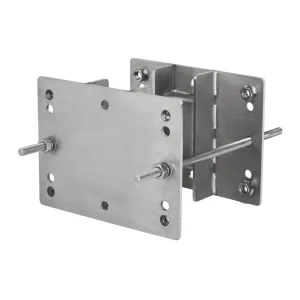
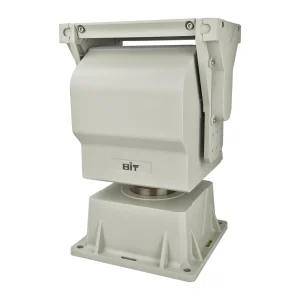
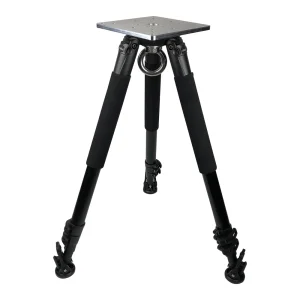
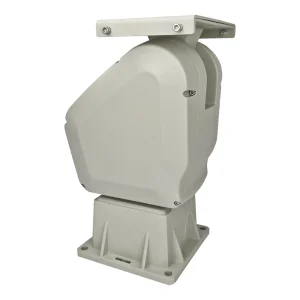
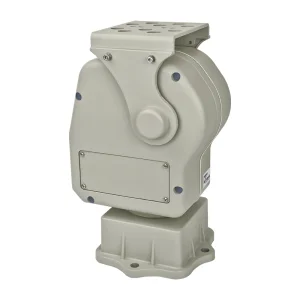
Analyzing structural dynamics, wind load distribution, and material science in heavy-duty payload deployments.
For modern optoelectronic payloads, radar arrays, and heavy-duty telemetry equipment, the mechanical stability of the support vector is the single most critical factor limiting tracking accuracy. Heavy-duty steel tripods must endure not only static mass but also dynamic forces, such as high-velocity wind drag and high-inertia acceleration from pan-tilt positioners (PTUs). China's precision manufacturing sector has optimized the structural dynamics of steel tripods, offering cost-effective, high-grade solutions that meet stringent global standards.
By implementing advanced Finite Element Analysis (FEA), Chinese factories fabricate tripods engineered to minimize harmonic vibrations. When optical sensors zoom to narrow fields of view, even a microscopic structural deflection on the ground translates to hundreds of meters of displacement at target acquisition ranges. Our design models target these micro-deflections directly, stabilizing target identification systems across diverse industrial environments.

A trusted leader in electro-mechanical positioning technology, specializing in customized heavy-duty applications worldwide.
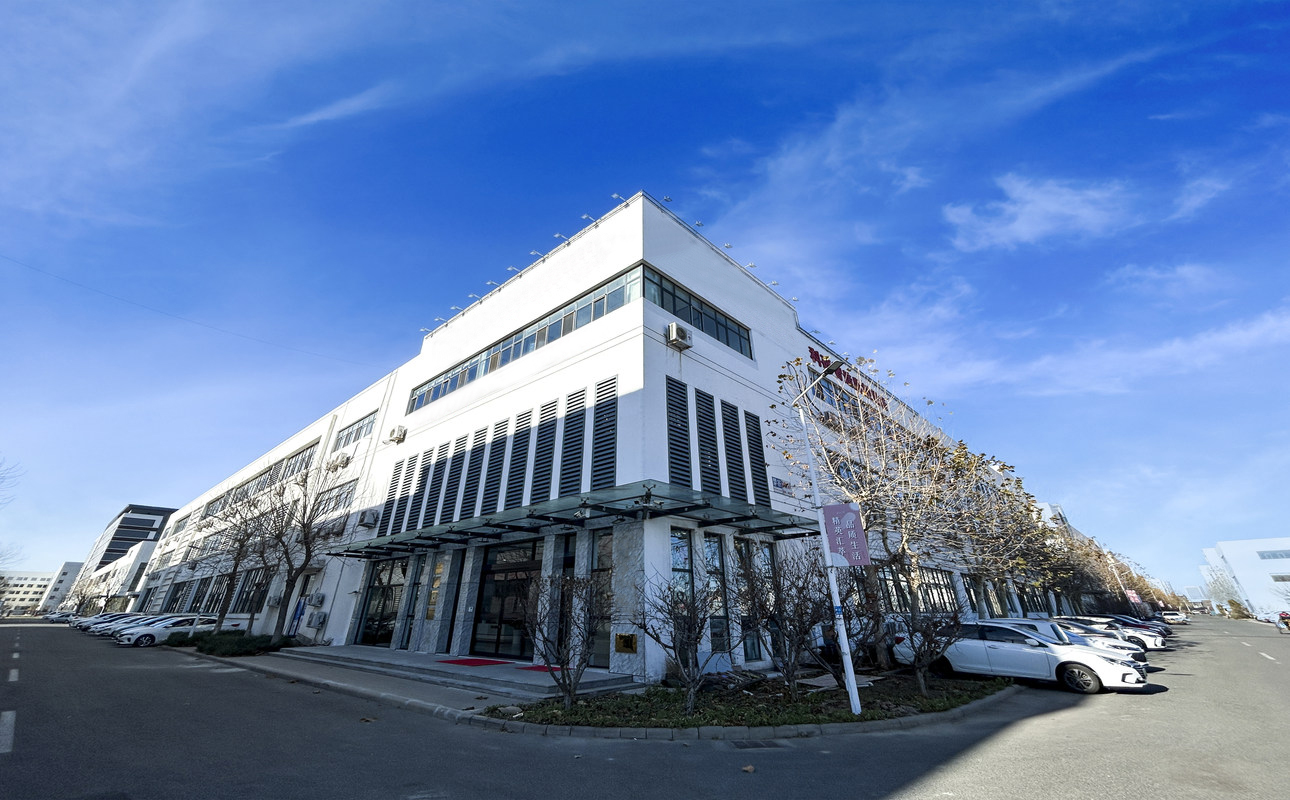
Established in 2005, Blue Icon (Tianjin) Technology Co. Ltd is a national high-tech company specializing in the design, engineering, manufacturing, and global sales of high-performance CCTV surveillance equipment. Our product lines feature advanced pan-tilt heads, long-range laser PTZ cameras, thermal imaging PTZ systems, dual-vision systems, heavy-duty brackets, camera housing enclosures, and structural support accessories.
As China's pioneer pan-tilt manufacturer, BIT-CCTV has earned a global reputation by providing customized OEM & ODM services to over 50 countries. Driven by a commitment to quality, we invest 10% of our annual sales revenue back into R&D. Our 10,000 m² manufacturing plant houses specialized tooling machinery, cleanroom optical assembly stations, and environment test chambers, ensuring every product withstands the harshest global climates.
A structural comparison highlighting why carbon steel and marine-grade protective layers outperform standard aluminum solutions in high-stress outdoor settings.
When selecting a support base for heavy optoelectronic sensors, procurement teams face trade-offs in yield strength, torsional resistance, and environmental durability. The table below outlines how steel structures compare to standard aluminum alloys in heavy-duty systems:
| Material Characteristic | Carbon Steel (Hot-Dip Galvanized) | Heavy-Duty Stainless Steel (316L) | Aircraft-Grade Aluminum (6061-T6) |
|---|---|---|---|
| Yield Strength (MPa) | 250 - 400 (Dependant on grade) | 290 - 310 | 276 |
| Elastic Modulus (GPa) | 200 | 193 | 68.9 |
| Torsional Rigidity (Stiffness) | Excellent (Critical for heavy wind load) | Superior (Resists high angular distortion) | Moderate (Prone to resonance at long focal lengths) |
| Corrosion Resistance | High (Protected by zinc-alloy coat) | Extreme (Engineered for maritime deployment) | High (Anodized, but vulnerable to galvanic attack) |
| Dynamic Damping Capabilities | High (Fast mechanical vibration decay) | High | Low (Prone to continuous vibration feedback) |
In telemetry, maritime monitoring, and border defense, equipment must operate reliably under high winds. High-strength steel tripods provide critical stability by lowering the system's center of gravity and absorbing dynamic vibration. Our structural engineering utilizes dual-locking heavy-duty mechanical joints, preventing slippage at standard payload ranges. When coupled with our heavy-duty pan-tilt units, these tripods endure high rotational torque without shifting alignment.
A comprehensive overview of our positioning systems, protective housings, and structural accessories designed for global applications.
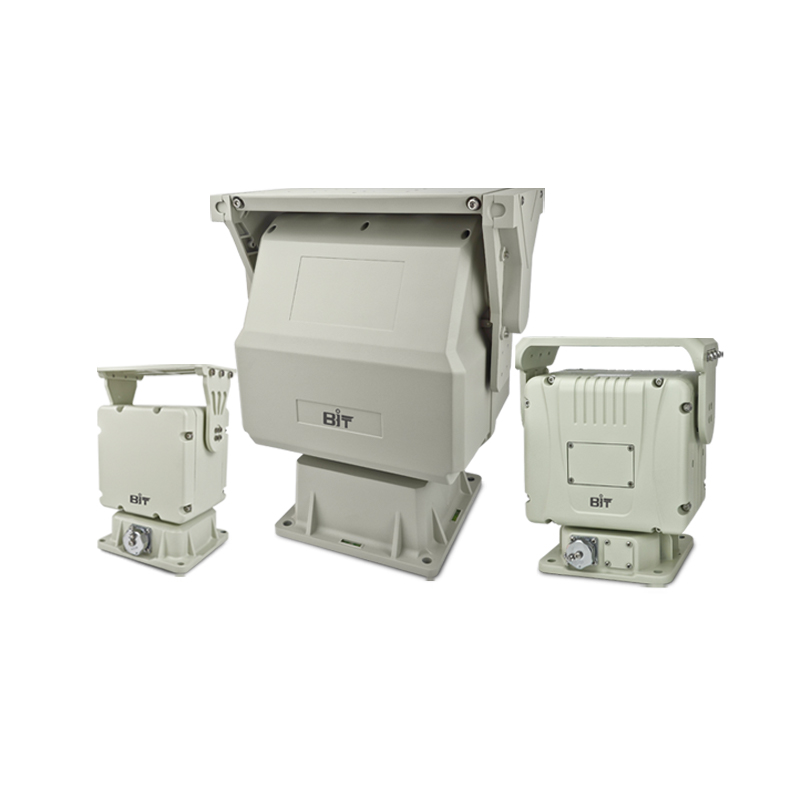
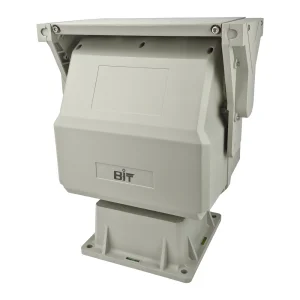
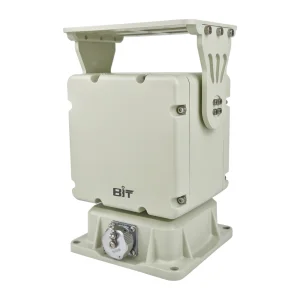
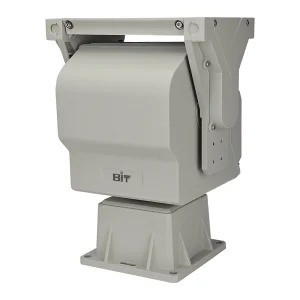
Advanced mechanical platforms optimized for light, medium, and heavy-duty sensors, providing precise speed and angular control.
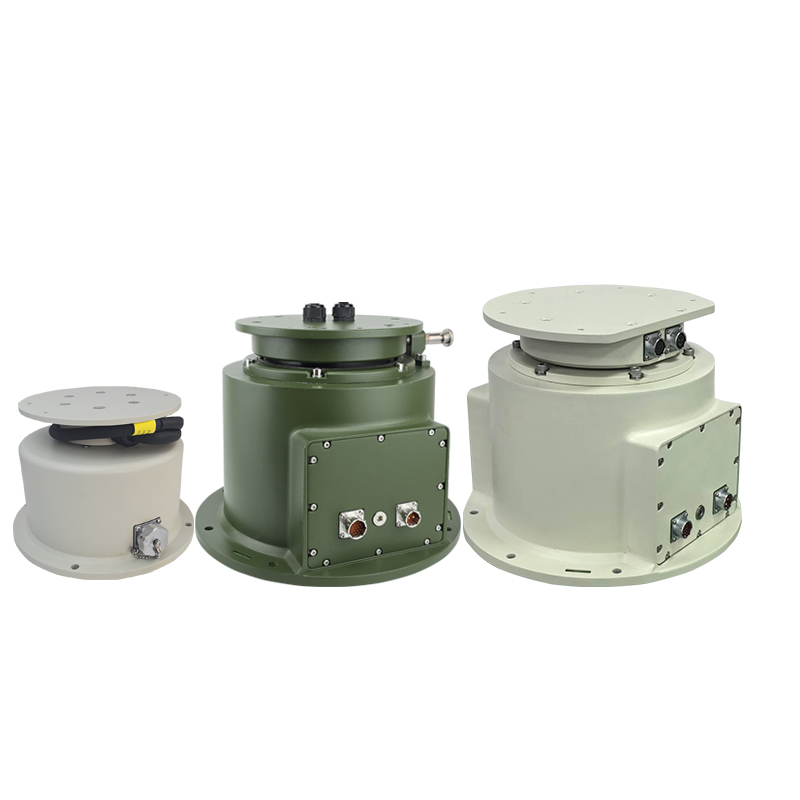
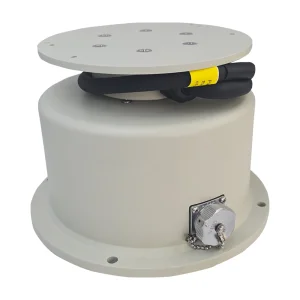
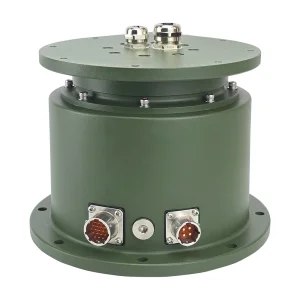
Single-axis precision rotary units designed for azimuth alignment, omnidirectional monitoring, and radar rotation arrays.
Read More Details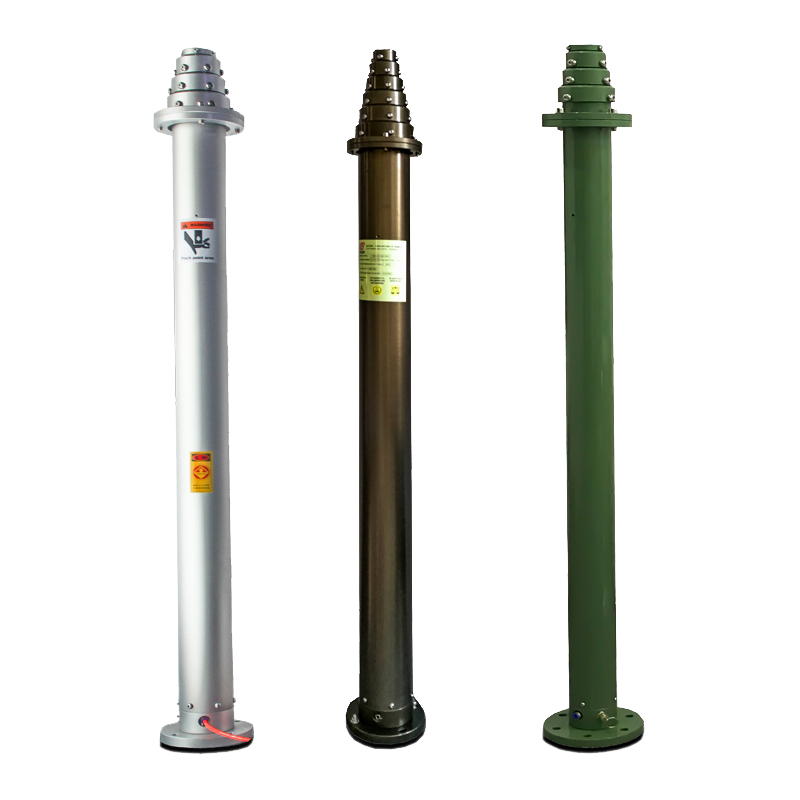
Pneumatic, mechanical, and electric telescopic masts designed for rapid deployment, high-elevation surveillance, and portable communications.
Read More DetailsExplore our heavy-duty platforms, built for border defense, coastal monitoring, and high-load industrial applications.
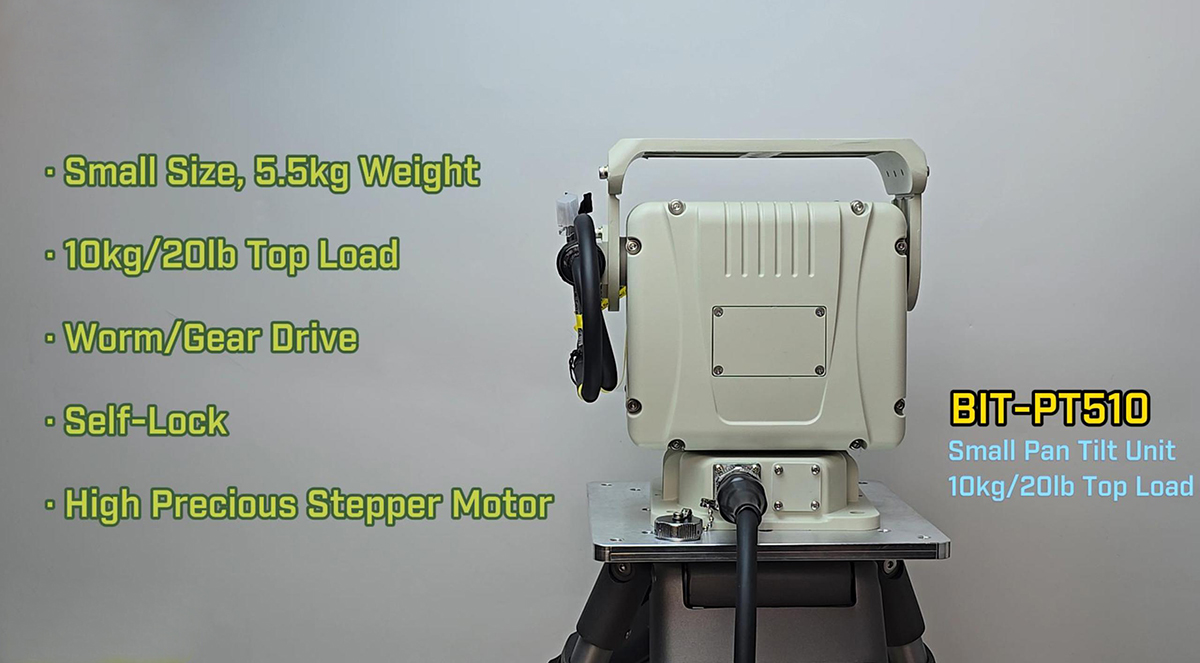
The BIT-PT510 is a compact yet robust pan-tilt unit engineered with a high-torque stepper motor and a precision worm gear drive system. Designed for payload configurations up to 10kg (22lb), this positioner features continuous 360° pan rotation and a ±60° tilt envelope, reaching panning speeds up to 30°/second. It is widely deployed in forest fire prevention, perimeter security, and dual-spectrum monitoring projects.
Weighing only 3.5kg, this compact system supports payloads up to 3.5kg (7.7lb). Engineered for rapid-deployment kits, vehicle-mounted systems, and highly portable monitoring stations.
Optimized for dynamic tracking, the BIT-PT410 achieves rotational speeds up to 100°/second. It features a tilt range of -90° to +40°, making it ideal for tracking fast-moving targets.
Our flagship high-capacity model, the BIT-PT850, supports dynamic payloads up to 50kg (110lb). Proven in border defense and coastal monitoring over ten years of continuous operation.
Understanding the critical performance metrics required by engineering teams in demanding operational environments.
Coastal monitoring systems require structures that resist both mechanical fatigue and marine corrosion. Hot-dip galvanized steel tripods, paired with high-torque pan-tilt positioners, provide the stability needed for long-range thermal and optical target acquisition under strong sea winds.
Oil refineries, gas pipelines, and nuclear facilities demand zero-maintenance security systems. Our structural steel mounts and enclosures are rated for continuous operation in explosive atmospheres, hazardous zones, and regions with high temperature fluctuations.
Meteorological sensors and radar transceivers must remain aligned in high-wind conditions. Our steel tripods are engineered to withstand extreme weather, ensuring sensitive calibration and data transmission remain uninterrupted during severe storms.
At BIT-CCTV, our production pipelines are optimized to deliver customized structural and mechanical systems. From the initial finite element analysis (FEA) model to the final corrosion-resistant coating, we collaborate closely with procurement teams to verify all mechanical tolerances. We customize base mounting patterns, leg extension limits, and load ratings to match the specific operational requirements of each customer's sensors.
A visual look inside our Tianjin factory, showcasing our production lines, machining areas, and testing facilities.
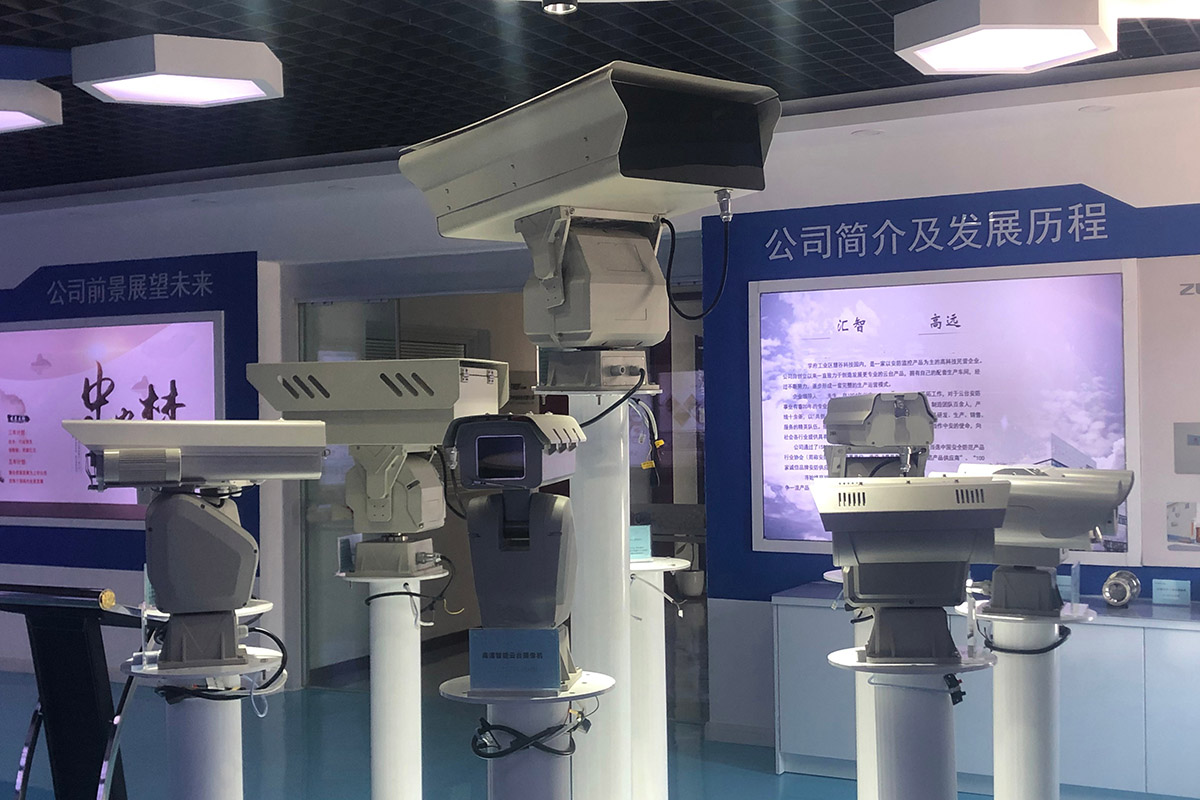
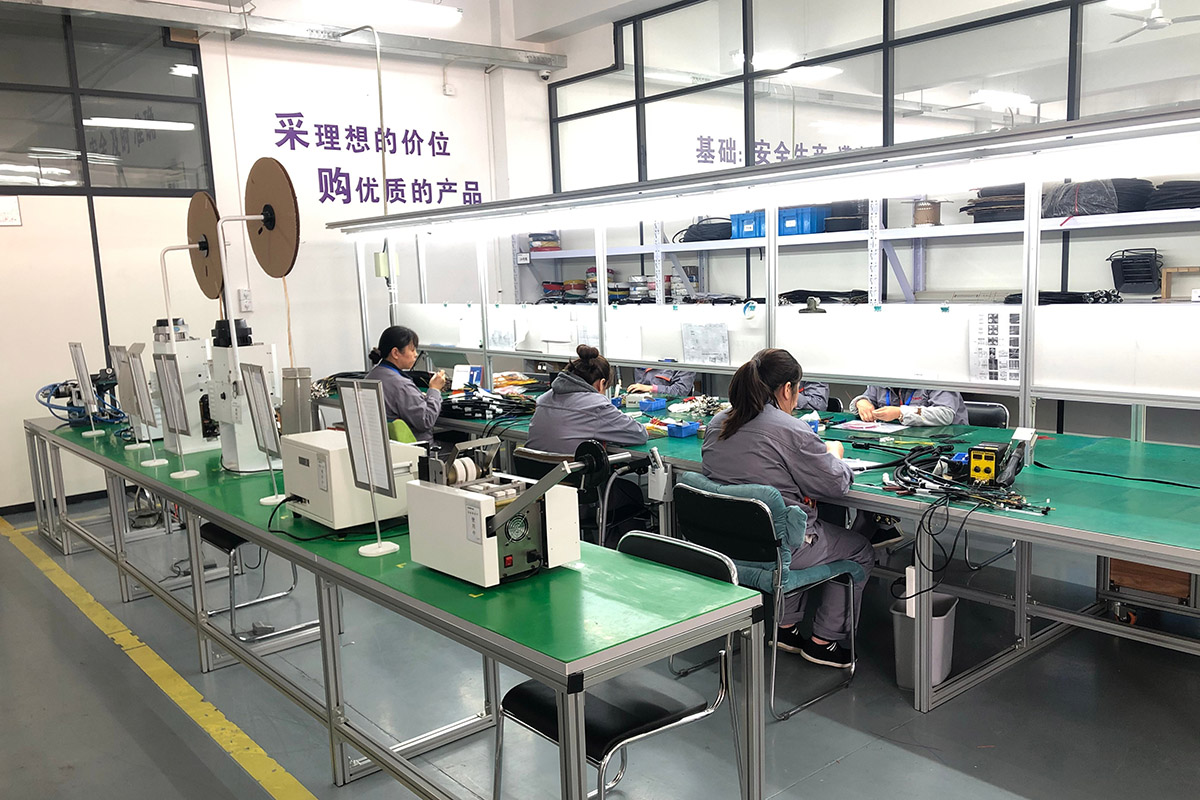
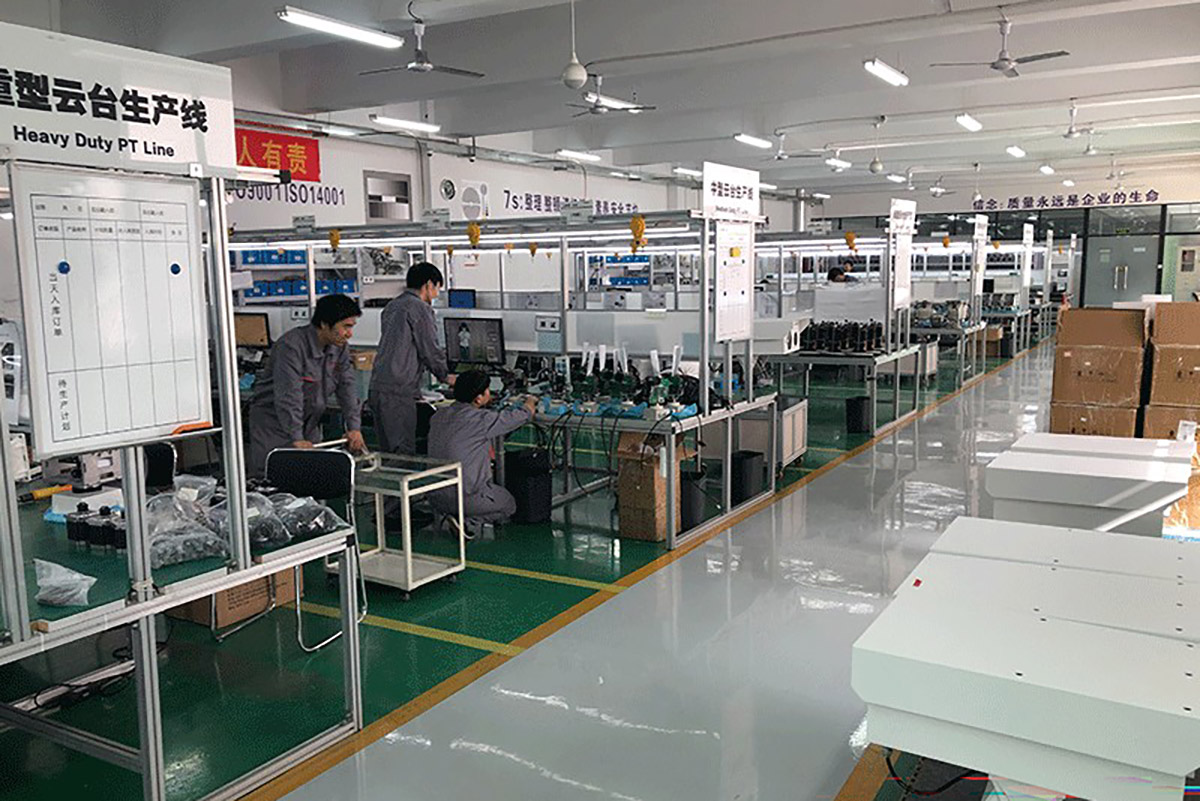
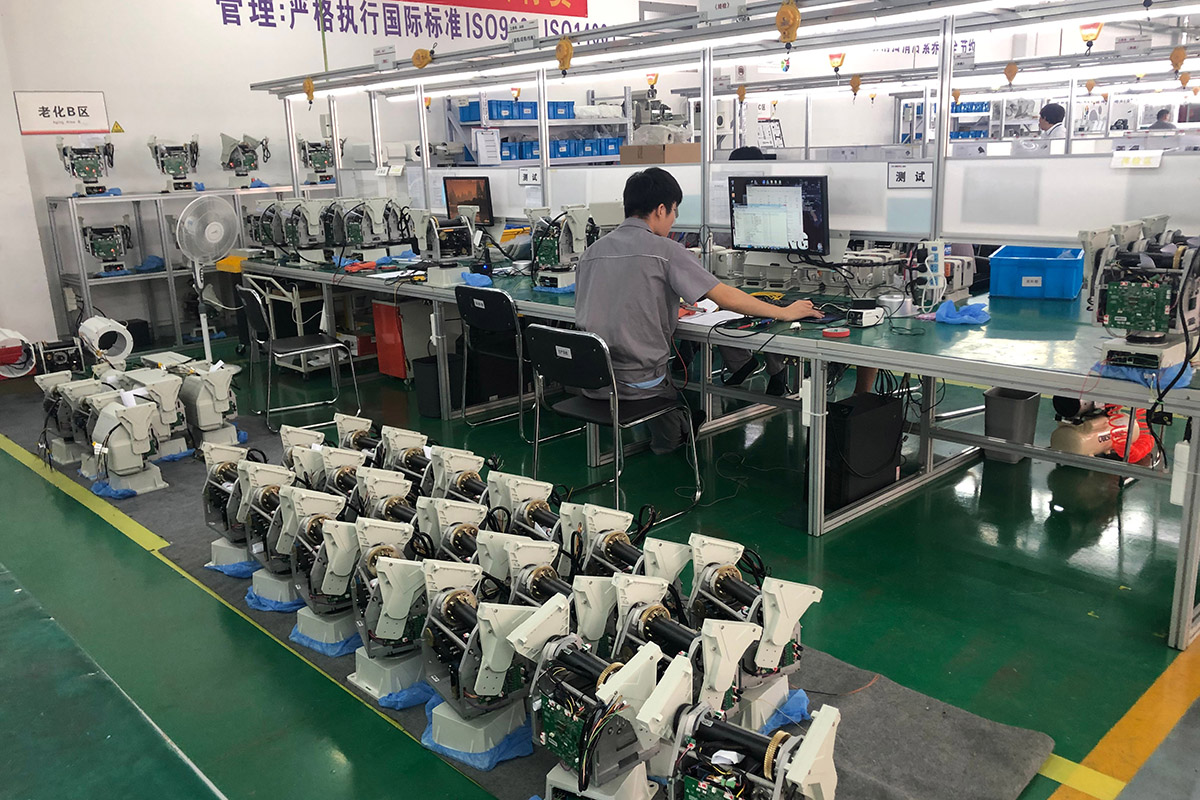
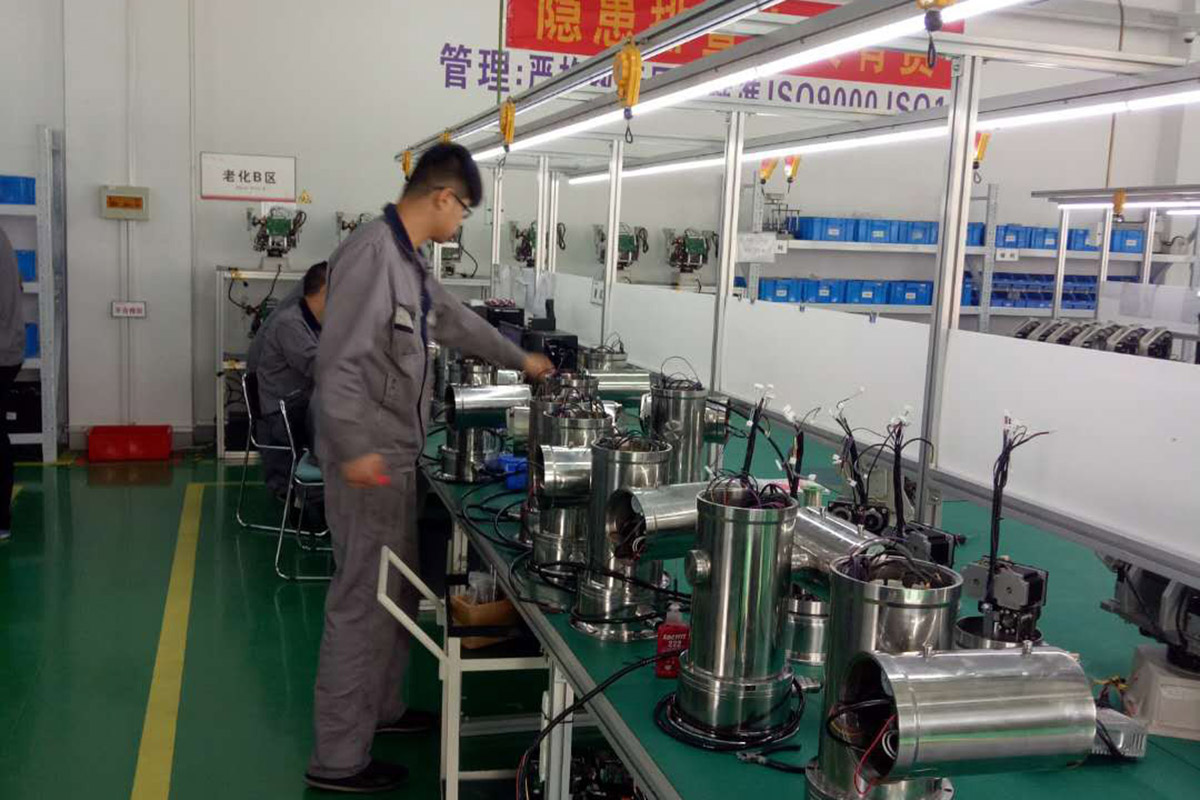
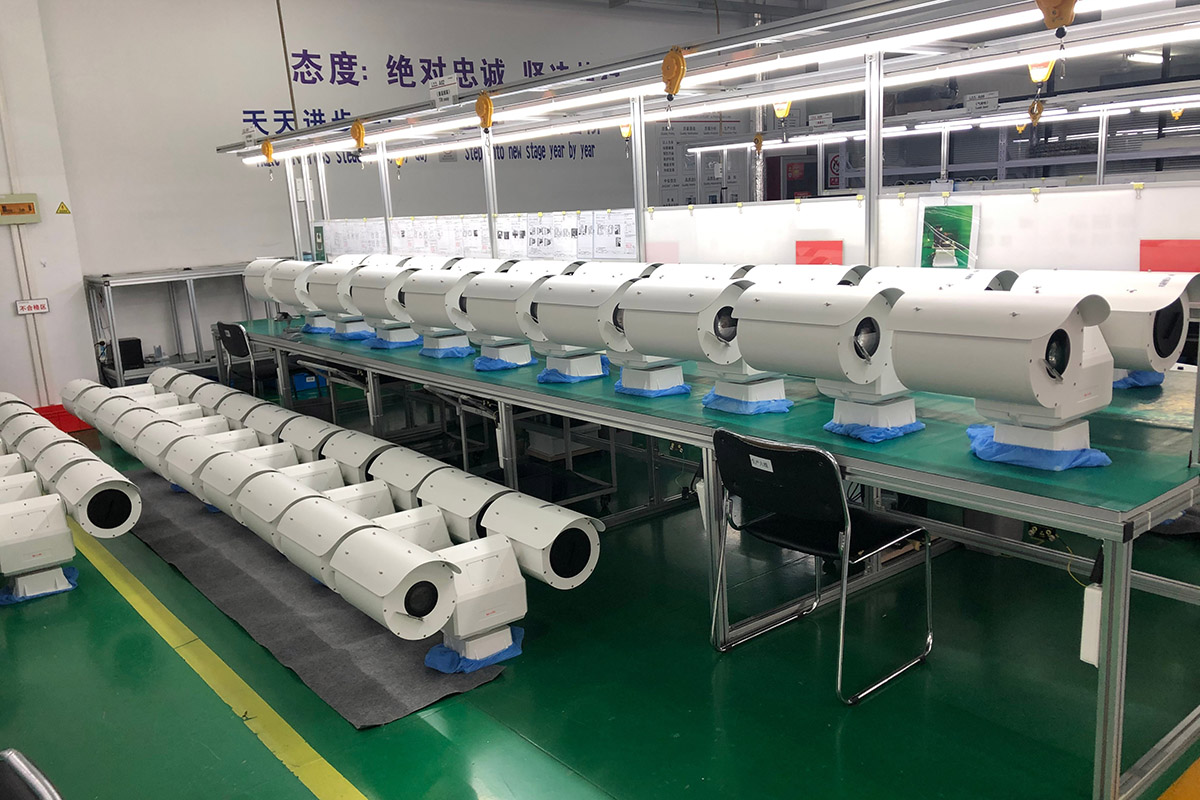
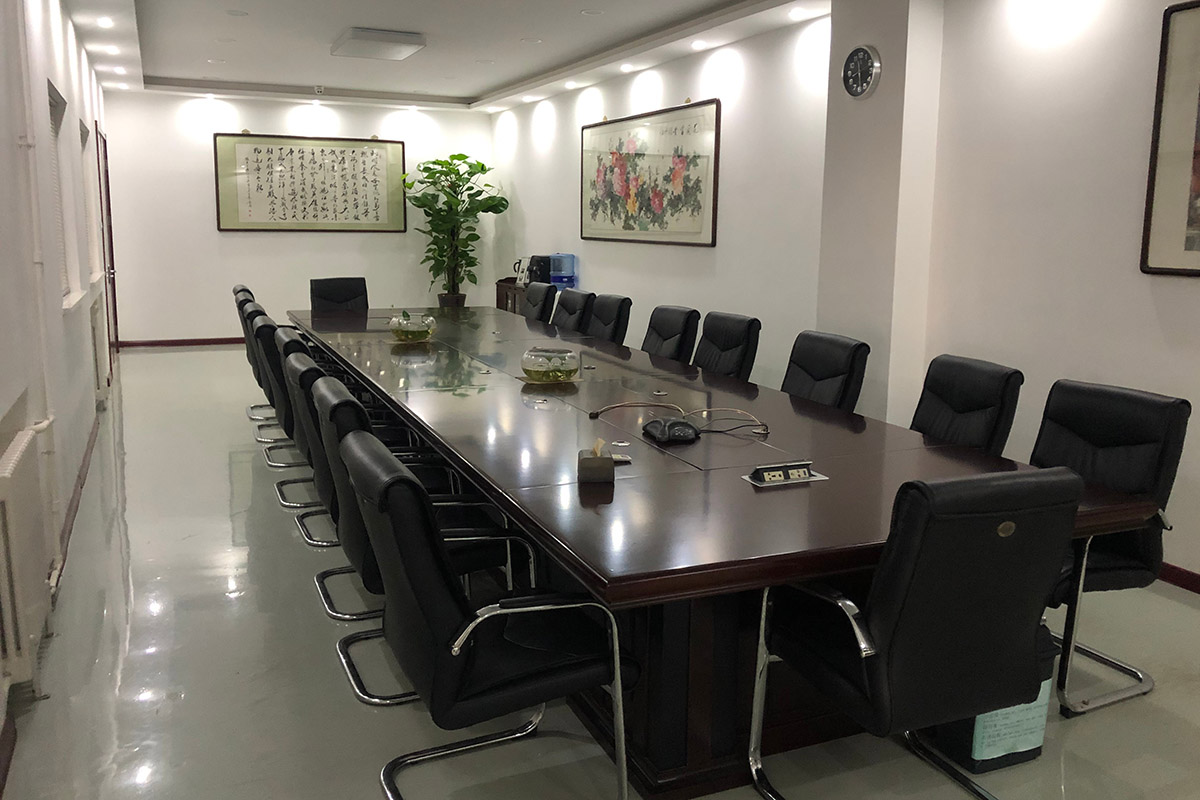
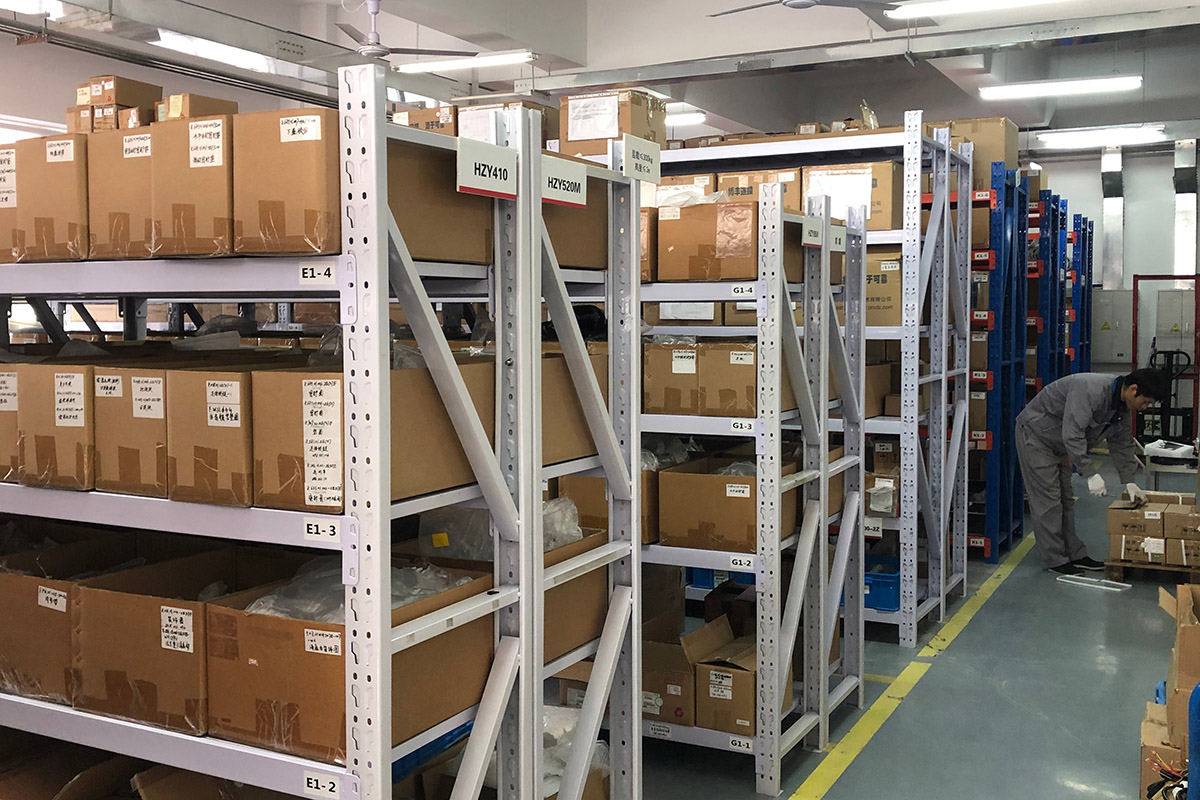
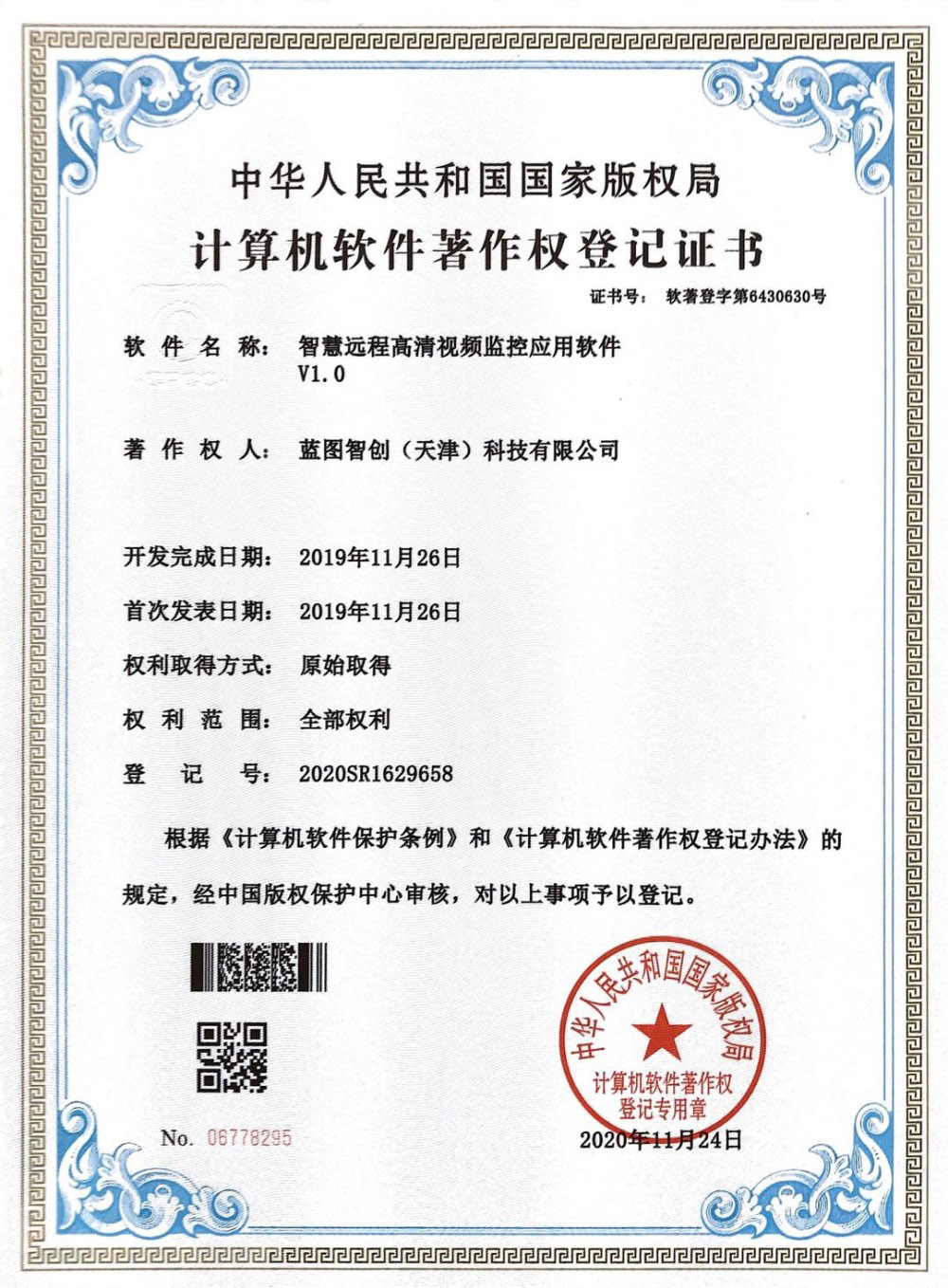
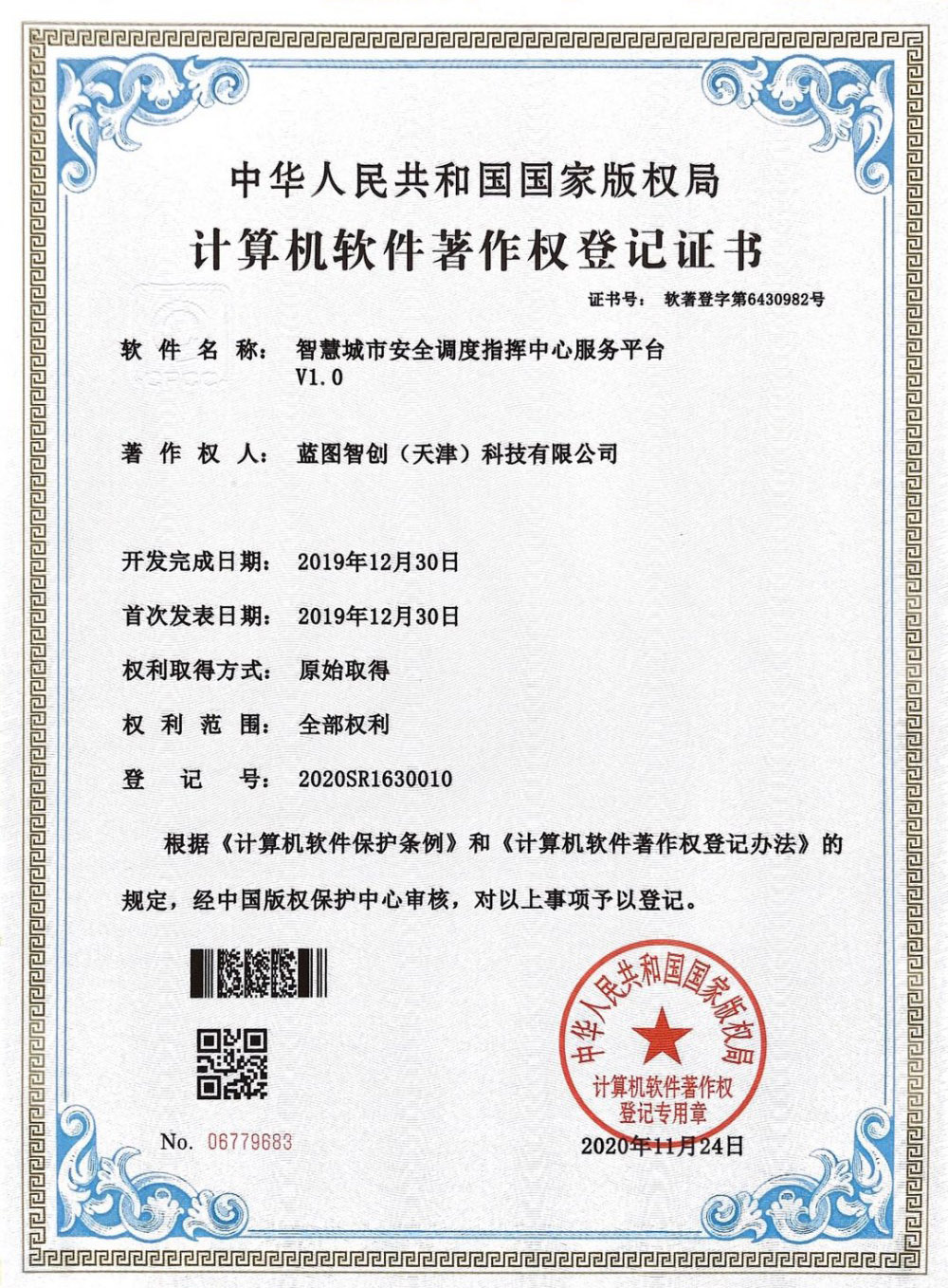
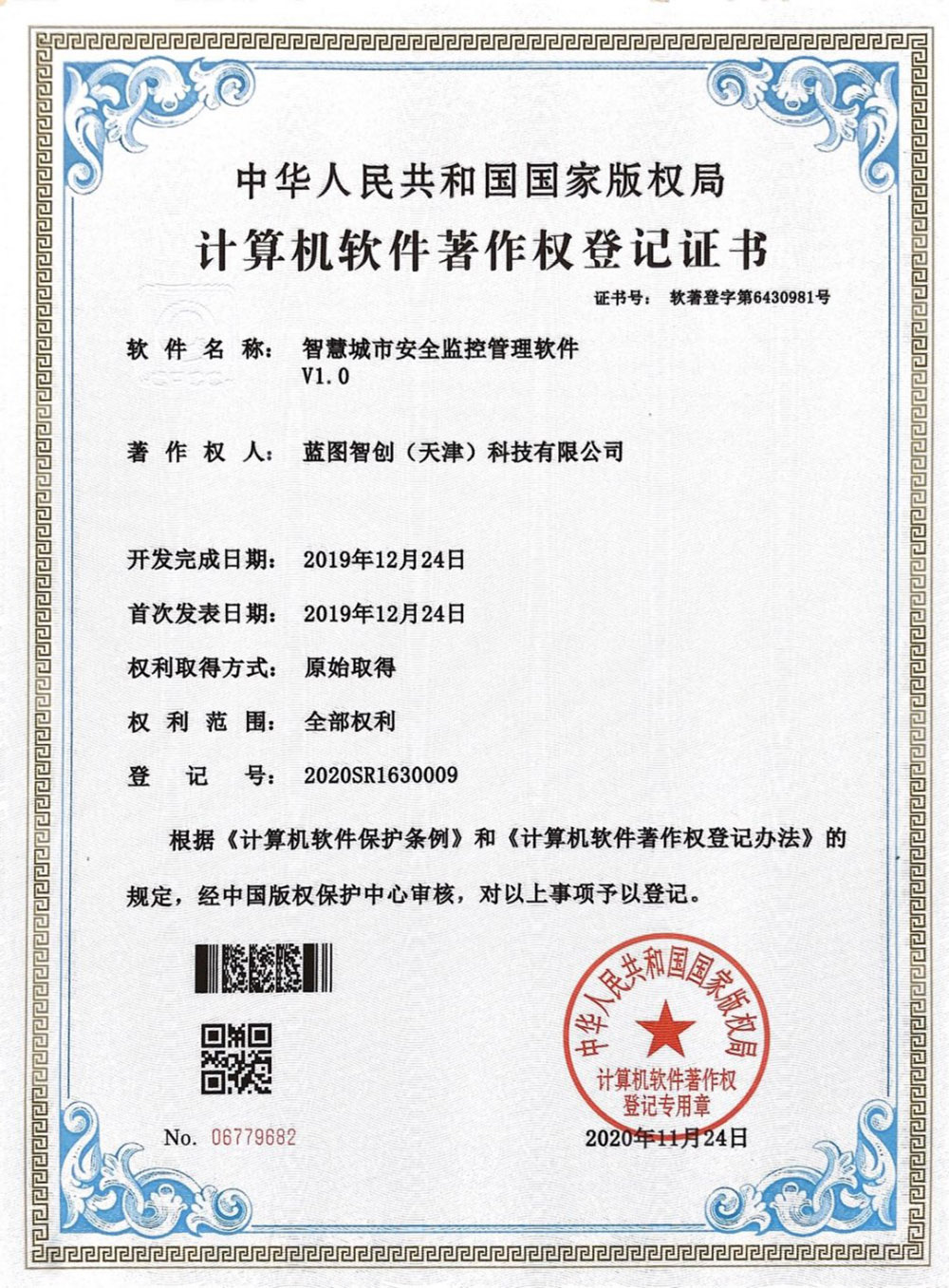
BIT-CCTV products are certified to meet the demanding requirements of global security, defense, and maritime organizations. Our manufacturing facility holds over 50 national patents, and we reinvest 10% of our sales revenue annually into design research, engineering optimization, and mechanical testing programs.
Every tripod, bracket, and pan-tilt unit is certified to ISO 9001:2015 quality standards. We conduct comprehensive tests for structural fatigue, salt-spray exposure, wind-load resistance, and extreme temperature performance. This rigorous validation process ensures our systems operate reliably in challenging global environments, from dry desert outposts to freezing arctic installations.
With sales networks covering over 50 countries, we provide local engineering assistance and rapid logistics support to security and monitoring projects on five continents.



Technical guidance to assist procurement managers and systems integrators in choosing structural support equipment.
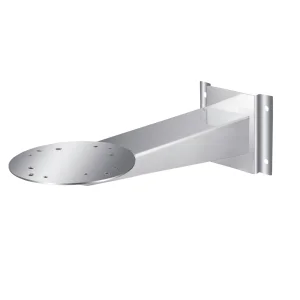
Complete your deployment configuration with high-capacity mounting rotators, heavy-duty brackets, and protective housings.