 BIT-CCTV
BIT-CCTV
BIT-CCTV
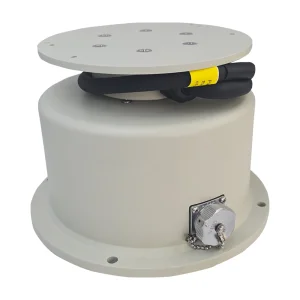
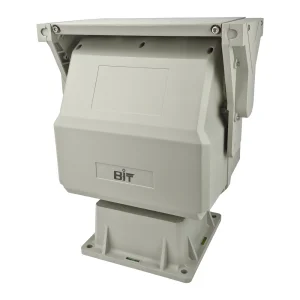
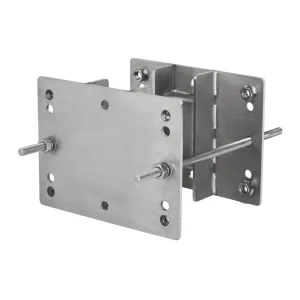
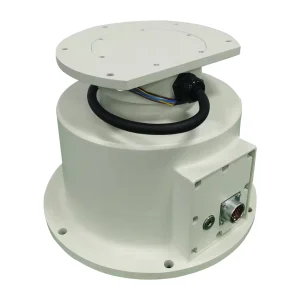
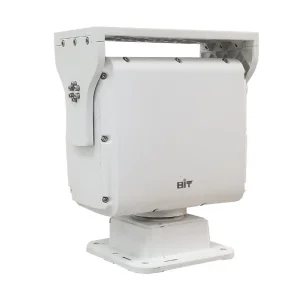
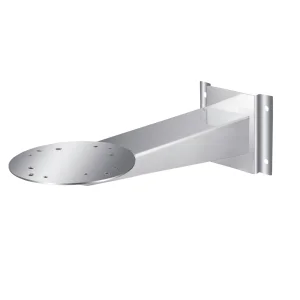
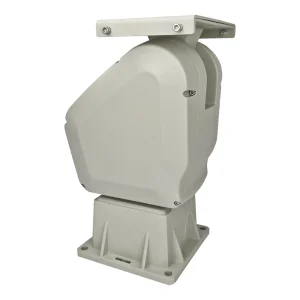
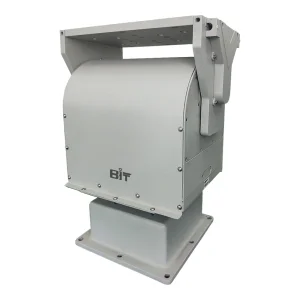
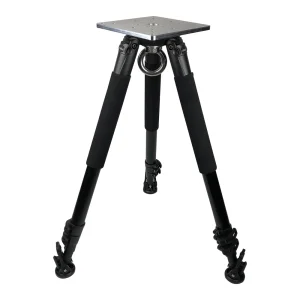
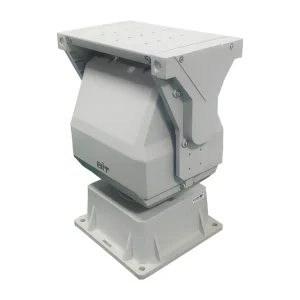
Advanced pan-tilt positioning devices and heavy-duty structural tripods supporting extreme industrial surveillance configurations.
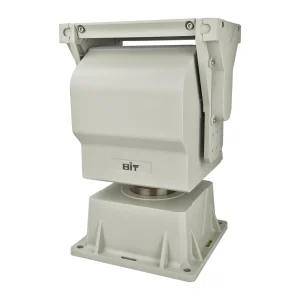
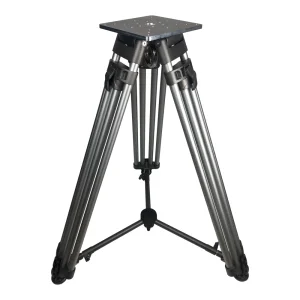
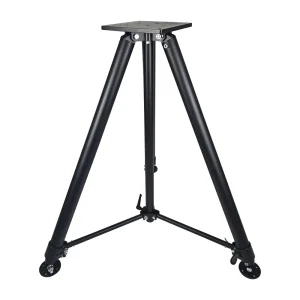
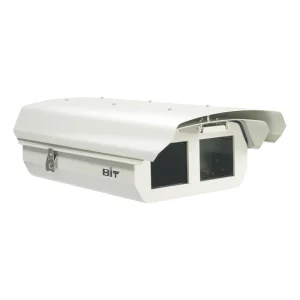
In modern long-range visual surveillance, the integration of multi-spectral imaging technologies has transitioned from a specialized capability to an industry-wide standard. Dynamic operational environments require simultaneous deployment of both high-definition visible range electro-optical (EO) sensors and long-wave infrared (LWIR) or medium-wave infrared (MWIR) thermal sensors. A dual window camera housing serves as the fundamental physical structural barrier protecting these highly sensitive optical assets from environmental degradation, physical impacts, thermal instability, and chemical exposure.
Blue Icon (Tianjin) Technology Co. Ltd. (branded globally as BIT-CCTV), established in 2005 and designated as a national high-tech enterprise, is a leading international designer and manufacturer of precision pan-tilt positioning platforms, heavy-duty enclosures, and specialized camera brackets. With over 20 years of research and engineering experience, BIT-CCTV invested 10% of its annual sales revenue into R&D, leading to the development of over 50 national patents. Our solutions are designed to deliver reliable performance in extreme applications, including coastal borders, forest fire detection networks, and petrochemical facilities, serving end-users in more than 50 countries.
The global market for multi-spectral imaging enclosures is driven by critical infrastructure monitoring, maritime lane protection, aviation tracking, and military border installations. Standard, single-window security camera housings are limited to single-spectrum optical devices. When thermal profiling must be overlaid with optical telephoto visual confirmation (known as sensor fusion), a dual-window configuration becomes necessary.
Historically, system integrators assembled multiple independent cameras on a single pan-tilt platform. This approach increased wind resistance, weight distribution, and susceptibility to misalignment, while doubling maintenance points and cable entry vulnerabilities. The contemporary industry standard utilizes a single heavy-duty dual-window housing configured to shelter both visible and thermal sensors in a compact, single-chassis footprint.
China's manufacturing ecosystem, spearheaded by pioneering firms like BIT-CCTV, has become the global benchmark for high-performance surveillance hardware. Our local supply chains provide access to raw materials such as marine-grade 316L stainless steel, high-tensile AL6061-T6 aluminum alloys, optical-grade Germanium (Ge) crystal blanks, and advanced anti-reflective coatings. These resources allow us to design and manufacture durable dual-window housings at scale.
The defining feature of a dual-window camera housing is its two separate viewing apertures. Each aperture is engineered for specific optical wavelengths, requiring distinct substrate materials and specialized coatings:
| Aperture Parameter | Visible Window (Standard) | Thermal Window (Germanium) | Engineering Significance |
|---|---|---|---|
| Substrate Material | Borosilicate / Tempered Glass | Monocrystalline Germanium (Ge) | Ensures clean wavelength transmission | Spectral Transmittance | > 92% (400nm - 1000nm) | > 88% (8µm - 14µm) | Maximizes sensor efficiency and image clarity |
| Exterior Coating | Broadband Anti-Reflective (BBAR) | Diamond-Like Carbon (DLC) | Protects against scratches and seawater corrosion |
| Interior Coating | Anti-Reflective (AR) | High-Efficiency Anti-Reflective (HEAR) | Minimizes internal reflections and ghosting |
Dual-window camera systems are deployed in harsh settings that require reliable durability. Below are three key environmental applications:
Saltwater environments cause galvanic corrosion on non-treated metals. Our maritime camera housings are built with 316L stainless steel or powder-coated aluminum, utilizing marine-grade paints to prevent pitting corrosion. Dual windows allow ports to verify ship IDs via visual cameras while monitoring thermal profiles for structural hazards.
Border security relies on long-range optical identification and thermal threat detection. The BIT-HS4215 housing, combined with heavy-duty positioners (such as the 50kg, 65kg, or 90kg models), supports up to 1000mm focal length visible lenses and 150mm thermal lenses. This configuration provides clear imaging under challenging atmospheric conditions.
In critical areas like petrochemical refineries, chemical plants, and high-voltage substations, monitoring must detect both leaks and thermal irregularities. Our housings feature IP66/IP67 ingress ratings and optional explosion-proof certifications, allowing safe operation near flammable gases and dust.
Modern video surveillance systems are moving beyond basic mechanical protective housings toward intelligent edge enclosures. BIT-CCTV's R&D team is focusing on several key technical integration trends:
1. Built-in Micro-Environmental Control: Integrating microprocessor-controlled sensor clusters inside the camera housing allows real-time measurement of internal temperature, humidity, and atmospheric pressure. This data enables automated, energy-efficient control of internal heating modules and cooling fans to prevent internal condensation and ensure long-term device stability.
2. Automated Mechanical Cleaning: In coastal, marine, and desert deployments, salt buildup and dust accumulation can quickly obscure the camera's view. Future designs will feature integrated wiper mechanisms with chemical spray nozzles, synchronized with the camera's control software, to run automated cleaning cycles without requiring manual on-site maintenance.
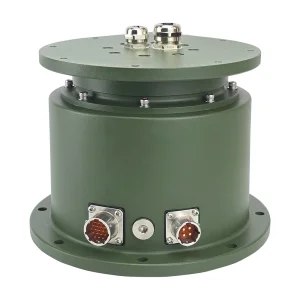
Reliable components designed for high-load field installations and continuous 360-degree pan-tilt operations.
Technical guidance and installation recommendations from our engineering team.