 BIT-CCTV
BIT-CCTV
BIT-CCTV
Browse our catalog of premium precision housings, high-performance pan rotators, and specialized bracket mounts engineered for heavy-duty industrial systems.
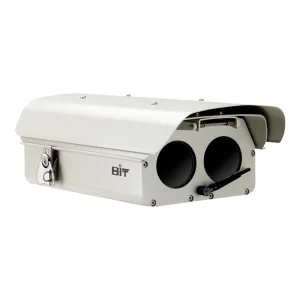
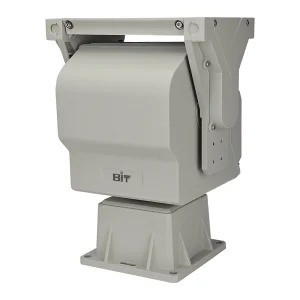
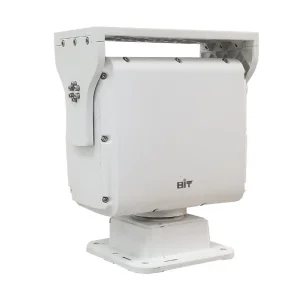
Modern surveillance paradigms are shifting from simple human observation to highly automated, algorithmic interpretation. Within this framework, the camera lens serves as the vital point of physical interface between the target environment and the digital sensor. In industrial-grade long-range thermal, border defense, and marine tracking applications, optical precision directly affects the capabilities of artificial intelligence systems to perform computer vision operations like object detection and distance estimation.
China's lens manufacturing industry has transformed from a low-cost high-volume supplier to a world-leading developer of specialized optical instruments. This shift highlights a major trend: the convergence of optoelectronic control interfaces with heavy-duty mechanical positioners, forming unified optronic systems. To achieve high operational uptime in extreme temperatures or high wind loads, industrial cameras require robust mechanical housings and precise coordinate positioning alongside high-performance glass optics.
Across defense, maritime navigation, critical infrastructure, and aerospace, corporate procurement parameters for camera lens integration and dual-vision housing systems have grown increasingly rigorous. B2B global supply chain managers analyze several essential criteria during the vendor evaluation phase:
Enterprise procurement teams avoid buying components from disjointed suppliers. Standardized off-the-shelf camera lenses often struggle with balance, load ratings, or focal alignment inside third-party enclosures. There is a strong preference for manufacturers capable of co-engineering the optics, the environmental housing (with integrated wiper, heaters, and sunshields), and the supporting pan-tilt drive mechanics as a single unit.
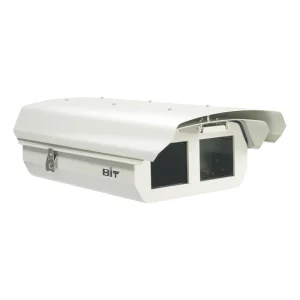
Critical infrastructure installations in regions like sub-zero pipeline routes or high-humidity coastal borders require IP66 to IP68 weatherproofing. Standard camera optics fail if condensation settles on the inner lens components. The integration of dual-window heated enclosures—such as the 15-inch BIT-HS4215 or the 18-inch BIT-HS4218—prevents thermal shock and keeps optical paths clear.
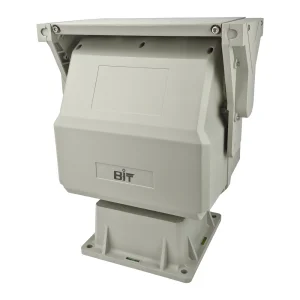
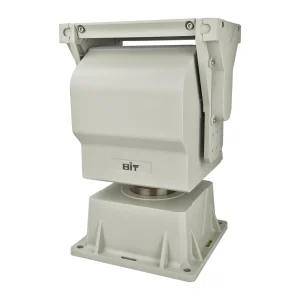
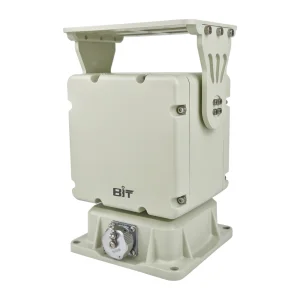
From mini-positioners supporting 3.5kg payloads (like the BIT-PT503) to high-speed heavy-duty positioners handling up to 150kg, mechanical drives must deliver stable movement without backlash. System integrators select camera lenses based on the combined weight profile of the visible zoom camera and thermal imaging block to ensure the chosen Pan-Tilt Unit (PTU) functions reliably.
Additionally, geopolitical supply chain policies require compliance with safety and materials standards. Procurement departments verify that equipment meets CE, FCC, RoHS, and local manufacturing certifications. The ability of manufacturers like Blue Icon (Tianjin) Technology Co. Ltd. to deliver fully customized OEM and ODM services helps international companies adapt to these evolving compliance frameworks.
To demonstrate practical application and technical validity (E-E-A-T), we examine three macro scenarios where these precision optical systems and positioning units are deployed globally:
Detecting forest fires early requires continuous long-range scanning. Cameras equipped with high-focal-length zoom lenses and thermal optical blocks scan vast forest canopies. The system requires a heavy-duty pan-tilt unit (such as the BIT-PT850 or BIT-PT865) capable of maintaining structural stability under high wind loads. Precision stepper motors and worm-gear drives position the lens coordinate path to detect thermal anomalies at distances exceeding 10 kilometers. High-quality dual-window housings protect these lenses from smoke, ash, and extreme weather changes.
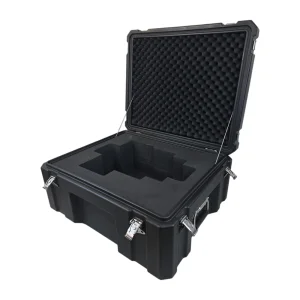
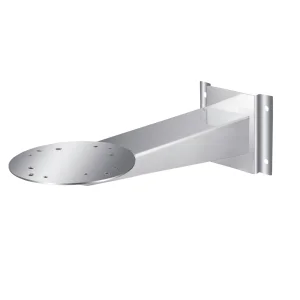
Coastal and maritime environments expose equipment to highly corrosive salt spray and high humidity. In these conditions, standard aluminum camera components degrade quickly. Integrators utilize custom stainless steel wall-mount brackets, corrosion-resistant rotomolded protection enclosures, and high-performance camera housings. These dual-vision systems combine visible light lenses with thermal optics to detect maritime vessels in complete darkness, heavy rain, or thick fog.
Large infrastructure installations like airbases, dry ports, and national borders require perimeter defense systems that work 24/7. These systems pair high-speed pan-tilt units with advanced cameras to trace fast-moving targets. Units like the BIT-PT410 high-speed PTU rotate up to 100° per second, aligning the camera lens with real-time radar data to track and monitor targets immediately.
Explore our core engineering segments, including pan-tilt positioners, heavy-duty rotators, accessories, and ruggedized environmental enclosures.
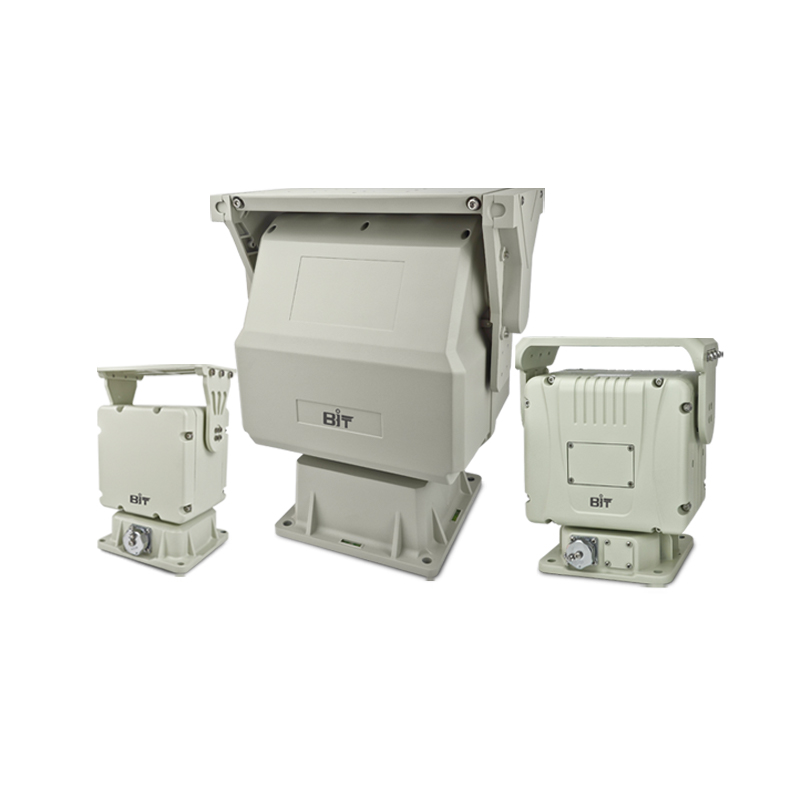
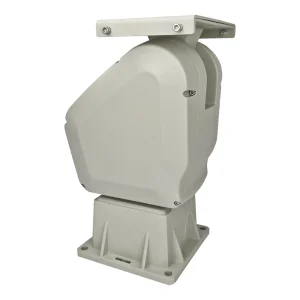
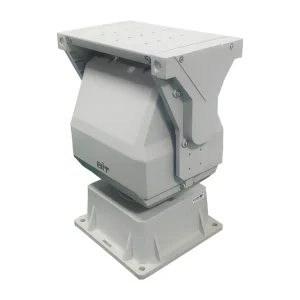
Light, Medium & Heavy Duty units ranging from 3kg to 150kg load capacity.
Explore Categories →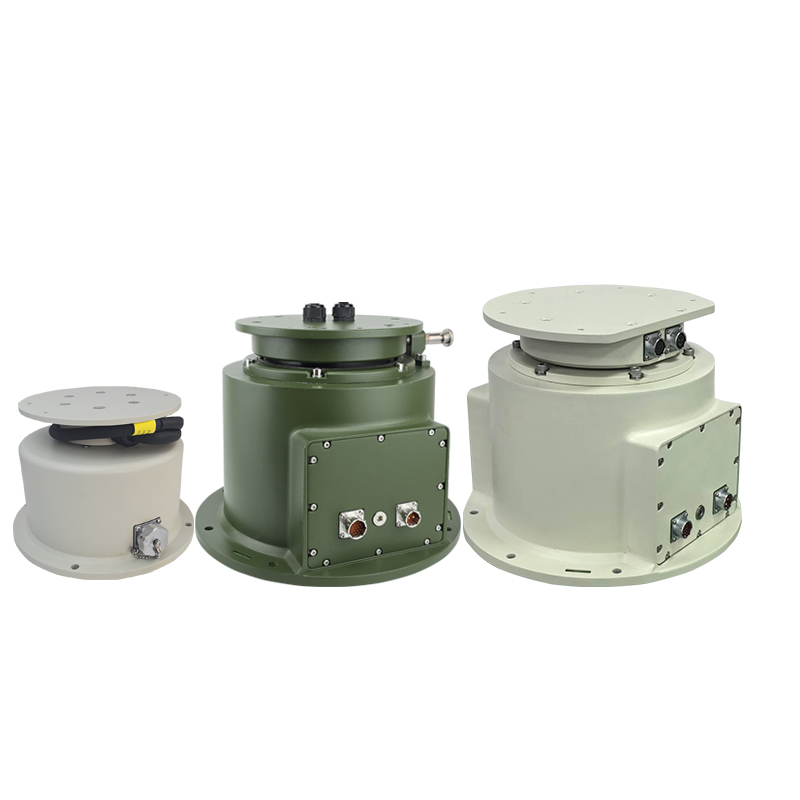
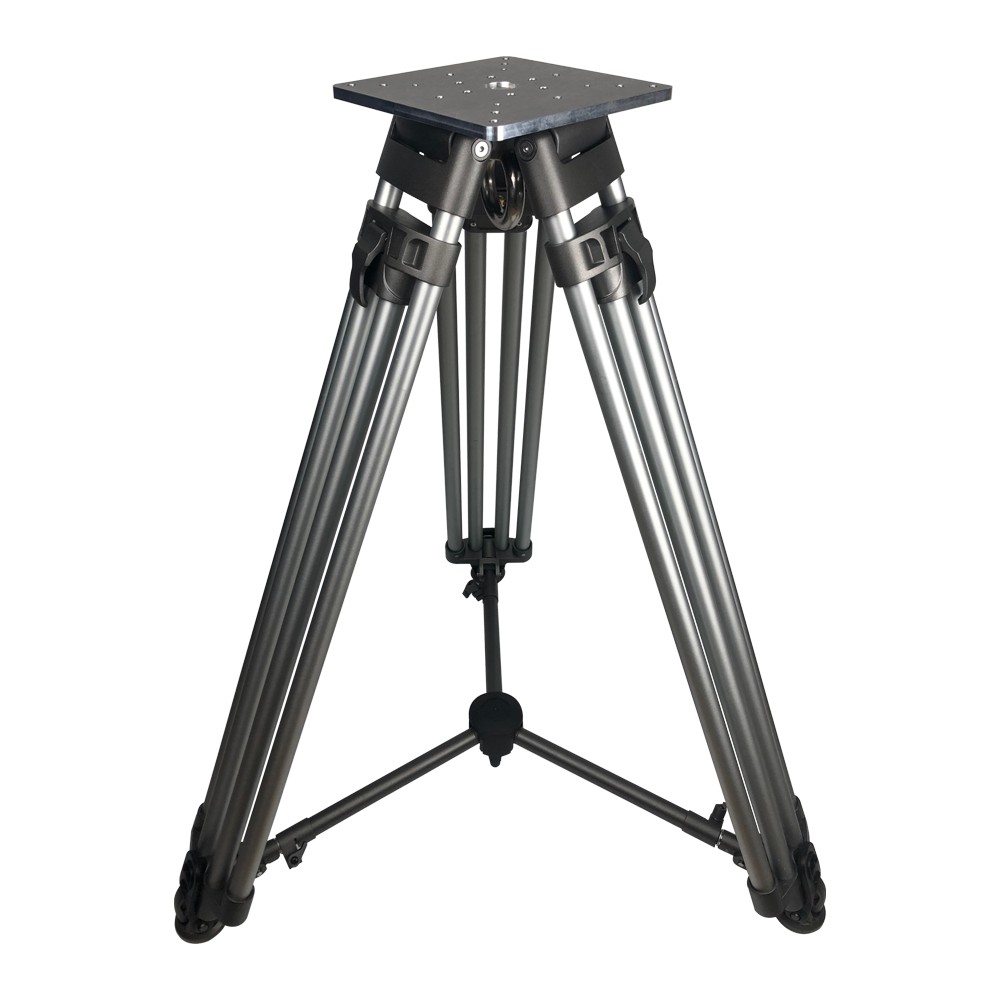
Stainless steel brackets, control boxes, and installation aids.
Explore Categories →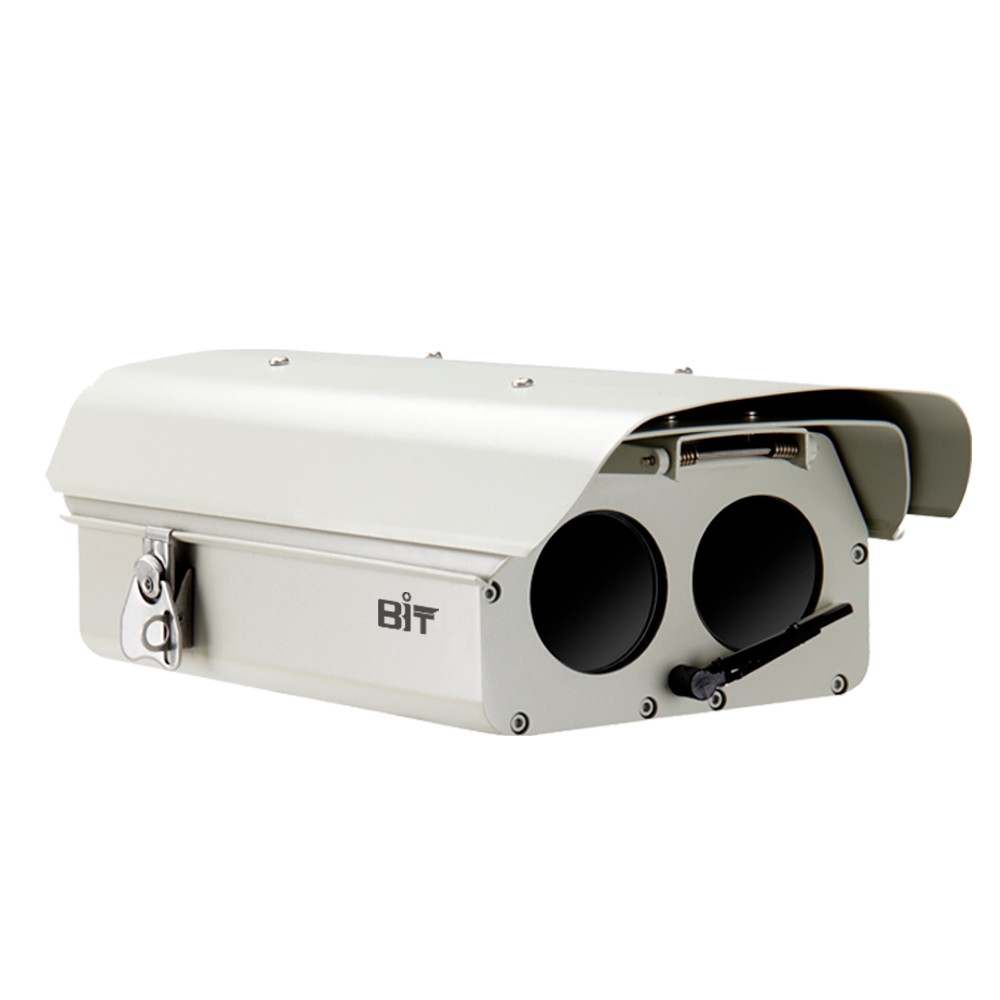
Dual-window multi-sensor housings with integrated climate controls.
Explore Categories →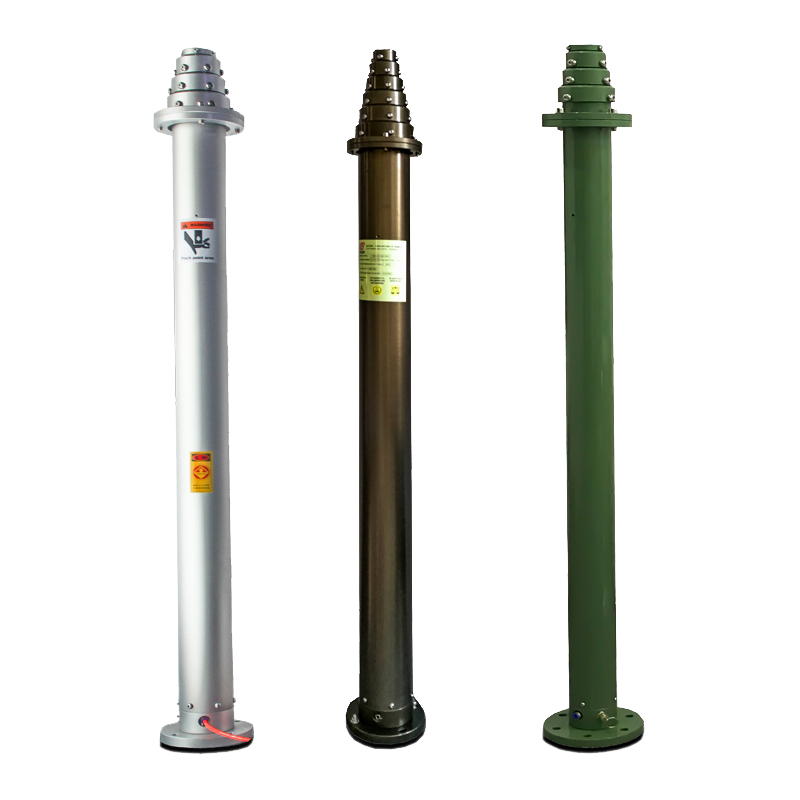
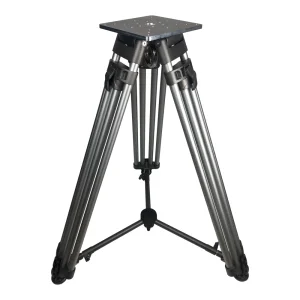
Pneumatic and manual poles designed for temporary mobile setups.
Explore Categories →In the security and optical positioning fields, technology is moving quickly. Manufacturers must design products that fit into modern IoT and AI frameworks. Our technical roadmap focuses on three main developments:
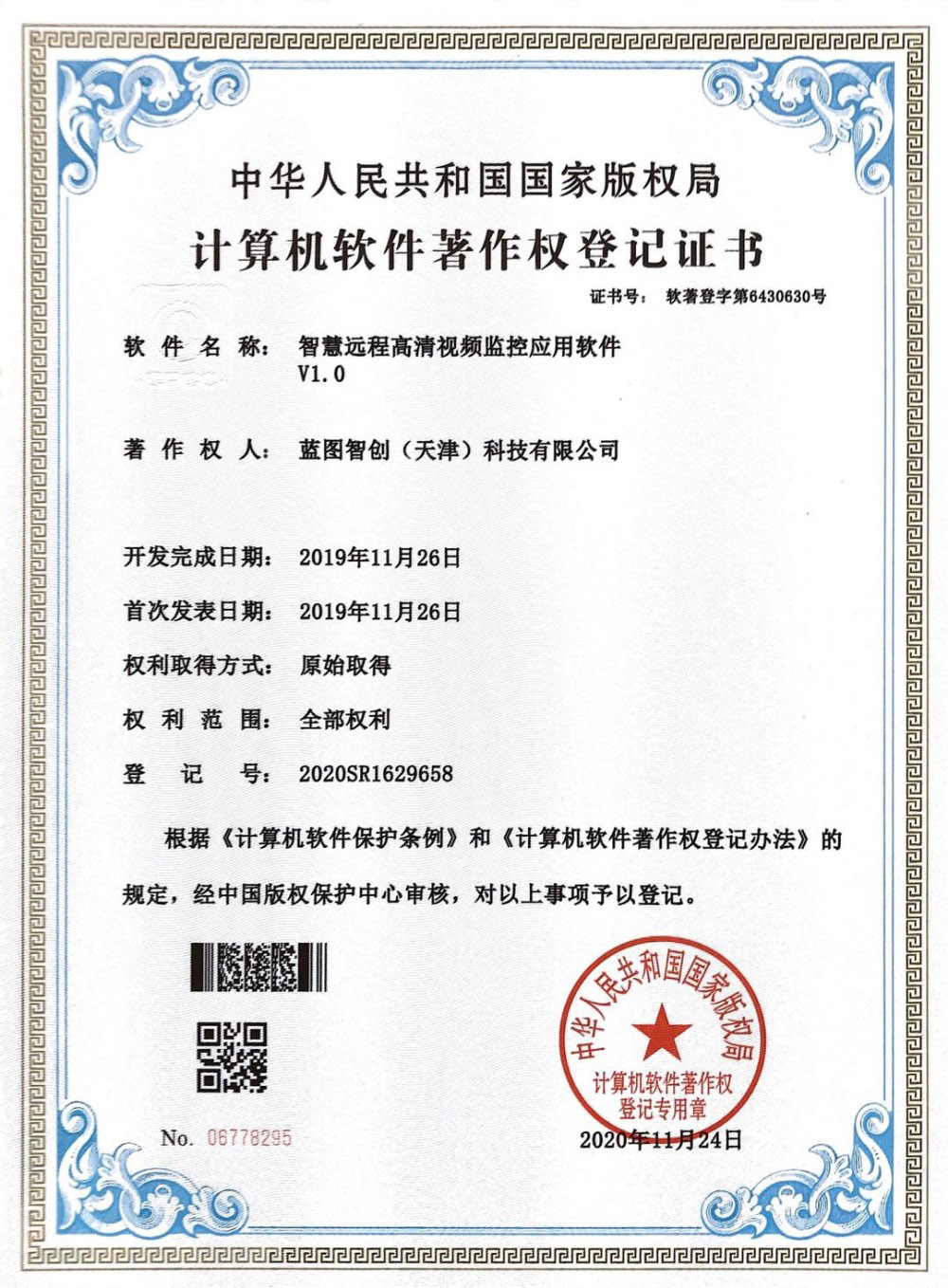
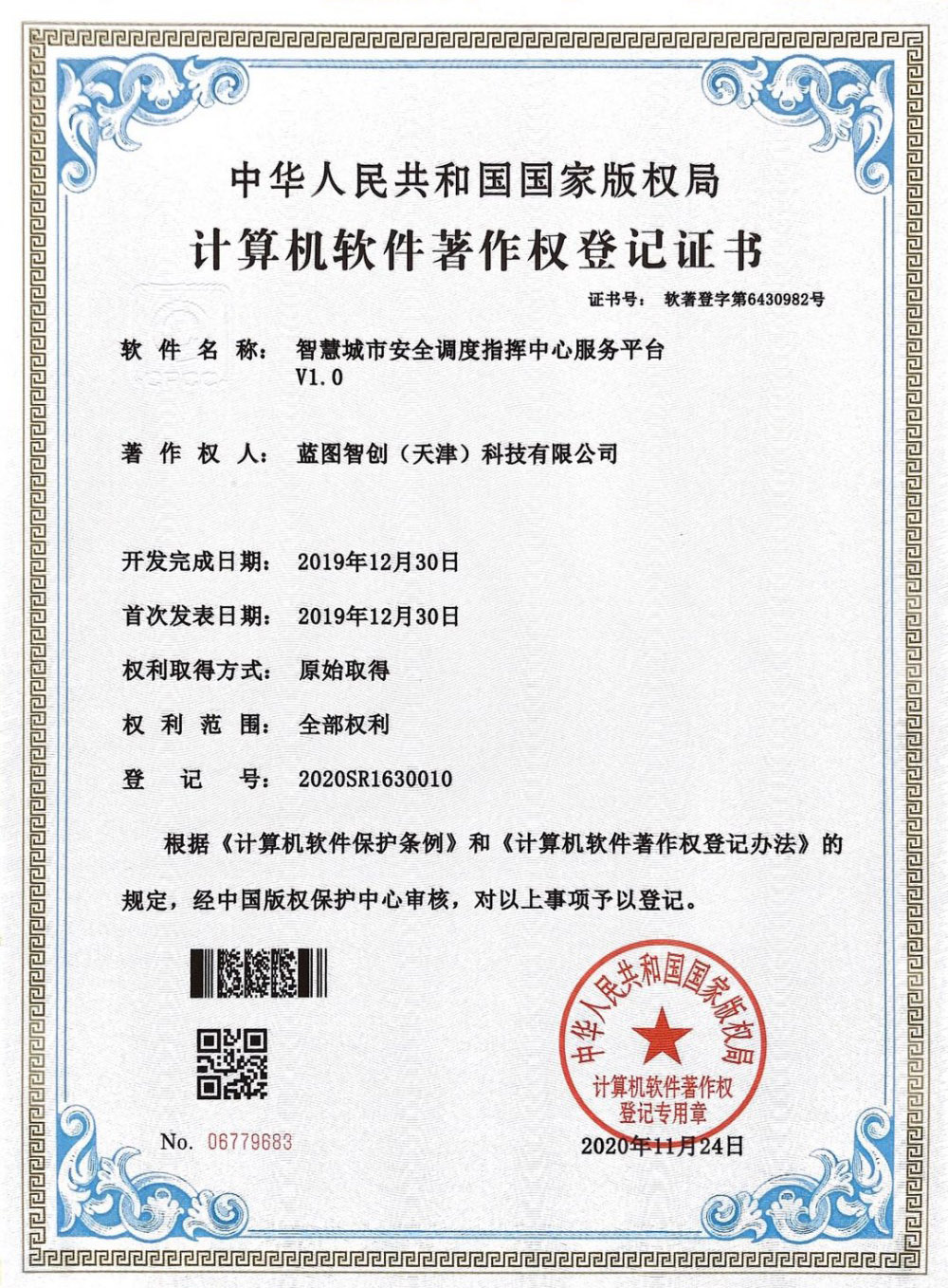
Our commitment to these advancements is backed by a 50-patent strong IP portfolio, ensuring that our products continue to meet the changing needs of global system integrators.
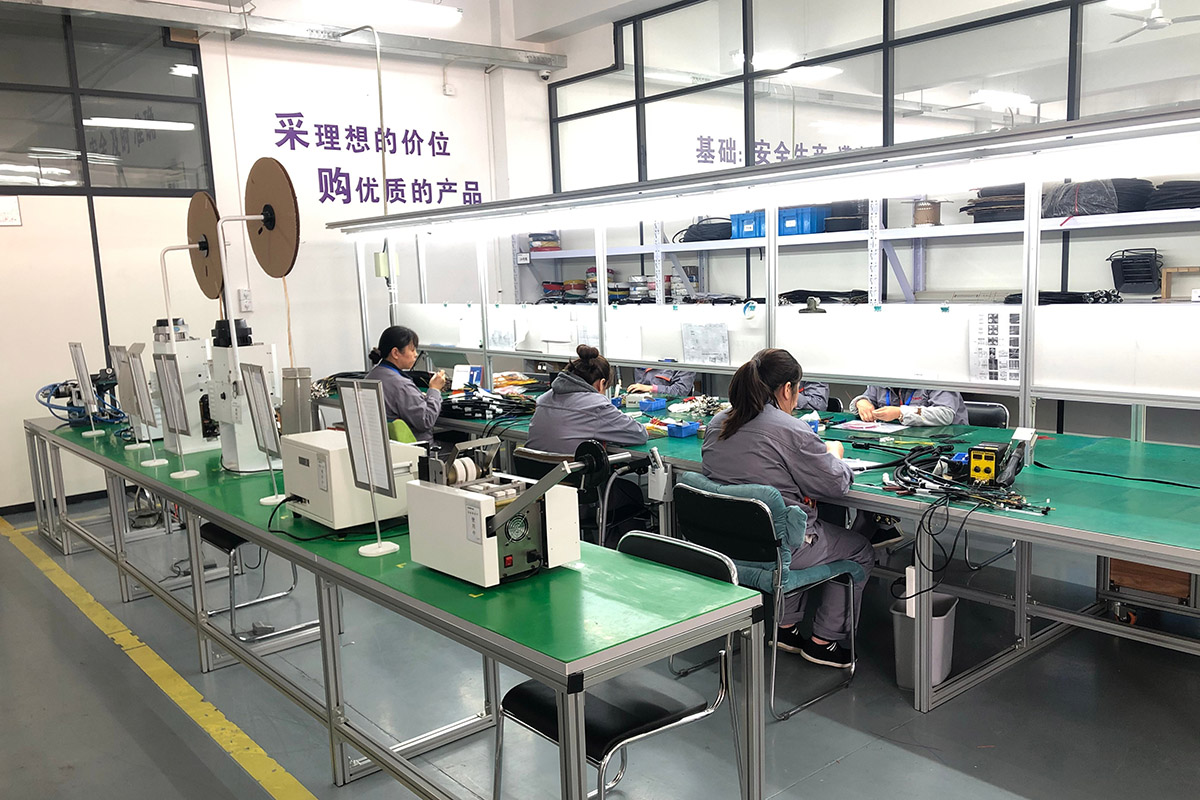
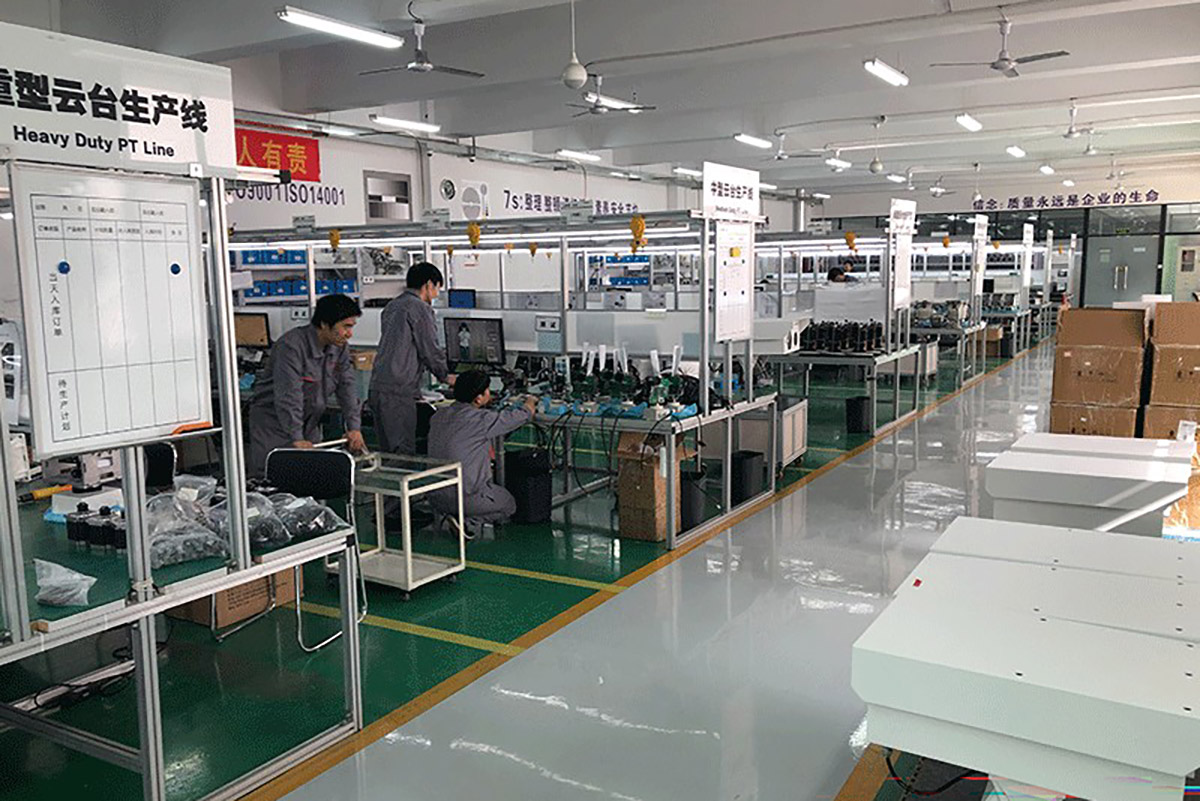
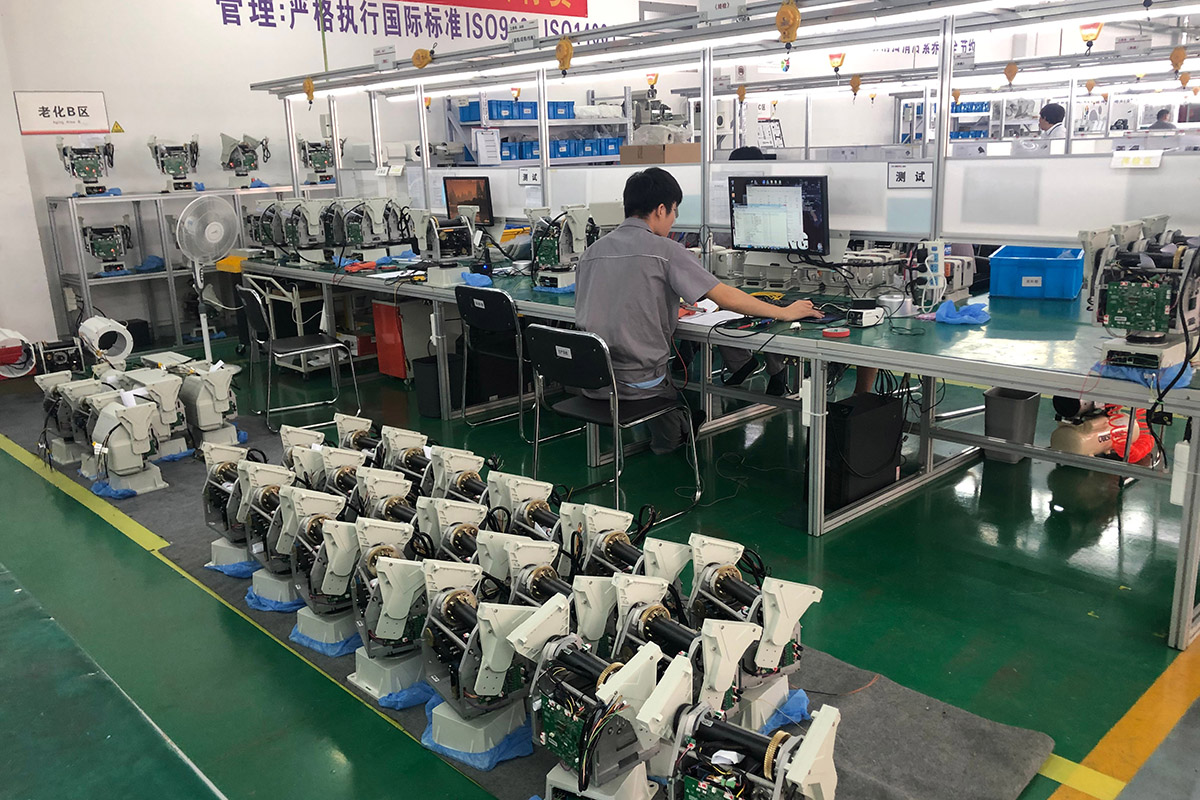
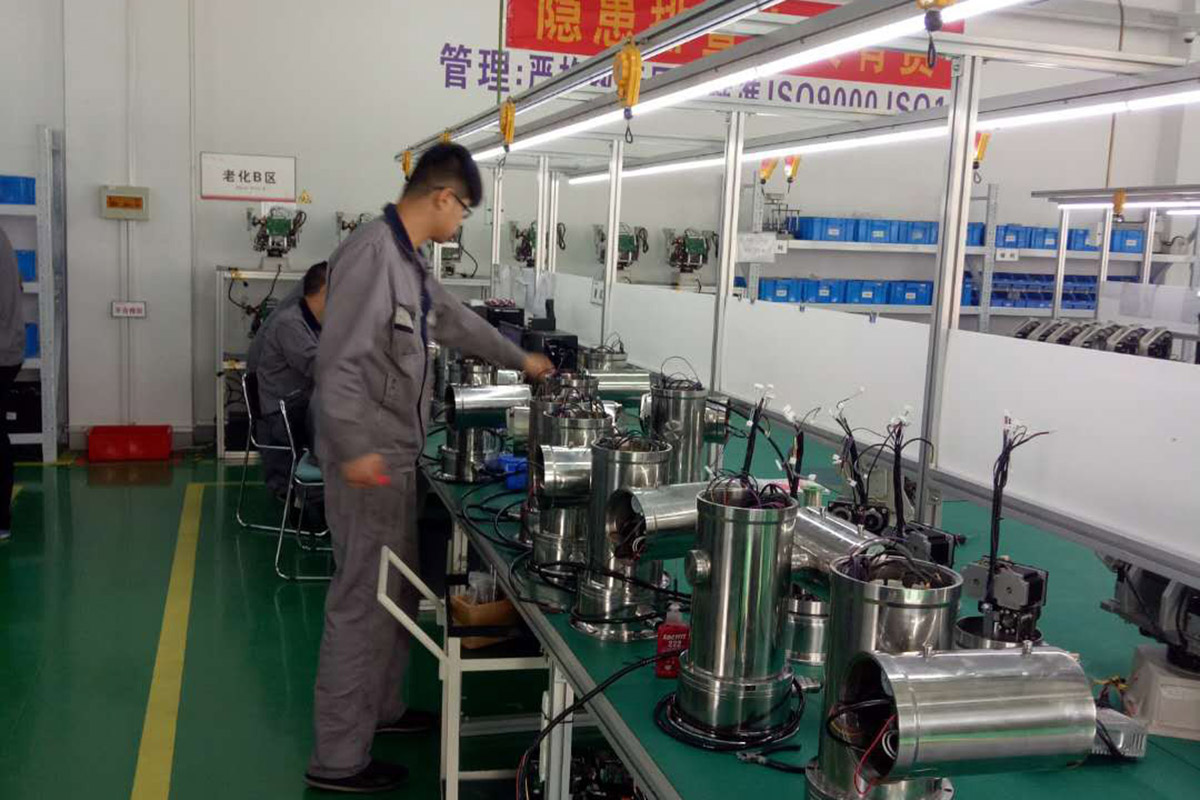
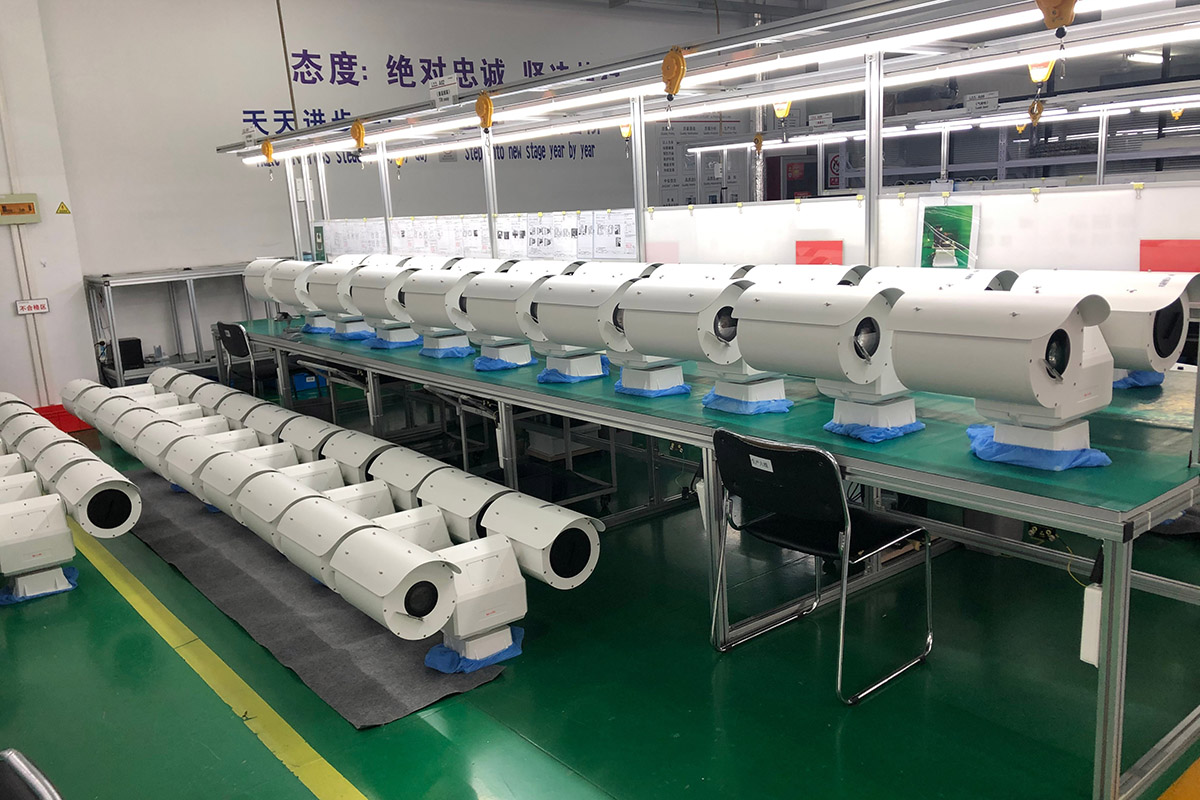
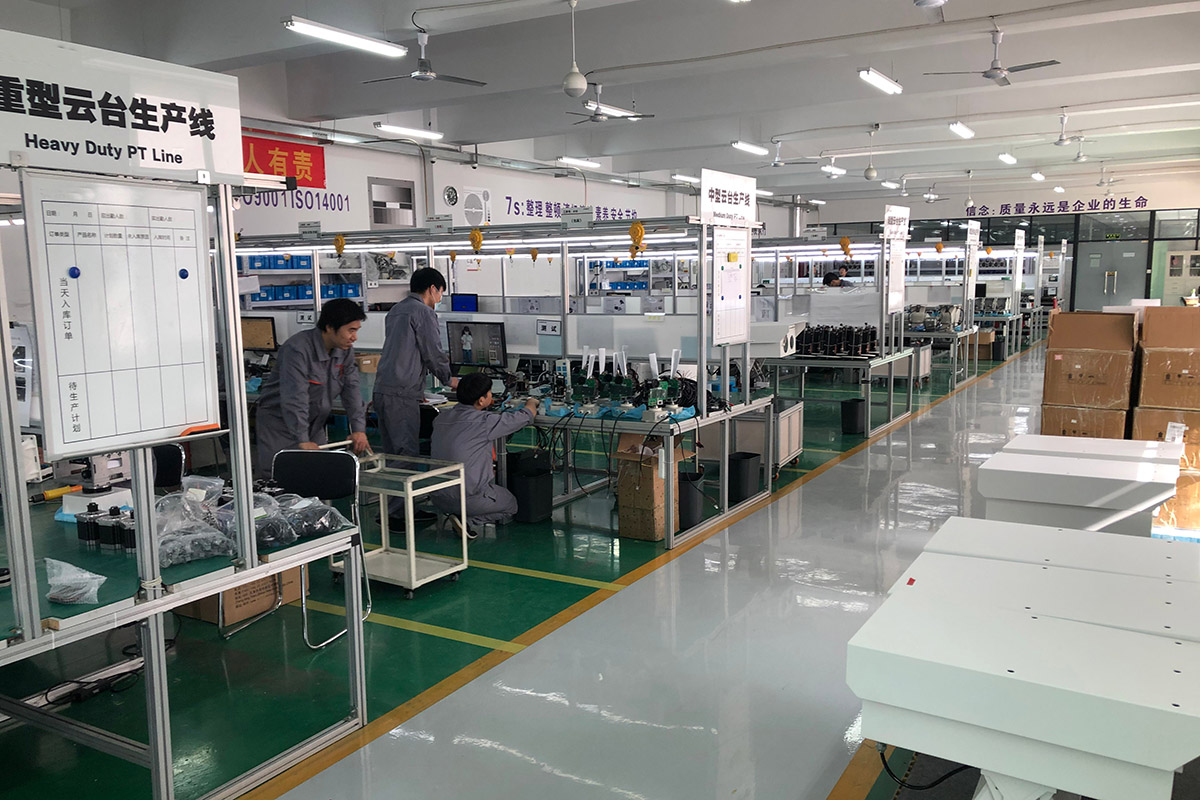
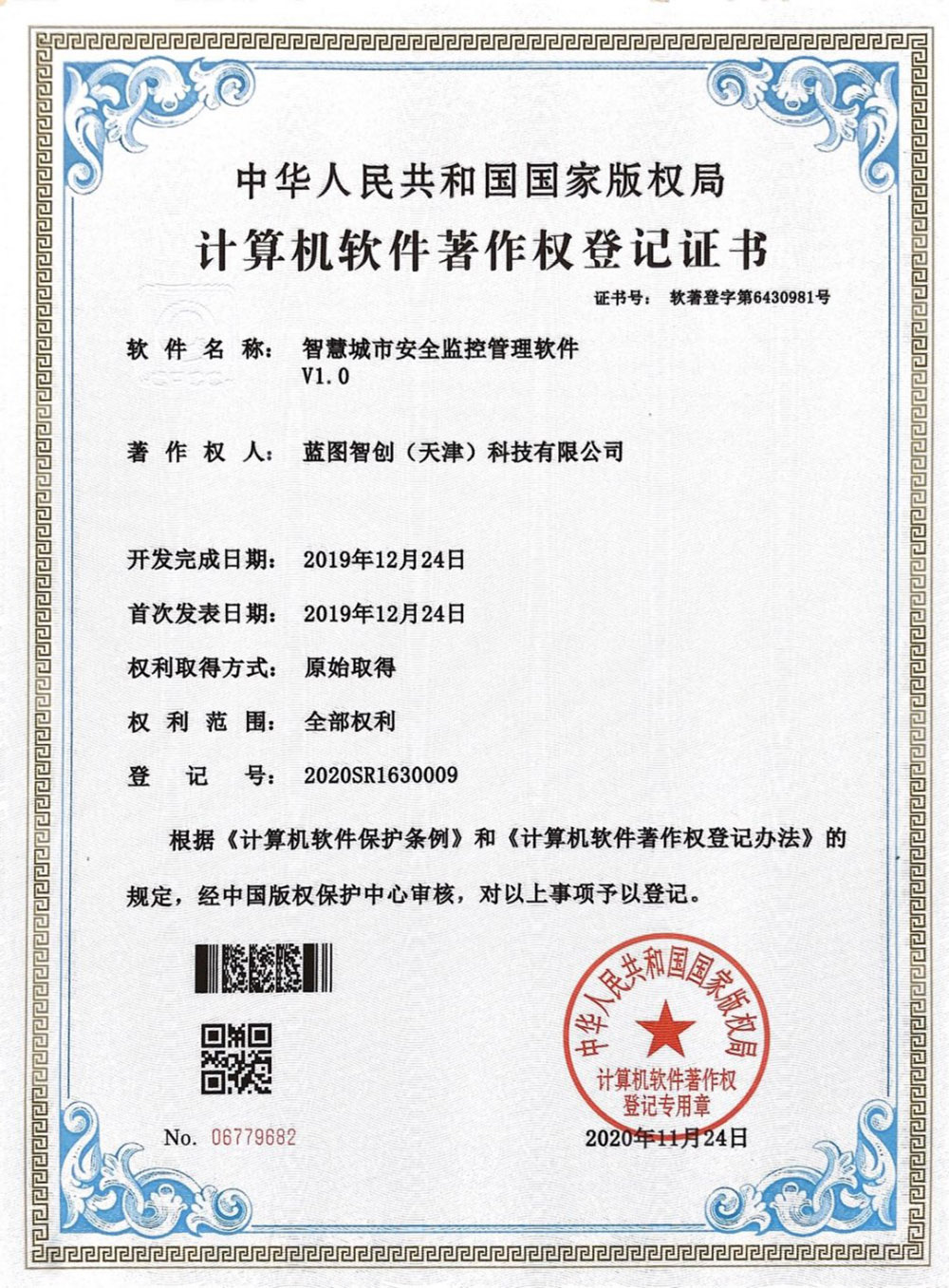
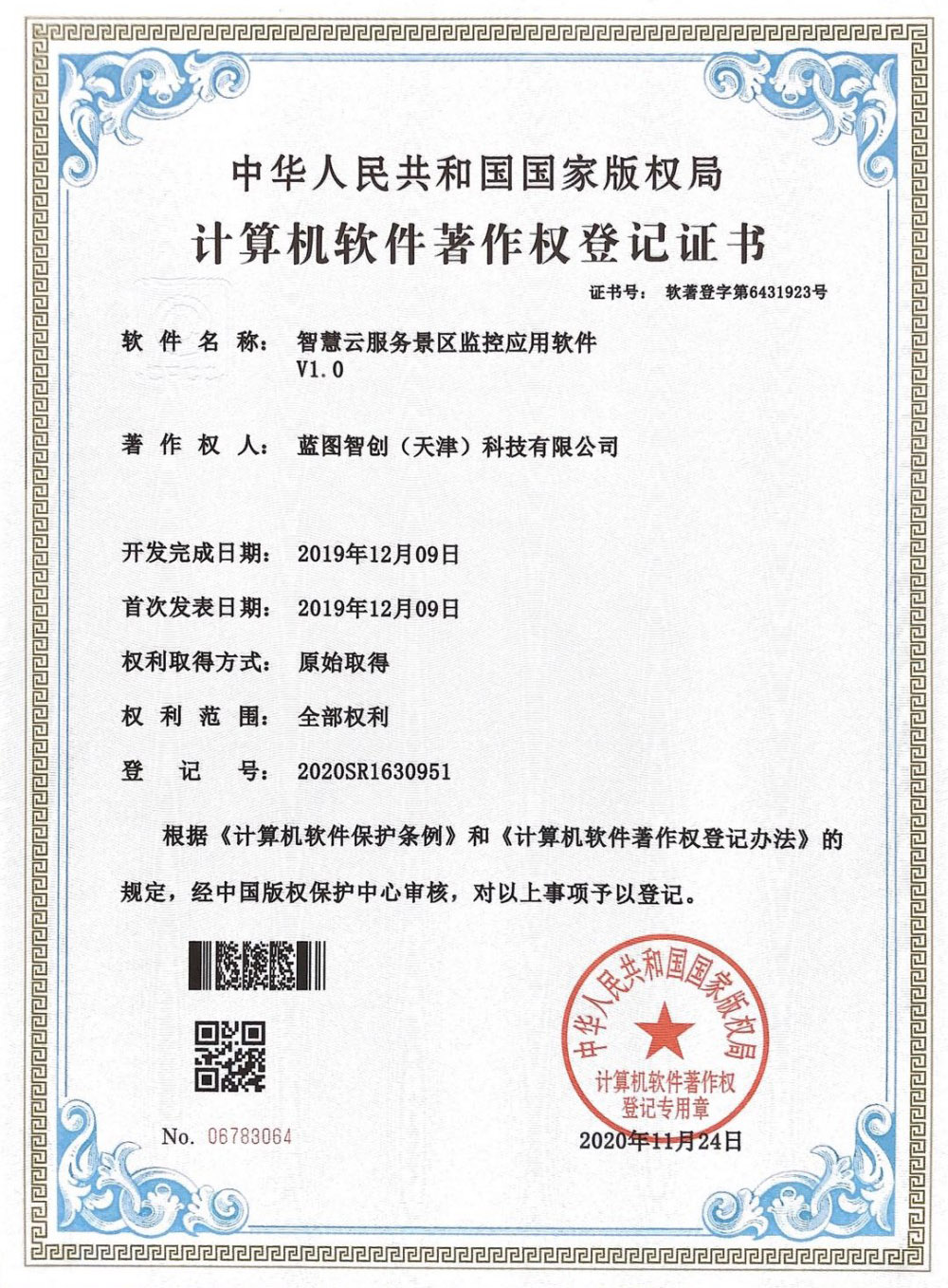
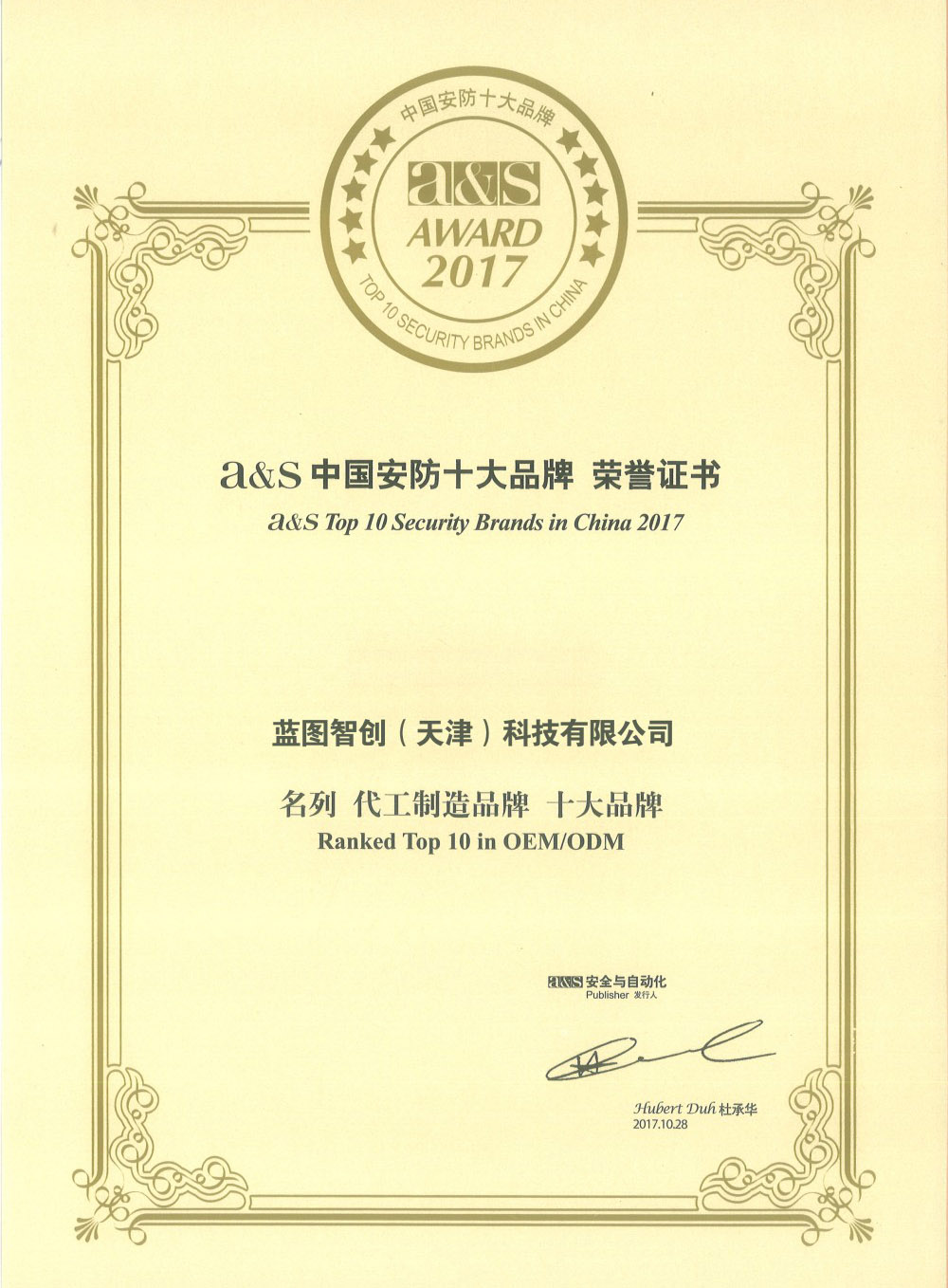
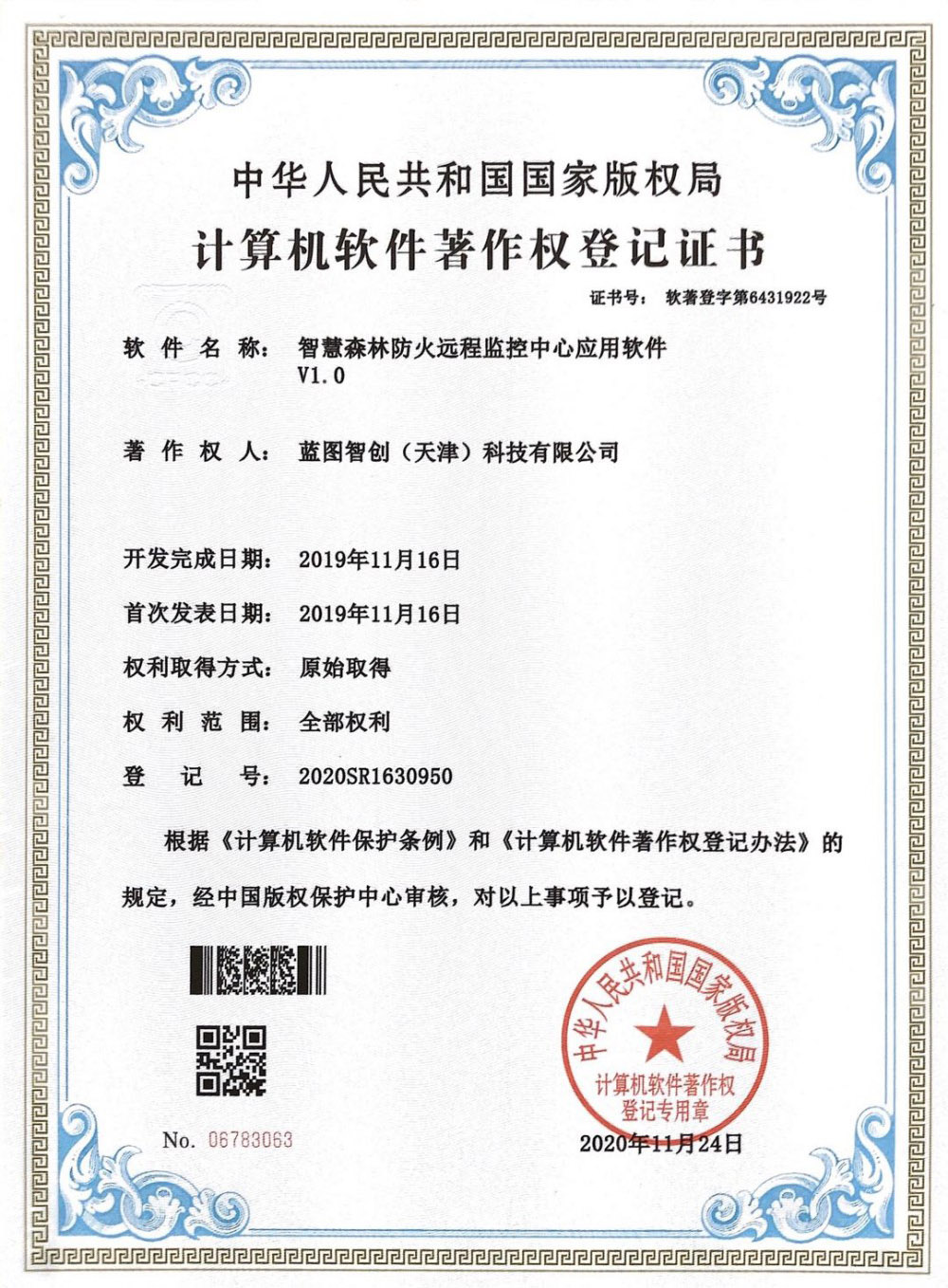
Our factory processes meet ISO 9001 standards and hold key global certifications, ensuring reliable performance in demanding environments.
Each batch of pan-tilt heads, stainless steel wall-mount brackets, and dual-window housings undergoes testing for dust resistance, water ingress, and vibration tolerance. This quality control ensures that our equipment operates reliably in hot desert regions or cold polar areas.
Our certifications, including CE, FCC, and RoHS, demonstrate our commitment to meeting international environmental and safety standards. This compliance simplifies the integration of our equipment into public infrastructure projects worldwide.
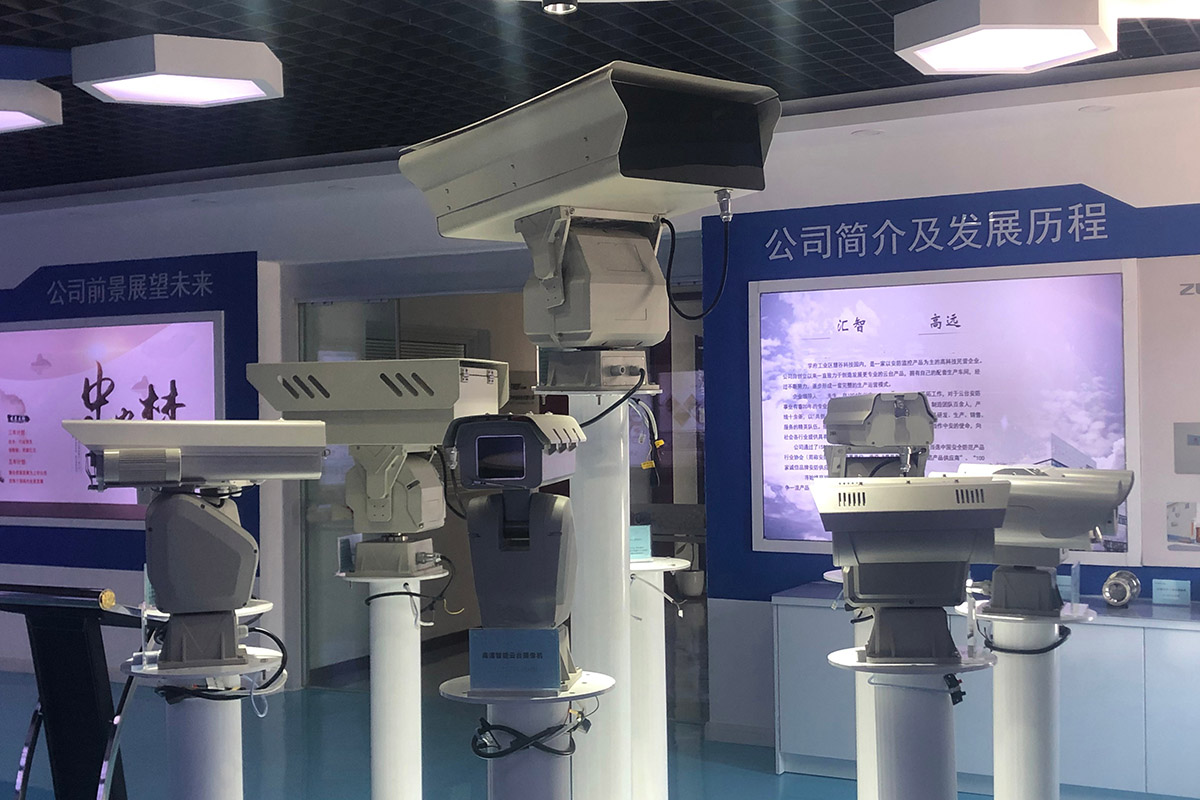
Understanding the mechanical design of positioning systems is essential for matching them with the right lens payloads. Different applications require different gear and motor configurations to ensure stability and accuracy:
Worm gear setups provide self-locking capability when the system is powered down. This feature prevents the camera lenses and thermal imagers from tilting downward when power is cut, protecting the sensors from damage. The stepper motor works with the worm gear to allow fine adjustments (down to small fractions of a degree). This level of control is necessary for keeping long-range zoom cameras focused on distant targets.
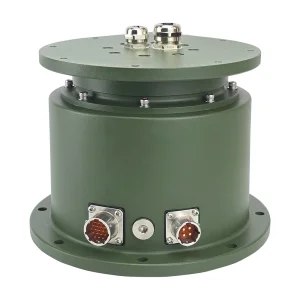
For applications tracking fast targets, like drone monitoring or airfield security, worm gear drives may be too slow. High-speed positioners use direct-drive configurations to achieve speeds up to 100 degrees per second. This rapid movement allows the camera to track targets in real time, keeping the optical sensors aligned with target coordinates provided by external radar systems.
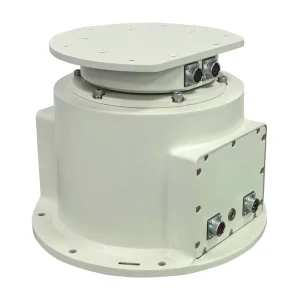
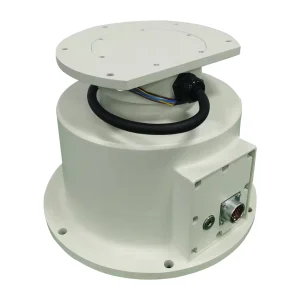
Large multi-sensor payloads—which can weigh between 50kg and 150kg—require heavy-duty positioning bases. These systems typically combine big optical lenses, thermal sensors, and laser rangefinders. A heavy-duty positioner must handle the structural forces of moving this weight while keeping the optics stable in high winds, ensuring clear, vibration-free video feeds.
Review our latest engineering publications to help you select, configure, and maintain long-range optical positioning systems.
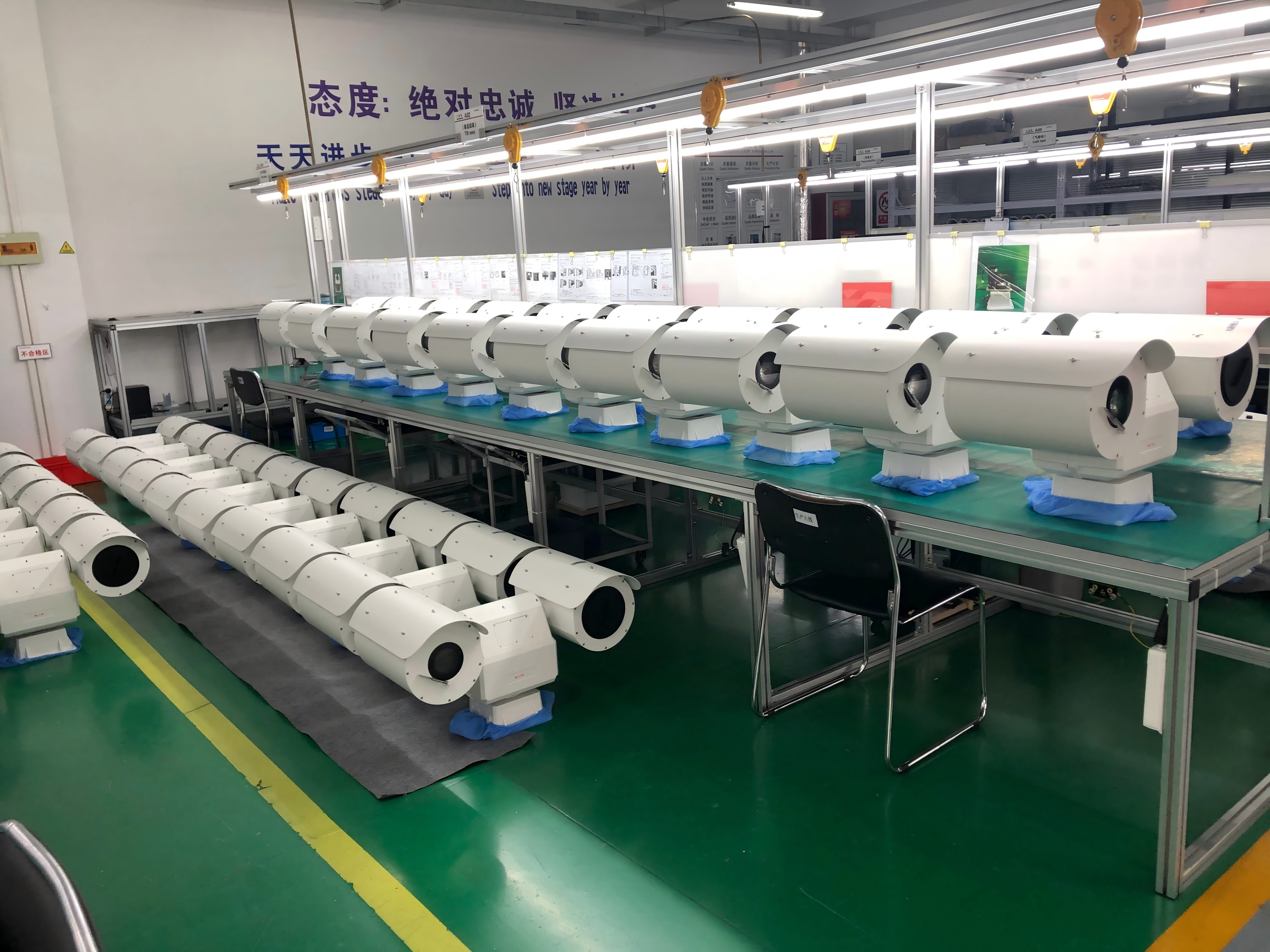
As custom requirements grow, selecting the right partner involves assessing payload capacities, wind load ratings, mechanical tolerance profiles, and OEM adaptation speed.
Read Article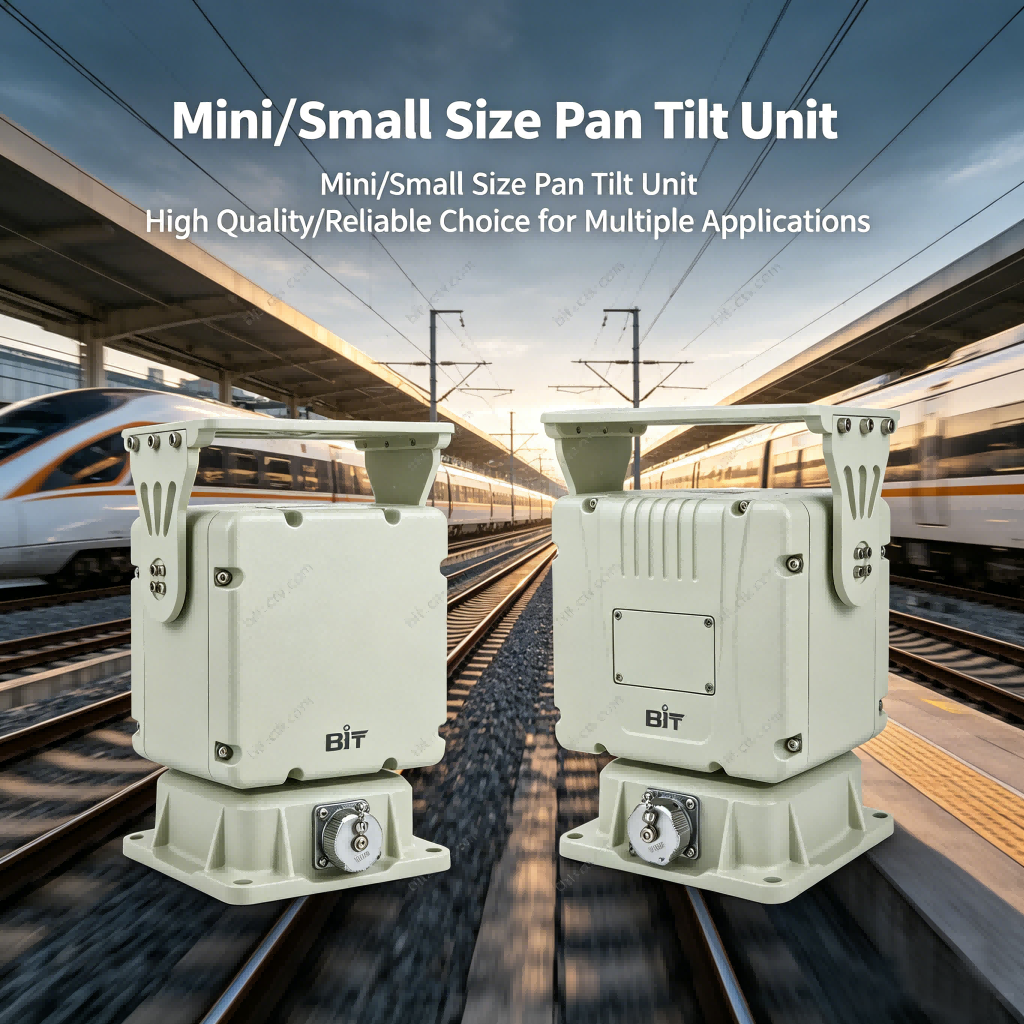
An in-depth review of our compact worm-gear positioners, showcasing how small assemblies provide high precision for light payloads up to 10kg.
Read Article
Learn how to categorize positioning units by drive mechanism, operational environment, speed capacity, and load profile to optimize your system design.
Read ArticleFind technical answers to common questions about integrating lenses, mechanical drives, and camera housings for long-range surveillance projects.
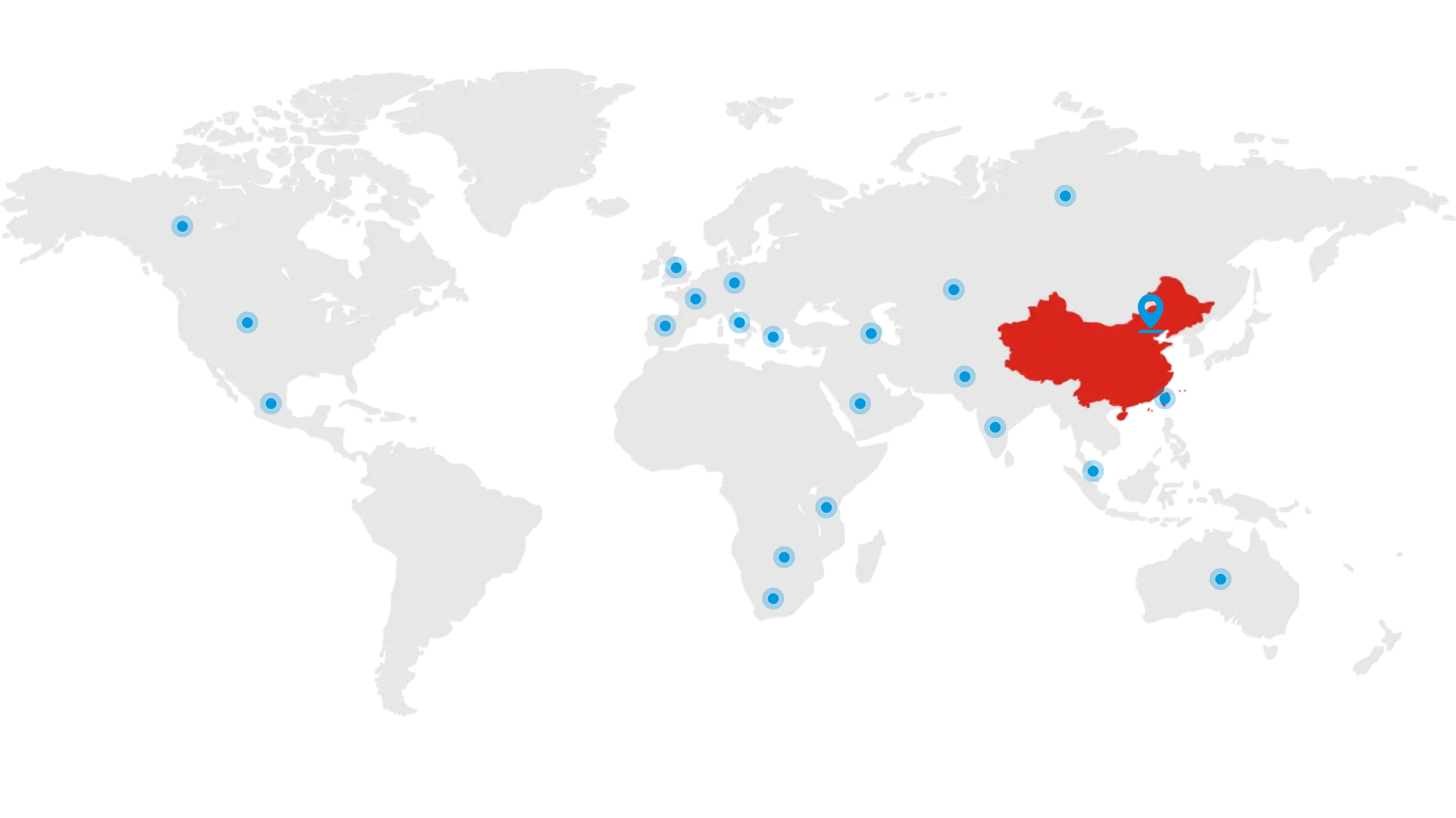
Our positioning units and environmental enclosures are utilized by integrators across five continents to protect critical infrastructure.






Explore our heavy-duty tripods, rotators, positioning units, and specialized rotomolding protection components designed for demanding environments.