 BIT-CCTV
BIT-CCTV
BIT-CCTV
Explore our industrial-grade high-precision positioners engineered for heavy load capacities, high tracking speeds, and extreme environmental resilience.
Driving technological innovation and engineering excellence in pan-tilt and automatic antenna rotator systems since 2005.
In modern communications, satellite tracking, and telemetry, the demand for precise, automatic, and highly reliable positioning equipment has never been more critical. Traditional pan-tilt units have evolved into sophisticated Automatic Antenna Rotators designed to move large apertures with sub-degree pointing accuracy under heavy wind loads.
As the pioneer in China's positioning technology, Blue Icon (Tianjin) Technology Co. Ltd. (brand name: BIT-CCTV) has maintained its leading edge by continuously integrating advanced stepper motors, absolute encoders, and harmonic drive gearboxes into our positioning systems. We cater to global commercial, maritime, and defense sectors that require rugged tracking solutions capable of operating in the harshest environments.
Our solutions range from 3.5kg mini positioners up to 150kg heavy-duty tracking pedestals, ensuring that whatever your payload or environment, we have a precision-engineered answer to match your operational requirements.

Engineered for high performance, ease of integration, and long-term durability across diverse industries.
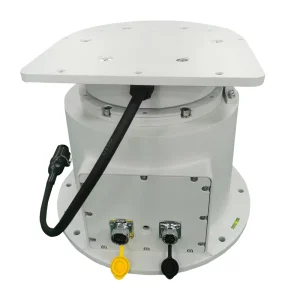
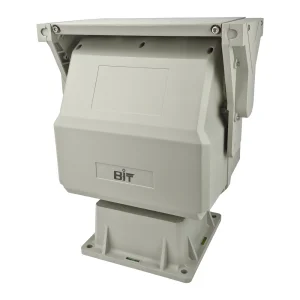
Light-duty to heavy-duty dual-axis tracking systems capable of positioning payloads from 3kg up to 150kg with absolute precision.
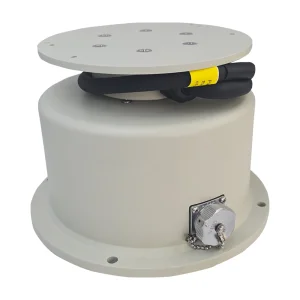
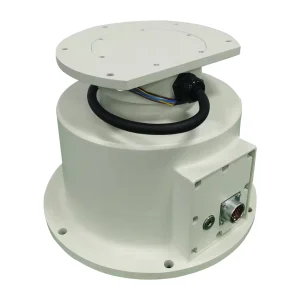
Direct drive, high-speed single-axis rotators designed for high duty-cycle applications like continuous scanning or omnidirectional tracking.
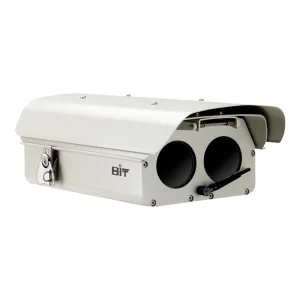
Corrosion-resistant dual window camera housings equipped with optional heaters, sunshields, fans, and wiper systems for remote setups.
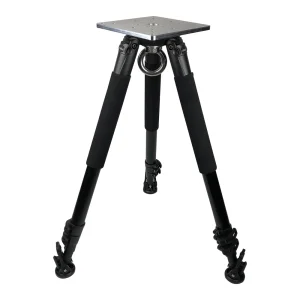
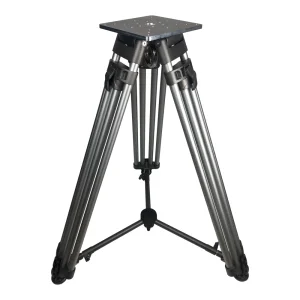
High-tensile aluminum and composite telescopic masts designed to elevate antenna rotators and sensors above obstacles rapidly.
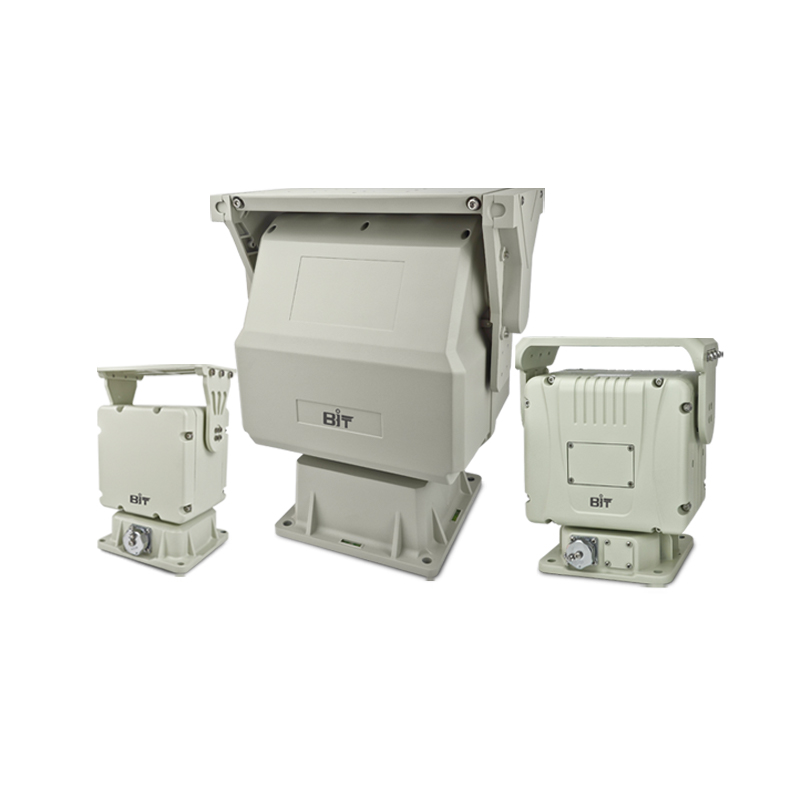
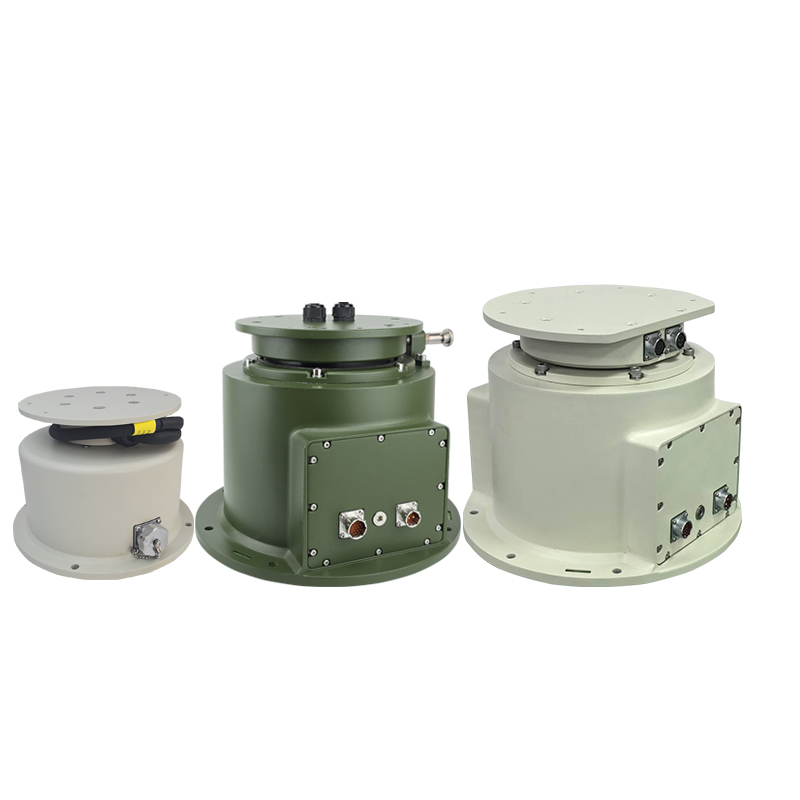
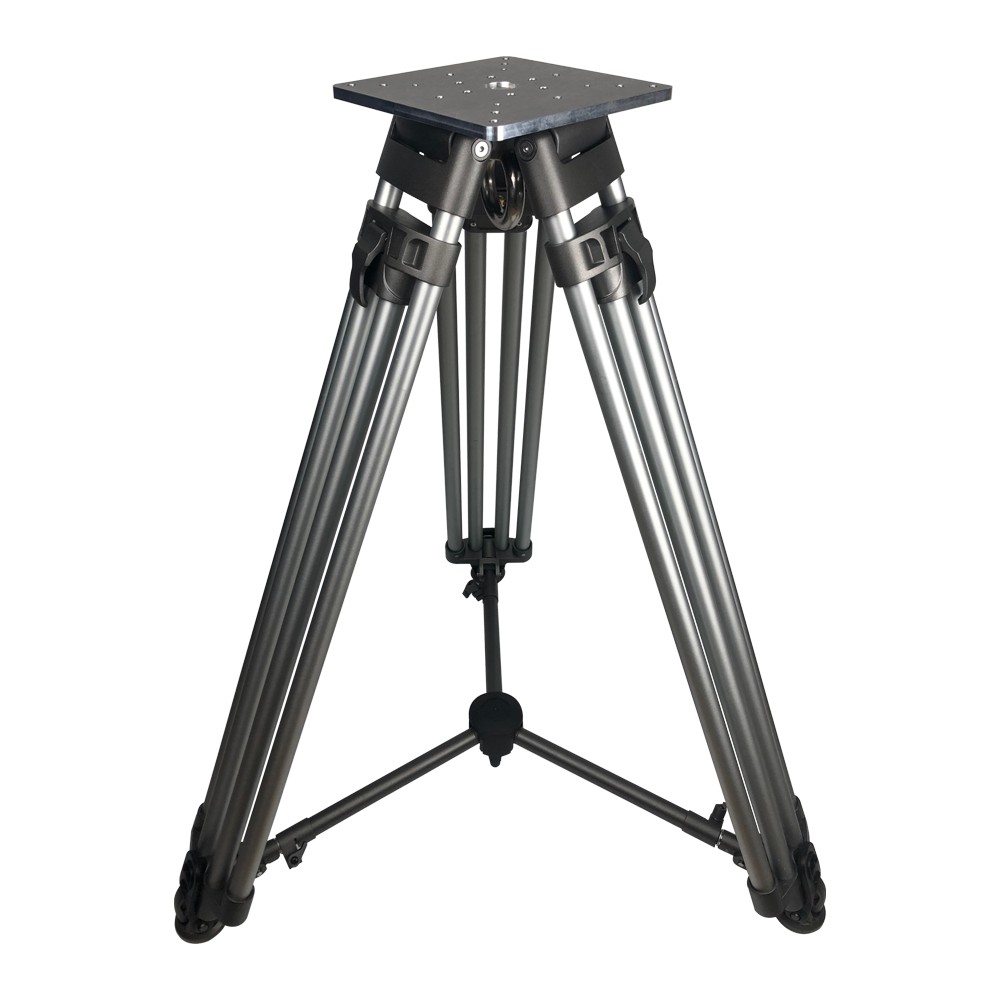
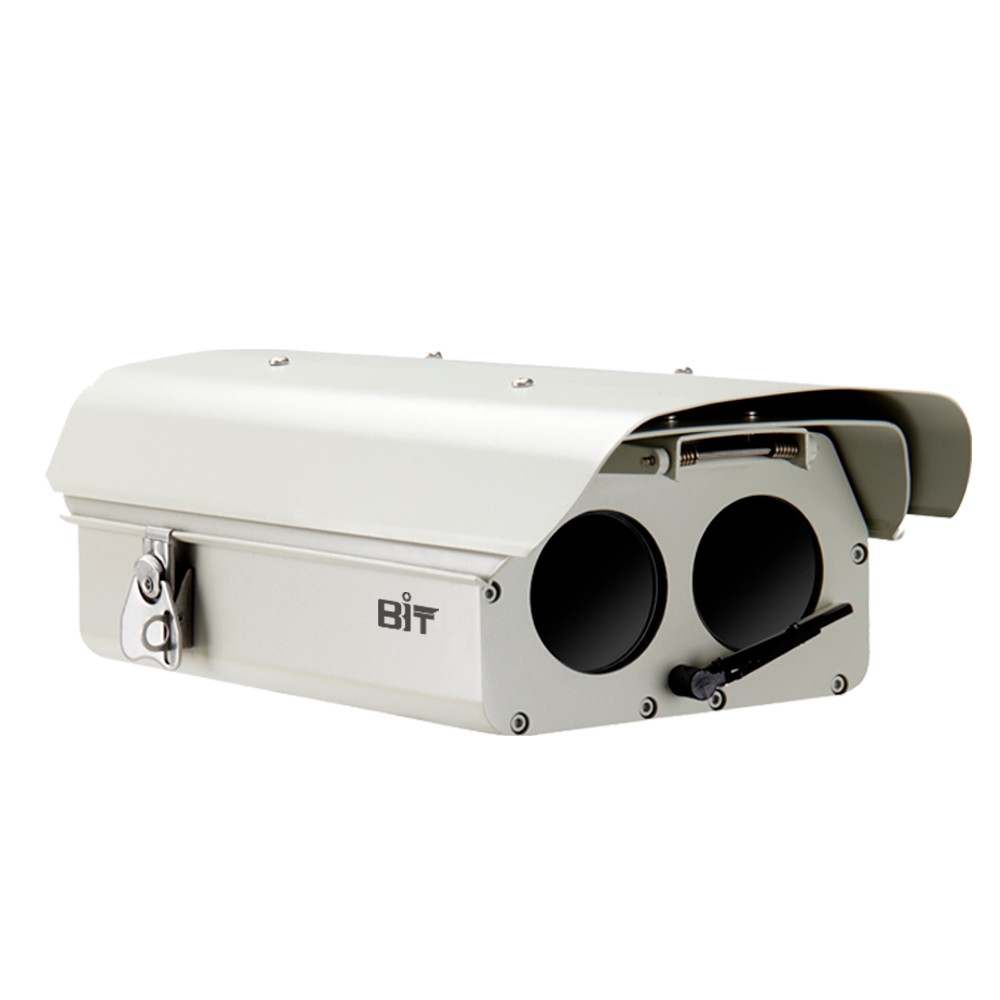
Deep-dive into the technical parameters, structural innovations, and design principles shaping the future of automatic antenna rotators.
Automatic antenna rotators have shifted from simple analog rotary motor devices (historically used for consumer television reception) to high-precision, software-controlled, dual-axis tracking pedestals. Modern systems operate on high-frequency bands (L, S, C, X, Ku, and Ka bands), which demand pointing accuracies down to fractions of a degree. Any positioning error translates directly into signal attenuation or link failure, particularly in Low Earth Orbit (LEO) satellite communications and tactical unmanned aerial vehicle (UAV) datalinks.
The industry is experiencing a split in design methodologies based on load profiles and tracking dynamics:
Unlike open-loop stepper systems that can lose steps when subjected to sudden external wind gusts, modern antenna rotators utilize closed-loop feedback systems. By employing optical or magnetic absolute encoders directly mounted to the rotation shafts, the control system receives real-time coordinate updates. Even if physically displaced by high wind shear, the system automatically corrects its azimuth and elevation coordinates without requiring a manual homing sequence.
Antenna tracking pedestals are frequently deployed in marine coastal areas, desert outposts, and arctic radar stations. This necessitates compliance with strict protection ratings:
• IP66/IP67/IP68 Sealing: Keeps moisture, dust, and fine sand out of internal electronics and lubrication chambers.
• Corrosion Resistance: Salt spray testing (ASTM B117) dictates the use of marine-grade stainless steel hardware, specialized anodization, and epoxy-powder coatings (C5-M class marine rating).
• Wide Operating Temperatures: Incorporating internal heating element blocks and thermostatically controlled fans allows systems to start and run smoothly from -40°C to +65°C.
International B2B procurement managers from defense sectors, meteorological institutes, and telecommunications companies look for verified standards when choosing an antenna rotator manufacturer. Our production lines are built to fulfill these rigorous specifications:
 18 Years' Design & Engineering ExperienceCompliance with MIL-STD-810G Environmental TestsFull Customization (OEM & ODM Services)Supports RS485/RS422 Communication & Pelco-D Protocols
We provide full documentation, including 3D CAD modeling, wind load calculations, slip ring bandwidth test reports, and EMC test certifications. Our supply chain is structured to offer fast lead times for custom mounting plates, brackets, and electrical interfaces to ensure seamless physical and communication integration into your existing systems.
How our vertically integrated production facility in Tianjin, China guarantees high quality, competitive pricing, and secure timelines.
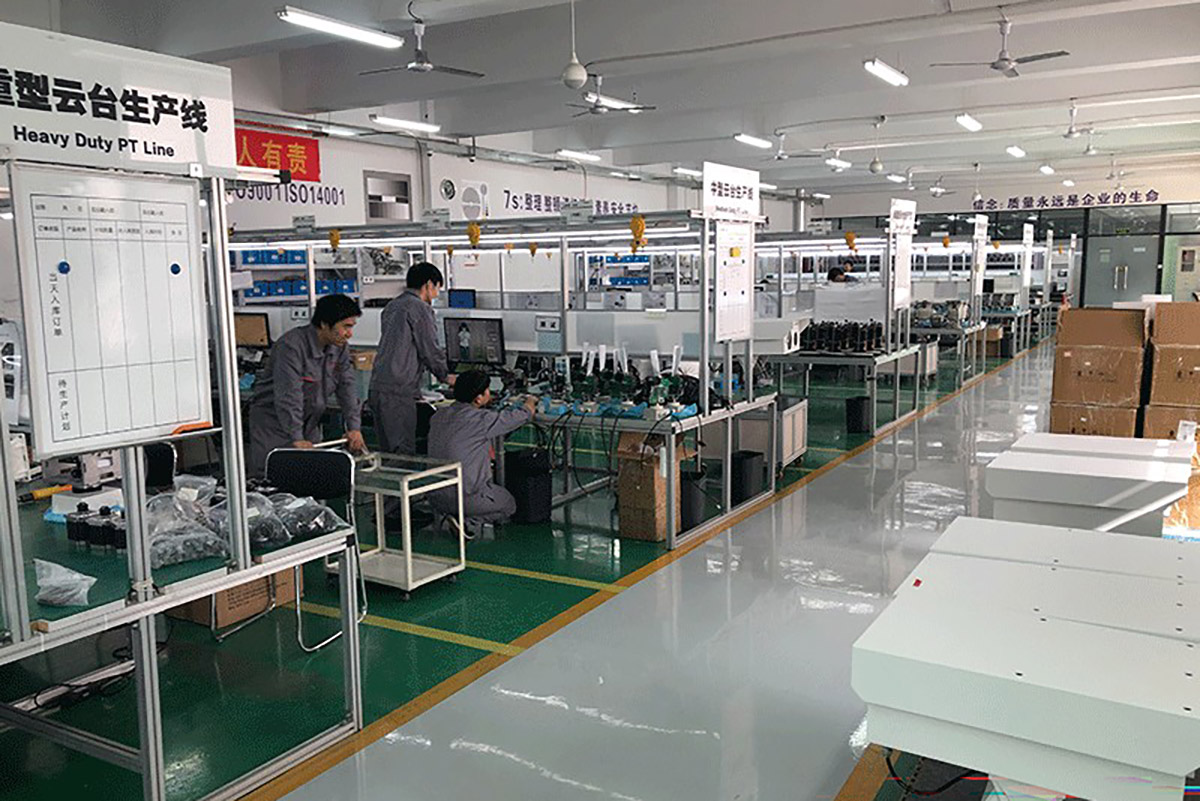
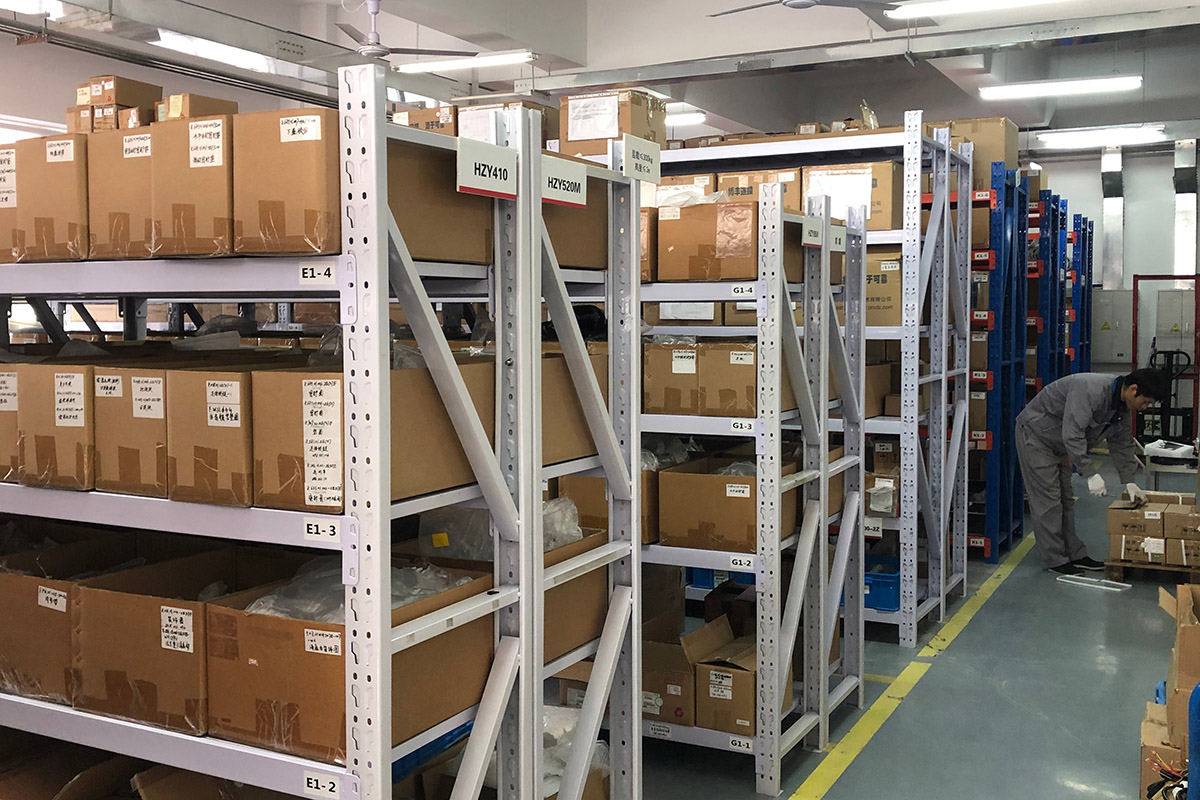
Located in the industrial hub of Tianjin, Blue Icon (Tianjin) Technology Co. Ltd. operates a modern 10,000 m² smart manufacturing plant. We have transitioned our facility to align with Factory 4.0 standards, utilizing computer-controlled machining centers (CNC), automated test setups, and smart inventory management. This optimization provides significant advantages for global buyers:
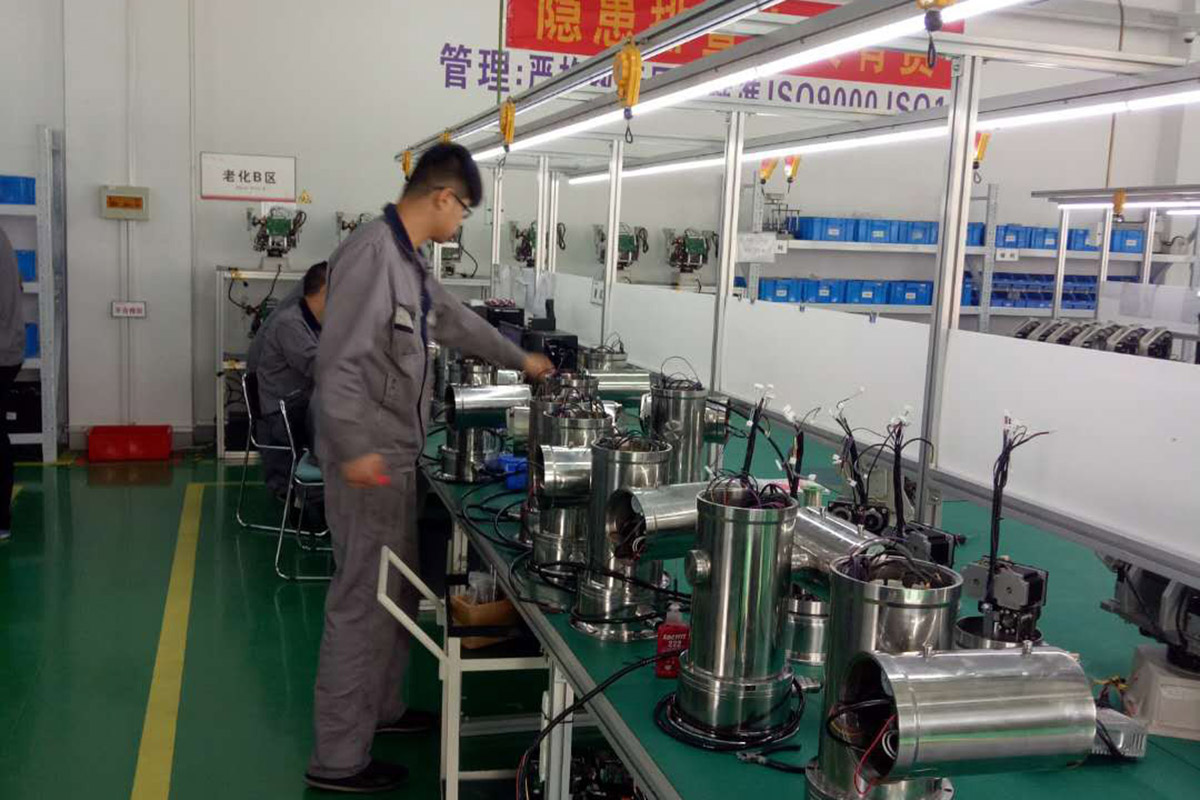
We control every phase of production: from the initial casting of aluminum alloy housings and precision cutting of worm gears, to board assembly and environmental testing. This vertical integration keeps quality high while eliminating middleman markups.
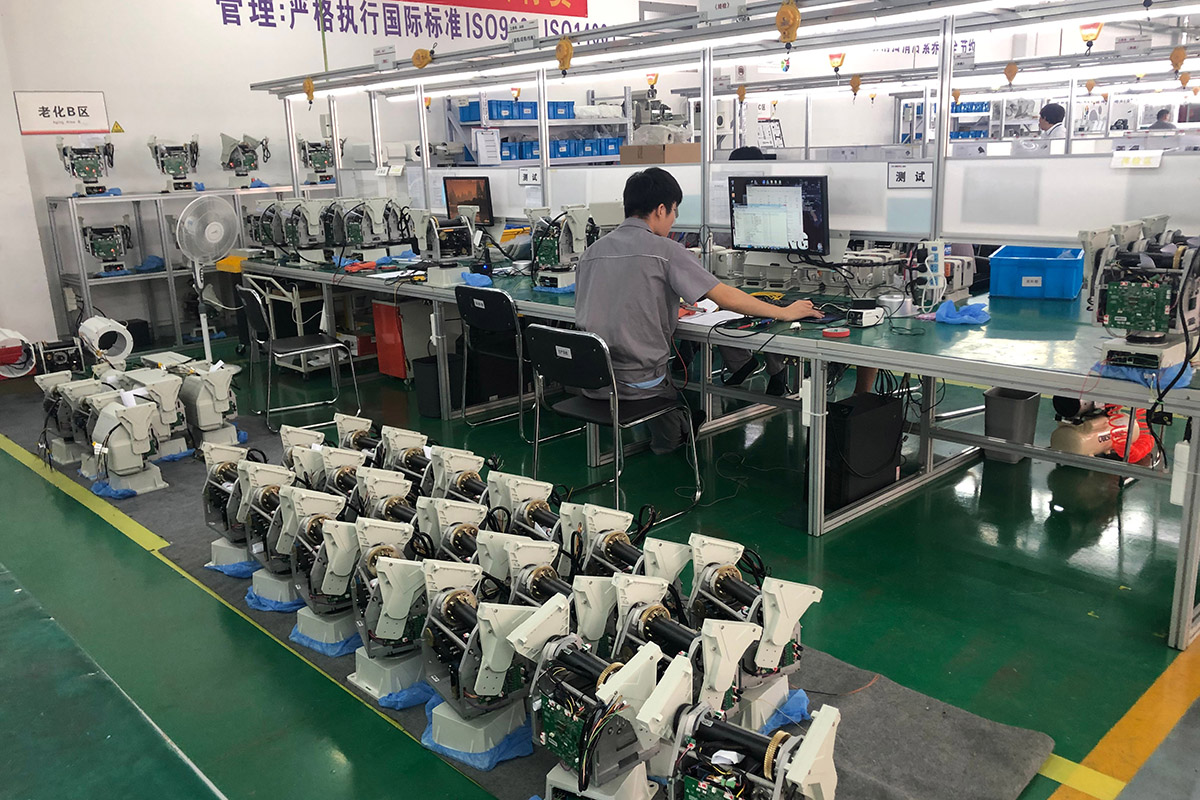
Every single positioning unit undergoes a 48-hour dynamic burn-in run, salt spray testing, and vibration testing prior to shipment. We also utilize automated coordinate measurement machines (CMM) to verify mechanical tolerances down to the micrometer level.
Need custom slip ring wiring configurations, RF rotary joints (for coaxial antenna feeds), optical fiber passes, or specialized voltage inputs? Our engineering team can develop a custom prototype within 2 to 3 weeks.
Get a detailed look at our core pan-tilt platforms, designed for continuous operation in challenging deployments.
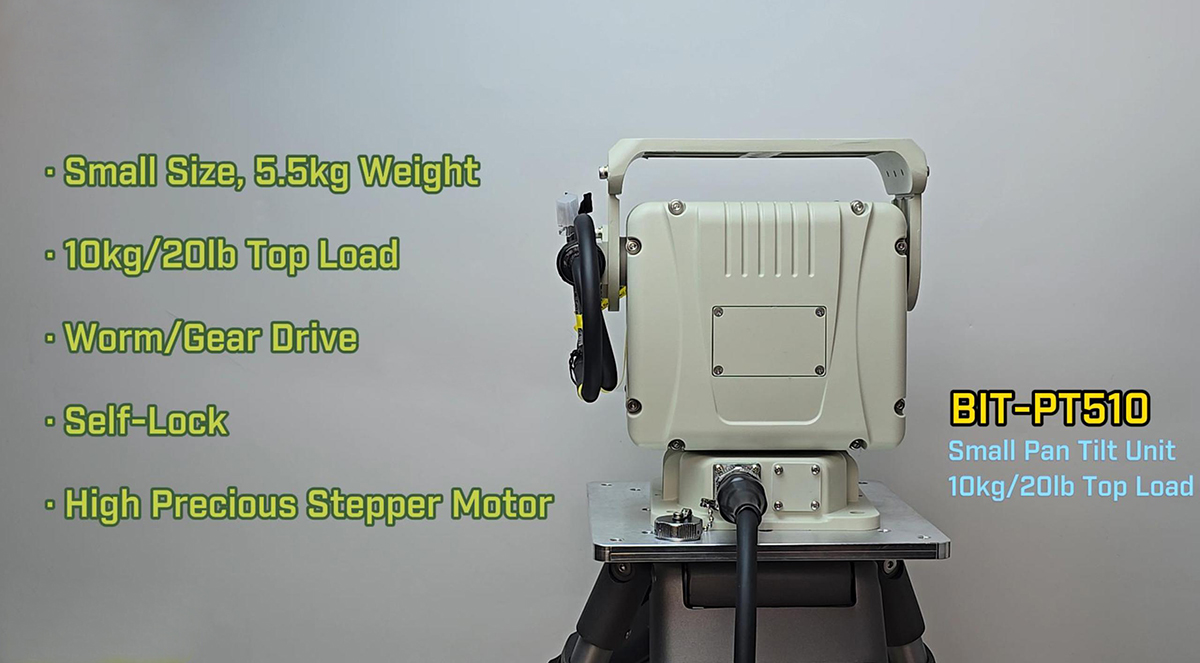
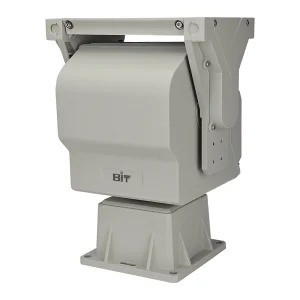
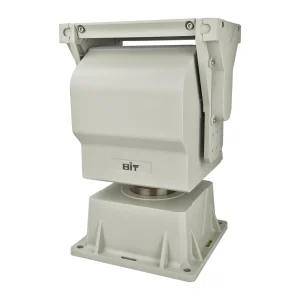
The BIT-PT510 is a highly reliable compact positioner designed for light-duty radar antennas, thermal cameras, and optical payloads up to 10kg (22lb). Powered by high-resolution stepper motors and a worm-gear drive system, it ensures stable holding torque even when power is disconnected.
It supports a wide rotation range of 360° continuous pan and ±60° tilt. Speeds up to 30°/s make it suitable for fast, precise target positioning. Common applications include border security, forest fire observation towers, and localized weather sensor tracking.
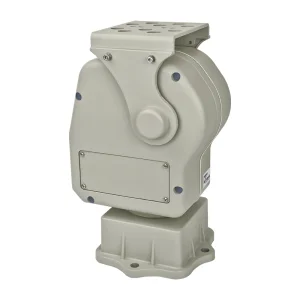
Weighing only 3.5kg, this mini PTU is built for mobile tracking setups, tactical field gear, and vehicle-mounted antennas. It manages up to 3.5kg (7.7lb) of equipment, delivering reliable dual-axis control in a highly compact, lightweight frame.
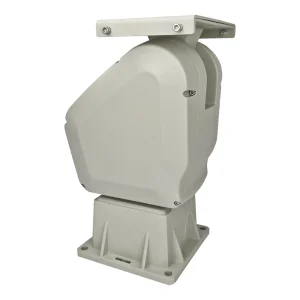
Engineered for high-speed tracking, the BIT-PT410 spins up to 100°/second. This makes it an ideal match for tracking rapidly moving targets, such as low-altitude drones or high-speed vessels. The tilt direction is reinforced with a worm-gear setup to support 10kg (22lb) payloads with a tilt arc of -90° to +40°.
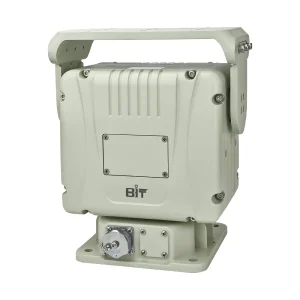
The BIT-PT850 has been a trusted workhorse in coastal defense, marine vessel navigation, and large aperture antenna positioning for over a decade. Built for payloads up to 50kg (110lb), its rugged design, weather-sealed casing, and low mechanical failure rates make it a reliable choice for long-term deployments in harsh weather conditions.
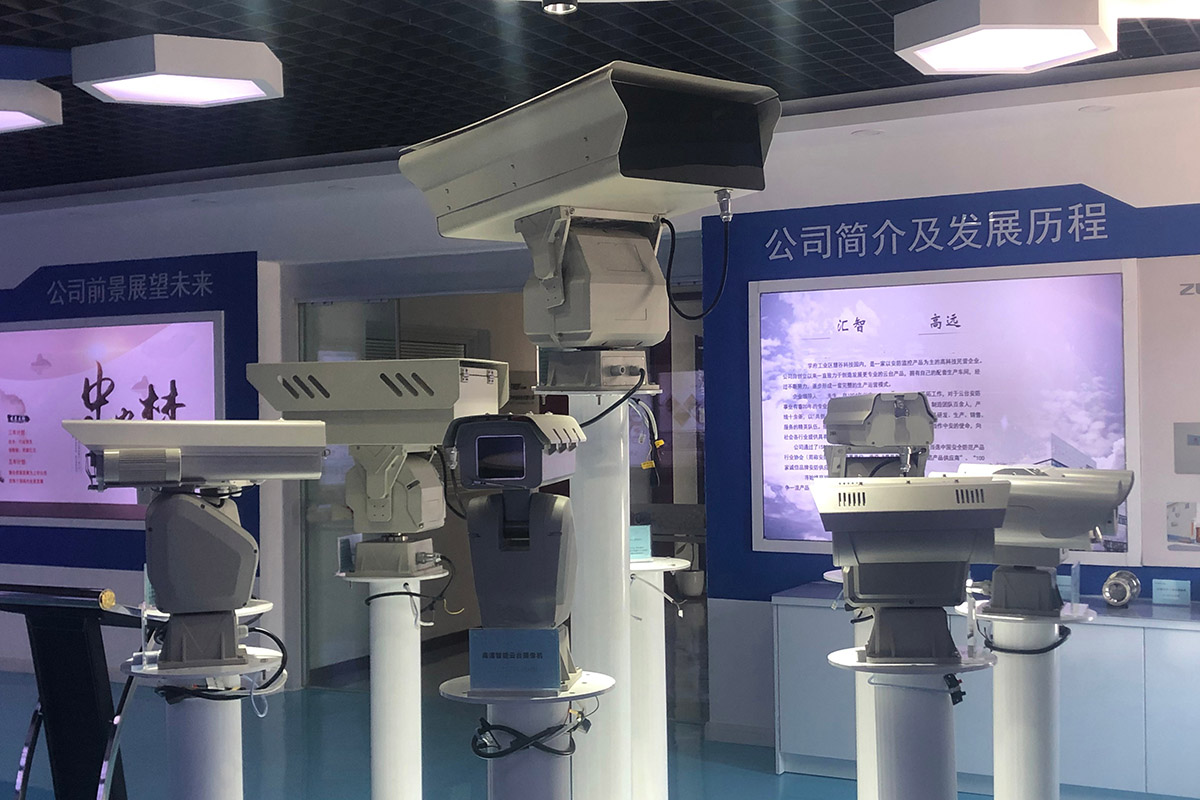
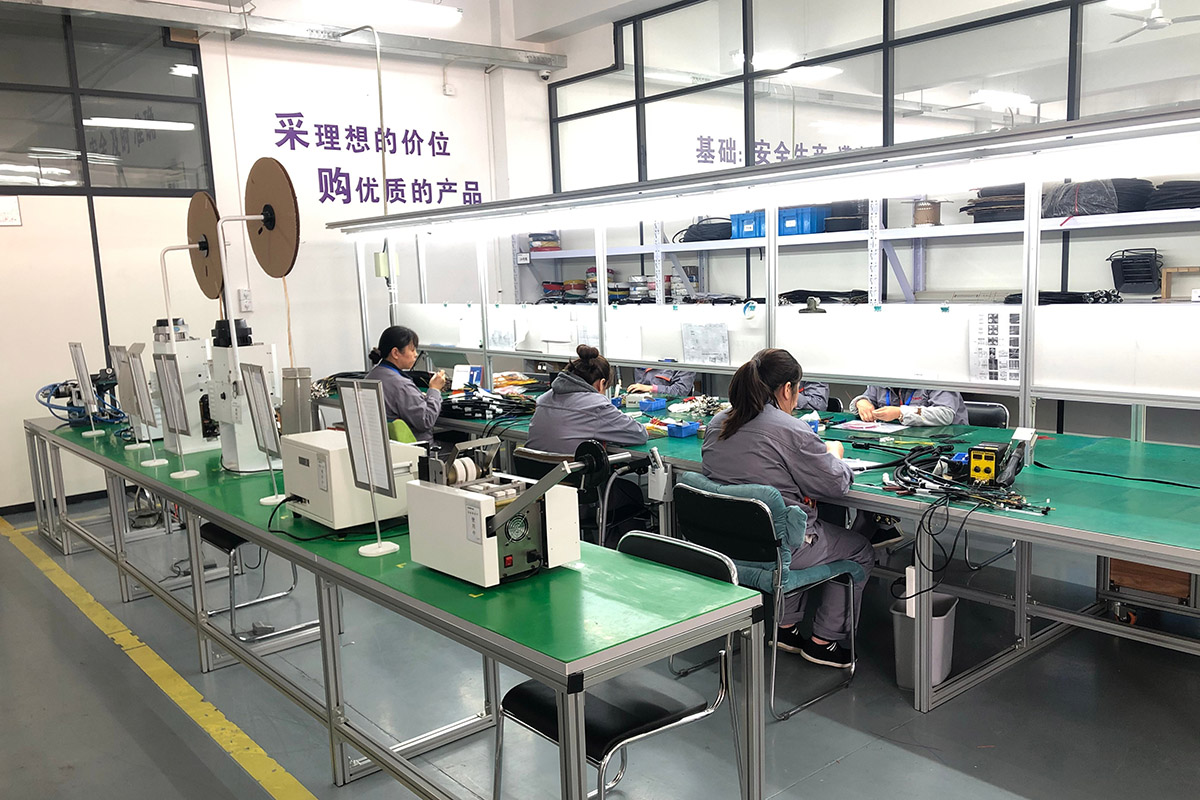
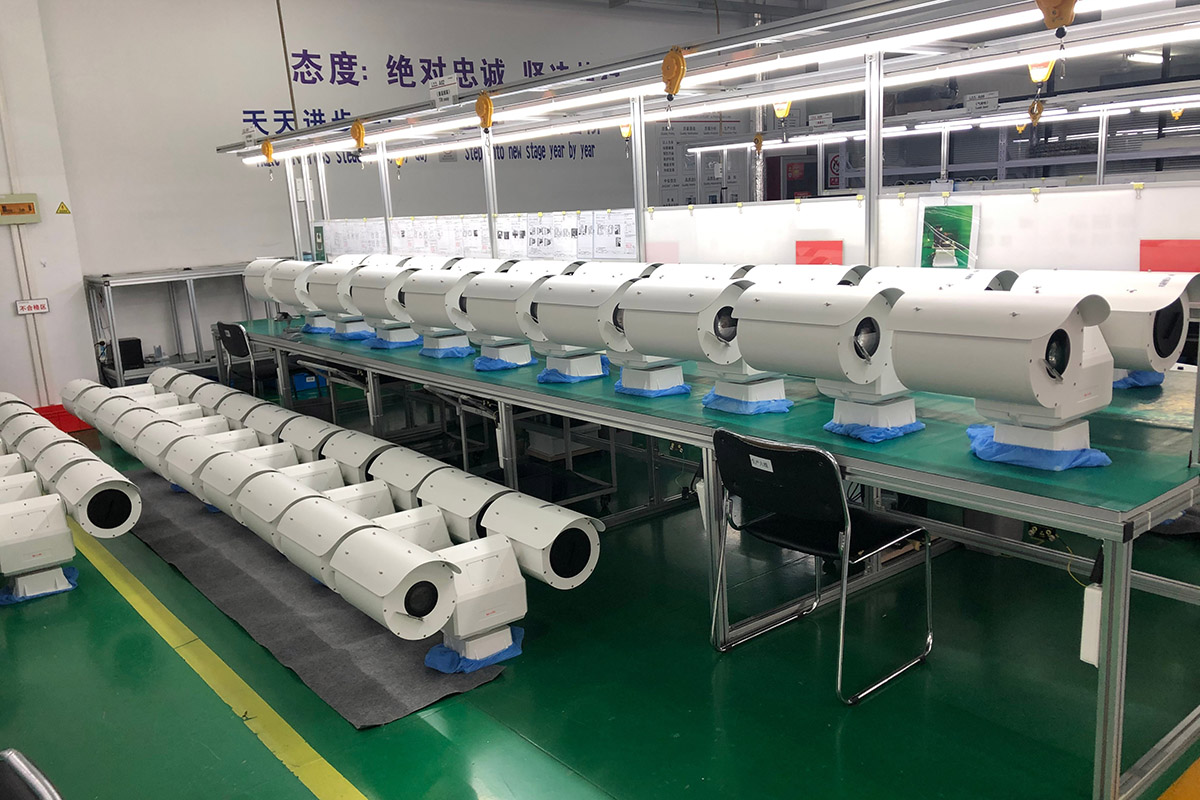
A look inside our ISO-certified facilities and testing areas where our positioning platforms are built.
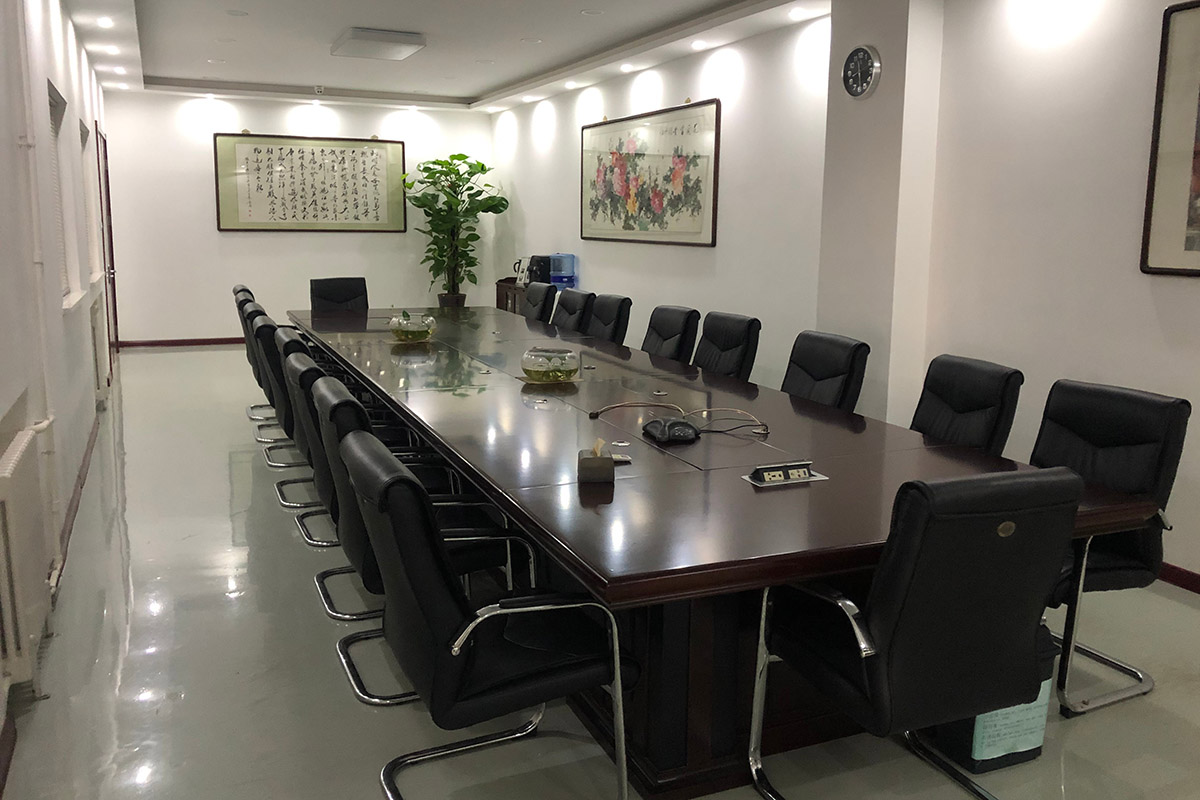
Backed by over 50 national patents and continuous investment in R&D to deliver compliant technology solutions.
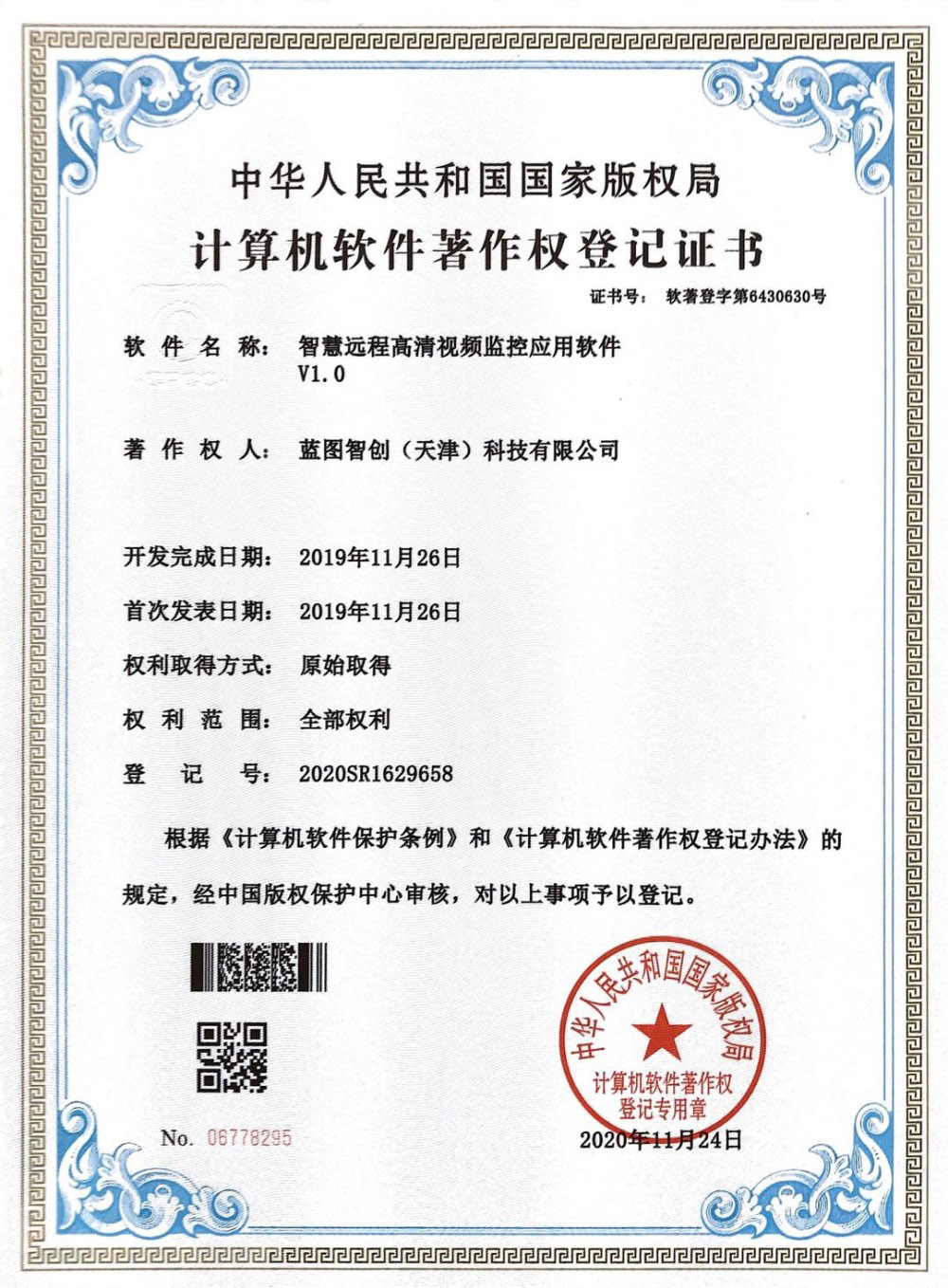
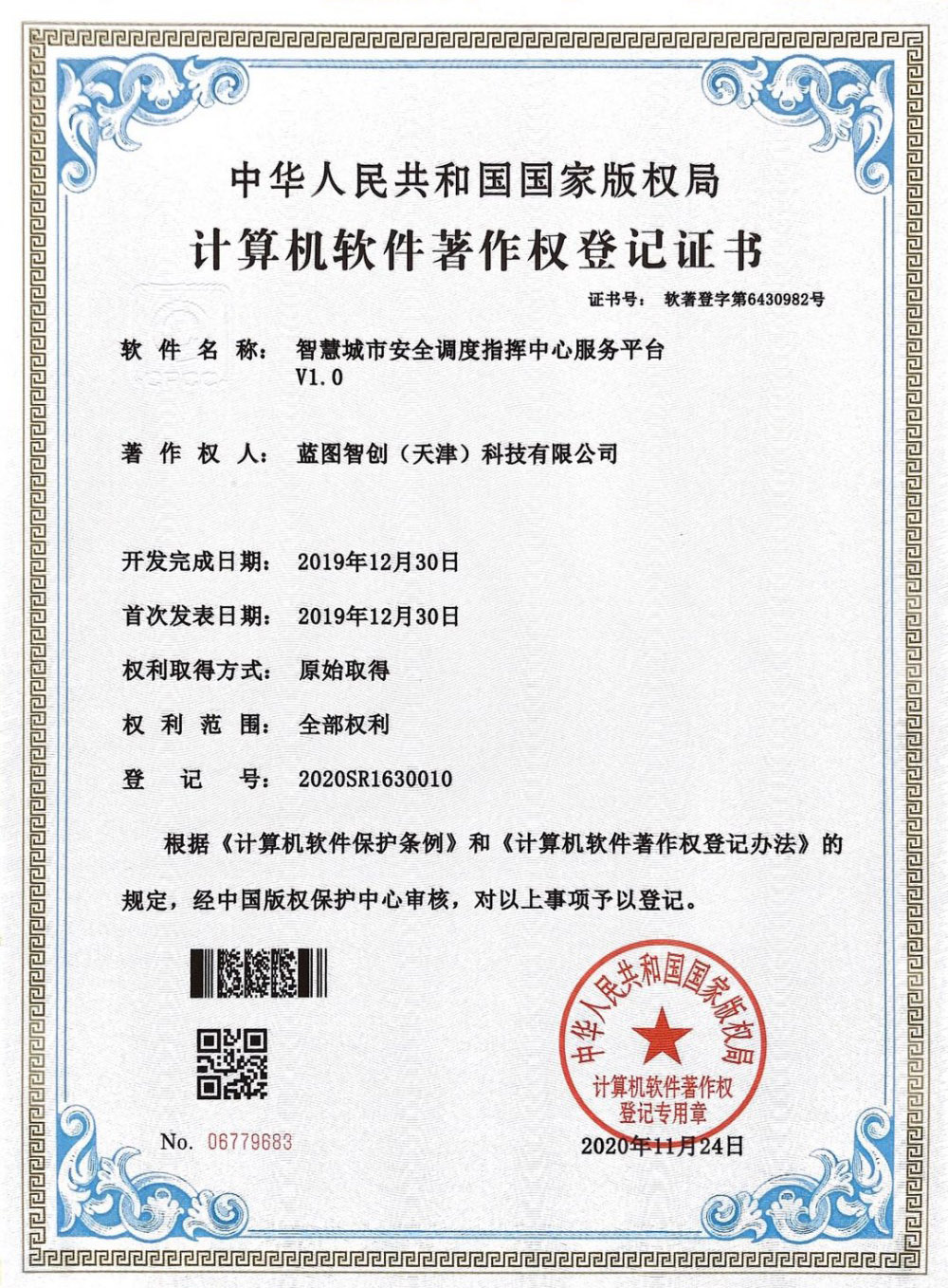
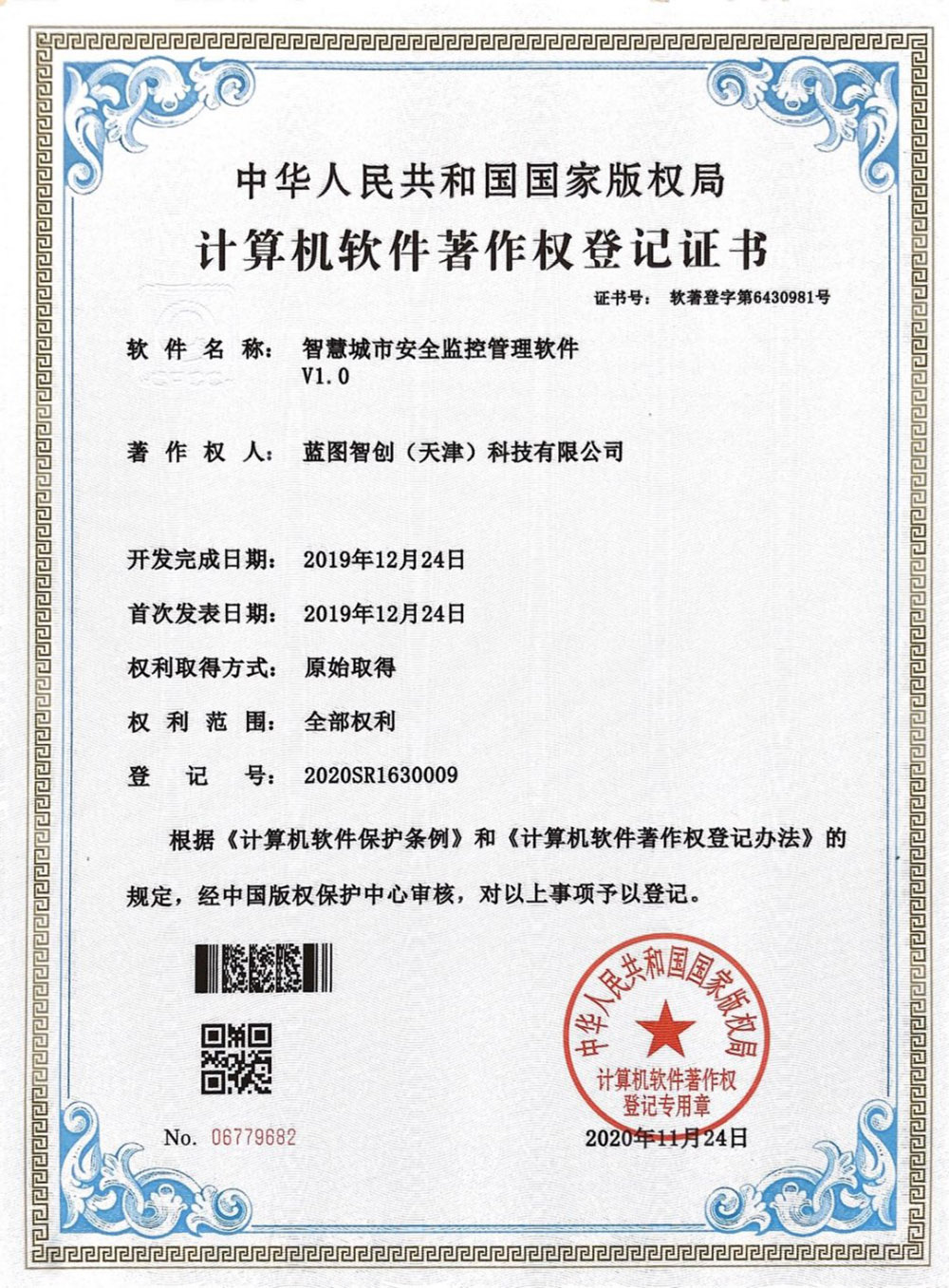
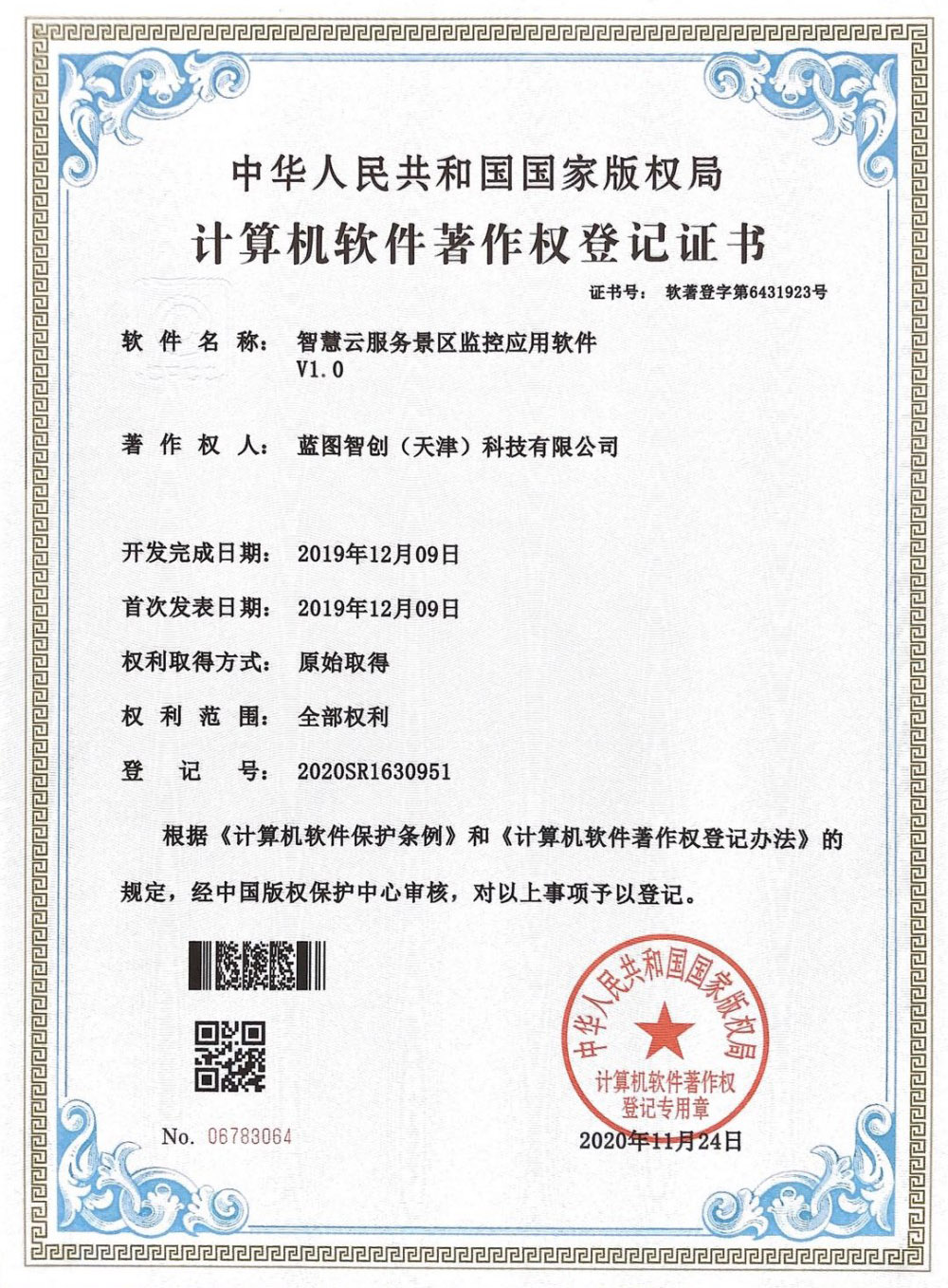

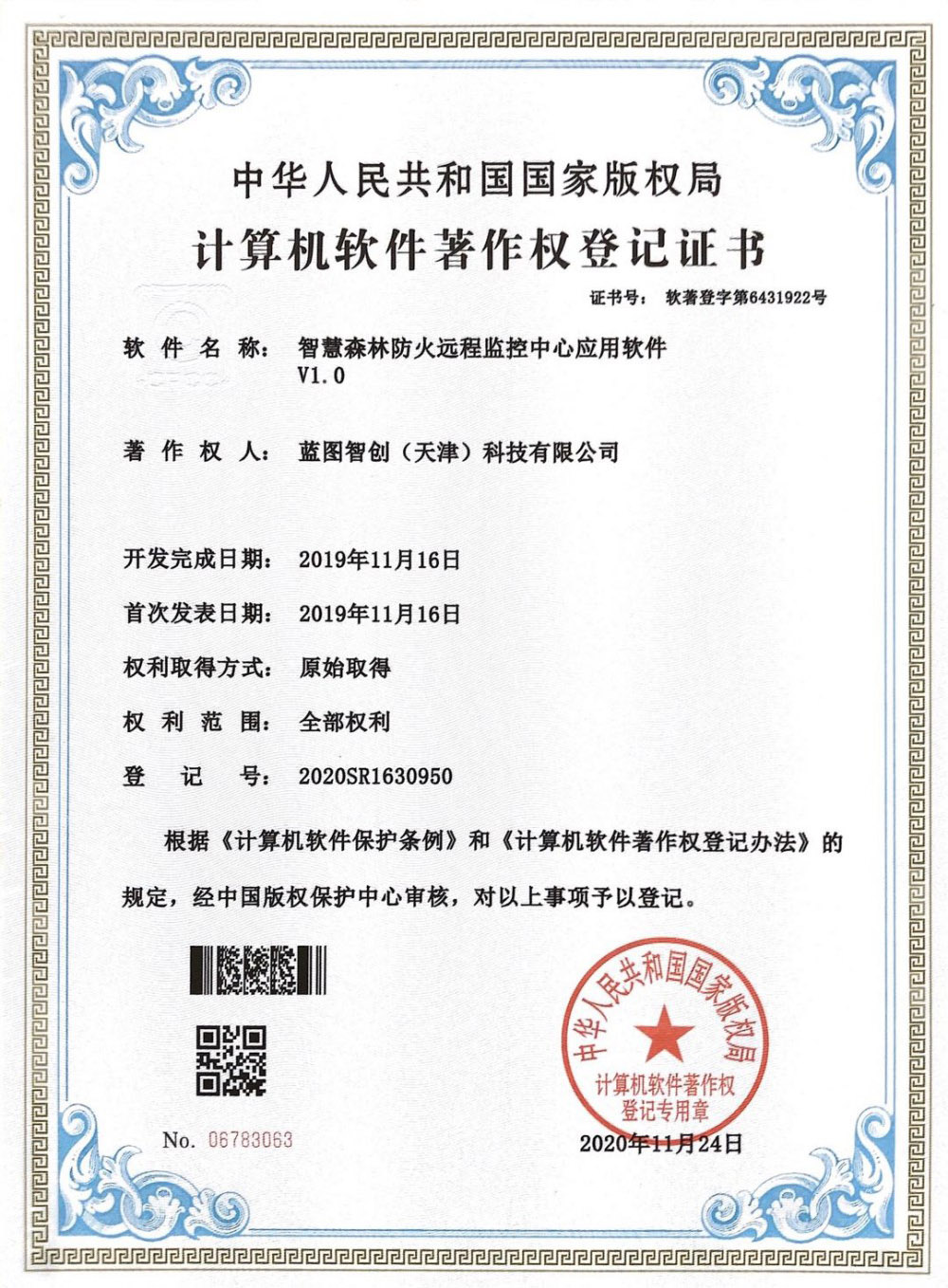
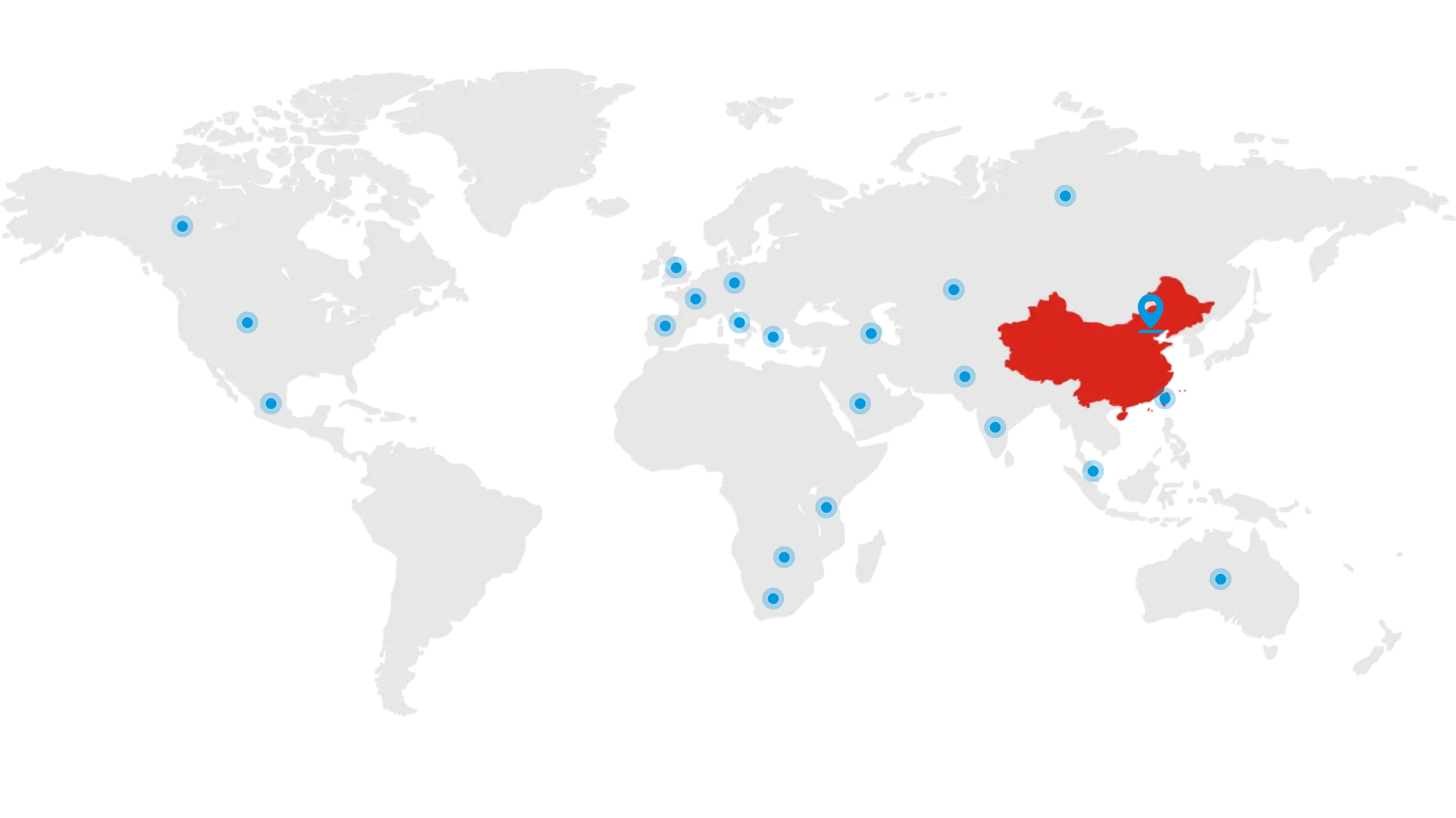
Our positioning hardware and custom rotators are deployed in over 50 countries across five continents.









Expert articles and design insights on picking, mounting, and integrating tracking pedestals.
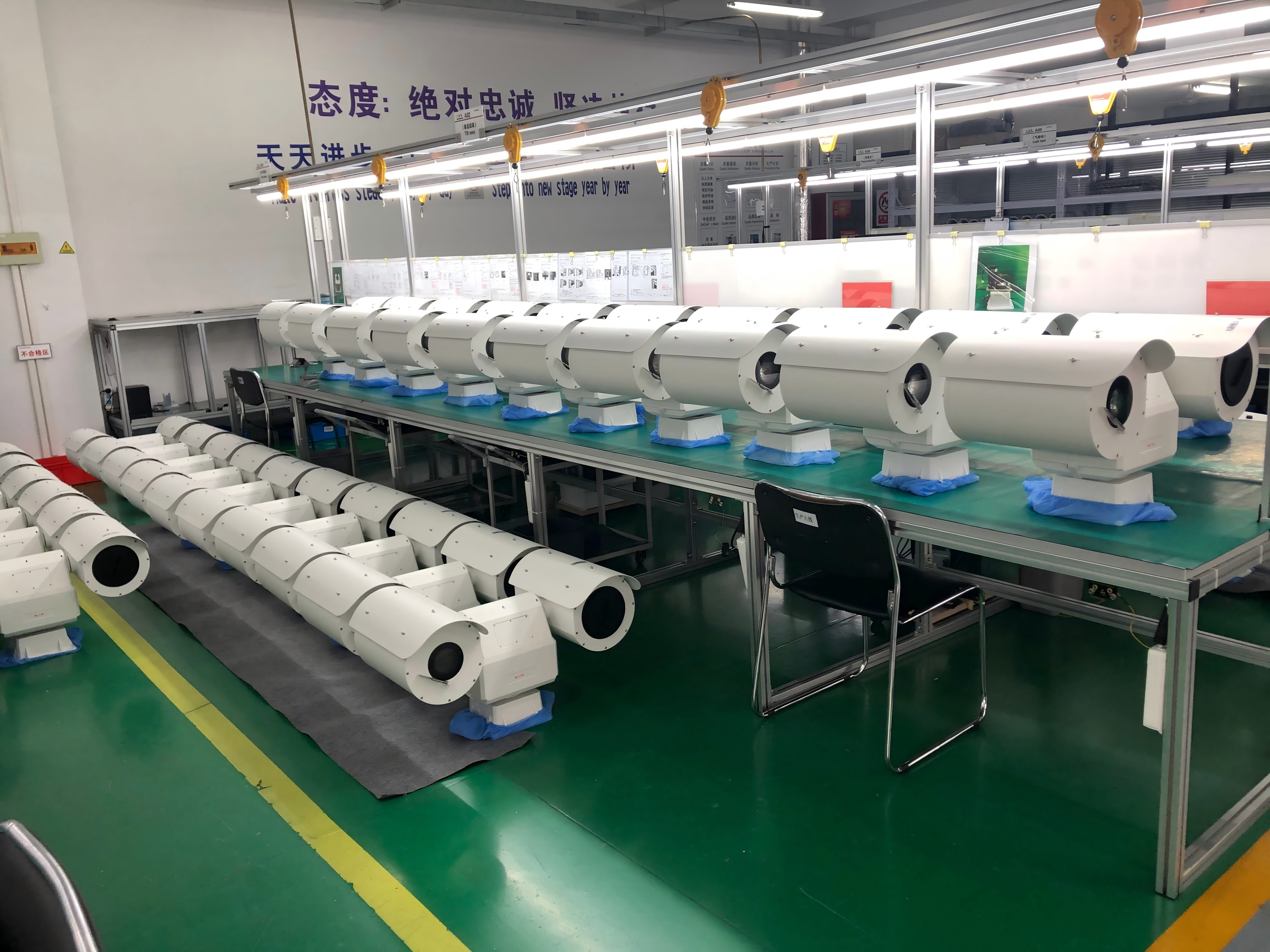
As application scenarios for pan-tilt systems expand, custom configurations are increasingly common. Evaluate these four main selection parameters...
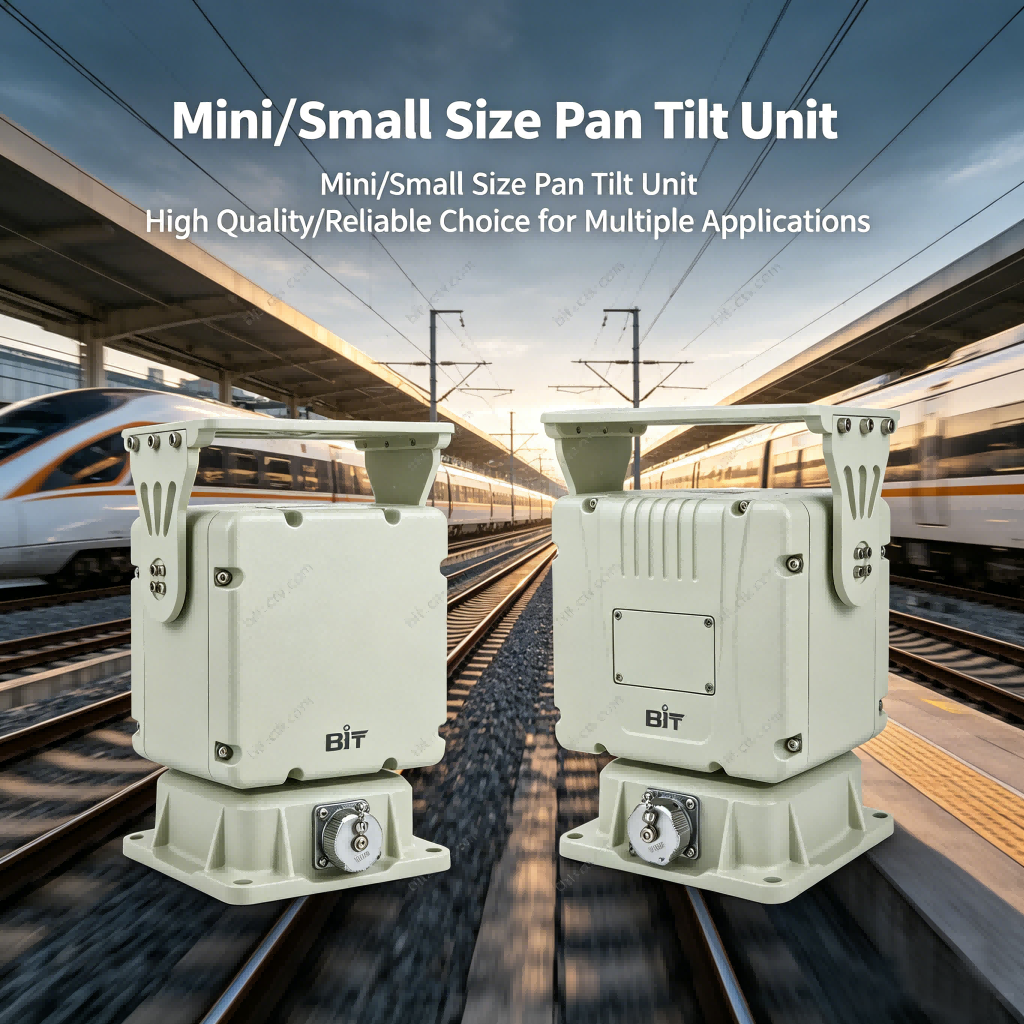
Detailing the features of our compact systems: weighing only 3.5kg with a maximum load capacity of 3.5kg, they provide a lightweight, flexible option for small sensors...
Positioning units can be classified based on payload weight, operating conditions, physical shape, mounting configuration, and movement parameters...
Answers to common engineering and sourcing questions about industrial automatic antenna rotators.
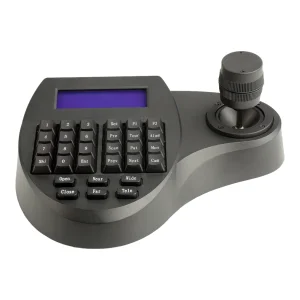
Browse our expanded line of single-axis rotators, medium-duty positioning units, keyboard controllers, and brackets.