China Aluminum Telescoping Mast Supplier & Products

High-End Architectural Engineering, Industrial Applications, and Comprehensive Positioning Solutions from China's Pioneer Manufacturer

Featured Engineering & Positioning Components

Industrial-grade heavy duty tripods, camera housings, wallmount brackets, and high-performance positioners.
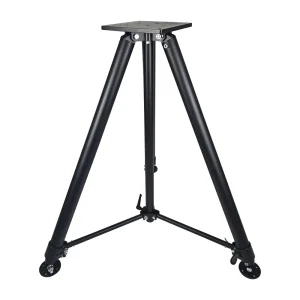
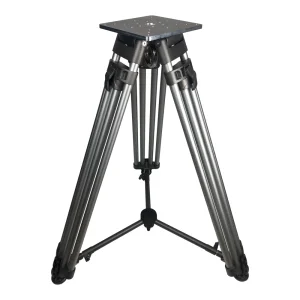
Custom 200kg Load Heavy Duty Tripod

Custom 200kg/440lb Load Heavy Duty Tripod for PT Unit

Learn More →
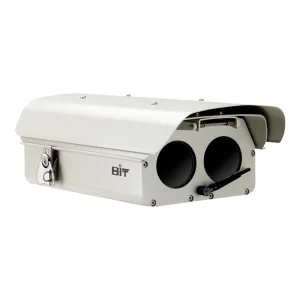
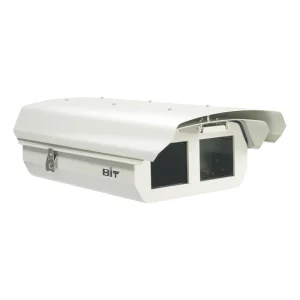
BIT-HS4215 Dual Window Camera Housing

High-Quality BIT-HS4215 15 Inch Dual Window Camera Housing

Learn More →
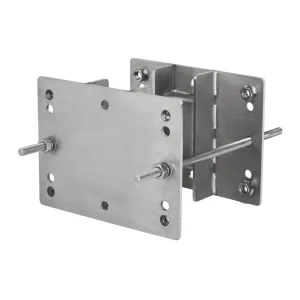
Custom Stainless Steel Pole Mount Bracket

Custom Stainless Steel Pole Mount Bracket for Pan Tilt

Learn More →
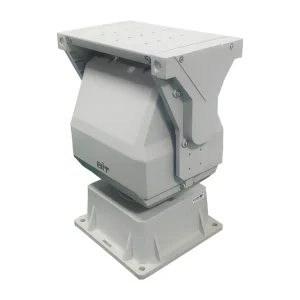
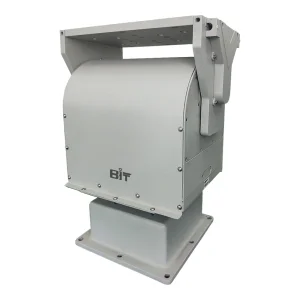
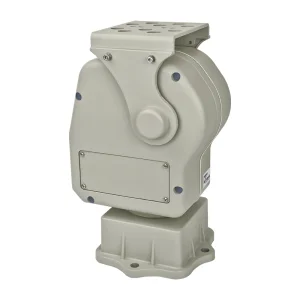
High-Quality Outdoor Heavy Duty Pan Tilt Unit

High-Quality Outdoor Heavy Duty High Speed Pan Tilt Unit (Max. 40kg)

Learn More →
High-Quality 110kg/240lb Load Heavy Duty Tripod

High-Quality 110kg/240lb Load Heavy Duty Tripod for PT Unit

Learn More →
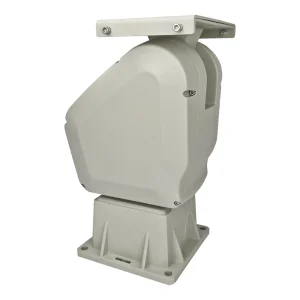
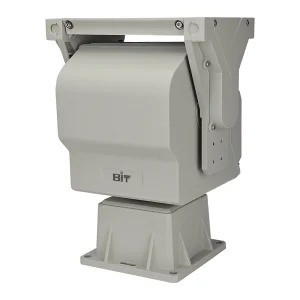
OEM High Speed Pan Tilt Unit 10kg

OEM High Speed Pan Tilt Unit with 10kg/22lb Load Capacity

Learn More →
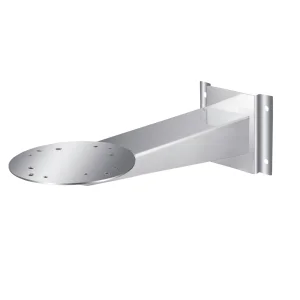
Stainless Steel Wallmount Bracket

High-Quality Stainless Steel Wallmount Bracket for PT Unit

Learn More →
Custom 11 Inch Dual Window Camera Housing

Custom 11 Inch Dual Window Camera Housing (Sunshield, Heater/Fan/Wiper)

Learn More →

Global Commercial & Industrial Landscape of Aluminum Telescoping Masts

An in-depth whitepaper assessing the market trends, structural demands, and high-load performance indices of modern lifting systems.

The global demand for portable elevation mechanisms has seen exponential growth over the past decade. Aluminum telescoping masts represent the pinnacle of modern structural engineering—combining lightweight physical traits with incredible structural strength. Primarily deployed in high-performance industries such as telecommunications, emergency response infrastructure, tactical military intelligence, border control, and meteorological telemetry, these masts provide a reliable platform for cameras, sensors, lights, and antennas.

Critical Parameter for Systems Engineers: Torsional Rigidity. Unlike static poles, a telescoping mast must resist wind loading and axial twisting. This is especially true when hosting heavy payloads like the BIT-PT850 50kg Heavy Duty Pan Tilt Positioner or the BIT-PT510 Worm Gear Drive Positioner. High wind speeds generate significant torque at the top of the structure, meaning mechanical locking systems and interlocking mast profiles are vital to maintain calibration and target tracking precision.

From 5G network expansion to mobile police command vehicles, telescoping masts serve as the physical backbone for elevated monitoring. Regionally, North American and European markets require high conformity to safety standards, including wind tunnel test certifications and salt spray test ratings (to ensure survival in saline coastal environments). These requirements have made structural grade 6061-T6 and 7075-T6 aluminum alloys, finished with hard-anodized protective coatings, the absolute industry standard.

China Manufacturing: Efficiency, Technology, and Vertical Integration

How Blue Icon (Tianjin) Technology establishes global competitive advantages in engineering precision and supply chain scaling.

Supply Chain Consolidation

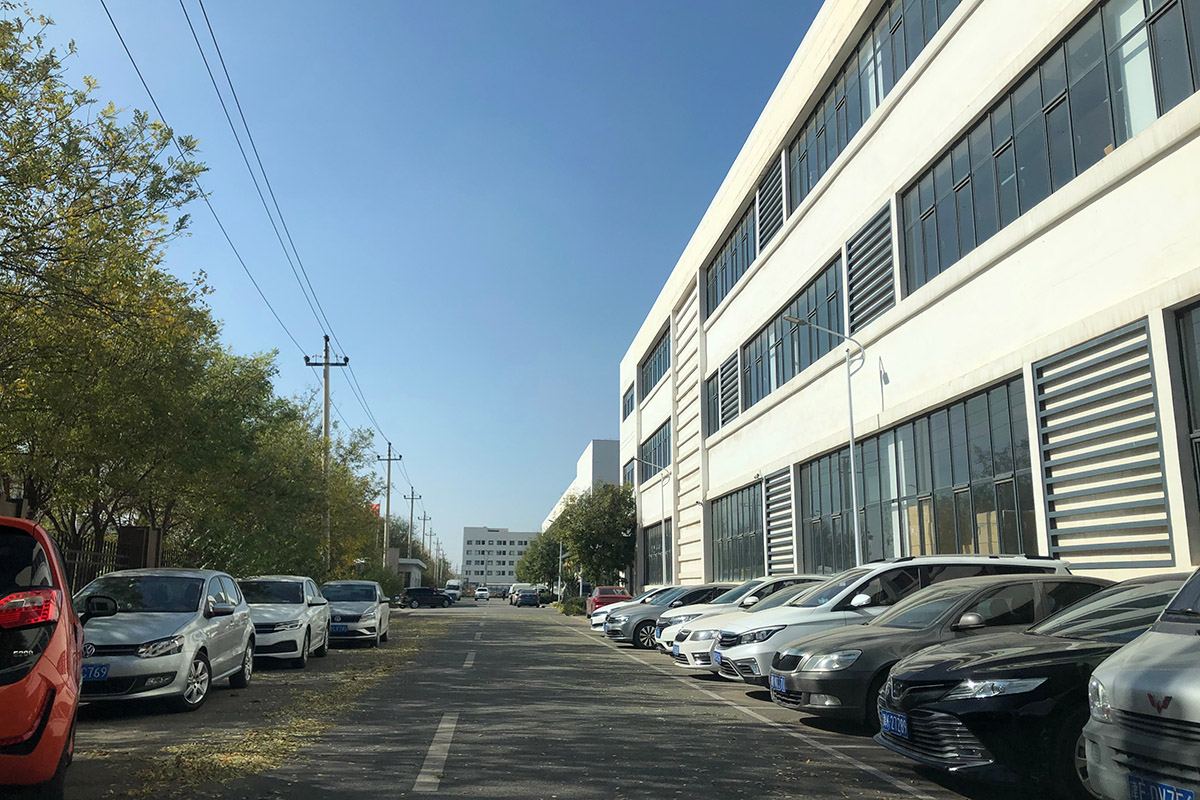
Located in the industrial hub of Tianjin, China, we leverage direct access to raw material refining, casting, precision CNC machining, and automated anodization. This limits transportation delays and cuts production overheads.

Precision Tooling

Our CNC tooling ensures tolerances of less than 0.05 mm, offering concentric alignment of telescoping sections. This reduces friction and guarantees smooth manual or pneumatic deployment over thousands of cycles.

E-E-A-T Reliability

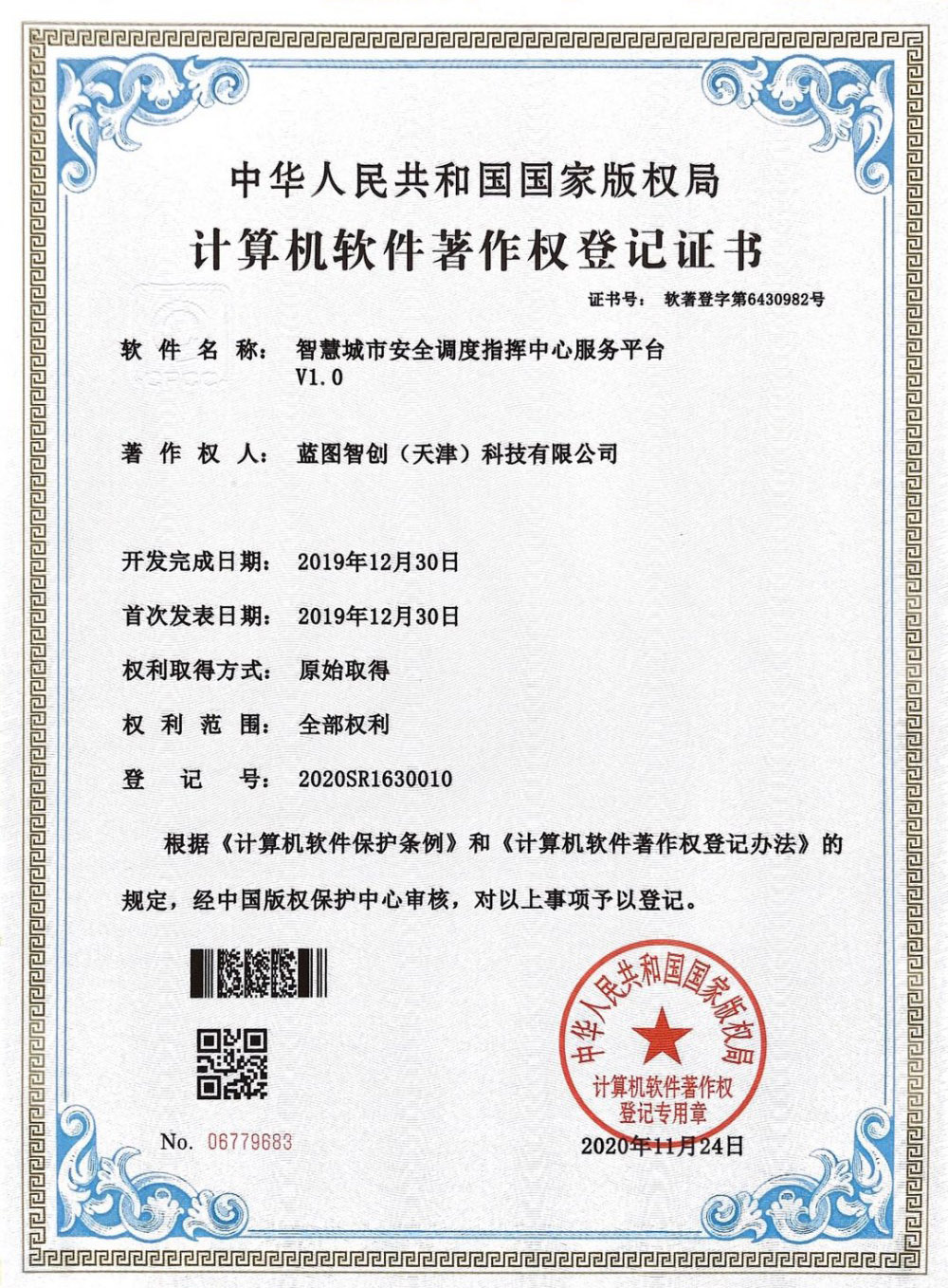
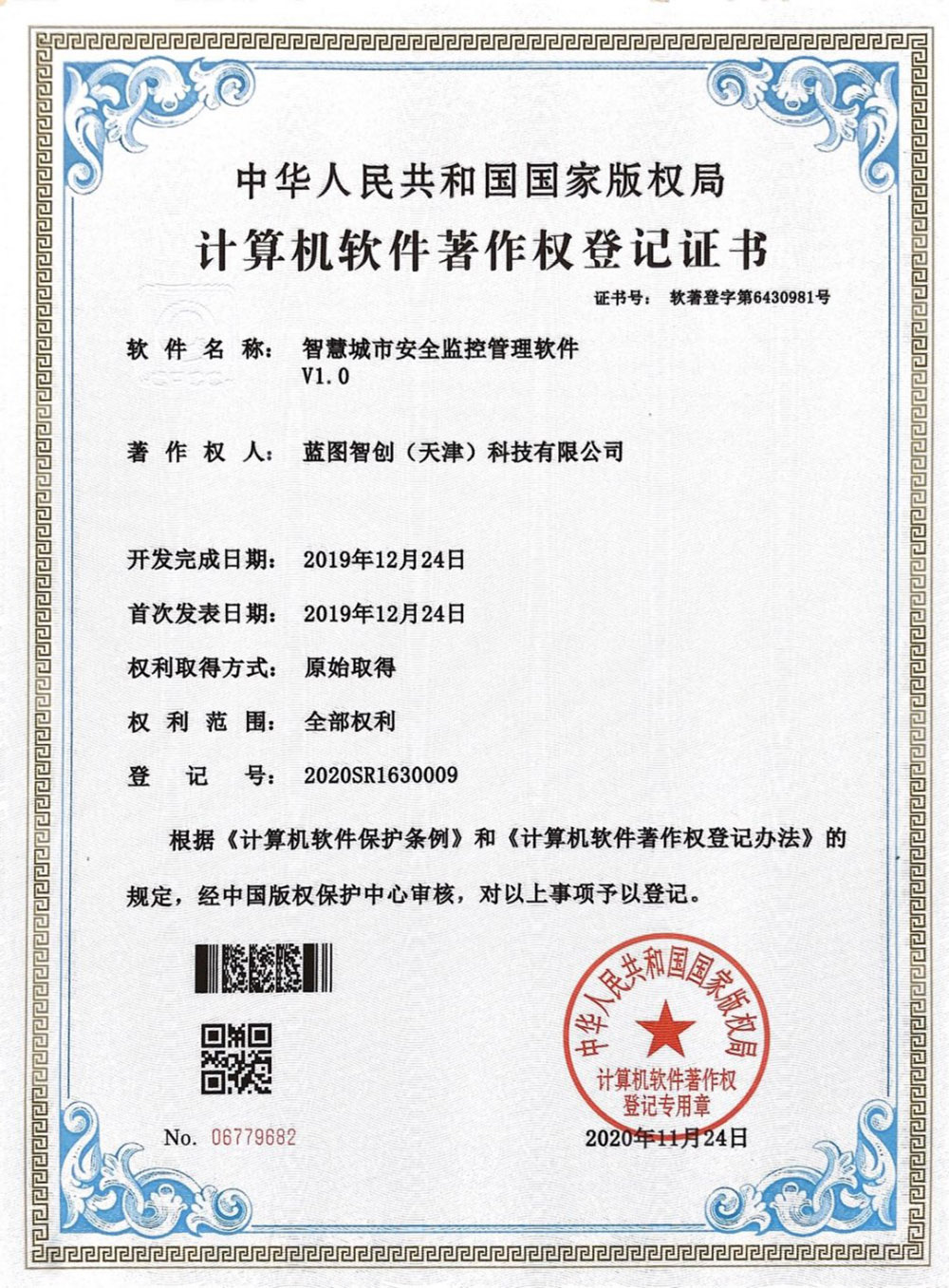
Backed by over 18 years of specialized industry experience, Blue Icon (Tianjin) operates with 50+ national patents and invests 10% of annual revenue into R&D. We are trusted by engineering firms in over 50 countries.

2005
Established
10,000 m²
Manufacturing Area
50+
Patents Registered
10%
Annual R&D Invest
50+
Countries Exported

Localized Application Scenarios & Operational Case Studies

Deploying heavy-duty surveillance and communications assets in extreme, remote environments globally.

1. Maritime, Coastal Protection, and Border Defense

Coastal and marine environments expose deployment structures to extreme humidity and high salt content, causing rapid galvanic corrosion on untreated metal. Our telescoping mast solutions, coupled with stainless steel pole mount brackets and dual-window camera housings with integrated heaters/wipers, are specially treated for high corrosion resistance. The hard-anodized finish protects the structural integrity of the mast, ensuring consistent performance for continuous border defense monitoring.

2. Forestry Fire Detection & Early Alert Systems

Forest fire monitoring requires tall masts installed on remote mountain peaks to establish clear lines of sight. These installations must survive high winds and temperature fluctuations. Integrating the BIT-PT510 10kg Worm Gear Drive Positioner at the top of an aluminum telescoping mast provides reliable early-warning capabilities. The high-precision stepper motor prevents camera deviation, keeping the thermal and optical cameras targeted on their surveillance paths even during storm conditions.

3. Tactical Military Operations & Rapid Mobile Command

Tactical command vehicles require quick deployment and teardown speeds. Our lightweight manual and pneumatic telescopic masts can be set up in under five minutes. Using components like the Custom 200kg Load Heavy Duty Tripod for PT Units, field units can establish a stable communication and surveillance base on uneven terrain, adapting to dynamic tactical environments.

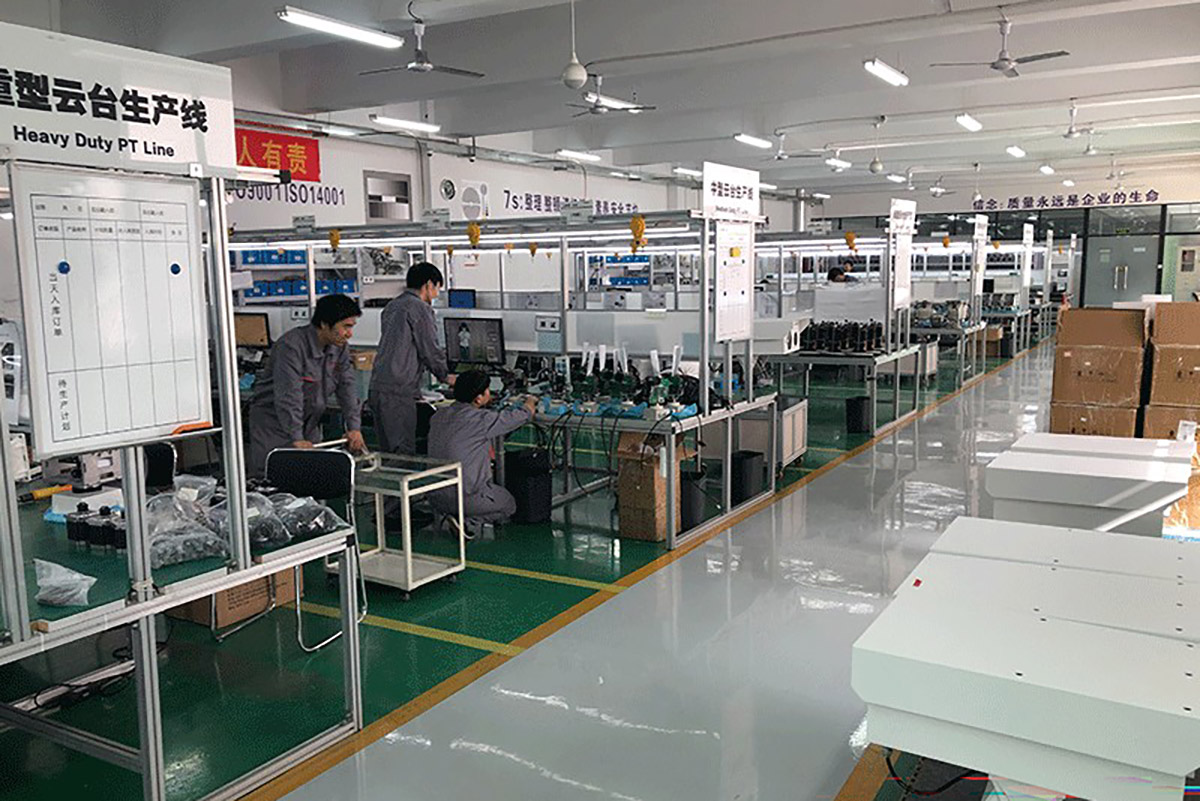
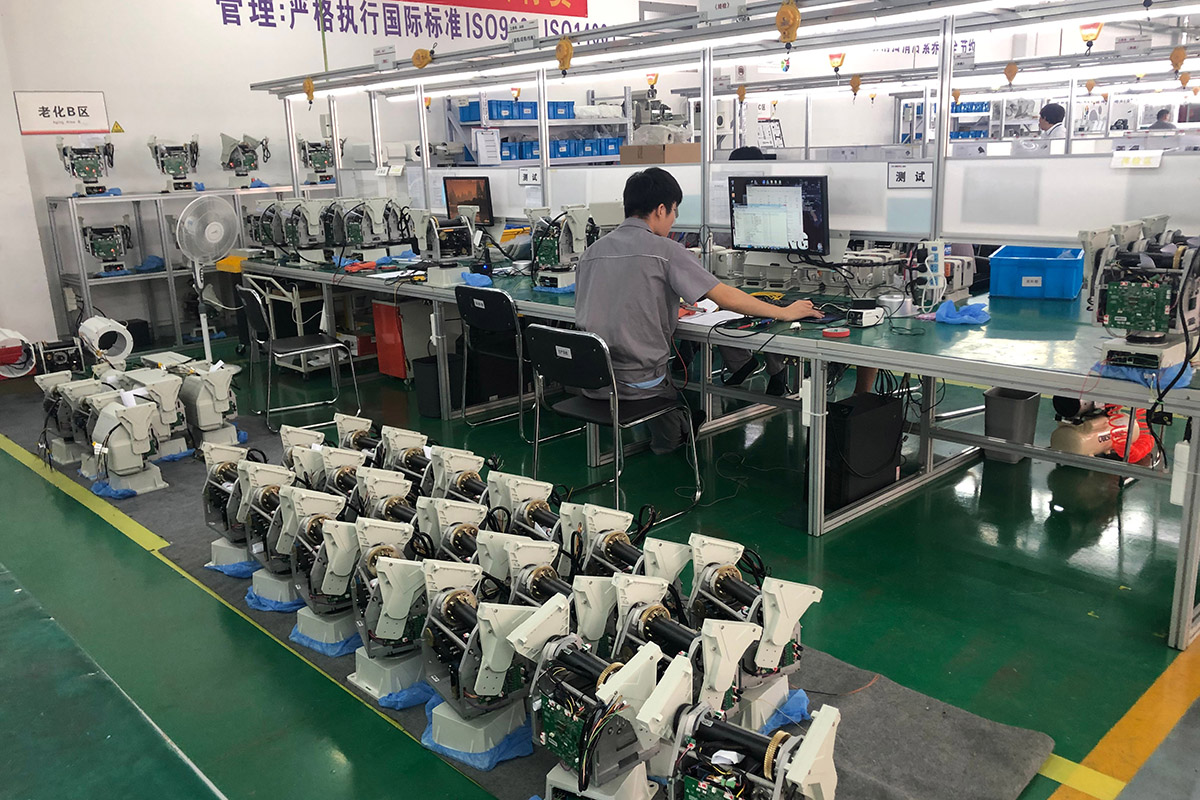
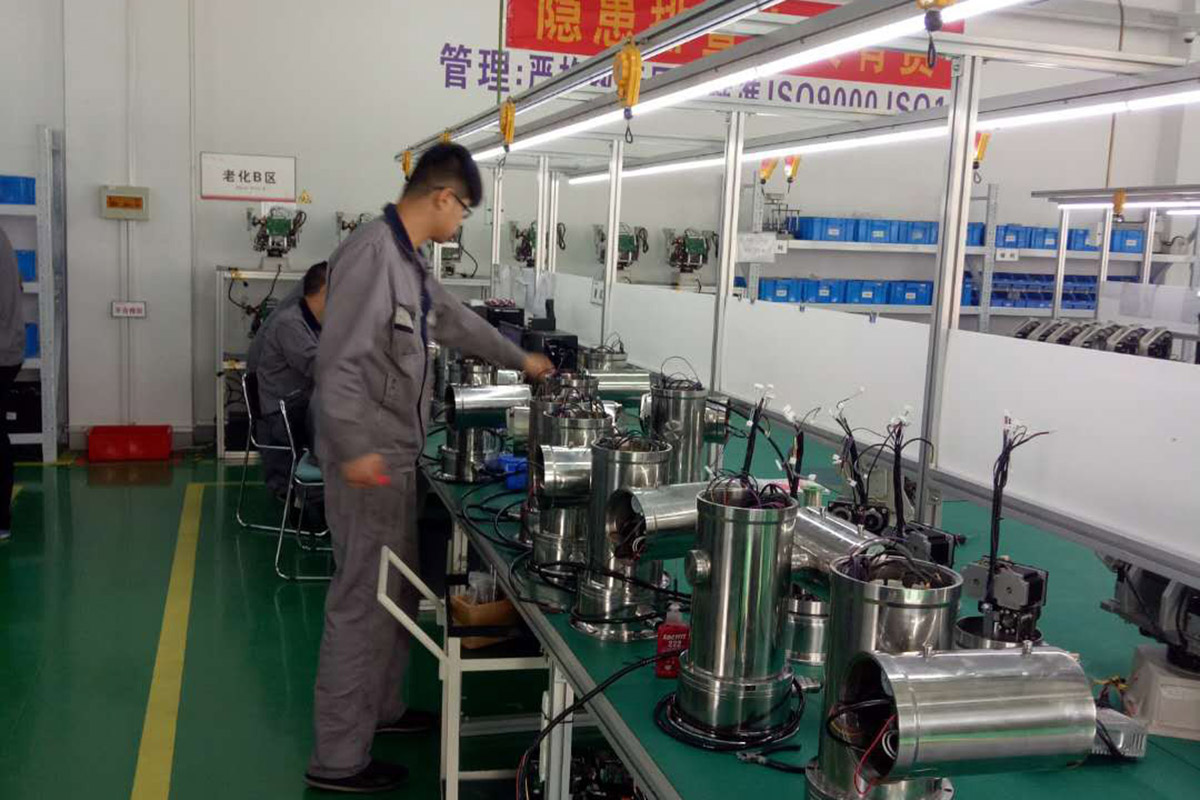
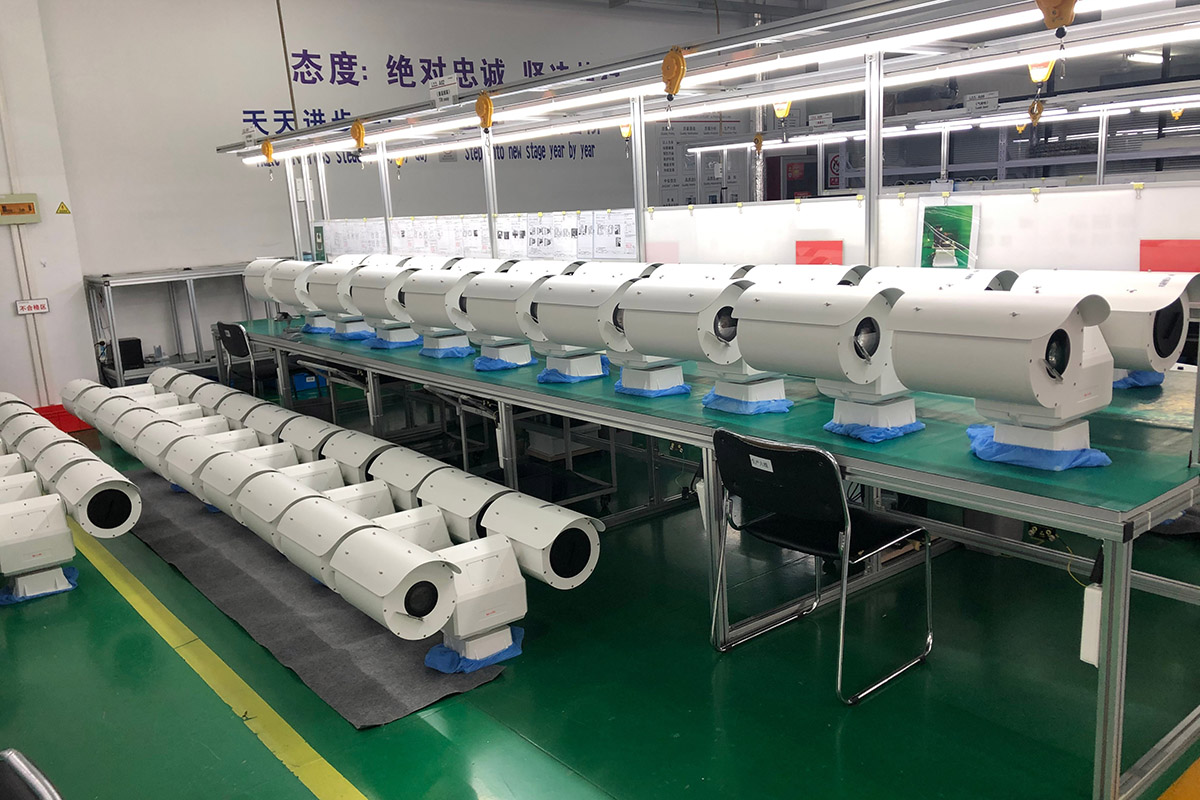
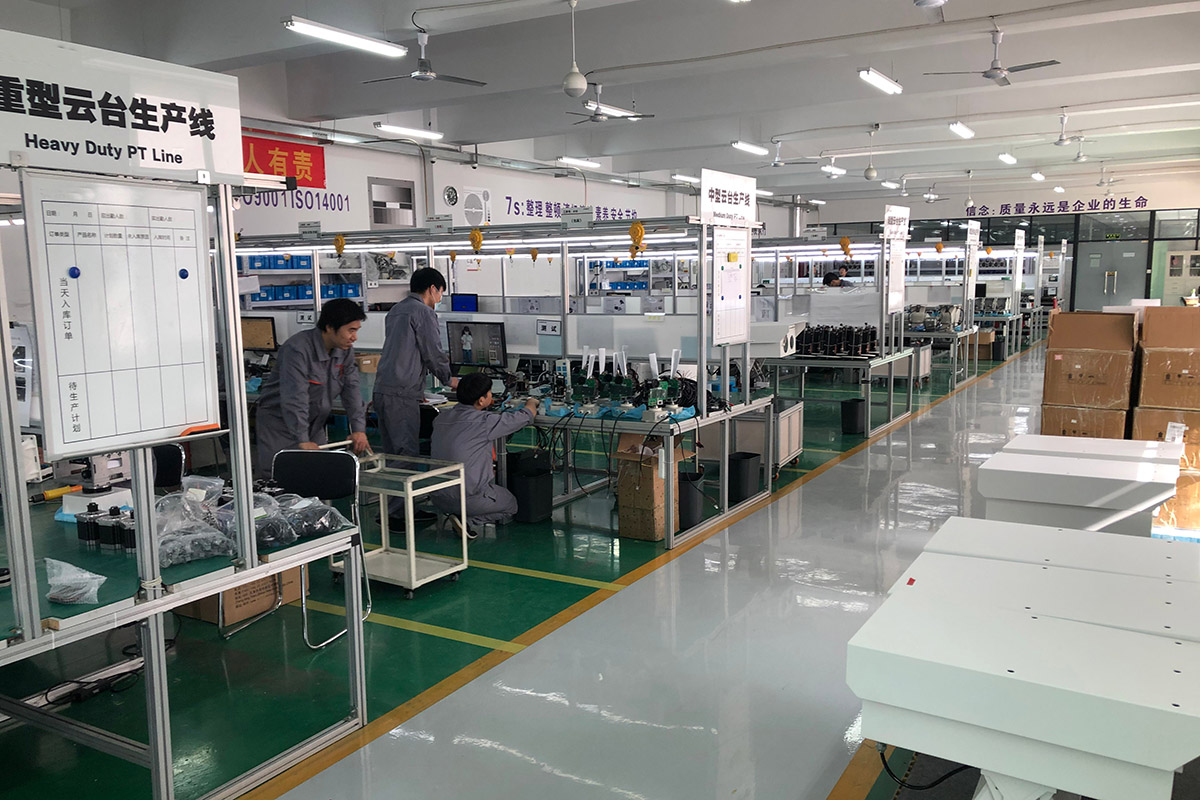
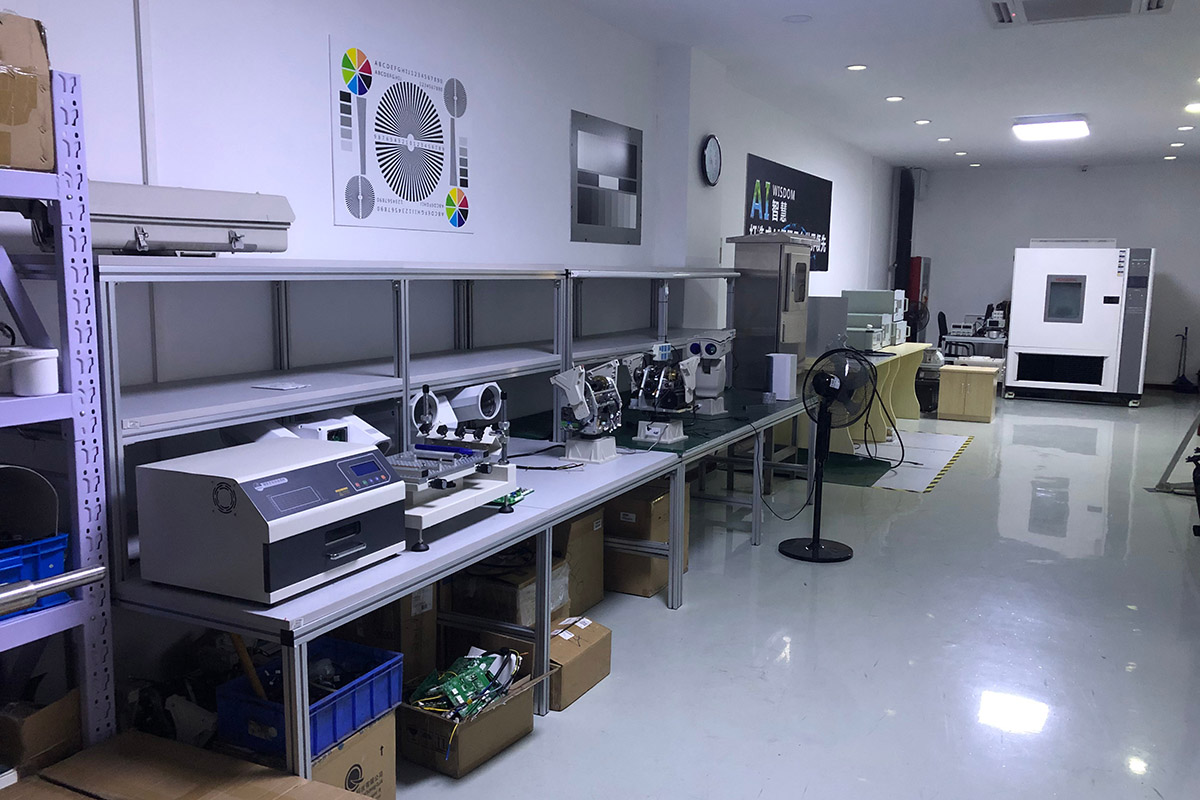
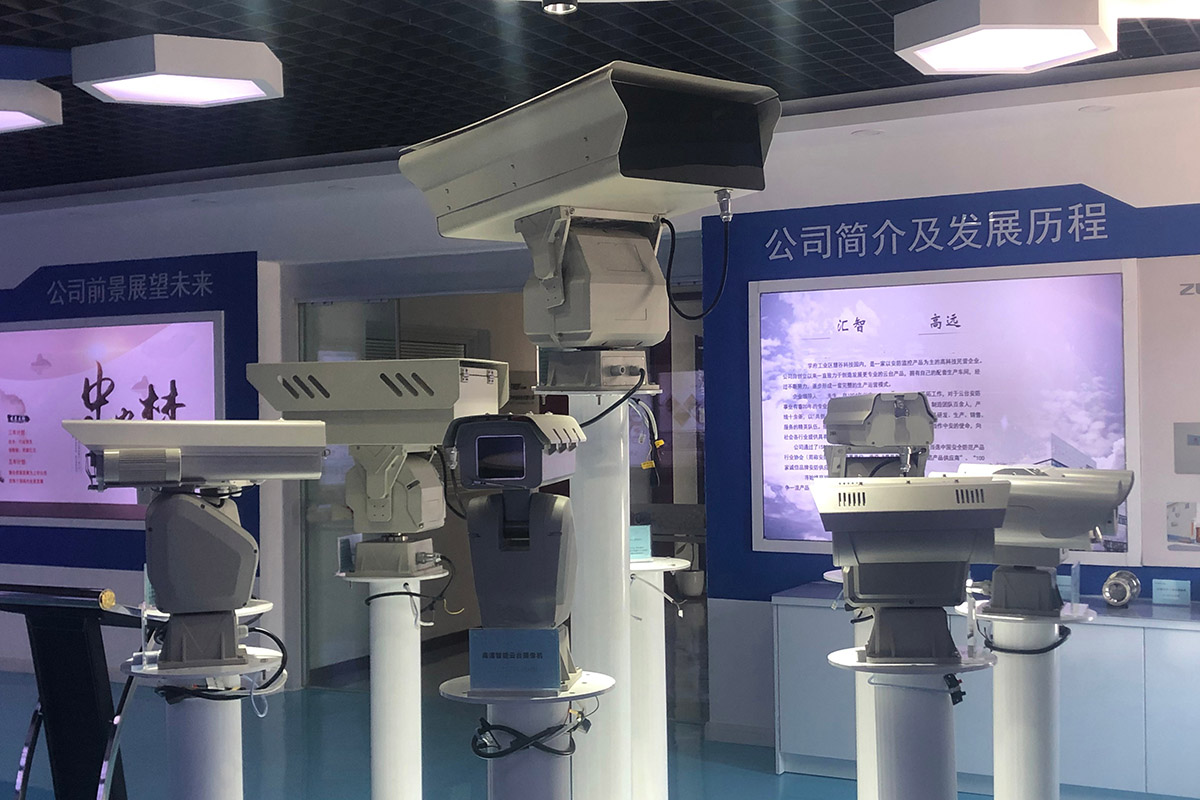
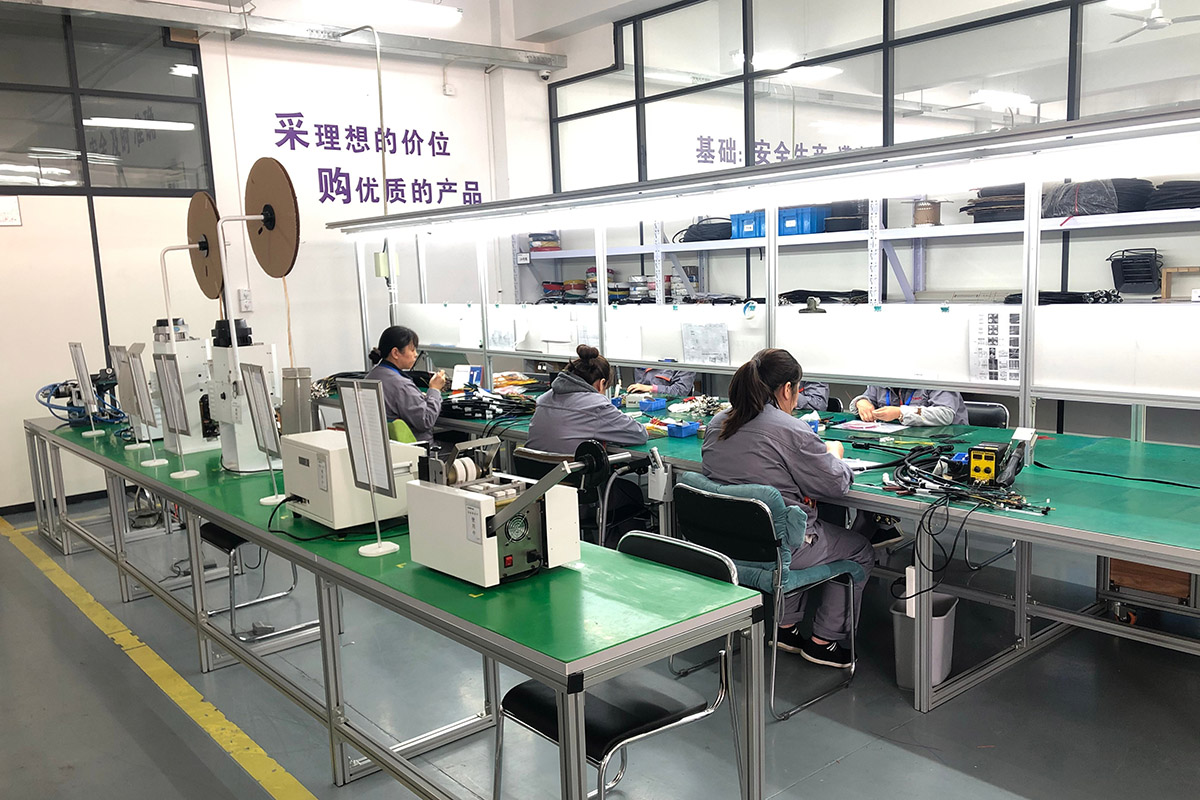
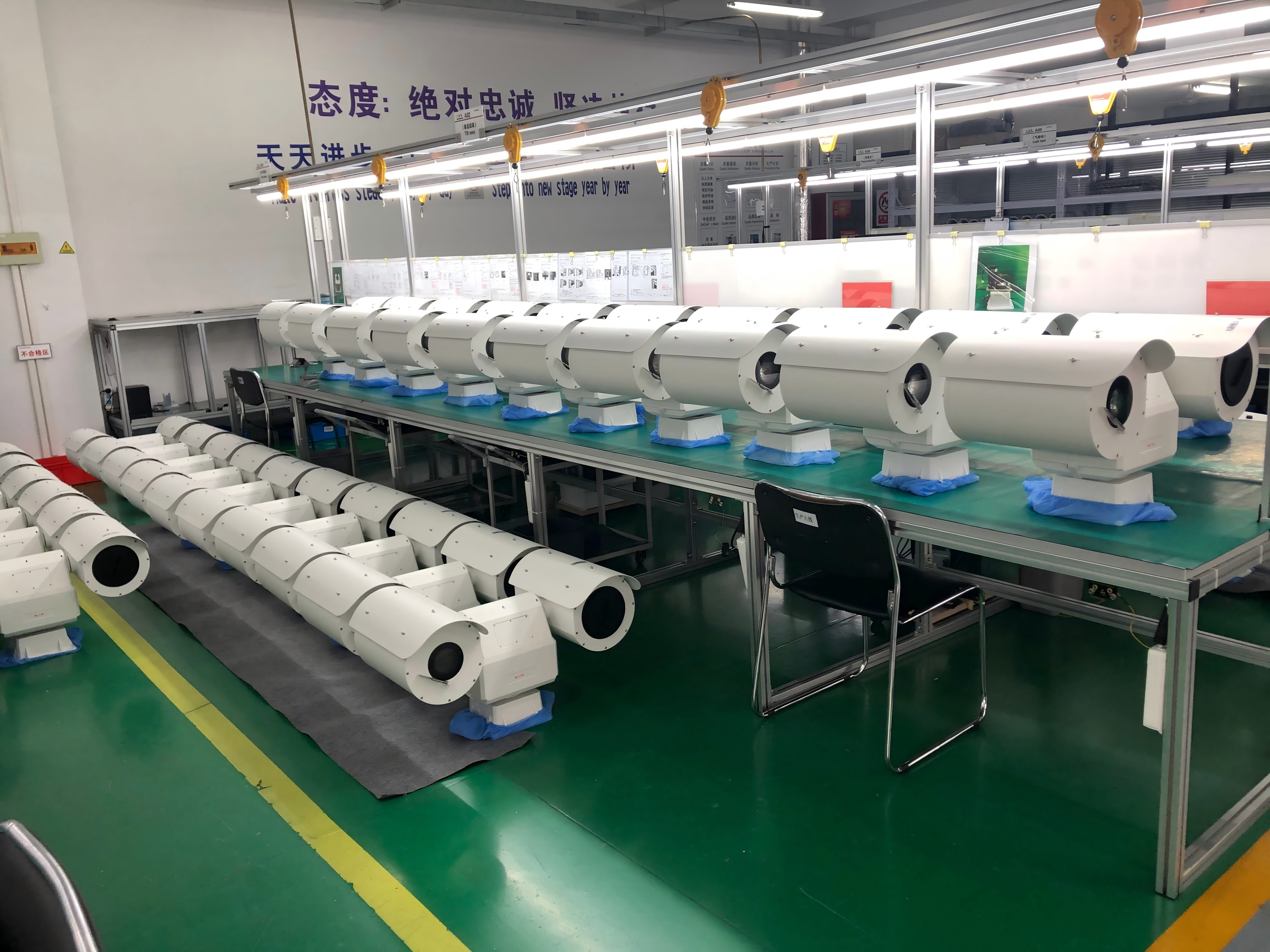
Advanced Production Lines & Quality Control Center

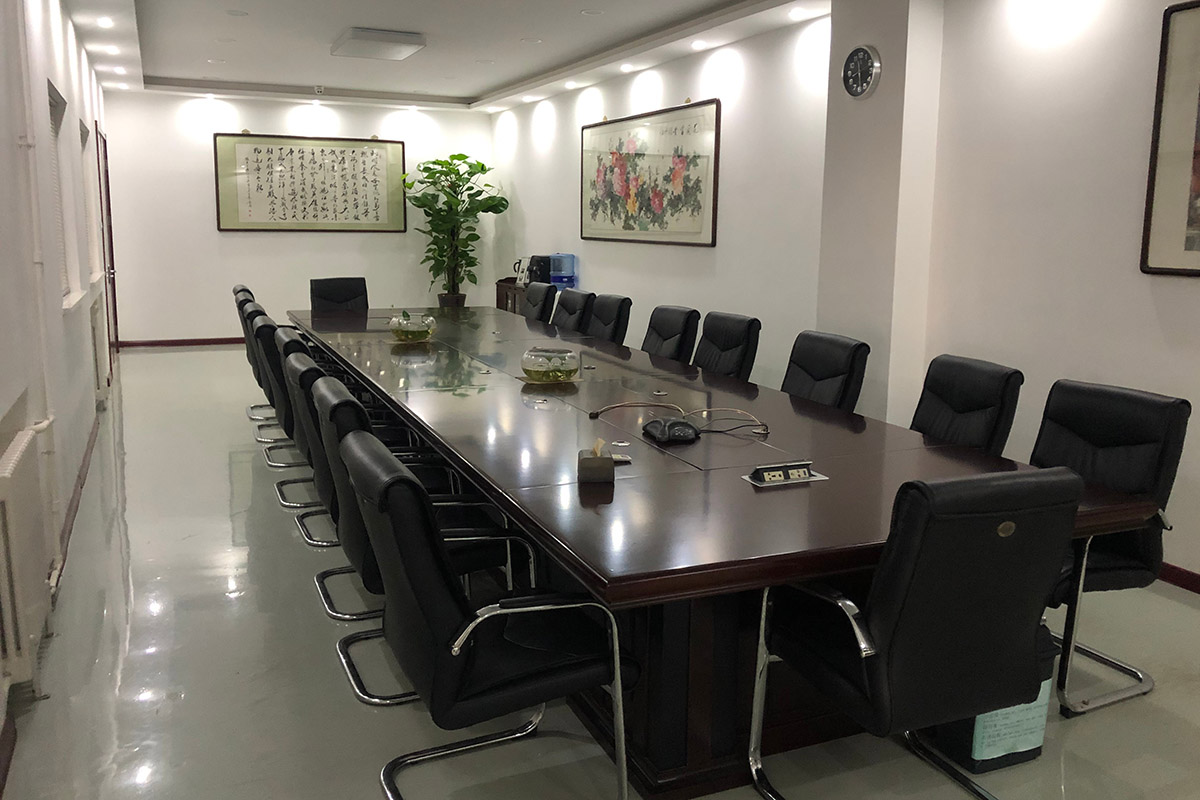
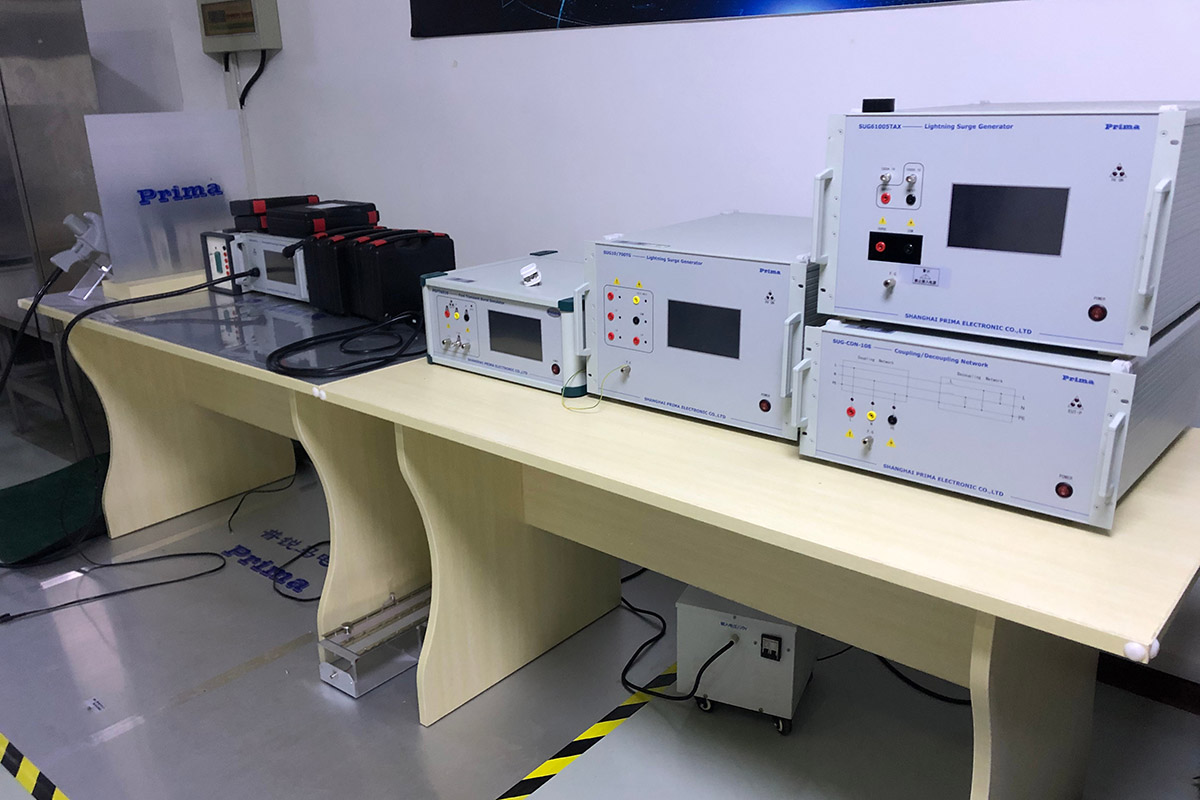
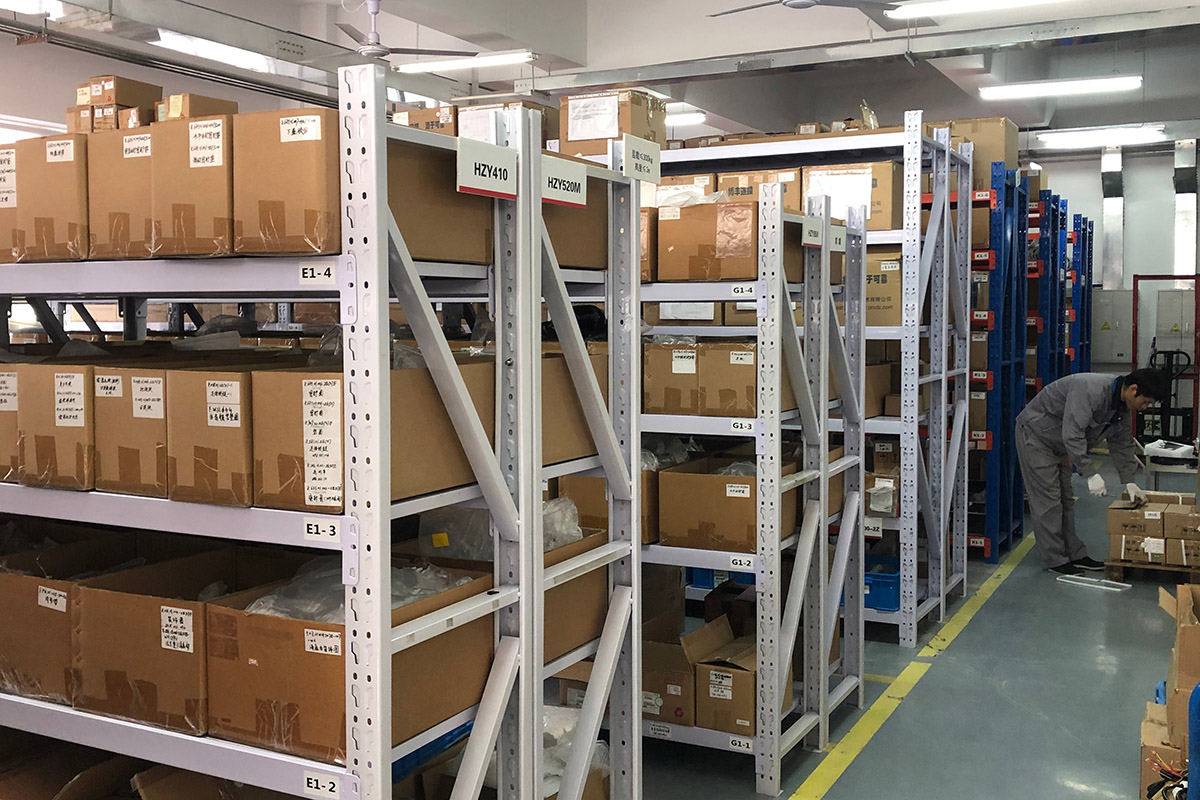
Take a closer look at our state-of-the-art facility, precision assembly rooms, and environmental stress test setups.
Technological Trends & Next-Gen Developments

How automation, material sciences, and smart remote diagnostics are transforming modern elevation hardware.

The field of mobile structural elevation is shifting toward automation and smarter system diagnostics. Key technological developments include:

  • Smart Sensor Integration: Modern telescoping systems are increasingly equipped with built-in sensors that monitor real-time wind speed, tilt angles, and structural strain. This data can trigger automatic lowering mechanisms to protect payloads when conditions exceed safety thresholds.
  • Pneumatic and Electric Automation: While manual winches remain a reliable standard, modern projects prefer automated pneumatic and electric motorized lifts. Using smart control interfaces, operators can remotely elevate and lower masts from within command vehicles.
  • Carbon-Fiber & Hybrid Alloys: While aluminum 6061-T6 continues to be a top choice due to its balance of cost and performance, hybrid models incorporating carbon fiber are emerging to offer even lighter weight options for manual carry applications.

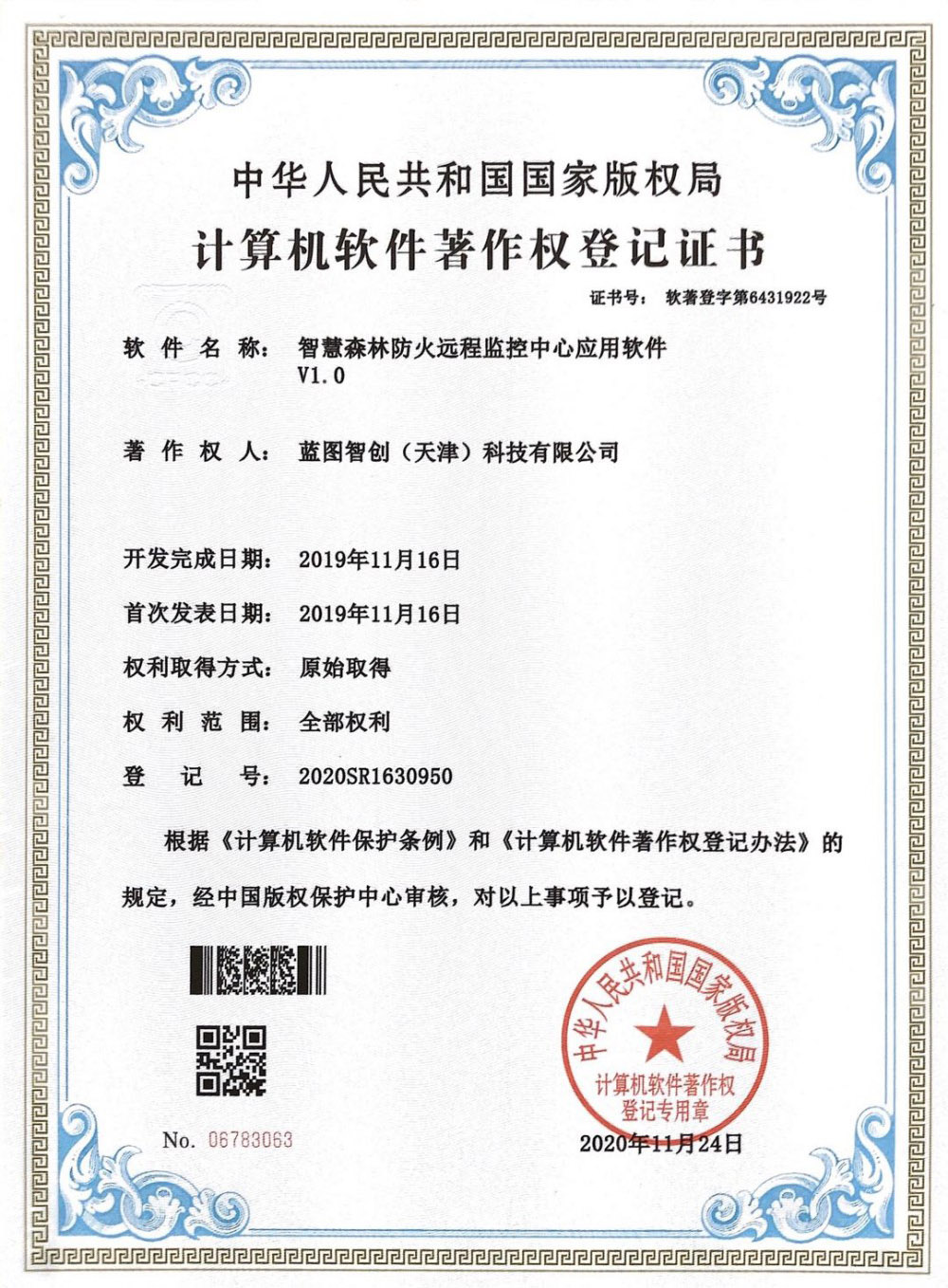
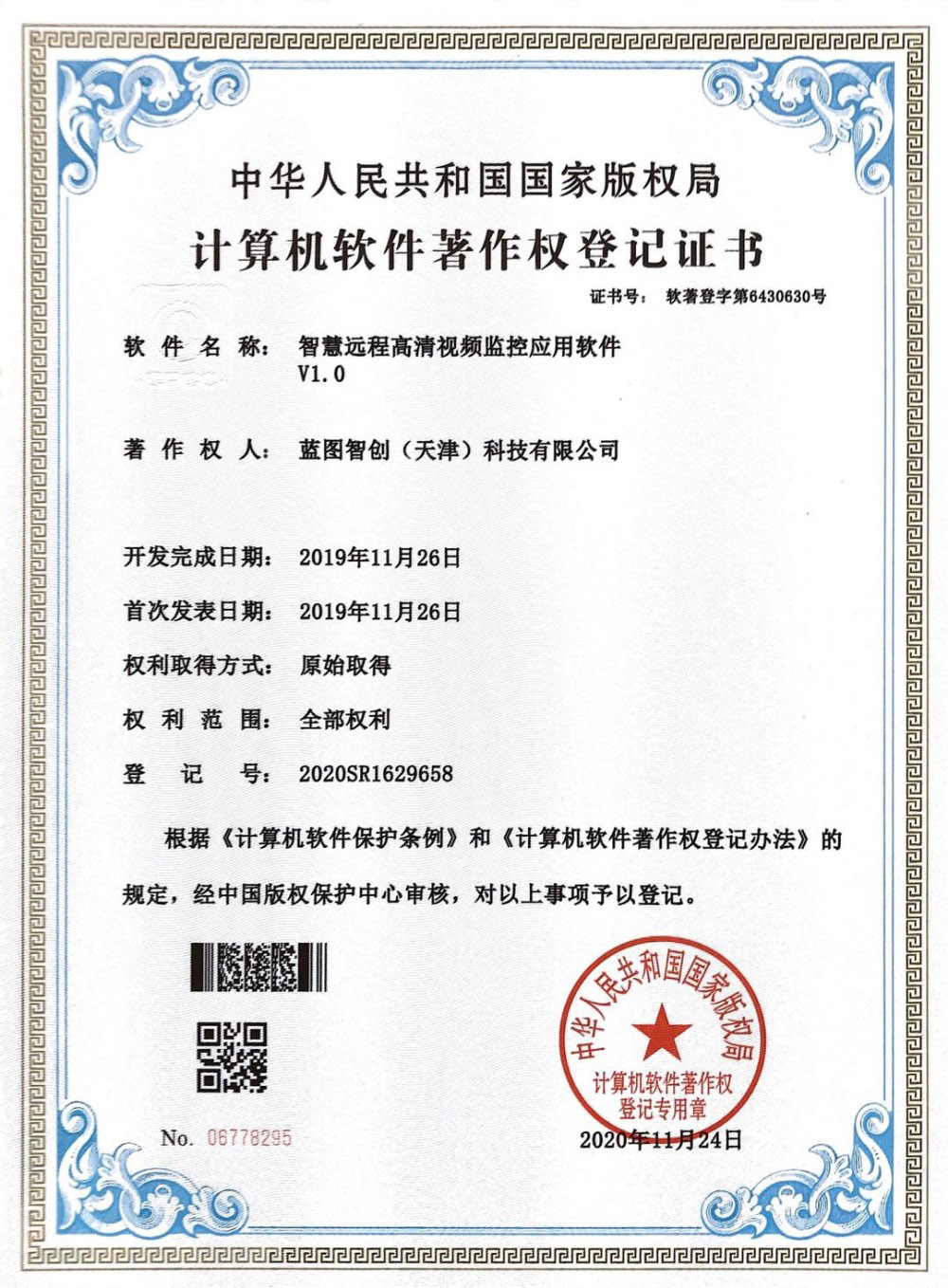
Certified Quality & Global Partners

ISO9001 quality management systems, international patents, and a trusted supplier network spanning over 50 countries.
Global Procurement Requirements & RFQ Guide

Standardizing the procurement process for industrial, defense, and system-integrated applications.

When drafting an RFQ for telescopic mast systems, buyers must specify key mechanical metrics to ensure performance and safety. Standard variables include:

  • Extended Height vs. Collapsed Length: Specifies the elevation range and storage requirements for transport vehicles.
  • Payload Capacity: Must account for the combined weight of the pan-tilt unit, camera housing, cabling, and bracket mounts. Systems must support target loads with structural safety margins.
  • Wind Load Rating: Requires details on wind resistance with and without guy-wire stabilization (e.g., survival in winds up to 120 km/h).
  • Deployment Mechanism: Select manual winch, pneumatic drive, or mechanical motor based on speed requirements and power availability.

Industry Insights & Technical Blogs

Stay up to date with the latest design methodologies, product announcements, and manufacturing processes.
Pan Tilt Unit Supplier Selection
May 15, 2026

4 Key Factors to Choose a Pan Tilt Unit Supplier

As the application scenarios for pan-tilt units expand, the demand for customization is rising. Learn how to identify suppliers that can customize payloads and deliver reliable units.
Read Article →
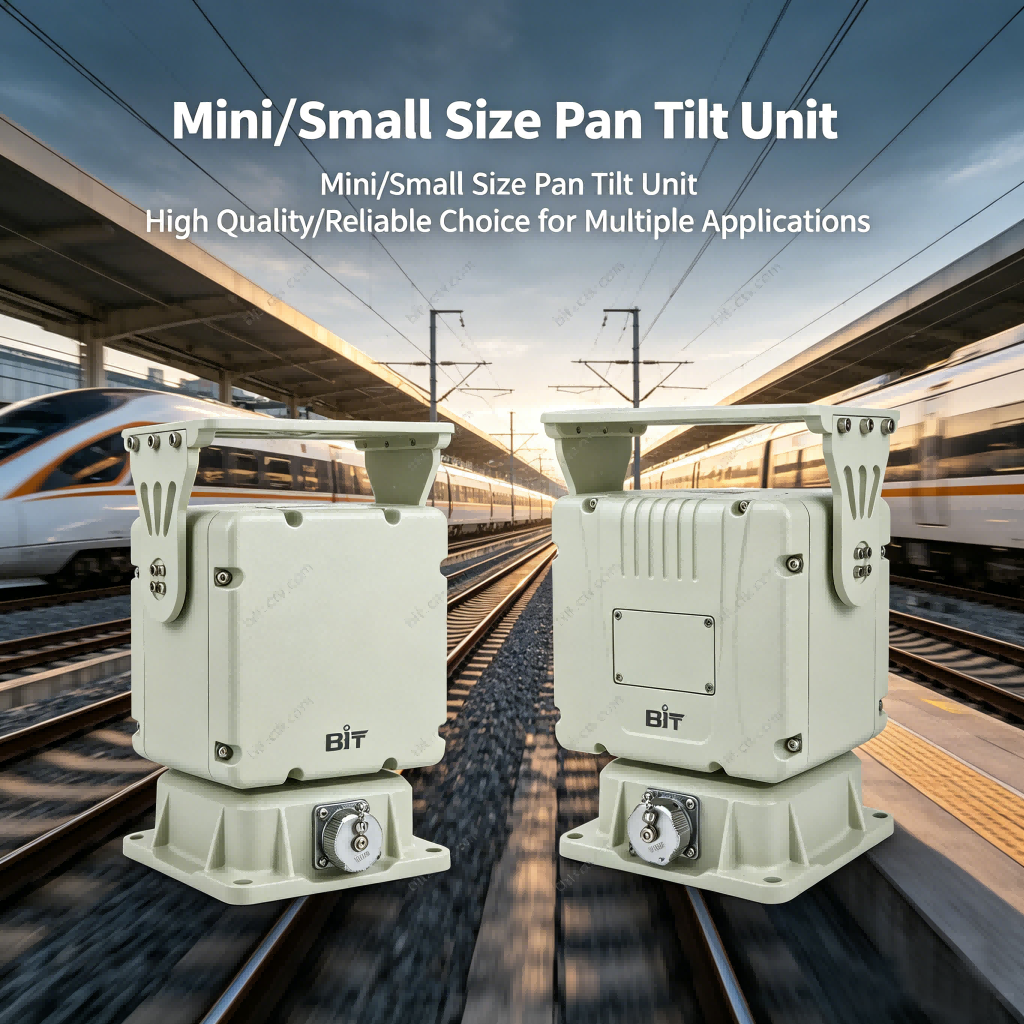
Small size pan tilt unit design
April 30, 2026

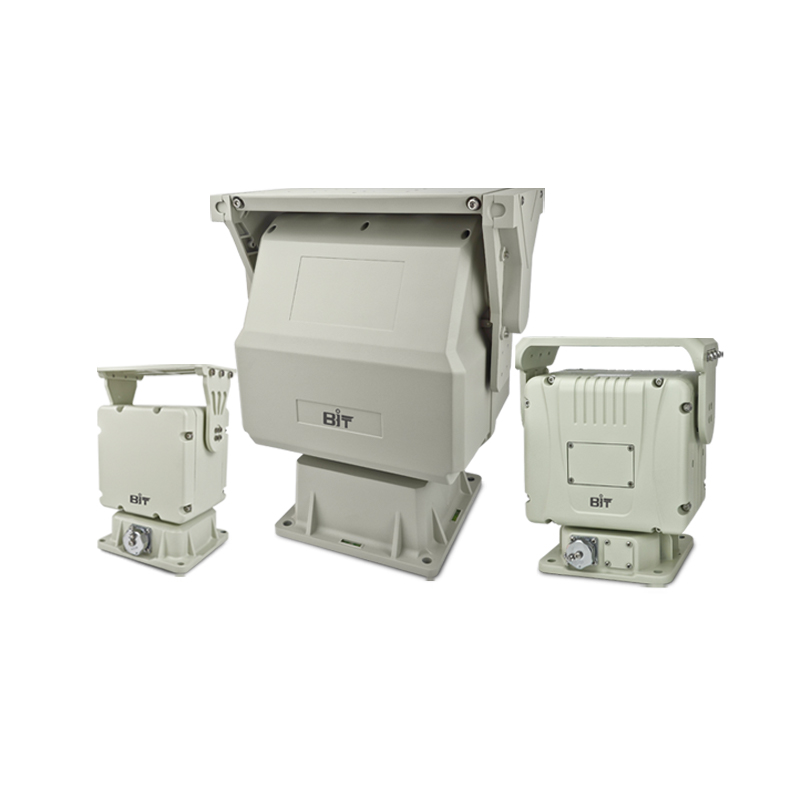
BIT-CCTV Small Size Pan Tilt Unit BIT-PT503 and BIT-PT510

An introduction to our compact, low-weight positioning systems. Weighing only 3.5kg, the BIT-PT503 is ideal for mobile rapid deployment and smaller payload setups.
Read Article →
Pan tilt unit classification guide
April 21, 2026

How to Classify Pan Tilt Units

A detailed guide analyzing PT units by payload capacity, operating environment, mounting configurations, drive gear profiles, and speed parameters.

Read Article →

Technical Q&A: Telescopic Masts and Positioning Systems

Expert answers to common engineering questions regarding installation, load capacities, and harsh environment operations.

Q1: Which aluminum alloy grades are ideal for heavy-duty telescoping masts?
We use structural 6061-T6 and 7075-T6 aluminum alloys. 6061-T6 offers high mechanical strength, good weldability, and excellent corrosion resistance. For extreme load applications, 7075-T6 provides even higher tensile strength.
Q2: How do you protect telescoping systems from coastal atmospheric corrosion?
All aluminum surfaces undergo hard-anodizing treatment, yielding a protective oxide layer. Exposed hardware, fasteners, and brackets are manufactured from 316-grade stainless steel to resist salt spray and oxidation.
Q3: What are the differences between manual winch and pneumatic deployment?
Manual winch systems are cost-effective and do not require external power, making them highly reliable for remote sites. Pneumatic deployment uses compressed air for fast, automated lifting, which is preferred for mobile command vehicles and rapid-response tactical systems.
Q4: How does top payload weight affect wind survival ratings?
Larger payloads increase the top-heavy force and wind surface area. To maintain stability in high winds, masts must have larger base diameters, thicker tube walls, or be secured with multi-point guy wire systems.
Q5: Can these masts be integrated with thermal cameras and long-range laser cameras?
Yes. By combining our telescopic masts with the BIT-PT510, BIT-PT410, or heavy-duty BIT-PT850 positioners and dual-window camera housings, you get a complete platform suited for long-range thermal and optical surveillance.

Precision Pan-Tilt Heads & Rotational Positioners

Explore our high-speed, direct-drive, and worm gear rotators designed for industrial payloads from 8kg to 120kg.
OEM Pan Tilt Positioner 50kg

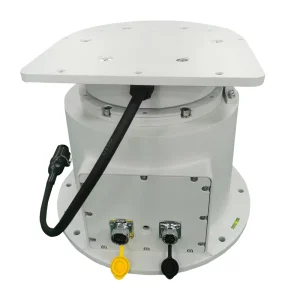
OEM Pan Tilt Positioner with 50kg/110lb Load Capacity

Learn More →
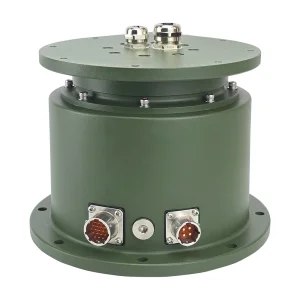
High-Quality Direct Drive Pan Rotator 80kg

High-Quality Direct Drive High Speed Pan Rotator with 80kg/176lb Load Capacity

Learn More →
High-Quality Pan Tilt Positioner 120kg

High-Quality Pan Tilt Positioner with 120kg/264lb Load Capacity

Learn More →
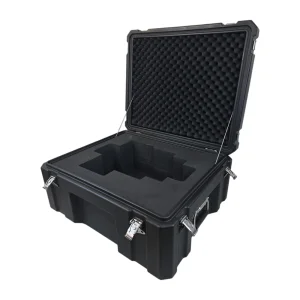
OEM Rotomolding Protection Box

OEM Rotomolding Protection Box for Pan Tilt Positioner

Learn More →
High-Quality Pan Tilt Positioner 8kg

High-Quality Pan Tilt Positioner with 8kg/17.6lb Load Capacity

Learn More →
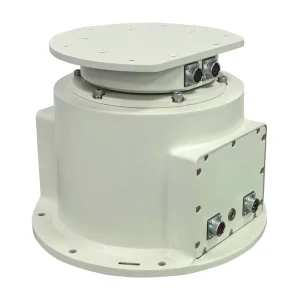
OEM High Speed Pan Rotator 30kg

OEM Direct Drive High Speed Pan Rotator with 30kg/66lb Load Capacity

Learn More →
China Single Axis Pan Rotator 60kg

China Single Axis Pan Rotator/Positioner with 60kg/132lb Load Capacity

Learn More →
High-Quality Pan Tilt Positioner 15kg

High-Quality Pan Tilt Positioner with 15kg/30lb Load Capacity

Learn More →