
Why Choose an L Shape Mount for Your Project?

Time:2026-11-12 Author:Sienna
0%

An L Shape Mount can look like a simple bent bracket. On a real project, its dimensions affect clearance, stability, and installation time. A few millimeters can decide whether a panel sits flush or rubs against a nearby surface. Small details matter.

Designer Charles Eames once said, “The details are not the details. They make the design.” His principle applies to mounting hardware, even though it is not specific to L Shape Mounts. The right choice depends on the actual load, material, fixing points, and working environment. A mount that suits a light sensor may not suit a heavy enclosure. Check the product’s rated capacity and installation guidance, rather than judging strength by appearance alone.

Start with the job. Measure the available space, note where fasteners can safely go, and consider whether tools will fit during installation. Then compare material, finish, hole pattern, and bracket thickness. Check compatibility, too. A neat drawing can hide a poor fit.

There is no universal best bracket. That is worth remembering. Project drawings may change, and site conditions can be less tidy than expected. Treat the L Shape Mount as a working component, not an afterthought, and verify its fit before ordering in quantity. A careful check now can prevent rework later.
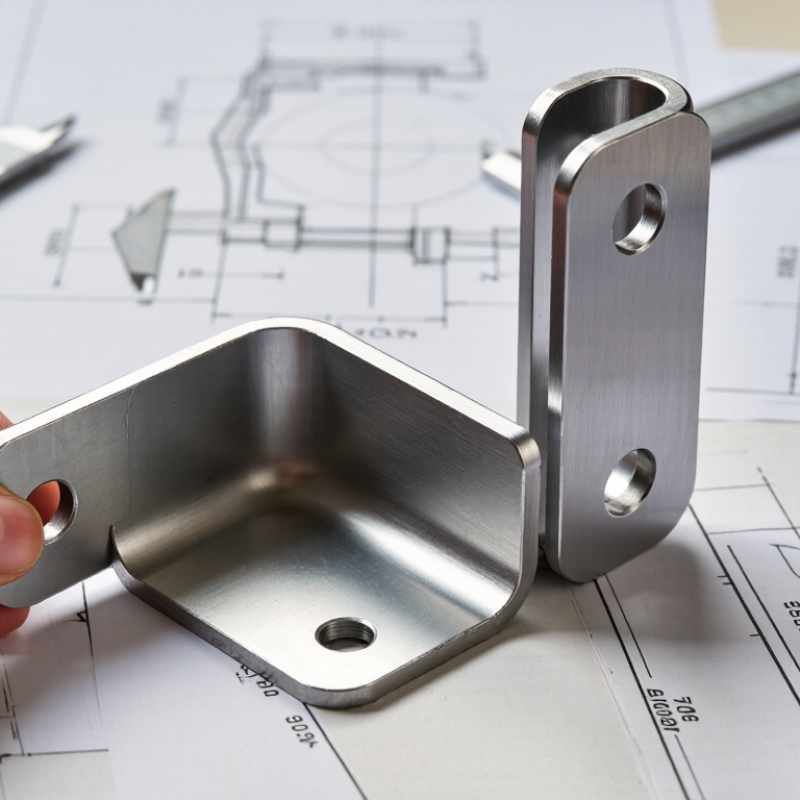
Why Choose an L Shape Mount for Your Project?

What an L-Shape Mount Is and How It Works

An L-shape mount is a bracket with two arms meeting at roughly 90 degrees. One arm attaches to a wall, frame, or panel; the other supports the mounted part. Screws or bolts transfer force through the bracket into the supporting surface. Simple, but not trivial. The mount’s shape alone does not determine its strength.

When a load pushes down or pulls outward, the bracket and its fasteners share the forces. The bend can also experience stress, especially if the load sits far from the wall. ASTM A36/A36M specifies a minimum yield strength of 36 ksi (250 MPa) for A36 steel. That figure describes the material, not the safe capacity of a finished mount. Thickness, hole spacing, fastener type, and the strength of the supporting material all matter. The AISC Steel Construction Manual likewise treats connections as part of the structural design, not as an afterthought.

Tips: Match fasteners to the base material, and check the mount’s rated load. Keep the load close to the supporting surface when possible. A small detail is easy to miss: a strong bracket can still fail if its anchors are poorly chosen.

Why Choose an L-Shape Mount? — What It Is and How It Works

An L-shape mount has two perpendicular legs, creating mounting faces at a 90° angle. This example shows illustrative bracket dimensions in millimeters; actual dimensions and load capacity depend on the project and material.

Key Design Features of L-Shape Mounts

An L-shape mount uses two perpendicular legs to transfer load between adjoining surfaces. Its bend creates a clear load path, but a sharp corner can concentrate stress. A formed radius or welded gusset can help distribute forces. The right choice depends on load direction, fastener spacing, material thickness, and the stiffness of the supporting structure.

Hole patterns should leave enough edge distance for fasteners and allow tool access. Slots can simplify alignment on site, though they may permit movement if the joint is not properly secured. Material matters, too: AISC 360-22 specifies an elastic modulus of 29,000 ksi, or about 200 GPa, for structural steel. This is a material property, not a mount’s load rating. One detail is easy to overlook.

Surface finish affects service life in wet or abrasive settings. A coating may protect exposed steel, but cut edges and drilled holes can remain vulnerable. Check those areas in the specification. Drawings rarely show the whole story; actual substrate condition and installation tolerances can change how a mount performs. Some designs look sturdy and still flex. Test the assembled connection under realistic loading, and document the result.

Why Choose an L Shape Mount for Your Project? - Key Design Features of L-Shape Mounts

Design Feature Typical Configuration Project Benefit Selection Consideration
Right-angle geometry Two legs meet at approximately 90 degrees, forming an L-shaped profile. Connects perpendicular surfaces and can support components at a corner or along an edge. Check the angle and dimensions against the mating surfaces; manufacturing tolerances can affect fit.
Two mounting faces Each leg provides a surface for attachment, with holes, slots, or a plain face depending on the design. Allows a component to be secured to two intersecting surfaces or positioned away from one surface. Confirm hole locations, clearances, and access for tools before installation.
Material options Common choices include carbon steel, stainless steel, and aluminum. Offers options for strength, weight, corrosion resistance, and fabrication needs. Choose material for the operating environment and expected loads; material alone does not determine capacity.
Thickness and reinforcement Leg thickness and optional ribs or gussets vary by application and design. Can help limit bending or twisting when the mount is properly sized for its intended use. Evaluate the full assembly, including bracket dimensions, fasteners, mounting surface, and load direction.
Hole and slot layouts Round holes provide fixed attachment points; elongated slots allow some adjustment during positioning. Supports different installation layouts and can make alignment easier. Slots may permit movement before tightening; use suitable fasteners and follow the installation requirements.
Surface finish Finishes may include paint, powder coating, plating, or a naturally corrosion-resistant material. Can improve surface protection and suit indoor or outdoor service conditions. Match the finish to exposure, including moisture, chemicals, and contact with dissimilar metals.
Compact corner installation The angled profile fits where a flat plate alone cannot connect perpendicular surfaces. Can provide a straightforward mounting solution while using limited installation space. Allow room for the bracket, fastener heads, washers, tools, and any required service access.
Load-path flexibility The orientation can be selected to suit the direction of the supported force. Helps designers position the mount to transfer loads into the supporting structure. Capacity depends on bracket geometry, material, fasteners, substrate, and loading; verify the complete design.

How L-Shape Mounts Provide Support and Stability

An L-shaped mount supports a project by creating two contact surfaces: one attaches to the wall or frame, while the other carries the shelf, panel, or equipment. This simple geometry helps resist downward movement and limits twisting when weight sits away from the mounting surface. That matters. A sturdy bracket still depends on the material beneath it. A mount fixed into solid framing behaves differently from one attached to thin sheet material, so check the substrate and the rated load before installation.

Stability also comes from careful placement. Keep brackets level, space them to match the item’s weight and span, and use fasteners suited to the supporting material. Small gaps count. If one side sits unevenly, the load may shift onto fewer fasteners, causing movement over time. It is tempting to judge strength by a bracket’s thickness alone, but that can be misleading; the connection and the surface matter just as much. For heavier or vibration-prone installations, follow the manufacturer’s specifications and consider whether additional support is needed. Even a well-fitted mount can loosen if the load changes or the material flexes, so occasional inspection is sensible. One detail is easy to overlook: a mount that feels firm by hand may still need a properly distributed load.

Common Project Uses for L-Shape Mounts

Why Choose an L Shape Mount for Your Project?

Common Project Uses for L-Shape Mounts

L-shape mounts are useful when a project needs a firm connection between surfaces set at a right angle. On a workbench, they can brace a shelf or secure a small tool enclosure to a frame. A pair of brackets under a shelf helps spread the load, though thin wood may still bend. That matters. The bracket supports the joint; it does not strengthen weak material by itself.

These mounts also suit cabinet corners, equipment panels, and small signs attached to posts or walls. For electronics projects, an L-shaped plate can hold a sensor or junction box while leaving room for cables. Check the available space before drilling: a bracket may block a door, wiring path, or nearby fastener. Match its material and load rating to the environment and expected weight. One detail is easy to overlook: vibration can loosen fasteners over time, so the mounting surface and screw choice matter as much as the bracket. The fit may look simple, but measuring twice is still worthwhile.

Factors to Consider When Choosing an L-Shape Mount

Choosing an L-shape mount starts with the load, not the bracket’s appearance. Check the combined weight of the equipment, cables, and any moving parts. Then consider how far the load extends from the wall or frame; extra reach can increase leverage and stress the fasteners. Small gaps matter. Measure the mounting surface, hole spacing, and available clearance before ordering or cutting material. A bracket that fits on paper may block a cable bend or tool access in the real installation.

Material and surroundings also affect the choice. Steel can suit demanding loads, while aluminum is lighter but may flex more, depending on its thickness and shape. In damp or corrosive settings, verify that the material and finish suit the exposure. Match fasteners to both the mount and the supporting surface, rather than assuming the included hardware will work. Vibration deserves attention, too: a thin leg or loose connection may shift over time. A simple mock-up with cardboard can reveal awkward clearances, though it cannot prove load capacity. That distinction is easy to miss. For critical or overhead installations, use rated components and have the design checked by a qualified professional.

FAQS

What is an L-shape mount?

It is a bracket with two arms meeting at roughly 90 degrees. One arm attaches to a surface; the other supports a part.

How does an L-shape mount carry a load?

Screws or bolts transfer force through the bracket into the wall, frame, or panel. The bend can experience extra stress when a load sits far from the surface.

What affects a mount’s strength?

Material thickness, hole spacing, fasteners, and the supporting surface all matter. A steel grade alone does not establish the finished mount’s safe capacity.

Why keep the load close to the wall?

A shorter distance can reduce stress on the bracket and its fasteners. That matters.

How should I choose fasteners?

Match them to the base material, such as wood, metal, or masonry. Check the mount’s rated load and the condition of the surface.

Are slotted holes useful?

They can make alignment easier during installation. But an unsecured joint may shift, so tighten and check the connection.

Where are L-shape mounts commonly used?

They can brace workbench shelves, cabinet corners, equipment panels, or small signs. For a sensor box, leave room for cables and nearby doors.

How can I check the installation?

Inspect the substrate, fasteners, and cut edges, especially in damp or abrasive settings. Test the assembled connection under realistic loading. I might still miss a hidden weak spot. Measure twice.

Conclusion

An L Shape Mount is a right-angle support designed to connect or reinforce two surfaces that meet at a corner. Its simple form typically combines a horizontal and vertical section, with openings for fasteners that help secure it to a structure or component. Depending on the project, the mount may vary in size, thickness, material, and hole pattern. These design features affect how easily it can be installed and how well it suits the intended load and environment.

By creating a firm connection across two planes, an L Shape Mount can help reduce movement, improve alignment, and add stability to shelves, frames, cabinets, equipment, and other assemblies. When choosing one, consider the dimensions, material, expected load, mounting surface, available fasteners, and exposure to moisture or wear. Matching these factors to the project helps ensure a secure fit and dependable support.

Sienna

Sienna

Sienna is a skilled marketing professional with a deep expertise in our company’s core products and services. With a passion for innovation and detail, she plays a pivotal role in crafting insightful blog posts that not only highlight the unique features of our offerings but also provide valuable......