In today's security landscape, the role of Thermal PTZ (Pan-Tilt-Zoom) cameras has become increasingly vital. According to Dr. Emily Johnson, a leading expert in thermal imaging technology, "Thermal PTZ cameras provide unparalleled clarity in low-light environments, enhancing surveillance capabilities." This statement underlines the importance of these sophisticated devices in modern security systems.
Thermal PTZ cameras utilize advanced thermal imaging to detect heat signatures, making them ideal for various applications. They excel in monitoring large areas, detecting intruders, and providing situational awareness. However, despite their benefits, some challenges remain. For instance, the fine details captured by these cameras may vary based on environmental conditions. Users must consider factors like temperature fluctuations and weather conditions that could affect performance.
Investing in Thermal PTZ technology can significantly improve security measures. Organizations must evaluate their specific needs and environmental factors contributing to surveillance effectiveness. A careful approach can help leverage these powerful tools while acknowledging their limitations.
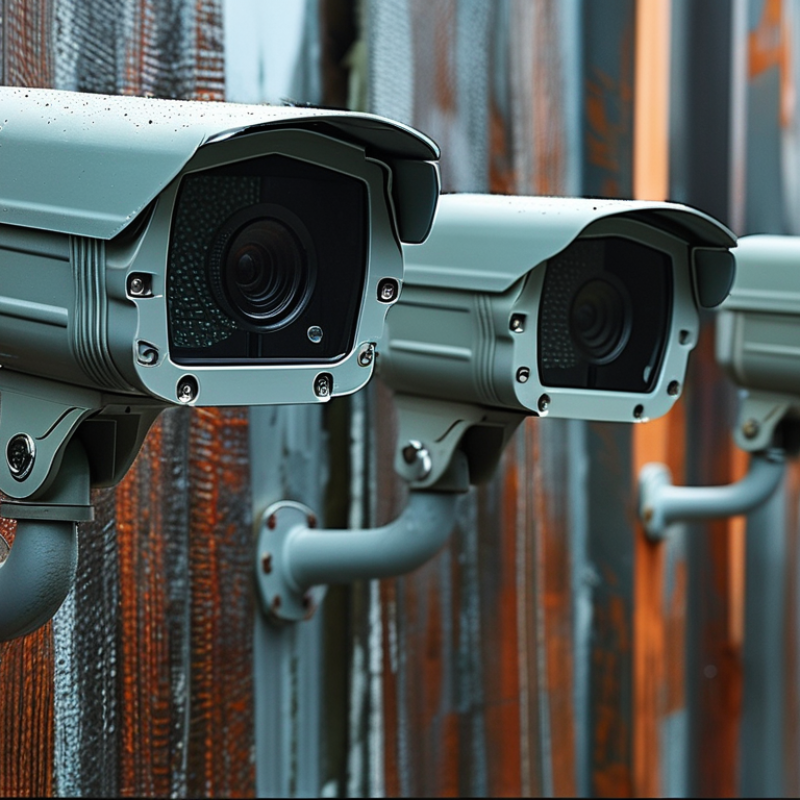
Overview of Thermal PTZ Cameras in Surveillance
Thermal PTZ cameras play a pivotal role in modern surveillance systems. They combine the advantages of thermal imaging with pan-tilt-zoom capabilities. This allows for effective monitoring of large areas, even in challenging conditions such as low light or inclement weather. According to a report by MarketsandMarkets, the thermal imaging market is projected to reach USD 6.4 billion by 2025, driven by the rising demand for security solutions.
These cameras are essential in various sectors, including defense, law enforcement, and critical infrastructure protection. Their capacity to detect heat signatures makes them highly effective against intrusions. A study by IHS Markit indicates that thermal cameras can identify potential threats at distances of over 1,500 meters, providing a significant advantage in early detection.
While thermal PTZ cameras are advancing rapidly, challenges remain. High costs can limit accessibility for smaller organizations. Furthermore, integrating these systems with existing infrastructures poses technical hurdles. Continuous innovation is needed to address these issues while enhancing reliability and user-friendliness. Investing in training for operators is equally important, as proper usage maximizes the benefits of these sophisticated tools.
Key Features to Consider in Thermal PTZ Cameras
When investing in thermal PTZ cameras for security, several key features should be prioritized.
Resolution plays a crucial role. Higher resolution cameras provide clearer images,
critical for identifying subjects. According to recent market analysis, a 640x480 resolution camera
is essential for most surveillance needs. Additionally, thermal sensitivity impacts detection capabilities.
Cameras with <50 mK are better at distinguishing temperature variations,
offering enhanced accuracy in identifying intruders.
Pan-tilt-zoom functionality is another aspect to consider. Cameras that can cover a wide area
and zoom effectively reduce blind spots. Industry reports indicate that 72%
of security professionals prefer cameras with a 360-degree panoramic view.
Connectivity options, such as Wi-Fi and Ethernet, ensure ease of integration with existing systems.
A reliable camera should also offer clear night vision capabilities. Many models now support full-color
imaging in low-light conditions, which is increasingly sought after in security technology.
Tips for selecting the right camera include assessing your specific environment
and needs. Heavy foliage or urban settings require different capabilities. Consider the installation location's
potential obstacles that could hinder performance. Regular updates and maintenance
are necessary. Verify manufacturer support and warranty offerings to safeguard your investment.
Comparison of Leading Thermal PTZ Camera Brands
When it comes to thermal PTZ cameras, several brands stand out in the market. These cameras are crucial for effective surveillance, providing clear images in low-light conditions. They feature advanced tracking capabilities, which enhance security at various locations. However, not all cameras are created equal. It's essential to consider factors like resolution, range, and frame rate.
Choosing the right thermal PTZ camera can be tricky. Look for models that offer user-friendly interfaces and robust analytics. These features can simplify operation and improve overall effectiveness. It’s also wise to check for integration capabilities with existing security systems. Compatibility can save both time and money.
Tip: Before making a purchase, test the camera’s performance in different scenarios. This can reveal strengths and weaknesses that specifications might not show. Explore user reviews as well; real experiences can provide valuable insights. Always weigh your options carefully to select the best fit for your specific surveillance needs.
Comparison of Thermal PTZ Camera Specifications
Applications of Thermal PTZ Cameras in Security Solutions
Thermal PTZ cameras play a pivotal role in enhancing security solutions across various applications. These advanced devices detect heat signatures, allowing users to monitor areas under low visibility conditions, such as at night or during inclement weather. According to the latest reports, the global thermal imaging market is projected to reach $7.7 billion by 2026, highlighting the growing demand for these technologies in security sectors.
In urban environments, thermal PTZ cameras are essential for effective perimeter surveillance. They are often deployed in high-risk zones, such as airports and critical infrastructures, where traditional cameras might fail. The ability to pan, tilt, and zoom provides operators with the flexibility to track potential threats in real time. Studies show that integrating thermal imaging with existing security systems can lead to up to a 60% reduction in security breaches. However, users must regularly assess camera placements and system configurations for optimal performance.
In addition, incidents of false alarms can be challenging, particularly in areas with wildlife. Proper calibration and thoughtful placement of thermal PTZ cameras can minimize these occurrences. Investments in training for personnel on system usage also prove invaluable. Ultimately, while thermal PTZ cameras are powerful tools, their effectiveness hinges on continuous evaluation and adaptation to the surrounding environment and potential security risks.
Future Trends in Thermal PTZ Camera Technology
Thermal PTZ cameras are evolving rapidly, driven by technological advancements. These cameras combine thermal imaging and pan-tilt-zoom capabilities. They provide enhanced surveillance in challenging environments, often without visible light. Their ability to detect heat signatures is a game changer for security solutions.
One significant trend is the integration of artificial intelligence. AI-powered algorithms can analyze footage in real time. This allows for immediate alerts based on unusual activity. These cameras are becoming smarter, with features like facial recognition. However, concerns about privacy and data security persist. As we adopt these technologies, balance is essential.
Another trend is cloud-based solutions for data storage. This provides flexibility and accessibility. However, relying entirely on cloud services raises concerns about data protection. Increased connectivity can also lead to vulnerabilities. Ensuring strong cybersecurity measures remains crucial as we embrace this shift. Overall, while thermal PTZ cameras offer advanced features, challenges must be addressed for effective deployment.
FAQS
: Thermal PTZ cameras play a key role in surveillance, especially in low light or bad weather.
They detect heat signatures, making them effective for identifying threats over longer distances.
Defense, law enforcement, and critical infrastructure protection are the main sectors using these cameras.
High costs and integration issues can limit access for smaller organizations.
Look for user-friendly interfaces, good resolution, and robust analytics to meet your needs.
Testing reveals performance strengths and weaknesses that specifications may overlook.
Integration of artificial intelligence for real-time analysis and alerts is becoming more common.
Data protection and cybersecurity are important issues when relying on cloud services.
Training maximizes the benefits of these systems, leading to more effective surveillance efforts.
Yes, the use of facial recognition and other features raises significant privacy and data security issues.
Conclusion
Thermal PTZ cameras have become indispensable tools in modern surveillance solutions, providing enhanced visibility and situational awareness, especially in low-light or challenging environmental conditions. These cameras offer unique features such as adjustable zoom capabilities, pan-tilt-zoom (PTZ) functionality, and thermal imaging technology, enabling operators to monitor vast areas effectively. When choosing a thermal PTZ camera, important considerations include resolution, range, and environmental resistance, ensuring that the selected model meets specific security needs.
The applications of thermal PTZ cameras extend across various sectors, including public safety, border control, and industrial monitoring, significantly improving security measures. As technology advances, future trends suggest enhanced imaging capabilities, integration with AI for smarter analytics, and more user-friendly interfaces, solidifying the role of thermal PTZ cameras in safeguarding environments and assets.
 BIT-CCTV
