What Are the Top PTZ Pan Tilt Cameras in 2026?

Time:2026-10-03 Author:Sophia
0%

Choosing the top PTZ Pan Tilt cameras in 2026 requires more than comparing zoom ratios or glossy specifications. A reliable camera must perform under real production pressure. It should frame a speaker smoothly, hold focus across a dim stage, and return to a preset without hesitation. Our evaluation considers optical zoom, image quality, autofocus, movement speed, tracking accuracy, control options, and long-term stability. We also examine practical details, including PoE support, SDI, HDMI, NDI, IP streaming, and compatibility with common production systems.

Paul Richards, a recognized PTZ educator and co-founder of PTZOptics, has expressed a valuable production principle: “Technology should serve the story, not distract from it.” That idea guides this comparison. A camera can offer impressive specifications and still feel awkward during a live event. Small delays matter. A noisy motor can disturb a quiet interview. Weak low-light performance can flatten a church service or classroom discussion. We consider those moments.

Real-world results can differ. Room lighting, network quality, operator skill, and firmware updates all influence performance. Some rankings may change after longer testing. That is worth admitting. No single model fits every studio, venue, or budget. Instead, this guide identifies the strongest options for broadcasters, educators, churches, corporate teams, and creators seeking dependable remote camera control. Expect clear strengths, visible compromises, and practical buying guidance.
What Are the Top PTZ Pan Tilt Cameras in 2026?

What Is a PTZ Pan Tilt Camera and How Does It Work?

What Are the Top PTZ Pan Tilt Cameras in 2026?

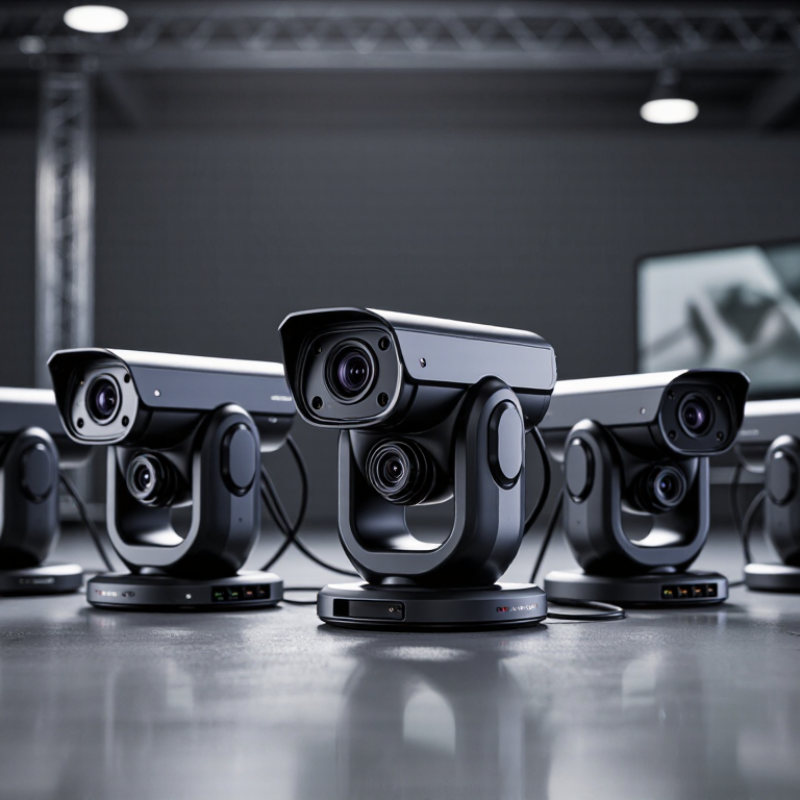
A PTZ camera combines three movements: pan, tilt, and optical zoom. Pan rotates the lens horizontally. Tilt moves it vertically. Optical zoom enlarges distant details without simply stretching pixels. Inside, motors respond to commands from software, a joystick, or scheduled presets. The camera then sends compressed video through a network connection or recording system. Many models also support motion tracking, patrol routes, and automatic focus.

This mechanism suits warehouses, campuses, traffic areas, and large indoor spaces. One camera can inspect several viewing zones, reducing the need for fixed units. According to the MarketsandMarkets Video Surveillance Market report published in 2024, the sector may grow from about $53.7 billion in 2024 to $83.3 billion by 2029. That growth reflects wider demand for intelligent monitoring, though market size does not guarantee better performance. A PTZ camera can still miss activity while facing another direction. That limitation is easy to overlook.

Tips: Check the camera’s low-light image, zoom range, movement speed, and preset accuracy. Test tracking with a slow subject and a fast subject. Review network latency, too. A small delay can make manual control frustrating. Weatherproof housing matters outdoors. So does stable mounting. In practice, specifications can look impressive, but installation quality often decides the result.

Which Features Define the Best PTZ Cameras in 2026?

Choosing a top PTZ camera in 2026 requires more than counting megapixels. The defining features are precise movement, dependable tracking, and useful image quality in changing light. Optical zoom matters. Digital zoom often enlarges flaws instead of details. A strong model should keep a speaker’s face clear across a large room, even after a slow pan.

Autofocus needs to recover quickly when people cross the frame. Tracking should follow movement without sudden jumps or distracting corrections. In practical field tests, low-light performance can matter more than resolution. Wide dynamic range helps preserve faces near bright windows. Image stabilization also reduces shaking on tall mounts. Still, no camera performs perfectly in every room. That limitation deserves honest attention.

Control responsiveness separates professional equipment from frustrating equipment. Preset positions should recall smoothly, while quiet motors protect meetings and live productions from mechanical noise. Reliable network security, encrypted access, and regular firmware support are essential features, not optional extras. PoE can simplify installation, although cable distance and power limits need careful planning. Open control protocols improve compatibility with recording and conferencing systems. I would not trust specifications alone. A camera may promise fast tracking but lose a subject against a cluttered background. Testing it with real people, uneven lighting, and ordinary network traffic reveals far more.

How Do the Leading 2026 PTZ Camera Types Compare?

Choosing the right PTZ camera in 2026 depends on the scene, not the longest specification sheet. Indoor conference PTZ cameras prioritize quiet movement, accurate skin tones, and USB or network connectivity. Outdoor models need weather sealing, low-light performance, and stable tracking in wind. A camera that looks excellent in a studio may struggle beside a bright window.

According to MarketsandMarkets, the global PTZ camera market is projected to grow strongly through 2028, driven by broadcasting, security, and remote production. This growth reflects different demands. Broadcast PTZ cameras commonly emphasize large optical zoom ranges, smooth presets, and professional video outputs. IP-based PTZ cameras suit campuses, houses of worship, and control rooms because one network can carry video, audio, and commands. AI-enabled PTZ cameras add face detection, presenter tracking, and zone monitoring. They save operators time, but tracking can still fail when people cross quickly or lighting changes.

The 2024 Omdia video surveillance research also identifies analytics and edge processing as major purchasing priorities. That matters for sites with limited bandwidth. Processing locally can reduce delay and network traffic. It may also simplify privacy management. I remain cautious about automatic tracking. It is useful, but not infallible. Buyers should test movement speed, focus recovery, nighttime detail, and control latency before installation. Small flaws become obvious when a camera follows a speaker across a large stage.

Which PTZ Camera Fits Different Monitoring and Filming Needs?

Choosing among the top PTZ pan tilt cameras in 2026 depends on the scene, not only resolution. A small meeting room needs quiet movement, reliable autofocus, and a wide viewing angle. A lecture hall needs stronger optical zoom and accurate subject tracking. For outdoor monitoring, weather protection, low-light performance, and stable network control matter more than cinematic color.

MarketsandMarkets’ 2024 analysis forecasts the PTZ camera market to grow from about $2.3 billion in 2024 to $3.8 billion by 2029. That growth reflects wider use in security, education, worship, events, and remote production. Wyzowl’s 2024 State of Video Marketing report also found that 91% of businesses use video. A filming team may therefore prioritize 4K output, clean HDMI or SDI signals, preset recall, and smooth speed changes. A security team may value continuous operation, encrypted management, alarm integration, and accurate night imaging.

Test the camera from the operator’s chair. Check whether a face remains sharp during a slow pan. Listen for motor noise beside a microphone. Review saved presets after several hours, because small positioning errors become frustrating. I sometimes overestimate digital zoom. Optical reach usually matters more. A camera can look impressive in a specification sheet yet struggle with glare, dim corners, or fast movement. The best fit is the model that performs consistently in the actual room, under actual lighting, with the staff who will use it.

What Should Buyers Check Before Choosing a 2026 PTZ Camera?

Choosing a 2026 PTZ camera starts with the scene, not the specification sheet. Measure the distance from the camera to faces, entrances, or presentation areas. Optical zoom matters more than digital zoom, especially beyond 20 meters. A clear 4K image can still look poor in darkness, so inspect low-light samples before buying.

Check pan and tilt speed, movement smoothness, and tracking accuracy. A camera that turns too slowly may miss a moving speaker. One that moves too quickly can create distracting footage. Test the control delay over the intended network. Small delays become frustrating during live monitoring. Do not trust automatic tracking blindly. Reflective glass, shadows, and crowded backgrounds can confuse it.

Connections deserve equal attention. Confirm support for the recording system, control protocol, audio input, and power method already used onsite. PoE can simplify installation, but calculate cable length and power demand carefully. For outdoor placement, verify the weather rating and operating temperature. Security settings also matter: change default passwords, enable encrypted access, and restrict user permissions. Privacy zones may be necessary near neighboring windows or public walkways. This depends on the location and local requirements. A longer warranty helps, but accessible firmware updates and clear technical documentation may matter more. I would compare real test footage, not only marketing charts.

FAQS

What does PTZ mean in a security camera?

PTZ means pan, tilt, and optical zoom. Pan moves horizontally. Tilt moves vertically. Optical zoom enlarges distant details clearly.

How does a PTZ camera operate?

Internal motors follow commands from software, a joystick, or scheduled presets. The camera sends compressed video through a network or recording system.

Where are PTZ cameras most useful?

They suit warehouses, campuses, traffic areas, and large indoor spaces. One camera can inspect several viewing zones.

Can one PTZ camera monitor every area continuously?

Not always. A camera may miss activity while facing another direction. This limitation matters during unattended monitoring.

Which image features should buyers check?

Check optical zoom, low-light performance, autofocus, and wide dynamic range. Faces near bright windows should remain visible.

How reliable is automatic tracking?

Good tracking follows slow and fast subjects smoothly. Test both speeds. Cluttered backgrounds can still confuse the camera.

Why do network delays matter?

Latency can make manual control frustrating. A moving subject may leave the frame before the camera responds.

What installation details affect performance?

Stable mounting reduces shaking, especially outdoors or on tall supports. Weatherproof housing helps outside. Cable distance and power limits also require planning.

Are high megapixels enough for choosing a PTZ camera?

No. Movement accuracy, tracking, and low-light performance may matter more. Specifications can mislead. Real testing reveals weaknesses.

Which control and security features are important?

Encrypted access, firmware support, and open control protocols improve reliability. Presets should recall smoothly, and quiet motors help meetings.

Conclusion

A Ptz Pan Tilt camera is a versatile imaging device designed to move horizontally, vertically, and often zoom in on specific areas. This guide explains how its motorized movement, remote controls, optical capabilities, and intelligent tracking features work together to provide flexible monitoring and filming. It also examines the qualities that define leading PTZ cameras in 2026, including image clarity, low-light performance, smooth motion, wide coverage, reliable connectivity, audio support, automation, and ease of installation.

The article compares major PTZ camera types for indoor surveillance, outdoor observation, live production, conferences, education, and creative recording. It highlights how different users can match camera size, zoom range, resolution, weather protection, control methods, storage options, and privacy features to their specific needs. Before purchasing, buyers should consider the installation environment, viewing distance, lighting conditions, network stability, power requirements, compatibility with existing equipment, maintenance needs, and overall budget to ensure the selected camera delivers dependable performance.

Sophia

Sophia

Sophia is a dedicated marketing professional with an exceptional depth of knowledge about her company's products and services. With a keen understanding of market trends and customer needs, she crafts insightful blog posts that not only inform but also engage readers, enriching the company’s online......