
BIT-CCTV
Choosing the right PTZ system can be challenging. There are many options available today. Each system offers unique features tailored to different needs. A PTZ system, which stands for Pan-Tilt-Zoom, provides a flexible surveillance solution. This technology allows users to control camera movements remotely, enhancing monitoring capabilities.
When selecting a PTZ system, consider several factors. The environment plays a crucial role. Indoor systems differ from outdoor models, especially concerning weatherproofing and durability. Additionally, resolution and zoom capabilities should align with specific monitoring goals. Users must also reflect on the system's integration with existing security setups.
It's essential to avoid getting overwhelmed by technical jargon. Focusing on practical requirements can help narrow your choices. Consider ease of use and installation. Not every model fits every purpose. Reviewing user experiences can provide valuable insights. Weigh the pros and cons carefully. This thoughtful approach can lead to a more effective PTZ system choice.
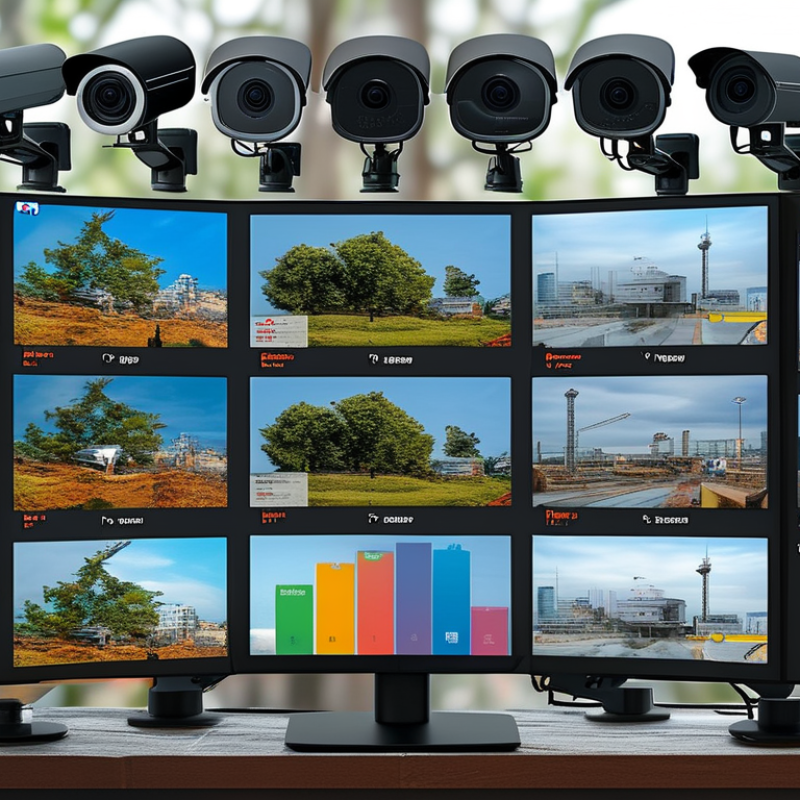
PTZ (Pan-Tilt-Zoom) systems are integral in modern surveillance. These systems offer flexible monitoring solutions through their ability to pan, tilt, and zoom on specific areas. According to a recent market report, the global PTZ camera market is expected to reach $3.3 billion by 2025. This growth reflects the increased demand for advanced security measures.
Key features of PTZ systems include high-resolution video, remote control capabilities, and smart tracking. High-resolution cameras can capture clear images even at significant distances. Additionally, the ability to control the camera remotely from a smartphone or computer enhances user experience. Smart tracking uses algorithms to follow moving subjects, ensuring no activity goes unnoticed.
However, choosing the right PTZ system requires careful consideration. Not all systems offer the same quality or range of features. Users should assess the installation environment and specific monitoring needs. For example, outdoor systems need weatherproof designs. A poorly chosen system can result in blind spots or inadequate image quality. Regularly reviewing factors like system performance and user requirements becomes essential as technology evolves.
When selecting a PTZ system, assessing your surveillance needs is crucial. The decision begins with identifying whether you need indoor or outdoor coverage. Indoor environments often have different lighting conditions. Consider the placement of windows and the potential for shadows. Cameras require good low-light functionality for darker areas.
Outdoor setups face unique challenges. They must withstand weather conditions and varying light. Weatherproofing is essential for rain or snow. Consider the camera's range and ability to zoom in on distant objects. Outdoor cameras also need infrared capabilities for nighttime surveillance.
Reflect on your specific use case. Are you monitoring a large parking lot or a small lobby? Each scenario demands different specifications. It's wise to create a list of features that matter most. This may include resolution, pan-tilt range, or storage options. Is it user-friendly? Is the installation process straightforward? These questions guide you toward the best choice for your security needs.
| Feature | Indoor Requirements | Outdoor Requirements |
|---|---|---|
| Resolution | Minimum 1080p | Minimum 1080p, consider 4K for larger areas |
| Viewing Angle | Narrow to medium (60-90 degrees) | Wide (90-180 degrees) |
| Zoom Capability | Optical zoom recommended (10x or more) | High optical zoom (20x or more) for distant monitoring |
| Low Light Performance | Good, day/night functionality | Excellent, with infrared or low-light capabilities |
| Durability | Standard housing | Weatherproof and vandal-resistant |
| Control Method | Remote control or software management | Mobile app and network control |
When selecting a PTZ system, camera specifications are crucial. Resolution directly impacts image clarity and detail. A higher resolution, such as 4K, provides sharper images, beneficial for identifying faces or license plates. According to a recent report by Tech Research, 4K cameras can capture four times the detail of 1080p cameras. However, resolution isn’t everything. A balance between resolution and available bandwidth is vital to avoid network overload.
Zoom capabilities are another significant aspect. Optical zoom offers better quality than digital zoom. A camera with 20x optical zoom maintains detail over long distances. This is essential for surveillance in large areas. Studies indicate that users prefer systems with at least 10x optical zoom for effective monitoring. The ability to pan and tilt also plays a role in usability. Cameras with faster pan/tilt speeds can cover wide areas quickly. The average pan speed of 300 degrees per second is ideal for dynamic environments.
However, it’s worth reflecting on the limitations. High-resolution cameras may require extensive storage solutions. Fast pan/tilt speeds can sometimes lead to blurry images if not properly calibrated. A 2022 analysis from Video Security Insights highlights that many purchasers undervalue the importance of stability and control. Making informed choices requires a thorough understanding of each specification’s implications.
When choosing a PTZ system, the connectivity type is crucial. You have two primary options: wired and wireless. Each has its advantages and challenges that impact your setup.
Wired systems are known for stability. They provide consistent video quality, ideal for environments needing reliability. However, installation can be complex. Running cables might require professional help. If you’re in a fixed location, this could be a good choice.
Wireless systems offer flexibility. They allow for easy relocation of cameras without cable constraints. Yet, signal interference can happen. Walls, furniture, and other electronics may disrupt the connection. Assess your environment. Are there many obstacles? If so, consider how this could impact performance.
Tips: Always test your system before finalizing the installation. Check the signal strength and video clarity during different times of the day. Don’t overlook the potential for interference. Regular monitoring can save you from future headaches. Evaluate your needs and preferences carefully before making your decision.
When selecting a PTZ (pan-tilt-zoom) system, budget considerations are critical. A high-quality system may offer advanced features but could stretch your finances. Finding the right balance between cost and quality is essential. Assess your needs first. What type of environment will it be used in? Indoor or outdoor? Security needs may vary.
Consider the long-term investment. Cheaper options might save money upfront but could cost more in maintenance. Look for systems that offer good warranties and customer service. This reflects their confidence in product reliability. Sometimes, spending a little extra saves you from future headaches.
Evaluate the technical specifications. Key features like resolution, pan speed, and zoom capabilities matter. Do not overlook the installation costs, which can add up quickly. Some systems are user-friendly and easy to install, while others may require professional assistance. Think about your capabilities and comfort level with technology. Remember, a system that fits your needs won't always be the most expensive. Make sure it serves your purpose well.
: Focus on lighting conditions and potential shadows. Ensure the camera functions well in low light.
Outdoor cameras must withstand weather and varying light. They need weatherproofing and infrared capabilities for nighttime use.
Consider resolution, zoom, and pan/tilt speed. Higher resolution offers better clarity, while optical zoom is preferred for detail.
Optical zoom maintains image quality over long distances. It’s essential for effective monitoring in larger areas.
You can choose wired or wireless connectivity. Wired systems offer stability, while wireless allows for flexible camera placement.
Wired systems provide consistent video quality. However, installation may require professional help due to complexity.
Wireless systems can suffer from signal interference. Obstacles may disrupt connectivity, affecting performance.
Always test the system for signal strength and video clarity. Check during different times of day for thorough assessment.
High-resolution cameras may need extensive storage solutions. Assess whether this fits your overall surveillance strategy.
Many overlook important factors like stability and control. This can lead to poor performance in real-world conditions.
When choosing the best PTZ system for your surveillance needs, it's essential to understand the key features and benefits these cameras offer. Consider whether your requirements are for indoor or outdoor use, as this will significantly influence your selection. Additionally, evaluate essential camera specifications such as resolution, zoom capabilities, and pan/tilt speeds to ensure the system meets your monitoring demands effectively.
Moreover, connectivity options play a crucial role in the usability of your PTZ system. Determine whether a wired or wireless setup is more suitable for your environment. Lastly, keep budget considerations in mind; finding the right balance between quality and cost is vital for making a smart investment in your surveillance system. By addressing these factors comprehensively, you can select a PTZ system that perfectly fits your specific requirements.