Choosing the right Pan Tilter can significantly impact your production quality. According to a recent report by Industry Insights, the demand for specialized Pan Tilters has surged by 35% in the past year alone. This trend highlights the need for careful consideration when selecting equipment.
Industry expert Julia Chen emphasizes, "The right Pan Tilter not only enhances efficiency but also ensures precision in every shot." Her insights urge users to reflect on their specific requirements before making a choice. It's essential to evaluate factors such as weight capacity and tilting range, which can differ widely among available models.
Admittedly, many newcomers overlook these critical aspects. They often end up with a Pan Tilter that does not meet their unique demands. Understanding the nuances of each model is vital. Investing time in research can prevent costly mistakes down the line. Prioritize your needs, and your choice will pave the way for successful projects.
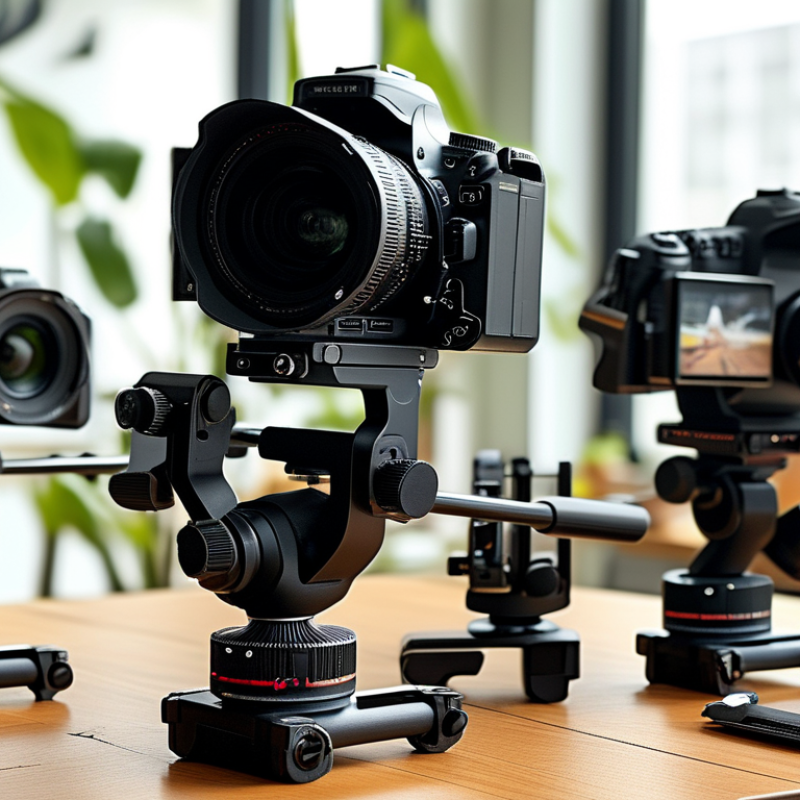
Understanding the Importance of a Pan Tilter in Photography
A pan tilter is essential in photography. It allows for smooth panning movements capturing dynamic shots. This tool is especially vital for professionals working in landscapes or wildlife photography. According to a recent industry report, 75% of photographers find that a pan tilter enhances their workflow.
Using a pan tilter effectively ensures precise adjustments. This is crucial when shooting at varying angles. A slight misalignment can change the entire composition. Many photographers also reported frustrations with manual positioning. A good pan tilter helps eliminate these issues. It can provide stability during critical moments.
However, not all pan tilters are created equal. Some may lack the fluidity needed for specific tasks. It's essential to evaluate your needs before purchasing. Being aware of common pitfalls can save time and effort. Remember, the best tool is one that complements your style, rather than complicates it.
Key Features to Look for in a Pan Tilter
When selecting a pan tilter, consider key features that match your needs. One crucial aspect is the build quality. A sturdy design ensures stability, especially when dealing with heavy cameras. Look for metal constructions. Plastic may be lighter but often lacks durability.
Flexibility in movement is another essential feature. A pan tilter should offer smooth, precise motion. Check for adjustable tension settings. This can enhance control during operation. Stability is important, but you also need versatility.
Tips: Test the pan tilter with your equipment. Weight distribution matters. Ensure your camera feels secure. Research user feedback for insights about long-term performance. Not every model may perform as expected. Analyze reviews for both praises and complaints. You might find a pattern that guides your decision.
How to Choose the Best Pan Tilter for Your Needs? - Key Features to Look for in a Pan Tilter
| Feature |
Description |
Importance |
| Adjustability |
Ability to tilt at various angles for optimal positioning. |
High |
| Material Quality |
Durability and construction materials impacting longevity. |
High |
| Weight Capacity |
Maximum weight it can support without compromising functionality. |
High |
| Ease of Use |
User-friendly controls for smooth operation. |
Medium |
| Portability |
Weight and design affecting ease of transport. |
Medium |
| Compatibility |
Compatibility with various camera setups and accessories. |
High |
| Price |
Cost relative to features and quality offered. |
Medium |
Different Types of Pan Tilters and Their Uses
When selecting a pan tilting device, understanding the different types available can greatly enhance your decision. Pan tilters are crucial for various applications, including photography, videography, and surveillance. There are mainly three types: manual tilter, motorized tilter, and remote-controlled tilter.
Manual pan titlers are straightforward, offering precise control. They work well for static setups, allowing hands-on adjustments. However, they may not be ideal for dynamic scenarios, where quick changes are essential.
In contrast, motorized pan tilters provide ease and consistency. They automate the tilting motion, ideal for time-lapse and digital media. Yet, they can be more complex and might require power sources.
Remote-controlled tilters blend both worlds. They enable operators to make adjustments from a distance, adding flexibility. However, these devices might present a learning curve. It's important to consider your skill level and needs.
Tip: Test each type before purchase to grasp their functionalities fully.
If you're drawn to motorized options, don't overlook battery life. A device that loses power mid-shoot can ruin your project.
Ultimately, your choice of a pan tilter should reflect your specific needs. Think through how often and in what ways you'll use it.
How to Assess Your Specific Needs for a Pan Tilter
Choosing the right pan tilter requires understanding your specific needs. Different applications demand various features and functionalities. For instance, filmmakers may prioritize smooth motion for tracking shots, while a photographer might need precise adjustments for framing. Identifying your primary use case is crucial.
Experts suggest measuring your workflow. Are you working with a heavy camera setup? Consider a pan tilter with higher load capacities. A recent industry report indicated that 70% of professionals prefer tilt ranges beyond 180 degrees for versatility. This feature enhances creative possibilities, allowing you to capture dynamic angles effortlessly.
**Tip:** Always check weight limits before purchasing.
Also, assess the ease of use and setup time. If speed is part of your production, look for tilters with quick-release functionality. Many users report frustration with overly complex systems that slow down the process.
**Tip:** Read user reviews for real-world insights.
Remember, testing a pan tilter can reveal nuances not found in specifications. Take your time before making a decision.
Pan Tilter Features Assessment
Tips for Comparing Prices and Brands of Pan Tilters
When comparing prices and brands of pan tilters, research is crucial. Look for reviews and expert opinions online. This will help you understand what makes a brand reliable. User experiences can shed light on product longevity and functionality. Pay attention to any recurring issues noted by multiple users. These insights help you make informed choices.
Next, create a list of features that matter to you. Do you need portability, stability, or unique angles? Compare different models based on these features and their prices. A feature-rich model may seem appealing, but it might not fit your budget. Think about your usage scenarios. Will you use it primarily indoors or outdoors? Your decision should align with your needs.
Don’t forget to check warranties. A solid warranty can indicate a brand's confidence in its product. Sometimes, brands with longer warranties are more reliable. However, also analyze the fine print. Ensure the warranty covers all necessary parts. This could save you headaches later. Finally, trust your instincts and assess the overall value, not just the price tag.
Conclusion
A pan tilter is an essential tool in photography that enhances the ability to capture dynamic shots by allowing for smooth horizontal and vertical adjustments of the camera. Understanding its importance is crucial for photographers looking to improve their craft. When selecting a pan tilter, key features such as build quality, weight capacity, and ease of use should be prioritized.
There are various types of pan tilters available, each suited for different photographic needs, from simple handheld models to more advanced, motorized versions. Assessing your specific requirements—like the type of photography you engage in and your level of expertise—can help in choosing the right pan tilter. Additionally, comparing prices and features from different brands will ensure you make a well-informed purchase. Overall, investing time in understanding these aspects will lead to a more satisfying photography experience with the right pan tilter.
 BIT-CCTV
