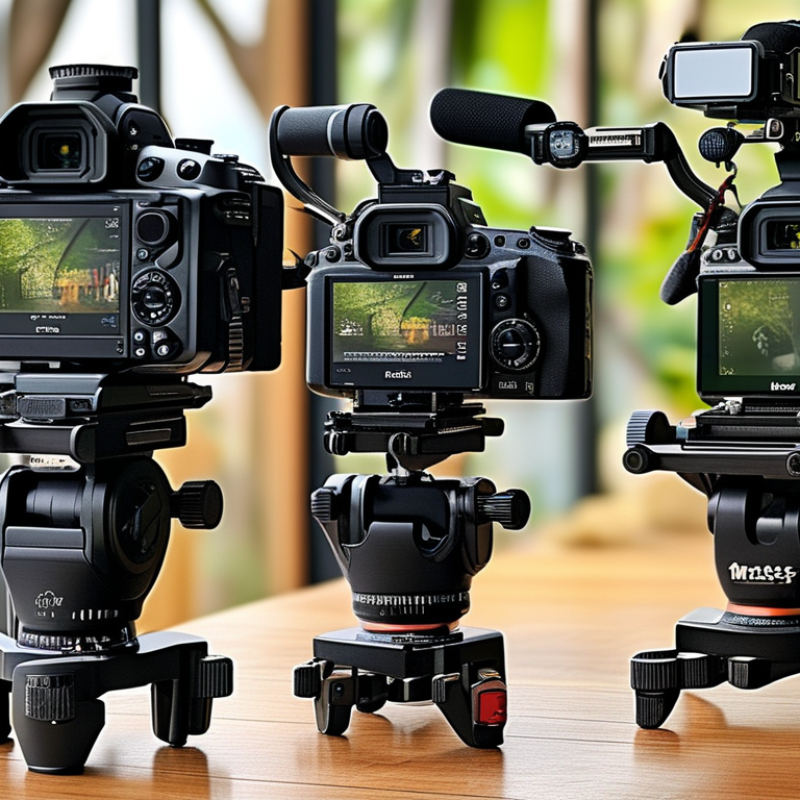
Choosing the right Ptz Head can be overwhelming. With so many options, it's vital to make an informed decision. Industry expert John Smith says, “A well-chosen Ptz Head enhances your video capabilities significantly.” His words highlight the importance of understanding your unique requirements.
Many factors influence your choice. The type of camera, the environment, and your specific needs all matter. For instance, consider whether you need a Ptz Head for indoor or outdoor use. Different models excel in different situations.
Moreover, research is crucial. Not all brands are equal. Some may perform well one day and not the next. Look for reliable reviews and testimonials. This exploration helps ensure you select a Ptz Head that truly fits your needs. Remember, an informed choice can elevate your project’s success.
Understanding PTZ Heads: Definition and Functionality
Understanding PTZ heads is crucial for effective video monitoring and production. PTZ stands for pan-tilt-zoom, allowing the camera to move in various directions and zoom in. These features enhance coverage and provide flexibility in capturing dynamic scenes, whether in security applications or live events.
PTZ heads come with different functionalities. Some models offer preset positions for quick access, while others include advanced tracking capabilities. Choosing the right one requires evaluating your specific needs. For example, a camera with a high zoom lens may be essential for surveillance in vast areas. However, these advanced features can complicate operation. Users may need additional training to maximize efficiency.
Understanding the specific environment is also vital. Different settings require adaptability. For instance, outdoor environments may necessitate weatherproof models, while indoor setups can focus on aesthetics and size. Assessing the unique demands of your application will guide you in selecting the best PTZ head. Patience in this process is necessary, as initial choices may not meet all requirements perfectly.
Key Features to Consider When Selecting a PTZ Head
When selecting a PTZ head, consider key features that significantly influence performance.
Look for the range of motion. The best models should allow smooth pan, tilt, and zoom capabilities. A wide range can enhance flexibility for various shooting environments. Think about how high the head can tilt and how far it can pan. This will affect the versatility of your setup.
Another crucial feature is the payload capacity. Ensure the PTZ head can safely support your camera's weight. An inadequate payload can lead to stability issues and affect shots. Additionally, check the build quality. Sturdy materials provide durability, especially in challenging shooting conditions. A weather-resistant design is often a plus.
Don't overlook control options. Remote control capabilities can improve the user experience. Some models allow automated controls, which can add value. Consider how intuitive the interface is. Complex controls can be a hurdle for users. Finally, reflect on your specific needs. Everyone's situation is different. What works for one may not work for another. Always weigh your options carefully.
Assessing Compatibility with Cameras and Mounting Systems
Choosing the right PTZ head requires a close look at compatibility with your cameras and mounting systems. Many users overlook this crucial aspect, leading to inefficiencies. One industry report highlights that over 40% of users experience compatibility issues. Understanding the specifications and requirements of your cameras is essential.
When assessing compatibility, consider the mounting system and the weight of your cameras. A proper match ensures stabilized performance. For instance, a heavy camera on an inadequate mount can lead to poor functionality. Additionally, check if the PTZ head supports the necessary pan and tilt angles, which can vary significantly. A study revealed that 30% of installations face issues due to incorrect angle assessments.
It's also wise to evaluate the interfaces. Some configurations require specific connection types, such as serial or IP. Failure to match these connections can render your equipment useless. Many installers find that taking time to plan can save future headaches. A solid grasp of your technical needs can prevent common pitfalls. Keeping these considerations in mind is crucial for smooth operation and satisfaction.
Camera Compatibility with PTZ Heads
Evaluating Budget and Price Range for PTZ Heads
When choosing a PTZ head, budget is crucial. You need to determine how much you can spend. Prices can vary significantly based on features and brand. Many options are available, from entry-level models to high-end professional gear.
Tips: Start with a clear vision of your needs. What will you use the PTZ head for? A simple project might only require basic functionalities. If you aim for professional-quality footage, consider investing more.
It’s also worth pondering the long-term value. Cheaper options may not last, forcing you to buy again. Analyze the specifications and compare them to your project requirements. Higher price tags often correlate with better materials and features, but this isn’t always the case.
Tips: Set priorities for essential features. Zoom capabilities, remote control, and build quality might top the list. However, you may find that not every feature is necessary for your work. Reflect on how often you'll use advanced functionality versus basic features.
Exploring Reviews and Recommendations for Top PTZ Heads
When selecting a PTZ head, reviews play a crucial role in informing your choice. According to recent industry reports, nearly 70% of users rely on community feedback before purchasing. This data highlights the importance of understanding real user experiences. Detailed reviews often cover essential features such as build quality, movement range, and compatibility with various cameras.
One popular aspect of PTZ heads is their versatility in different settings. Some users find that certain models do not perform well in low-light conditions, which is a common critique. Others have reported issues with the motor noise, affecting their recordings. It's essential to weigh these experiences against your specific needs.
Moreover, paying attention to recommendations from industry experts can guide your decision-making. Experts' analysis often delves deeper into technical specifications, ensuring that you understand the operational capabilities of a product. However, conflicting reviews can be misleading. Some reviewers may overlook critical factors, leading to confusion. Taking time to assess both user and expert feedback will offer a clearer picture of which PTZ head aligns with your requirements.
FAQS
: Look for smooth pan, tilt, and zoom features. A wider motion range enhances shooting flexibility.
Very important. It must support your camera's weight to prevent stability issues during shooting.
Sturdy materials ensure durability. Weather-resistant designs are beneficial for challenging conditions.
Remote control capabilities improve user experience. Intuitive interfaces make operation easier for users.
Mismatched equipment can lead to poor functionality. Ensure mount and weight are suitable for your camera.
Evaluate necessary angles and connection types. Incorrect assessments can create frustrating installation issues.
Many people rely on community feedback. Reviews provide insights into build quality and performance.
Problems in low-light settings and motor noise are frequently mentioned. These factors can impact usability.
Yes, expert analyses provide deeper technical insights, guiding better decision-making during the selection process.
Not all factors are considered by reviewers. This oversight can lead to misunderstandings about product capabilities.
Conclusion
When selecting the best PTZ head for your needs, it is essential to understand its definition and functionality. PTZ heads, or pan-tilt-zoom heads, are devices that allow for remote control of camera movement and zoom, making them ideal for capturing dynamic scenes. Key features to consider include range of motion, motor speed, and load capacity. Compatibility with your existing cameras and mounting systems is crucial to ensure seamless integration.
Additionally, evaluating your budget and price range will help narrow down options, as PTZ heads can vary significantly in cost. Exploring reviews and recommendations can provide insights into the performance and reliability of different models. By considering these factors, you can confidently choose a PTZ head that meets your specific needs and enhances your camera setup.
 BIT-CCTV