
BIT-CCTV
The demand for Radar Rotor technology is rapidly increasing in various industries, including aviation and marine sectors. According to a report by Global Industry Analysts, the Radar Rotor market is projected to grow at a compound annual growth rate (CAGR) of 5.2% by 2026. This growth reflects the need for enhanced monitoring and navigation systems worldwide.
Dr. Emily Chen, a leading expert in radar technology, emphasizes the importance of quality in this field. She states, “The future of Radar Rotors depends on balancing innovation with reliability.” This highlights the ongoing challenges in selecting the best Radar Rotor options for global buyers.
As companies face a plethora of choices, understanding key features becomes critical. Performance, durability, and integration capabilities are vital considerations. Even leading manufacturers sometimes struggle with balancing these factors. Buyers must also reflect on what trade-offs they are willing to accept. Ultimately, the best Radar Rotor options will cater to diverse needs, but decision-making requires careful analysis.
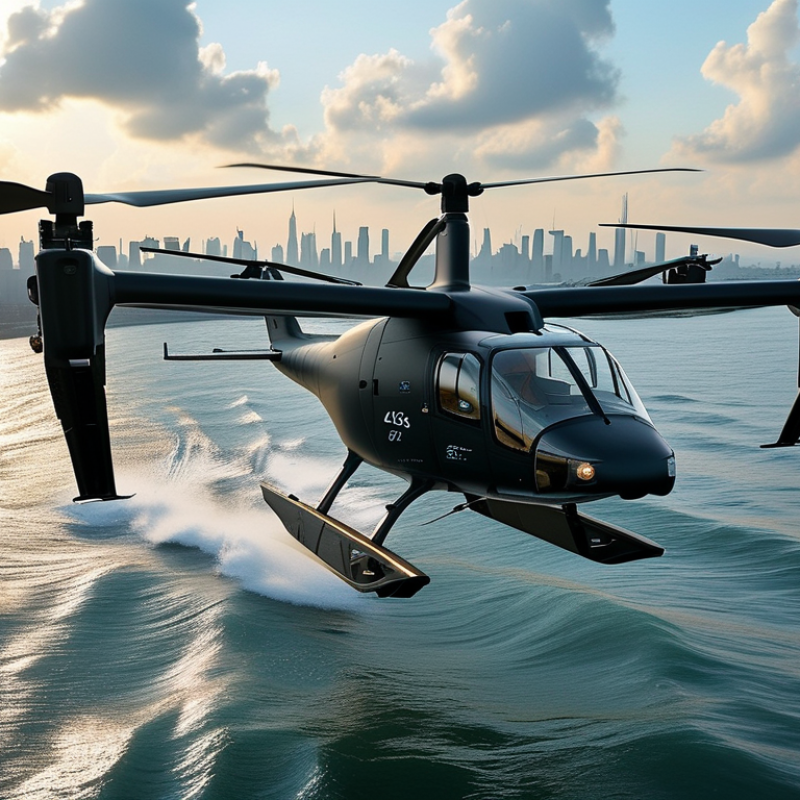
The global market for radar rotor technology is poised for significant growth in 2026. Many industries, including aviation and maritime, are increasingly relying on advanced radar systems. This reliance is driven by the need for accurate data and improved safety measures. However, not all radar rotors are created equal. Performance can vary greatly among different technologies.
Key factors influencing the market include innovation and cost-efficiency. Manufacturers are exploring cutting-edge materials and designs. Yet, challenges remain in balancing performance with budget constraints. Ensuring reliability is also critical, as malfunctioning systems can have serious implications. Continuous research and development efforts are necessary to address these issues.
As buyers navigate the options, they must consider various technical specifications. Factors such as frequency range, operational environment, and integration capabilities are essential. Keeping abreast of market trends is vital, but many buyers may still overlook key developments. Making an informed decision requires thorough research and potential consultation with experts in the field.
The radar rotor industry is evolving. Key players continue to innovate and push boundaries. Their commitment to quality and reliability is crucial. In this competitive landscape, understanding the main competitors is vital for global buyers.
Several companies lead the market with advanced technology. They focus on efficiency in design and manufacturing. This results in radars that effectively meet diverse needs. It's not just about performance; it's also about integration with existing systems. Buyers should assess compatibility and support services.
Investigating customer feedback is essential. Reviews can reveal hidden strengths or weaknesses. Look at case studies to gauge real-world applications. Choosing a vendor means selecting a partner. This relationship will influence long-term success.
Evaluate how companies adapt to market changes. The ability to pivot in response to new challenges is a key indicator of reliability. Stay informed about industry trends. Changes in regulations or technology can impact options significantly. Knowing these shifts helps in making informed decisions.
In recent years, radar rotor design has seen significant advancements. These innovations enhance both performance and functionality for global users. Engineers focus on improving efficiency and reducing noise levels. New materials contribute to lightweight structures, increasing maneuverability. Moreover, advanced algorithms for processing radar signals boost accuracy and reliability.
Pay attention to installation and maintenance. A well-installed radar rotor performs better over time. Regular check-ups can prevent unexpected failures. Users should also consider the environmental conditions a rotor will face. Wind resistance and temperature fluctuations affect overall performance.
Another exciting trend is integrating artificial intelligence into radar systems. AI algorithms can analyze data more efficiently. This capability allows for quicker decisions in real-time situations. However, it’s essential to understand that these technologies may require specific expertise. Not all users will have the necessary knowledge to fully leverage these advancements. This gap may result in underutilization of complex features.
| Rotor Model | Diameter (cm) | Weight (kg) | Max Range (km) | Material | Innovative Feature |
|---|---|---|---|---|---|
| Model A | 120 | 25 | 300 | Composite | Smart Signal Processing |
| Model B | 140 | 30 | 400 | Aluminum | Adaptive Beamforming |
| Model C | 160 | 35 | 250 | Steel | Multi-Frequency Capability |
| Model D | 130 | 28 | 350 | Carbon Fiber | Enhanced Durability |
In the realm of radar rotor production, cost efficiency remains a critical focus. As global buyers seek the best options, balancing quality with affordability is essential. The production process must not only meet operational standards but also optimize material usage and labor inputs. This efficiency can lead directly to lower costs for consumers, fostering a more competitive market.
Despite advances in technology, imperfections persist in achieving optimal cost efficiency. Manufacturers may struggle with scaling operations or managing supply chain dynamics. Fluctuating material prices can complicate budgeting efforts. In addition, integrating new technologies often incurs upfront costs that may not always translate to savings. These challenges require careful evaluation of production practices and a commitment to continuous improvement.
Investing in data analytics can provide insights to better track production costs. This approach may reveal hidden inefficiencies or areas for potential savings. However, it also necessitates a willingness to adapt and innovate—qualities not all organizations possess. As global buyers navigate this complex landscape, informed choices will hinge on both technological prowess and a readiness to refine processes continually.
As the radar rotor market evolves, understanding future trends becomes essential. Industry experts predict an increase in demand driven by advancements in technology. Countries are investing heavily in aerospace and defense. This trend is likely to push the need for high-performance radar systems.
Some buyers might prioritize cost over quality. This decision can lead to challenges in performance and reliability. The balance between budget constraints and technological needs is crucial. Investing in durable and advanced radar rotors will yield better long-term benefits.
A shift towards automation is anticipated in the radar systems industry. Automated radar rotors can enhance efficiency and reduce human error. However, transitioning to automated systems poses significant challenges. Companies need to ensure proper training for their teams to handle advanced systems. As this transformation occurs, buyers should seek suppliers who prioritize user-friendly technology.
: Key factors include innovation, cost-efficiency, and the need for accurate data and safety measures in various industries.
Performance can greatly differ based on technology, materials used, and design efficiency in radar rotors.
Buyers need to evaluate frequency range, operational environment, and integration capabilities for informed decisions.
Proper installation enhances performance over time, while regular maintenance prevents unexpected failures.
AI algorithms analyze data quickly, enabling faster decision-making in real-time situations. Expertise is often required.
Manufacturers struggle with scaling operations, supply chain issues, and fluctuating material prices, complicating budgeting.
It provides insights to track production costs, revealing inefficiencies but requires a willingness to adapt and innovate.
A lack of understanding can lead to underutilization of advanced features and hinder overall performance.
Wind resistance and temperature fluctuations can significantly impact radar rotor performance over time.
Continuous research and development are needed to address performance and reliability issues in radar systems.
The article titled "2026 Best Radar Rotor Options for Global Buyers" provides a comprehensive overview of the radar rotor technology landscape. It discusses the current global market dynamics, highlighting key players and competitors within the radar rotor industry. The article also examines the latest innovations in radar rotor design, focusing on improvements in performance and efficiency that are shaping the future of the industry.
Moreover, it evaluates the cost efficiency of radar rotor production, outlining how manufacturers are optimizing processes to enhance profitability. Additionally, the article predicts future trends and supply-demand scenarios for radar rotors, offering valuable insights for global buyers looking to navigate this evolving market. Overall, the insights provided serve as a critical resource for understanding the advancements and opportunities within the radar rotor field.
